


การจัดการคุณภาพ ISO 9001
ด้านอุตสาหกรรม เครื่องเลเซอร์มาร์คกิ้ง for Product Identification
Choose Fiber, MOPA, UV or CO₂ marking equipment for logos, serial numbers and product codes. Oceanplayer Laser helps match the laser source, lens and workstation to your material, required mark and production workflow.
- ไฟเบอร์และ MOPAOptions for metal and selected plastic marking.
- UV & CO₂Source selection for compatible materials and marking effects.
- Logos & CodesPlan serial numbers, QR codes and product identification.
- Station & InlineDiscuss fixtures, part positioning and production integration.
Start with Your Material and Marking Goal
Choose a laser marking machine around your actual workpiece. Material grade, coatings, plastic color and surface finish can affect the marking result.
Define the mark first: a visible logo, a recessed serial number or a readable product code. Confirm the required size, contrast and depth before comparing equipment.
Share a representative part and the artwork or code content with Oceanplayer Laser. Sample marking helps you review the result before selecting the laser source, lens and workstation.
Discuss My Marking ApplicationExplore Our Laser Marking Machine Range
Compare four marking directions, then confirm the source and workstation through testing on your actual product.
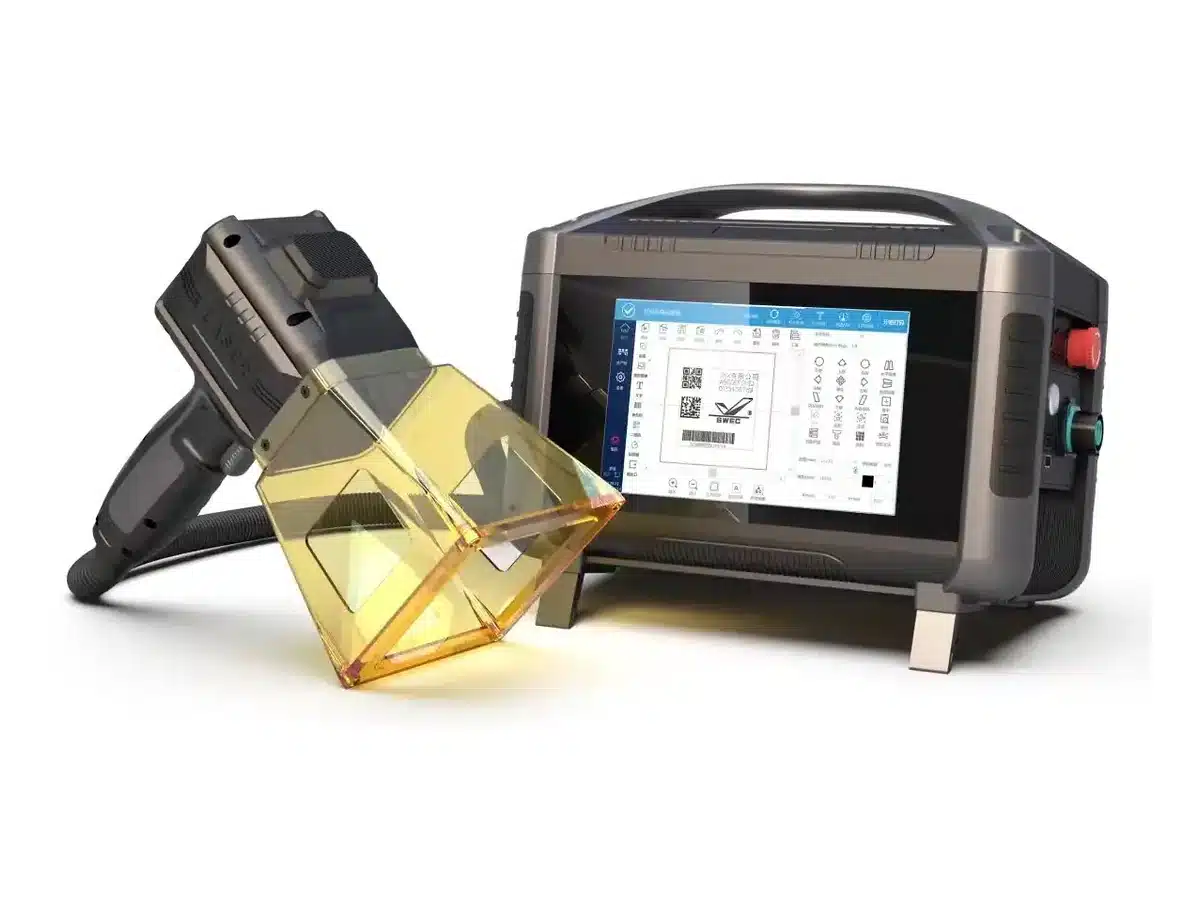
Metal parts, tools and nameplates
ไฟเบอร์เครื่องแกะสลักเลเซอร์
Evaluate logos, serial numbers and codes on metals and compatible plastics.
Compare contrast, depth and cycle time.
Explore This Series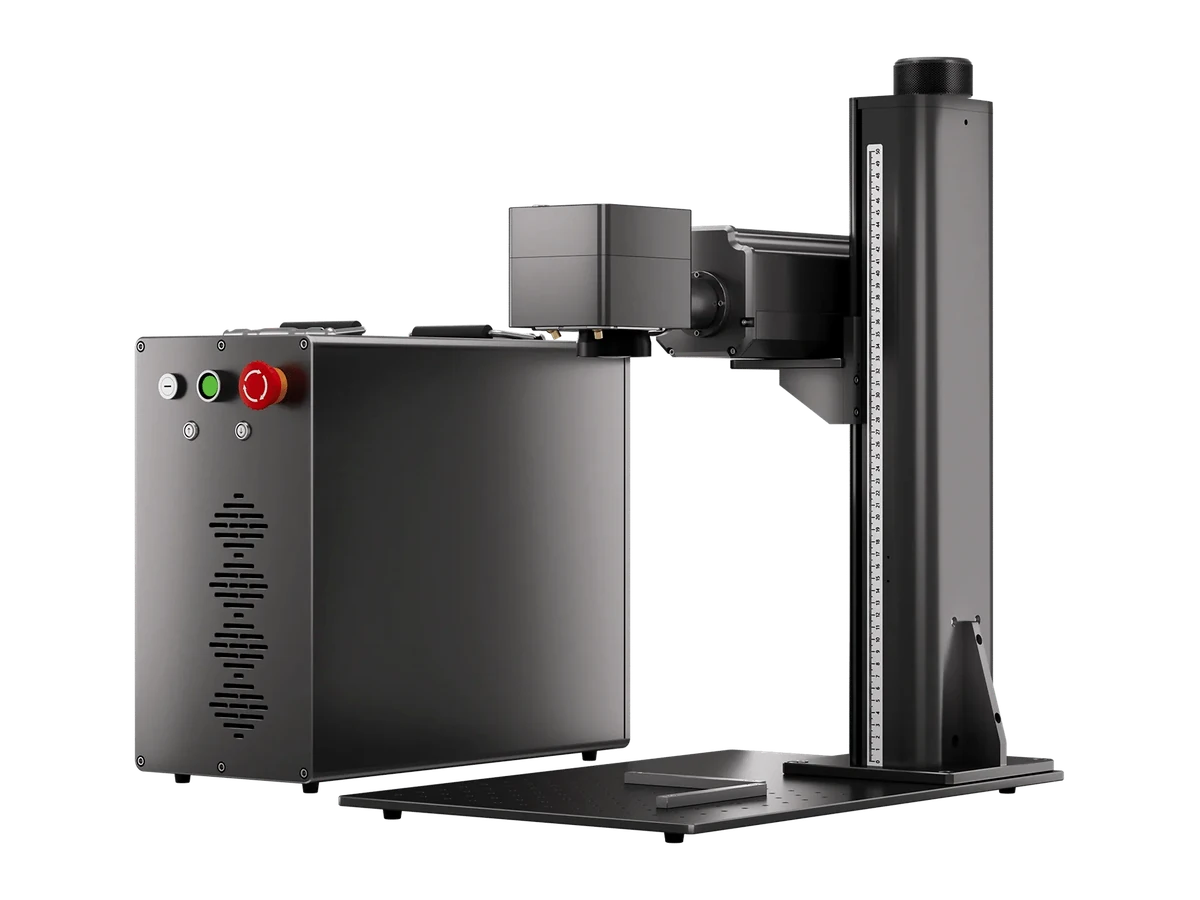
การควบคุมชีพจรแบบปรับได้
เครื่องเลเซอร์มาร์คกิ้ง MOPA
Evaluate controlled black marks, selected color effects and fine marks on compatible surfaces.
Confirm pulse settings and repeatability.
Explore This Series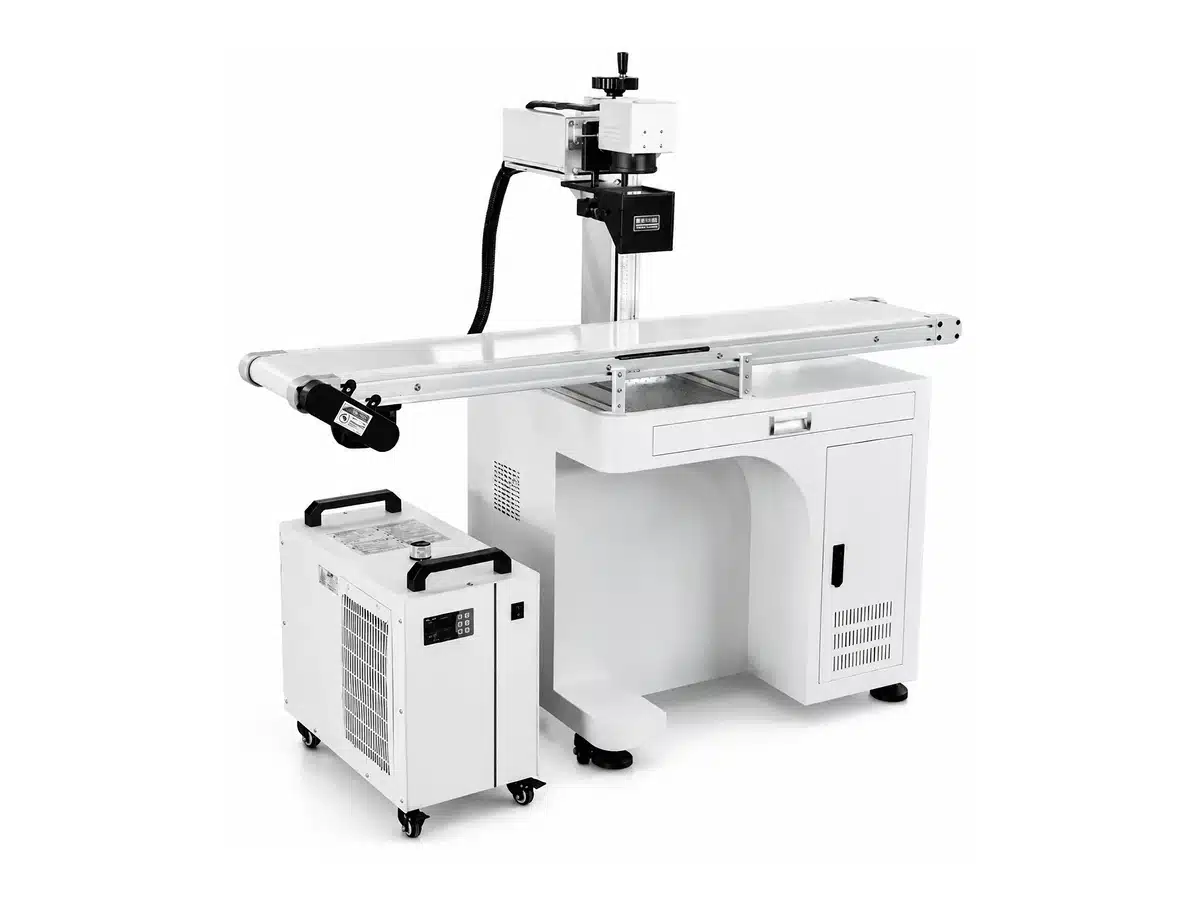
Fine-detail marking
เครื่องมาร์คด้วยเลเซอร์ UV
Evaluate small features and marking on compatible heat-sensitive plastics, glass and coated parts.
Check surface reaction and edge quality.
Explore This Series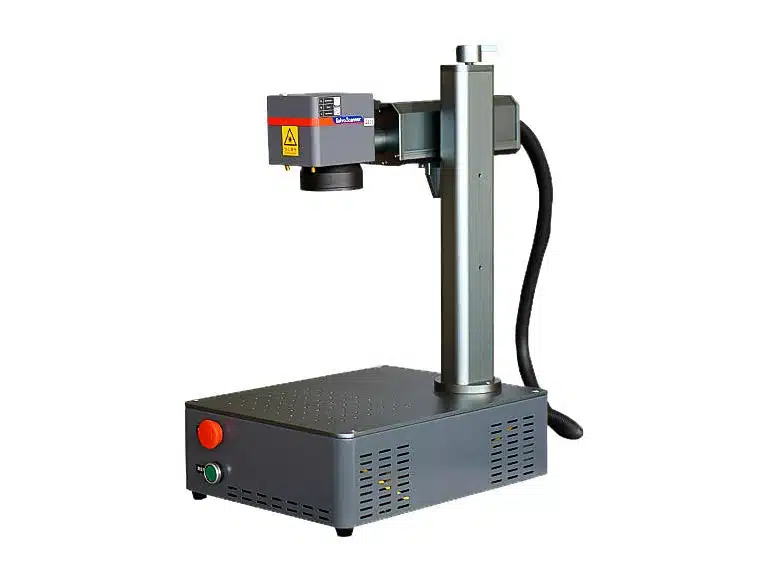
Organic and packaging materials
เครื่องทำเครื่องหมายเลเซอร์ CO₂
Evaluate codes and graphics on paper, wood, leather, acrylic and other compatible non-metal surfaces.
Test the exact material and finish.
Explore This Seriesคู่มือการเลือกเครื่องเลเซอร์มาร์คกิ้ง
Use the material and required mark to narrow the source options. Confirm the final choice with the actual part, artwork and production conditions.
| Material / Workflow | Marking Goal | การกำหนดค่าผู้สมัคร | สิ่งที่ต้องยืนยัน |
|---|---|---|---|
| Metal parts & nameplates | Logos, text, serial numbers and codes | ไฟเบอร์ / MOPA | Surface finish, contrast, depth and marking area |
| Stainless or anodized surfaces | Black marks or selected decorative effects | MOPA | Actual coating, pulse settings and repeatability |
| Selected engineering plastics | Fine text and product codes | UV / MOPA / Fiber, after testing | Polymer, color, additives and surface response |
| Glass & sensitive surfaces | Fine product identification | UV; evaluate other sources by application | Mark detail, edge quality and material reaction |
| Paper, wood, leather & acrylic | Graphics, batch data and product codes | CO₂ | Material response, mark depth and extraction |
| Repeated parts or moving products | Variable data and positioned codes | Suitable source + automation | Part presentation, trigger, data and verification |
Need Help Narrowing the Choice?
Share the material, surface finish, mark size and production target. Review candidate sources through a representative sample test.
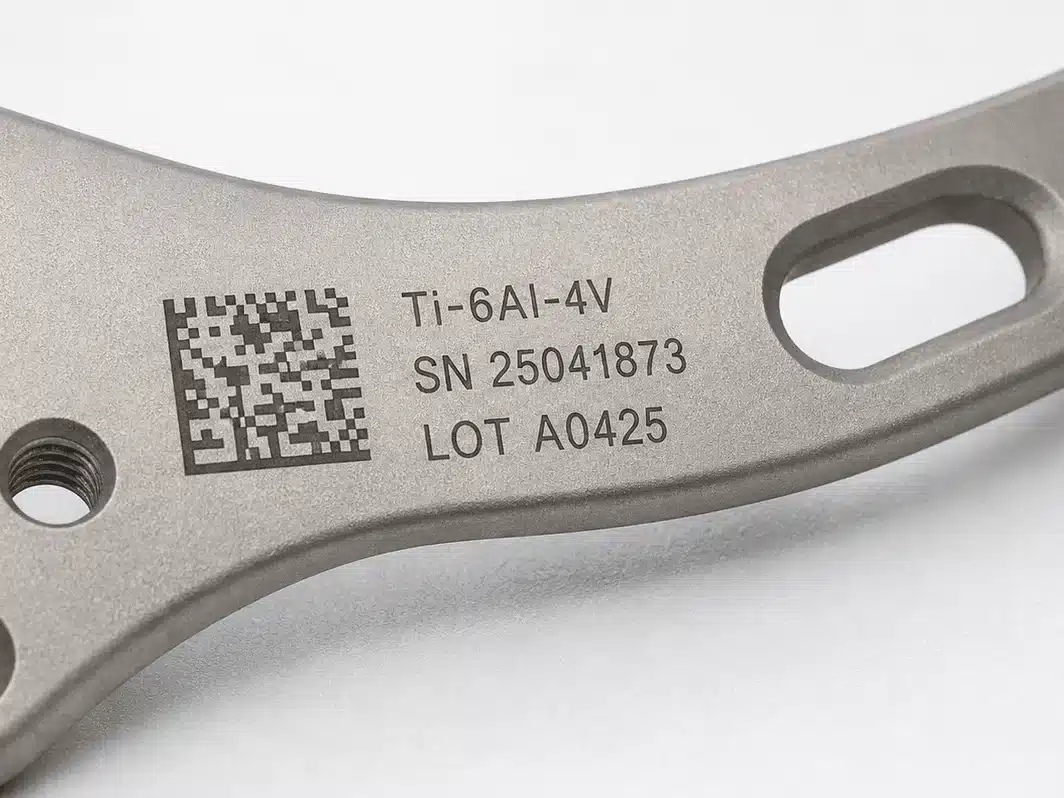
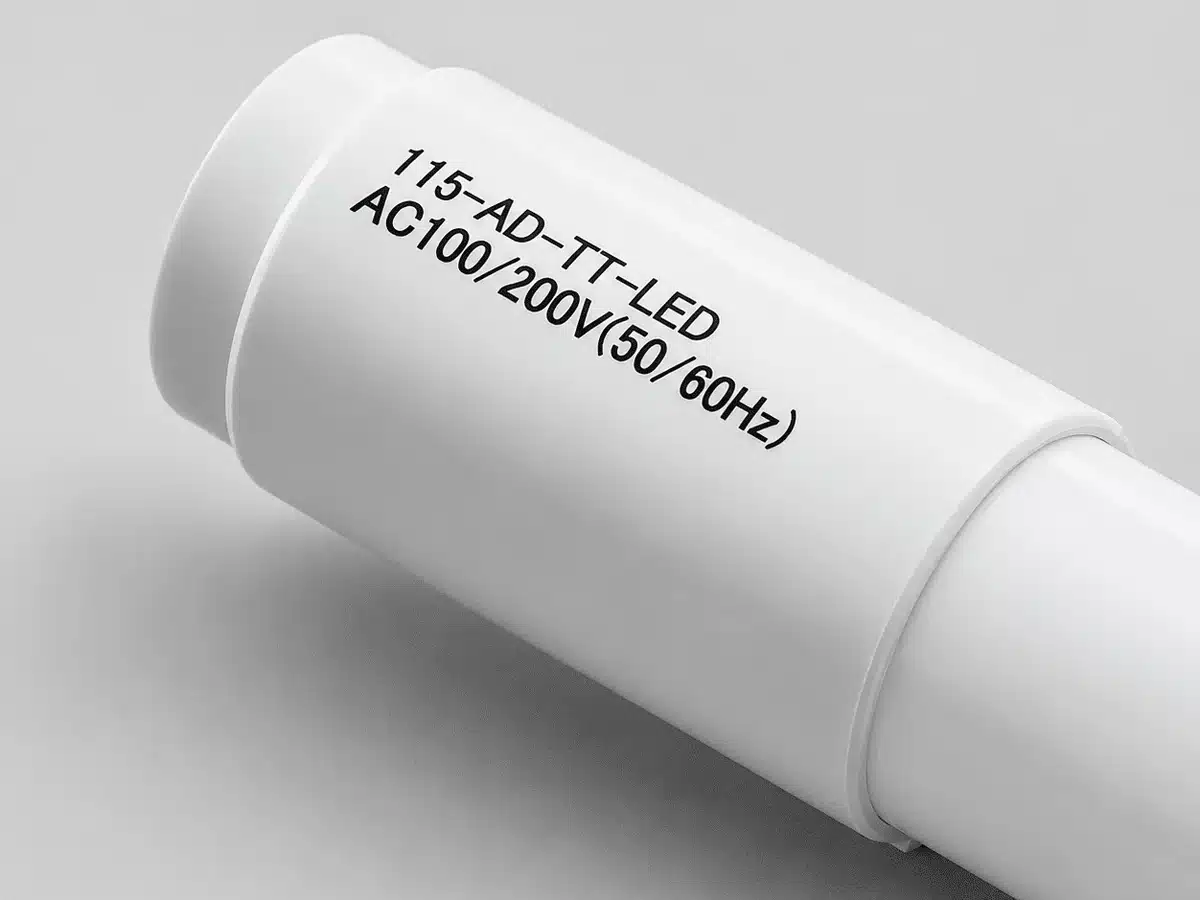
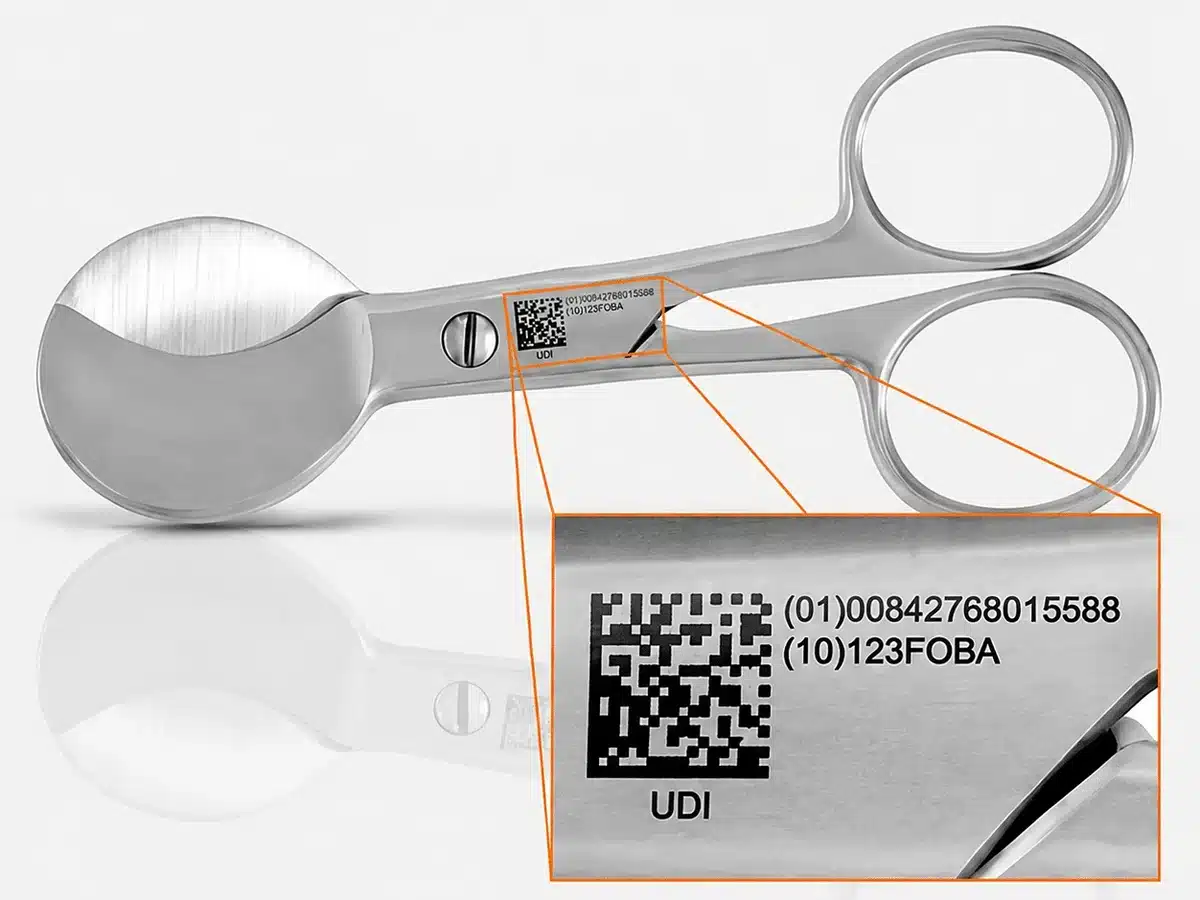
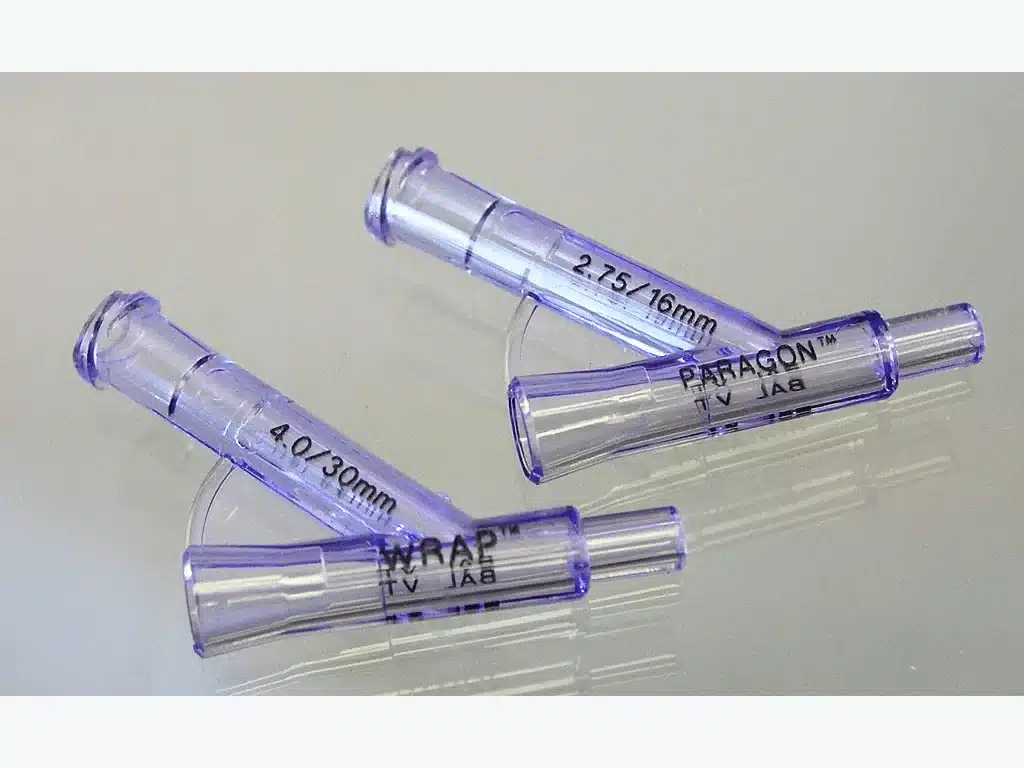
Laser Marking Samples & Mark Details
Review the result required on your product before final equipment selection. Use representative parts to compare appearance, readability and positioning.
Agree What a Successful Mark Must Show
Provide the content and dimensions of the mark, then assess the trial against your product requirements.
- ลักษณะ: contrast, edge definition and surface condition.
- Code reading: check with the intended scanner and reading setup.
- ข้อกำหนดของชิ้นส่วน: agree depth or durability checks where needed.
- การผลิต: review positioning, handling and cycle time.
Configure Your Laser Marking System
Combine the selected laser with optics, positioning, software and protection suited to the application.
แหล่งกำเนิดเลเซอร์และพลังงาน
Select the source and operating range from the material response, target depth and required cycle.
Lens & Marking Field
Match the marking field and feature detail to the dimensions of the actual artwork.
Focus & Part Position
Plan working distance, height adjustment and repeatable part presentation.
Fixtures & Rotary Options
Evaluate clamping, part orientation and rotary motion for the surfaces to be marked.
Enclosure & Extraction
Review guarding, operator access and fume extraction for the material and installation.
Software & Interfaces
Confirm the required artwork formats, variable fields and communication scope for the chosen setup.
Build Around Your Part and Workflow
Describe the product dimensions, mark location, loading method and production target.
QR Codes, Serial Numbers & Automated Marking
Plan the information, part position and verification around each mark. The exact software and line interface depend on the agreed project scope.
รับข้อมูล
Define the serial, batch, model or other variable fields.
Locate the Part
Establish the mark position with the agreed fixture or detection method.
Apply the Mark
Run the selected content with the approved process settings.
ตรวจสอบผลลัพธ์
Check the marked content and code reading where required.
Return the Status
Define how results or exceptions are passed to the production system.
Define What Changes Between Parts
Identify the variable fields, data source, duplicate-code controls and operator permissions required by your process.
Define How the Line Responds
Agree triggers, part detection, reading checks and handling of missing data or unsuccessful marks before integration.
Understanding Laser Marking Operating Costs
Evaluate a complete working configuration and the cost of producing an accepted mark, rather than comparing machine prices alone.
มองข้ามราคาซื้อ
Compare quotations for the same scope: laser source, lens, workstation, software, fixtures, protection and any integration work. A base-machine price may exclude items needed for your production setup.
For production planning, record the time to complete an accepted part, including handling and verification. Compare alternatives using the same mark, material, quality target and operating schedule.
Use a Sample Trial to Improve the Estimate
Confirm the mark quality and record the agreed process and handling assumptions before estimating operating cost.
Handling & Cycle Time
Include loading, part positioning, marking, reading checks and unloading when assessing output.
Changeovers & Utilization
Account for fixture changes, focus adjustments, artwork changes and the mix of parts in each shift.
การบำรุงรักษาและอุปกรณ์
Confirm optics care, extraction filters, cooling requirements and model-specific service items.
Power & Auxiliary Equipment
Review the full setup, including extraction, cooling, motion and connected production equipment.
Laser Marking Applications Across Industries
Match the identification task to the actual product surface, mark location and production workflow.
Metal Parts & Hardware
Plan the product identity, location and required mark depth on the actual part. Check the surface finish and access to the marking area.
การใช้งานทั่วไป
- Tools and industrial nameplates
- Machined parts and hardware
- Branded metal products
สิ่งที่ต้องยืนยัน
- Alloy, coating and finish
- Code size, contrast and depth
- Fixture access and part variation
Review the source, lens and workstation using a representative marking test.
Discuss This Marking Application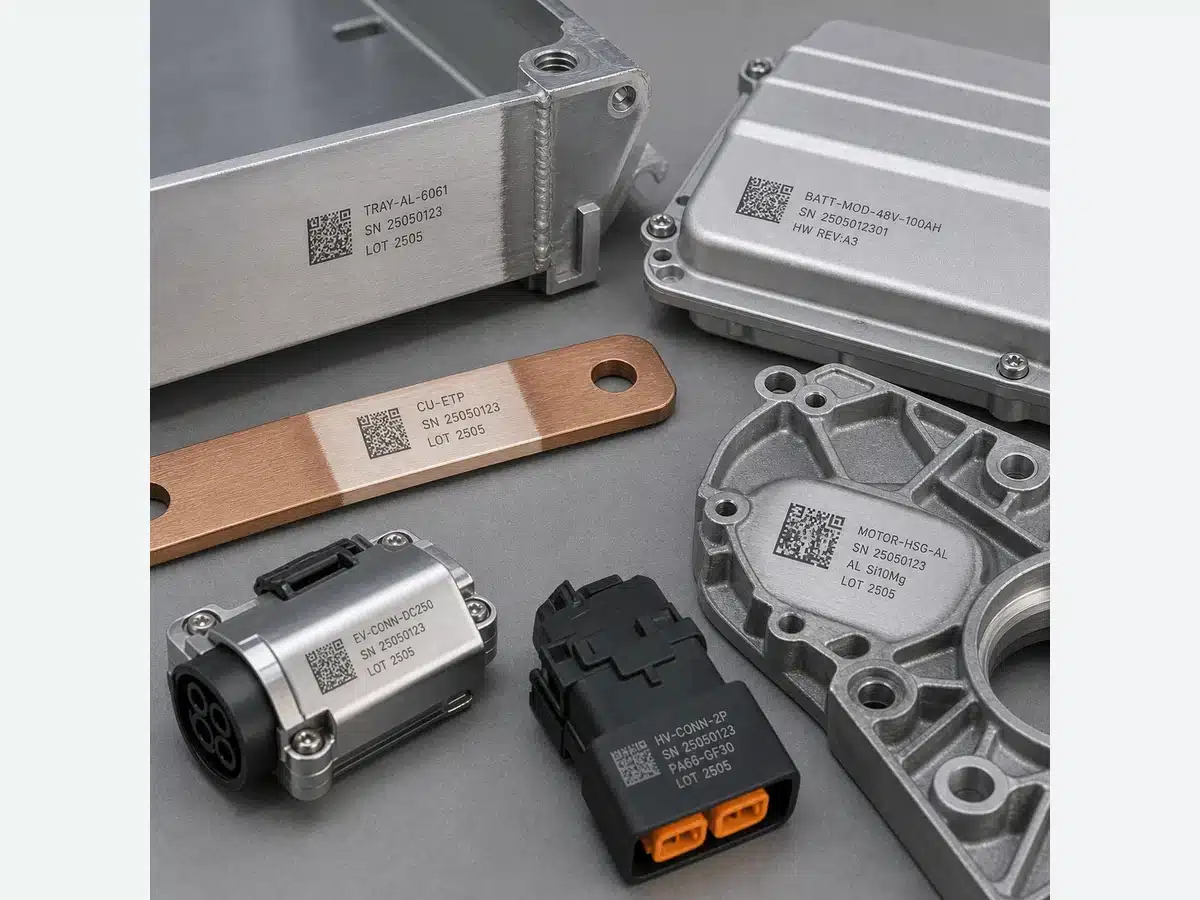
อิเล็กทรอนิกส์และส่วนประกอบไฟฟ้า
Define the mark size and surface limitations for housings, connectors and other components. Evaluate small features on the exact plastic or metal surface.
การใช้งานทั่วไป
- การระบุส่วนประกอบ
- Housings and connector marks
- Product and assembly codes
สิ่งที่ต้องยืนยัน
- Exact polymer, color or metal finish
- Fine features and surface condition
- Part orientation and data fields
Review the source, lens and workstation using a representative marking test.
Discuss This Marking Application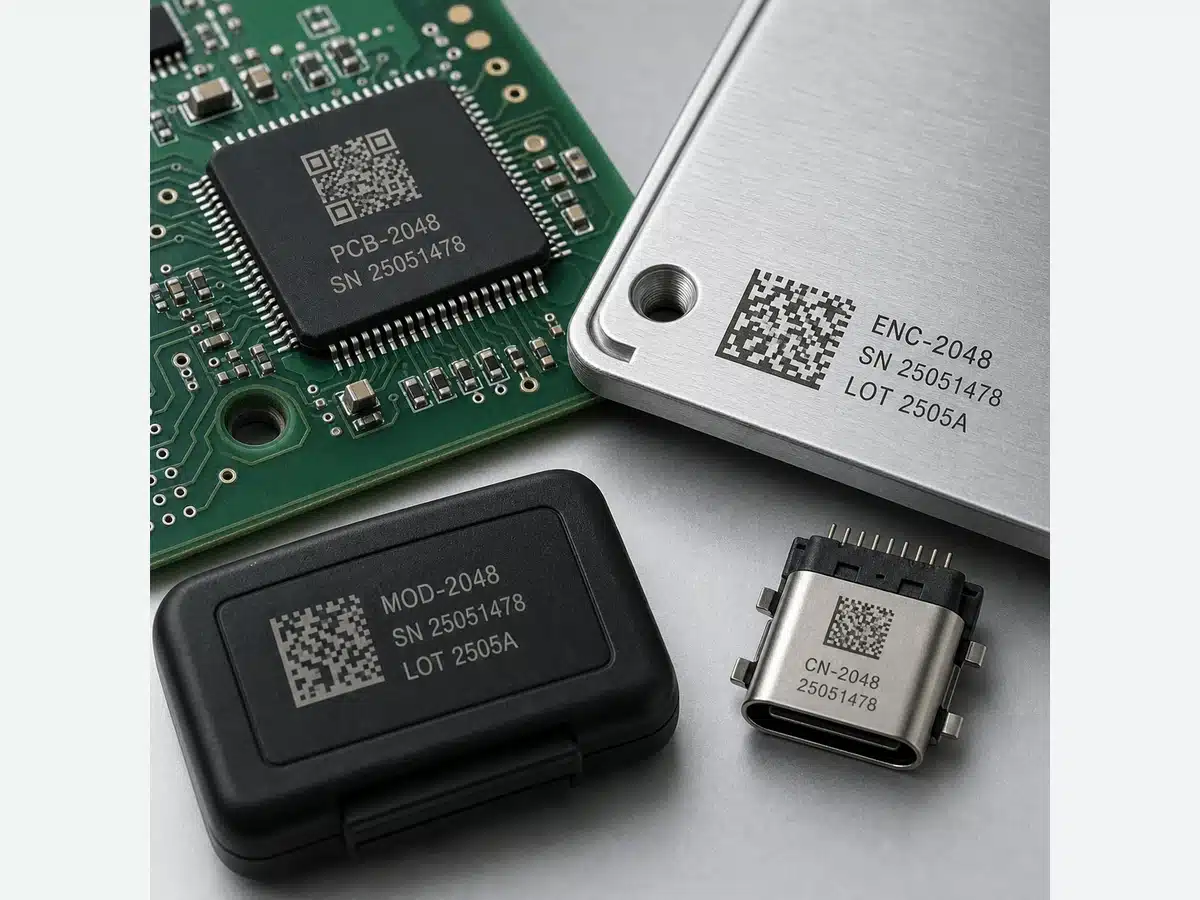
ชิ้นส่วนยานยนต์และอุตสาหกรรม
Start with the component drawing and the required identification content. Agree code reading and any specified part-acceptance checks before production planning.
การใช้งานทั่วไป
- Part IDs and batch records
- Component serial numbers
- Supplier and assembly information
สิ่งที่ต้องยืนยัน
- Coating, geometry and mark location
- Reading method and acceptance criteria
- Fixtures, line signals and part mix
Review the source, lens and workstation using a representative marking test.
Discuss This Marking Application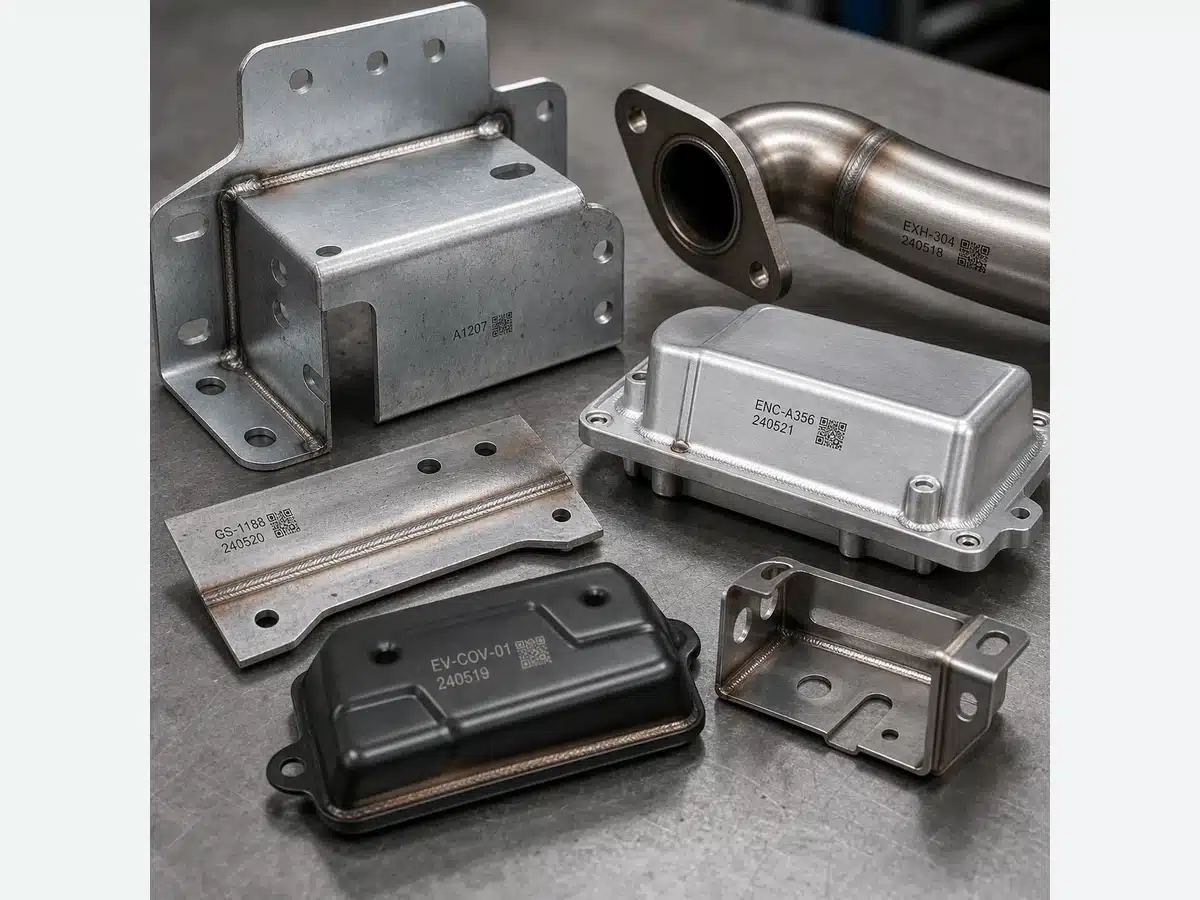
บรรจุภัณฑ์และผลิตภัณฑ์สำหรับผู้บริโภค
Review the visible mark and production data on the actual product or package. Confirm material response and how each item is presented to the marking head.
การใช้งานทั่วไป
- Batch and date information
- Product logos and graphics
- Consumer-product identification
สิ่งที่ต้องยืนยัน
- Substrate, coating and product finish
- Contrast, detail and visible appearance
- Station loading or conveyor presentation
Review the source, lens and workstation using a representative marking test.
Discuss This Marking Application
Why Choose Oceanplayer Laser
Application evaluation, sample marking and configuration support help connect the required mark with the equipment you order.
การจัดการคุณภาพ ISO 9001
From Product Requirements to a Production Setup
Oceanplayer Laser helps translate marking requirements into an equipment configuration. Begin with the actual product and the result you need, then review the source, lens, fixtures and operating method.
For an automated project, discuss part presentation, variable data and verification before defining the final system scope.
Make the Sample Result Useful
Record the material, artwork, marking area and acceptance requirements so the trial can guide the equipment discussion.
What We Review With You
การเลือกตามแอปพลิเคชัน
Review the material, mark dimensions, surface finish and operating workflow before narrowing the source and workstation.
Sample Marking & Result Review
Use representative parts and the intended artwork to evaluate appearance, readability and the agreed process conditions.
Equipment Preparation & Support
Confirm the selected configuration, accessories, documentation and guidance included in the order scope.
Factory Documents & Technical Information
Request the applicable product document set for the laser marking model and configuration you plan to order.
การผลิตในโรงงาน
Production and assembly support for industrial laser marking equipment.
OEM และโซลูชันที่กำหนดเอง
การสนับสนุนการกำหนดค่าขึ้นอยู่กับความต้องการของแอปพลิเคชันและข้อกำหนดของโครงการ
การตรวจสอบอุปกรณ์
การตรวจสอบเครื่องจักรจะดำเนินการตามการกำหนดค่าที่ตกลงกันไว้
Marking Configuration
Review source, optics and positioning for the selected marking task.
Technical Support
คำแนะนำในการใช้งานและคำแนะนำเกี่ยวกับอุปกรณ์ทั้งก่อนและหลังการส่งมอบ
ต้องการเอกสารผลิตภัณฑ์ ข้อมูลตัวอย่างการทดสอบ หรือการสนับสนุนทางเทคนิคก่อนสั่งซื้อหรือไม่?
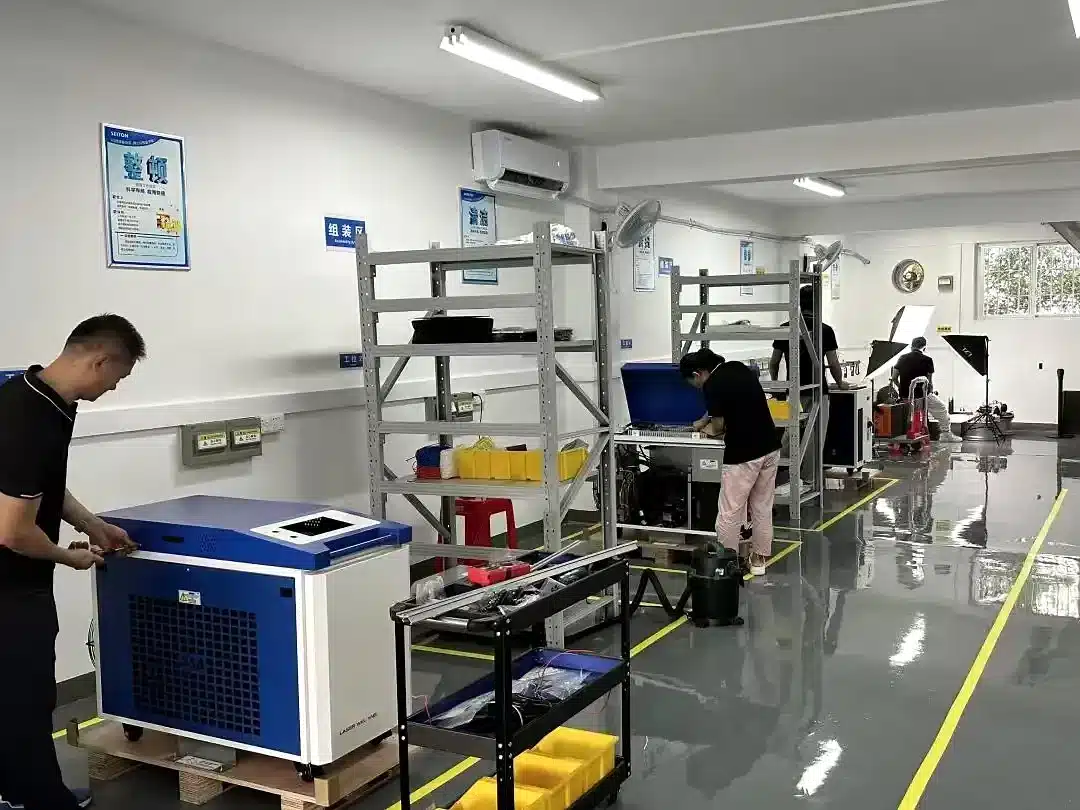
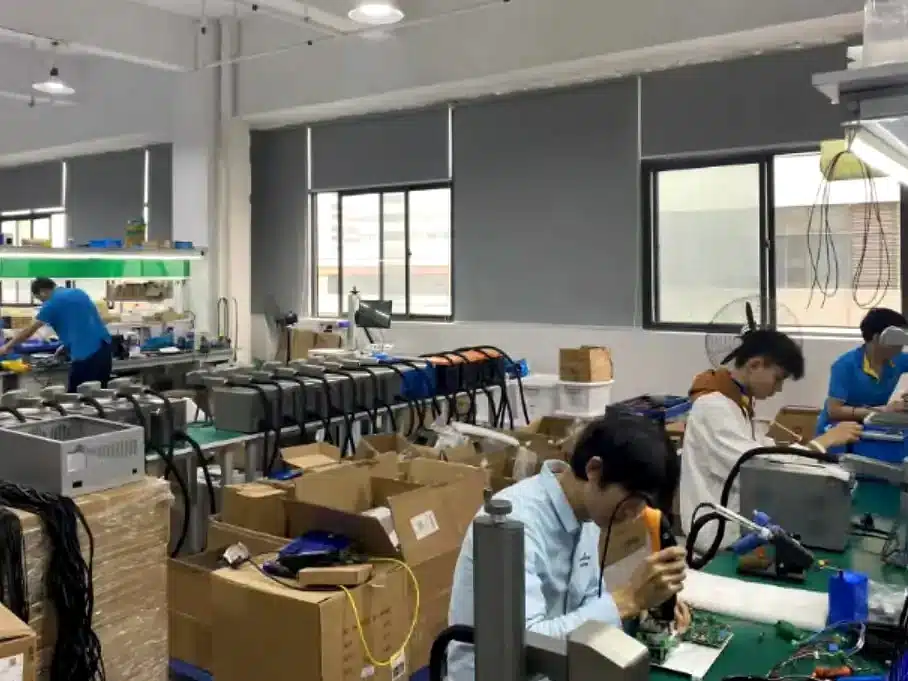
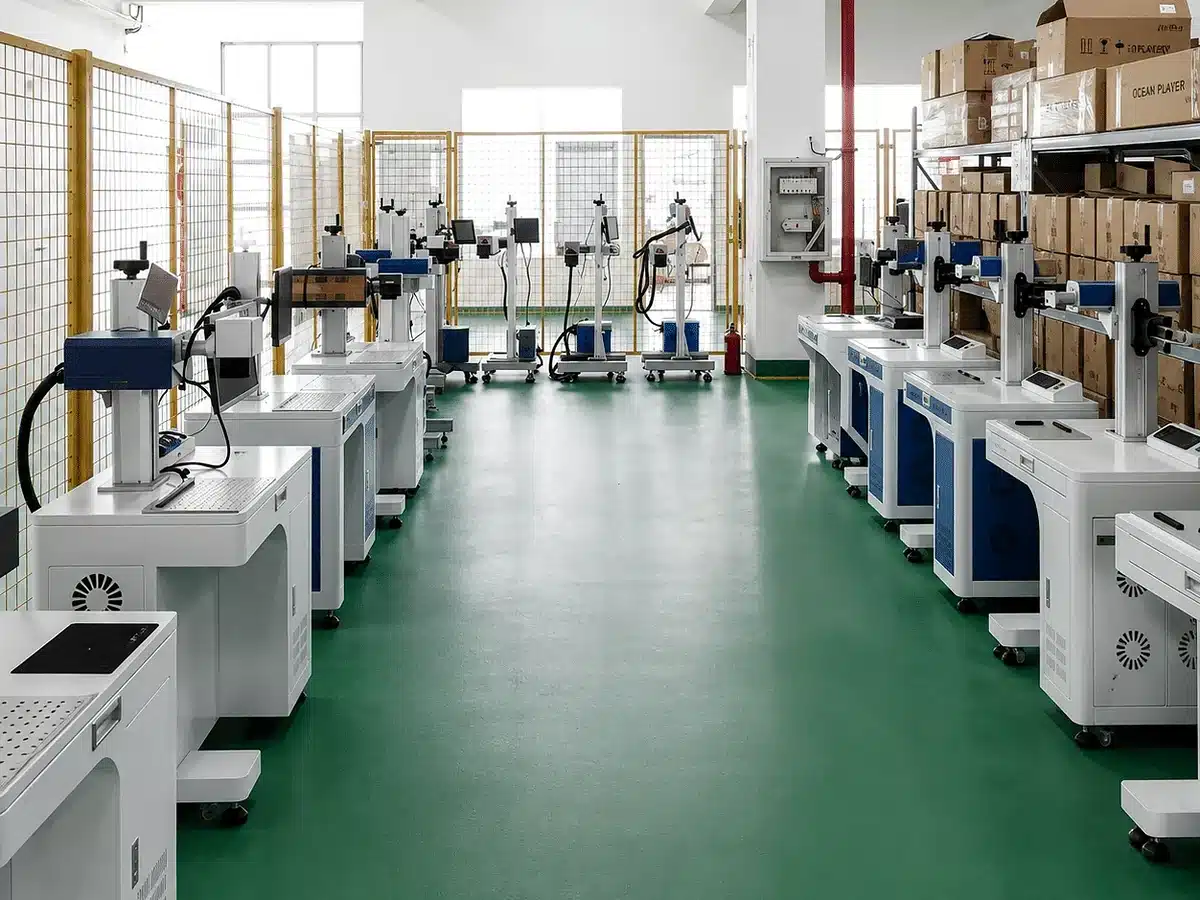
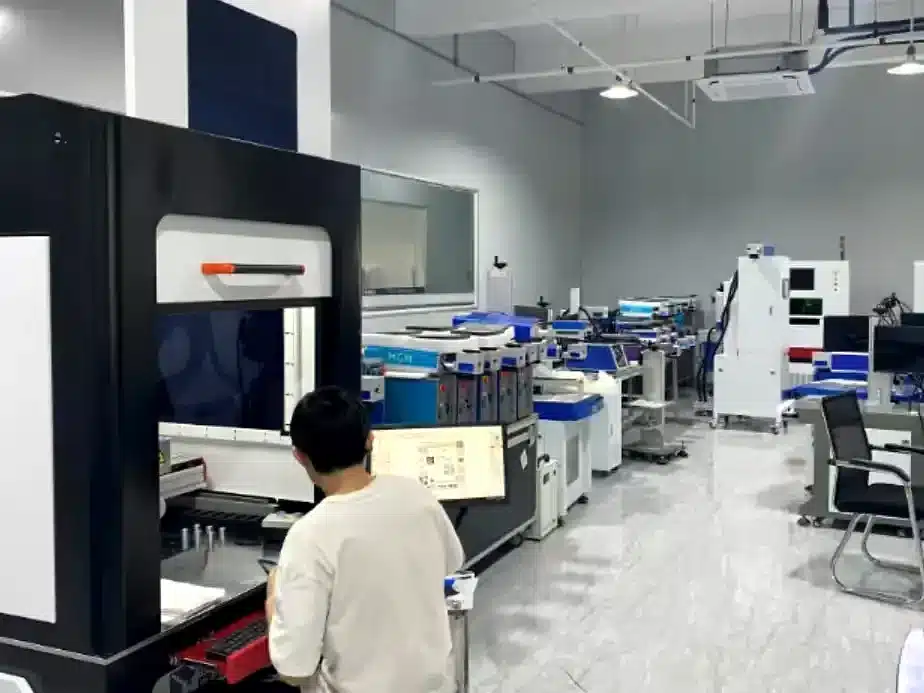
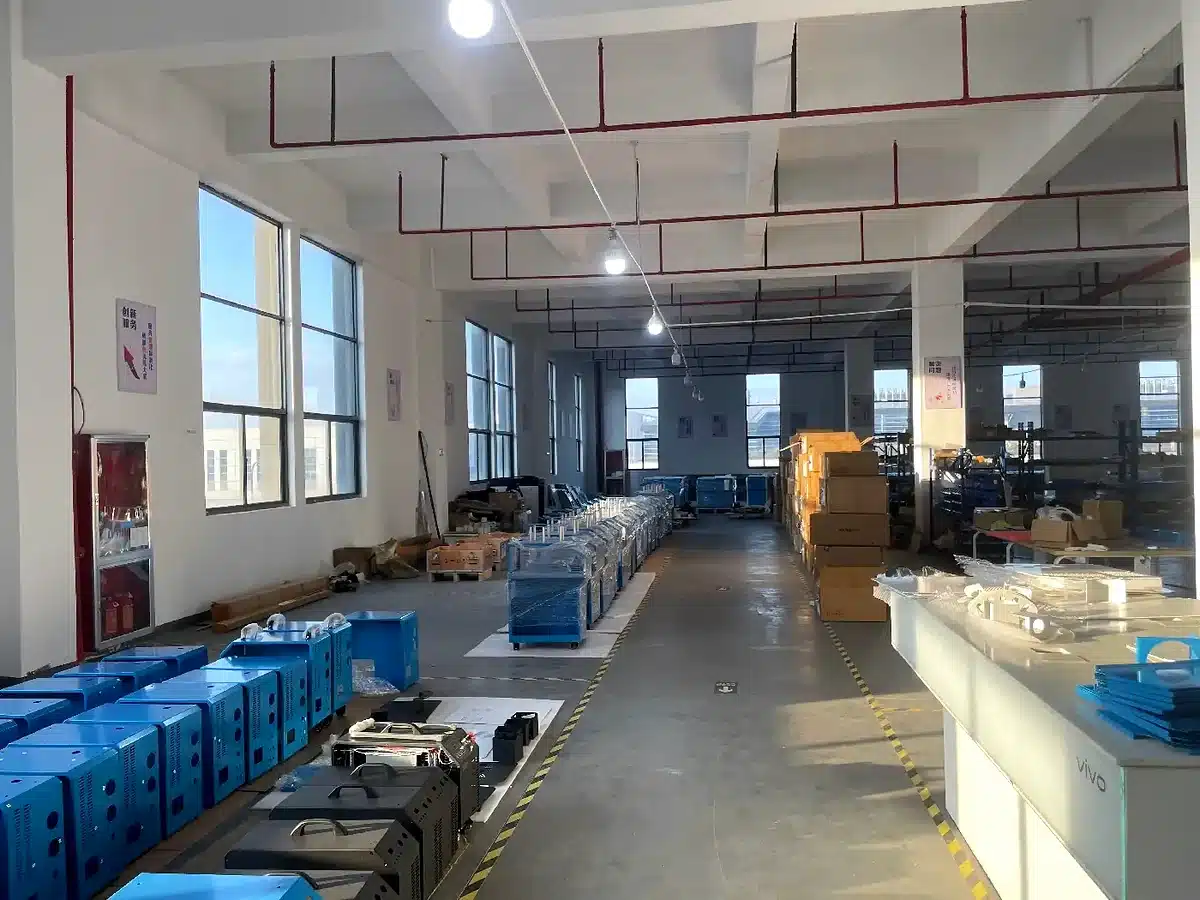
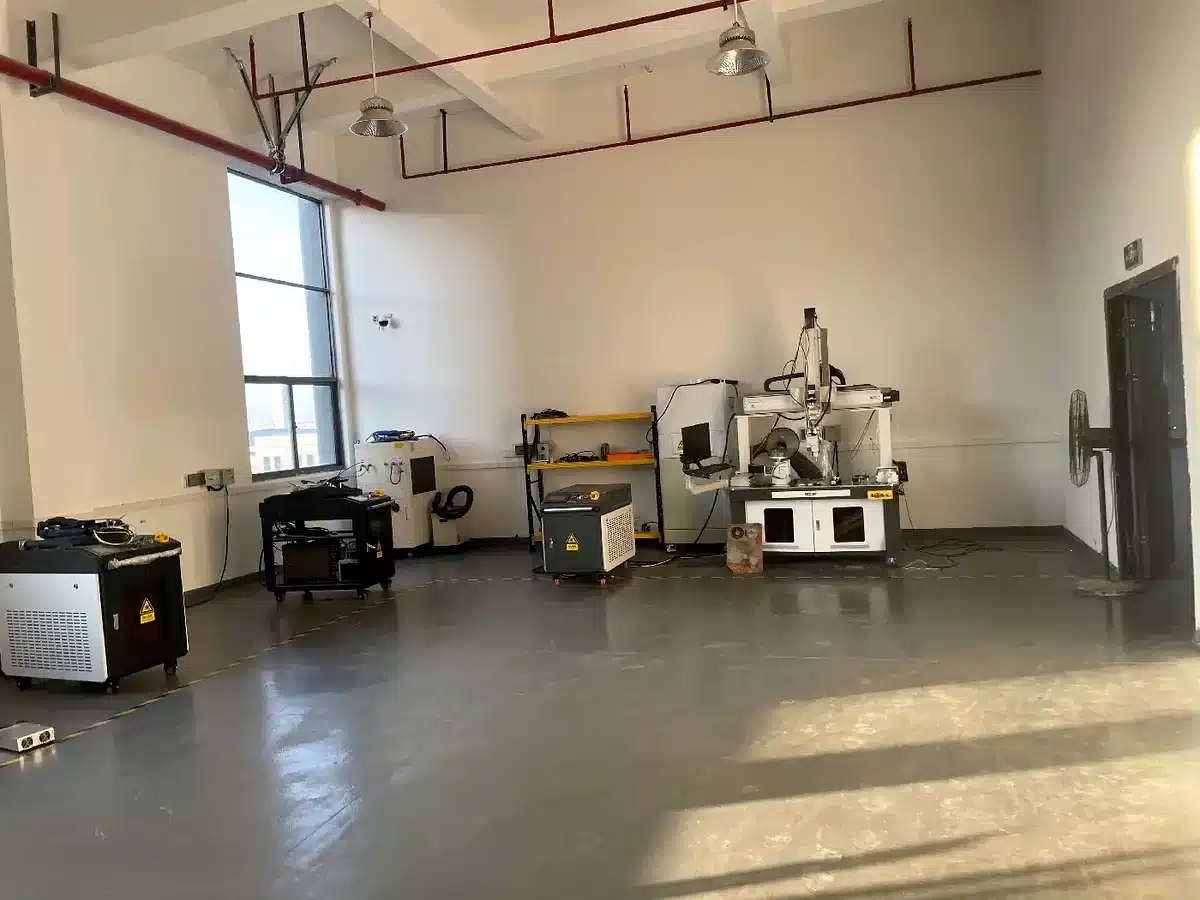
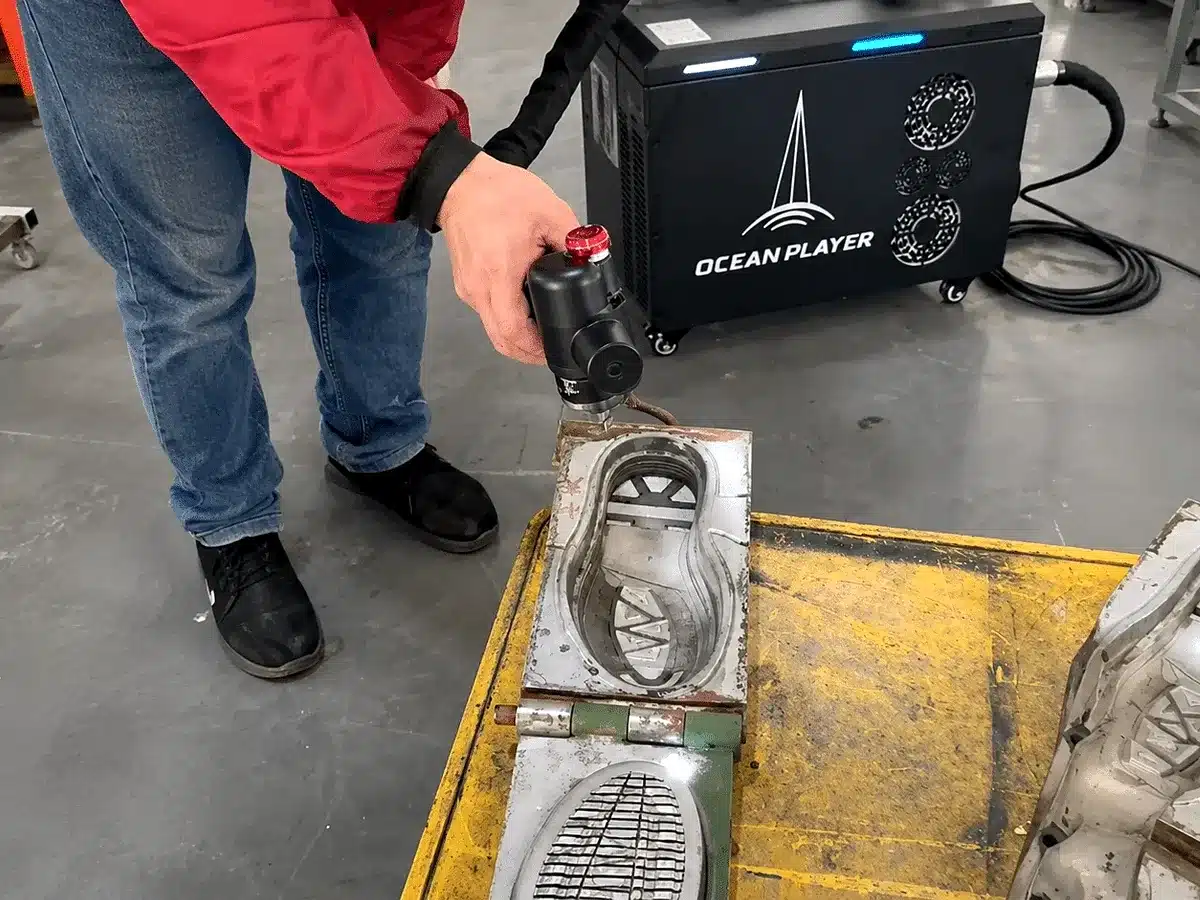
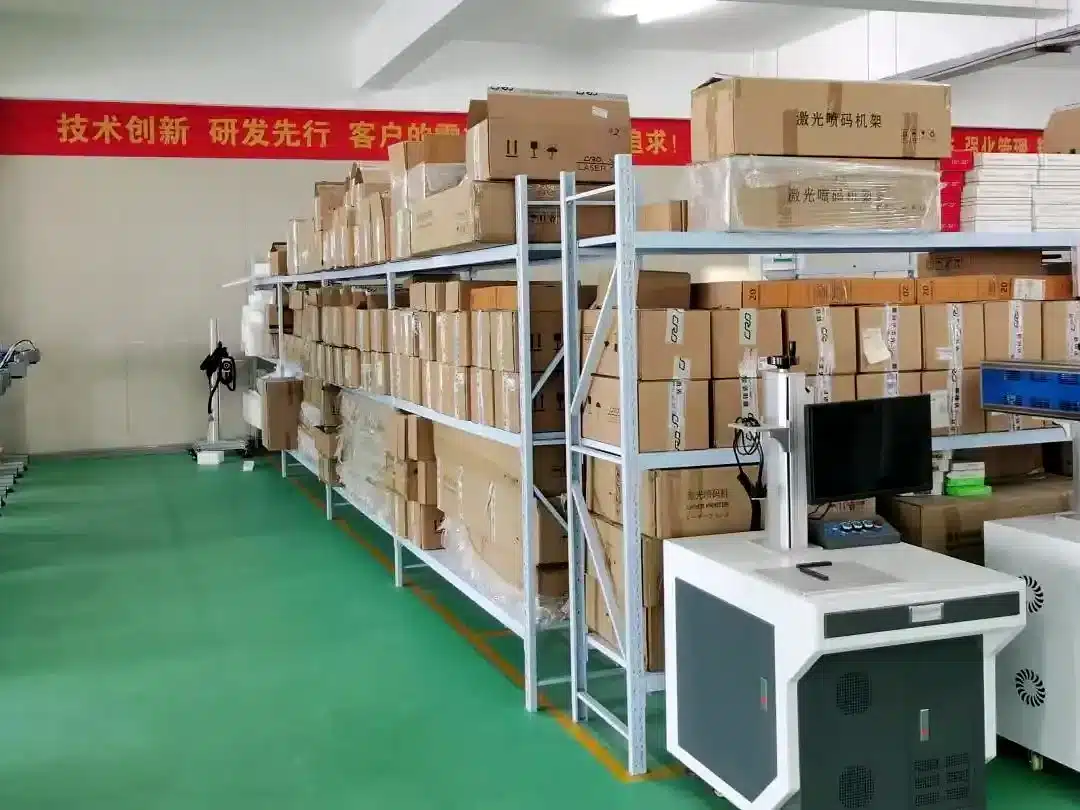
ขอข้อมูลสินค้าOceanplayer Laser Factory & Workshop
Explore our assembly areas, laser workstations, equipment preparation and storage.
Laser Marking Machine Procurement Guide
Prepare a quotation request that covers the complete machine, application and delivery requirements.
Laser & Workstation Scope
Compare the selected source, optics, working area, enclosure and accessories included in the quotation.
Software & Data Requirements
Identify artwork formats, variable fields, licensing and any interface development required by the project.
ปริมาณและการปรับแต่ง
Confirm the minimum order quantity for the chosen model, branding requests and any fixture or automation changes.
Lead Time & Acceptance
Agree the configuration, sample approval, equipment checks and production schedule before confirming delivery.
Documents & Destination
Request the current documents applicable to the exact model, destination and order requirements.
Request a Marking Quotation
Share material, mark content, dimensions, quantity and the required workflow.
Get a Marking QuoteAfter-Sales Support & Service Items
Confirm setup guidance, operator training, maintenance information, replacement items and written warranty terms for the selected system.
การบรรจุและการจัดส่ง
Agree packing, dimensions, electrical supply, shipping terms and export documents for the destination before dispatch.
Frequently Asked Questions About Laser Marking Machines
Answers to common questions about source selection, samples, configurations and purchasing.
เครื่องเลเซอร์มาร์คกิ้งสามารถมาร์ควัสดุอะไรได้บ้าง?
Different sources suit different materials and surface effects. Fiber or MOPA is commonly evaluated for metals and selected plastics, UV for compatible sensitive materials, and CO₂ for many organic and packaging surfaces. Test the exact grade, coating and color.
What is the difference between Fiber and MOPA laser marking?
MOPA is a fiber-laser configuration that offers adjustable pulse width. This provides additional process control for selected black marks, plastic marks and decorative effects. The advantage for your part should be confirmed by sample marking.
When should I consider UV or CO₂ marking?
UV is a candidate for fine marks on compatible heat-sensitive plastics, glass and coated products. CO₂ is commonly evaluated for paper, wood, leather, acrylic and other compatible non-metal materials. Selection depends on the actual surface and desired result.
Can the machine mark QR codes and changing serial numbers?
A suitable software and data configuration can support product codes and variable fields. Confirm the content rules, data source and reading requirements. Verify the finished mark with the intended scanner where code reading is required.
How do I choose the marking area and lens?
Provide the artwork dimensions and the smallest text or code features. The lens and working distance must be considered together with the required detail, part size and focus position. Confirm the proposed field on representative samples.
Can I mark tubes, rings or other round parts?
A rotary axis or dedicated fixture may be suitable, depending on the part geometry and mark position. Review how the part is held, rotated and aligned before confirming the workstation.
ฉันต้องใช้กำลังเลเซอร์เท่าใด?
Power is one part of the selection. Material response, target depth, feature size, lens and production cycle also matter. Compare suitable configurations using the same part and acceptance requirements.
Can Oceanplayer test my samples before ordering?
Share representative parts, material information, mark content, dimensions and the required appearance. Discuss sample arrangements and evaluate the result before finalizing the equipment configuration.
Which software and file formats are supported?
Compatibility depends on the controller, software version and system configuration. Provide the actual artwork files, variable-data needs and any required interfaces so support and licensing can be confirmed in the quotation.
Can the system connect to a production line?
Conveyor triggering, part detection, vision, PLC signals or data communication can be discussed for an automated project. Define the loading method, cycle target, data flow and exception handling before confirming integration scope.
What protection, extraction and maintenance are needed?
Review the enclosure, access controls, extraction and any cooling required for the selected source, material and installation. Follow the equipment instructions for optics care, checks and service intervals.
How are price, MOQ, lead time and warranty confirmed?
These depend on the selected model, accessories, customization, order quantity and destination. Request an itemized quotation, agreed delivery schedule and written warranty and support scope before ordering.