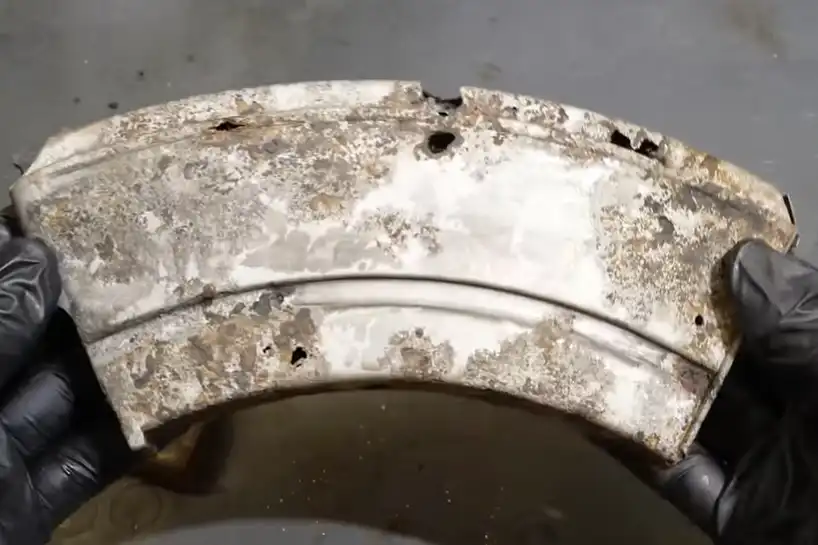
You want to remove metal rust fast without spending much money. Try these five simple tricks: baking soda, white vinegar, lemon juice with salt, potato and dish soap, or citric acid. You probably have most of these items at home. Each technique shows you what you need, how to do it, and tips for great results.
Ready to see how easy it can be? Grab your supplies and start fresh!
Key Takeaways
- Baking soda is a gentle and effective way to remove light rust. Make a paste with warm water, apply it, and scrub gently.
- White vinegar is a powerful rust remover. Soak your metal item in vinegar for 30 minutes to overnight for best results.
- Lemon juice and salt create a natural rust remover. Apply the mixture, let it sit for a few hours, and scrub away the rust.
- Potatoes contain oxalic acid, which helps lift rust. Use a soapy potato to scrub light rust stains safely.
- Citric acid is great for heavy rust. Mix it with warm water, soak the item, and scrub to see quick results.
Baking Soda Method to Remove Metal Rust
Materials
- Baking soda
- Warm water
- Steel wool or a metal brush
- Clean cloth or paper towels
- Small bowl
Steps
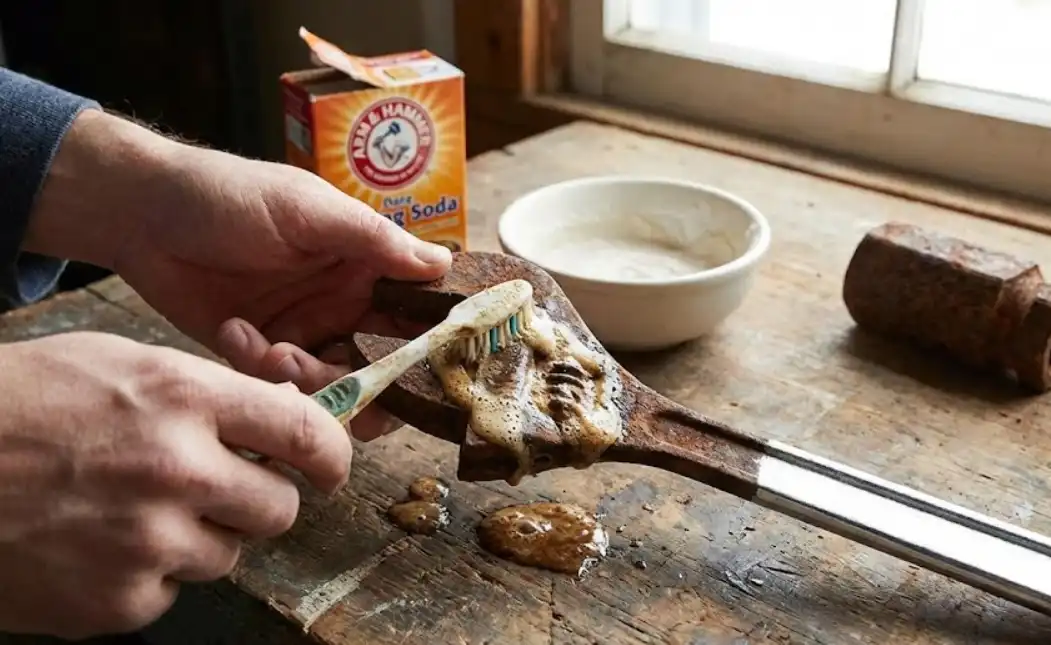
- Pour some baking soda into a bowl. Add enough warm water to make a thick paste.
- Spread the paste over the rusty spots on your metal item. Make sure you cover all the rust.
- Let the paste sit for about an hour. This gives the baking soda time to loosen the rust.
- Grab steel wool or a metal brush. Scrub the rusted area gently. You will see the rust start to come off.
- Wipe away the paste with a clean cloth or paper towel. Rinse the metal with water and dry it well.
Tip: Baking soda works best for light to moderate rust. If you have heavy rust, you might want to try other household solutions like vinegar.
Tips
- Baking soda acts as a mild abrasive. It helps you scrub away rust without scratching your metal.
Looking for easy remedies? Baking soda is one of the simplest methods to remove metal rust. You can find it in almost every kitchen. Try this method first before moving on to stronger solutions.
White Vinegar Soak to Remove Rust from Metal
Materials
- White vinegar (enough to cover your metal item)
- A container or bucket for soaking
- Old toothbrush or scrub brush
- Clean water
- Cloth or paper towels
- Gloves (optional)
Steps
- Place your rusty metal item in a container. Make sure it fits and is fully exposed.
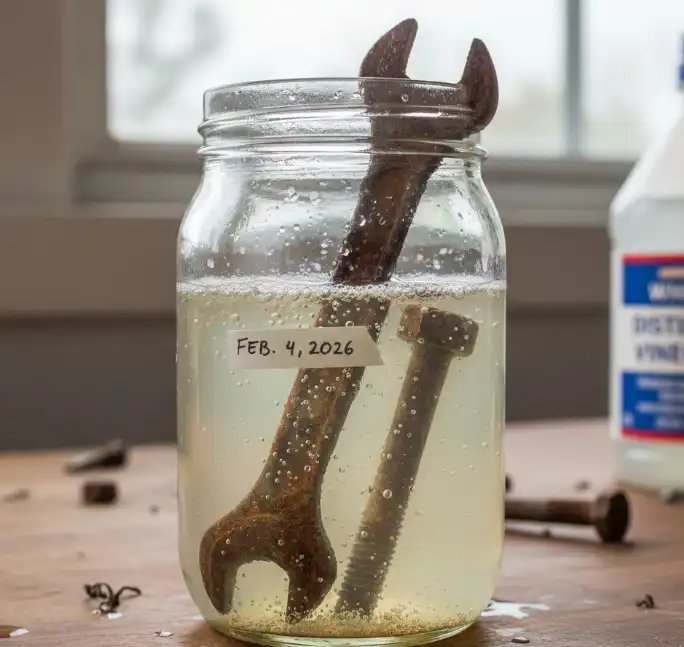
- Pour white vinegar over the item until it is completely covered. You want a true vinegar bath for best results.
- Let the item soak. For light rust, you can check after 30 minutes. For heavy rust, leave it overnight. Some people even soak metal for several days if needed.
- After soaking, take out the item. Use an old toothbrush or scrub brush to gently scrub away the loosened rust.
- Rinse the metal with clean water. Dry it with a cloth or paper towel. Make sure you remove all moisture to prevent new rust.
Tip: The acetic acid in vinegar reacts with iron oxide, breaking down rust and making it easy to wash away. This chemical reaction helps you remove rust from metal without harsh chemicals.
Tips
- White vinegar is one of the most effective DIY solutions for rust removal. It works well for both light and severe rust.
- If you want to remove metal rust from tools or bolts, a vinegar bath is one of the cheapest and easiest remedies.
- Avoid using vinegar on aluminum parts. Stick to iron, steel, or other metals.
- Always dry your metal completely after cleaning. This is one of the best ways to remove rust and keep it from coming back.
- You can repeat the soaking process if you still see rust after the first try.
- Wear gloves if you have sensitive skin, but vinegar is generally harmless.
Looking for simple solutions? Vinegar stands out among homemade methods. You can use it for everything from kitchen tools to garden equipment. Try this method before buying expensive products.
Lemon Juice and Salt Homemade Remedies for Removing Rust
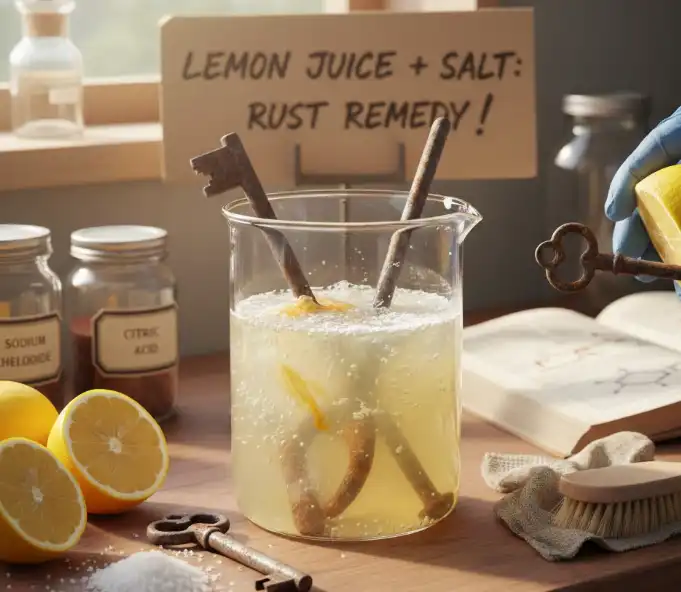
Materials
- Fresh lemon juice (from 1-2 lemons)
- Table salt
- Small bowl
- Spoon or spatula
- Old toothbrush or soft brush
- Clean cloth or paper towels
- Water
Steps
- Squeeze the lemons into a bowl to get fresh juice. You want enough to cover the rusty spots on your metal item.
- Sprinkle a generous layer of salt over the rusted area. The salt should stick to the surface.
- Pour or dab the lemon juice over the salt. Let it soak in and form a lemon juice paste.
- Wait at least 2 hours. For heavy rust, you can leave it longer or even overnight.
- Use an old toothbrush or soft brush to scrub the area. The salt acts as a gentle abrasive, while the lemon juice helps break down the rust.
- Wipe away the mixture with a clean cloth. Rinse the metal with water and dry it well.
Tip: If you still see rust, repeat the process or try mixing baking soda with lemon juice for stubborn spots. This combo works well for tough rust.
Tips
- Lemon juice contains citric acid. This acid reacts with the rust and helps dissolve it from the metal surface.
- Salt boosts the cleaning power by scrubbing away loose rust. When you combine both, you get one of the best natural remedies for rust removal.
- This method works best for small items like tools, kitchenware, or jewelry. For larger pieces, you can soak a cloth in the lemon juice paste and lay it over the rust.
- Always dry your metal completely after cleaning. This step helps prevent new rust from forming.
- If you want more solutions, try other methods like vinegar or potatoes. Each method has its own strengths, but lemon juice and salt are easy to find and use at home.
Want to remove metal rust without harsh chemicals? Lemon juice and salt offer a safe, simple way to clean your metal and keep it looking new.
Potato and Dish Soap Methods for Rust Removal
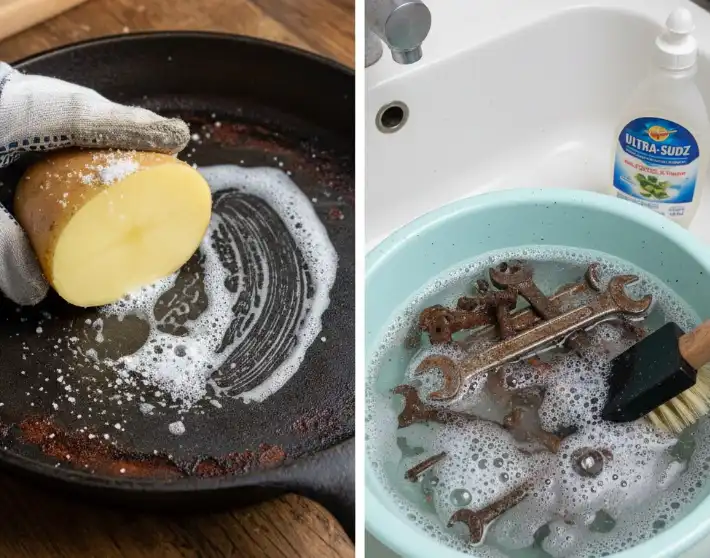
Materials
- 1 raw potato
- Dish soap (any brand works)
- Knife for cutting the potato
- Old toothbrush or soft scrub brush
- Clean cloth or paper towels
- Water
Steps
- Cut a potato in half. You want a fresh surface for the best results.
- Squeeze a small amount of dish soap onto the cut side of the potato.
- Rub the soapy potato directly onto the rusty area of your metal item. Move in small circles and cover all the rust.
- Let the mixture sit for about 10 to 15 minutes. This gives the oxalic acid in the potato time to work on the rust.
- Use an old toothbrush or soft brush to scrub the area. You will see the rust start to lift away.
- Wipe the surface with a clean cloth or paper towel. Rinse with water and dry the metal completely.
Tip: Potatoes contain oxalic acid. This acid breaks down rust, while dish soap lifts away grime and grease. You get a double-action clean with these common household items.
Tips
- You can use this method to remove metal rust from small tools, kitchen knives, or easy-to-reach surfaces.
- This works best for light rust stains. For heavy rust, try other household solutions like vinegar or baking soda.
- Always dry your metal after cleaning. Moisture can bring rust back quickly.
- If you have a large rusty area, use several potato halves for better coverage.
- This method is gentle. It will not scratch your metal, so you can use it on delicate items.
Want a fun and safe way to clean? Try the potato and dish soap method. You probably have everything you need in your kitchen right now!
Citric Acid: How to Remove Rust from Metal
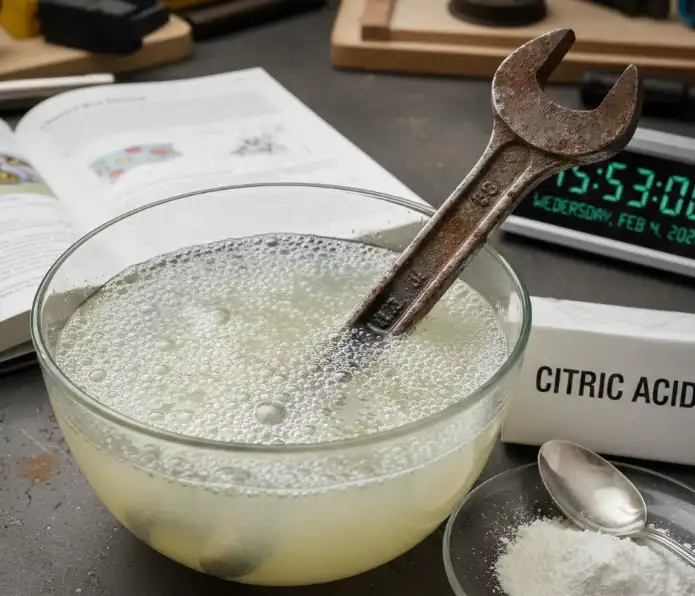
Materials
- Citric acid powder (find it in the baking aisle or cleaning section)
- Warm water
- Large bowl or bucket
- Rubber gloves
- Old toothbrush or soft brush
- Clean cloth or paper towels
You can also use lemon juice if you don’t have citric acid powder. Lemon juice is a natural source of citric acid and works well for small jobs.
Steps
- Put on your rubber gloves. You want to protect your skin from the acid.
- Mix a few tablespoons of citric acid powder with warm water in a bowl. Stir until it dissolves.
- Place your rusty metal item in the solution. Make sure the rusted parts are fully covered.
- Let the item soak. Some pieces need just an hour, but others might need several hours or even overnight. Check the progress every hour.
- After soaking, scrub the rust with an old toothbrush or soft brush. You’ll see the rust start to break up and disappear.
- Rinse the metal with clean water. Dry it completely with a cloth or paper towel.
Citric acid is especially strong for dissolving rust and limescale. It works better than vinegar when you need heavy-duty cleaning.
Tips
- If you want to know how to remove rust from metal quickly, citric acid is your best bet for tough jobs.
- You can use lemon juice for small items or mix it with baking soda for extra cleaning power.
- Soaking times vary. Some metal items become rust-free in a few hours, while others need a full day. If the solution loses strength, mix a fresh batch.
- Always test citric acid on a small spot first, especially if your item has special markings or etchings.
| Safety Precautions |
|---|
| Rubber gloves are a good idea |
| Don’t splash it in your eyes |
| Do a test before trying this on something important |
| Do not try this on something like a saw blade with an etching you want to preserve |
- Dry your metal completely after cleaning. This helps prevent new rust.
- Citric acid powders from the store give you a strong solution. Lemon juice is handy for quick fixes.
- Soaking times for citric acid to remove rust can range from 1 hour to multiple hours or even overnight.
- Some items may become rust-free in just a few hours, while others might require a full day or several soaks.
- After a day, it is advisable to remix the citric acid solution as it loses acidity over time.
- Common household sources of citric acid:
- Lemon Juice: A natural source, great for mixing with baking soda.
- Citric Acid Powders: Supermarkets sell these for cleaning and baking.
Want to keep your metal looking new? Try citric acid next time rust shows up. You’ll see results fast and skip harsh chemicals.
You now know five homemade remedies for removing rust from metal. Each method uses simple items you probably have at home. Check out this quick comparison:
| Method | Best For | Watch Out For |
|---|---|---|
| Baking Soda | Light rust, small tools | May need repeats |
| Vinegar | Surface rust, easy soak | Can harm base metal |
| Lemon & Salt | Small items, safe clean | Needs time to work |
| Potato & Soap | Delicate surfaces | Light stains only |
| Citric Acid | Heavy-duty jobs | Test on special finishes |
Safety & disposal
Always prioritize safety when using acid-based rust removers. Do not mix acidic cleaners (vinegar, lemon/citric acid) with bleach or ammonia—those mixes release toxic chlorine or chloramine gases. After an acid soak, rinse the item, then neutralize residues with a baking soda solution (start with about 4 tablespoons baking soda per 2 gallons of water; for stronger neutralizing use a saturated mix—about 1 cup per quart—until fizzing stops). Soak or wipe 15–30 minutes, rinse thoroughly, dry immediately, and apply a light film of oil to prevent flash rust. Small, neutralized amounts can be diluted and drained with plenty of water where local rules allow; for concentrated waste or spills, collect and take to a household hazardous waste facility. Wear gloves and eye protection and work in a ventilated area.
Pick the remedy that matches your project and supplies. To prevent rust, always dry metal, use oil or paint as a shield, and store items in a dry spot.
You can tackle rust with these easy homemade remedies for removing rust. Give it a try—your metal will thank you!
FAQ
What is the fastest way to remove rust from metal at home?
You can soak rusty metal in white vinegar or use baking soda paste. Both methods work quickly. Scrub with a brush for best results. Dry your item well after cleaning.
Can I use a natural rust remover on tools?
Yes! You can use lemon juice and salt or a potato with dish soap. These natural rust remover options clean tools without harsh chemicals. Try them on wrenches, pliers, or kitchen knives.
Will these solutions damage my metal?
Most homemade solutions are gentle. Vinegar and citric acid can harm delicate finishes if you soak too long. Always test on a small spot first. Dry your metal completely to avoid new rust.
How do I keep metal from rusting again?
- Store metal in a dry place.
- Wipe items after use.
- Apply oil or a protective coating.
Tip: Regular checks help you catch rust early.
Can I use these methods on large metal items?
You can use these methods on big items. Soak a cloth in your chosen solution and lay it over the rust. Scrub and rinse as needed. Repeat if rust remains.
References
- U.S. Occupational Safety and Health Administration (OSHA), “Protecting Workers Who Use Cleaning Chemicals” — https://www.osha.gov/sites/default/files/publications/OSHA3512.pdf (2026).
- Centers for Disease Control and Prevention (CDC), “Cleaning and Disinfecting: Interagency Guidance” — https://www.cdc.gov/coronavirus/2019-ncov/community/disinfecting-building-facility.html (2021).
- UCSB ScienceLine, “How to Remove Rust” — http://scienceline.ucsb.edu/getkey.php?key=1933 (2009).
- Bio‑Protocol, “Rust Removal Experiments” (methods overview on citric/oxalic acid mechanisms) — https://bio-protocol.org/en/bpdetail?id=1776 (2016).