oceanplayer

Oceanplayer Industrial Laser Equipment | Cleaning, Welding, Marking, Automation Sample Testing | Free Engineering Tools | Global Shipping
Main Systems
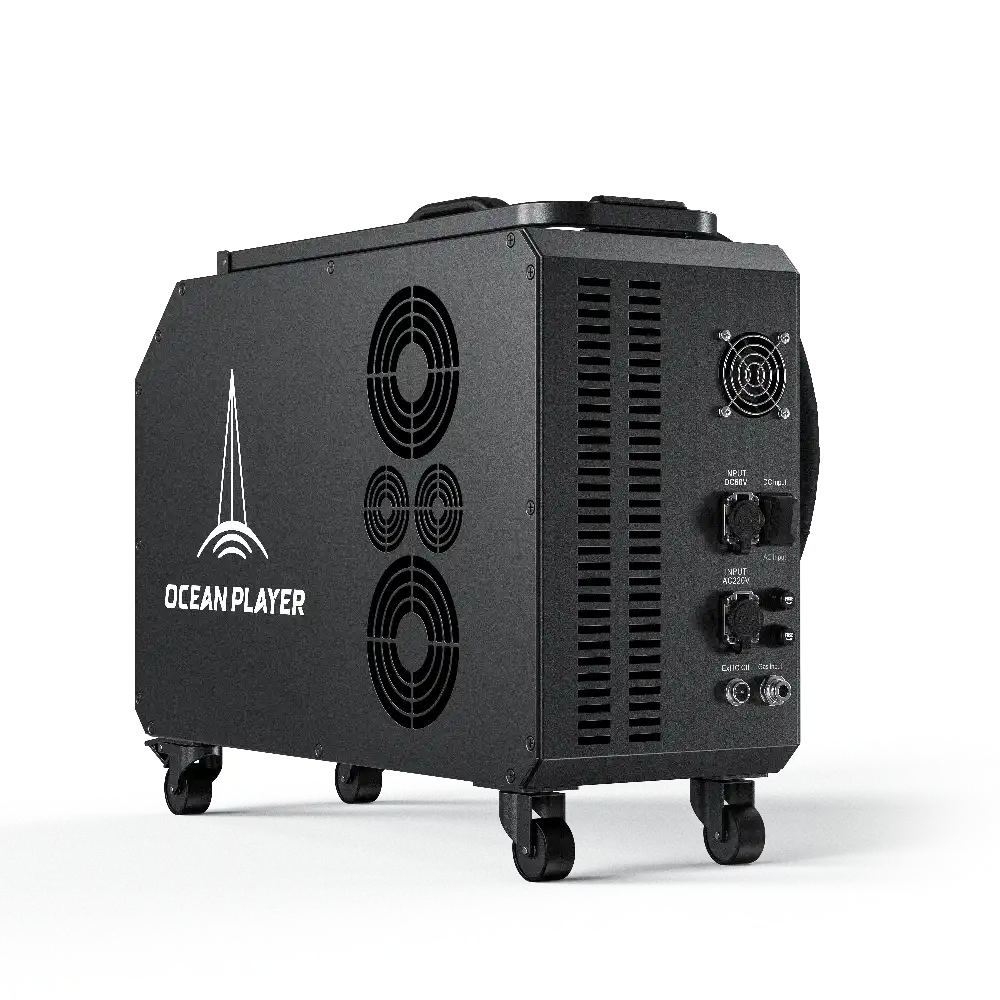
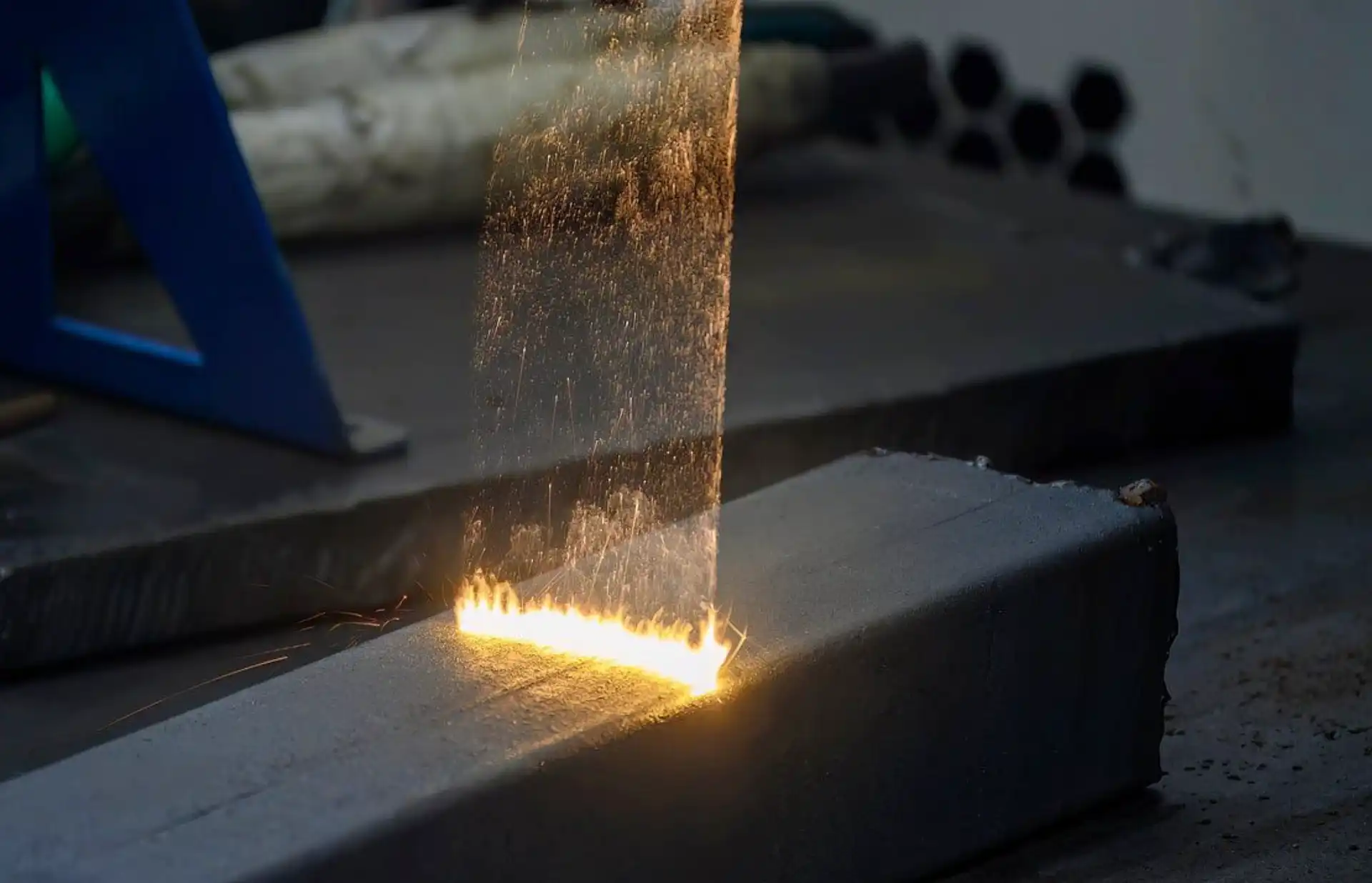
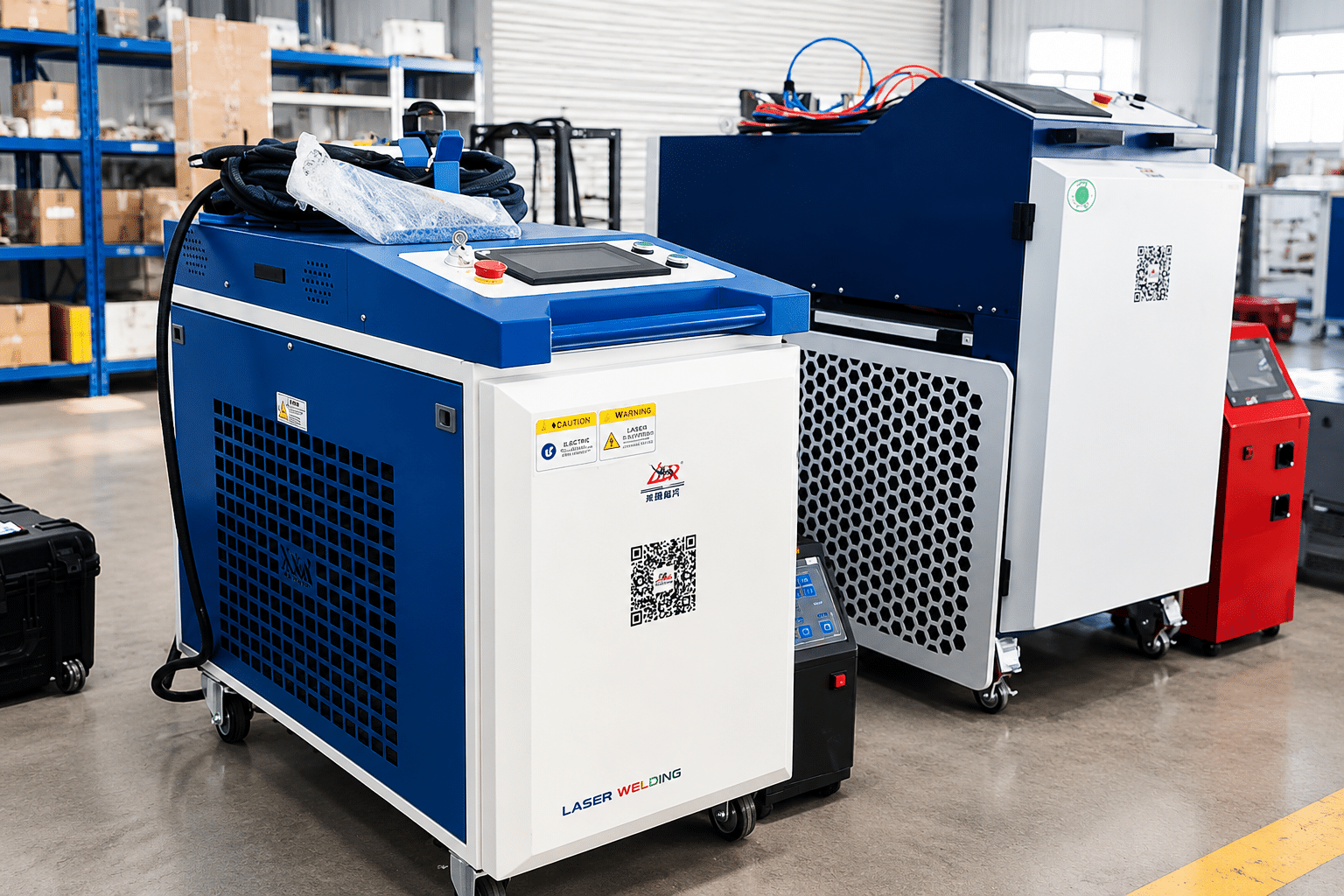
Best Seller Oceanplayer 500W pulsed laser cleaning machine
Featured Model
500W Pulsed Laser Cleaner

Higher pulse cleaning speed with controlled surface impact.

500W PulsedFine ControlBest Seller
Engineering Tools
Applications
Industries
Company
Resources
Oceanplayer industrial laser cleaning machines for rust paint oxide and surface preparation
Industrial Laser Cleaning Systems

Laser Cleaning Machines for Precision Work and Heavy-Duty Surface Cleaning.

Choose pulsed, continuous-wave, handheld, mobile or robotic laser cleaning equipment for rust, paint, oxide, oil, mold residue and weld preparation. Oceanplayer helps match the power, cooling, optics and system format to your material and workload.

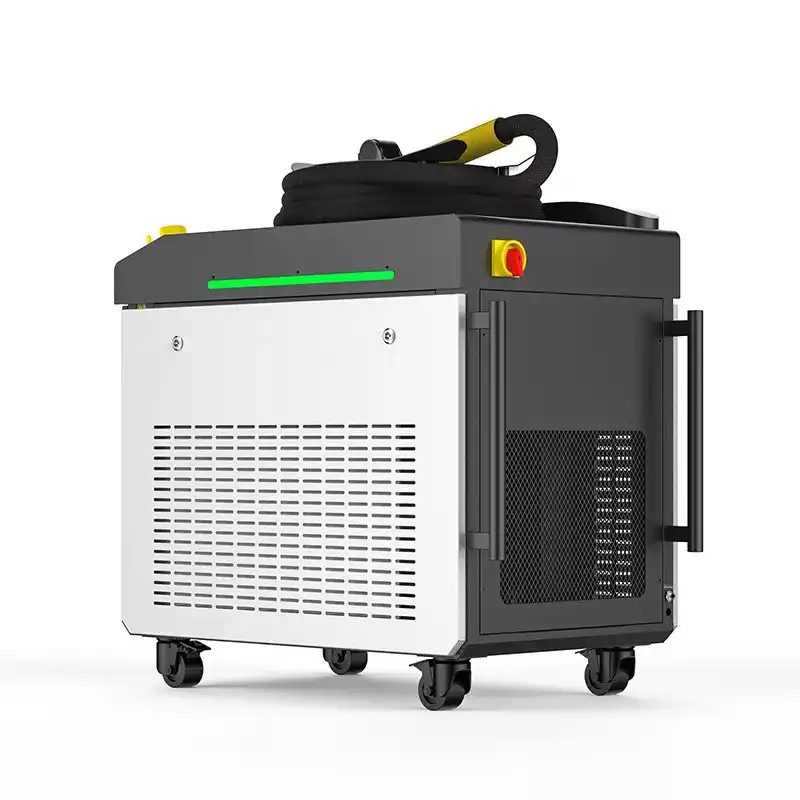
  • Pulsed and CW power options
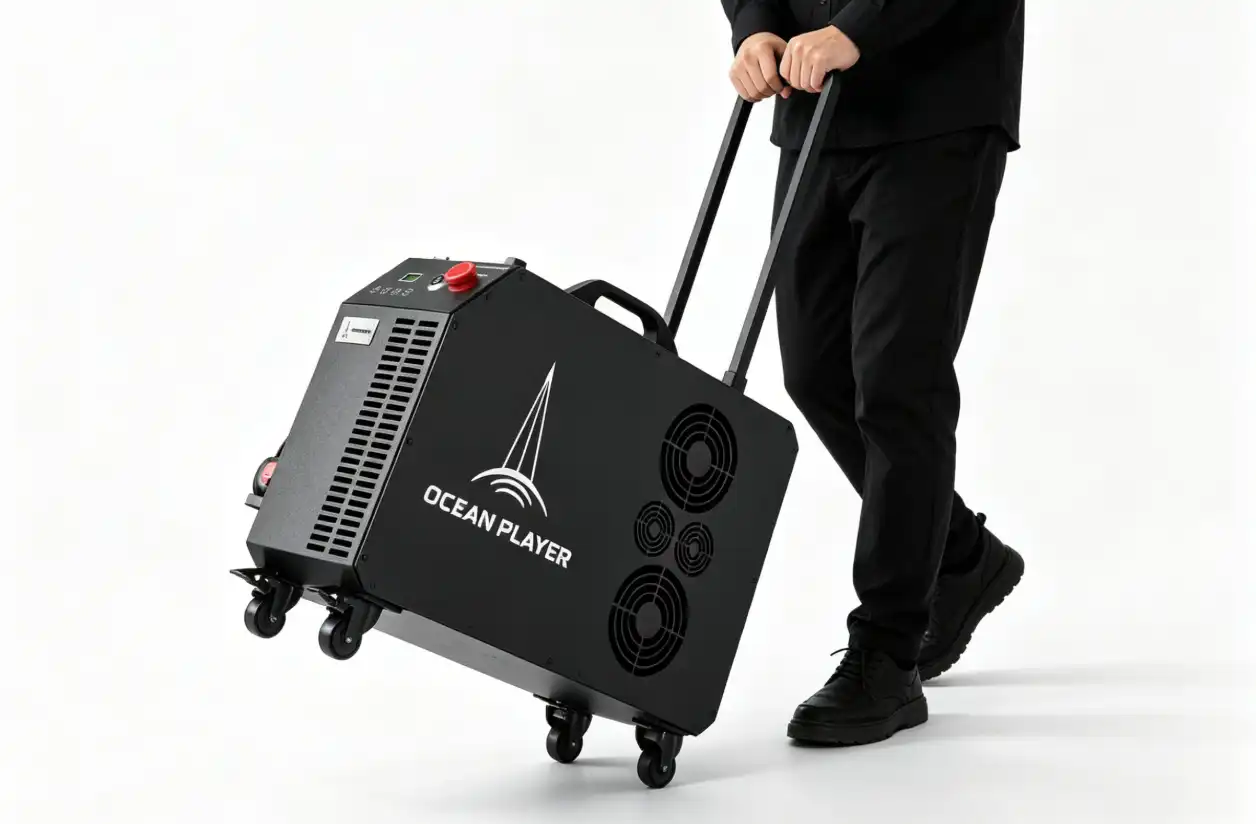
  • Manual, mobile and robotic systems
  • Sample cleaning test available
200-500WPulsed precision cleaning
1000-3000WCW high-speed cleaning
Manual to RoboticSystem formats for your workflow
Sample VerifiedConfirm finish before configuration
Start With Your Surface

Choose a cleaner around the result your parts require

The right laser cleaning machine depends on what must be removed, how sensitive the base material is, how much area you clean and where the work takes place.

01

Protect the base material

Use controlled pulsed energy when surface finish, dimensions or heat input require careful process control.

02

Clean large areas faster

Use higher-power CW cleaning for heavy rust, thick steel and larger surfaces where throughput is the priority.

03

Reach installed equipment

Select handheld or mobile formats for workshops, repair sites, pipelines and parts that cannot be moved easily.

04

Standardize production

Integrate cleaning with robots, fixtures, extraction and safety enclosures for repeatable paths and cycle times.

Pulsed or CW

Select the laser source by surface risk and cleaning speed

Pulsed and CW systems can both remove contamination, but they deliver energy differently and are suited to different production goals.

Choose Pulsed Cleaning

Better suited to controlled cleaning, detailed parts, molds, localized coating removal and applications where heat input or surface condition needs closer control.

Choose CW Cleaning

Better suited to heavy rust, large steel structures and high-volume removal where speed is more important than preserving a fine original finish.

Decision PointPulsed Laser CleanerCW Laser CleanerWhat You Should Confirm
Typical power range200W / 300W / 500W1000W / 1500W / 2000W / 3000WRequired finish, area and target cycle time
Best fitPrecision cleaning and lower heat inputFast removal on robust metal surfacesBase material and contamination thickness
Common applicationsMolds, weld zones, oxide, thin paint and detailed partsHeavy rust, large steel, ship repair and structural maintenanceActual sample result under production settings
Surface considerationMore control over localized treatmentHigher thermal input requires process controlAcceptable texture, color and dimensional change
System formatHandheld, compact, mobile or roboticTrolley, cabinet, mobile or roboticWork location, duty cycle and power supply
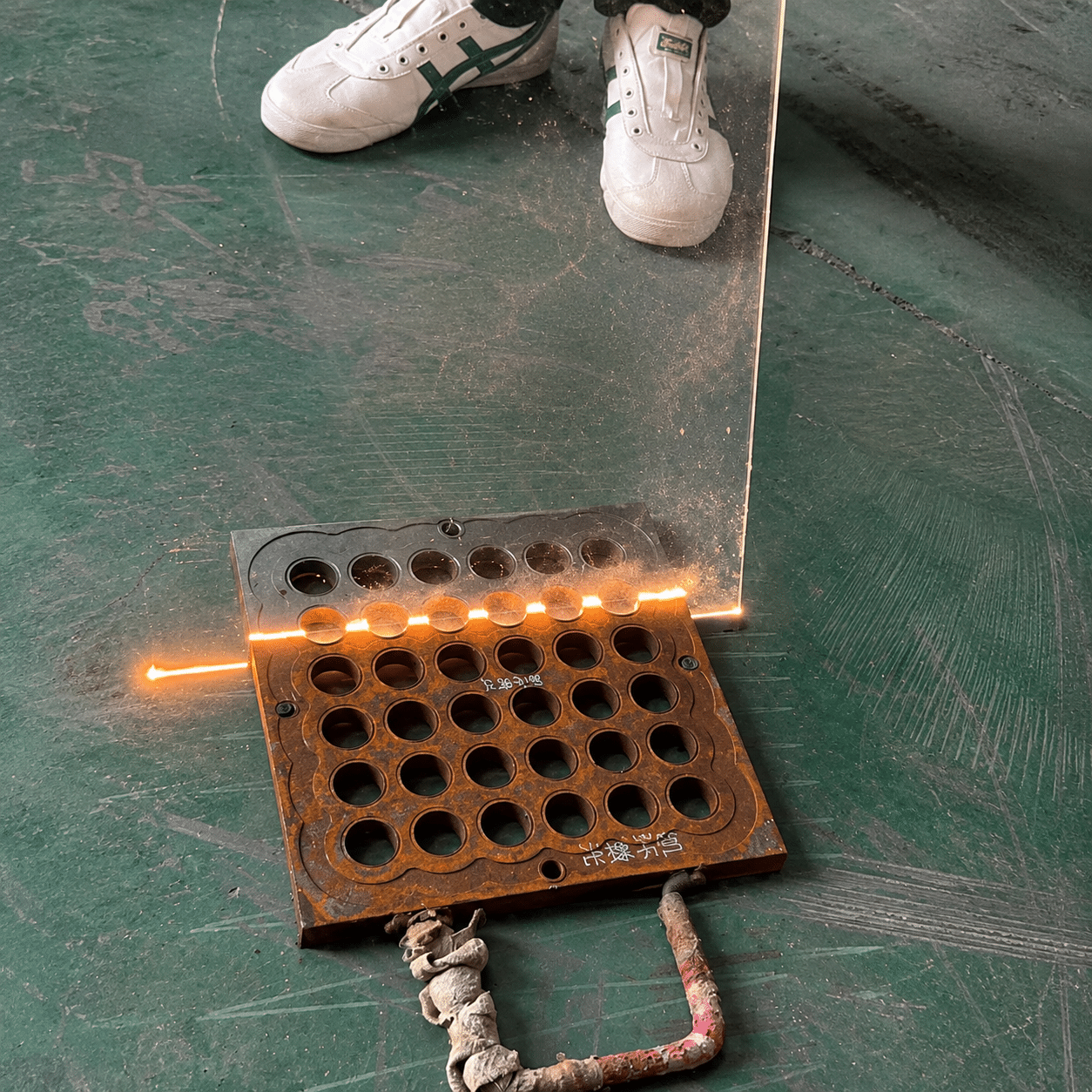
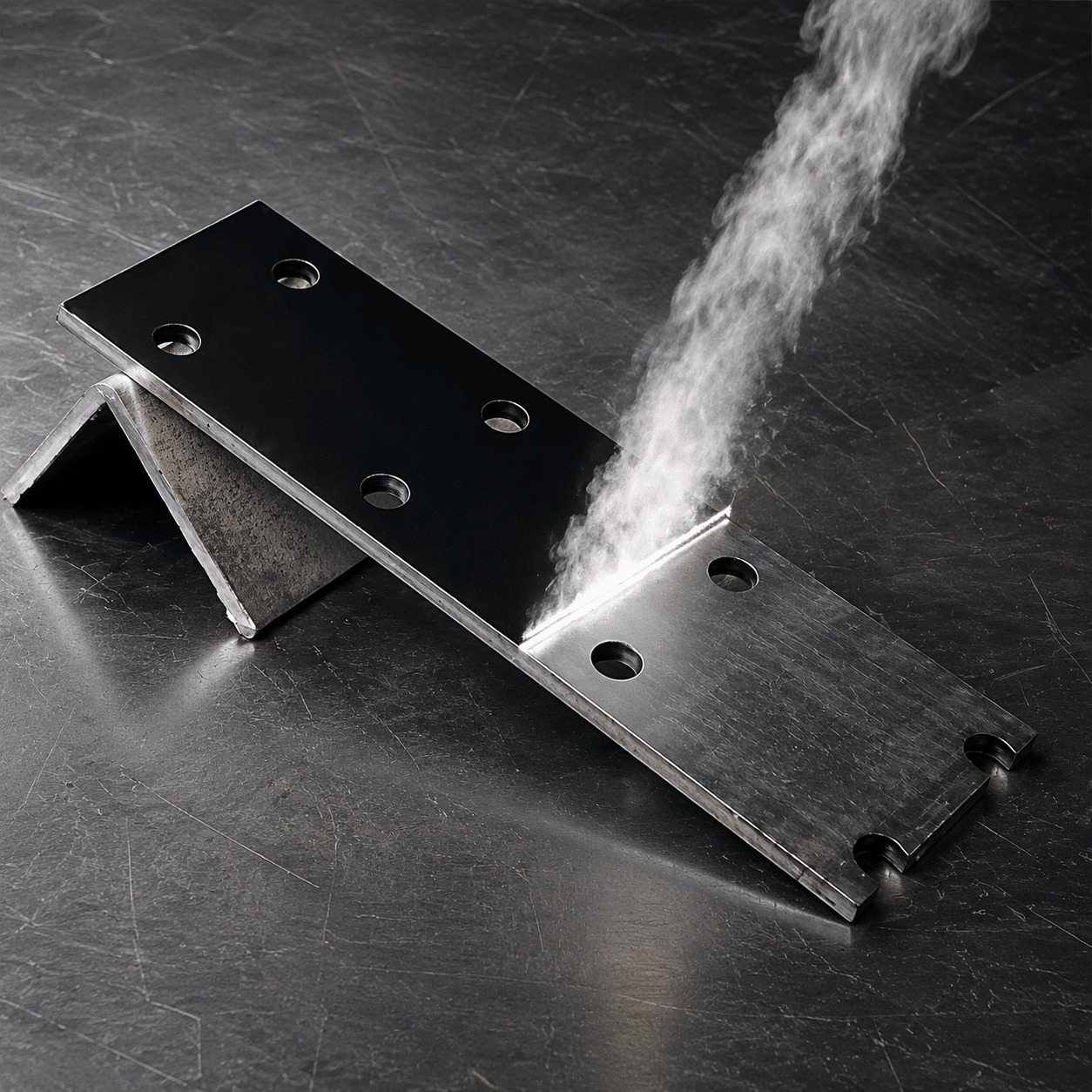
Cleaning Results

Review the surface finish across real cleaning tasks

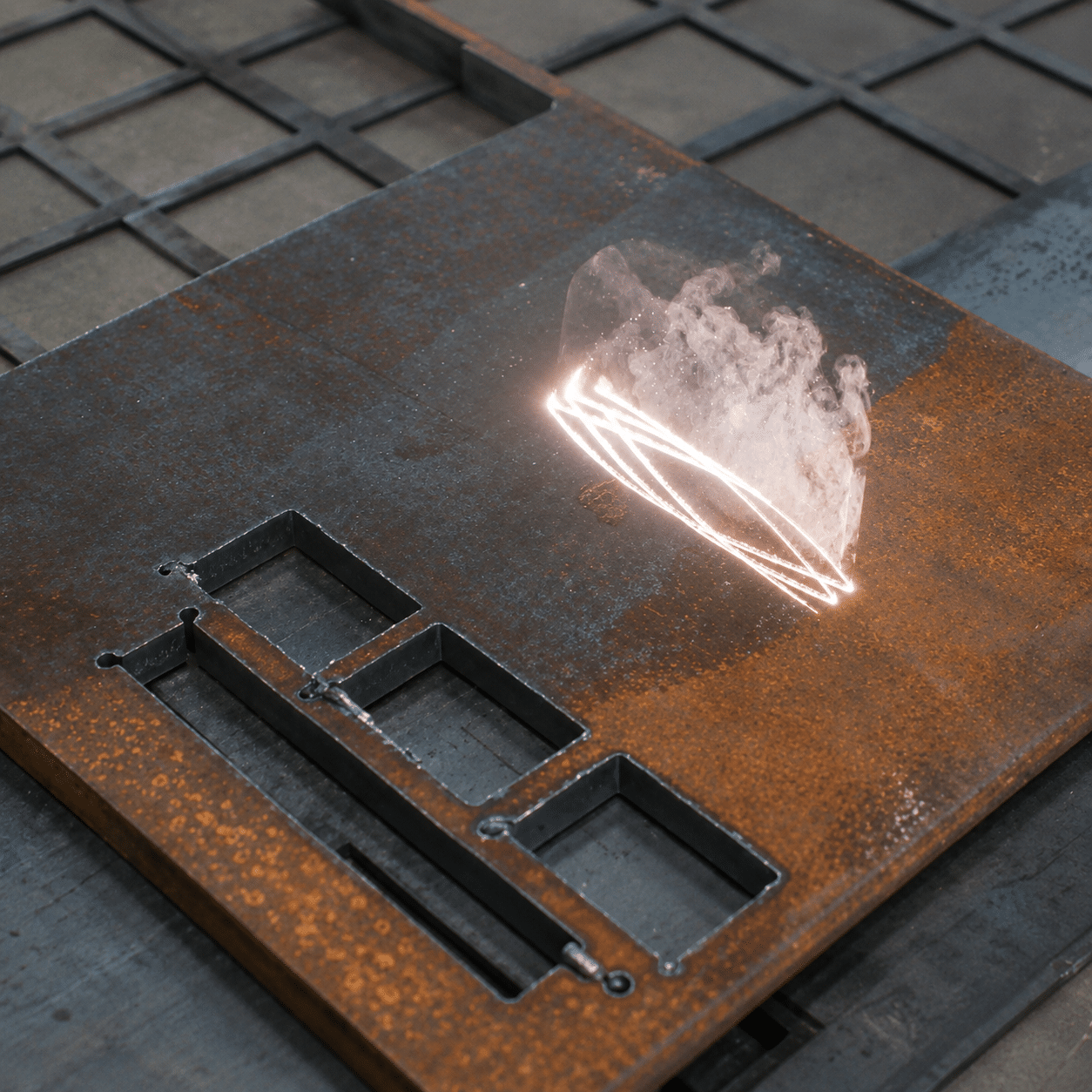
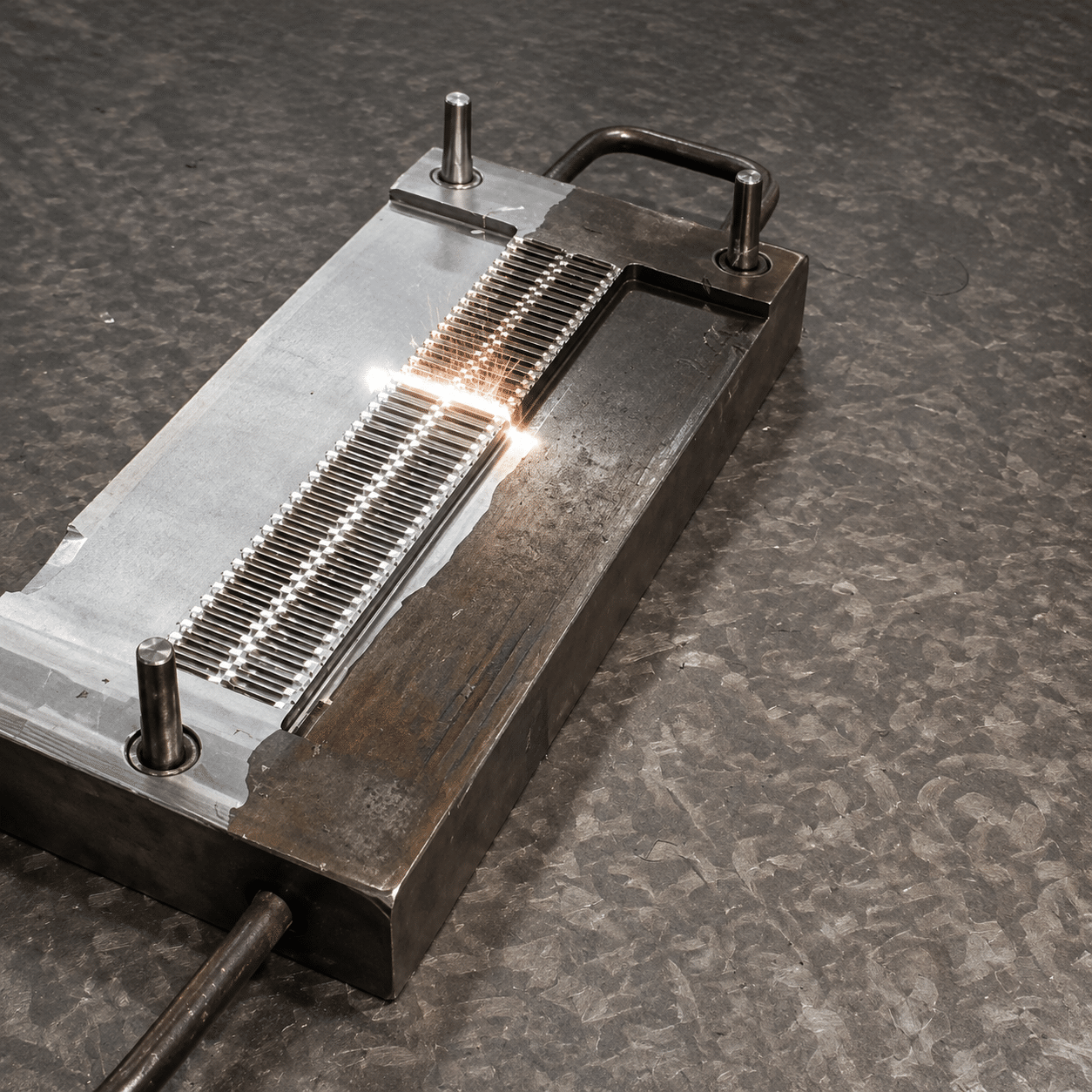
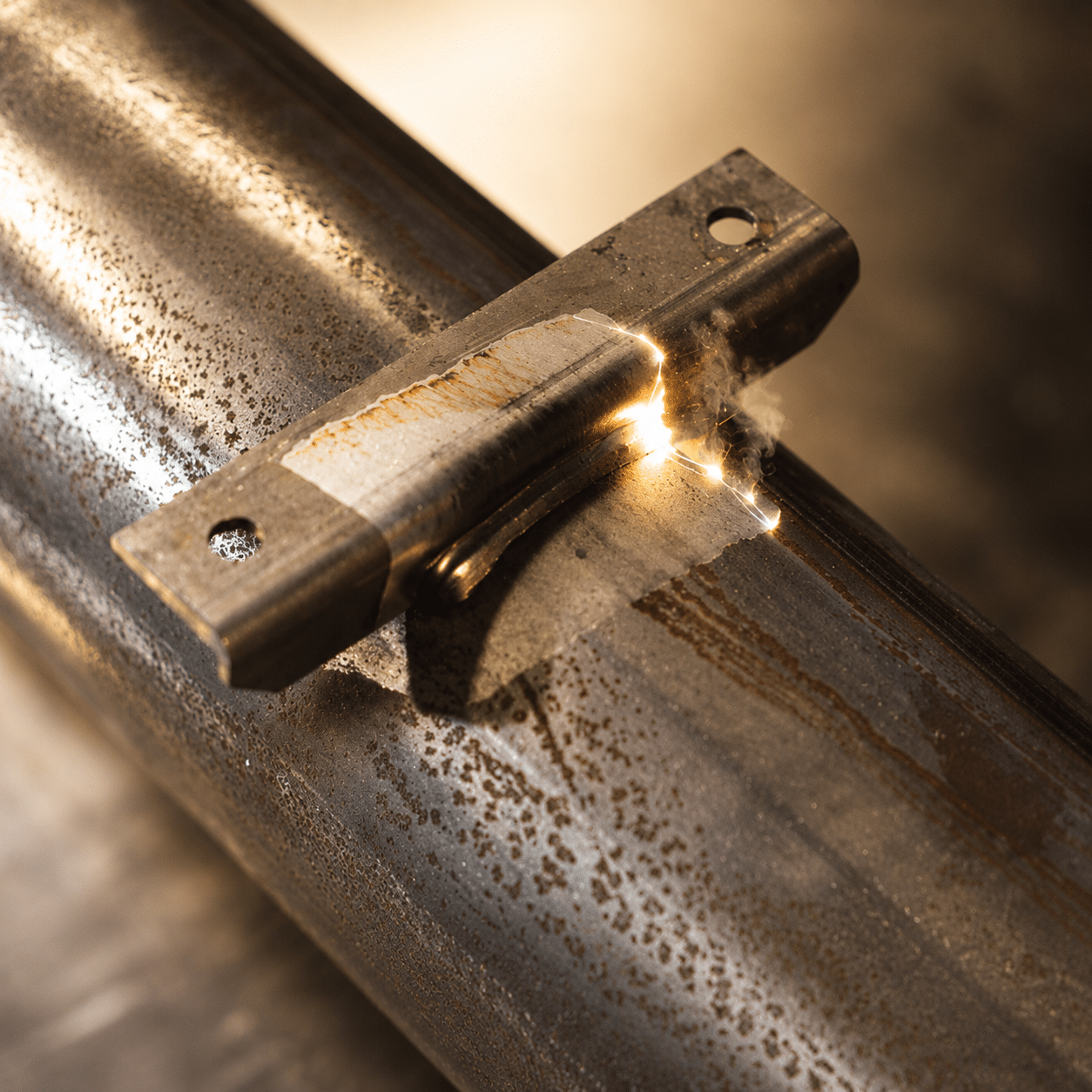
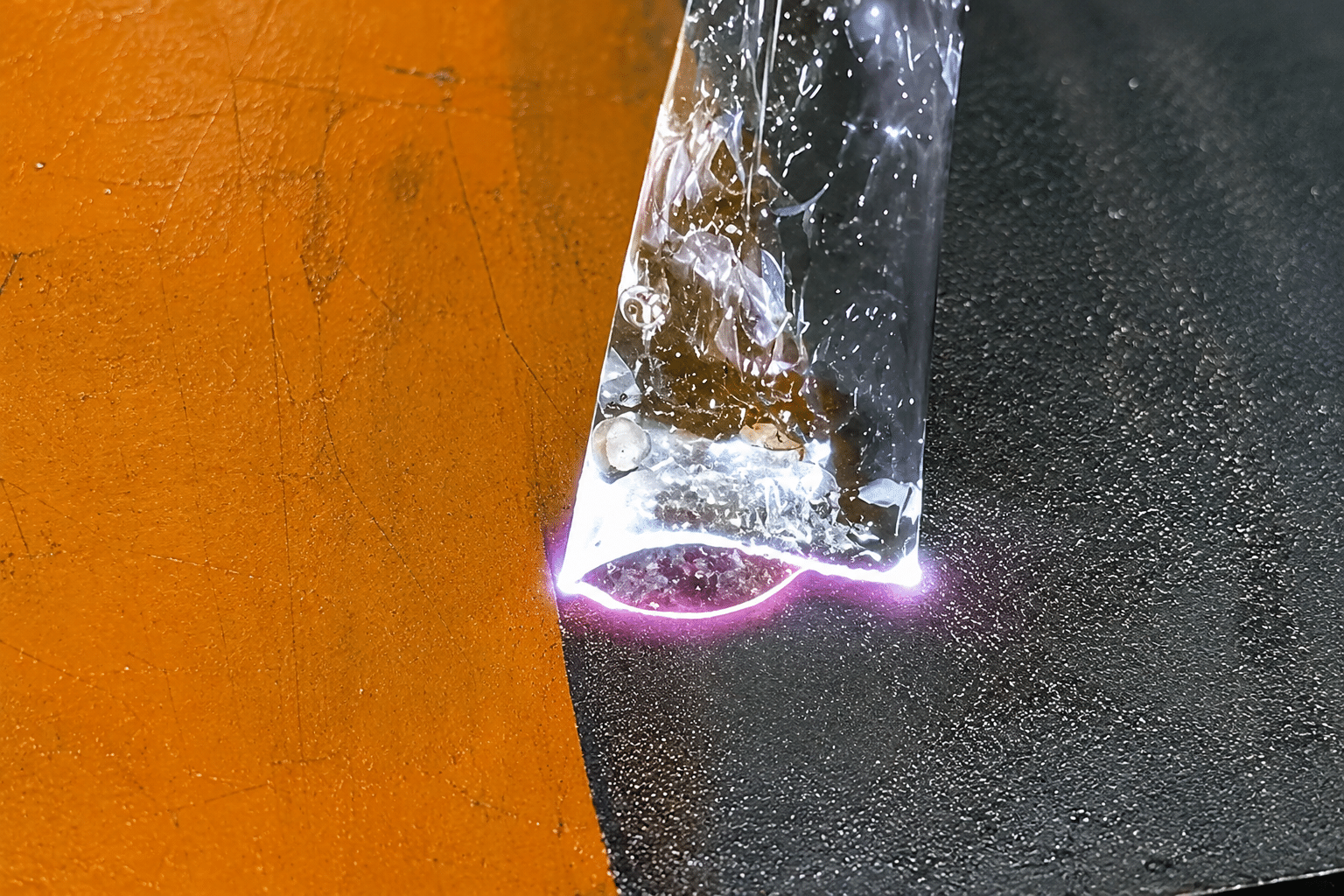
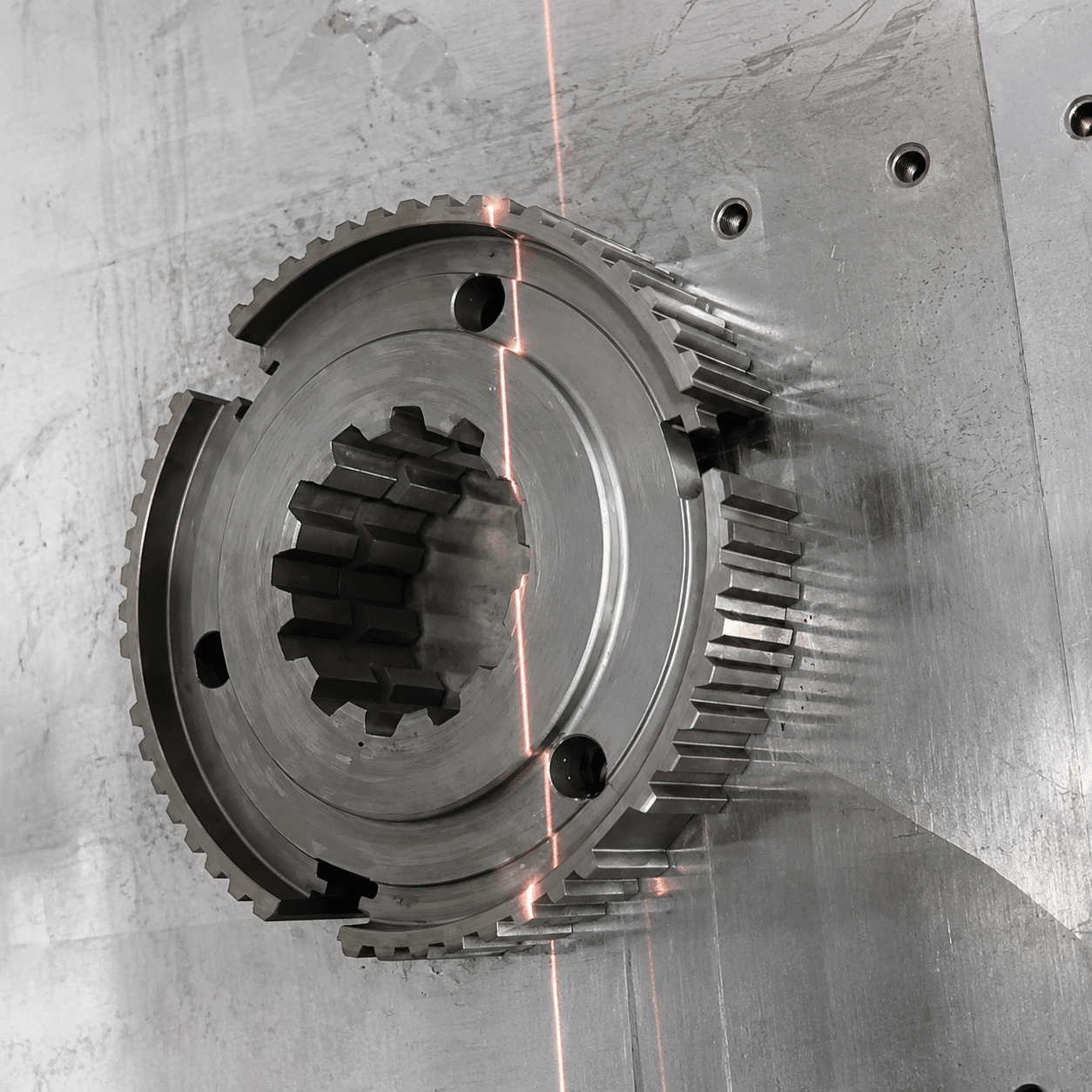
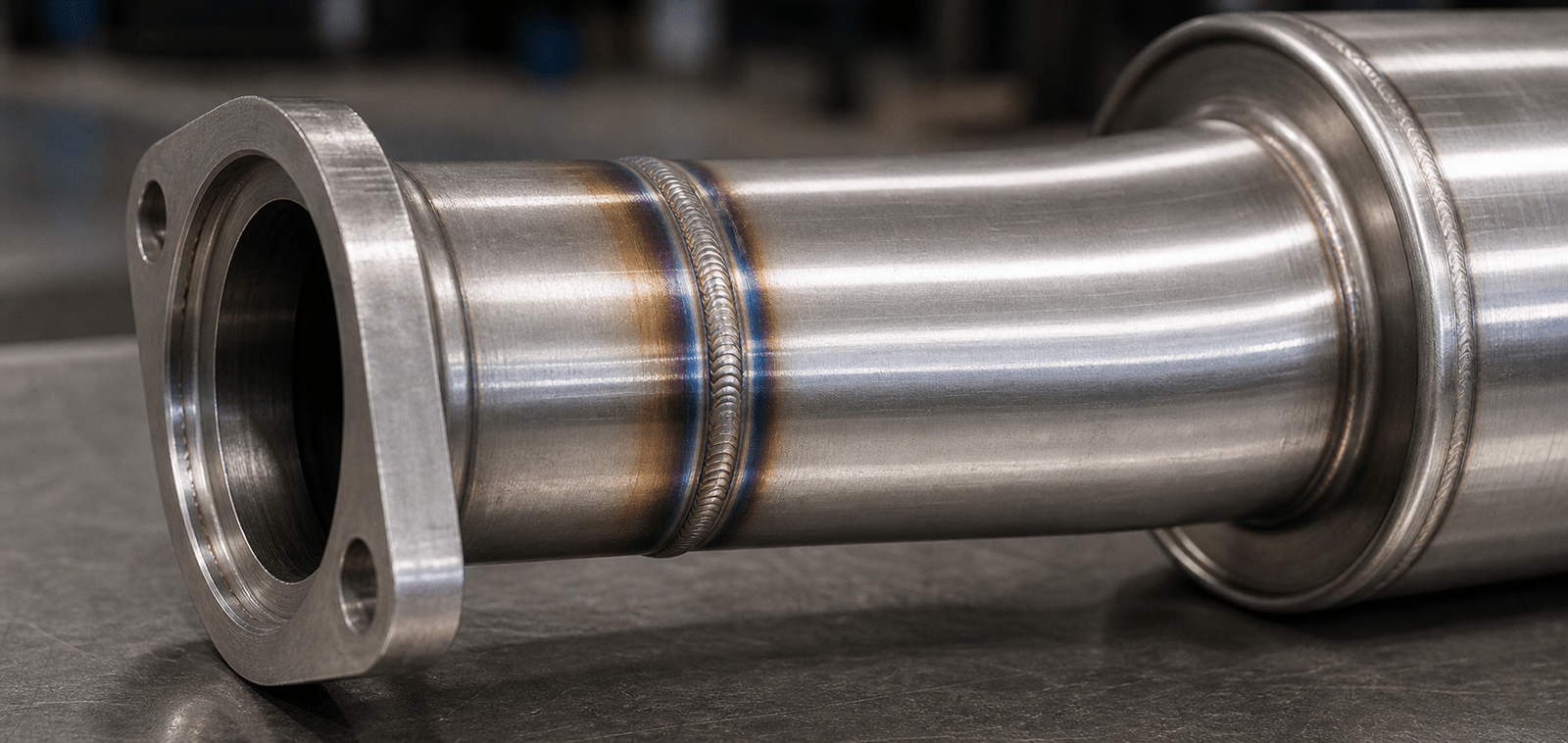
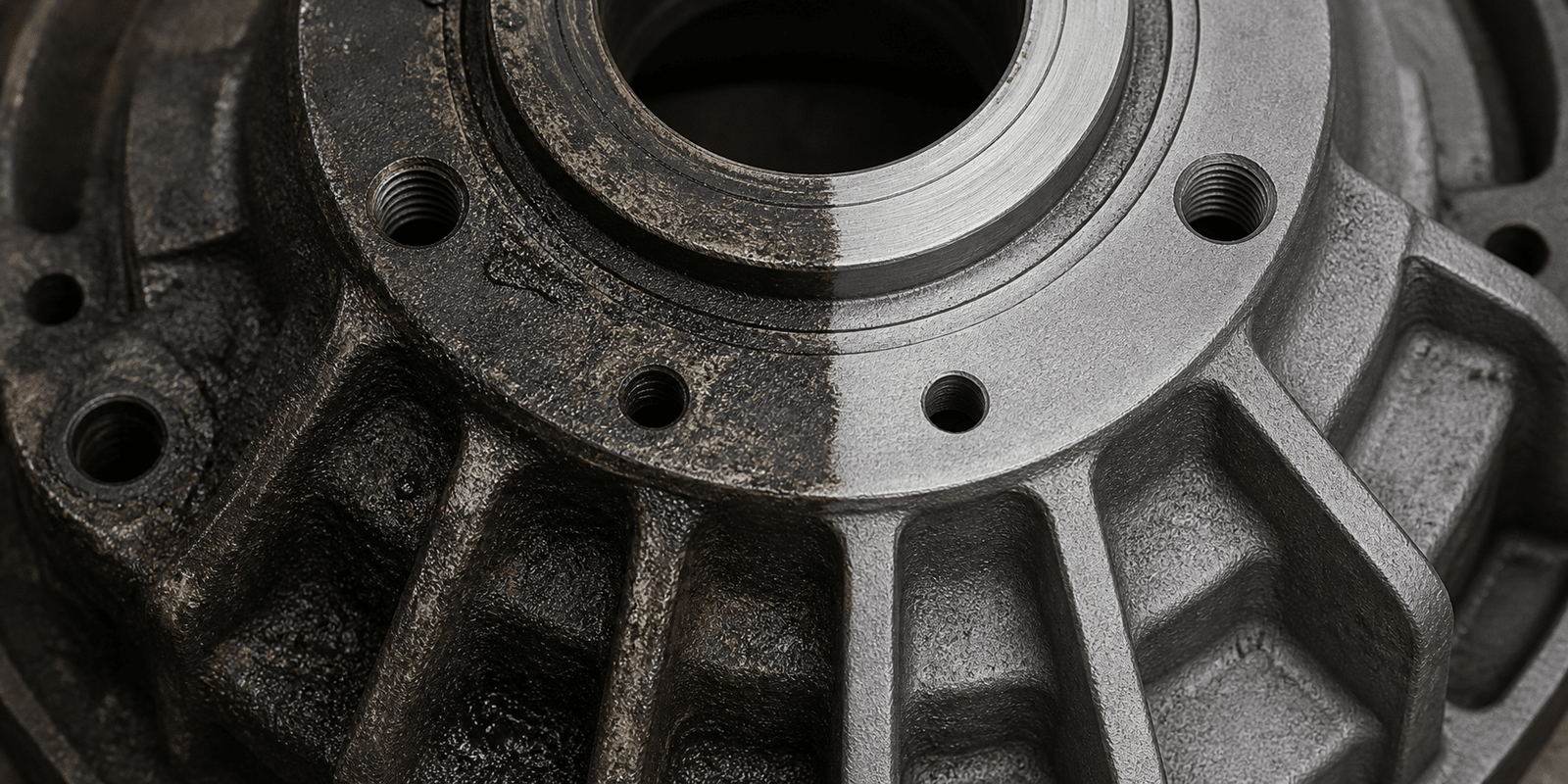
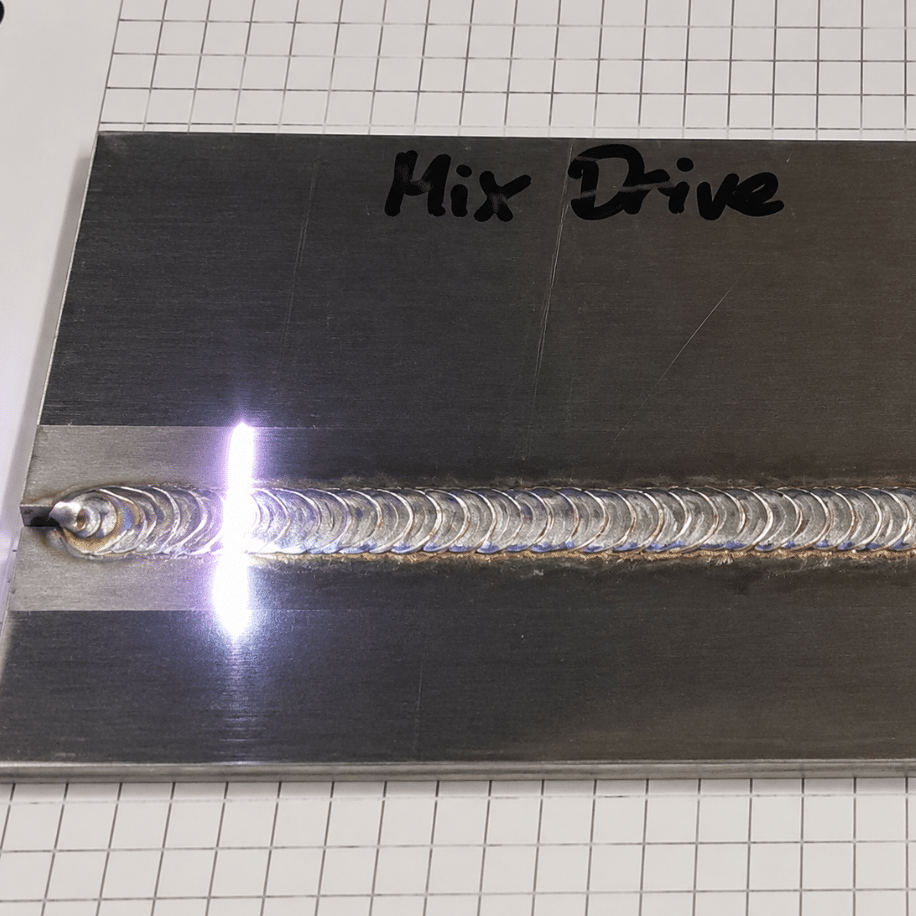
Compare rust, paint, mold, weld and oxide cleaning results before choosing the machine configuration for your own parts.
Power Selection

Match laser power to contamination, area and finish

Higher wattage can increase removal capacity, but power alone does not determine the result. Pulse characteristics, optics, scan width, material response and operator settings also matter.

200WPulsed

Detailed cleaning, molds, weld zones and lighter surface contamination.

300WPulsed

Balanced cleaning speed and control for regular industrial maintenance.

500WPulsed

Faster pulsed cleaning for larger parts and higher daily workloads.

1000-1500WCW

General heavy rust and coating removal on robust metal surfaces.

2000-3000WCW

High-output cleaning for large steel areas and demanding production rates.

Share With OceanplayerWhy It MattersUseful Details
Base materialDetermines absorption, heat sensitivity and acceptable finishSteel grade, aluminum alloy, copper, coating or other material
ContaminationChanges the required energy and cleaning passesRust level, paint type, oxide, oil, residue and approximate thickness
Part and areaGuides scan width, optics, cable and system formatPart dimensions, cleaning area, geometry and access restrictions
Production targetGuides power, cooling and automation requirementsParts per shift, square meters per day or required cycle time
Process Comparison

Compare laser cleaning with common surface treatment methods

The best process depends on surface condition, production volume, disposal requirements, geometry and the finish needed after cleaning.

Laser Cleaning

  • Non-contact and digitally adjustable
  • No blasting media or liquid bath
  • Easy to localize and automate
  • Requires laser safety controls and fume capture

Sandblasting

  • Fast treatment of many robust surfaces
  • Creates a defined abrasive profile
  • Requires media handling and cleanup
  • May affect dimensions or surface texture

Chemical Cleaning

  • Can reach complex immersed geometry
  • Suitable for selected contaminants
  • Requires chemical control and disposal
  • May need rinsing and drying stages

Manual Grinding

  • Low initial equipment requirement
  • Flexible for simple repair tasks
  • High operator variation and consumable use
  • Harder to automate consistently
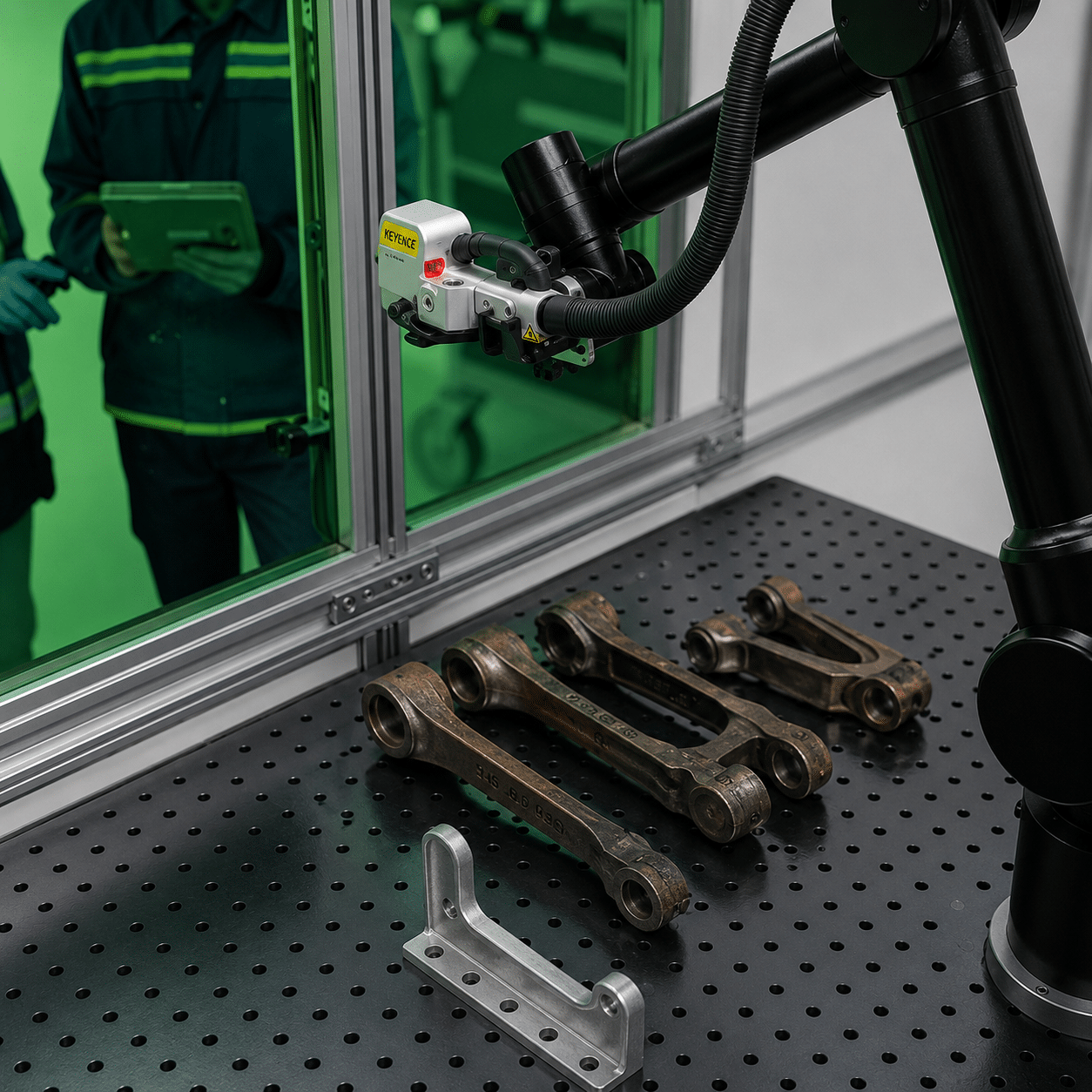
Laser cleaning workstation with safety protection and fume extraction
Safe Production Setup

Plan the machine together with safety and extraction

Laser cleaning removes material from the surface, so the complete setup should control laser exposure and capture the fumes or particles generated by the actual contamination.

  • Wavelength-rated eye protection and controlled operating area
  • Fume extraction selected for rust, paint, oil or coating residue
  • Interlocks, guarding or enclosed cells for automated production
  • Workpiece fixtures and robot paths for repeatable cleaning
  • Operator training, parameter records and maintenance guidance
Sample Cleaning Test

Confirm the finish on your own material before ordering.

A sample test helps compare pulsed and CW cleaning, verify the base-material response and identify the power, optics and working speed that fit your target result.

Step 01

Share the Part

Send photos, material, contamination, dimensions and the finish you need.

Step 02

Run the Test

Compare suitable power, scan pattern, speed and number of passes.

Step 03

Review the Result

Check photos, video, surface condition and recommended machine setup.

Factory Support

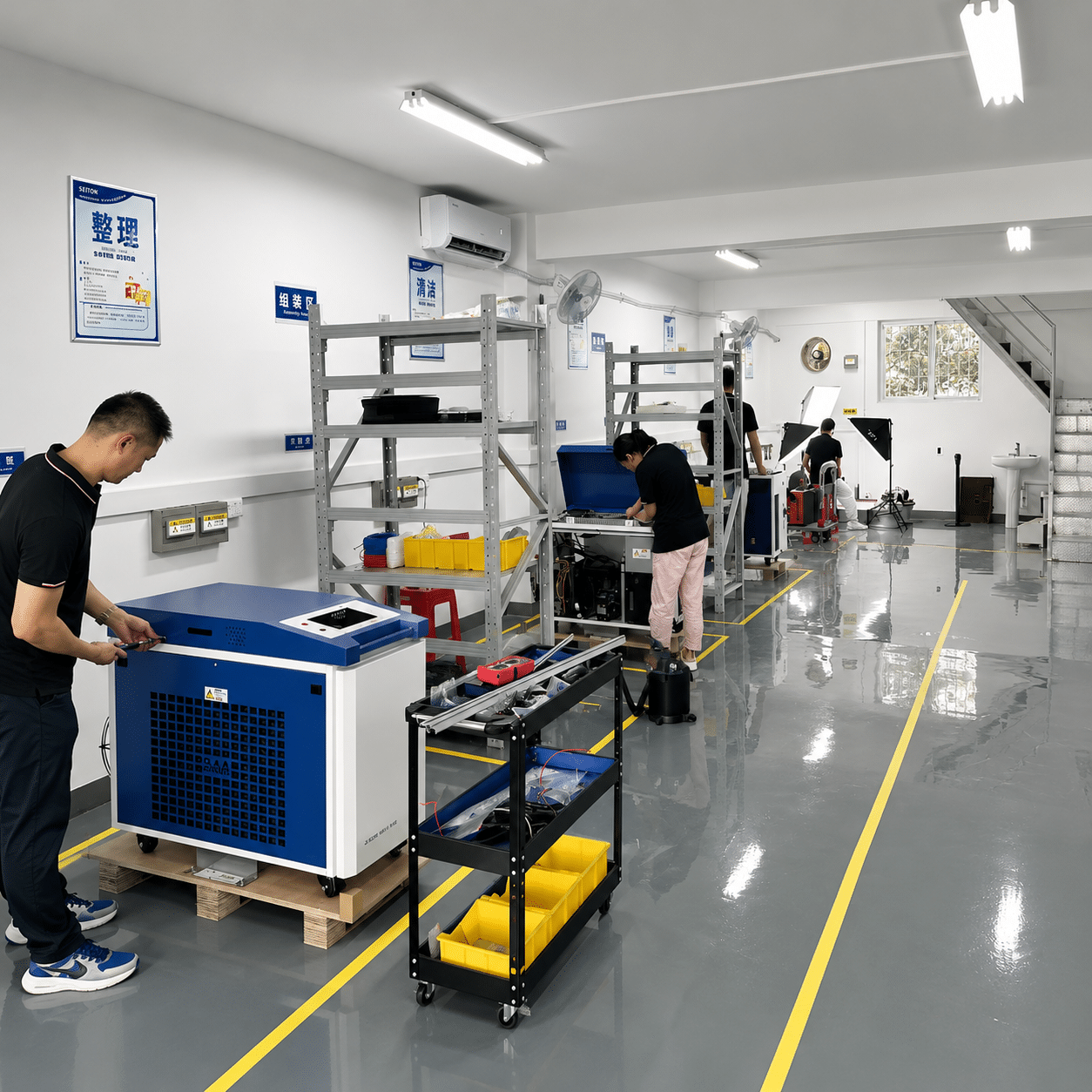
Move from application testing to a complete machine configuration

Oceanplayer supports equipment selection, sample testing, accessories, packing and remote startup guidance for industrial laser cleaning projects.

  • Machine type, power and cooling selection
  • Cleaning head, lens, scan width and cable planning
  • Extraction, fixtures, robot and enclosure options
  • Voltage, export packing and delivery coordination
  • Operation guidance and after-sales communication
Sample TestingOEM / ODMExport SupportRemote Guidance
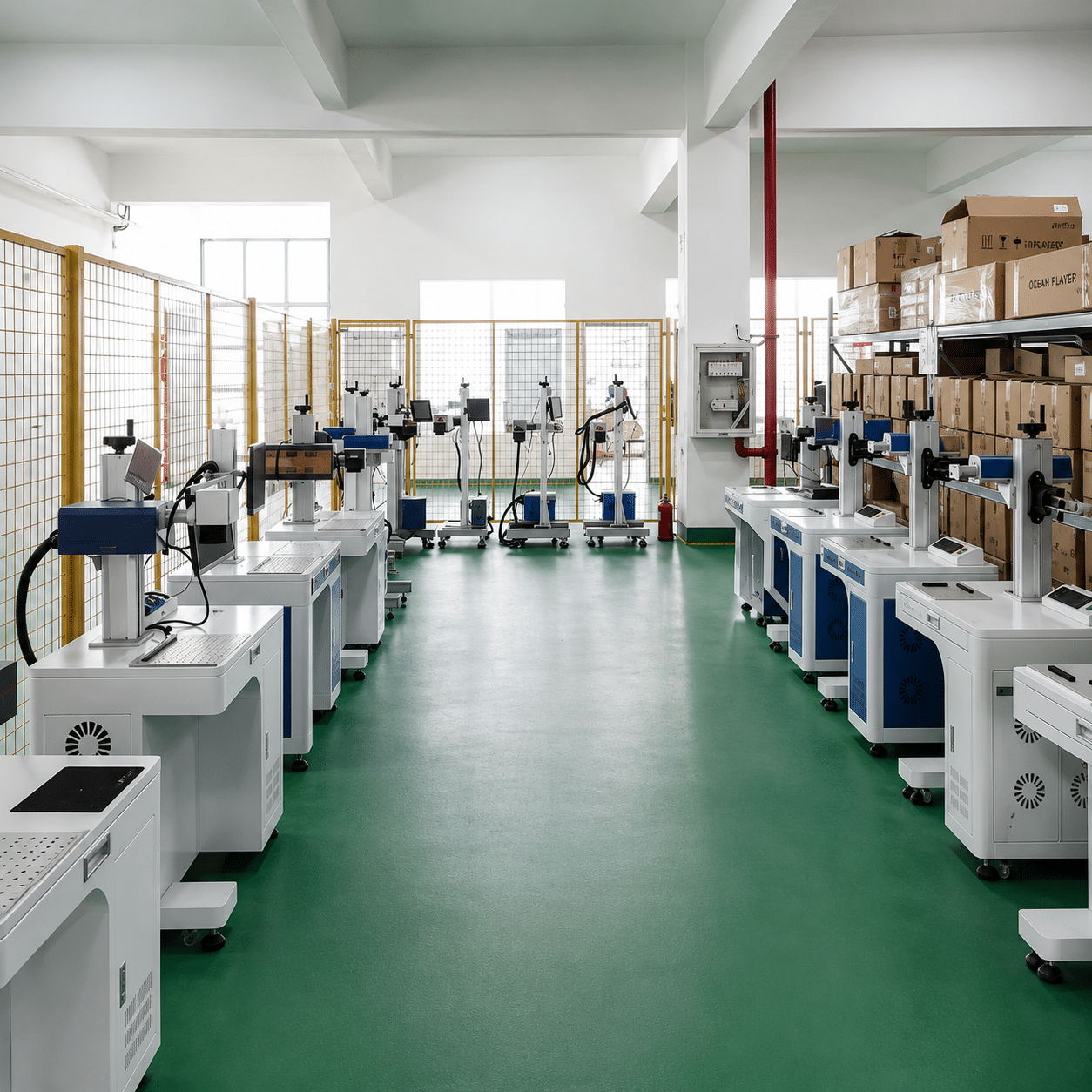
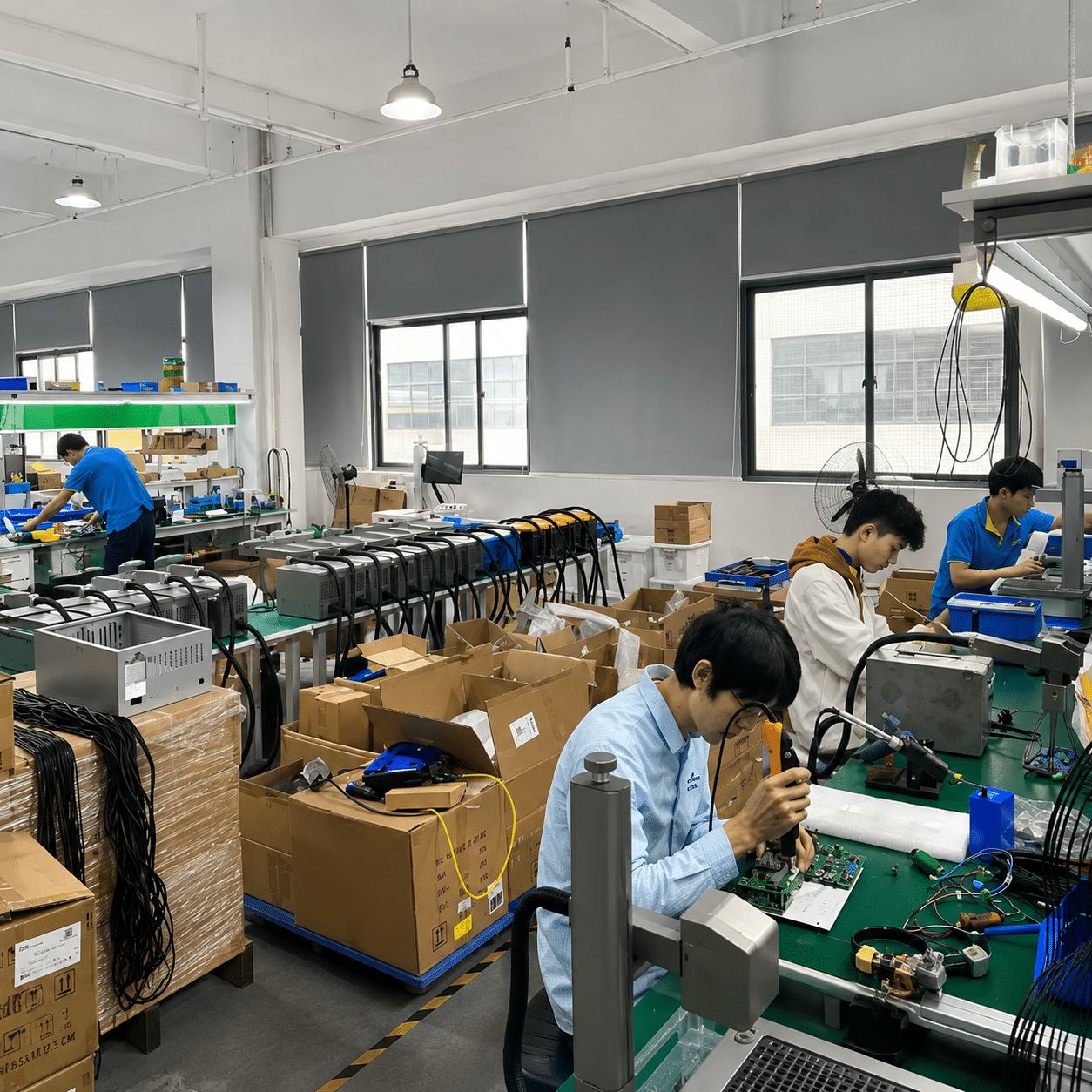
Oceanplayer laser cleaning machine factory assembly and testing
Laser cleaning machine quality inspectionLaser cleaning machine export packing
Frequently Asked Questions

Laser Cleaning Machine FAQ

Practical answers about machine types, power, applications, safety and sample testing.

What is a laser cleaning machine?
A laser cleaning machine directs controlled laser energy onto a surface to remove rust, paint, oxide, oil, residue or other contamination. Industrial systems may use pulsed or continuous-wave fiber lasers and can be configured for handheld, mobile or robotic operation.
Should I choose a pulsed or CW laser cleaner?
Choose pulsed cleaning when you need more controlled energy input, localized treatment or protection of a sensitive finish. Choose CW cleaning when you need faster removal of heavy rust or coatings from robust metal surfaces. A sample test is the best way to confirm the choice.
How much does a laser cleaning machine cost?
Price depends on laser type, power, cooling system, cleaning head, optics, cable length, extraction, safety equipment and automation. Share your material, contamination and production target to receive a configuration-based quotation.
Can laser cleaning damage the base material?
Incorrect energy density, focus, speed or repeated exposure can affect some materials. With suitable parameters, laser cleaning can remove surface contamination while controlling the effect on the substrate. Test the actual material whenever finish or dimensions are critical.
What can a laser cleaning machine remove?
Common applications include rust, oxide, paint, selected coatings, oil, grease, weld discoloration, mold residue and contamination before welding or coating. Suitability depends on how the contaminant and base material respond to the laser.
Which power level is suitable for rust removal?
Pulsed 200W to 500W systems are commonly used when cleaning control and finish matter. CW 1000W to 3000W systems are commonly used for faster removal on larger or more heavily rusted steel surfaces. Rust thickness, area and target speed should be reviewed together.
Does laser cleaning require fume extraction and safety protection?
Yes. The process can create fumes and particles from the material being removed. The workstation should include suitable extraction, wavelength-rated protection, a controlled laser area and any guarding or interlocks required by the operating environment.
Can Oceanplayer test my parts before I buy a machine?
Yes. Send part photos, material information, contamination details and your required finish. Oceanplayer can evaluate suitable cleaning options and provide sample photos or video with a recommended configuration.