oceanplayer

Oceanplayer Laser Equipment | Cleaning, Welding, Marking, Automation Sample Testing | Global Shipping | OEM/ODM Support
Pulsed Laser Cleaning Machine

Pulsed Laser Cleaning Machine for Precision Rust, Paint and Oxide Removal.

Oceanplayer pulsed laser cleaning machines help factories, repair shops and maintenance teams remove rust, oxide layers, thin paint, oil residue and mold contamination with controlled heat input and minimal base-material damage.
  • Low heat input cleaning
  • No abrasive media or chemicals
  • Sample testing available
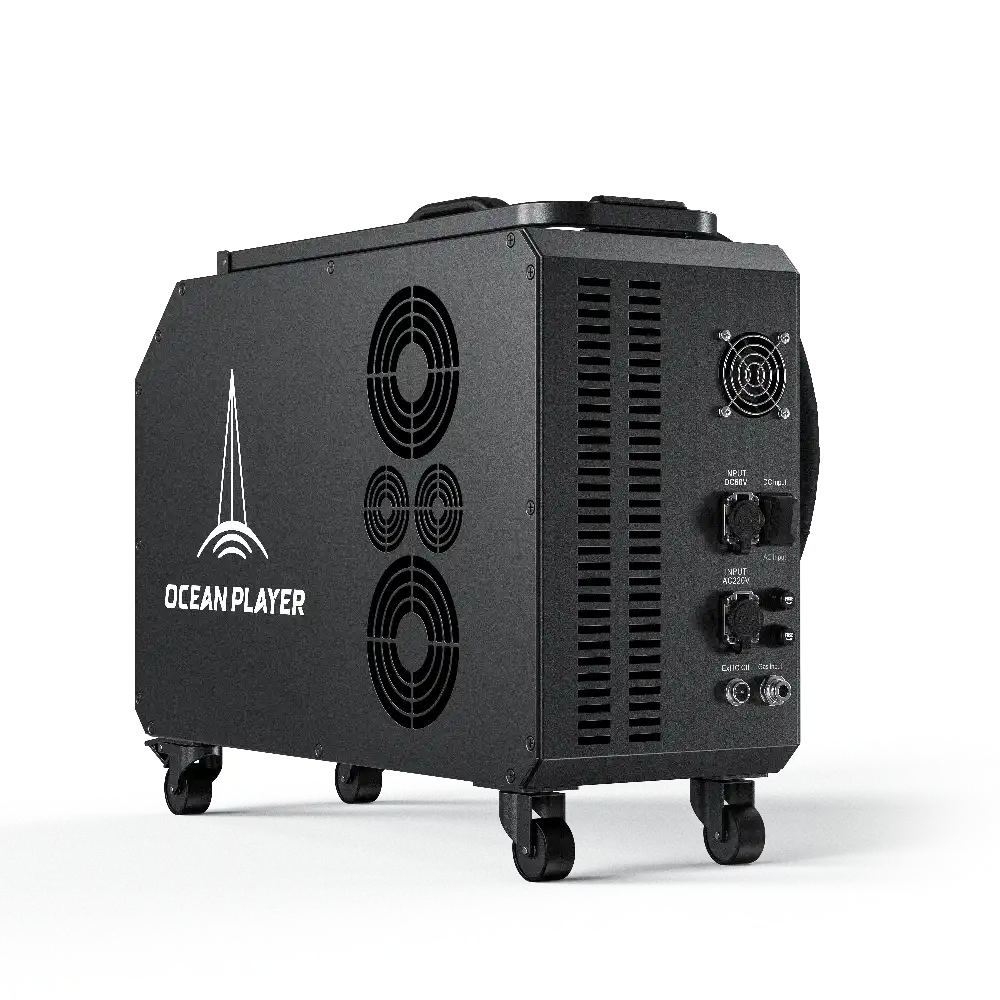
Oceanplayer pulsed laser cleaning machine for rust removal and surface cleaning
Precise surface cleaningBetter control for molds, welds and metal parts
100-500WPulsed laser power
FiberLaser source
Low HeatBase protection
Factory DirectConfiguration and quote from Oceanplayer
Material TestingTest your material before final power choice
Export SupportPackaging, delivery and remote training
Custom SetupLens, cable length and cleaning width options
Why Pulsed Laser Cleaning

Clean metal surfaces with more control and less secondary waste

Pulsed laser cleaning is a good fit when you need controlled energy, fine surface treatment and less damage risk compared with abrasive blasting, grinding or chemical cleaning.

Low Heat Input

Short laser pulses help remove surface contaminants while reducing continuous heat buildup on precision parts and sensitive substrates.

Cleaner Process

No sand, no grinding dust from wheels and no chemical bath. The cleaning process is easier to automate and easier to keep consistent.

Precise Selective Cleaning

Ideal for targeted rust removal, weld seam cleaning, mold maintenance, oxide removal and small-area restoration tasks.

Application Range

Where a pulsed laser cleaning machine fits best

If you are looking for a cleaner way to remove rust, oxide, mold residue or coating from valuable metal parts, pulsed laser cleaning gives you a controllable non-contact process without blasting media or chemical baths.

  • Laser rust removal on steel, stainless steel and machinery parts
  • Laser oxide removal before welding, coating or bonding
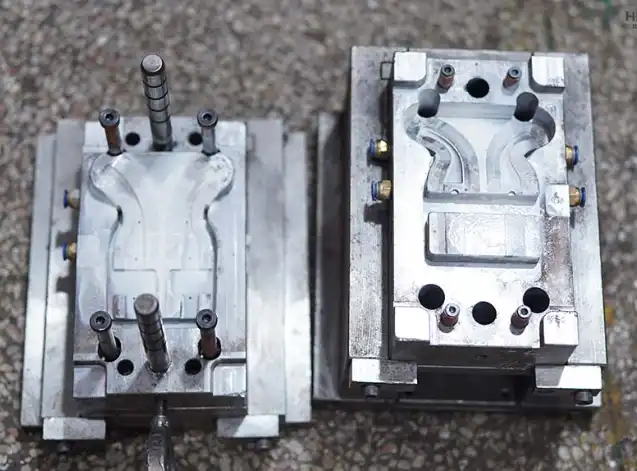
  • Mold laser cleaning for rubber, tire, plastic and die maintenance
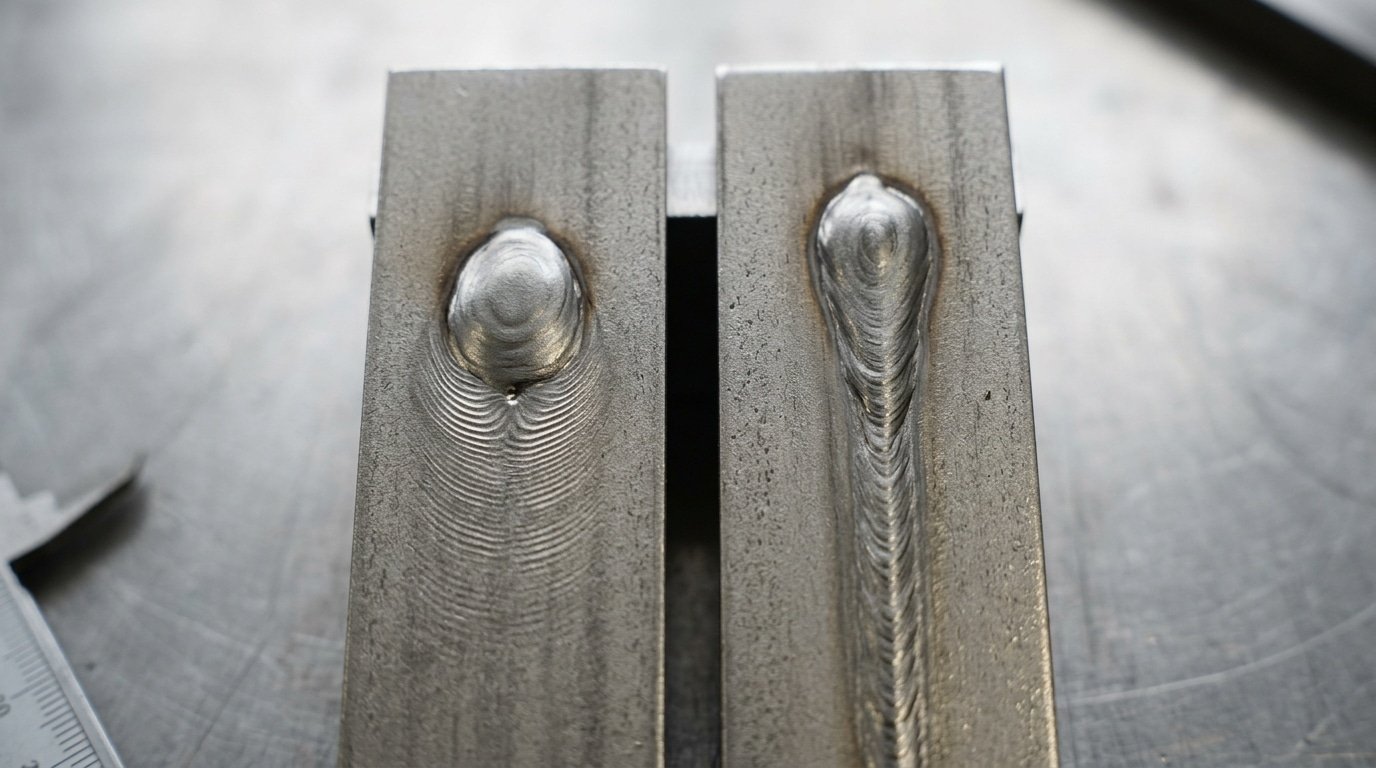
  • Weld seam cleaning and surface preparation for metal fabrication
  • Thin paint, oil residue and coating removal on selected metal surfaces
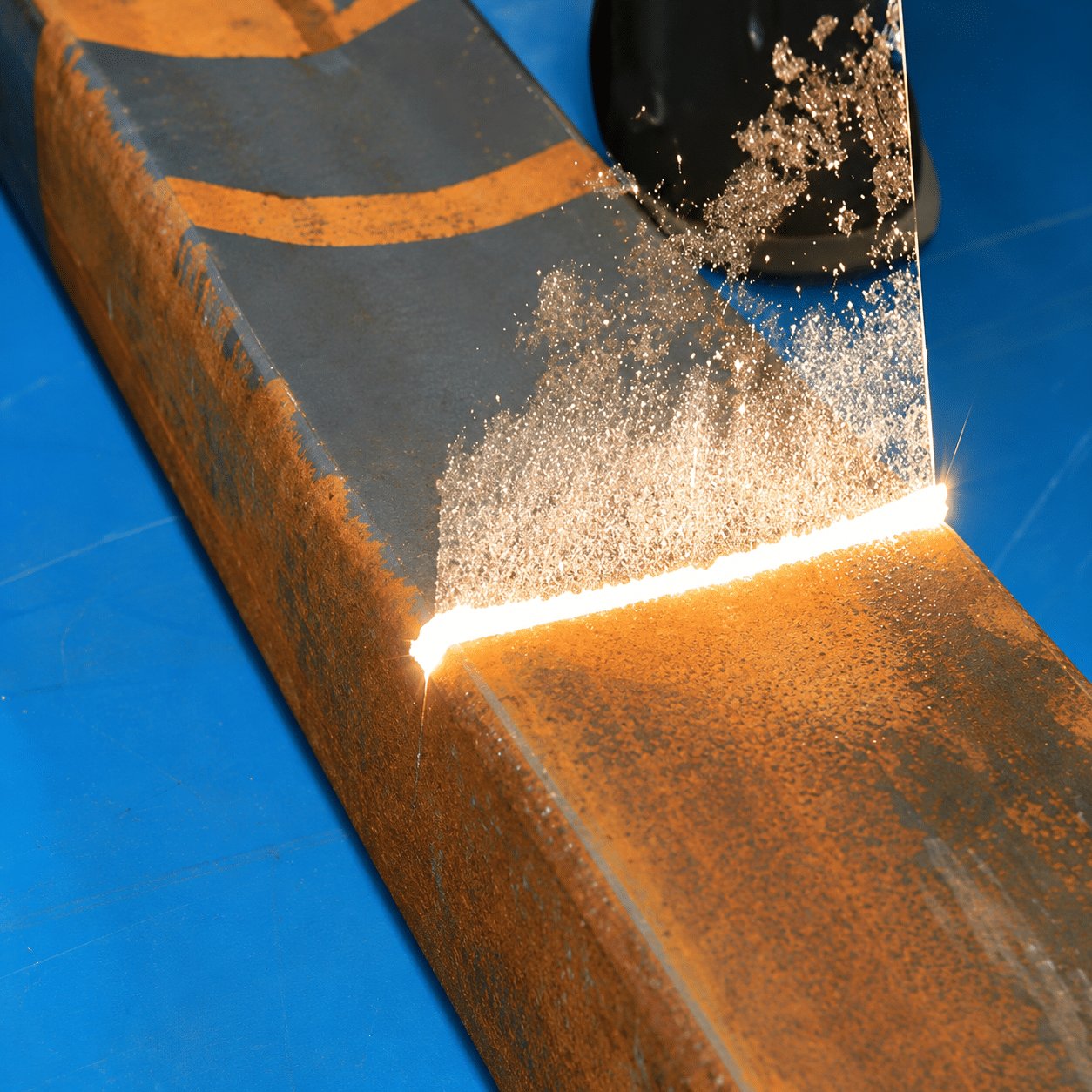
Pulsed laser cleaning application for metal rust and oxide removal
Material Guide

Recommended cleaning use cases for common surfaces

Choose the right cleaning power by looking at your material, contamination thickness, cleaning area and required finish. Oceanplayer can test your sample so you can see the result before placing an order.

Surface / MaterialCommon Cleaning TaskRecommended PowerMain Benefit
Steel PartsRust, oxide, oil residue and surface preparation200W-500W pulsedControlled rust removal with less grinding
Stainless SteelWeld discoloration, oxide layer and local contamination100W-300W pulsedCleaner finish and lower heat impact
Mold SurfaceRubber residue, carbon deposits and production buildup100W-300W pulsedNon-contact cleaning for detailed mold textures
Aluminum AlloyOxide film and selected surface preparation100W-300W pulsedFine cleaning with careful parameter control
Painted MetalThin paint or coating removal in selected areas300W-500W pulsedSelective stripping with no abrasive media
Cleaning Results

Check the cleaning result before you choose a machine

Before-and-after testing helps you confirm whether pulsed laser cleaning can meet your required surface finish, speed and base-material protection.
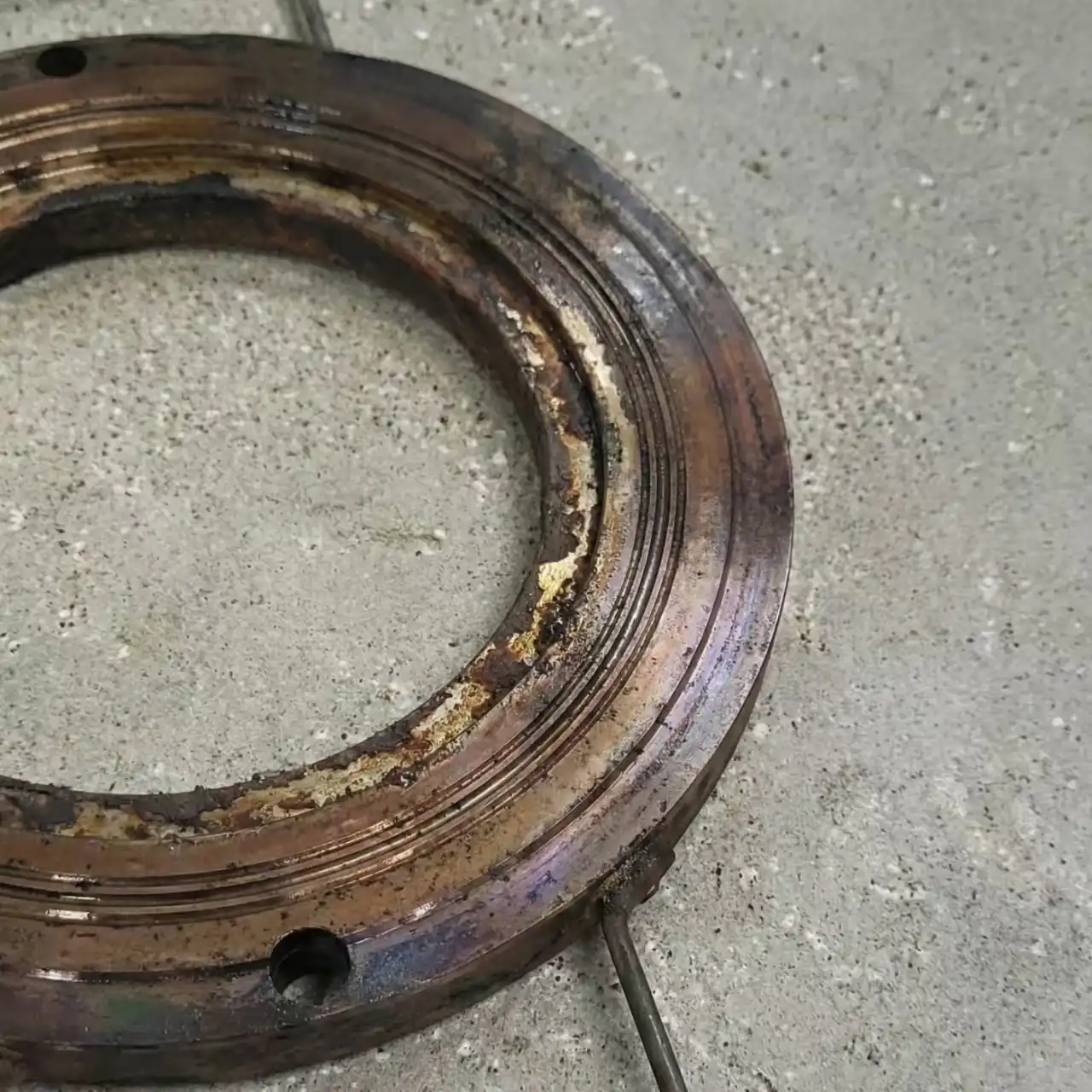
Before laser cleaning rust and oxide on metal surface
Before Cleaning

Rust, oxide and residue slow down production

Manual grinding, chemical cleaning or blasting may add dust, masking work, consumables and inconsistent finish on detailed parts.
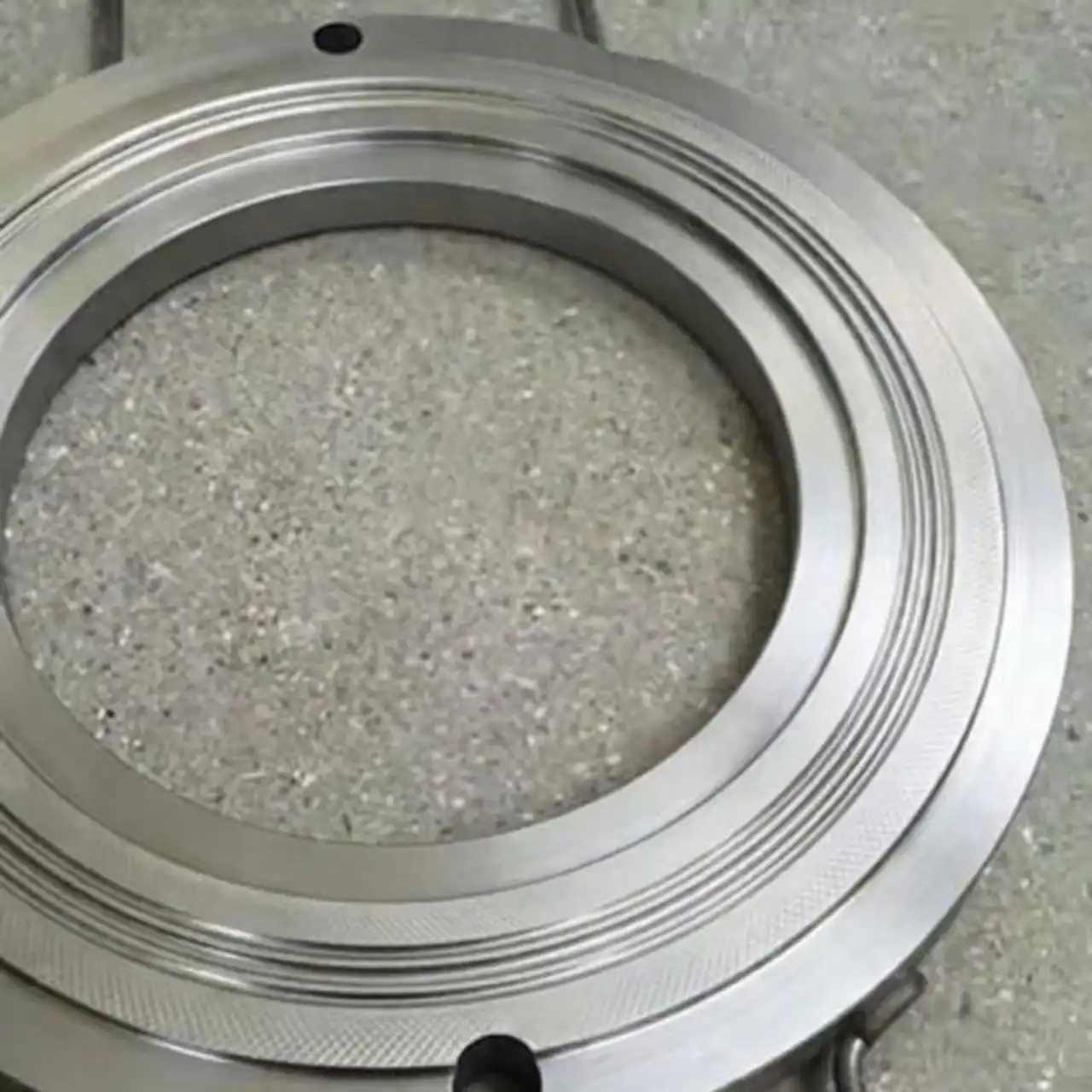
After pulsed laser cleaning clean metal surface
After Laser Cleaning

Cleaner surface with controlled laser parameters

Pulsed laser cleaning can remove surface contamination with repeatable energy control and less contact damage than mechanical methods.

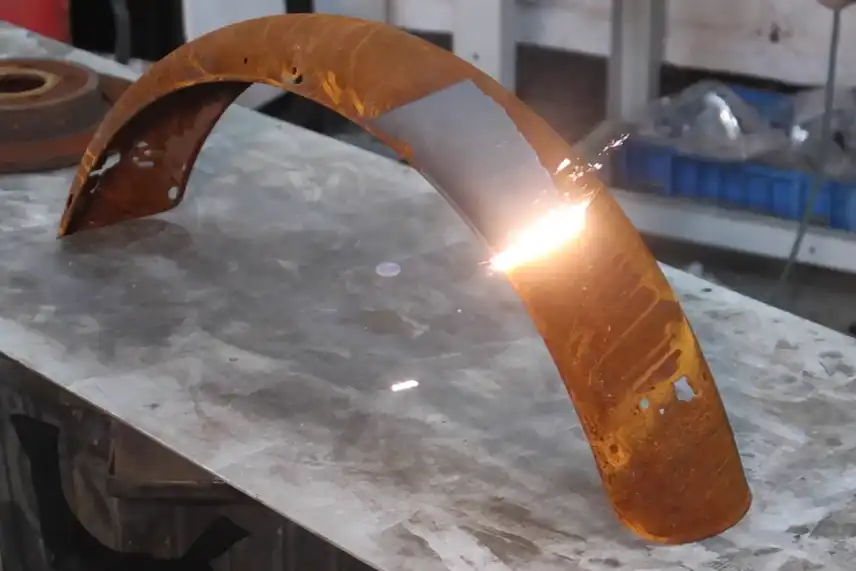
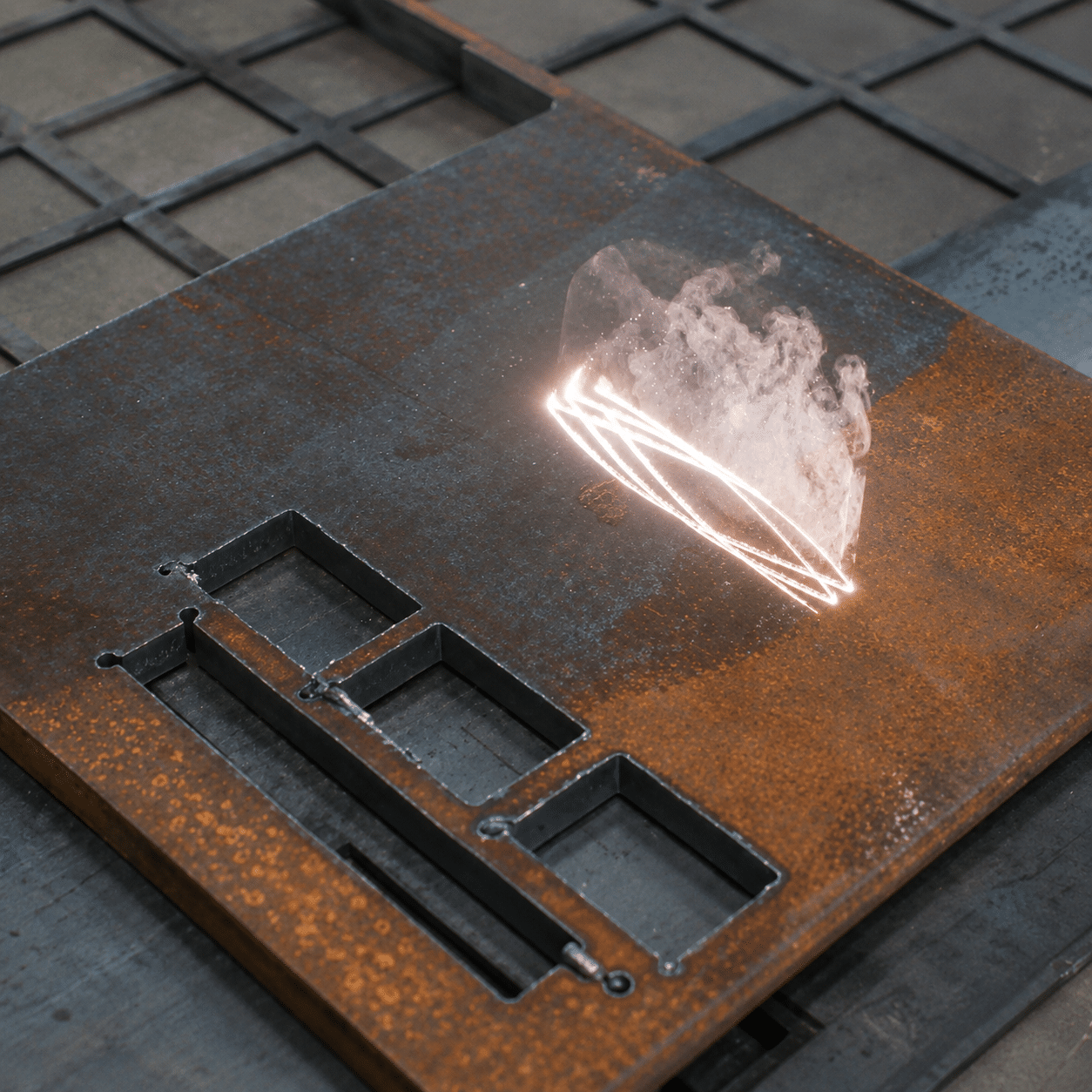
Cleaning Results Gallery

See what pulsed laser cleaning can do on real industrial surfaces

Review common cleaning results for rust, paint, oxide, weld seams and mold residue. These examples help you understand the surface finish you can expect before requesting a quotation or sample test.
Video Demonstration

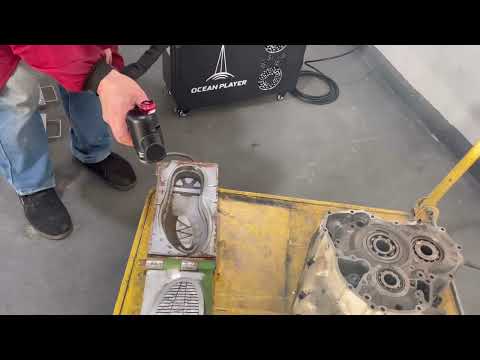
Watch how pulsed laser cleaning works on real rust, paint and mold residue

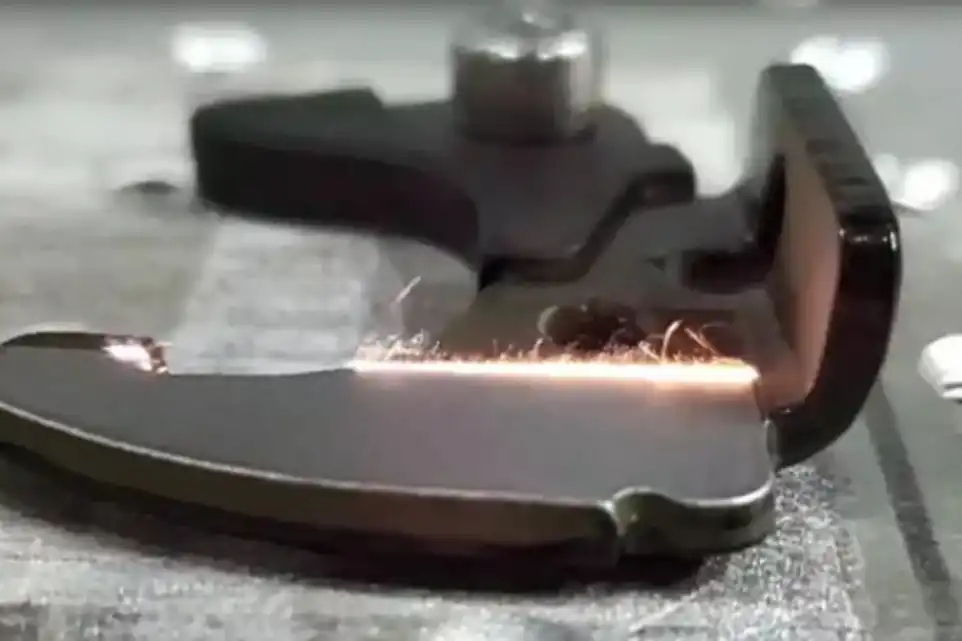
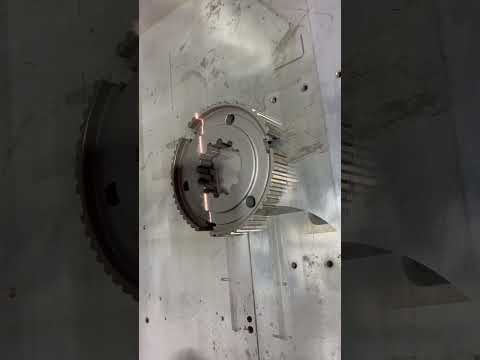
Watch cleaning speed, surface finish and heat control in real applications. If your parts are different, send your material details and Oceanplayer can test the process for you.
Product Specifications

Key specifications for the pulsed laser cleaning machine

Review the core configuration options before requesting a quote. Oceanplayer can match the machine power, cleaning head and setup to your material, cleaning width and production environment.

Machine Configuration

Laser TypePulsed fiber laser cleaning system
Laser Power100W, 200W, 300W, 500W options
Cleaning MethodNon-contact surface ablation and contaminant removal
Cleaning HeadHandheld cleaning head with adjustable scan width
Cooling MethodAir or water cooling depending on power and configuration

Application Details

Supported TasksRust removal, oxide removal, mold cleaning, weld cleaning, surface preparation
Best UsersMaintenance teams, mold factories, restoration shops, metal fabrication plants
ConsumablesNo blasting media or chemical cleaning agent required
Training SupportParameter guidance, operation videos and remote technical support
CustomizationOEM logo, cable length, plug standard and enclosure options available
Selection Guide

Should you choose 100W, 200W, 300W or 500W pulsed cleaning?

A clear power choice helps avoid under-buying or paying for speed you do not need.

Fine Work

Choose 100W Pulsed

Best for detailed mold cleaning, small restoration tasks and fine surface treatment where precision is more important than speed.

  • You clean small or detailed areas
  • You need very controlled energy input
  • Your contamination layer is light
More Speed

Choose 500W Pulsed

Better for larger metal parts, thicker contamination or production teams that need faster cleaning while still keeping pulsed laser control.

  • You clean larger workpieces
  • You need higher cleaning speed
  • Your rust or coating layer is heavier
Laser vs Traditional Cleaning

Why factories replace blasting, chemicals and grinding with pulsed laser cleaning

Traditional Cleaning Methods

  • Abrasive media, chemical agent or grinding wheels may create secondary waste
  • Masking, disposal and consumable management can increase process cost
  • Manual contact cleaning may damage edges, textures or precision surfaces
  • Cleaning quality can vary depending on operator skill and media condition
VS

Oceanplayer Pulsed Laser Cleaning

  • Non-contact laser process with no blasting media or chemical bath
  • Adjustable parameters for rust, oxide, mold residue and surface preparation
  • Better control for detailed parts, molds and localized cleaning areas
  • Easy to combine with sample testing and repeatable process setup
Free Sample Testing

Send your parts. We test the cleaning result before you buy.

If you are unsure whether pulsed laser cleaning can remove your rust, paint, oxide or mold residue, send photos, material details or samples. Oceanplayer engineers will test the process and recommend a practical machine configuration for your work.

01

Send Requirements

Share material, contamination type, cleaning area and expected finish.

02

Test Cleaning

Our engineers test laser power, scan speed and cleaning width.

03

Confirm Setup

We recommend machine power, lens, cable length and operation settings.

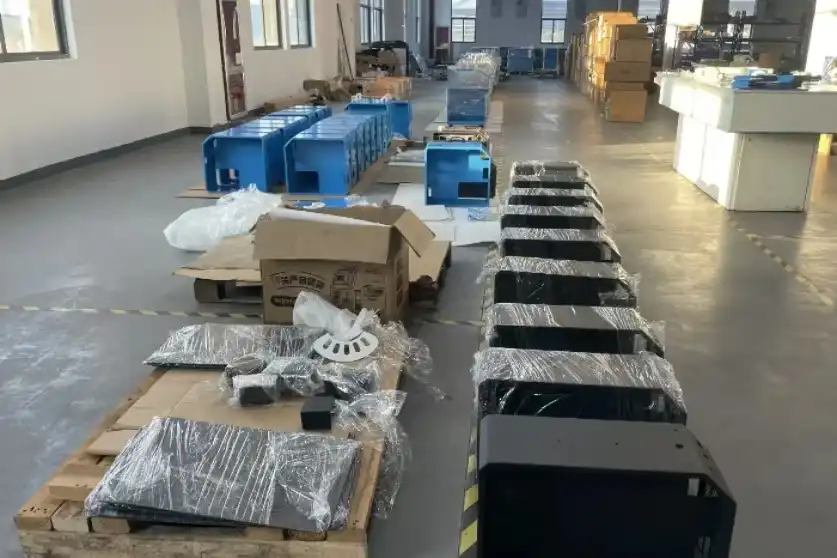
Oceanplayer laser cleaning machine factory and export support
Factory Support

Factory direct support from sample testing to delivery

Oceanplayer supports your project from material evaluation and machine configuration to production, packaging, shipping and remote operation guidance.

OEMLogo and enclosure options
VideoCleaning test support
ExportPackaging and shipping help
RemoteParameter and training guidance
FAQ

Pulsed Laser Cleaning Machine FAQ

What is a pulsed laser cleaning machine used for?
It is used for non-contact removal of rust, oxide layers, thin paint, oil residue, weld discoloration, mold residue and other surface contaminants from metal and selected industrial surfaces.
What is the difference between pulsed laser cleaning and CW laser cleaning?
Pulsed laser cleaning uses short laser pulses for more controlled energy input and is often preferred for precision surfaces, molds and lower-heat cleaning. CW laser cleaning uses continuous power and is usually chosen for faster cleaning on larger areas or heavier rust.
Will pulsed laser cleaning damage the base material?
With the right parameters, pulsed laser cleaning can remove surface contamination while reducing base-material damage risk. The final result depends on material, coating thickness, laser power, scan speed and operator settings, so sample testing is recommended.
Can a pulsed laser cleaner remove paint?
Yes, it can remove selected paint or coating layers, especially when controlled and localized cleaning is needed. For thick paint over large areas, Oceanplayer may compare pulsed and CW cleaning options based on your target speed and finish.
Which power should I choose: 100W, 200W, 300W or 500W?
100W is better for fine and detailed cleaning; 200W and 300W are common choices for balanced rust, oxide and mold cleaning; 500W is better when you need more speed or handle larger surfaces. Oceanplayer can recommend power after reviewing your sample.
Can I test my own material before buying?
Yes. You can send material information, photos or samples to Oceanplayer. Our engineers can test cleaning performance and recommend the right laser power, lens and operation settings.