oceanplayer

Oceanplayer Laser Equipment | Cleaning, Welding, Marking, Automation Sample Testing | Global Shipping | OEM/ODM Support
UV Laser Marking Machine

UV Laser Marking Machine for Fine, Low-Heat and High-Contrast Marking.

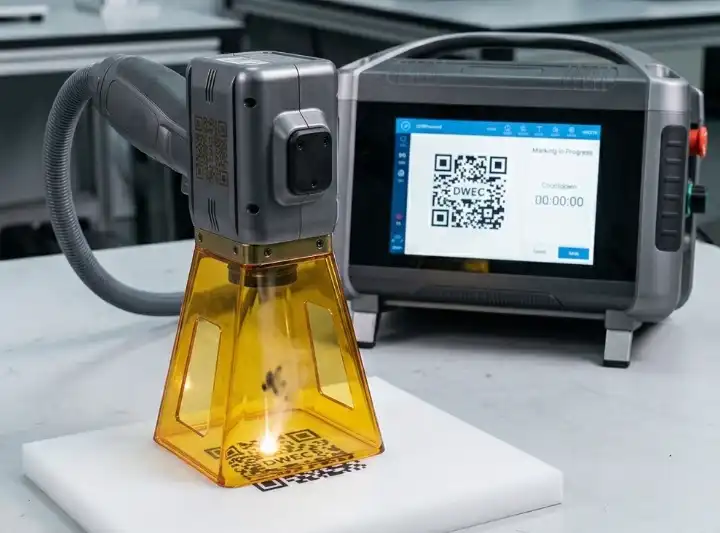
Oceanplayer UV laser marking machines use 355nm ultraviolet laser technology for fine marking on plastics, glass, ceramics, electronic parts, packaging materials and sensitive surfaces. They are ideal for clear QR codes, logos, serial numbers and micro text where low heat impact and clean edges matter.
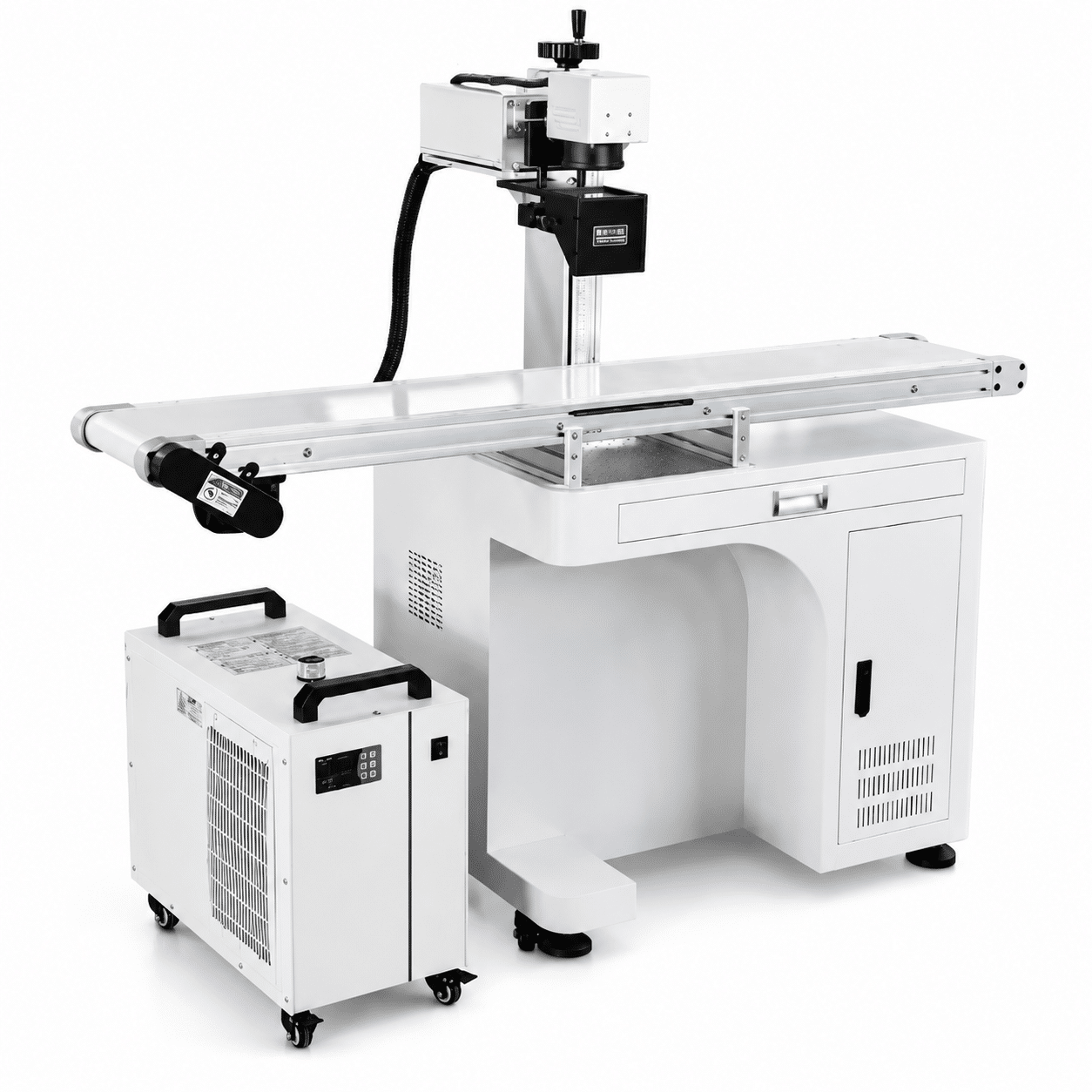
  • 355nm cold laser marking
  • Fine codes and micro text
  • Sample marking test available
Oceanplayer UV laser marking machine for plastic glass electronics and fine QR code marking
Low heat markingCleaner results on plastics, glass and sensitive product surfaces
355nmUV laser wavelength
3W-15WCommon power range
FineMicro text and QR codes
Low Heat ImpactBetter for heat-sensitive materials and fine surface marking
High DetailClear QR codes, micro text, logos and serial numbers
Wide Material RangeUseful for plastics, glass, ceramics, films and electronics
Sample SupportTest your material before choosing the final configuration
Why UV Laser Marking

Mark sensitive materials with cleaner edges and less thermal damage

UV laser marking is often selected when fiber or CO2 marking creates too much heat, melting, burning, yellowing or rough edges on the product surface.

Cold Marking Effect

The 355nm UV wavelength reduces heat impact, helping protect plastics, films, glass and coated surfaces from burning or deformation.

Fine QR Code Readability

UV laser marking supports small QR codes, batch codes and micro text with clean edges for electronic parts, packaging and traceability labels.

No Ink or Labels

Create permanent product information directly on the surface without ink drying, label peeling, consumable stock or extra printing process.

Application Range

Suitable for plastic, glass, electronics and precision product marking

UV laser marking is a practical choice when your product needs fine marks, low heat input, high contrast and clean surface appearance.

  • Plastic housings, switches, connectors, cables, caps and electronic parts
  • Glass bottles, glassware, cosmetic packaging and transparent materials
  • PCB boards, chips, electronic components and precision devices
  • Medical packaging, tubes, labels, films and small plastic parts
  • Ceramics, coated surfaces, silicon wafers and selected composite materials
  • QR codes, barcodes, logos, serial numbers, date codes and micro text
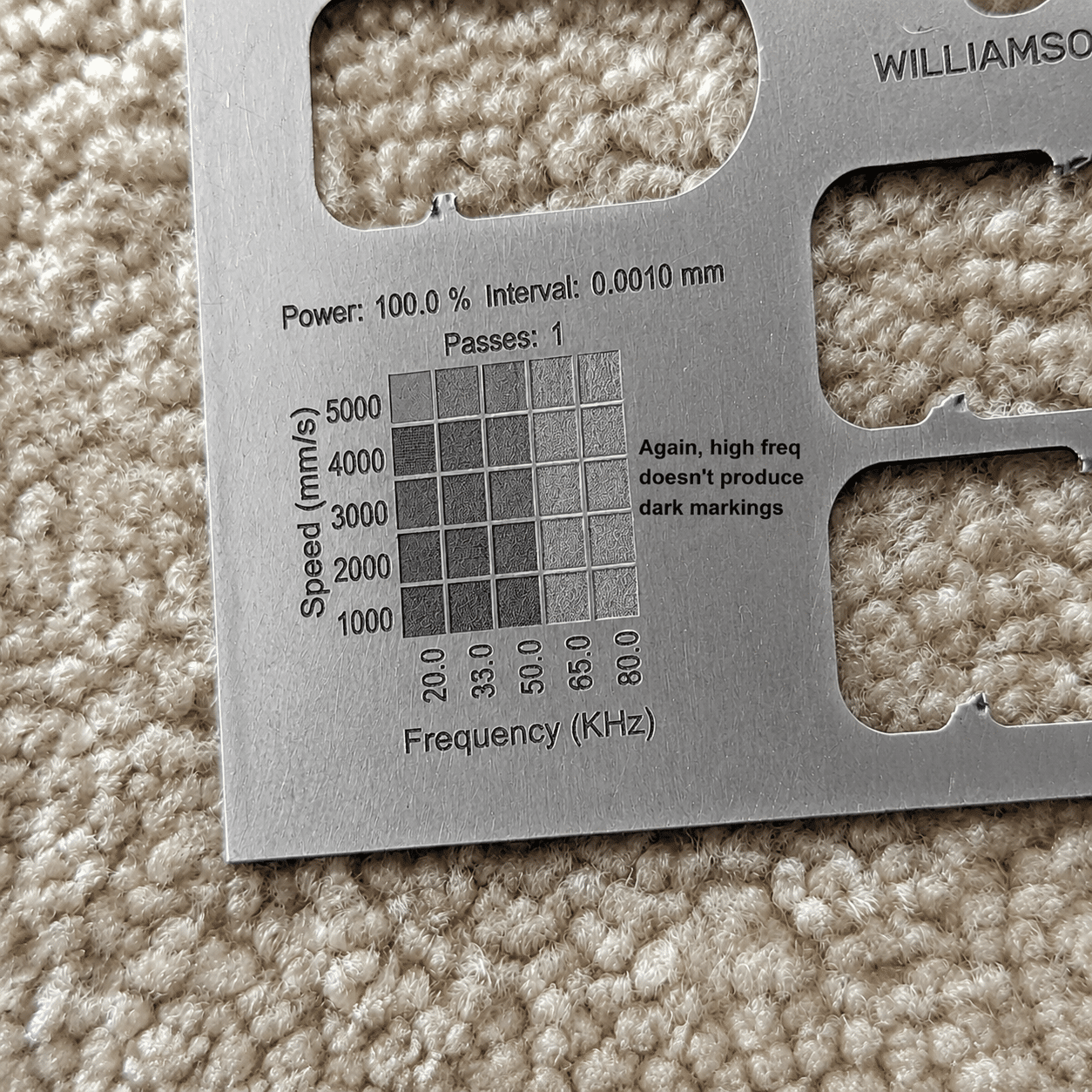
UV laser marking application for plastic glass electronics QR code and micro text marking
Material Guide

Match UV laser marking to your product material and mark goal

Different plastics, glass coatings and electronic materials respond differently. Sample marking helps confirm contrast, edge quality and whether UV is the right process.

Material / ProductCommon Marking NeedUV AdvantageTypical Applications
PlasticsLogo, QR code, serial number and fine textLower burning and cleaner edge controlElectronics, caps, switches, connectors, housings
GlassPermanent text, logo and batch codeFine surface marking with lower cracking risk after testingBottles, cosmetic packaging, glassware, lab containers
PCB / ElectronicsSmall QR codes, component codes and traceabilityHigh detail with controlled heat inputCircuit boards, chips, sensors, electronic modules
Films / PackagingDate code, batch code and anti-counterfeit marksNo ink contact and fine mark resolutionMedical packaging, labels, foils, thin films
Ceramics / CoatingsHigh-contrast logos and product identificationClean marking on selected hard or coated surfacesTools, parts, decorative items, industrial labels
Marking Results

Confirm mark quality on your real product surface

UV laser marking results depend on material composition, coating, color and surface finish. A sample test shows the final contrast, detail and heat effect before purchase.
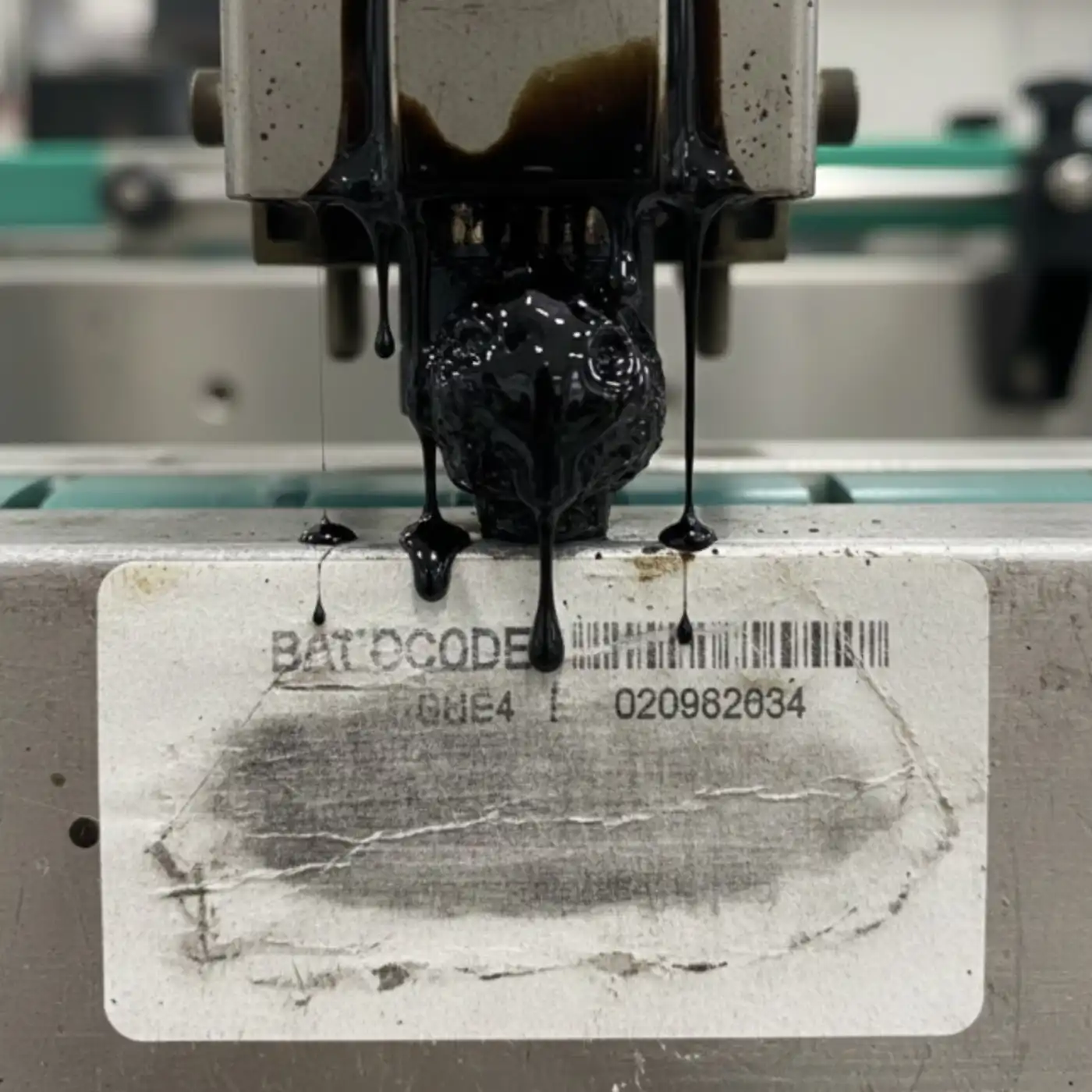
Ink or label marking on plastic product before UV laser marking
Ink or Label

Printed marks can fade, peel or lose readability

Labels and ink marks may not survive handling, solvents, heat, cleaning or long-term use on plastic and packaging products.
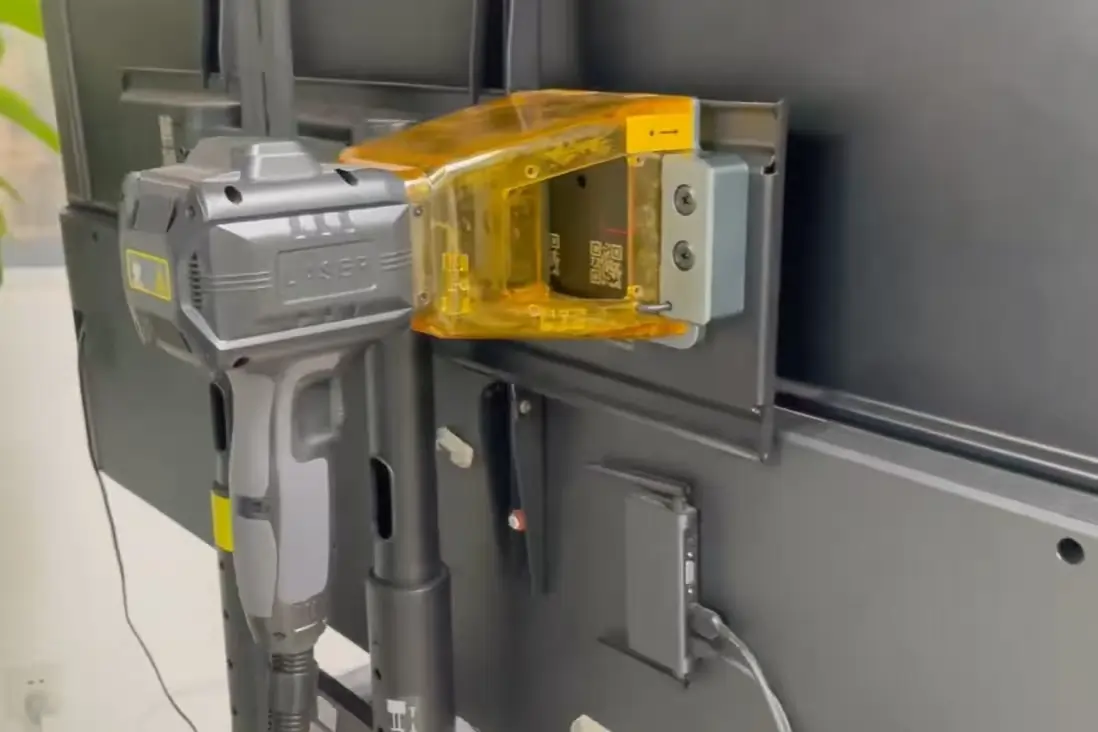
UV laser marking result with clear QR code and logo on plastic or glass product
UV Laser Marking

Permanent fine marks with cleaner surface control

UV marking creates durable codes and logos with fine detail, helping improve traceability, product appearance and brand consistency.

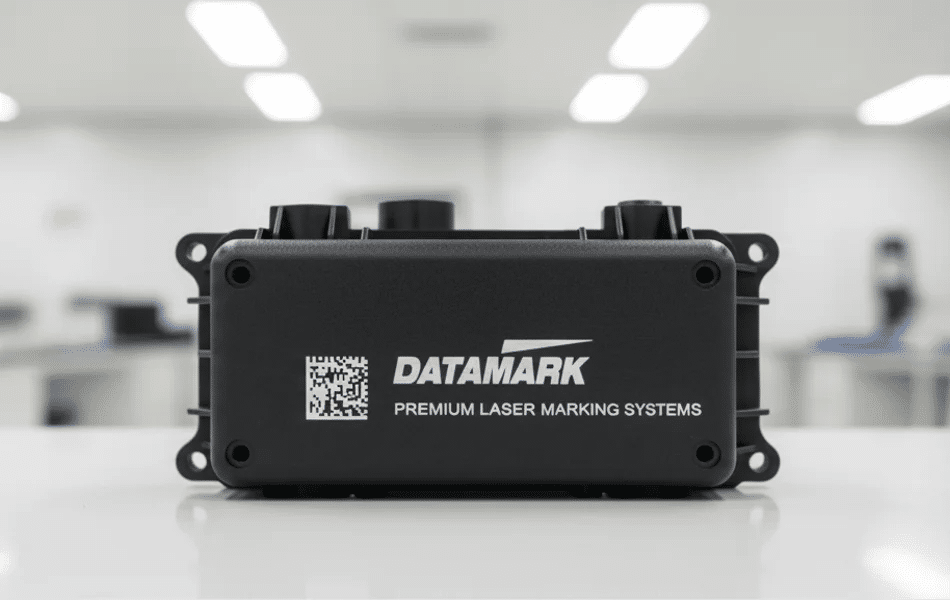
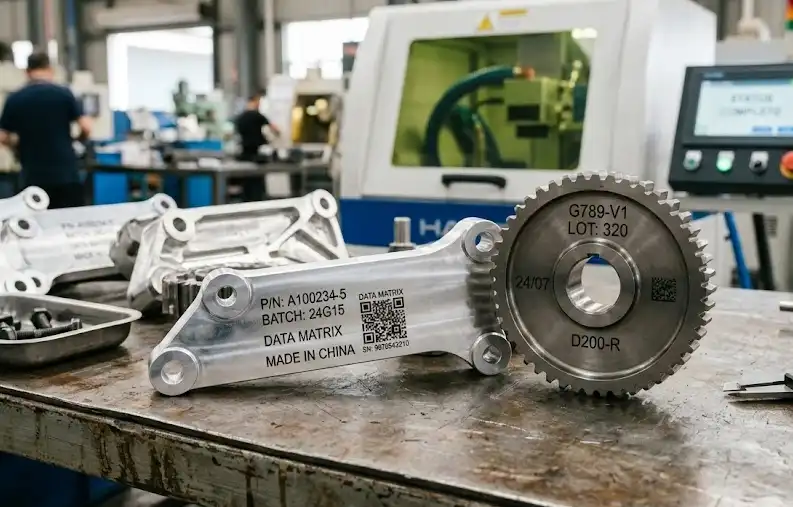
Marking Gallery

Review UV marking effects on plastic, glass and electronics

Clear sample photos help you judge edge detail, contrast, readability and whether the mark appearance fits your product.
Decision Questions

Check the details that decide whether UV marking is the right choice

UV laser marking is most valuable when material sensitivity, fine detail and clean appearance matter more than deep metal engraving speed.

Is your material heat-sensitive?

If fiber or CO2 marking burns, melts or discolors your product, UV marking may provide a cleaner and more controlled result.

How small is the code?

Small QR codes, fine serial numbers and micro text require stable focus, suitable lens size and confirmed scanner readability.

What contrast do you need?

Material color and surface finish affect contrast. A test mark shows whether the result is readable and visually acceptable.

Configuration Options

Build the UV marking setup around your product shape and workflow

Choose the right power, lens, enclosure, fixture and rotary setup based on mark size, product shape, safety requirements and daily marking volume.

Fine Detail

3W / 5W UV Marker

Suitable for fine logos, small plastic parts, delicate packaging and lower heat marking where detail matters most.

  • You mark small text or QR codes
  • Your material is sensitive to heat
  • You need controlled surface appearance
Higher Output

10W / 15W UV Marker

Better for higher marking speed, larger daily volume and applications that require stronger UV output.

  • You mark larger batches
  • Your cycle time matters
  • You need more power margin for production
UV vs Fiber vs CO2

Choose the right laser marking process for your material

Fiber or CO2 Marking

  • Fiber is strong for metals and many industrial parts
  • CO2 is common for wood, paper, leather, acrylic and packaging
  • Some plastics and glass surfaces may show burning, melting or rough edges
  • Not always the best choice for very fine low-heat marking
VS

Oceanplayer UV Laser Marking

  • Better for heat-sensitive plastics, glass, films and electronics
  • Supports fine QR codes, micro text and clean edge details
  • Lower thermal impact helps protect product appearance
  • Strong fit for packaging, medical parts and precision products
Machine Specifications

Key specifications for the UV laser marking machine

Review the main configuration options before requesting a quote. The final setup can be matched to material, marking size, contrast target and production layout.

UV Laser System

Laser Type355nm ultraviolet laser marking system
Laser Power3W, 5W, 10W, 15W options by requirement
Marking ContentLogo, text, QR code, barcode, serial number and date code
Best MaterialsPlastics, glass, ceramics, films, electronics and selected coated surfaces
Cooling MethodAir or water cooling depending on power and model

Optional Configuration

Machine StyleDesktop, enclosed, split or online marking setup
Lens OptionsDifferent field lenses for fine detail or larger marking area
Rotary AxisAvailable for bottles, tubes, cylinders and round products
Fixture SupportPositioning fixtures help improve repeatability for batch marking
SupportSample marking, parameter guidance and remote setup support
Sample Marking Test

Send your material before choosing the final UV marking setup

A sample marking test helps confirm contrast, QR readability, heat effect, marking speed, lens size and whether UV laser marking is the best match for your product.

01

Share Your Product

Send material, surface finish, mark size, artwork and target contrast.

02

Test UV Parameters

Our engineers test power, speed, frequency, focus, lens size and mark readability.

03

Confirm Setup

Receive a recommended power, lens, machine style, fixture and process direction.

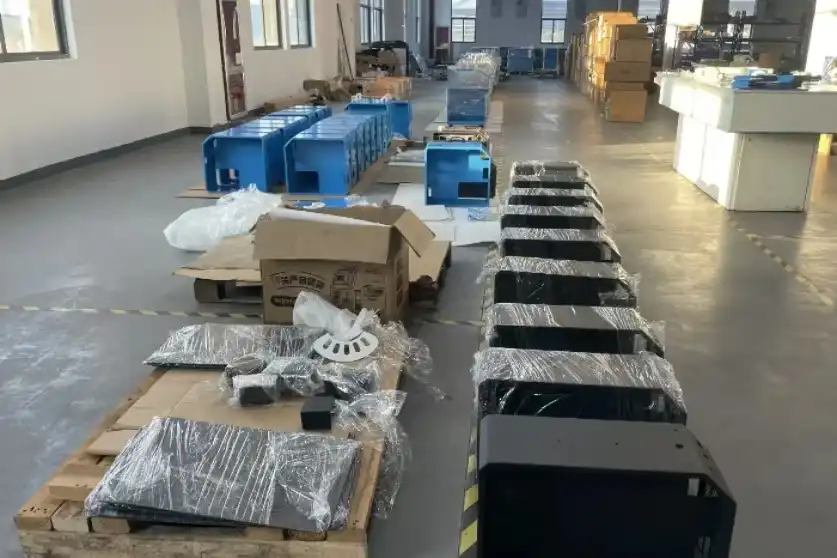
Oceanplayer UV laser marking machine factory support and export packing
Factory Support

Oceanplayer helps match UV marking parameters to your product surface

Get support for sample marking, machine configuration, lens selection, fixture planning, export packing and remote training before the machine enters production.

355nmUV laser marking
TestMaterial sample support
OEMLogo and enclosure options
RemoteSoftware and parameter guidance
FAQ

UV Laser Marking Machine FAQ

What materials can a UV laser marking machine mark?
UV laser marking is commonly used for plastics, glass, ceramics, films, electronic parts, PCB boards, packaging materials and selected coated surfaces after sample testing.
Why choose UV laser marking instead of fiber laser marking?
UV laser marking is better for heat-sensitive materials and fine low-heat marks. Fiber laser marking is usually better for metals and deeper industrial marking.
Can UV laser marking create QR codes?
Yes. UV laser marking is suitable for fine QR codes, barcodes, serial numbers and micro text, especially on plastics, electronics and packaging materials.
Can UV laser mark glass?
Yes. UV laser marking can mark glass products, bottles and packaging under suitable parameters. Sample testing is recommended to confirm contrast and surface quality.
Can Oceanplayer test my material before I order?
Yes. You can send material photos, samples, artwork and marking size. Oceanplayer can test UV marking parameters and recommend the right power, lens and machine configuration.