

Galvanized Steel Explained for Real-World Use
Galvanized steel is steel protected by a zinc-based coating. Zinc works as a barrier, corrodes preferentially when steel is locally exposed, and develops corrosion products that slow further attack. The important buying question is not simply “is it galvanized?” but which product, coating process, coating designation, environment and fabrication route are being specified.
This practical guide separates G90 sheet from batch hot-dip galvanized fabrication, explains where zinc protection succeeds or fails, and turns coating selection into an auditable engineering decision.

Start with the product form—not a favorite coating number
G90 and Z275 describe coating mass
Under ASTM A653, G90 and Z275 are equivalent minimum triple-spot coating-mass designations for continuously coated sheet. They are totals for both surfaces, not a guaranteed thickness on each face.
A123 and ISO 1461 are different routes
Beams, frames, weldments and assemblies galvanized after fabrication use batch hot-dip standards. Do not call a fabricated A123 article “G90.”
There is no universal outdoor life
Coating thickness matters, but chloride, sulfur dioxide, time of wetness, orientation, sheltering, deposits and repair quality determine the actual corrosion rate.
Welds and cuts need a repair plan
Welding vaporizes zinc, can create weld defects and releases hazardous fume. Damaged batch coatings are repaired using methods defined by ASTM A780/A780M.
Three protection mechanisms operate at the same surface
Galvanizing is not one material grade. It is a family of zinc or zinc-alloy coatings applied to a steel substrate by continuous hot-dip coating, batch immersion, electroplating or another controlled route.
First, intact zinc separates steel from oxygen, water and contaminants. Second, zinc is more electrochemically active than iron, so it can act as the sacrificial anode when a small damaged area is connected through an electrolyte. Third, exposed zinc reacts with the atmosphere and develops corrosion products; under favorable wet-and-dry cycles, a stable patina reduces the rate of further zinc consumption.
This does not make scratches “self-healing” in a literal sense. Cathodic protection is local and depends on the size and shape of the exposed area, electrolyte conductivity, coating thickness and environment. Wide cuts, drilled edges, burned weld zones and isolated bare areas cannot be assumed to remain protected indefinitely.
Keep the environment away
A continuous metallic coating delays contact between the steel substrate and corrosive media.
Zinc corrodes first
When steel is locally exposed and electrically connected, nearby zinc can protect it galvanically.
Weathering slows attack
Zinc corrosion products can form a more protective surface under natural exposure and drying cycles.
G90 and Z275 are coating-mass classes—not complete material specifications
ASTM A653/A653M covers zinc-coated galvanized and zinc-iron alloy-coated galvannealed sheet produced in coils and cut lengths. A purchase order still needs the steel designation or grade, coating designation, surface treatment, finish, dimensions, tolerances and applicable general requirements.
| Common pair | Minimum triple-spot coating mass, total both sides | Approximate zinc thickness per side if evenly divided | What it does—and does not—tell you |
|---|---|---|---|
| G40 / Z120 | 0.40 oz/ft² / 120 g/m² | About 9 µm per side | A light sheet coating frequently used with additional finishing or controlled exposure. It is not a generic outdoor-life promise. |
| G60 / Z180 | 0.60 oz/ft² / 180 g/m² | About 13 µm per side | More zinc than G40. Suitability still depends on forming, cut edges, atmosphere and any paint system. |
| G90 / Z275 | 0.90 oz/ft² / 275 g/m² | About 19 µm per side | Widely specified sheet class. The standard allows coating distribution to vary between faces and across the width. |
| G140 / Z450 | 1.40 oz/ft² / 450 g/m² | About 32 µm per side | A heavier sheet coating. Confirm that forming, joining, availability and surface requirements remain compatible. |
| G185 / Z600 | 1.85 oz/ft² / 600 g/m² | About 42 µm per side | A still heavier class used for demanding applications. It is not interchangeable with an A123 batch-galvanized coating. |
G90 is also not “a grade of steel.” A G90 order can be commercial steel, forming steel, structural steel, high-strength low-alloy steel or another eligible sheet designation. Mechanical properties come from the steel grade and product specification; corrosion protection comes from the metallic coating and its environment.
Choose the coating route around the manufacturing sequence
The right process is usually determined by whether the steel is a coil product, a completed fabrication, threaded hardware, a painted body panel or a tight-tolerance component.
Galvanized coil and sheet
Strip passes continuously through a zinc bath, then the coating is controlled before solidification.
- Best fit: roofing, ducts, cabinets, formed sheet
- Standards: ASTM A653/A924 or regional equivalents
- Call out: grade, coating mass, finish and treatment
Batch hot-dip galvanizing
Fabricated steel is cleaned, fluxed and immersed as a finished article, coating accessible internal and external surfaces.
- Best fit: frames, beams, railings, towers
- Standards: ASTM A123/A123M or ISO 1461
- Plan: venting, drainage, distortion and handling
Galvannealed steel
A post-coating thermal treatment creates a zinc-iron alloy layer with a matte surface suited to defined paint and joining systems.
- Best fit: automotive and painted sheet assemblies
- Standards: A653 zinc-iron designations
- Verify: powdering, formability and weld schedule
Electrogalvanized steel
Zinc is electrodeposited with fine control of appearance and thickness, usually at lower coating mass than batch HDG.
- Best fit: indoor precision parts and finished panels
- Strength: smooth, controlled surface
- Limit: do not assume heavy outdoor durability
Zn-Al and Zn-Al-Mg systems
Alloyed metallic coatings can improve cut-edge or atmospheric performance in particular products.
- Best fit: solar supports, HVAC, panels and profiles
- Evidence: use supplier-specific certification
- Avoid: universal “times longer” multipliers

Why “hot-dip galvanized” can still be ambiguous
Both coil coating and batch galvanizing use molten zinc, but the product geometry, coating control, specification language and inspection method differ. ASTM A123 specifically excludes sheet galvanized on specialized or continuous lines, while ISO 1461 likewise excludes continuously hot-dip-coated sheet and wire from its scope.
Choose a practical galvanized product route
This selector identifies a starting route for a supplier discussion. It does not replace the product standard, structural code, corrosion assessment, coating qualification or finished-part validation.
Describe the application
Choose the closest combination. The recommendation updates instantly.
Start with continuous galvanized sheet
For formed sheet or coil products, begin with the steel grade and an ASTM A653/A653M or EN 10346 coating designation. Select coating mass only after the exposure and fabrication route are known.
Use ISO 9223 to classify the atmosphere—not to promise one universal lifespan
ISO 9223 classifies atmospheric corrosivity by the first-year corrosion rate of standard specimens and considers temperature-humidity, sulfur dioxide and airborne salinity. It does not characterize every chemical-process atmosphere, soil, immersion condition or sheltered microclimate.
A practical durability estimate needs the measured or specified zinc thickness, a relevant corrosion model, site-specific exposure and a defined end point. The American Galvanizers Association's Time to First Maintenance model defines its end point as 5% rusting of the underlying steel in atmospheric service. The model also states that local salinity, precipitation, humidity, sulfur dioxide, temperature, orientation and other site variables can shift actual performance.
That distinction matters. “Time to first maintenance” is not the same as structural failure, and a chart for atmospheric batch hot-dip galvanized coatings should not be copied onto continuously galvanized sheet, buried pipe, immersed tanks, swimming-pool ceilings or chemical plants. For severe environments, a duplex system—galvanizing plus a compatible paint system—may be more reliable than simply asking for “more zinc,” but it still requires surface-preparation and compatibility controls.
Compare the completed system, not only the price per kilogram
Galvanized steel often offers a practical balance of cost, strength and corrosion protection, but stainless steel, weathering steel and painted carbon steel solve different problems. The best choice depends on environment, appearance, fabrication, inspection access and consequence of coating loss.
Strong default for accessible atmospheric service
Zinc adds barrier and sacrificial protection without changing the basic structural role of carbon steel.
- Good for frames, roofing, guardrails, towers and equipment
- Requires correct coating route and repair of damaged areas
- Not automatically suitable for immersion, food contact or aggressive chemicals
Material-wide corrosion strategy
Corrosion resistance comes from the chromium-rich passive film throughout the alloy, not a consumable zinc layer.
- Useful where hygiene, appearance or inaccessible maintenance dominates
- Grade selection remains environment-specific
- Chlorides, crevices, contamination and welding still matter
Designed atmospheric patina
Selected low-alloy steels can form a protective rust layer under suitable wet-and-dry exposure.
- Useful where the visual patina is acceptable
- Poor drainage, sheltering and chlorides can prevent stable patina
- Runoff staining and detailing must be planned
Flexible barrier system
Paint offers broad color and chemistry options but depends heavily on preparation, edge coverage and maintenance.
- Useful for very large structures and controlled coating shops
- Local damage can allow underfilm corrosion
- Life-cycle performance depends on access and recoating quality
A life-cycle comparison should include material, fabrication, coating, inspection, repair, shutdown, access equipment, environmental controls and end-of-life requirements. Avoid publishing a fixed multiplier such as “stainless costs four times more” without a dated supplier quote and a defined product geometry.
The coating usually fails at a detail or micro-environment
A broad exposed face can look excellent while a cut edge, crevice, stacked sheet, dissimilar-metal contact or sheltered deposit becomes the actual corrosion cell.

Wet storage stain on newly galvanized surfaces
Closely stacked or nested parts can trap moisture and restrict airflow. White or gray zinc corrosion products then accumulate before the normal weathering cycle develops. Separate, drain and ventilate stored material; assess coating loss rather than judging only color.
Chloride and persistent wetness
Marine aerosol, road salt, cooling-water carryover and sheltered deposits can increase zinc consumption. Distance from a coastline alone is not a defensible exposure classification; wind, orientation, washing and salt deposition matter.
Dissimilar-metal contact in an electrolyte
Contact with a more noble metal such as copper or a large stainless surface can accelerate local zinc loss when moisture completes the circuit. Evaluate area ratio, conductivity, drainage and electrical isolation.
Chemical, pH and temperature mismatch
Zinc performance varies with water chemistry, pH, dissolved salts, temperature and flow. Do not transfer atmospheric durability claims to hot-water, acidic, strongly alkaline, fertilizer, process-chemical, soil or immersion service without specific data.
Cut edges, weld zones and uncoated recesses
Local sacrificial protection has limits. Broad bare regions, burned coating, hidden faying surfaces and inaccessible crevices need a defined coating or repair method, not an assumption that nearby zinc will cover every defect.
Distortion, drainage or appearance problems after dipping
Asymmetric weldments, sealed cavities and poor vent/drain design can distort, trap liquids or retain excess zinc. Design the fabrication for galvanizing before releasing the shop drawings.
Welding galvanized steel is a coating, weld-quality and exposure-control problem
Zinc boils at a much lower temperature than steel melts. During fusion welding, zinc close to the joint can vaporize, contaminate the process and oxidize into hazardous fume. In zero-gap lap joints, trapped zinc vapor can disrupt the melt pool and create spatter, blowholes or internal porosity.
A visually smooth bead is not proof that a galvanized overlap joint is sound. Laser welding is particularly sensitive to the route by which zinc vapor escapes. Joint gap, coating location, travel speed, beam profile, wobble, focus, shielding, clamping and any local coating removal must be qualified together.
OSHA identifies zinc oxide from galvanized steel as a cause of metal fume fever and notes that exposure controls become more demanding in confined spaces. Use a competent industrial-hygiene assessment, source-capture ventilation, respiratory protection where required, and the applicable welding, laser and workplace rules. Milk is not a fume-control method.
Give zinc vapor a controlled path
Lap gap, dimples, venting features or another qualified method may be needed; the correct approach is application-specific.
Remove only what the WPS requires
Any zinc removal changes corrosion protection and creates zinc-containing dust or fume that must be captured safely.
Control stability before raw power
Coordinate heat input, speed, beam motion, wire, shielding and fit-up to control porosity and spatter.
Inspect below the top bead
Use the required destructive tests, cross-sections, NDT, leak tests or mechanical tests for the actual joint.

ASTM A780 defines three repair families for damaged batch hot-dip coatings
Repair is not simply spraying any product labeled “cold galvanizing.” The contracting parties should agree on the repair method, extent, surface preparation, coating thickness, inspection and acceptance.
Low-melting zinc alloy repair
The damaged area is prepared and repaired with a zinc alloy rod or powder made for the purpose. Heat control, cleanliness, flux residues and finished thickness need inspection.
Liquid-applied repair coating
A qualifying zinc-dust paint can be practical for field repair when the specified product, dry-film thickness, preparation and curing conditions are followed.
Metallized repair
Sprayed zinc can rebuild a metallic coating over prepared steel. Surface profile, bond, thickness, overspray and access make it a planned industrial process rather than a cosmetic touch-up.
ASTM A780 applies to damaged and uncoated areas of hot-dip galvanized hardware, structural shapes and products fabricated before galvanizing. The applicable base coating specification limits acceptable repair area and may impose additional requirements. For continuously coated sheet, use the sheet producer’s approved cut-edge and repair system rather than automatically importing A780.
Use the coating decision to choose the next engineering tool
Oceanplayer’s tools help plan feasibility, heat input, extraction and cleaning. They are starting points; a representative sample remains the fastest way to verify coating behavior, weld stability and the required finish.
Can the surface be laser cleaned?
Check substrate, contamination, sensitivity and likely cleaning route before selecting power.
Cleaner selectionPulsed vs CW comparison
Compare precision, coating-removal risk, throughput and surface requirements.
Welding planningWelding heat input calculator
Build a transparent first estimate for process comparison and test planning.
Safety engineeringFume extraction airflow
Estimate capture airflow, duct velocity and preliminary fan duty for supplier review.
Galvanized steel FAQ
Short answers for engineers, buyers, fabricators and maintenance teams.
What is galvanized steel?
Galvanized steel is a steel product protected by a zinc or zinc-alloy coating. The coating provides a barrier, can protect small exposed areas sacrificially, and develops corrosion products that can slow further zinc attack under suitable exposure.
What is the difference between G90 and Z275?
Under ASTM A653/A653M, G90 and Z275 express equivalent minimum triple-spot coating mass in inch-pound and SI systems: 0.90 oz/ft² or 275 g/m² total across both sides. They do not guarantee that the coating is divided equally between the faces.
Is G90 the same as ASTM A123 hot-dip galvanizing?
No. G90 is a continuous galvanized sheet coating designation under A653. ASTM A123 covers batch hot-dip zinc coatings on eligible iron and steel products, including many fabrications galvanized after assembly. Their product forms, coating controls and inspection rules differ.
How long does galvanized steel last outdoors?
There is no single outdoor life. Actual performance depends on zinc thickness, atmospheric corrosivity, salt and pollution deposition, time of wetness, orientation, sheltering, damage and maintenance. Use a site-relevant model and define whether the endpoint is first repair, visible rust or structural replacement.
Does galvanized steel rust?
Yes, after the zinc is locally or generally consumed, steel can develop red rust. Before that, zinc may show gray, white or dark corrosion products that are not the same as red rust of the substrate. Inspect coating loss rather than judging by color alone.
What causes white rust on galvanized steel?
New galvanized articles can develop wet storage stain when moisture remains trapped between stacked or nested surfaces with restricted airflow. Separate the parts, allow drainage and drying, and evaluate the severity using the applicable galvanizing guidance.
Can galvanized steel be welded?
Yes, with a qualified procedure and effective exposure controls. Zinc vapor can create spatter, porosity and blowholes—especially in tight lap joints—and zinc oxide fume can cause metal fume fever. Joint design, ventilation, fit-up, parameters, testing and post-weld coating repair all matter.
Can laser cleaning remove rust without removing zinc?
Sometimes a controlled process can remove selected contamination while limiting coating damage, but zinc is itself a laser-responsive metal layer. There is no universal “rust-only” setting. Confirm coating type, thickness, substrate, contamination and acceptance on representative samples.
How should damaged galvanizing be repaired?
For batch hot-dip galvanized coatings in scope, ASTM A780/A780M describes zinc-alloy solder, zinc-rich paint and thermal-sprayed zinc repair families. The applicable base specification, contracting parties and project requirements determine permitted area, preparation, thickness and inspection.
Is galvanized steel suitable for food or drinking-water contact?
Do not decide from the word “galvanized” alone. Confirm the exact product, water or food chemistry, temperature, local regulations, coatings, joining materials, cleaning method and finished-system approvals with the responsible authority.
Is spangle a sign of better galvanizing?
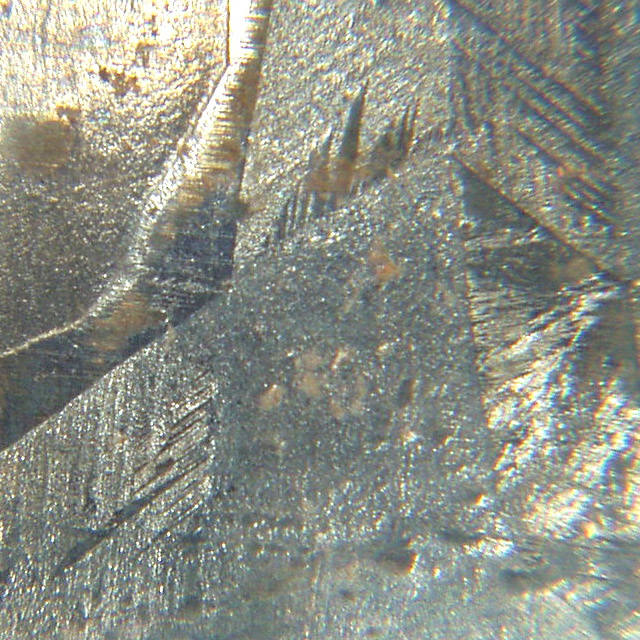
No. Spangle is a visible zinc crystal pattern influenced by bath chemistry and solidification. Coating mass, adhesion, substrate grade, surface treatment and service environment must be verified independently.
Should galvanized steel be painted?
Painting can add color, chemical resistance and a duplex corrosion system. Success depends on zinc condition, weathering/passivation, cleaning, surface preparation, primer compatibility, edge treatment and the paint manufacturer’s procedure. Do not rely on a generic waiting period for every system.
Sources used for this engineering guide
Standards are revised. Confirm the edition adopted by the purchase order, code or local authority before issuing a final specification.
Send the coating, joint and target result—not only “galvanized steel”
For a useful laser cleaning or welding recommendation, share the substrate grade, coating standard/designation, measured thickness if available, joint geometry, contamination, photos, target finish and required production rate.