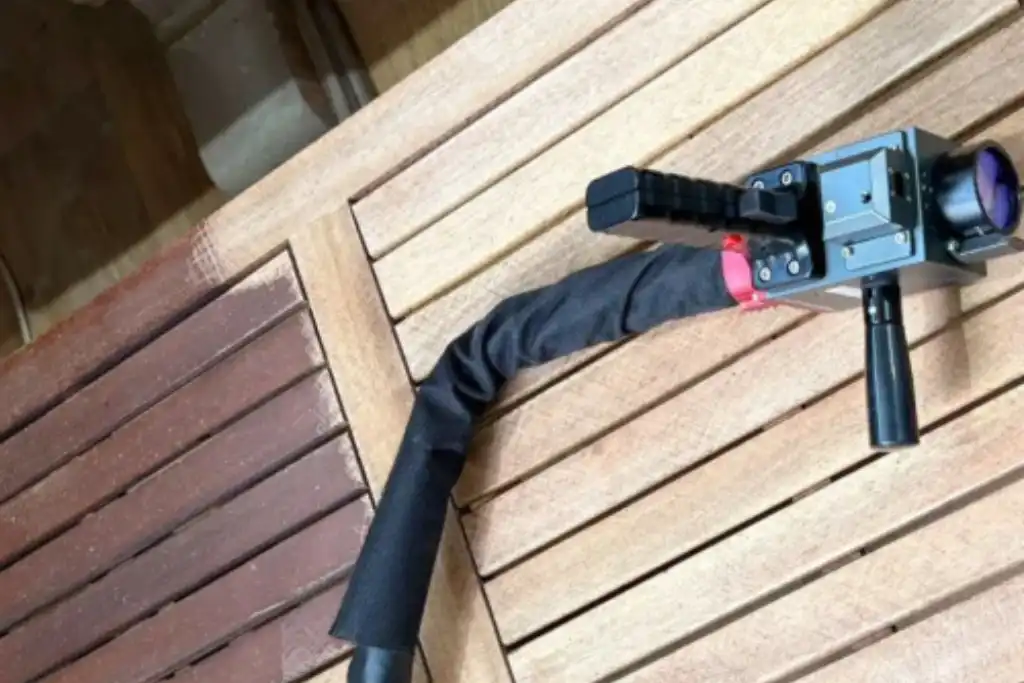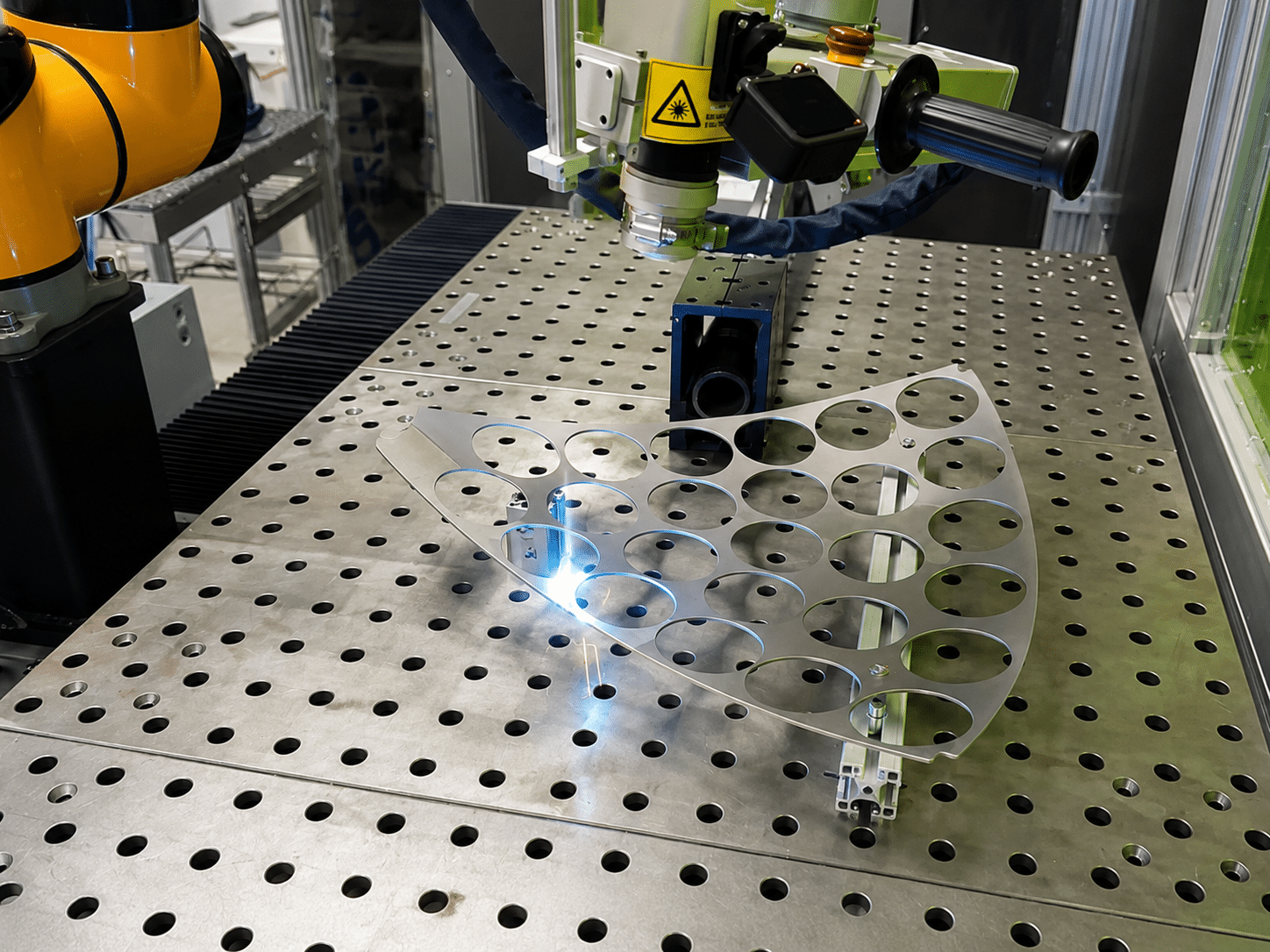
Robotic Laser Cleaning System for Automated Rust, Oxide and Surface Preparation.
Oceanplayer robotic laser cleaning systems combine fiber laser cleaning, robot motion, fixtures and safety integration for repeatable surface treatment. They are built for factories that need stable cleaning quality, controlled cycle time and less manual variation on metal parts.
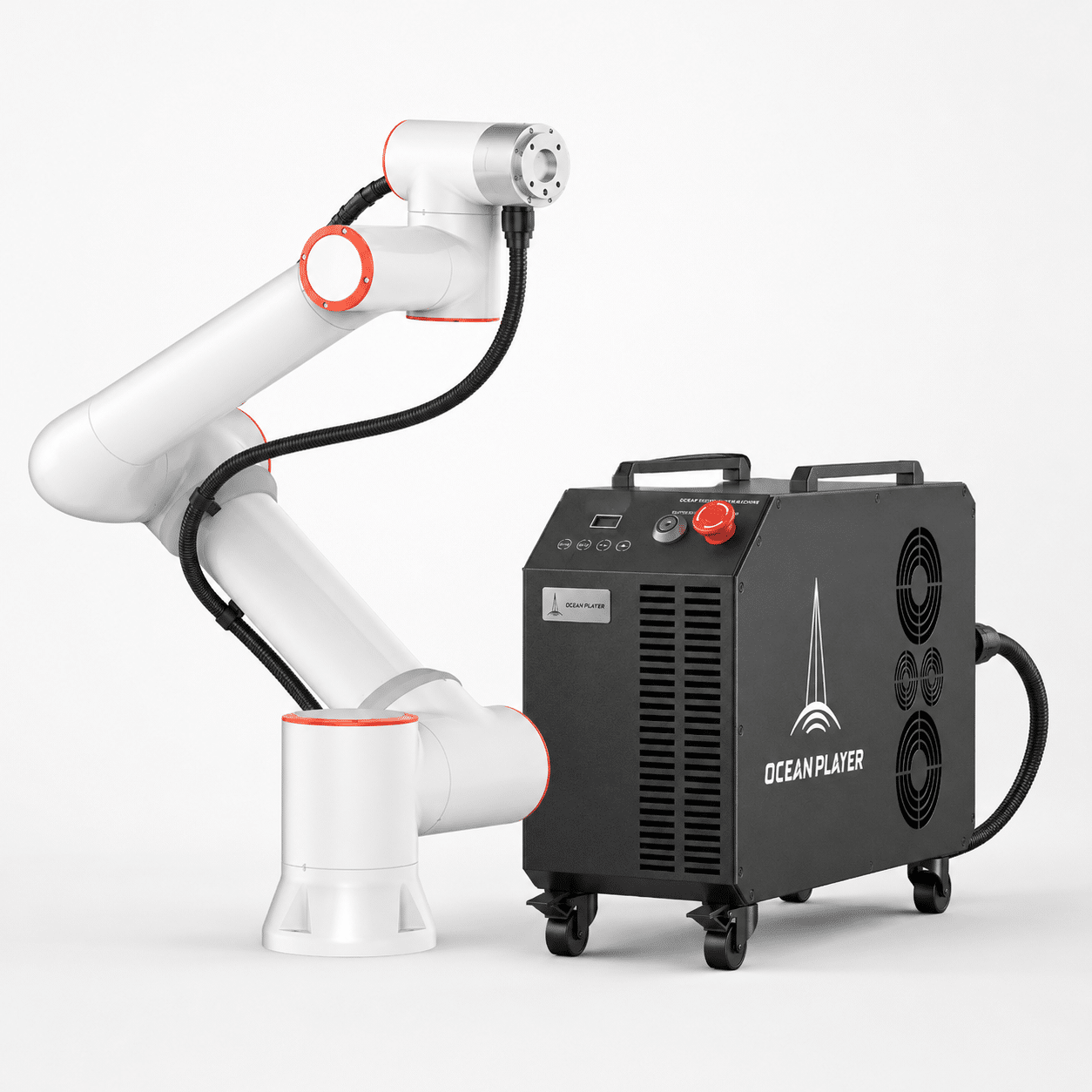
- Automated laser cleaning cell
- Robot path and fixture matching
- Sample cleaning test available
Make cleaning quality more repeatable, measurable and production-ready
Robotic laser cleaning is useful when manual cleaning quality changes by operator, when parts repeat in batches, or when cleaning must be integrated before welding, coating, bonding or inspection.
Repeatable Robot Path
Robot motion keeps cleaning distance, angle, overlap and speed more consistent than hand operation on repeated parts.
Process Parameter Control
Laser power, pulse mode, scan width, robot speed and cleaning passes can be tuned for the surface target.
Production Cell Integration
Fixtures, safety enclosure, extraction, loading area and PLC communication can be planned around your workflow.
Where robotic laser cleaning brings the most value
This setup fits repeated industrial parts where cleaning quality, cycle time and operator consistency affect downstream production.
- Pre-weld cleaning for automotive, machinery and metal fabrication parts
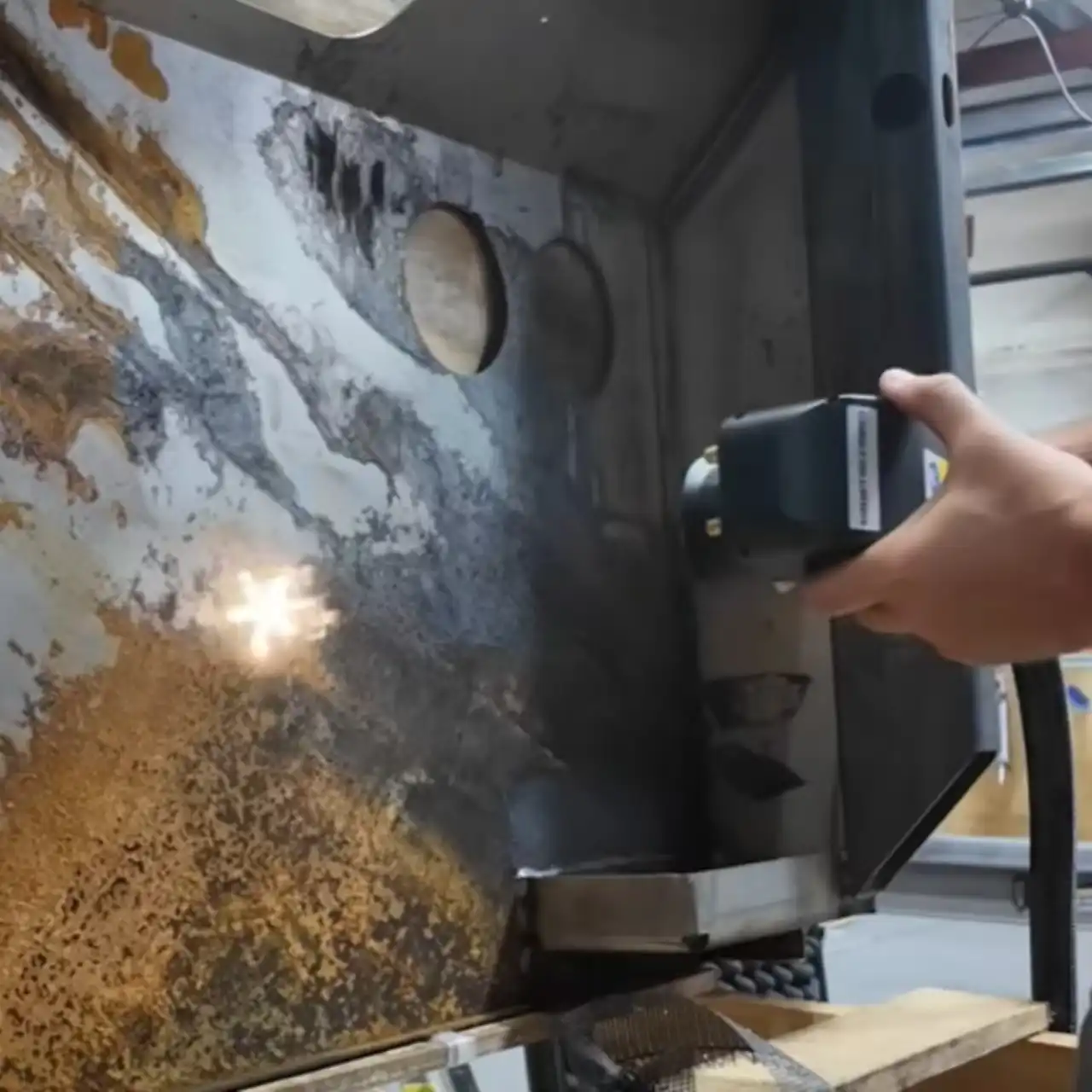
- Oxide, oil film and coating removal before welding, bonding or coating
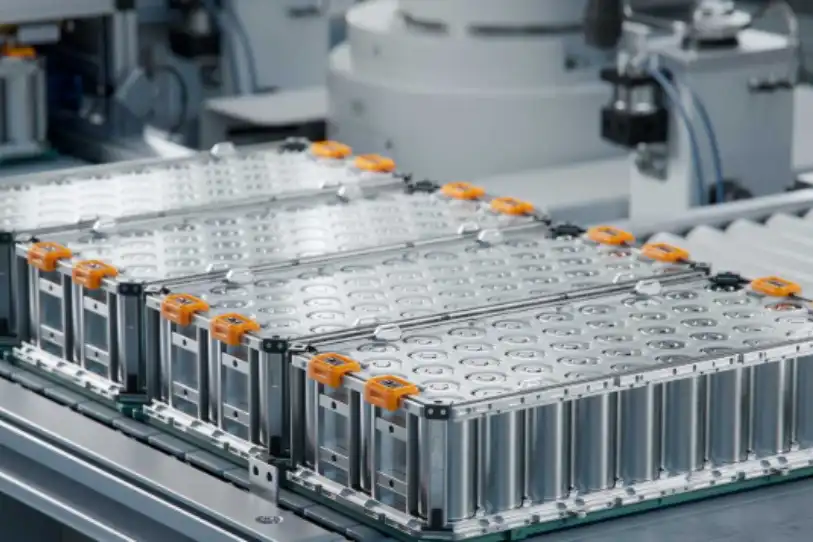
- Battery tray, automotive part, rail component and equipment part cleaning
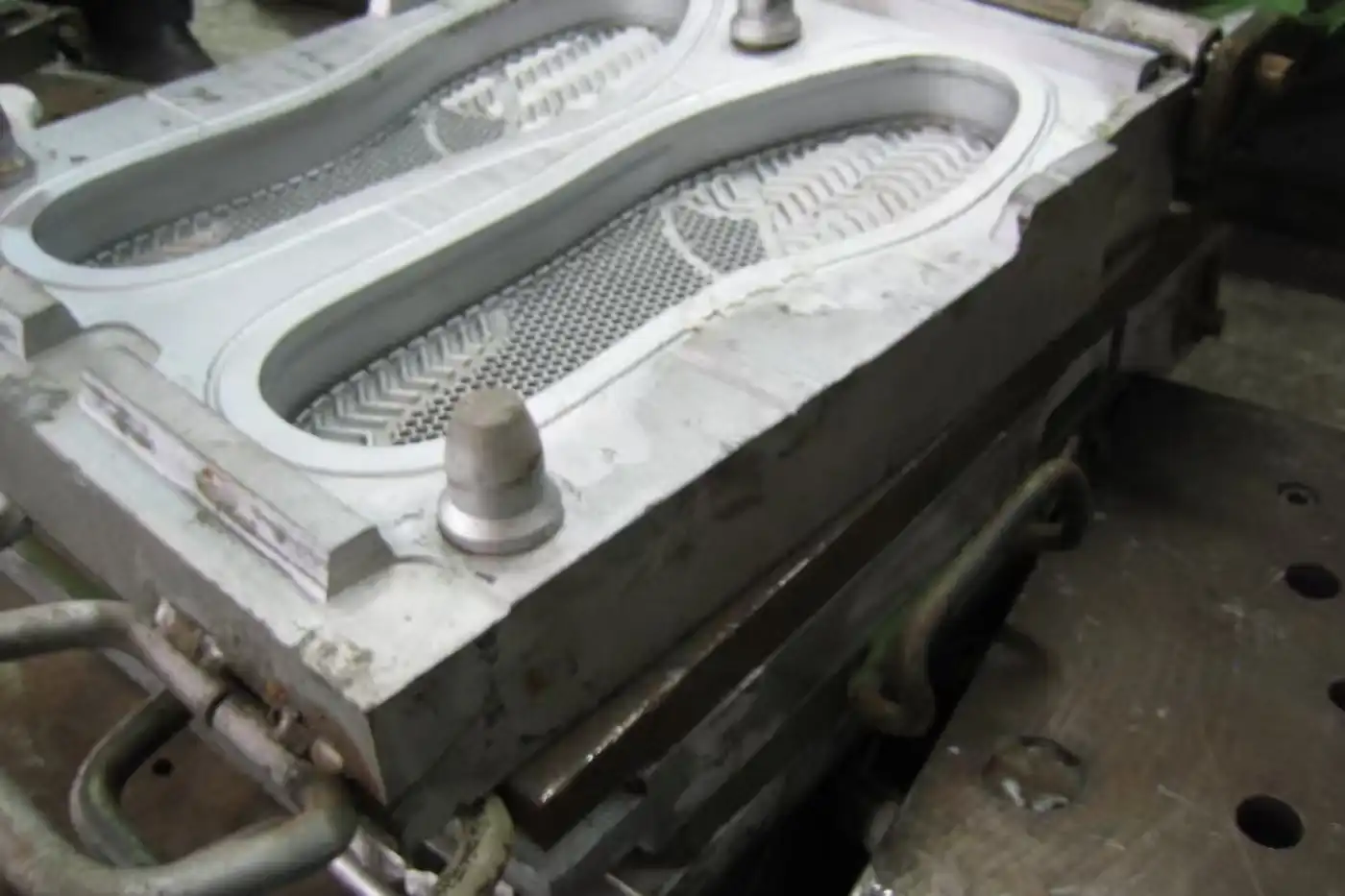
- Mold, fixture, casting and precision part surface preparation
- Localized paint or coating removal on repeated production parts
- Cleaning cells for factories that need stable takt time and less manual labor
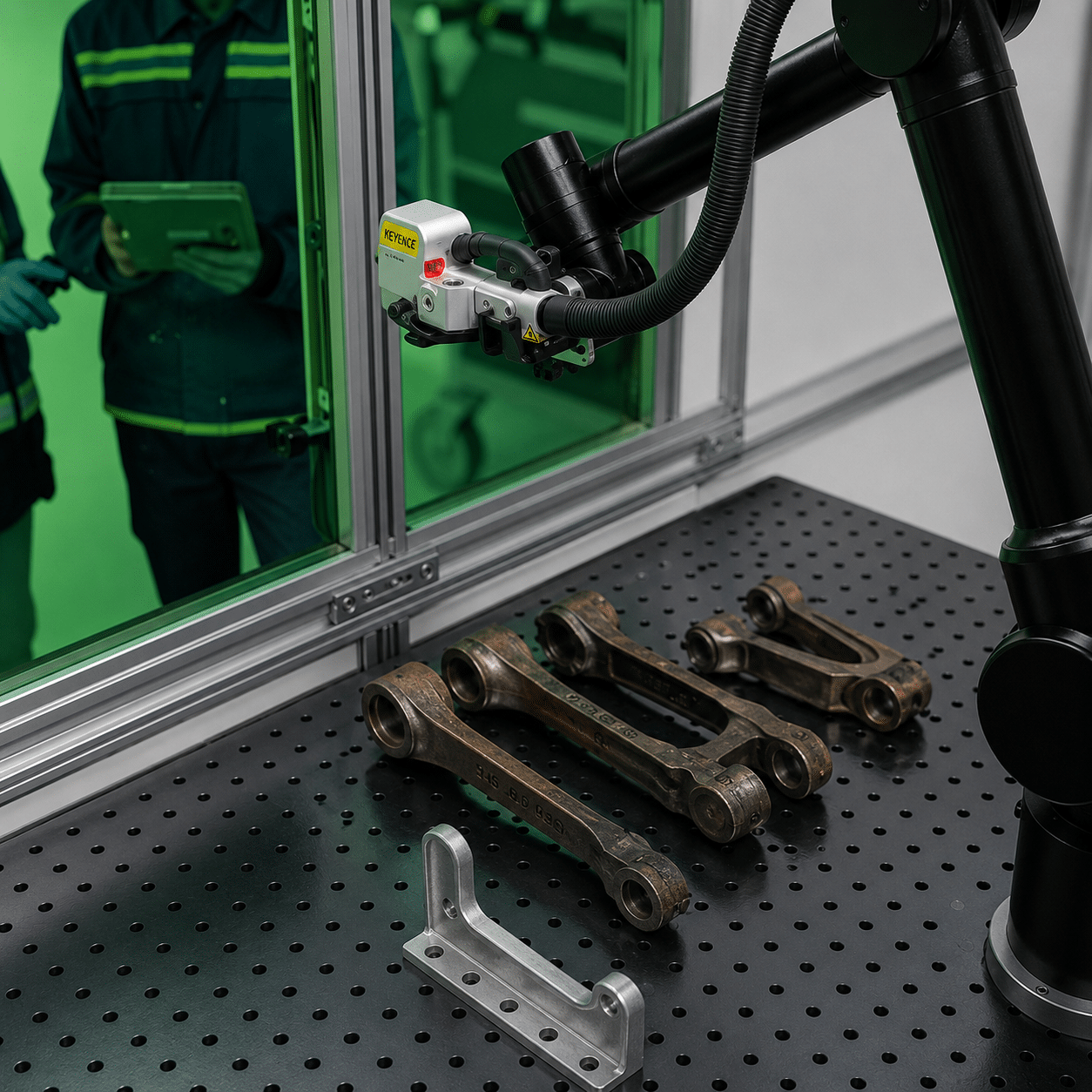
Match robot, laser power and fixture to your part and takt time
A robotic cleaning project should start from the part shape, contamination layer, required surface result, loading method and daily production target.
| Project Factor | What to Check | Recommended Direction | Why It Matters |
|---|---|---|---|
| Part Geometry | Flat, curved, edge, cavity or complex 3D surface | Robot reach and tool angle planning | Keeps focal distance and cleaning overlap stable |
| Contamination Layer | Light oxide, oil film, rust, paint or coating | Pulsed or CW laser source selection | Matches heat input, speed and surface safety |
| Production Takt Time | Cleaning area, pass count and loading cycle | Power, scan width and robot speed calculation | Prevents underpowered or oversized systems |
| Part Positioning | Manual loading, fixture, rotary table or conveyor | Fixture and locating pin design | Improves repeatability and reduces robot path errors |
| Safety and Fume Control | Laser class, enclosure, interlock and smoke path | Safety cell and extraction plan | Supports cleaner and safer factory operation |
Check the key questions before building a robotic laser cleaning cell
The right system depends on more than laser power. Robot reach, fixture accuracy, safety design and maintenance access all affect the final production result.
Can the robot reach every area?
Part size, cleaning angle and cable routing should be checked before choosing robot arm length and cell layout.
Is the cleaning speed enough?
Cleaning area, rust thickness, scan width and required surface result decide whether pulsed or CW laser power is more practical.
How will quality be confirmed?
Sample testing, before-and-after photos, parameter records and inspection standards help confirm the process before production.
Confirm automated cleaning quality on your actual part
Sample testing helps confirm cleaning width, edge quality, heat effect, cycle time and whether the robot path can cover the required areas.
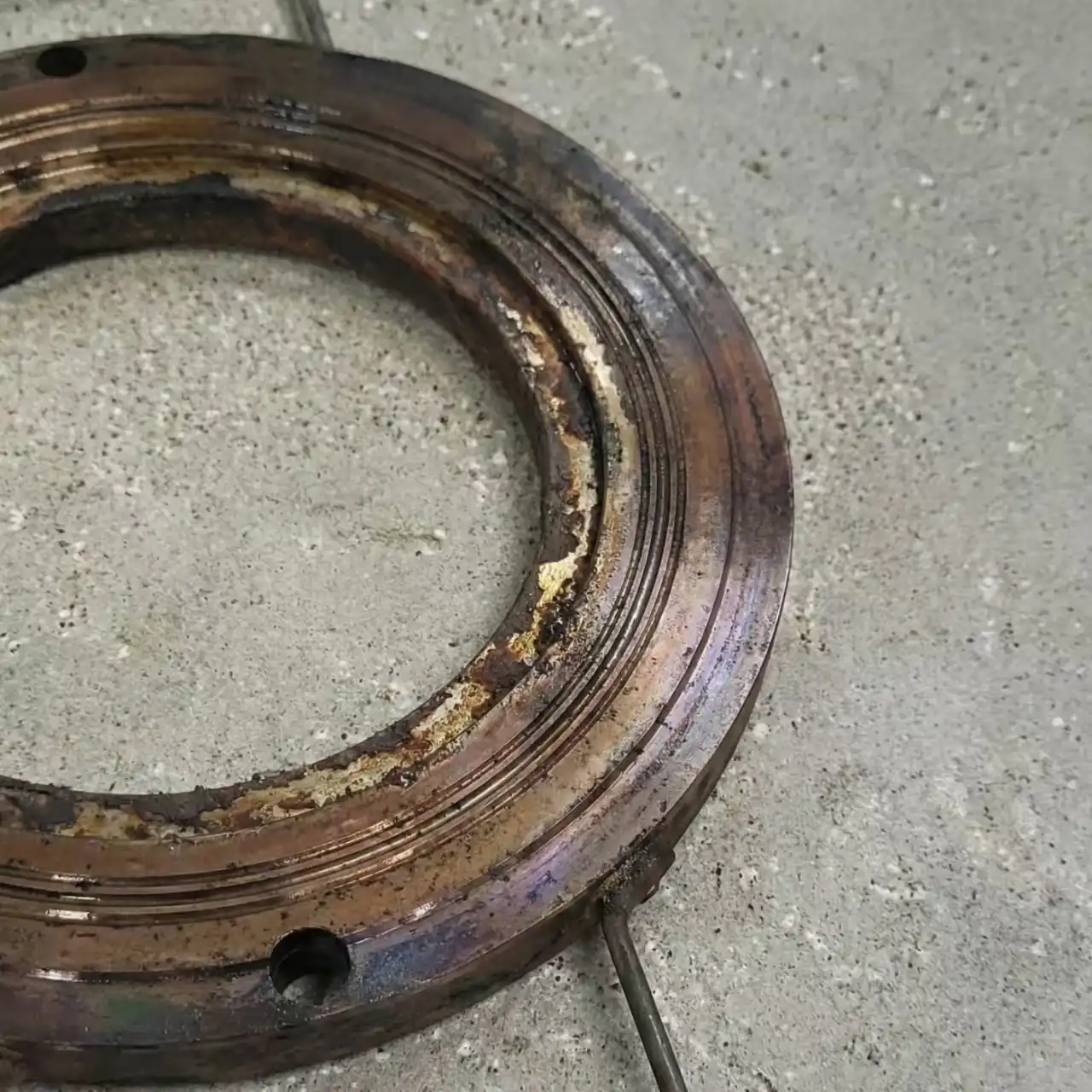
Surface contamination creates unstable downstream results
Rust, oxide, oil film and coating residue can reduce welding, coating, bonding or inspection reliability.
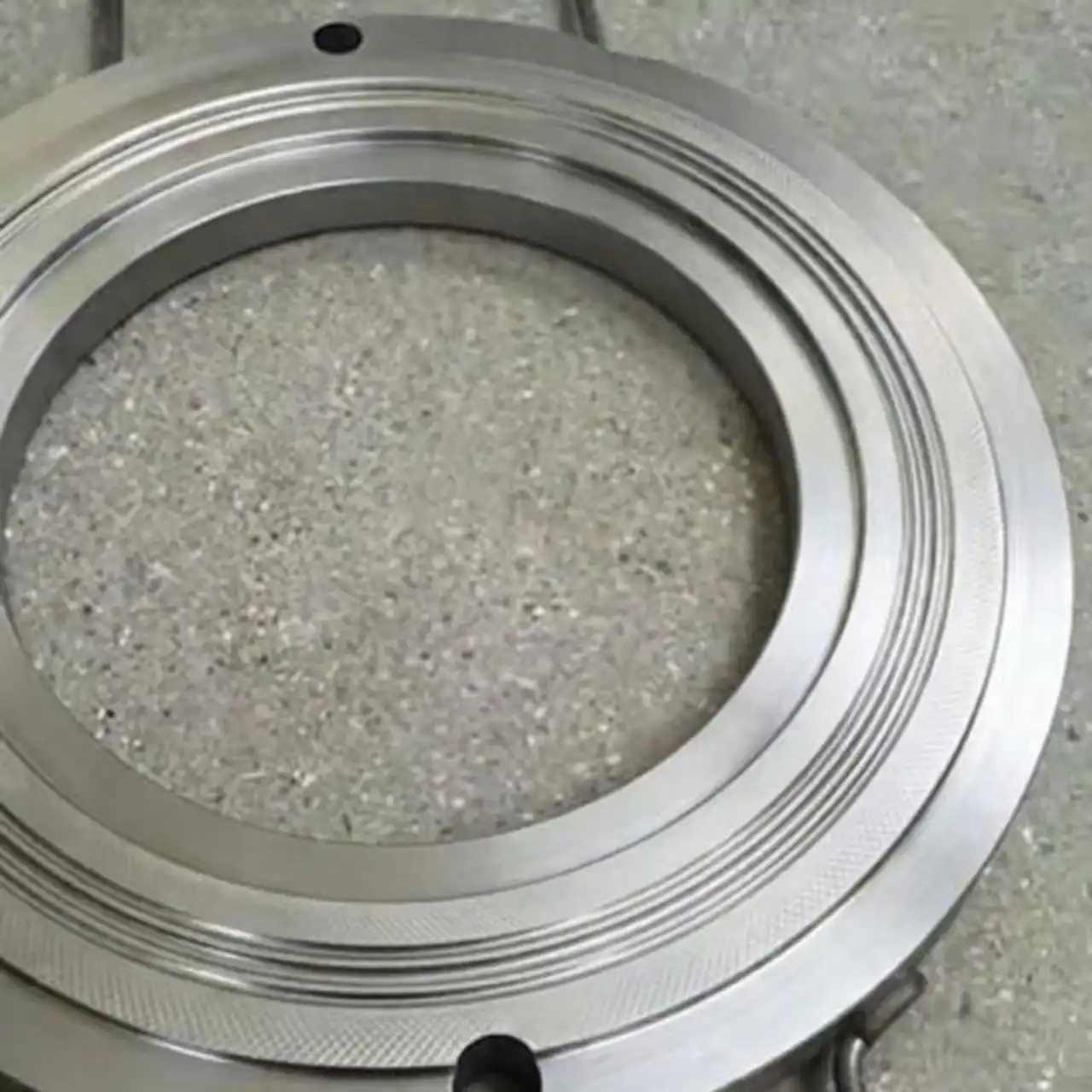
Repeatable surface preparation for production parts
Robotic laser cleaning can deliver consistent cleaning paths and surface results for repeated industrial parts.
Review robotic cleaning applications for different production parts
Project photos help you evaluate cleaning access, fixture design, robot movement and final surface result before confirming the system layout.
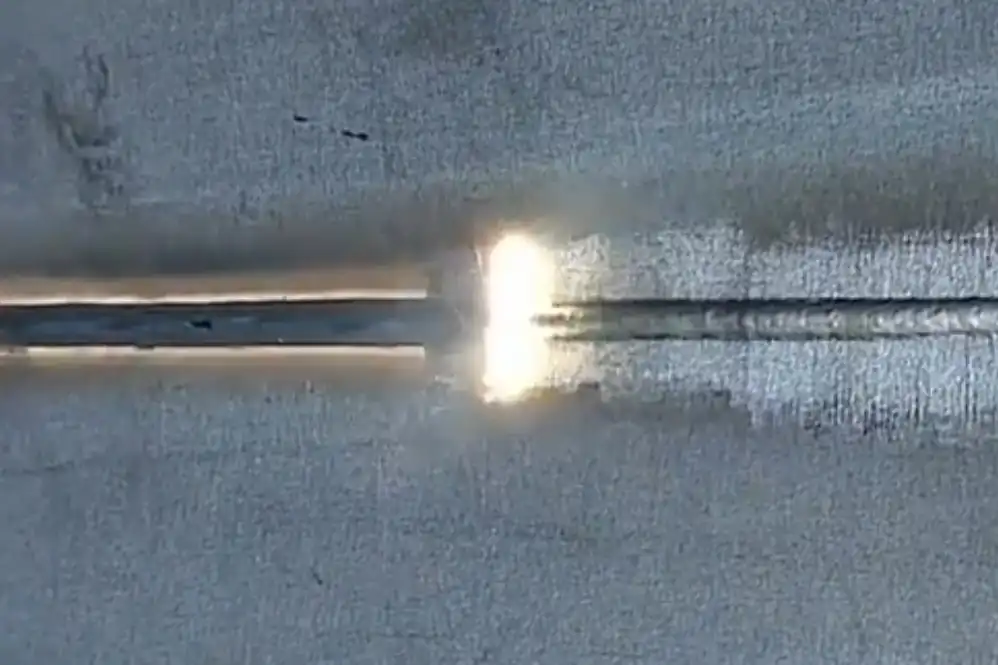
Build the robotic cleaning system around your production line
Choose the robot, laser source, cleaning head, fixture, safety enclosure and extraction system based on part size and production target.
Pulsed Robotic Cleaning
Suitable for lower heat input, precision surface preparation, molds, fixtures and parts that require controlled cleaning quality.
- You clean sensitive or detailed areas
- Your surface result must be controlled
- You need repeatable local cleaning
CW Robotic Cleaning
Better for large surfaces, heavier rust or coating removal and production lines that need higher cleaning speed.
- You clean larger surfaces frequently
- Your cycle time is important
- You need higher output cleaning
Integrated Cleaning Workstation
Combines robot, laser, fixture, enclosure, fume extraction and loading design for a more complete production solution.
- You need a complete cleaning cell
- Your parts repeat in batches
- You want safety and workflow integration
When robotic cleaning is better than manual handheld cleaning
Manual Laser Cleaning
- Flexible for repair, small batches and changing workpieces
- Lower initial complexity for general maintenance work
- Result can vary with operator speed, distance and overlap
- Less ideal when repeatability and takt time are critical
Robotic Laser Cleaning
- Better for repeated parts and stable production quality
- Robot path improves consistency of distance, speed and angle
- Can be integrated with fixtures, enclosures and production workflows
- Stronger fit for factories with repeatable batches and quality targets
Key components of a robotic laser cleaning system
Review the main components before requesting a project quote. The final design can be matched to part size, production rhythm and safety requirements.
Core System
Cell Integration
Send your part drawing and cleaning target before choosing the system layout
A project evaluation helps confirm robot reach, cleaning process, cycle time, fixture direction, safety enclosure and expected cleaning result before building the final cell.
Share Part Details
Send part photos, drawings, material, contamination type and cleaning area.
Test Cleaning Process
Our engineers test power, scan width, cleaning speed and surface result.
Confirm Cell Direction
Receive a recommended laser source, robot concept, fixture and system layout direction.

Oceanplayer supports robotic cleaning from sample test to system configuration
Get support for material testing, process parameters, robot concept, fixture planning, enclosure options, export packing and remote technical guidance.
Explore more Oceanplayer laser cleaning resources
Compare related cleaning machines and solution pages so you can choose the setup that fits your cleaning area, production rhythm and automation level.