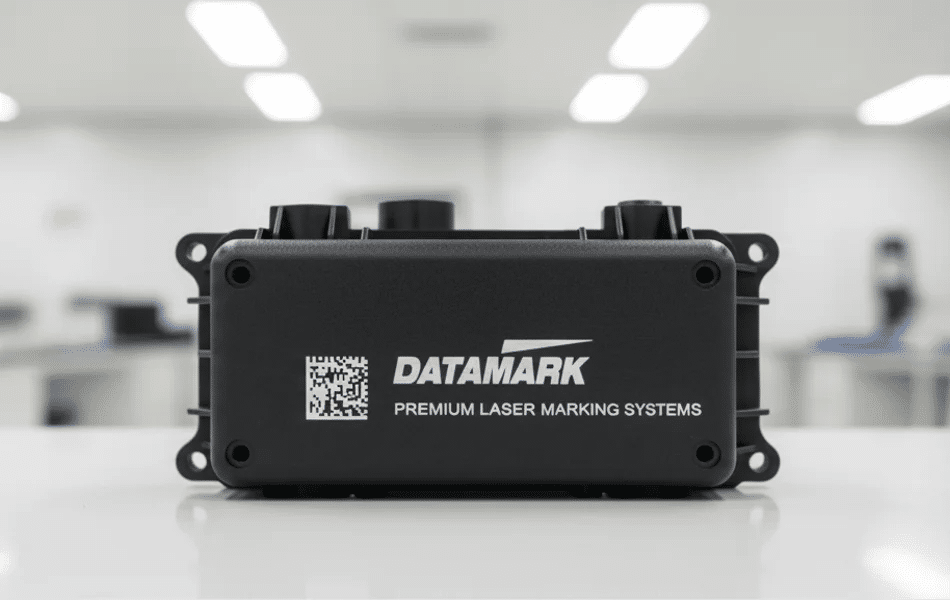
CO2 Laser Marking Machine for Packaging, Wood, Acrylic, Leather and Non-Metal Materials.
Oceanplayer CO2 laser marking machines create clear logos, date codes, batch numbers, barcodes and decorative marks on many non-metal materials. They are a practical choice for packaging, paper, cardboard, wood, acrylic, leather, glass, rubber, fabric and coated products.
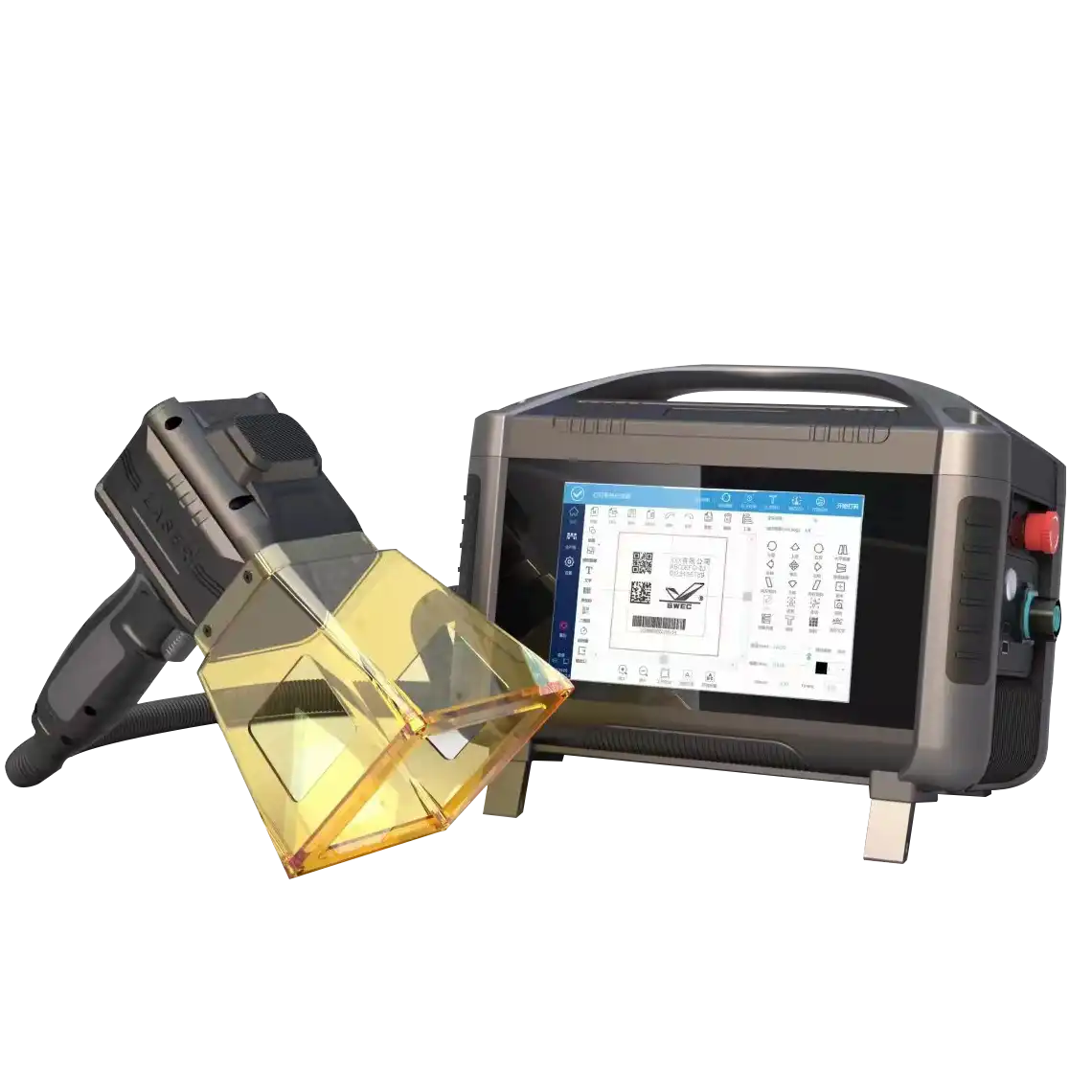
- Non-metal material marking
- Packaging and date code marking
- Sample marking test available
Mark organic and packaging materials with clean codes and stable repeatability
CO2 laser marking is often chosen when ink printing, labels or manual coding create consumable cost, smudging, fading or production downtime.
Clear Date and Batch Codes
Mark production dates, lot numbers, barcodes and product information directly on packaging, paper, cardboard, labels and films.
Good for Non-Metal Products
CO2 laser marking works well on many organic and non-metal surfaces including wood, acrylic, leather, rubber, fabric and coated materials.
Lower Consumable Workflow
No ink drying, ribbon replacement or label stock is needed, helping reduce daily consumables and keep production lines cleaner.
Suitable for packaging, craft products and non-metal industrial parts
CO2 laser marking is a practical choice when your product surface responds well to thermal marking and you need fast, permanent or contact-free coding.
- Paper boxes, cardboard cartons, labels, film packaging and date codes
- Wood products, bamboo, MDF, craft items, gifts and decorative panels
- Acrylic sheets, signage, display parts and transparent plastic products
- Leather, fabric, denim, rubber, silicone and selected coated materials
- Glass bottles, ceramic products and coated surfaces after sample testing
- Logos, barcodes, serial numbers, production dates and batch tracking marks
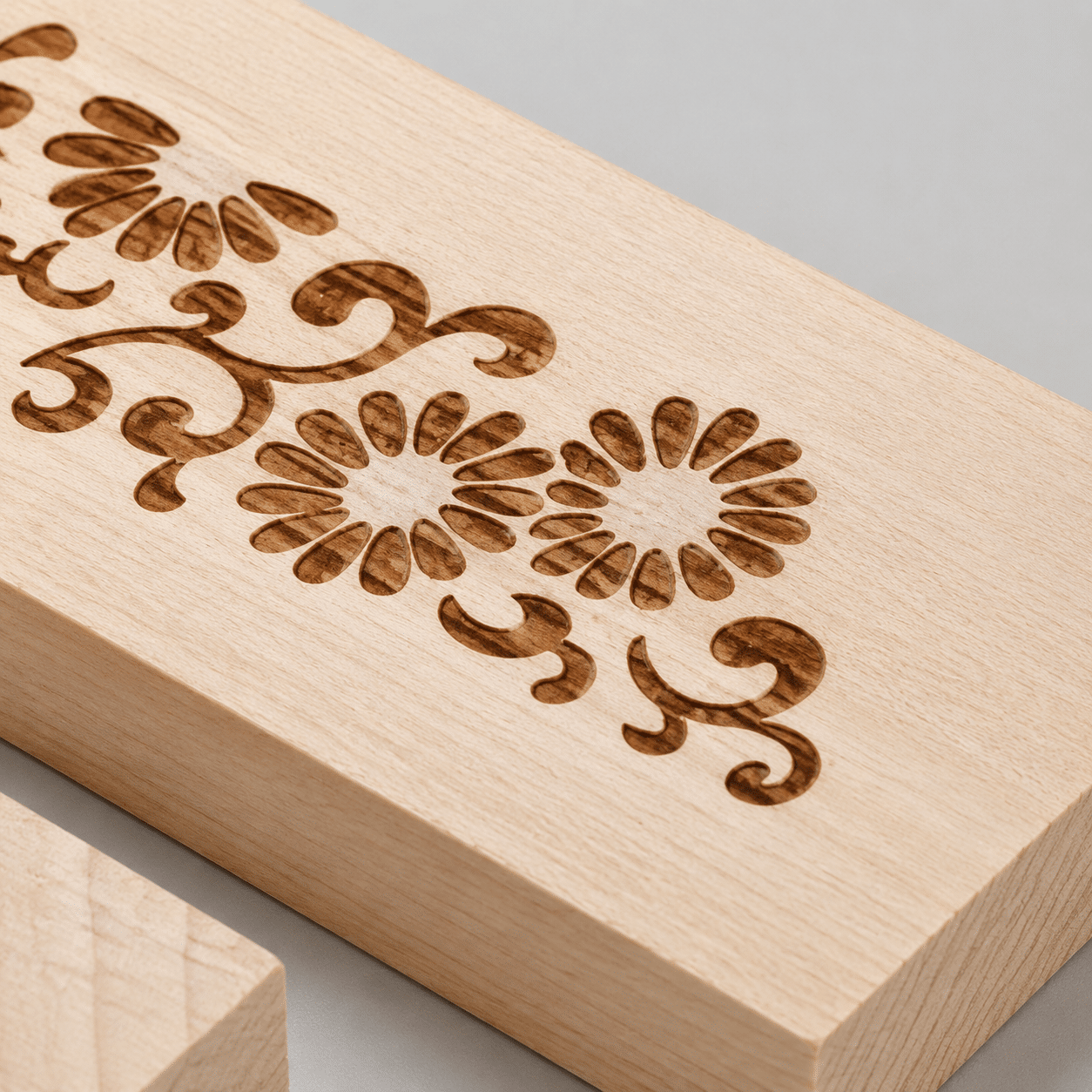
Match CO2 laser marking to your material and production goal
Different non-metal materials react differently to CO2 laser energy. Sample marking helps confirm contrast, speed, edge quality and whether the mark meets your product standard.
| Material / Product | Common Marking Need | CO2 Advantage | Typical Applications |
|---|---|---|---|
| Paper / Cardboard | Date code, batch code, barcode and logo | Fast contact-free coding without ink | Food boxes, cartons, labels, retail packaging |
| Wood / Bamboo | Logo, decoration, serial number and branding | Clear contrast and natural engraved appearance | Crafts, gifts, panels, furniture parts, tags |
| Acrylic | Logo, text, decorative marking and cutting support | Clean frosted or engraved effect after testing | Signs, display parts, nameplates, awards |
| Leather / Fabric | Brand logo, pattern and product identification | No-contact marking for soft materials | Bags, shoes, apparel, labels, accessories |
| Glass / Ceramic | Logo, date code and decorative mark | Permanent surface mark with suitable parameters | Bottles, cups, jars, cosmetic packaging |
Confirm mark contrast and surface effect on your actual product
CO2 marking results depend on material color, coating, thickness and surface finish. A sample test shows whether the mark is readable, clean and suitable for production.
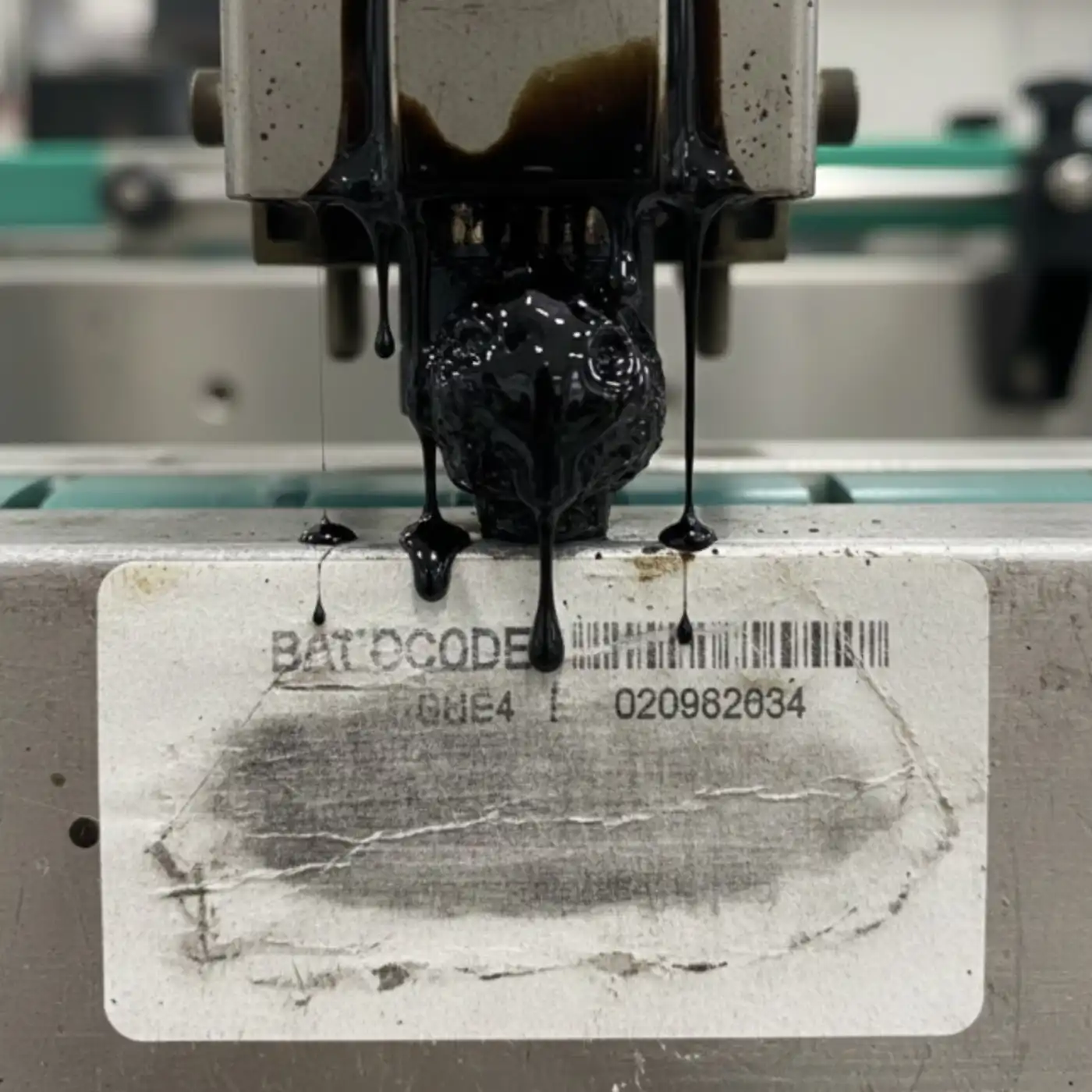
Printed codes can smudge, fade or add consumable cost
Ink printers and labels may require consumables, maintenance and drying time, especially on high-volume packaging lines.
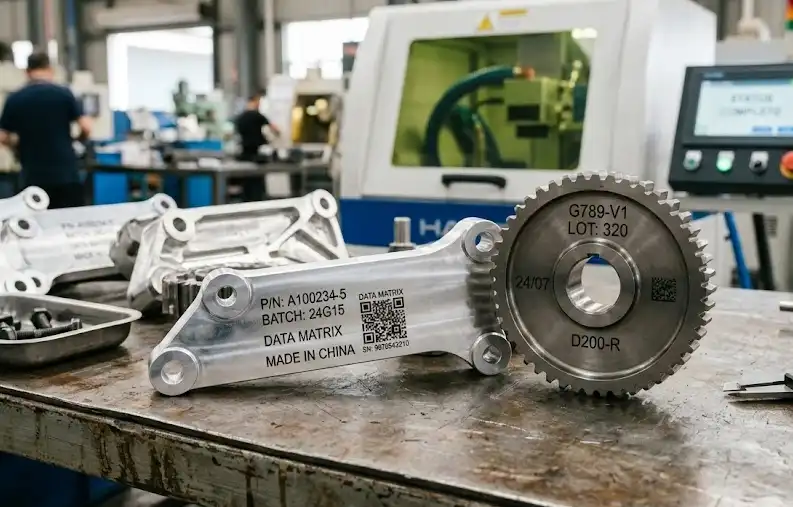
Clean contact-free marks without ink consumables
CO2 marking can create clear codes, logos and product information directly on the surface for packaging and non-metal products.
Review CO2 marking effects on packaging and non-metal materials
Sample photos help you judge contrast, edge quality, readability and whether the mark appearance fits your product.
Check the details that decide whether CO2 marking is the right choice
CO2 laser marking is most valuable when the material is non-metal, the production line needs cleaner coding, or the product needs a contact-free mark.
Is your material non-metal?
CO2 is usually stronger for paper, wood, acrylic, leather, fabric and rubber than fiber laser marking.
Will the code stay readable?
Barcode and date code readability depends on contrast, mark size, line speed and product surface color.
Do you need conveyor marking?
For packaging lines, check line speed, trigger sensor, product spacing, mark position and software coding requirements.
Build the CO2 marking setup around your product shape and workflow
Choose desktop, enclosed or online marking based on product size, marking position, line speed and safety requirements.
Desktop CO2 Marker
Suitable for batch marking on small products, tags, samples, craft items and offline packaging work.
- You mark small batches or mixed products
- You need flexible product positioning
- You want a stable workstation setup
Online CO2 Coding System
A practical choice for packaging lines that need date codes, batch numbers and product information at production speed.
- You need conveyor line coding
- Your mark content changes by batch
- You want lower ink-related maintenance
Enclosed CO2 Marker
Better for factories that need a protected marking area, fume extraction and more controlled operation.
- You mark materials that create smoke
- You need better safety control
- You want cleaner workstation management
Choose the right laser marking process for your material
Fiber or UV Marking
- Fiber is better for metals, tools and industrial metal parts
- UV is better for heat-sensitive plastics, glass and fine electronic parts
- Both may be unnecessary if your main need is packaging or organic material coding
- Process choice should follow material and mark effect first
Oceanplayer CO2 Laser Marking
- Better for paper, cardboard, wood, acrylic, leather, rubber and fabric
- Strong fit for packaging date codes, batch codes and logos
- No ink consumables or contact printing needed for many materials
- Useful for both workstation marking and conveyor coding systems
Watch CO2 laser marking on packaging, wood and acrylic
Marking videos help you check line speed, contrast, smoke level, edge quality and final product appearance.
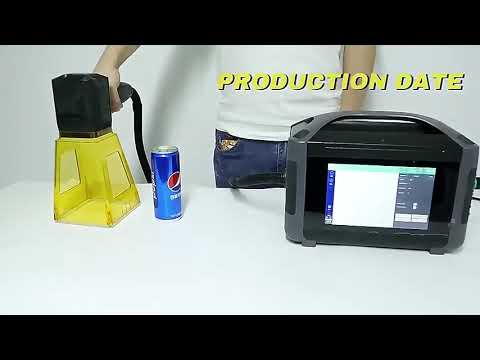
Packaging Date Code Marking
Review code clarity and marking speed for boxes, labels and packaging lines.
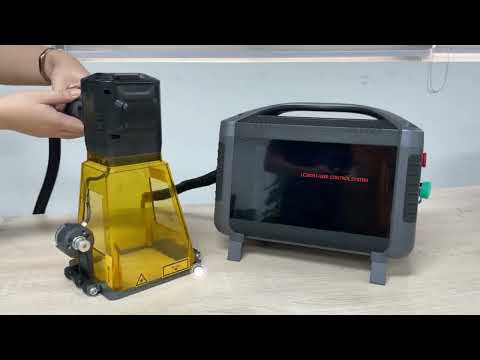
Wood Logo Marking
Check natural contrast and engraved appearance on wood, bamboo and craft products.
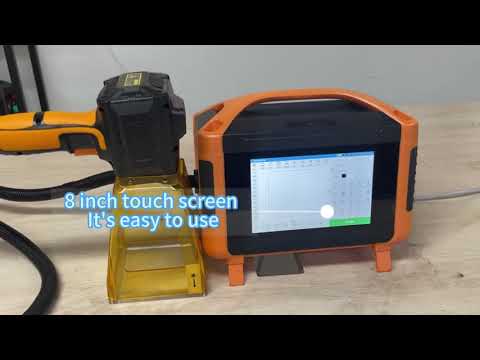
Acrylic and Signage Marking
See marking effect on acrylic, display parts and decorative non-metal products.
Key specifications for the CO2 laser marking machine
Review the main configuration options before requesting a quote. The final setup can be matched to material, mark size, coding speed and production layout.
CO2 Laser System
Optional Configuration
Send your material before choosing the final CO2 marking setup
A sample marking test helps confirm contrast, mark depth, smoke level, line speed, lens size and whether CO2 marking is the best match for your product.
Share Your Product
Send material, surface finish, mark size, artwork, line speed and target contrast.
Test CO2 Parameters
Our engineers test power, speed, frequency, focus, lens size and mark readability.
Confirm Setup
Receive a recommended power, lens, machine style, fixture and coding direction.

Oceanplayer helps match CO2 marking parameters to your material and line speed
Get support for sample marking, machine configuration, lens selection, conveyor coding, export packing and remote training before the machine enters production.
Explore more Oceanplayer laser marking resources
Compare related marking machines and application pages so you can choose the right setup for material, code readability and production speed.