oceanplayer

Oceanplayer Laser Equipment | Cleaning, Welding, Marking, Automation Sample Testing | Global Shipping | OEM/ODM Support
Sheet Metal Fabrication Laser Solutions

Sheet Metal Fabrication Laser Solutions for Cleaning, Welding, Marking and Production Traceability.

Oceanplayer helps sheet metal shops, enclosure manufacturers, stainless fabrication teams and contract manufacturers improve weld preparation, reduce manual cleaning, create cleaner welds and add durable part identification with practical laser cleaning, welding and marking systems.
  • Clean oxide, oil and cutting residue before welding
  • Support stainless, aluminum, galvanized and carbon steel fabrication
Sheet metal fabrication laser cleaning welding and marking solution for metal parts production
Built for fabrication workflow Surface prep, welding, finishing and part traceability
Prep Clean surface
Weld Thin sheet
Code Traceability
Cleaner Weld Prep Remove oxide, oil, rust and cutting residue before welding
Lower Rework Support more consistent weld appearance and finishing steps
Flexible Production Handheld, workstation and automated options for different volumes
Readable Part IDs Permanent marks for batches, orders and quality records
Industry Needs

Fabrication teams need laser processes that improve speed, weld quality and repeatability

Sheet metal work often moves quickly from cutting to bending, welding, finishing and packing. Laser systems can help reduce manual surface preparation, improve part identification and support cleaner production flow.

Cut Edge and Oxide Cleaning

Clean laser-cut edges, oxide films, light rust and surface discoloration before welding, coating or assembly.

Oil and Grease Removal

Remove handling oil, stamping lubricant and surface contamination from sheet parts before welding or marking.

Thin Sheet Laser Welding

Support stainless cabinets, enclosures, frames, ducts, panels and light-gauge assemblies with cleaner, more controlled welding.

Post-Weld Cleaning

Clean weld discoloration, oxide and surface marks after fabrication to improve appearance before finishing or delivery.

Part Marking and Batch Control

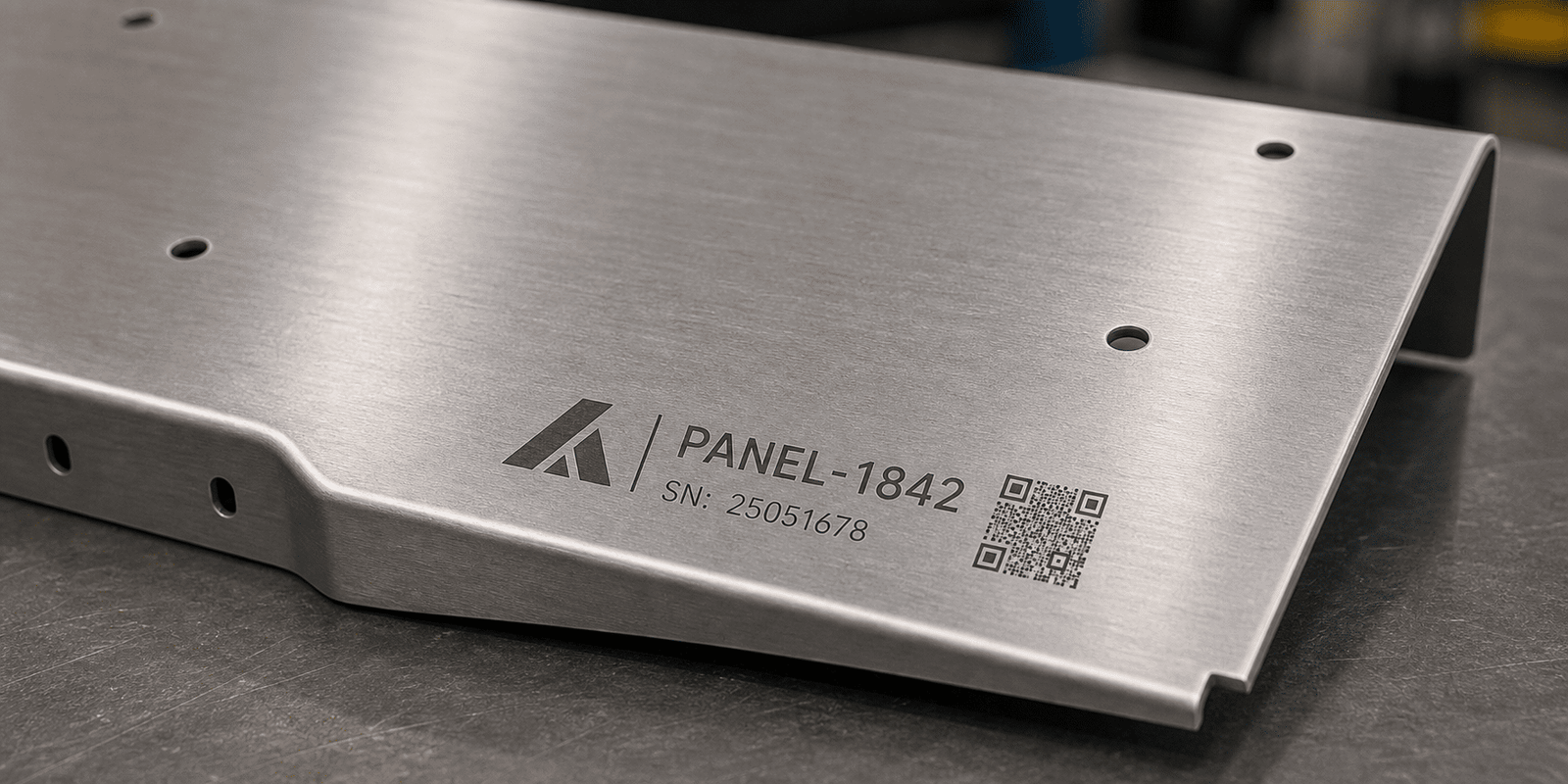
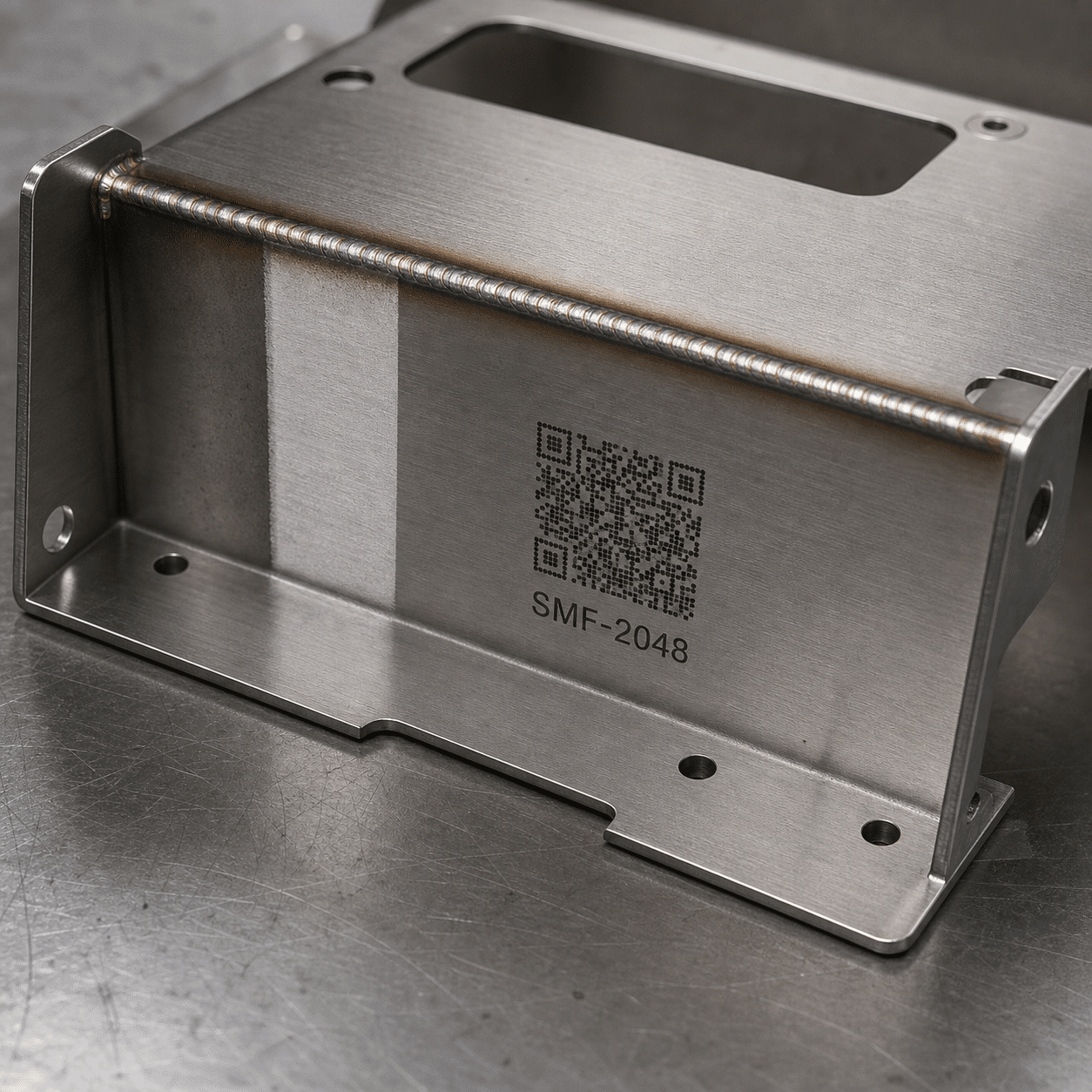
Mark serial numbers, QR codes, logos, order numbers and batch information on fabricated metal parts.

Mixed Material Production

Choose the right laser setup for stainless steel, aluminum, galvanized steel, carbon steel and coated sheet parts.

Fabrication Flow

Fit laser equipment into daily sheet metal production

Laser cleaning, welding and marking can be placed at different points in the workflow depending on the part, material and quality requirement.

01 Cutting

Prepare edges and surfaces after laser, plasma or punching processes.

02 Bending

Keep part IDs and clean zones readable through forming steps.

03 Cleaning

Remove oil, oxide, rust and residue before welding or finishing.

04 Welding

Use handheld or fixture-based laser welding for repeated assemblies.

05 Marking

Add serial numbers, QR codes, logos and batch traceability.

06 Finishing

Review surface appearance before coating, polishing or shipping.

Fabrication Applications

Use laser systems for surface preparation, welding and traceable metal parts

Sheet metal shops can use laser equipment for one workstation or connect it with repeated production steps. The goal is to improve consistency without slowing the fabrication flow.

  • Stainless steel enclosure and cabinet laser welding.
  • Aluminum sheet and frame welding support.
  • Galvanized steel weld preparation and surface cleaning.
  • Cut edge oxide removal before welding or coating.
  • Post-weld cleaning for visible metal parts and panels.
  • QR code, serial number and logo marking on fabricated components.
Laser welding and cleaning application for sheet metal fabrication parts
Solution Matrix

Select equipment by sheet metal material and production task

The right configuration depends on sheet thickness, weld appearance, contamination type, batch volume and whether you need handheld flexibility or automated consistency.

Fabrication Requirement Recommended Laser Option Best Use What To Check
Thin sheet welding Handheld laser welding machine Cabinets, enclosures, frames, panels and stainless assemblies Sheet thickness, joint fit-up, wire need and heat distortion
Cleaner weld preparation Pulsed or handheld laser cleaner Oxide, oil, light rust and cutting residue before welding Material, cleaning width, surface finish and next process
Post-weld appearance cleaning Laser weld cleaning solution Stainless panels, visible welds and finished metal products Weld discoloration, surface texture and finishing requirement
Traceability marking Fiber or MOPA laser marker QR codes, serial numbers, logos, tags and batch control Material, mark contrast, code size and data workflow
Repeated production Automated laser marking or robotic welding system Batch parts, fixtures, conveyors and production cells Cycle time, fixture accuracy, loading method and integration needs

For sheet metal shops, the strongest laser setup connects surface preparation, welding and traceability.

Many fabrication problems happen between steps: dirty surfaces before welding, inconsistent weld appearance, missing part IDs or extra finishing time. A practical laser plan can reduce these gaps and help each part move through production more smoothly.

Prep Clean oxide, oil, rust and edge residue before welding or coating.
Weld Support thin sheet joining with controlled heat input and cleaner seams.
Mark Add readable serial numbers, QR codes and customer logos.
Scale Use fixtures, conveyors or robots for repeated production runs.
Results Gallery

Review laser results for sheet metal cleaning, welding and marking

Use result photos to compare weld seam quality, cleaning effect, marking contrast and surface appearance before choosing equipment.

System Options

Choose the right laser setup for your fabrication volume and part mix

Small shops may prefer flexible handheld systems, while repeated parts may benefit from fixtures, workstations or automated cells.

Surface Prep

Pulsed or Handheld Laser Cleaner

Use for oxide, oil, weld discoloration and light rust cleaning before or after fabrication steps.

Traceability

Fiber Laser Marking System

Mark QR codes, serial numbers, logos, labels and production data on sheet metal parts.

Project Planning

Share these details to get a sheet metal laser recommendation

A clear part and workflow picture helps us recommend the right power, wire feeder, lens, fixture, marking setup or automation option.

Part and Material Details

Material Stainless steel, aluminum, galvanized steel, carbon steel, brass or coated sheet.
Thickness Sheet thickness, joint type, gap condition and edge preparation.
Surface condition Oil, oxide, rust, cutting residue, weld discoloration or coating layer.
Target process Cleaning, welding, post-weld cleaning, marking or automated production.

Production and Quality Details

Part volume Prototype, small batch, daily production or high-volume repeated parts.
Appearance needs Visible weld seam, polished finish, painted surface or hidden structural joint.
Traceability QR code, serial number, logo, batch number or order data requirement.
Operation setup Handheld operation, fixed workstation, fixture, conveyor or robotic cell.
Sample Test

Test your real sheet metal parts before selecting the system.

Send your material, thickness, weld joint, surface condition, mark requirement or finished part photo. We can help compare welding quality, cleaning result, marking contrast and recommended setup.

01

Share Part Details

Provide material, thickness, surface condition, drawings and target process.

02

Run Laser Test

Compare weld seam, cleaning effect, mark readability and production speed.

03

Confirm Setup

Choose machine power, wire feeder, fixture, marking lens or automation layout.

FAQ

Sheet metal fabrication laser solution questions

These answers help you compare laser cleaning, welding and marking options for sheet metal production.

Can laser welding be used for thin sheet metal?
Yes. Handheld laser welding is often used for thin stainless steel, aluminum, galvanized steel and carbon steel parts. The best setup depends on thickness, joint fit-up, wire need and appearance requirement.
Can laser cleaning prepare sheet metal before welding?
Yes. Laser cleaning can remove oxide, oil, light rust and cutting residue before welding. This helps create a cleaner surface for the next production step.
Can laser cleaning remove weld discoloration on stainless sheet?
Yes. Laser weld cleaning can remove discoloration and oxide after welding on stainless steel parts, helping improve appearance before finishing or delivery.
Can fabricated sheet metal parts be marked with QR codes?
Yes. Fiber and MOPA laser markers can create QR codes, serial numbers, logos and order information on many metal parts used in fabrication workflows.
When should a sheet metal shop consider automation?
Automation is useful when parts repeat frequently, cycle time matters, code placement must be consistent or the workflow needs fixture-based marking, cleaning or welding.
What information is needed for a sample test?
Please share material, thickness, joint type, surface condition, target result, production volume and photos or drawings. For marking, include code size and readability requirements.