oceanplayer

Oceanplayer Industrial Laser Equipment | Cleaning, Welding, Marking, Automation Sample Testing | Global Shipping | OEM/ODM Support
Industrial laser cleaning machine removing rust from a metal surface
Free Laser Cleaning Selection Tool

Find the right laser cleaning machine for your work.

Compare pulsed and continuous-wave laser cleaners by material, contamination, surface sensitivity, cleaning area, workload and operating method. Get a practical starting recommendation in less than two minutes.

Start Machine Selection
  • No registration required
  • Machine type and power guidance
  • Handheld, mobile and robotic options
  • Results remain in your browser
Machine Selector

Match the machine to your surface and production target

Choose the closest options for your current job. The result is a planning recommendation that helps narrow the equipment range before a material test.

Tell us about the cleaning job

Use the most demanding part you expect to clean regularly.

6 decisions
1. What is the base material? Material response influences heat sensitivity and the acceptable cleaning window.
2. What needs to be removed?
3. How sensitive is the required finish?

This selector does not upload or store your selections.

Selection Method

Why the selector considers more than laser wattage

The fastest machine is not automatically the best machine. A useful recommendation must balance contaminant removal, base-material protection, cleaning area and the way the system will be operated.

01

Protect the base material

Material, finish sensitivity and acceptable heat input guide the first decision between pulsed and continuous-wave cleaning.

02

Match removal demand

Contamination type, thickness and cleaning area help determine the practical power class and expected number of passes.

03

Fit the production workflow

Handheld, mobile, fixed and robotic formats are compared by part access, workload, repeatability and factory integration needs.

Core Decision

Choose pulsed or CW by surface risk and removal rate

Both technologies can remove contamination, but they deliver energy differently and suit different customer priorities.

Pulsed Laser Cleaning

Short energy pulses support controlled ablation with lower average heat input, making pulsed systems a strong starting point for precision and finish-sensitive work.

  • Molds, tools and precision metal parts
  • Weld oxide, light rust, oil and selective coating removal
  • Aluminum, stainless steel and heat-sensitive surfaces
  • 200W, 300W and 500W power choices

CW Laser Cleaning

Continuous-wave systems deliver sustained energy for faster bulk removal on robust metal surfaces where throughput is more important than fine surface control.

  • Heavy rust, mill scale and thicker paint layers
  • Large carbon-steel structures and maintenance areas
  • Shipbuilding, pipelines and heavy equipment
  • 1000W to 3000W power choices
Power Guide

Compare common laser cleaner power ranges

Use this matrix as a buying guide, then confirm the final choice with actual contamination thickness, scan width, required finish and cleaning-time target.

Power RangeLaser ModeBest Starting UseCustomer PriorityImportant Check
100W-200WPulsedFine parts, molds, weld zones, light oxide and selective cleaningMaximum surface controlSpot size, pulse energy and required cycle time
300WPulsedRegular maintenance, rust, oxide, residue and small-to-medium partsBalanced control and outputDaily workload and number of cleaning passes
500WPulsedHigher-volume rust, paint, oxide and industrial parts cleaningFaster pulsed cleaningCooling, scan width and desired final texture
1000W-1500WCWHeavy rust, coating removal and larger robust steel surfacesRemoval speedHeat input, extraction and surface tolerance
2000W-3000WCWLarge-area structures, heavy scale and multi-shift industrial cleaningMaximum throughputPower supply, guarding, extraction and operator workflow
Application Fit

Start from the result your production process needs

The same laser power can behave differently across contamination types and materials. These examples show the usual direction, not guaranteed process settings.

Rust Removal

Light oxide or heavy corrosion

Use pulsed cleaning for controlled surfaces and CW cleaning for heavy rust on robust large steel parts.

Paint Removal

Selective or high-output stripping

Compare coating thickness, base material and final finish before choosing high-power pulsed or CW equipment.

Mold Cleaning

Protect tooling texture and edges

Pulsed cleaning is usually the safer starting direction for resin, rubber and residue on precision mold surfaces.

Weld Preparation

Clean before and after welding

Remove oxide, oil and discoloration while controlling the effect on joint geometry and nearby finished surfaces.

Maintenance

Reach installed equipment

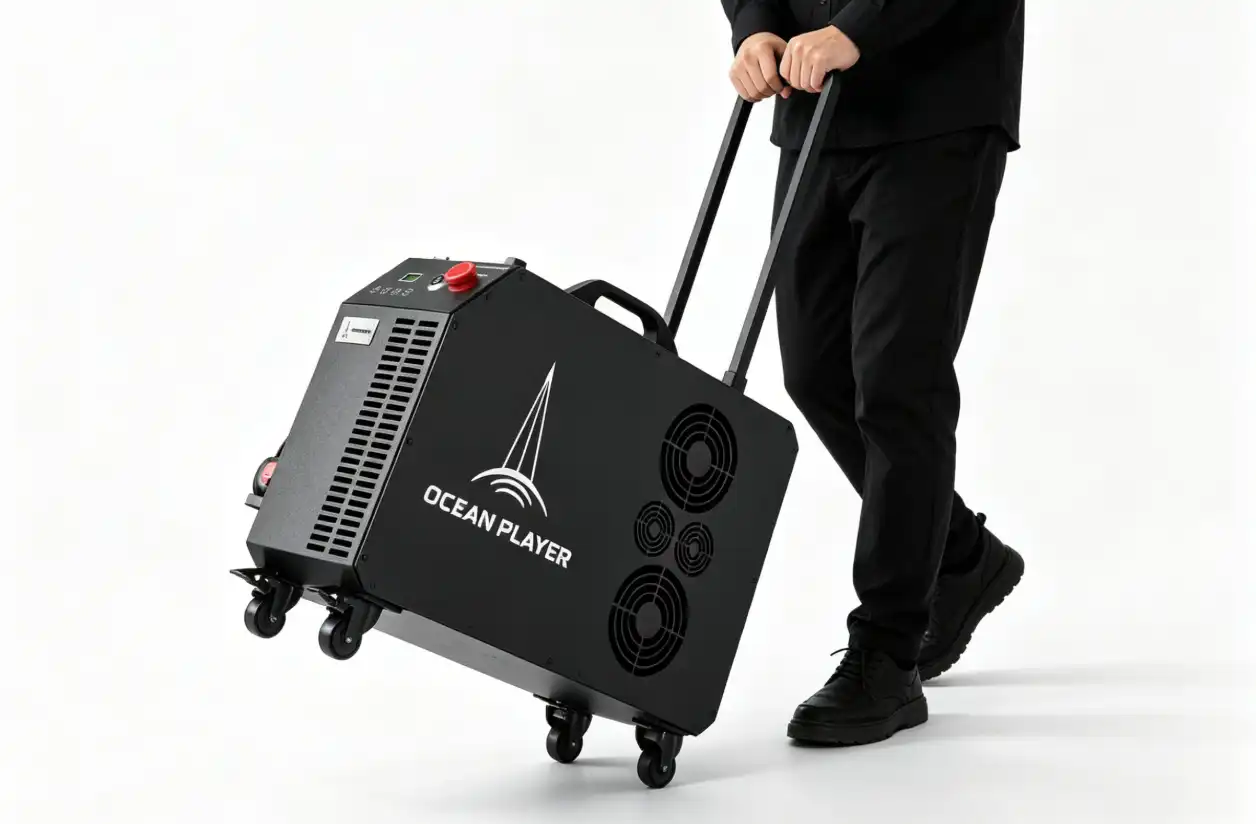
Handheld or mobile systems support machinery, fixtures, pipelines and parts that cannot be moved easily.

Automation

Repeat the same cleaning path

Robotic cells combine recipes, motion, extraction, guarding and fixtures for stable production cleaning.

Confirm the Recommendation

Test the cleaning result on your own material.

The selector narrows the equipment range. A sample test confirms surface response, cleaning passes, working speed and the power level that fits your actual production target.

Step 01

Share the Job

Send material, contamination, dimensions, photos and required finish.

Step 02

Compare Settings

Test suitable power, scan width, speed and number of passes.

Step 03

Review Evidence

Receive result photos, video and a recommended machine configuration.

Selection FAQ

Laser cleaning machine selection questions

Clear answers for buyers comparing machine type, power, portability and sample testing.

How do I choose between a pulsed and CW laser cleaning machine?
Choose pulsed cleaning when surface control, lower average heat input or selective removal matters. Choose CW cleaning when the part is robust and faster removal of heavy rust or thick coatings is the main priority. Confirm the final choice on your material.
What laser cleaner power do I need for rust removal?
Light rust on small or finish-sensitive parts may suit a 200W to 500W pulsed system. Heavy rust on large carbon-steel surfaces may justify a 1000W to 3000W CW system. Rust thickness, area and required finish are as important as wattage.
Can this selector guarantee the final cleaning speed?
No. It provides a planning recommendation. Actual speed depends on contamination thickness, laser source, pulse characteristics, optics, scan width, overlap, focus, operator settings and the finish you require.
When should I choose a mobile or robotic laser cleaner?
Choose a mobile system when the machine must travel to installed equipment or different work areas. Choose a robotic system when parts and cleaning paths are repeatable and production needs stable cycle time, recipes, guarding and extraction.
Why is a sample cleaning test still necessary?
A sample test shows how the actual base material and contamination respond. It helps confirm the finish, cleaning passes, scan pattern, working speed and machine configuration before purchase.
What information should I send for a machine recommendation?
Send the base material, contamination type and thickness, part dimensions, cleaning area, photos, required final finish, parts per shift or square meters per day, work location and preferred operating method.