oceanplayer

Oceanplayer Laser Equipment | Cleaning, Welding, Marking, Automation Sample Testing | Global Shipping | OEM/ODM Support
Stainless Steel Laser Welding

Stainless Steel Laser Welding for Cleaner Seams, Lower Heat and Faster Production.

Oceanplayer stainless steel laser welding solutions help weld thin sheets, cabinets, tubes, kitchenware, doors, frames and custom metal parts with narrow weld seams, reduced distortion and less grinding after welding. Choose handheld, air-cooled, water-cooled or wire-feeder laser welding based on material thickness, seam gap, work volume and finish requirements.
  • Thin stainless sheet welding
  • Less heat distortion and polishing
  • Sample welding test available
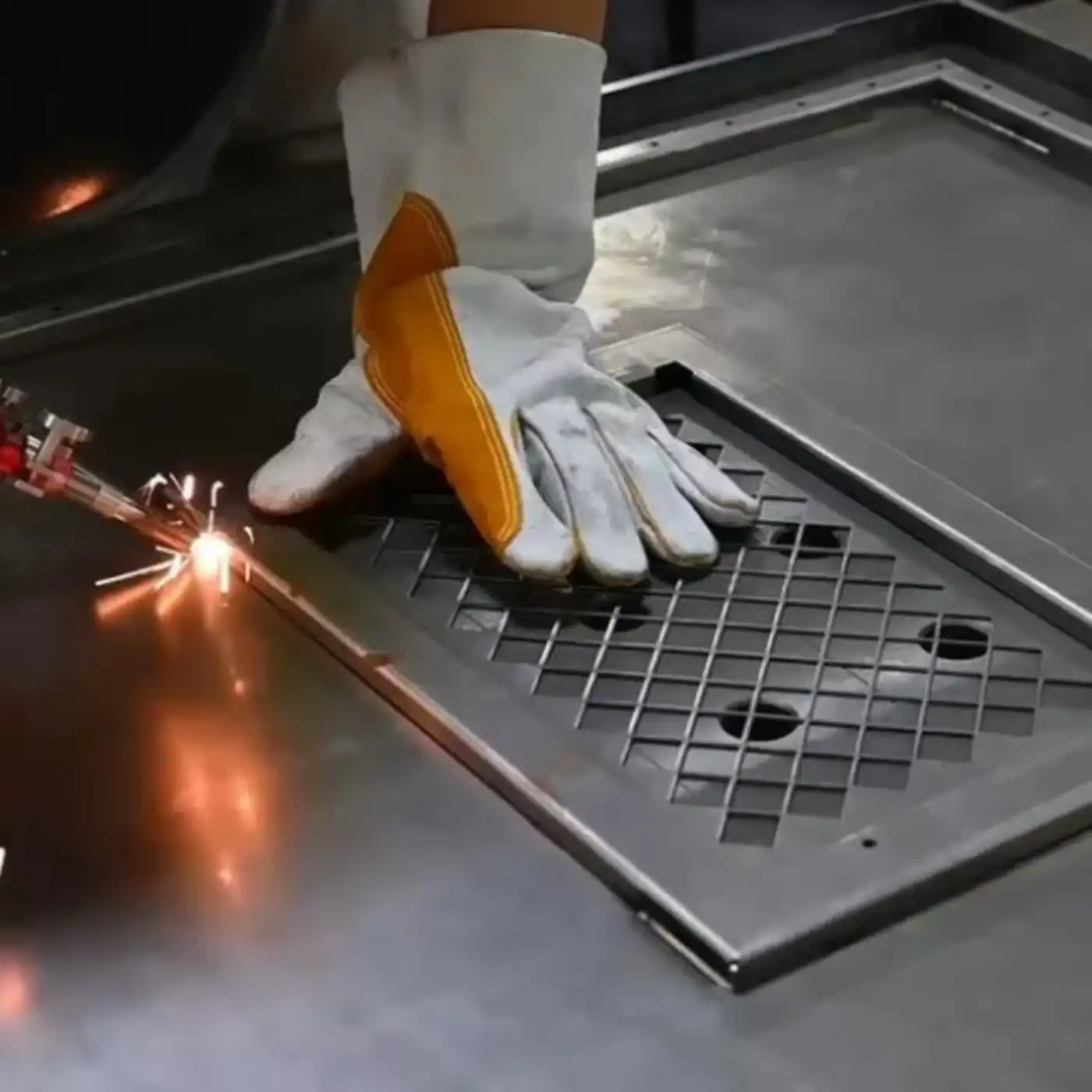
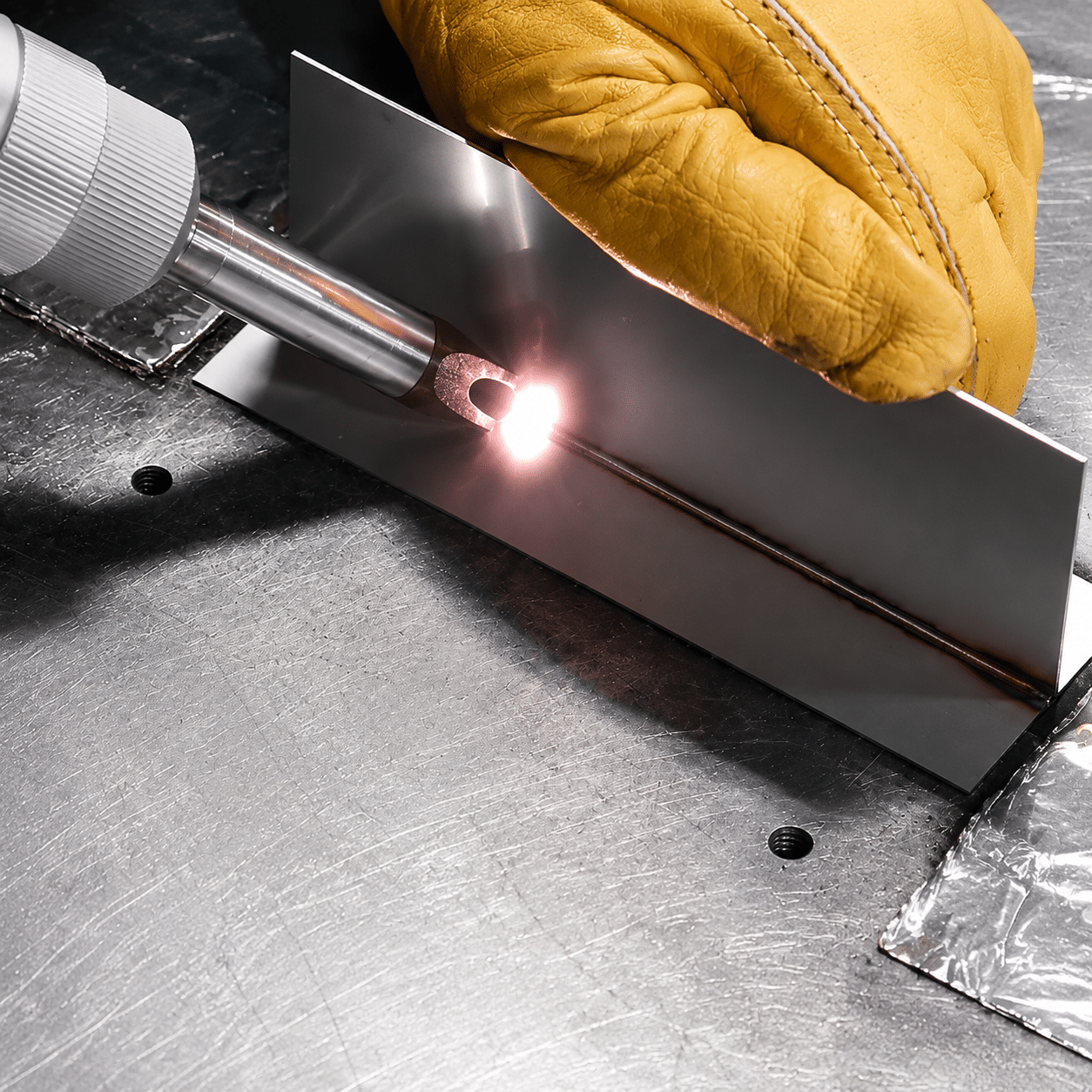
Stainless steel laser welding machine welding thin metal sheet
Clean stainless seamsDesigned for visible metal products and production welding
0.5-6mmCommon stainless range
LaserLower heat input
WireGap filling option
Cleaner AppearanceReduce blackening, wide seams and heavy polishing
Less DistortionLower heat input helps protect thin stainless parts
Faster TrainingHandheld laser welding is easier for many operators to learn
Sample TestConfirm seam look, strength and speed before ordering
Customer Concerns

Common stainless steel welding problems that laser welding can help solve

When stainless steel parts are visible, the weld must be strong, neat and easy to finish. Laser welding helps reduce the problems that slow down production and increase polishing labor.

Wide or uneven weld seams

A narrow laser weld seam can improve product appearance and reduce the amount of grinding needed after welding.

Heat distortion on thin sheet

Lower heat input helps protect thin stainless steel from warping, burn-through and large heat-affected zones.

Slow manual welding output

Laser welding can increase travel speed and support consistent results for repeated stainless steel parts.

Application Range

Stainless steel products where laser welding is a strong fit

Laser welding is especially useful for stainless steel parts that need clean appearance, controlled heat and efficient production.

  • Kitchen equipment, sinks, cabinets, worktables and food-grade metal products.
  • Stainless steel doors, windows, railings, frames and decorative panels.
  • Electrical cabinets, enclosures, chassis and sheet metal assemblies.
  • Stainless tubes, pipe fittings, small tanks and pressure-free containers.
  • Advertising letters, display fixtures, furniture parts and custom fabrication.
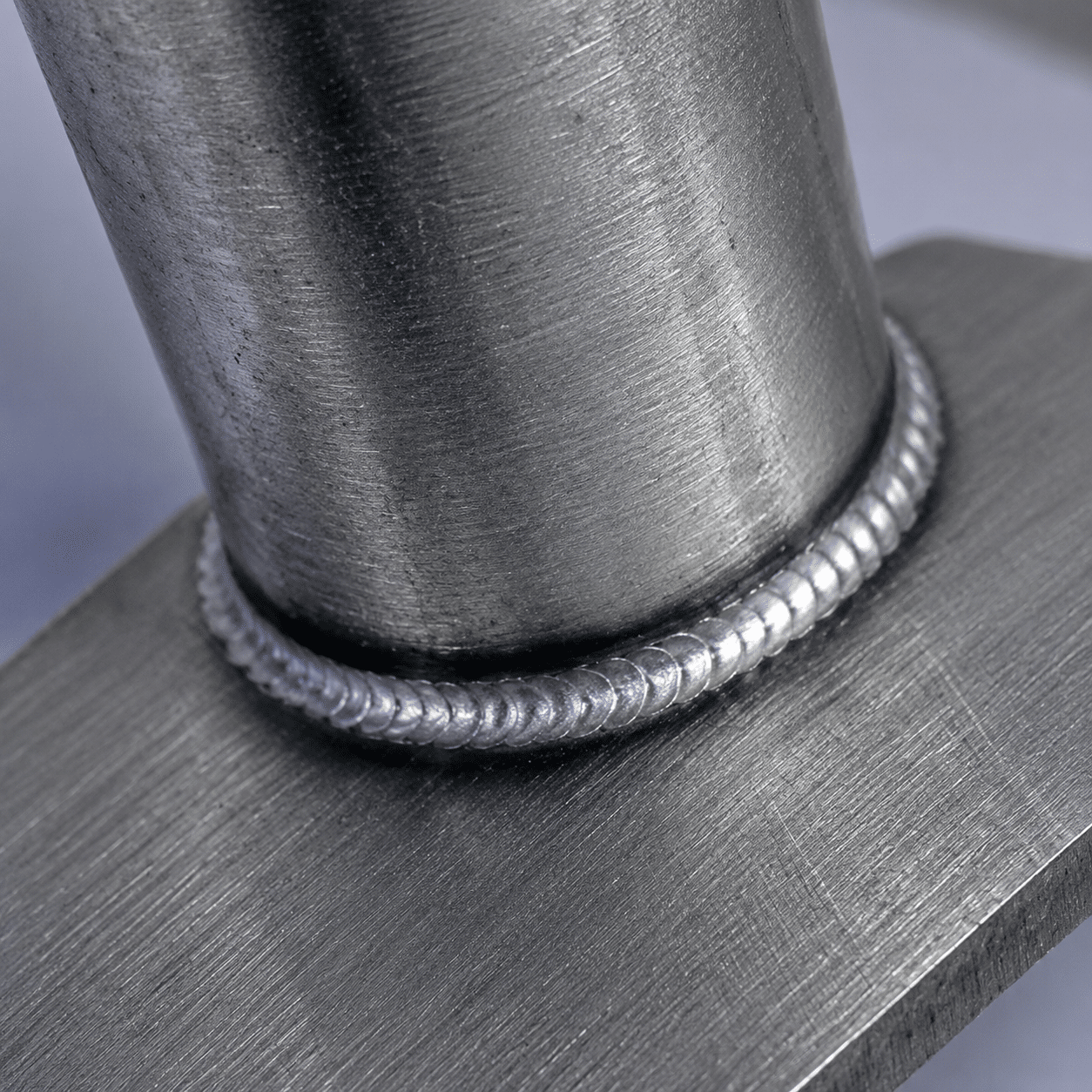
Stainless steel laser welding applications for cabinets tubes kitchenware and sheet metal
Thickness Guide

Choose laser welding power by stainless steel thickness and production needs

The right laser power depends on material thickness, joint type, required penetration, seam gap, welding speed and whether filler wire is needed.

Stainless Steel ThicknessCommon SetupBest UseWhat To Check
0.5-1.0mm1000W or controlled low-power settingThin sheet, enclosures, decorative panelsHeat input, burn-through and fixture stability
1.0-2.0mm1000W-1500W handheld laser welderKitchenware, cabinets, sheet metal partsSeam appearance and welding speed
2.0-3.0mm1500W-2000W laser welderFrames, tubes, thicker sheet assembliesPenetration, shielding gas and joint fit-up
3.0-6.0mm2000W-3000W with suitable joint designHeavier stainless fabricationPenetration, pass strategy and edge preparation
Visible seams with gapsLaser welder with wire feederParts with small joint gaps or cosmetic seam fillingWire diameter, feeding speed and seam profile
Weld Quality

What affects stainless steel laser weld appearance and strength?

Strong results come from more than machine power. Joint fit-up, shielding gas, focus, travel speed and surface preparation all affect the final seam.

Shielding

Use the right protection gas

Stainless steel welding usually needs proper shielding gas to reduce oxidation, discoloration and surface contamination.

  • Protect the molten pool
  • Reduce heat tint
  • Improve visible seam quality
Surface Prep

Clean before welding

Oil, oxide, coating and moisture can affect weld stability. Clean material helps produce a smoother stainless weld.

  • Remove oil and grease
  • Clean oxide and coating residue
  • Keep workpieces dry and stable
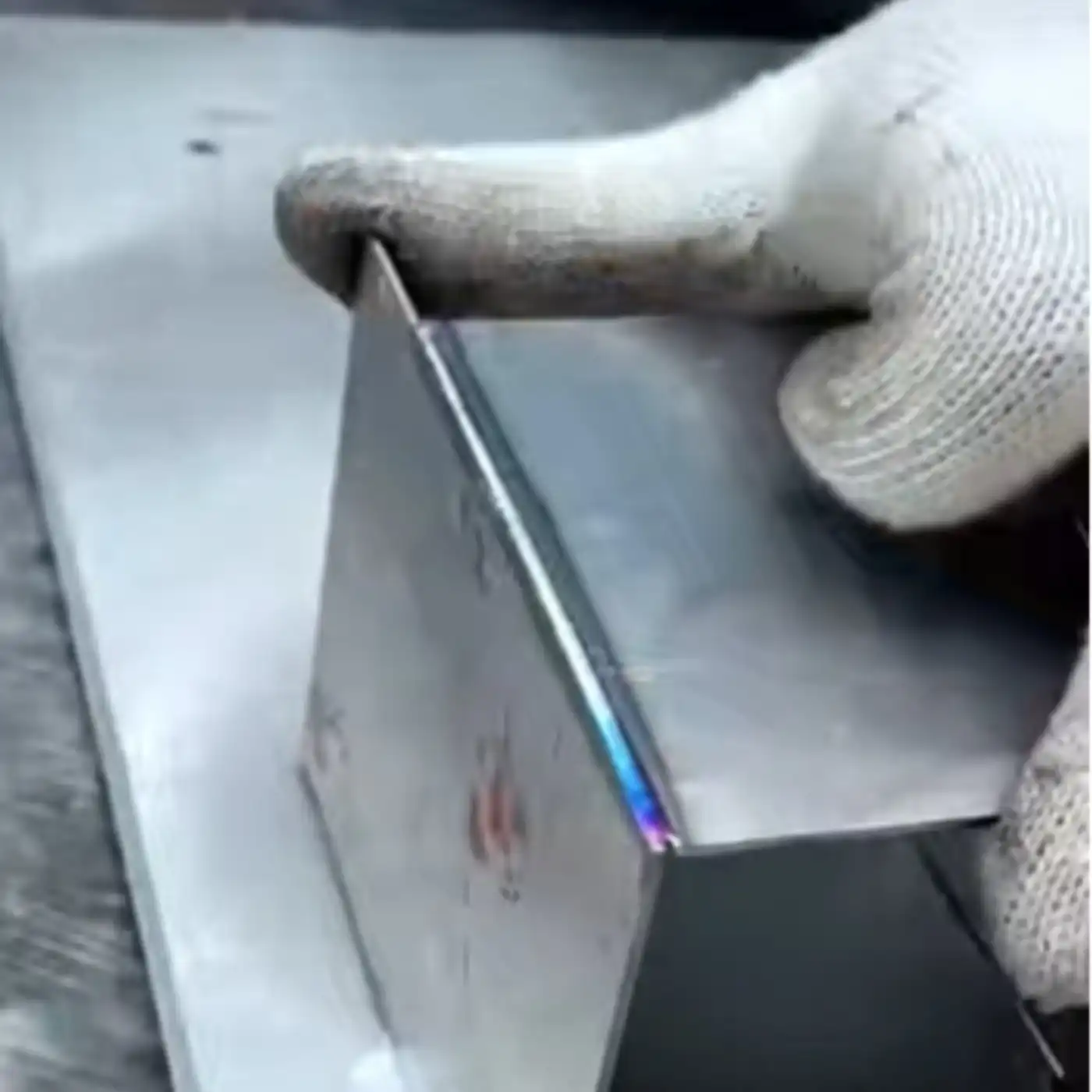
Welding Results Gallery

Show stainless steel weld results across common product types

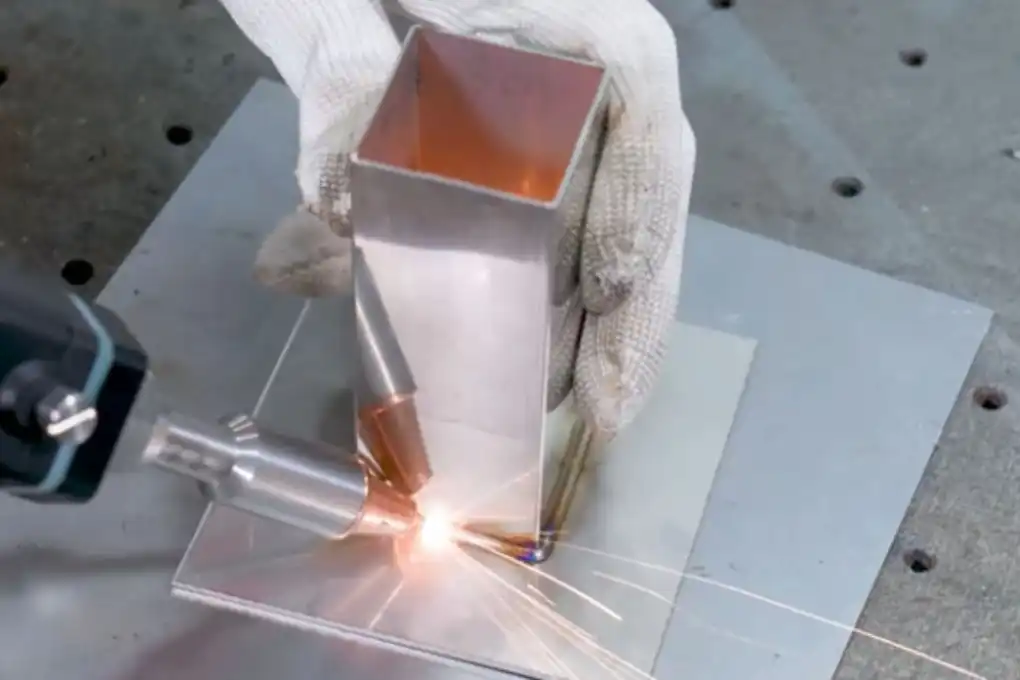
Review stainless steel welding results for thin sheet, tube welding, corner seams, cabinet parts, kitchenware and decorative metal products.
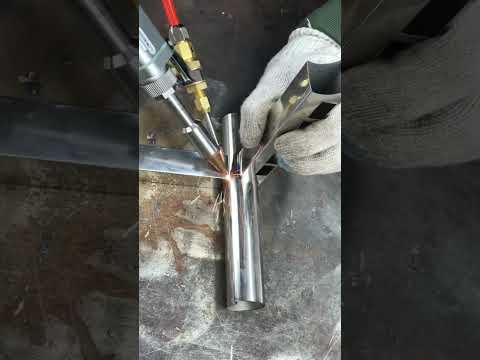
Video Demonstration

Watch stainless steel laser welding on real workpieces

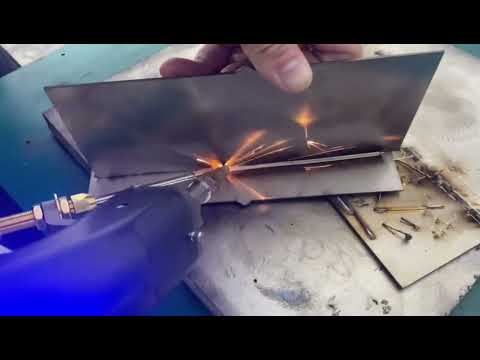
Show welding speed, seam formation, operator movement and final surface quality so your team can judge whether laser welding fits your products.
Machine Configuration

Match the welding machine to your stainless steel workflow

Different factories need different configurations. The best setup depends on daily workload, movement requirements, cooling method, seam gap and operator experience.

Handheld Laser Welder

Flexible choice for stainless sheet metal, kitchenware, cabinets, frames and repair work with varied part sizes.

Air-Cooled Laser Welder

Compact option for lighter to medium stainless welding tasks where mobility and simple setup are important.

Water-Cooled Laser Welder

Better for longer duty cycles, higher power and factories that weld stainless steel for many hours per day.

Wire Feeder Option

Helpful when stainless steel parts have small gaps, edge variation or cosmetic seams that need more fill.

Cleaning Function

Some configurations can support weld cleaning or surface cleaning with the right accessories and settings.

Safety and Training

Laser welding requires protective eyewear, controlled work area, smoke extraction and proper operating procedures.

Laser vs TIG/MIG

Why many stainless steel workshops compare laser welding with TIG and MIG

Laser welding is often selected when stainless products need faster welding, less heat distortion and less finishing work after welding.

MethodBest ForMain ConcernWhen Laser Helps
Laser WeldingThin stainless, visible seams, sheet metal productsRequires laser safety and correct parametersCleaner seam, faster speed and lower heat input
TIG WeldingPrecise manual welding and high-skill workSlower speed and higher operator skill demandLaser can reduce training time for repeated products
MIG WeldingThicker fabrication and high depositionMore spatter and wider welds on visible stainless partsLaser can reduce spatter and polishing on thin parts
Spot WeldingOverlapping sheet jointsLimited seam continuity and visible marksLaser can create continuous seams where sealing or appearance matters
Before You Choose

Confirm these details before selecting a stainless steel laser welder

Clear welding information helps match power, cooling, wire feeding, fixtures and safety setup to your real production needs.

Material grade and thickness

Share whether you weld 201, 304, 316 or other stainless steel, and list the common thickness range.

Joint type and seam length

Butt joints, lap joints, corner seams and tube seams need different welding paths and parameters.

Appearance requirement

Visible products may need smoother seams, less discoloration and less polishing after welding.

Gap and fit-up condition

If gaps are common, a wire feeder can help improve seam filling and reduce rework.

Daily workload

Long working hours may require water cooling, higher stability and more complete fume extraction.

Operator environment

Plan protective eyewear, screens, interlocks, ventilation and welding training before production use.

Sample Welding Test

Send your stainless steel sample and get a practical welding recommendation.

Share material thickness, joint type, seam photos, gap size, production speed target and appearance requirement. Oceanplayer can recommend laser power, cooling type, wire feeder options and sample welding parameters.

01

Share Workpiece Details

Send stainless grade, thickness, joint type and target seam appearance.

02

Test Welding Parameters

Check power, speed, shielding gas, wire feeding and seam finish.

03

Choose Configuration

Select handheld, air-cooled, water-cooled or wire-feeder laser welding setup.

FAQ

Stainless Steel Laser Welding FAQ

Can laser welding be used for stainless steel?
Yes. Laser welding is widely used for stainless steel sheet, tubes, cabinets, frames, kitchenware, enclosures and decorative metal parts. It is especially useful when a narrow seam and lower heat input are important.
What stainless steel thickness can a laser welder weld?
Common handheld laser welding applications cover thin sheet from around 0.5mm and thicker stainless work depending on laser power, joint design and required penetration. Sample testing is recommended for your exact part.
Do I need a wire feeder for stainless steel laser welding?
A wire feeder is useful when parts have small gaps, uneven fit-up or a cosmetic seam that needs filling. Tight joints can often be welded without filler wire.
Will stainless steel laser welding reduce deformation?
Laser welding usually has lower heat input than many traditional welding methods, which can help reduce distortion on thin stainless steel parts when parameters and fixtures are correct.
Does stainless laser welding need shielding gas?
Yes. Proper shielding gas helps protect the weld pool, reduce oxidation and improve stainless steel weld appearance.