
oceanplayer

Oceanplayer Laser Equipment | Cleaning, Welding, Marking, Automation Sample Testing | Global Shipping | OEM/ODM Support
Marine & Shipbuilding Laser Solutions

Marine and Shipbuilding Laser Solutions for Rust Removal, Paint Stripping, Welding Prep and Part Marking.

Oceanplayer helps shipyards, repair docks, marine equipment manufacturers and offshore maintenance teams clean corrosion, prepare weld areas, remove coating layers and create durable identification marks with laser systems built for demanding metal work.
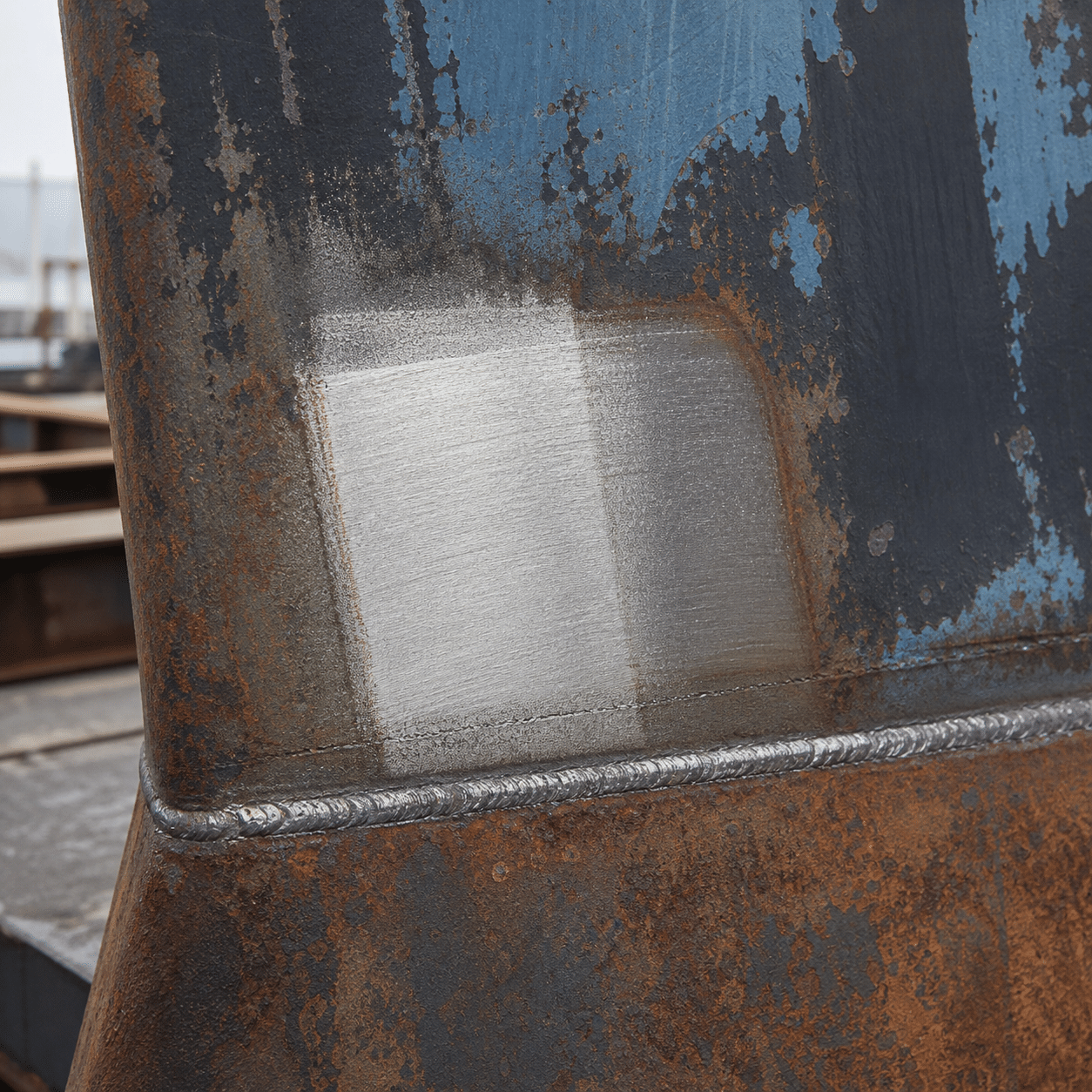
  • Ship hull, deck and steel structure cleaning
  • Weld seam preparation and post-weld cleaning
Marine shipbuilding laser cleaning and welding solution for ship repair and steel structures
Built for marine metal work Rust, coating, weld prep, repair and traceability
Hull Rust cleaning
Weld Surface prep
ID Part marking
Less Abrasive Media Reduce blasting media, dust and cleanup work
On-Site Maintenance Portable options for dockside and workshop use
Weld Readiness Clean oxide, rust, paint and oil before welding
Sample Proof Test real ship plates and coated parts before purchase
Industry Needs

Marine teams need cleaning methods that fit large steel structures, tight schedules and coating quality

Ship repair and shipbuilding work often involves corrosion, old paint, salt contamination, weld preparation and limited access areas. A good laser solution should help improve surface quality while keeping daily maintenance practical.

Heavy Rust on Ship Steel

Clean corrosion on hull sections, deck fittings, steel plates, frames, containers and marine equipment before coating, inspection or repair.

Paint and Coating Removal

Remove aged coating layers from selected areas without preparing an entire large structure by abrasive blasting.

Welding Surface Preparation

Prepare weld zones by removing rust, oxide, oil and paint residues so the weld team can work on a cleaner surface.

Dockside Maintenance

Use mobile and handheld systems for repair jobs where parts cannot be moved easily to a fixed cleaning station.

Component Refurbishment

Clean propeller parts, valves, flanges, shafts, pumps, anchors, chains and other marine metal components during overhaul.

Permanent Identification

Mark serial numbers, QR codes, nameplates and maintenance IDs on metal parts used in marine production and service records.

Workflow Map

Fit laser equipment into shipbuilding and repair workflows

Different areas of a shipyard need different power levels, cooling methods, accessories and automation levels. This layout helps you match the machine to the real task.

Step 01

Inspect Surface Condition

Check rust depth, coating thickness, salt exposure, oil contamination and whether the base metal must be protected.

Step 02

Select Cleaning Power

Choose pulsed cleaning for controlled detail work or high-power CW cleaning for faster removal on large steel areas.

Step 03

Plan Welding and Coating Prep

Prepare weld seams, repair zones and repainting areas with clear acceptance targets for the next production step.

Step 04

Verify Results

Review cleaning speed, surface finish, heat effect, operator access and whether the result meets repair or coating needs.

Marine Applications

Use laser cleaning and welding support across shipyard metal work

Marine projects cover many surfaces, from thick steel plates to curved parts and installed equipment. Oceanplayer can help select a practical setup based on part size, access conditions and required cleaning speed.

  • Ship hull rust removal and localized paint stripping before repair.
  • Deck, hatch cover, railing, frame and steel structure cleaning.
  • Weld seam pre-treatment and post-weld oxide cleaning.
  • Pipeline, flange, valve, pump and engine room component maintenance.
  • Anchor, chain, propeller, shaft and marine hardware refurbishment.
  • QR code, serial number and nameplate marking for spare parts and service records.
Laser cleaning application for ship hull deck and marine steel components
Solution Matrix

Select equipment by marine job type and surface requirement

The right system depends on cleaning area, rust or coating thickness, portability needs, power supply, cooling preference and whether the process must support welding, repainting or inspection.

Marine Requirement Recommended Laser Option Best Use What To Check
Large-area rust cleaning 1000W-3000W CW laser cleaner Hull plates, decks, steel structures and heavy repair areas Cleaning speed, cooling system, power supply and operator access
Controlled cleaning on valuable parts 200W/300W/500W pulsed cleaner Precision components, fittings, molds, shafts and repair zones Heat input, surface roughness and base material protection
Dockside maintenance Handheld or mobile laser cleaner Installed parts, repair shops, offshore support and field service Cable length, portability, safety distance and work position
Weld preparation Laser cleaning before welding Rust, oxide, oil and coating removal around weld seams Clean width, weld process and inspection requirement
Marine part ID marking Fiber or MOPA laser marking system Serial numbers, QR codes, logos, tags and stainless nameplates Material grade, mark contrast, code size and data flow

For shipyards, the strongest setup is usually a mix of high-power cleaning, portable cleaning and weld preparation support.

Large steel surfaces need speed, while repair corners and installed parts need access. Combining machine types helps the team handle daily maintenance without forcing every job into one process.

CW High-speed cleaning for heavy rust, thick steel and large marine surfaces.
Pulse Controlled cleaning for sensitive parts, lower heat input and finer finish.
Mobile Move the system to repair areas, dockside jobs and installed equipment.
Mark Add durable part IDs, maintenance codes and component traceability.
Marine Results Gallery

Review laser cleaning results for ship repair and marine metal surfaces

Clear before-and-after results help your team evaluate cleaning speed, coating removal, rust depth, heat effect and the finish needed before welding or repainting.

Video Demonstration

Watch cleaning and preparation performance on marine-grade surfaces

Videos make it easier to compare removal speed, spark level, working distance, operator movement and final surface appearance before you choose a machine.

System Options

Choose a marine laser setup by job size, mobility and required finish

Marine work may happen on a fixed bench, inside a repair shop, on a dock or near installed equipment. These options help you narrow the configuration.

Controlled Finish

200W/300W/500W Pulsed Cleaner

Better for controlled cleaning where heat input, surface finish and base-material protection matter more than maximum speed.

On-Site Repair

Handheld or Mobile Laser Cleaner

Useful for maintenance teams that need to move between work areas, installed parts and repair stations.

Project Planning

Share these details to get a better marine laser recommendation

A clear project picture helps us recommend the right power, cleaning head, cooling method, cable length, safety setup and accessories.

Surface and Material Details

Base material Carbon steel, stainless steel, aluminum, galvanized steel or marine alloy.
Contamination Rust, paint, primer, oxide, salt residue, oil, grease or mixed layers.
Area size Small repair spots, weld zones, parts batches or large panels.
Final requirement Welding, coating, inspection, refurbishment or part identification.

Worksite and Operation Details

Location Factory workshop, ship repair dock, outdoor maintenance or offshore support.
Mobility Fixed workstation, trolley, handheld operation or long cable reach.
Power supply Available voltage, site power conditions and cooling preference.
Safety setup Work distance, laser safety area, operator training and fume extraction plan.
Sample Test

Test your real marine parts before choosing the machine.

Send your ship plate, coating sample, rusty component, flange, pipe section or marked part requirement. We can help compare cleaning speed, surface finish, marking result and practical machine configuration.

01

Send Part Details

Share material, rust or coating condition, area size and final process requirement.

02

Run Laser Test

Compare power, scan width, speed, heat effect and final surface appearance.

03

Confirm Setup

Receive a practical recommendation for machine power, cooling, accessories and workflow.

FAQ

Marine and shipbuilding laser solution questions

These answers help you evaluate whether laser cleaning, welding support or marking fits your shipyard workflow.

Can laser cleaning remove heavy rust from ship hull steel?
Yes. High-power CW laser cleaners are commonly selected for faster rust removal on large carbon steel surfaces. For sensitive parts or controlled surface finish, a pulsed laser cleaner may be a better fit.
Can laser cleaning replace sandblasting in a shipyard?
Laser cleaning can reduce abrasive media use for selected repair zones, weld preparation, component refurbishment and localized coating removal. For very large full-hull projects, many teams compare laser cleaning with existing blasting methods based on speed, surface requirement and cleanup cost.
Which machine is better for marine paint removal?
For fast coating removal on large steel areas, a 1000W-3000W CW laser cleaner is often preferred. For controlled removal on smaller or higher-value parts, a pulsed laser cleaner may provide better surface control.
Can the laser clean before welding?
Yes. Laser cleaning can remove rust, oxide, oil and paint around weld zones before welding. A sample test helps confirm cleaning width, surface finish and the best settings for your welding process.
Can the equipment be used outside a workshop?
Many handheld and mobile configurations can support dockside maintenance and field repair. The final setup should consider power supply, cable length, cooling method, operator access, safety area and fume extraction.
What should we send for a sample test?
You can send photos, material type, rust or coating details, required cleaning area, target finish and the next process after cleaning. Physical samples or short videos help us recommend machine power and accessories more accurately.