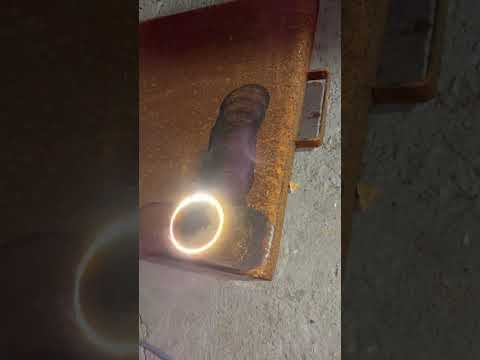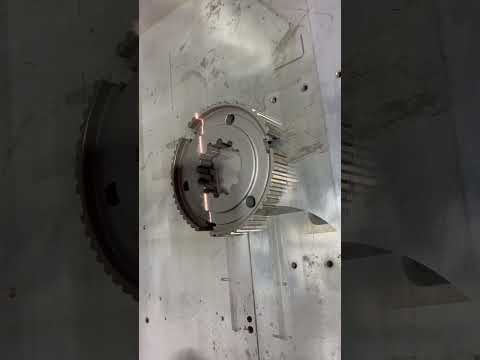
Laser Oxide Removal for Cleaner Welds, Metal Surfaces and Production Parts.
Oceanplayer laser oxide removal solutions help remove weld discoloration, heat tint, oxide film, light corrosion and surface contamination from stainless steel, aluminum, carbon steel, copper and other metal parts. Choose pulsed, CW, handheld, mobile or robotic laser cleaning based on oxide thickness, material sensitivity and daily workflow.
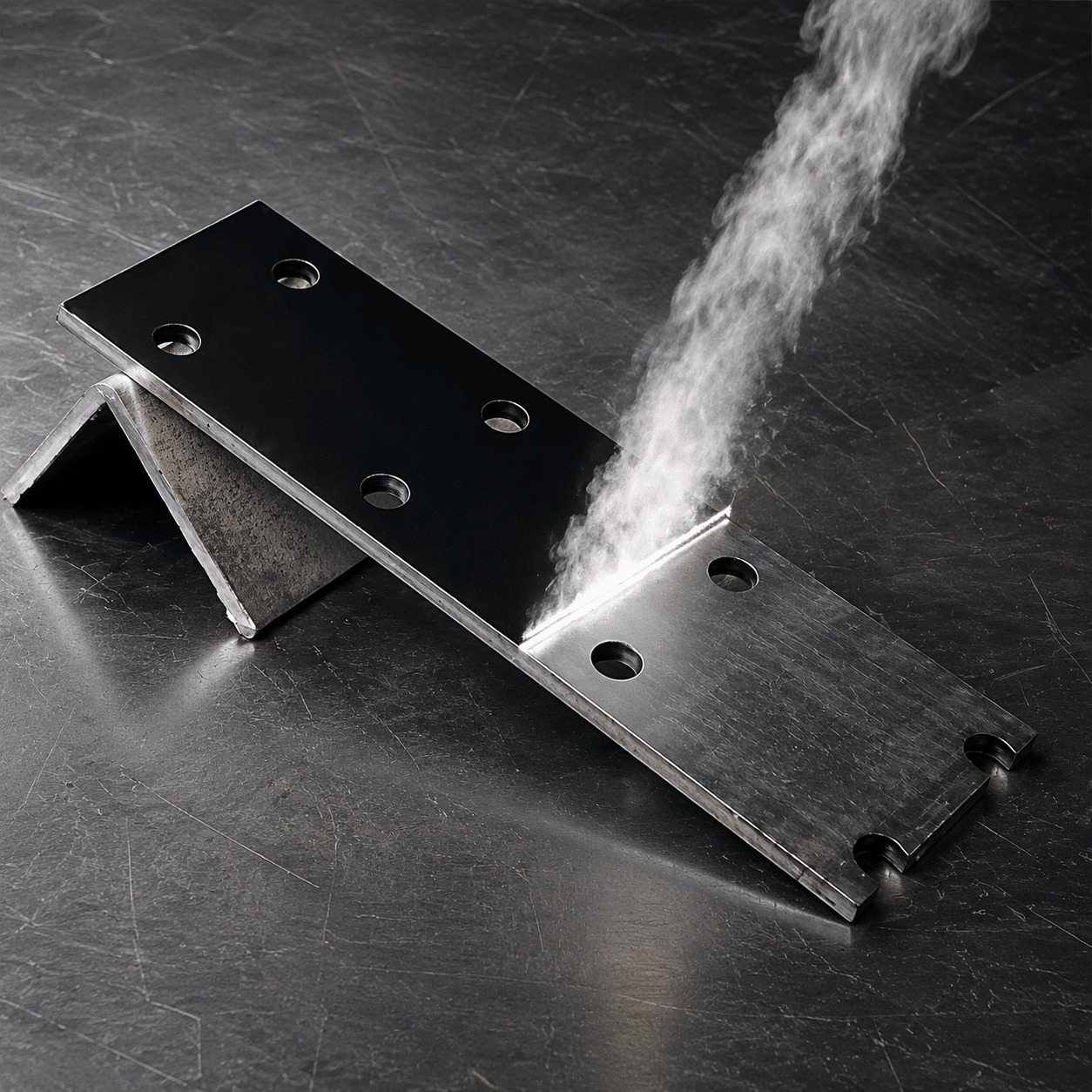
- Weld oxide and heat tint removal
- Metal surface preparation
- Sample cleaning test available
Key questions before using laser oxide removal
Before choosing a laser oxide cleaning process, it helps to confirm material type, oxide layer thickness, surface finish target, cleaning speed and whether the part needs weld preparation or final appearance improvement.
Can it remove weld discoloration?
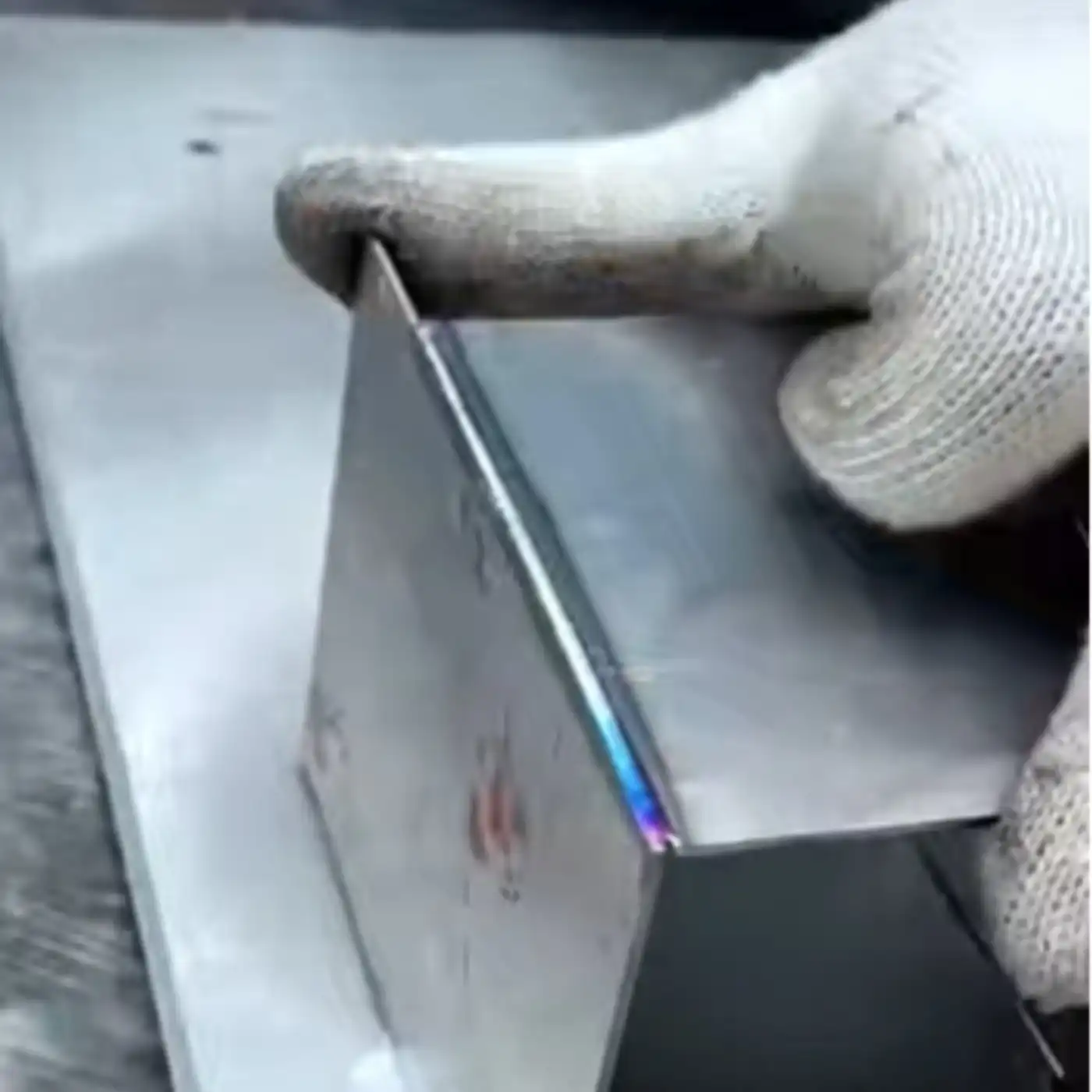
Laser cleaning can remove many heat tint, oxide and discoloration layers around weld seams, especially on stainless steel and carbon steel parts.
Will it affect the metal surface?
Pulsed laser cleaning is often preferred when oxide must be removed while protecting base material texture, edges and surface finish.
How fast is oxide cleaning?
Cleaning speed depends on oxide thickness, material, required finish and laser power. CW systems can be faster on larger areas, while pulsed systems offer finer control.
Where laser oxide removal works best
Laser oxide removal is useful when metal parts need cleaner welds, better appearance, improved coating preparation or more consistent surface quality without chemical pickling or heavy manual polishing.
- Stainless steel weld heat tint and discoloration cleaning.
- Aluminum oxide removal before welding, bonding or coating.
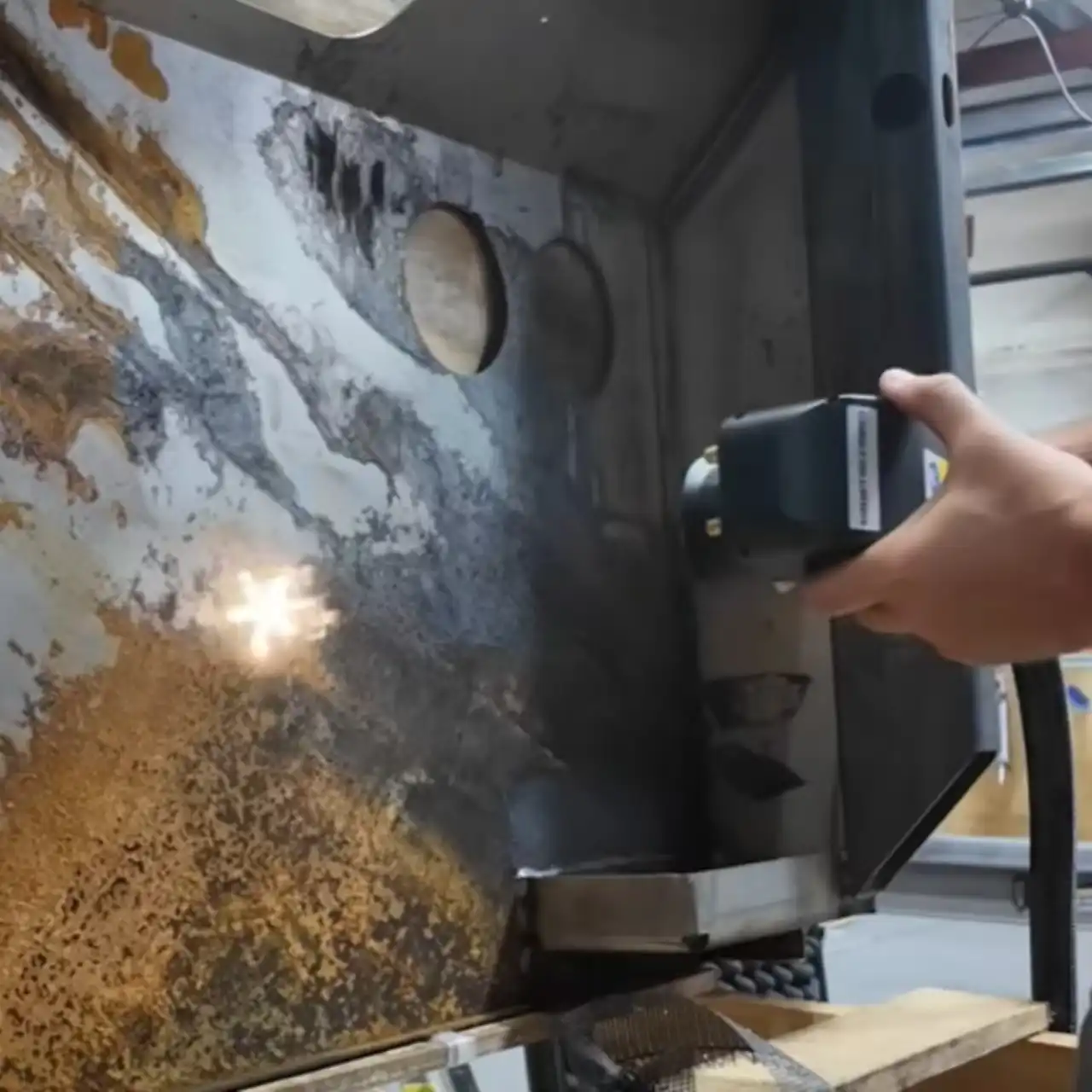
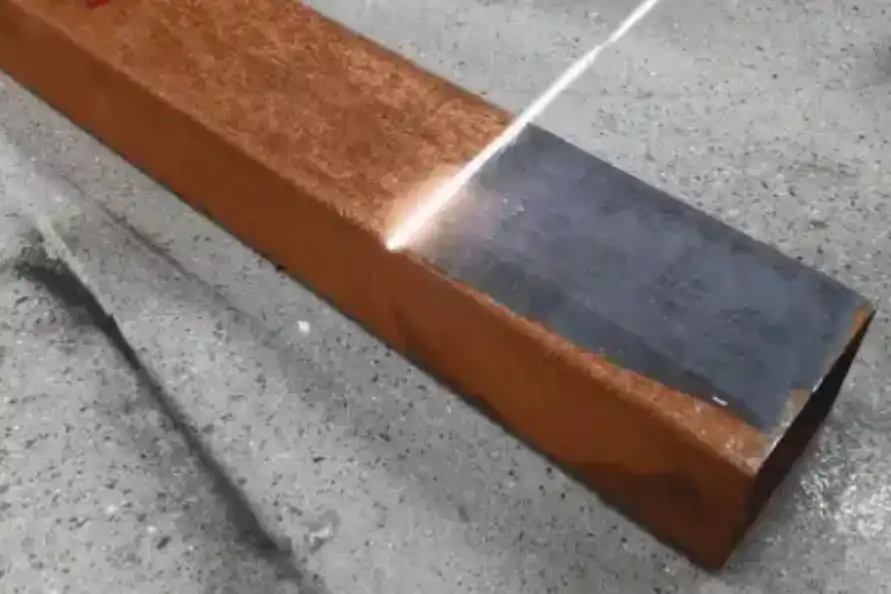
- Carbon steel oxide, scale and light corrosion cleaning.
- Copper, brass and precision metal parts that need controlled cleaning.
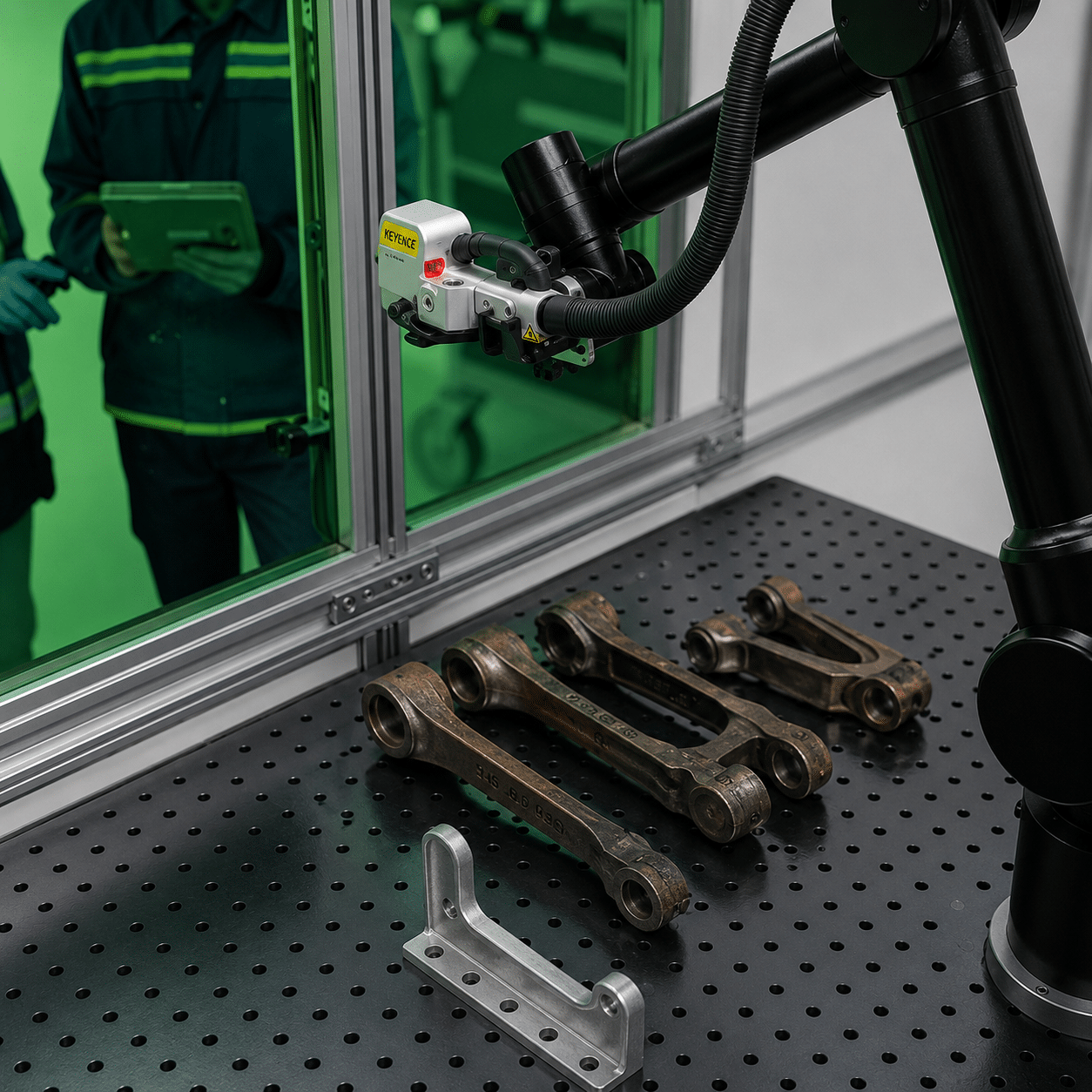
- Automated weld seam cleaning for repeated production parts.
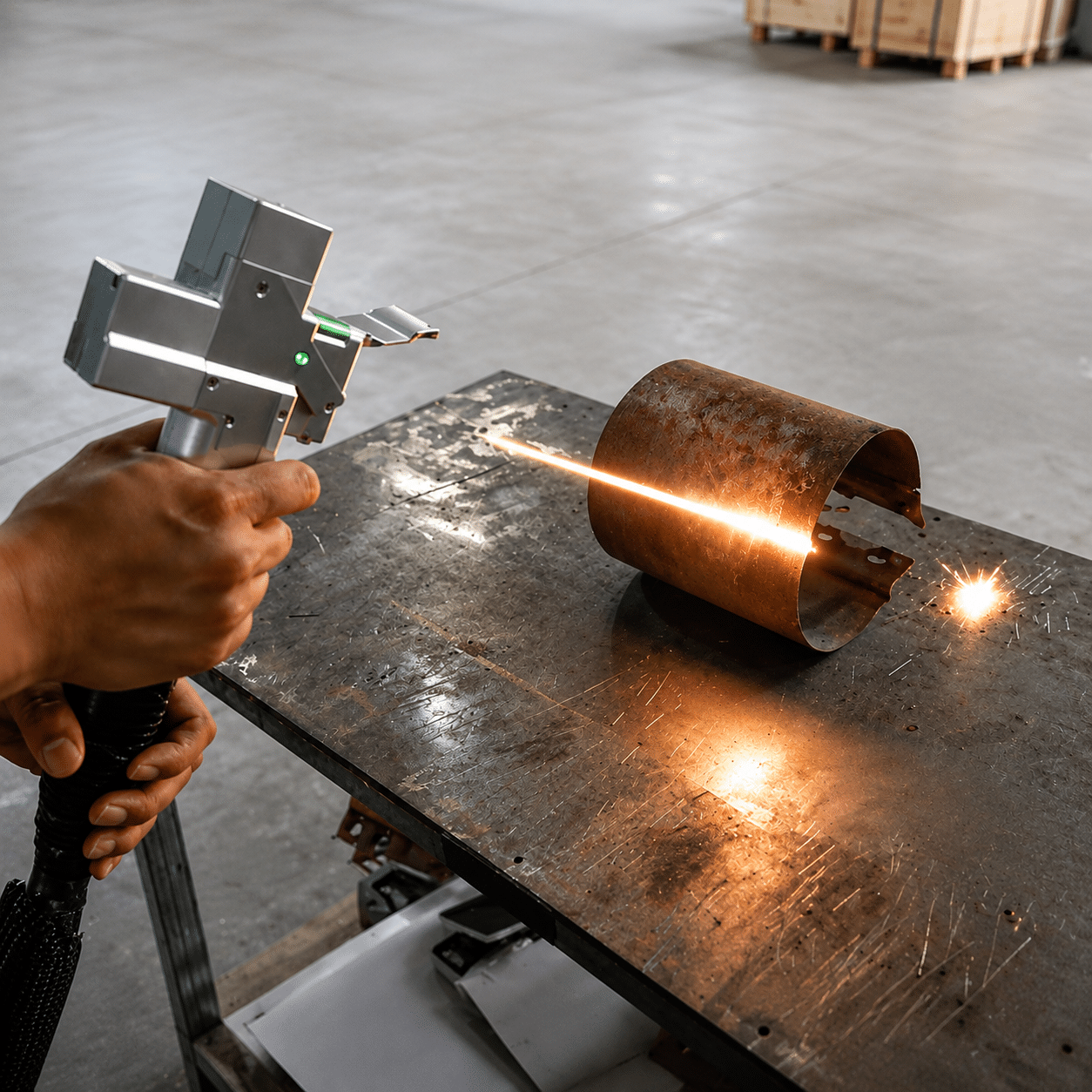
Laser oxide removal compared with pickling, polishing and abrasive cleaning
Oxide cleaning methods differ in surface control, chemical handling, labor demand and consistency across repeated parts.
| Method | Best For | Main Concern | Why Choose Laser |
|---|---|---|---|
| Laser Oxide Removal | Weld seams, heat tint, oxide film, local surface prep | Needs correct parameters and extraction | Dry, selective and easier to automate for repeated parts |
| Chemical Pickling | Stainless weld discoloration and full-surface treatment | Chemical handling, residue and rinsing | Laser reduces liquid chemical use and localized cleanup work |
| Manual Polishing | Small areas and appearance correction | Labor time, uneven finish and tool wear | Laser improves repeatability and reduces manual fatigue |
| Abrasive Cleaning | Rough surfaces and scale removal | Media dust, surface roughness and masking | Laser supports selective oxide removal with less media waste |
Pulsed or CW laser cleaner for oxide removal?
The right choice depends on oxide thickness, metal type, surface appearance requirement, cleaning area and whether the process is manual, mobile or automated.
Pulsed Laser Oxide Removal
Better for weld heat tint, fine oxide layers, aluminum surfaces, molds and high-value parts where heat input must be controlled.
- Lower thermal impact
- Cleaner surface control
- Good for thin oxide layers
CW Laser Oxide Removal
Better for larger steel surfaces, thicker oxide or scale and jobs where cleaning speed and coverage matter most.
- Faster area cleaning
- Good for thicker oxide
- Higher productivity
Handheld or Robotic Cleaning
Handheld systems fit flexible repair work, while robotic cleaning helps repeat the same weld seam or part path in production.
- Flexible manual cleaning
- Repeatable weld seam paths
- Better process consistency
See laser oxide removal results on different metal surfaces
Review common cleaning results for weld heat tint, stainless steel oxide, aluminum oxide, scale, copper oxide and production weld seams.
Watch laser oxide removal on welds and metal surfaces
See how laser oxide removal works on weld seams and metal surfaces, including cleaning speed, surface finish, smoke extraction and operator movement.
Check the details that decide whether laser oxide removal is right for your job
To get the right cleaning result, confirm material grade, oxide source, surface finish target, cleaning area, daily workload and safety setup.
What oxide layer needs removal?
Weld heat tint, aluminum oxide, carbon steel scale and copper oxide may need different laser power, speed and pass settings.
What surface finish is required?
If the surface needs welding, bonding, coating or final appearance improvement, sample testing can confirm the cleaning quality.
How will smoke be controlled?
Laser oxide removal should use proper extraction, filtration and protective operation procedures for process fumes and residue.
Is the part fixed or repeated?
Large fixed parts may need handheld or mobile systems, while repeated weld seams can use fixtures or robotic cleaning.
How much area is cleaned daily?
Area size and required cycle time help determine whether pulsed, CW or robotic cleaning is the better investment.
Can my oxidized parts be tested first?
Sample testing helps confirm oxide removal speed, base metal impact, surface finish and the best machine configuration before ordering.
Get a laser oxide removal plan for your material and surface condition.
Share material, oxide type, surface size, target result and worksite environment. Oceanplayer can recommend pulsed, CW, handheld, mobile or robotic laser oxide removal options.
Share Surface Details
Send photos, material, oxide type, thickness and cleaning area.
Test Parameters
Confirm power, speed, pass count and final surface result.
Choose System
Match machine type, extraction, safety setup and daily workload.
Choose the right Oceanplayer laser cleaning solution
Compare cleaning systems by oxide layer, material sensitivity, surface size, mobility needs and production workflow.