oceanplayer

Oceanplayer Laser Equipment | Cleaning, Welding, Marking, Automation Sample Testing | Global Shipping | OEM/ODM Support
Handheld Laser Welder Cost

What affects handheld laser welder cost and which configuration is worth paying for?

Compare the key cost drivers behind handheld laser welding machines, including power, cooling, wire feeder, welding thickness, accessories, service and sample testing.
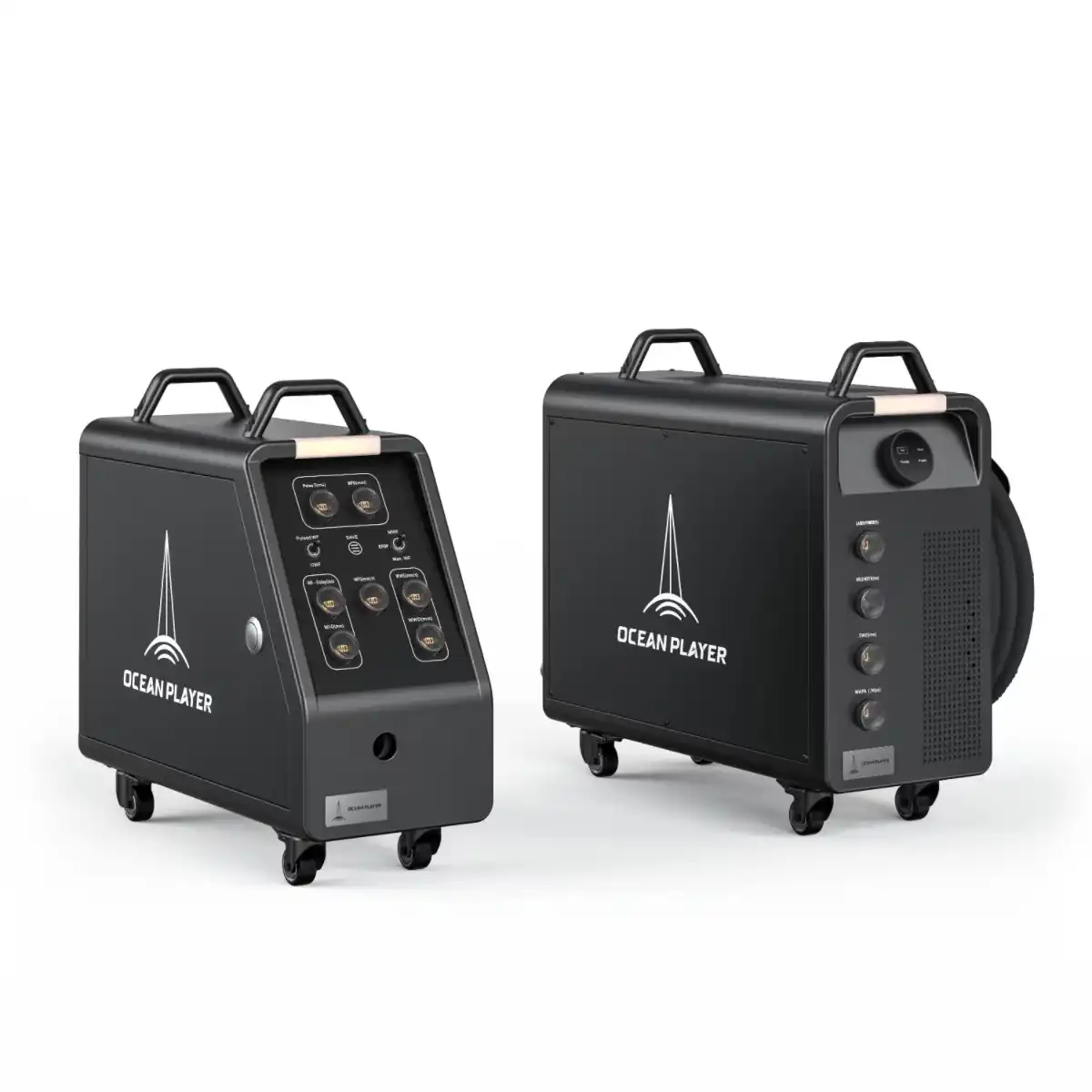
  • Power and cooling cost factors
  • Wire feeder and accessory options
  • Quote checklist for accurate pricing
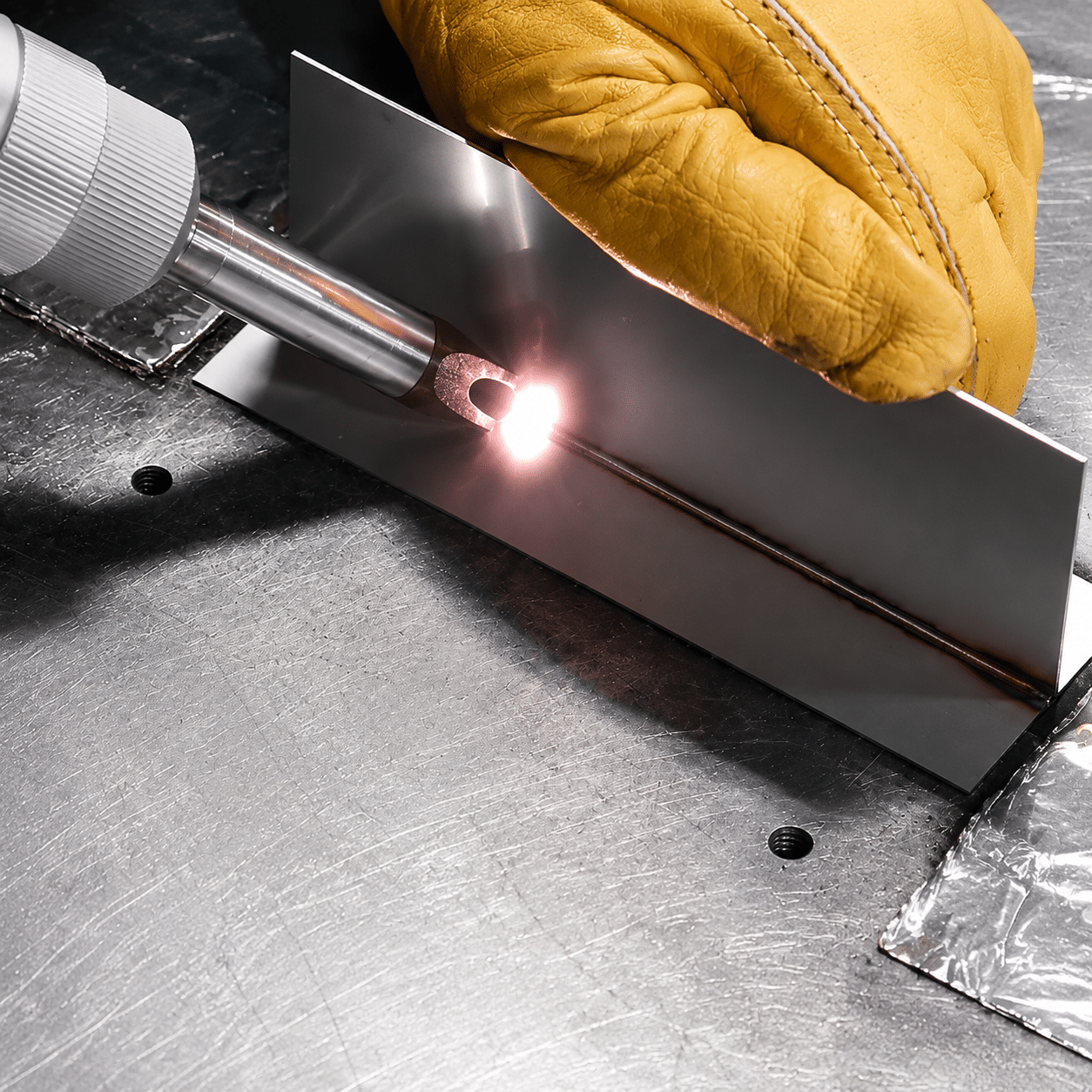
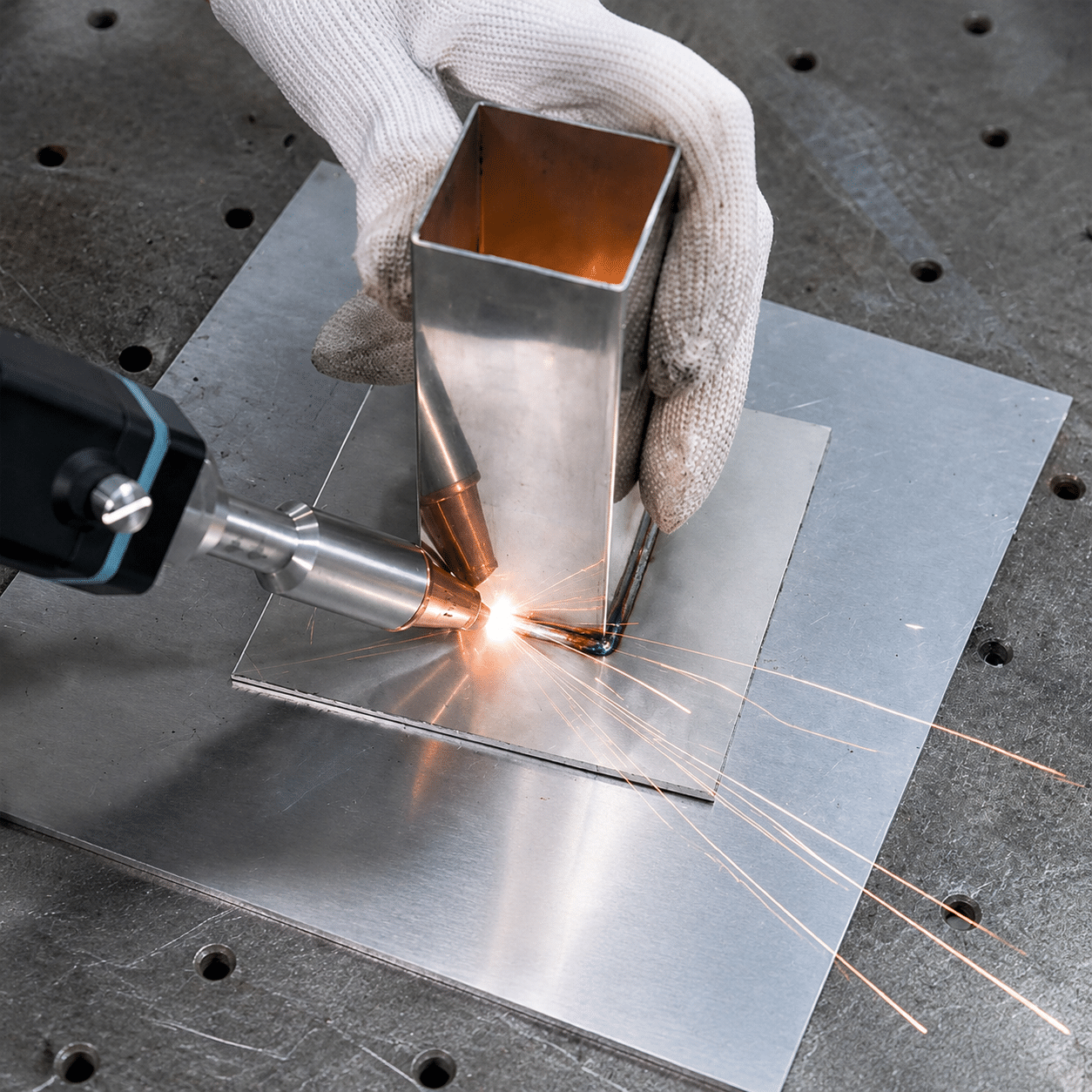
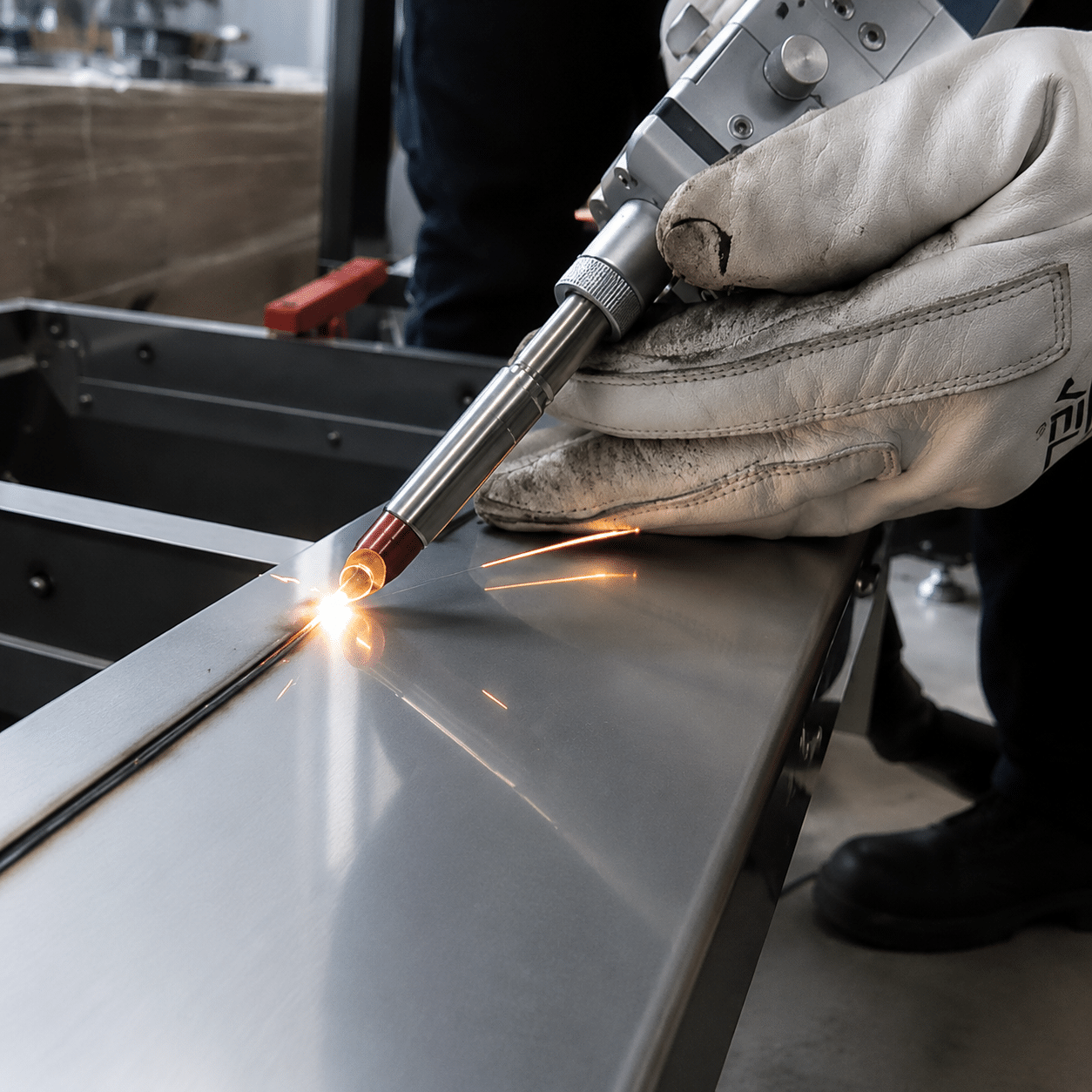
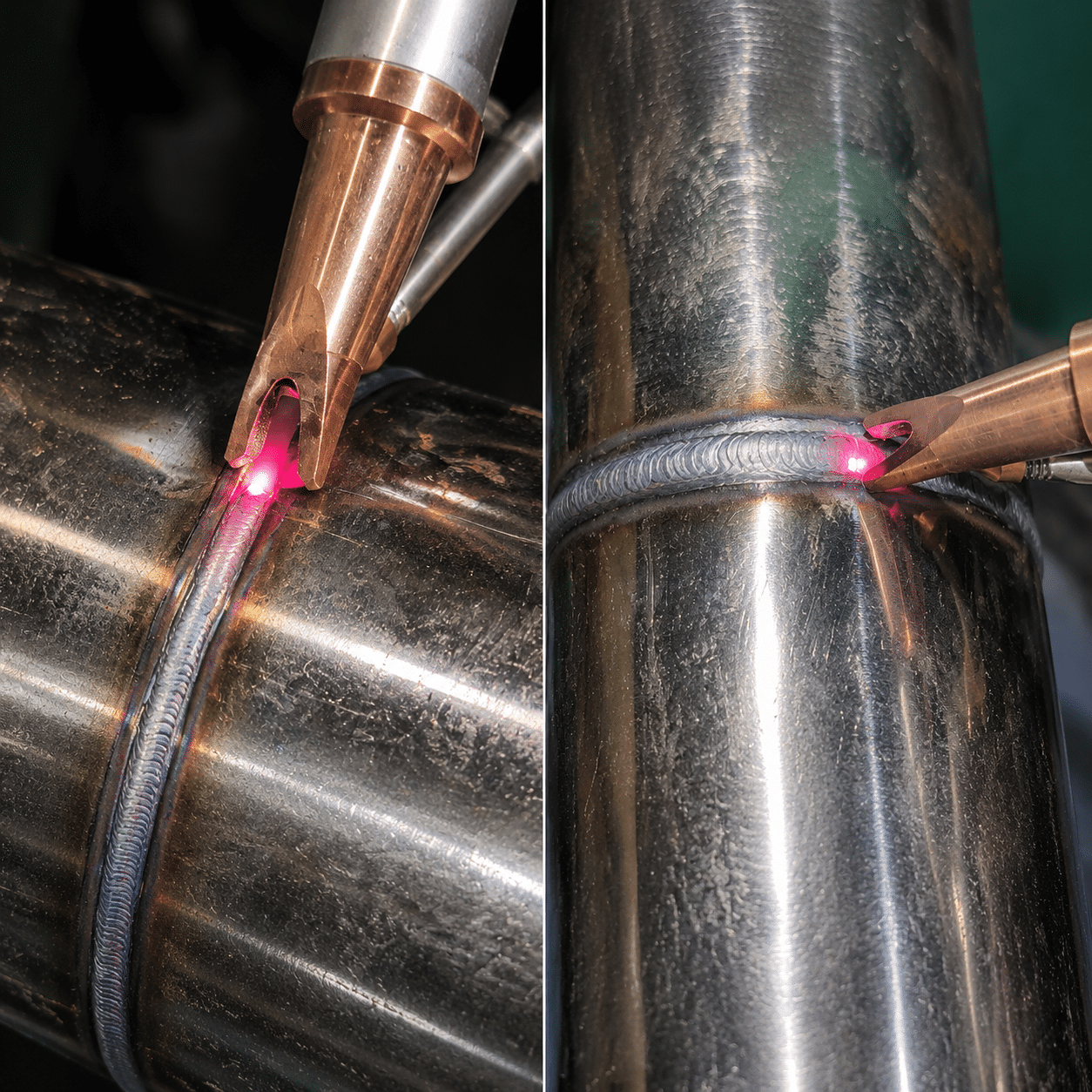
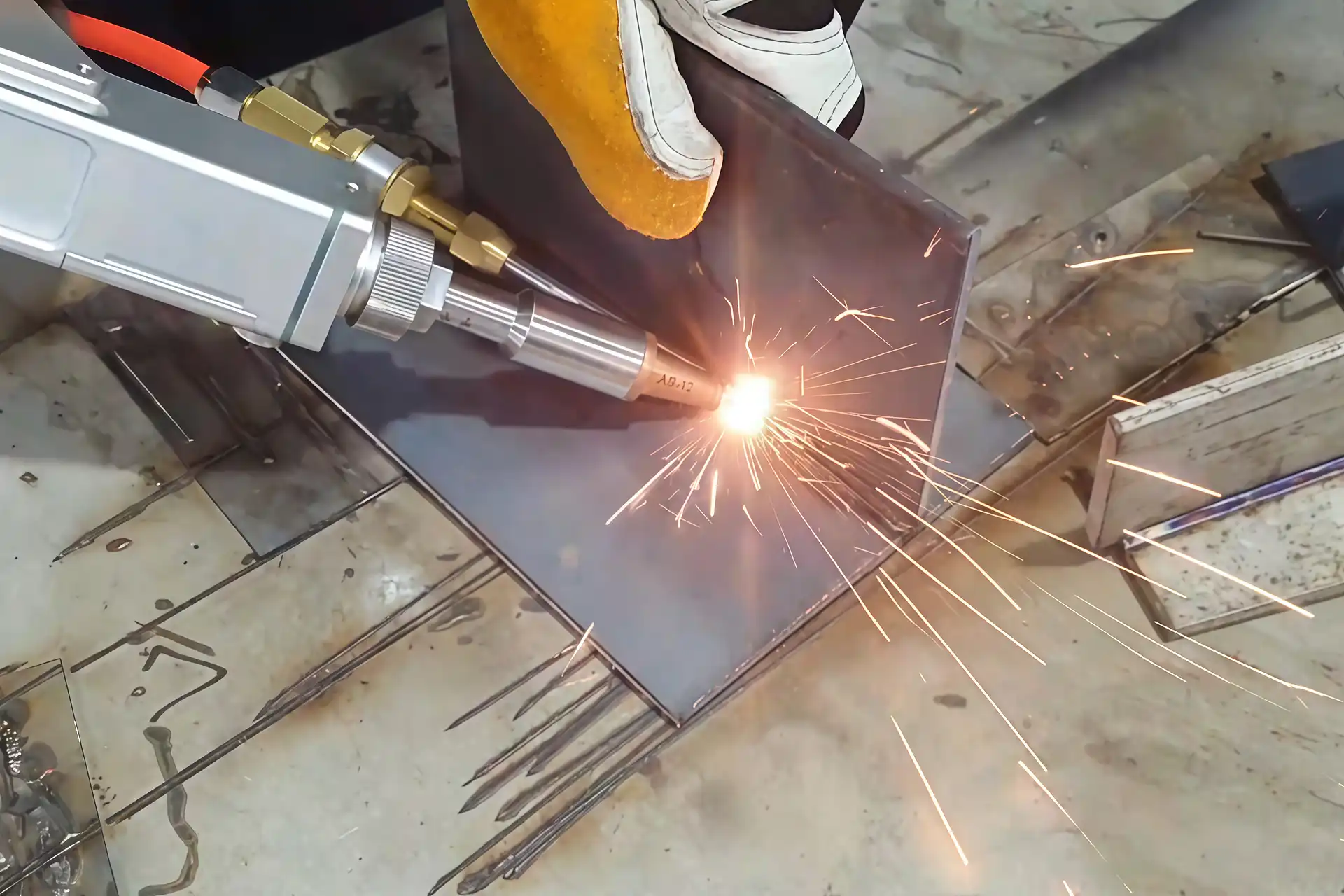
handheld laser welder cost and configuration guide
Cost depends on fit Power, cooling, wire feeder and production needs
1000WLight welding tasks
1500WCommon shop choice
2000W+Higher duty work
Power MatchSelect power by material and thickness.
Cooling ChoiceCompare air-cooled and water-cooled systems.
Wire FeederAdd filler support when gaps or weld build-up matter.
Sample WeldingConfirm weld quality before final configuration.

Handheld laser welder cost is mainly driven by configuration, not just machine size.

A lower initial price may not be the best value if the welder lacks enough power, cooling stability, wire feeding, safety accessories or support for your actual material.
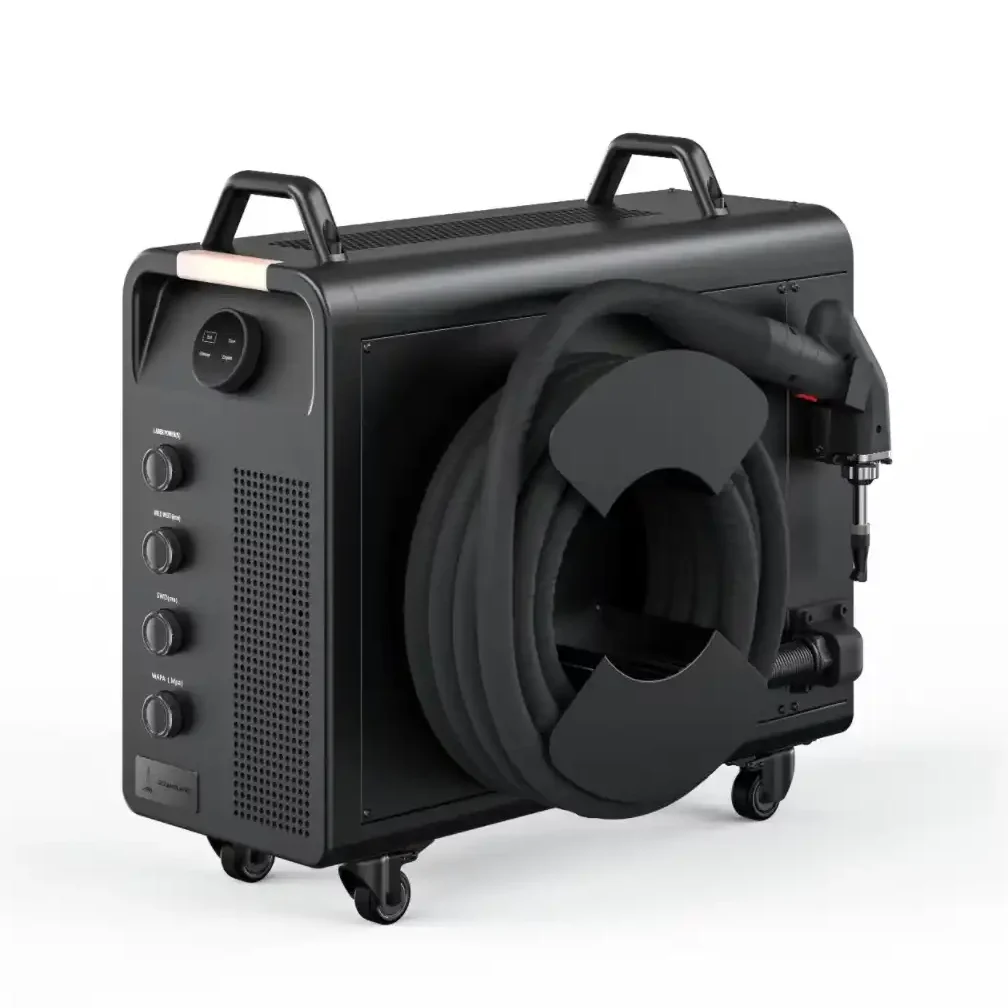
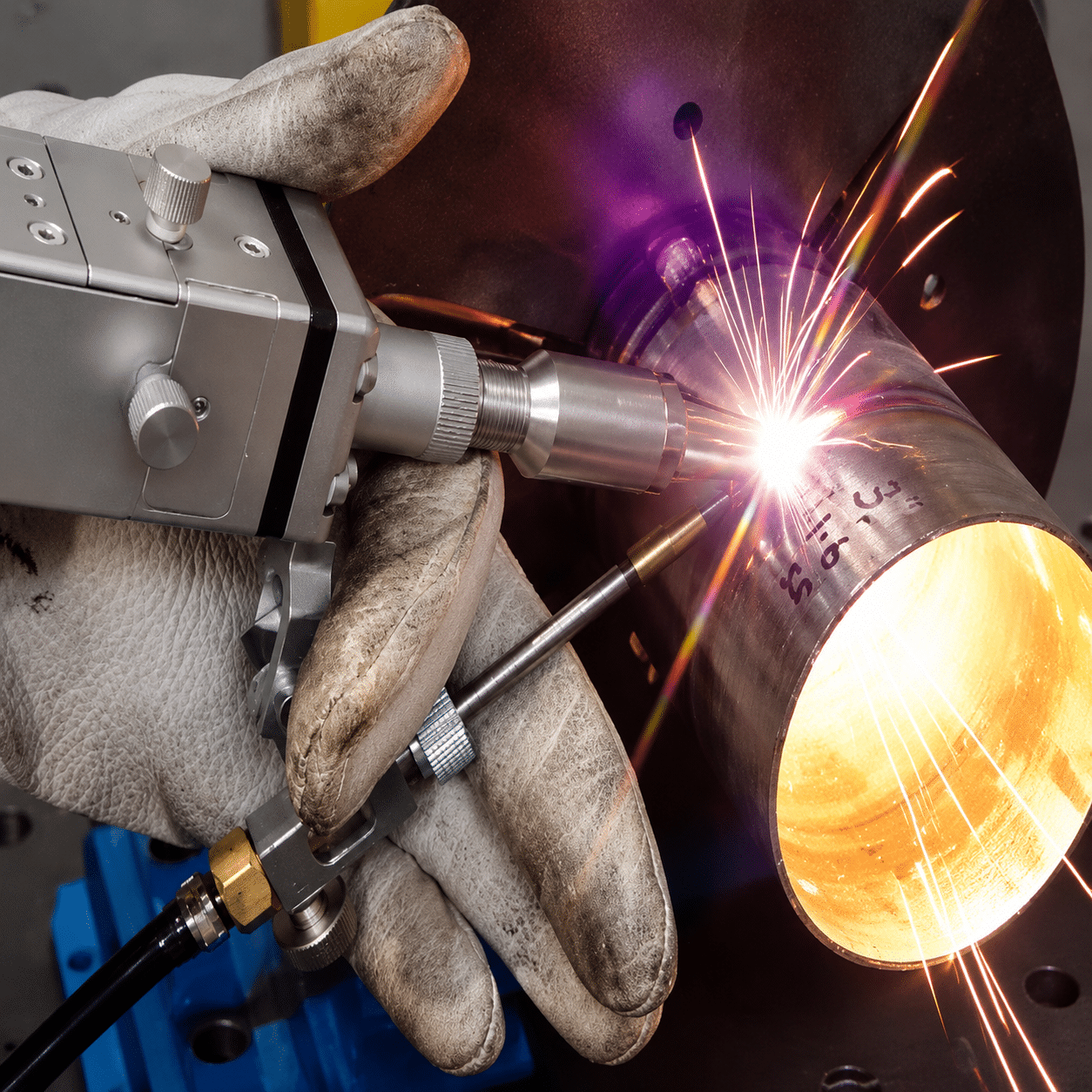
PowerHigher power usually supports thicker materials and faster welding.
CoolingAir-cooled and water-cooled systems serve different working hours.
AccessoriesWire feeder, nozzles, lenses, chiller and safety equipment affect total cost.
ApplicationMaterial, gap size, weld length and production duty define the right setup.
handheld laser welder configuration and accessory cost factors
Configuration Levels

Compare handheld laser welder cost by working requirement

These levels help estimate what kind of configuration may fit the project before requesting a quote.

Light Work

Compact welding setup

Suitable for lighter materials, repair work, small workshops and flexible tasks where mobility matters.

  • Lower to medium power range
  • Compact body and simpler setup
  • Good for flexible daily welding tasks
Production Duty

Higher-duty welding setup

Suitable for longer shifts, thicker materials, frequent welding and production environments that need stable operation.

  • Higher power and stronger cooling
  • Wire feeder and spare parts package
  • Better fit for repeated production use
Main Cost Factors

What changes the price of a handheld laser welding machine?

When comparing quotes, check whether each system includes the same power, accessories, cooling and support scope.

01

Laser power

Power affects welding thickness, speed, duty requirement and machine configuration.

02

Cooling system

Air-cooled and water-cooled machines differ in size, working duty and maintenance needs.

03

Wire feeder

Wire feeding adds value when gaps, filler material or seam build-up are important.

04

Welding head

Head quality, controls, nozzle options and protective lens design affect daily operation.

05

Safety package

Glasses, curtains, enclosure options and safety planning can affect total project cost.

06

Spare parts

Lenses, nozzles, tips and consumables should be considered for stable long-term use.

07

Training

Operator guidance helps reduce poor welds, consumable waste and setup mistakes.

08

Shipping

Machine size, packing, destination and import documents can change landed cost.

Power & Material

Match welder configuration to material and thickness

Power should be selected around the real welding task, including material, joint design, gap condition and daily workload.

Project Requirement Common Configuration Direction Why It Affects Cost What To Confirm
Thin stainless steel sheetCompact handheld laser welderLower power may be enough if the duty cycle is moderateThickness, seam appearance and heat distortion requirement
General fabrication workMid-power handheld laser welderBalanced power supports more materials and regular workshop useMaterial mix, daily workload and cooling preference
Aluminum weldingHigher power with process supportAluminum may require more power and careful settingsGrade, thickness, joint design and weld quality target
Gaps or inconsistent jointsLaser welder with wire feederWire feeder increases configuration cost but improves gap handlingGap size, wire material and seam appearance
Long production shiftsWater-cooled higher-duty setupCooling and durability requirements become more importantWorking hours, ambient temperature and maintenance plan
Cooling Choice

Air-cooled vs water-cooled welder cost depends on working duty

The lower-cost choice is the one that fits your working hours, mobility and heat management needs.

Air-Cooled Laser Welder

Compact option for flexible light to medium work

Air-cooled welders can reduce cooling setup complexity and are easier to move in workshops where flexibility matters.

  • Compact body and easier movement
  • Suitable for repair, workshop and lighter production
  • Check working hours and ambient temperature
Water-Cooled Laser Welder

Stable choice for longer and more demanding operation

Water-cooled systems are often selected when longer welding time, higher power or frequent production use is required.

  • Better fit for continuous welding tasks
  • Useful for higher-duty production environments
  • Consider chiller space and maintenance habits
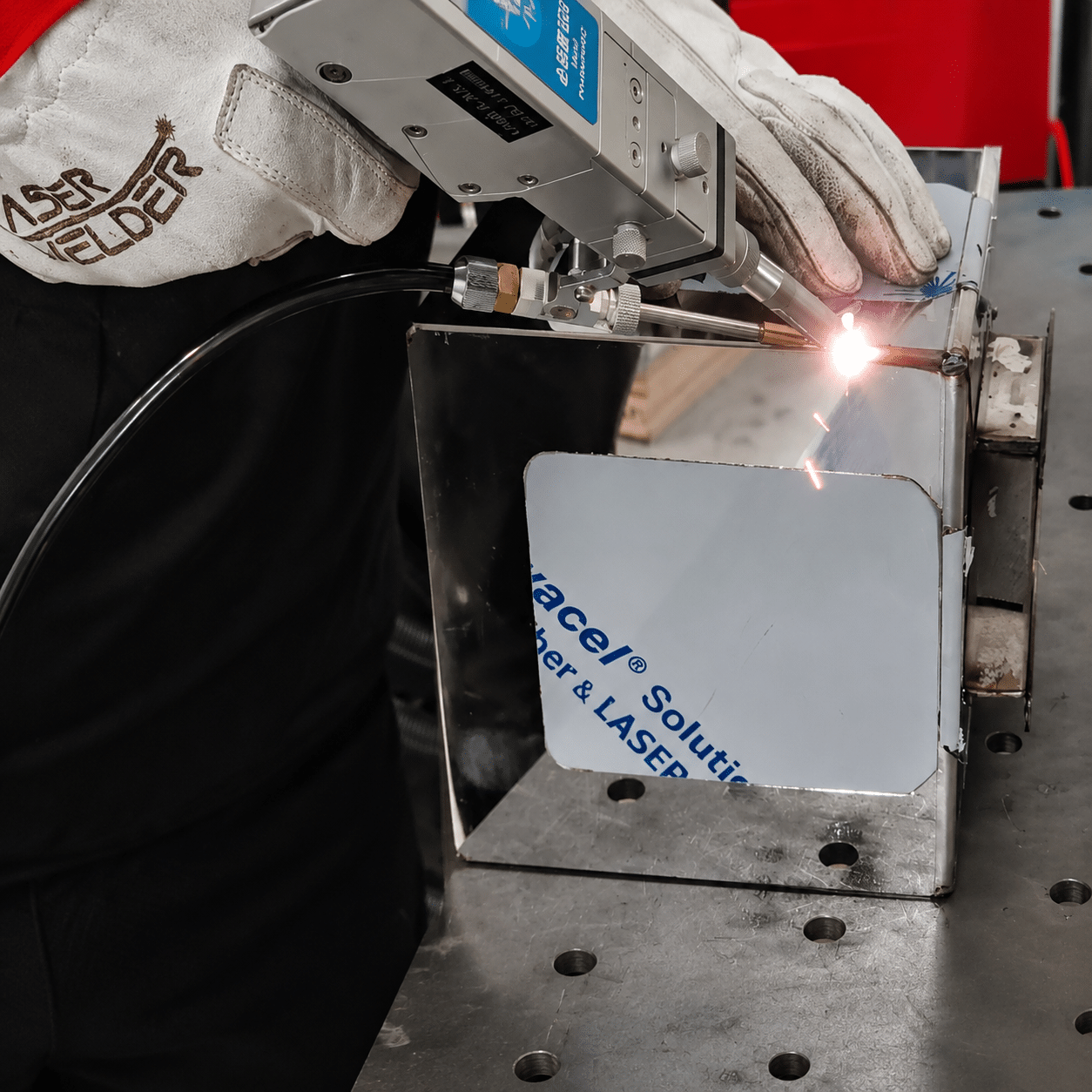
laser welder with wire feeder cost and value

A wire feeder can increase the quote, but it can also expand what the welder can handle.

For parts with gaps, filler requirements or stronger seam build-up needs, wire feeding may reduce rework and make the welding process more practical.

Gap FillingUseful when sheet metal parts do not fit tightly.
Aluminum WorkCan support filler material when the weld requires it.
Seam ShapeHelps improve build-up and visual seam control.
Project ValueWorth considering when the material mix changes often.
Total Cost Checklist

Look beyond the welder price and compare total working cost

A useful quote should make the whole working setup clear, not only the laser source power.

Cost Item Why It Matters Questions To Ask
Machine configurationPower, cooling, head and controller define capabilityIs the configuration suitable for my material and thickness?
Wire feederExpands weld gap and filler capabilityDo my parts need filler wire or better gap tolerance?
ConsumablesLenses, nozzles and tips affect daily operationWhat spare parts should be prepared with the machine?
Safety setupLaser welding requires proper eye and work area protectionWhat safety accessories or enclosure planning is needed?
Training and supportOperator skill affects weld quality and productivityWhat guidance is available after delivery?
Shipping and documentsPacking, destination and import process affect landed costWhat is included in the shipment plan?
Quote Checklist

Send these details for a more accurate laser welder quote

Clear project details help Oceanplayer recommend the right power, cooling method and accessory package.

1

Material and thickness

Share stainless steel, carbon steel, aluminum, galvanized steel or mixed materials with thickness range.

2

Joint and gap condition

Share butt joint, lap joint, corner joint, tube joint and whether parts have visible gaps.

3

Production workload

Share daily welding length, working hours, batch size and whether the machine will run continuously.

4

Weld quality target

Share desired appearance, penetration, strength, finishing requirement and sample photos if available.

Get a Quote

Need a handheld laser welder price for your material and thickness?

Send your material, thickness, joint type, photos, working hours and wire feeder needs. Oceanplayer can recommend a suitable configuration and quote direction.

01

Share the part

Material, thickness, joint type, gap condition and weld length.

02

Confirm configuration

Compare power, cooling, wire feeder, spare parts and safety needs.

03

Review the quote

Receive a configuration direction based on actual welding requirements.

Cost FAQ

Common questions about handheld laser welder cost

These answers help compare price factors before choosing a handheld laser welding machine.

How much does a handheld laser welder cost?
Handheld laser welder cost depends on laser power, cooling method, welding head, wire feeder, chiller, safety accessories, training, spare parts and application requirements. A project quote should be based on material, thickness, weld joint and production duty.
What affects handheld laser welding machine price the most?
The main cost factors are laser power, air-cooled or water-cooled configuration, wire feeder requirement, welding head features, cooling system, safety package, spare parts and whether the system needs custom fixtures or automation preparation.
Is an air-cooled laser welder cheaper than a water-cooled laser welder?
Air-cooled laser welders are often more compact and may reduce cooling setup complexity. Water-cooled laser welders are often selected for longer operation, higher duty requirements and more demanding production conditions.
Do I need a wire feeder for handheld laser welding?
A wire feeder is useful when the joint has a gap, when filler material is needed, or when the weld seam needs more material support. The choice depends on gap size, material, thickness and required weld appearance.
How can I get an accurate handheld laser welder quote?
Share material, thickness, joint type, part photos, weld length, daily workload, preferred cooling method, wire feeder needs, power supply and shipping destination. Sample welding can help confirm the correct configuration.