oceanplayer

Oceanplayer Laser Equipment | Cleaning, Welding, Marking, Automation Sample Testing | Global Shipping | OEM/ODM Support
Laser Cleaning Guide

Laser Cleaning Explained: How It Works, Where It Fits and How to Choose a System.

Learn how laser cleaning removes rust, paint, oxide, oil, residue and coating from industrial surfaces. This guide explains the process, suitable materials, common applications, machine types, power selection and sample testing steps in one complete page.

  • Laser cleaning principle and process flow
  • Rust, paint, oxide, mold and weld cleaning applications
  • Pulsed, CW, handheld, mobile and robotic systems
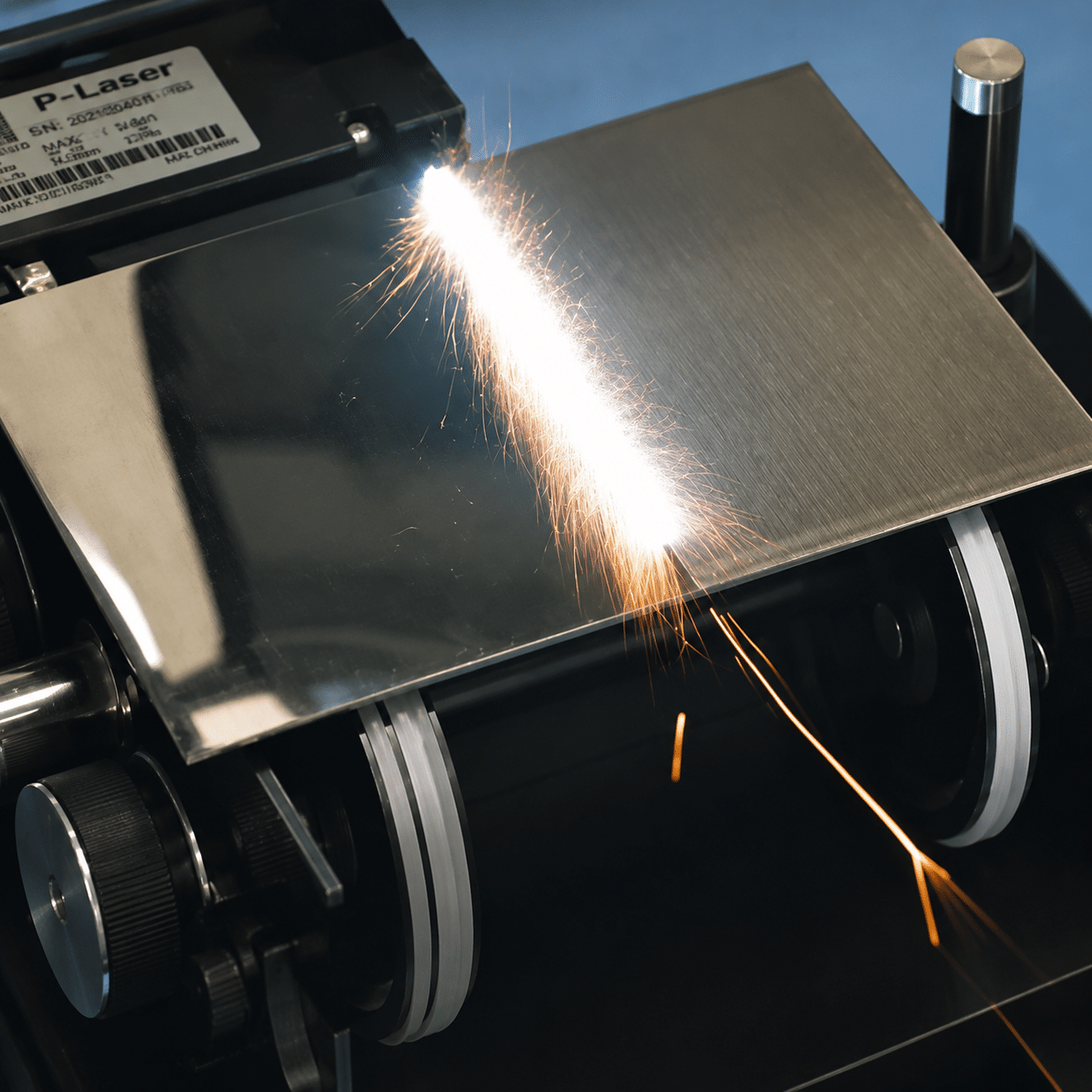
Laser cleaning guide showing industrial laser cleaner and cleaned metal surface
Complete learning page Principle, applications, comparison, machine selection and testing
CleanRust and paint
ProtectBase material
VerifySample result
Process ClarityUnderstand what the laser beam removes and what should be tested
Application MatchCompare cleaning needs by surface, material and industry
Machine SelectionChoose pulsed, CW, handheld, mobile or robotic equipment
Result ProofUse photos, videos and sample tests before configuration
Page Guide

Explore laser cleaning from principle to equipment choice

Move through the key topics in a practical order: what laser cleaning is, how it works, what it removes, where it is used and how to select a suitable system.

What is laser cleaning?

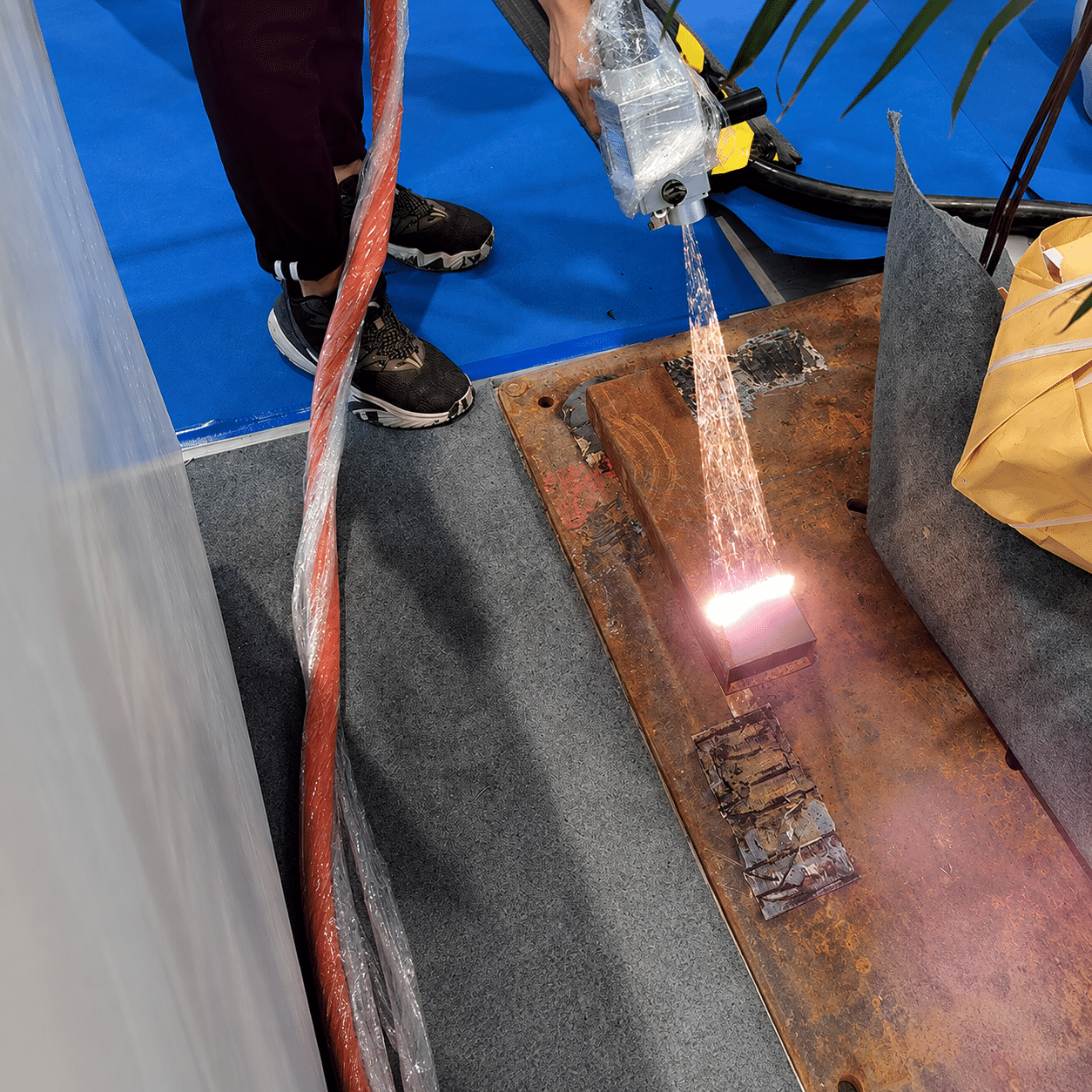
Laser cleaning is a non-contact surface treatment method. A focused laser beam is directed onto rust, paint, oxide, oil, grease or residue. The unwanted layer absorbs laser energy and separates from the surface through rapid heating, expansion, vaporization or micro-ablation.
Non-contactThe cleaning head does not grind the workpiece surface.
SelectiveThe beam can clean only the required area or path.
Dry processNo blasting media or chemical bath is required in many jobs.
ControllablePower, speed, focus and scan width adjust the final result.
Laser cleaning process removing contamination from metal surface
Process Flow

How laser cleaning works on rust, paint and surface contamination

The result depends on how the laser energy interacts with the unwanted layer and the base material. That is why material type, coating thickness and cleaning target should be checked before selecting equipment.

Step 01

Laser energy reaches the surface

The cleaning head scans a controlled beam across the target area.

Step 02

Contamination absorbs energy

Rust, paint, oxide or residue reacts differently from the base material.

Step 03

Unwanted layer separates

The layer cracks, vaporizes, expands or detaches from the surface.

Step 04

Fume and particles are controlled

Extraction and protection help keep the work area cleaner and safer.

Step 05

Surface result is checked

The cleaned surface is reviewed for finish, speed and base material condition.

Surface Problems

What can laser cleaning remove from industrial surfaces?

Laser cleaning is used when the surface must be prepared, restored or maintained without spreading abrasive media or soaking parts in chemicals.

Rust

Oxidized steel surfaces

Clean rust from parts, tools, structures, repair zones and coating preparation areas.

Paint

Coating and old layers

Remove selected paint or coating before repair, welding, repainting or inspection.

Oxide

Weld and heat marks

Clean oxide layers, discoloration and surface film before or after welding.

Residue

Oil, grease and mold deposits

Remove selected residue from metal parts, molds, dies and maintenance surfaces.

Method Comparison

Laser cleaning compared with sandblasting, grinding and chemicals

The best method depends on the job. Laser cleaning is often attractive when selective cleaning, lower secondary waste, less mechanical contact or repeatable automation is important.

MethodStrengthCommon LimitationGood Fit
Laser cleaningSelective, dry, controllable and automation friendlyNeeds correct laser power, extraction and safety protectionRust, paint, oxide, weld prep, mold cleaning and production cells
SandblastingFast on large rough surfacesCreates media waste, dust and masking workLarge surfaces where roughness is acceptable
GrindingSimple and familiar for small repairsMechanical contact may remove base material or leave marksEdge repair, rough removal and low-volume manual work
Chemical cleaningCan clean complex shapes in batchesRequires chemical handling, rinsing and waste treatmentBatch parts where chemical process control is already available
Machine Types

Understand the main laser cleaning systems before choosing equipment

Different machine types solve different cleaning problems. The right choice depends on precision, removal speed, worksite mobility and repeatability.

Pulsed laser cleaner

Better for precision rust, oxide, mold, weld seam and lower heat input cleaning.

CW laser cleaner

Better for heavy rust, thick coating, large metal surfaces and faster removal speed.

Robotic cleaning system

Better for repeated paths, production cells, defined cleaning areas and stable quality.

Power And Materials

Laser power should follow the surface condition and material sensitivity

Higher power may clean faster, but speed is not the only target. For delicate surfaces, molds, stainless steel, aluminum or precision parts, surface finish and heat input may matter more than maximum removal rate.

  • Light rust and oxide often need lower power and controlled parameters.
  • Heavy rust, old paint and large steel structures usually need higher power.
  • Stainless steel and aluminum should be tested for color change and surface finish.
  • Molds and precision tools should be checked for detail protection after cleaning.
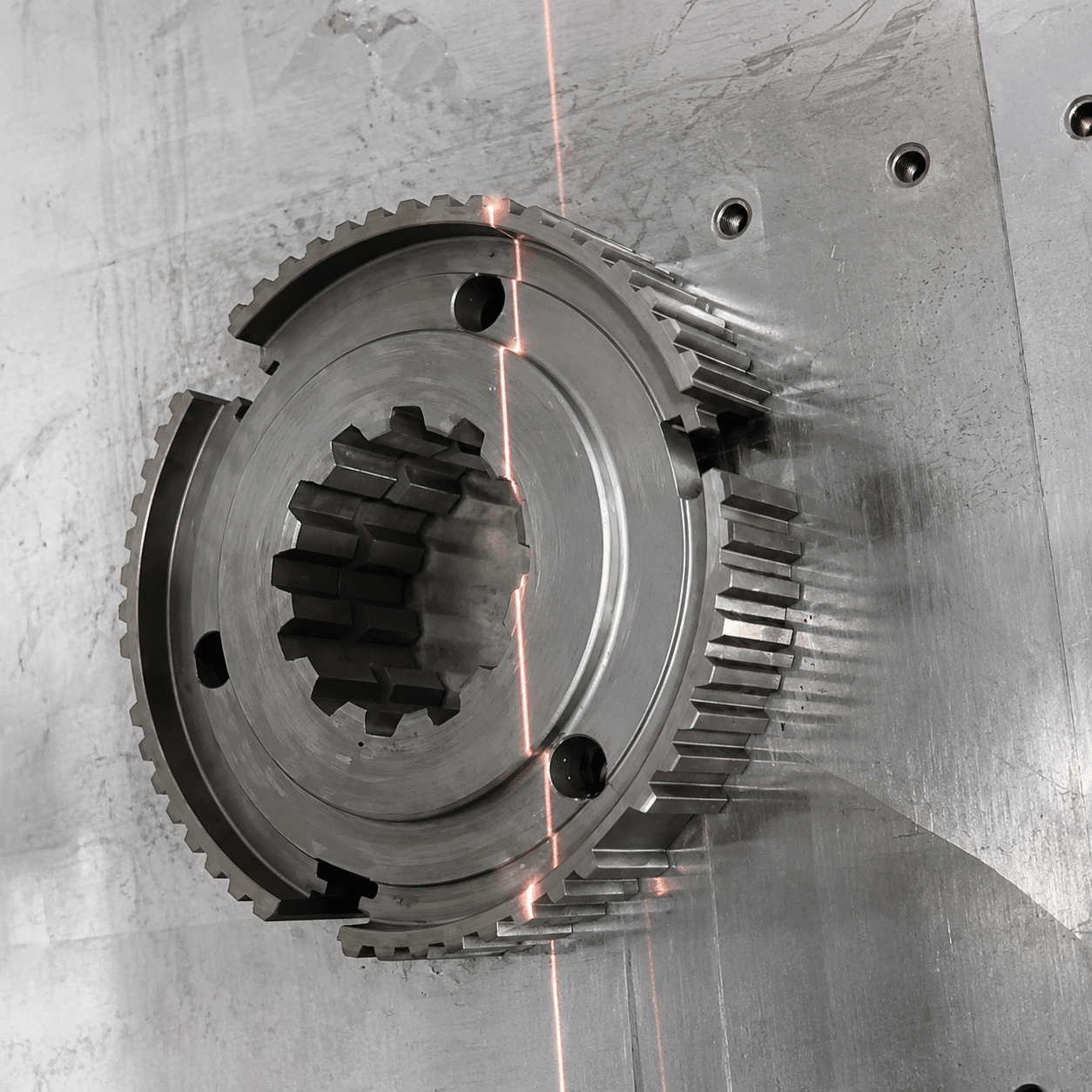
Laser cleaning machine power and material guide for metal surfaces
Application Gallery

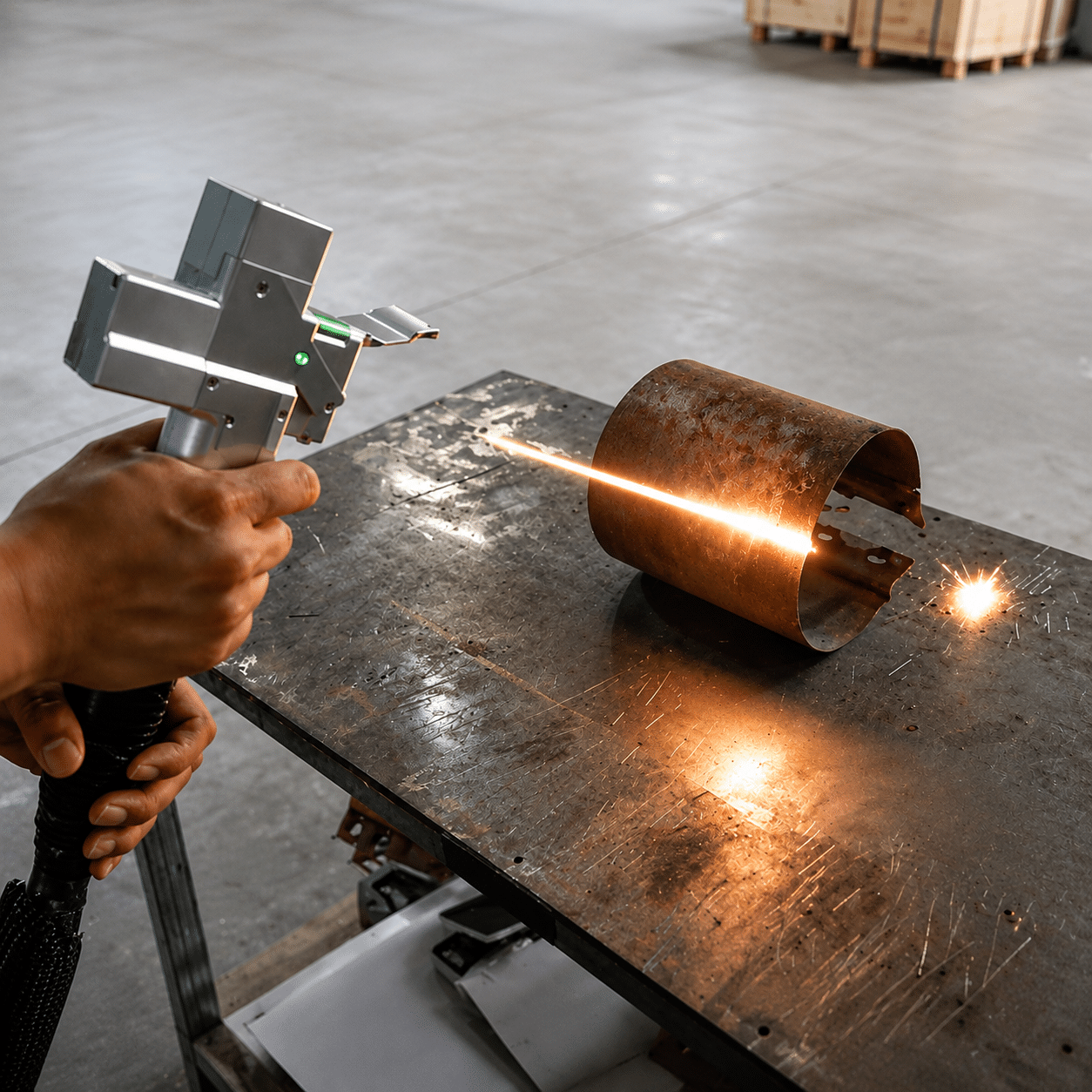
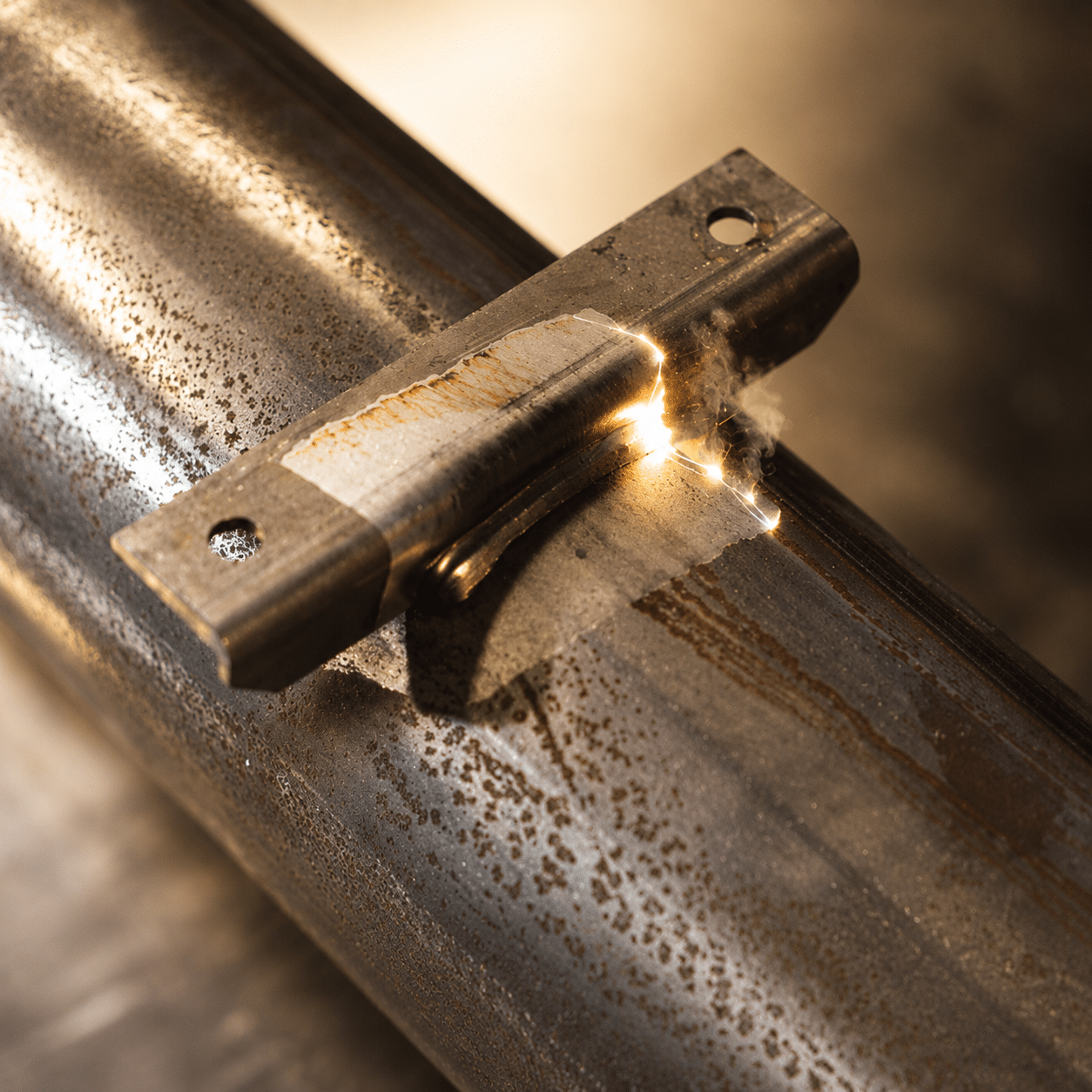
Common laser cleaning applications across industrial surfaces

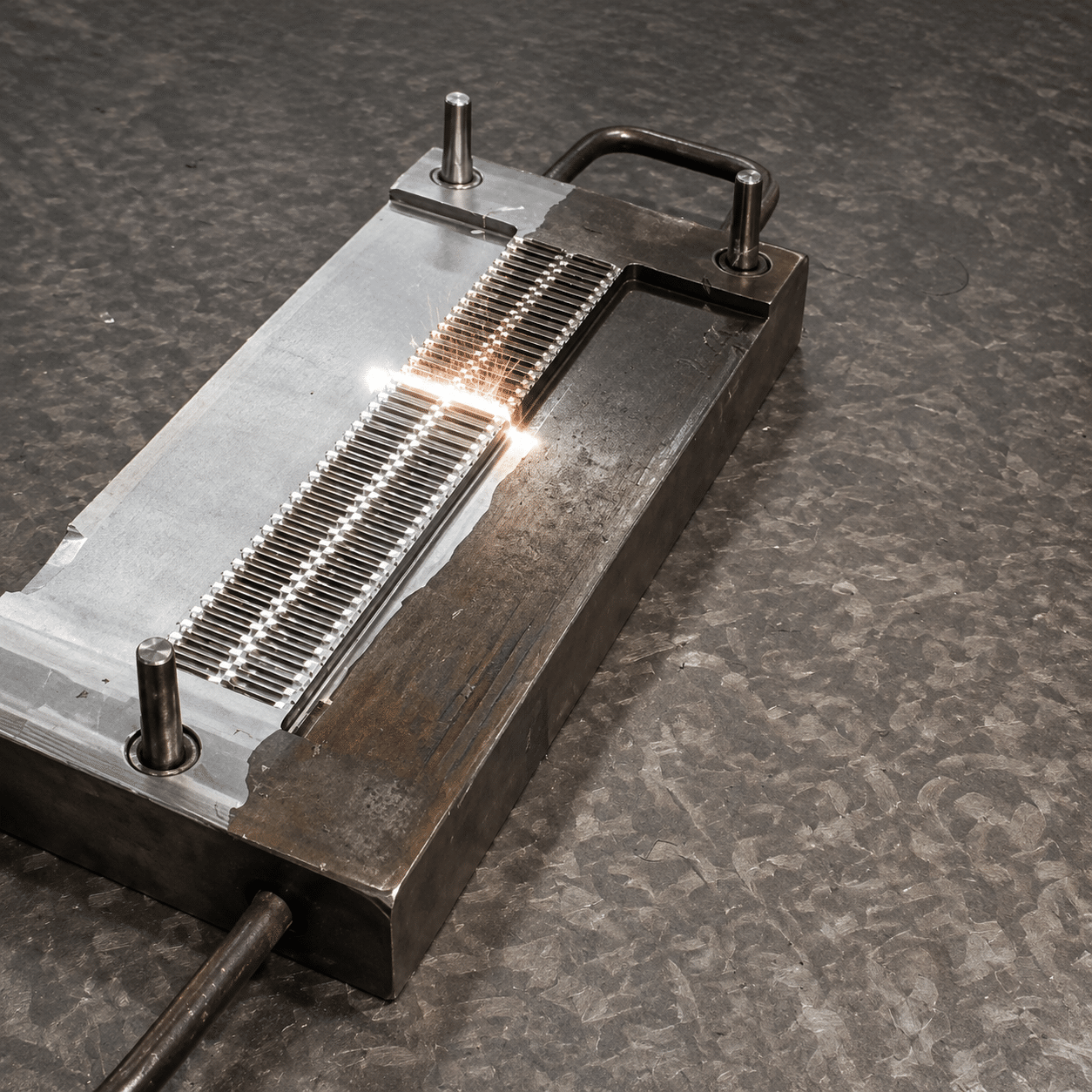
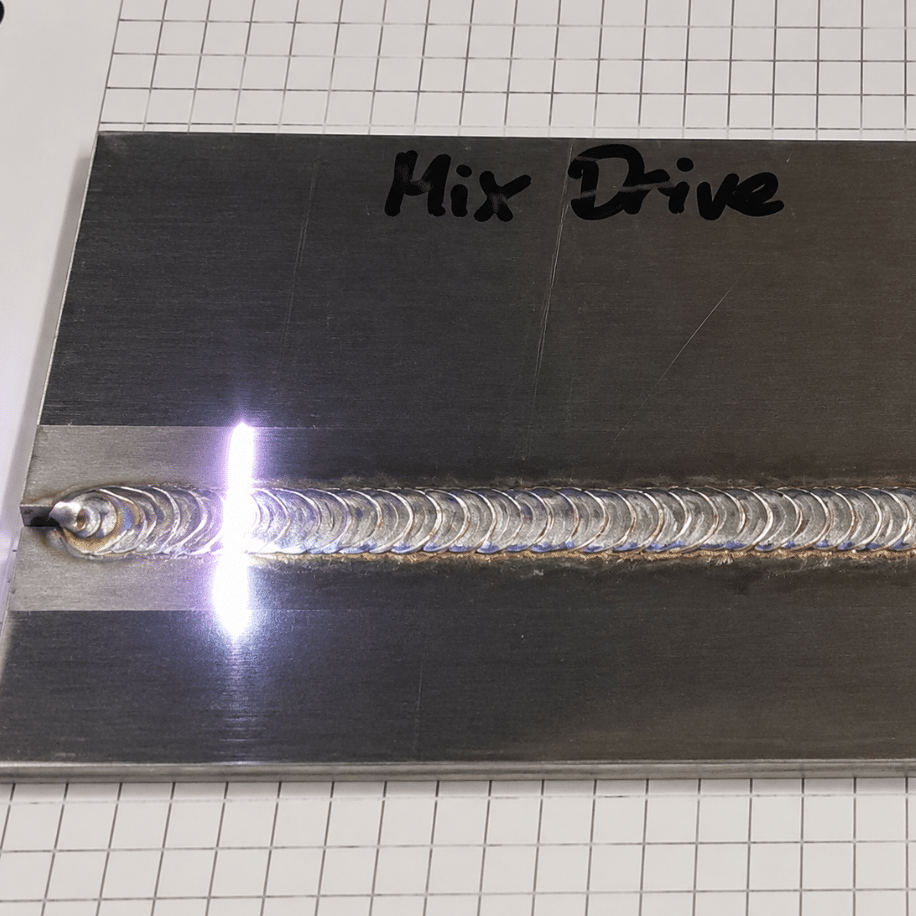
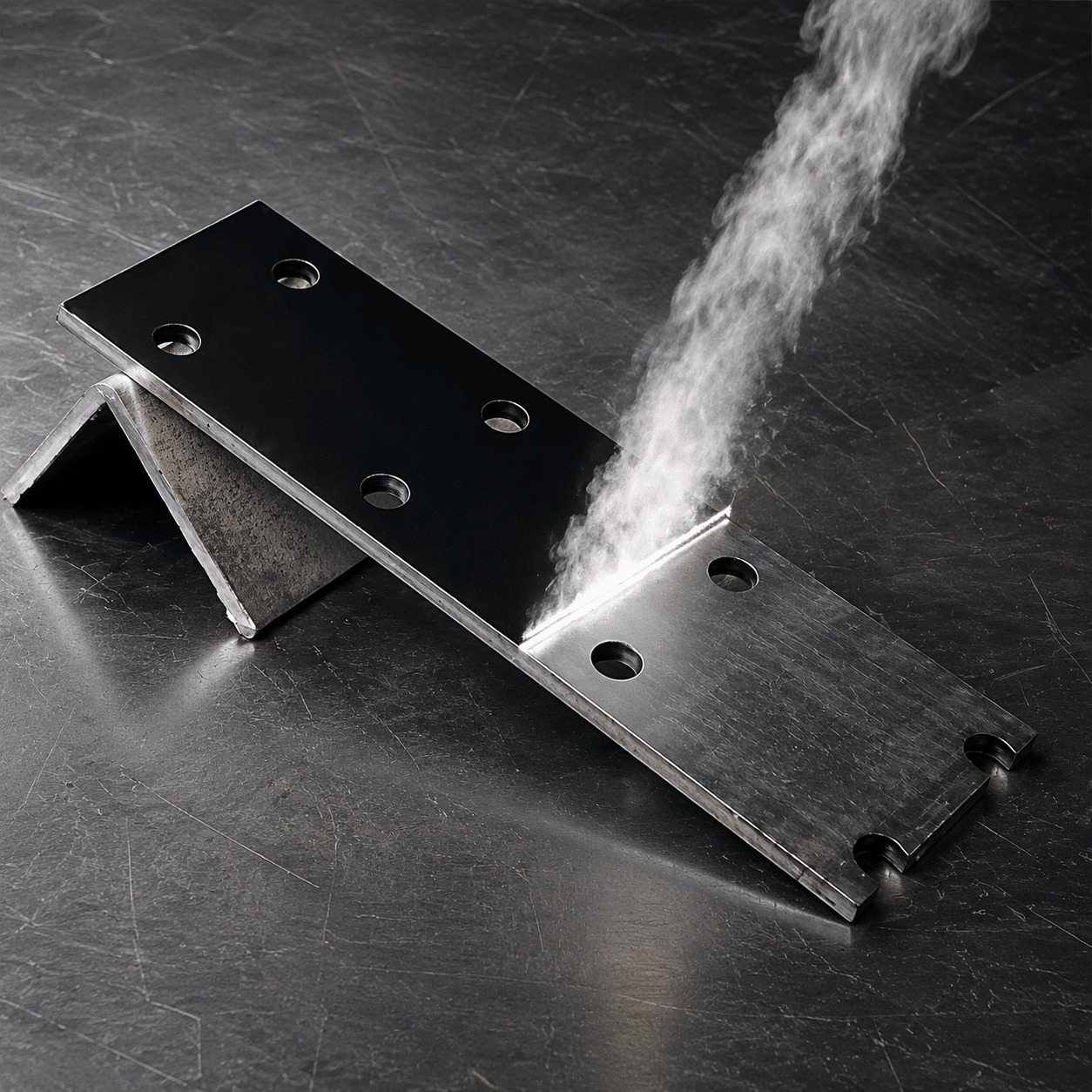
Use these examples to understand where laser cleaning is typically used and what result should be tested on your own parts.
Video Learning

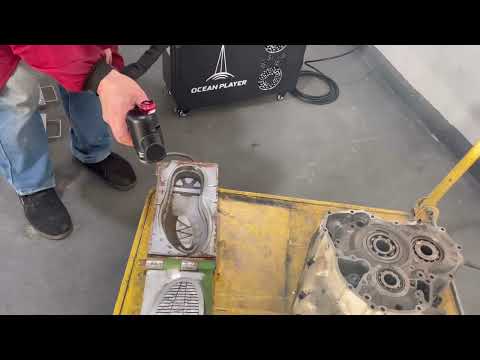
Watch laser cleaning behavior before planning your own test

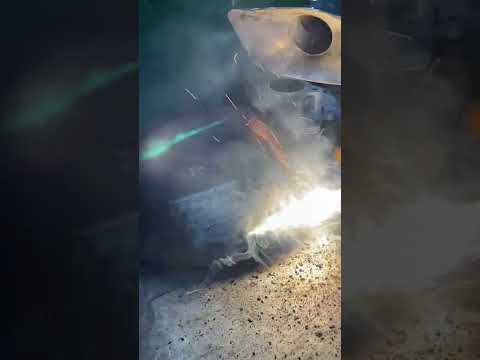
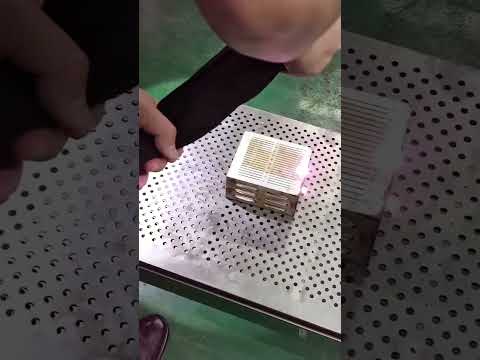
Videos help show cleaning speed, smoke condition, surface change, operator movement and whether the process is suitable for your worksite.
Laser cleaning should be tested with the real surface condition.

Photos and videos are useful, but the most reliable way to select a machine is to test your actual material, contamination layer, cleaning area and finish requirement.

1

Prepare surface details

Share material, rust level, paint thickness, oil condition, part size and target cleaning result.

2

Check safety needs

Plan laser protection, extraction, work distance, enclosed area and operator workflow.

3

Compare cleaning result

Review speed, surface finish, base material condition and whether residue remains.

4

Choose configuration

Select pulsed, CW, handheld, mobile or robotic cleaning based on the confirmed test.

Laser Cleaning FAQ

Common questions about laser cleaning technology

These answers help explain the process, suitable surfaces, machine differences and why sample testing matters.

What is laser cleaning used for?
Laser cleaning is used to remove rust, paint, oxide, oil, grease, coating, mold residue and surface contamination from industrial parts. It is often used before welding, coating, bonding, inspection, maintenance or repair.
How does laser cleaning remove rust or paint?
The laser beam delivers focused energy to the surface layer. Rust, paint or oxide absorbs the energy and separates from the base material through rapid heating, expansion, vaporization or micro-ablation.
Is laser cleaning better than sandblasting?
Laser cleaning is better when selective cleaning, lower secondary waste, less masking work or automation is important. Sandblasting can still be suitable for large rough surfaces where abrasive media and dust control are acceptable.
What is the difference between pulsed and CW laser cleaning?
Pulsed laser cleaning is commonly used for precision cleaning and lower heat input. CW laser cleaning is commonly used for heavier rust, thicker coating and larger surfaces where removal speed is important.
Why should I test my own parts before choosing a laser cleaner?
Different materials, coating thicknesses, rust levels and surface requirements can produce different results. Testing real parts confirms cleaning speed, surface finish, base material condition, safety needs and the suitable machine configuration.