
200W / 300W / 500W Pulsed Laser Cleaner for Controlled Rust, Paint and Oxide Removal.
Oceanplayer 200W, 300W and 500W pulsed laser cleaners help you choose the right balance of cleaning speed, heat control and surface protection for rust removal, oxide cleaning, mold maintenance, weld cleaning and coating removal.
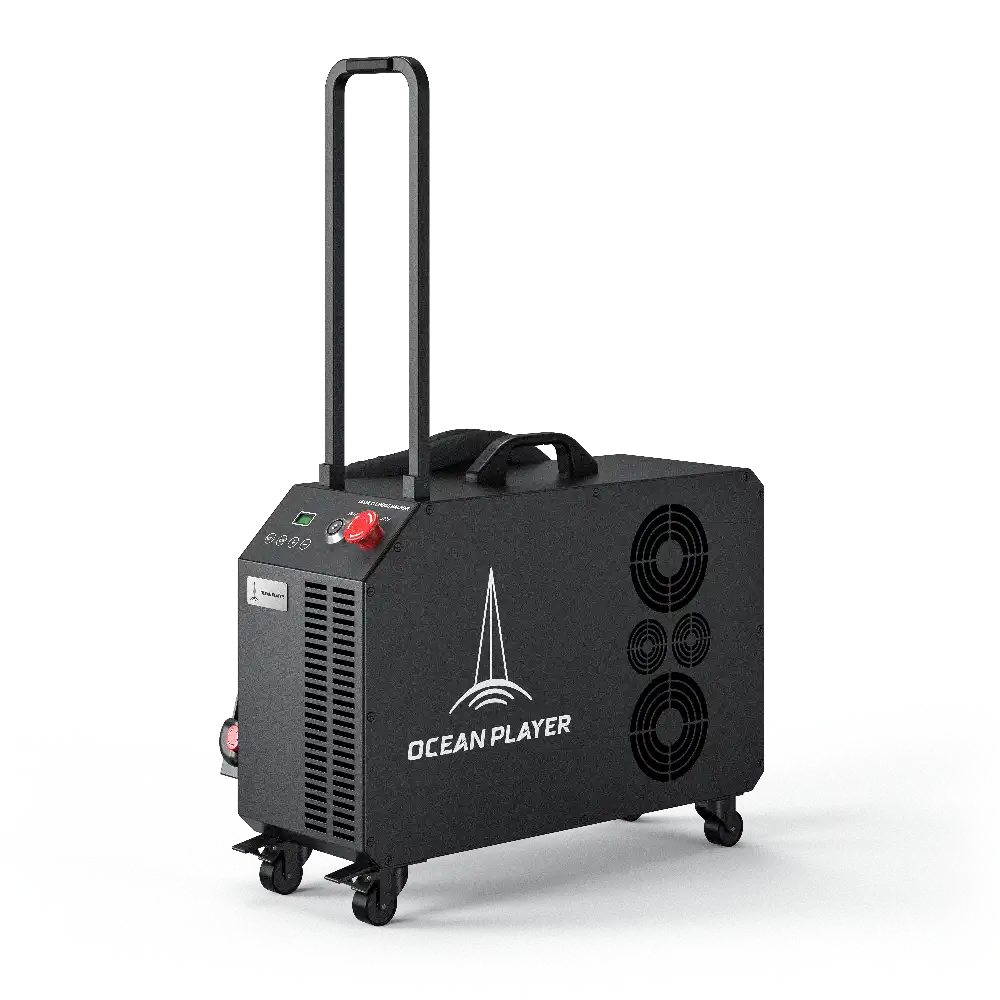
- Compare 200W, 300W and 500W
- Low heat input pulsed cleaning
- Sample testing available
200W, 300W and 500W pulsed cleaners cover most precision industrial cleaning needs
This power range is popular because it gives enough cleaning speed for real production work while keeping the pulsed laser control needed for molds, welds, precision parts and valuable metal surfaces.
Controlled Heat Input
Pulsed laser energy helps remove contamination while reducing continuous heat buildup compared with high-power CW cleaning.
Scalable Cleaning Speed
Move from 200W to 300W or 500W when your parts become larger, rust becomes heavier or daily cleaning volume increases.
Flexible Applications
Use one pulsed laser platform for rust removal, oxide cleaning, weld cleaning, mold maintenance and selected paint removal.
Where 200W, 300W and 500W pulsed cleaners fit best
If you need more cleaning speed than an entry-level laser cleaner but still want controlled pulsed cleaning, these three power levels are practical choices for workshops, factories and maintenance teams.
- Rust removal on steel, stainless steel, tooling and machinery parts
- Oxide removal before welding, coating, bonding or inspection
- Mold cleaning for rubber, tire, plastic and die maintenance
- Weld seam cleaning for fabrication and repair work
- Localized paint, oil residue and coating removal on metal surfaces
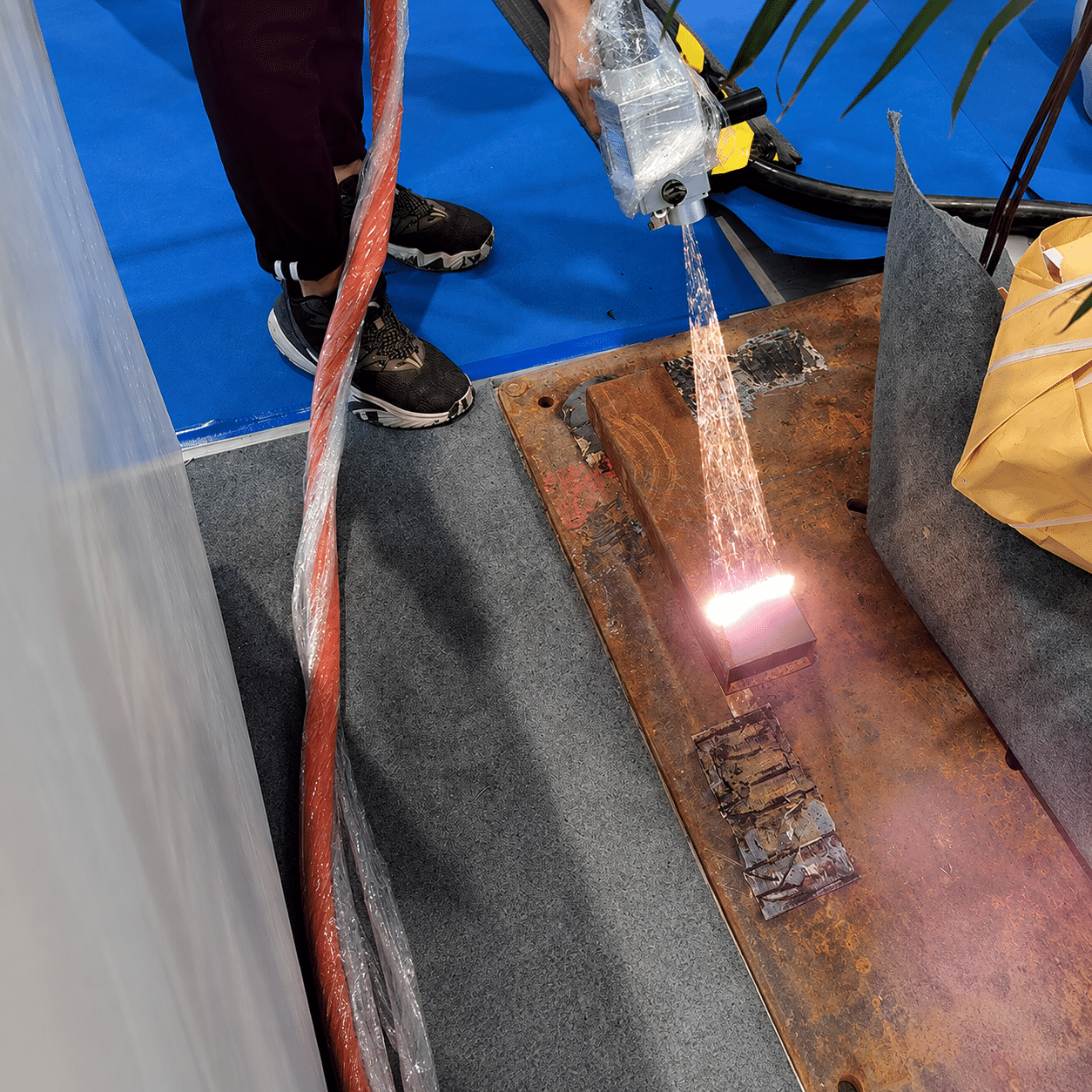
Recommended power choices for common cleaning tasks
Use this table as a starting point. The final choice depends on contamination thickness, required finish, cleaning width, speed target and base-material sensitivity.
| Cleaning Task | Typical Surface | Recommended Power | Main Benefit |
|---|---|---|---|
| Light Rust / Oxide | Steel parts, stainless parts, tooling | 200W pulsed | Fine control with lower heat impact |
| General Rust Removal | Machinery parts, repair components, fabrication parts | 300W pulsed | Balanced speed and surface control |
| Heavier Rust / Larger Area | Steel plates, frames, maintenance parts | 500W pulsed | Higher speed while keeping pulsed cleaning control |
| Mold Cleaning | Rubber molds, tire molds, plastic molds | 200W-300W pulsed | Non-contact cleaning for detailed textures |
| Paint / Coating Removal | Selected painted metal surfaces | 300W-500W pulsed | Selective removal with no blasting media |
Check the cleaning result before choosing 200W, 300W or 500W
Sample testing helps confirm the right power level before purchase, especially when your surface finish, heat impact or cleaning speed requirement is strict.
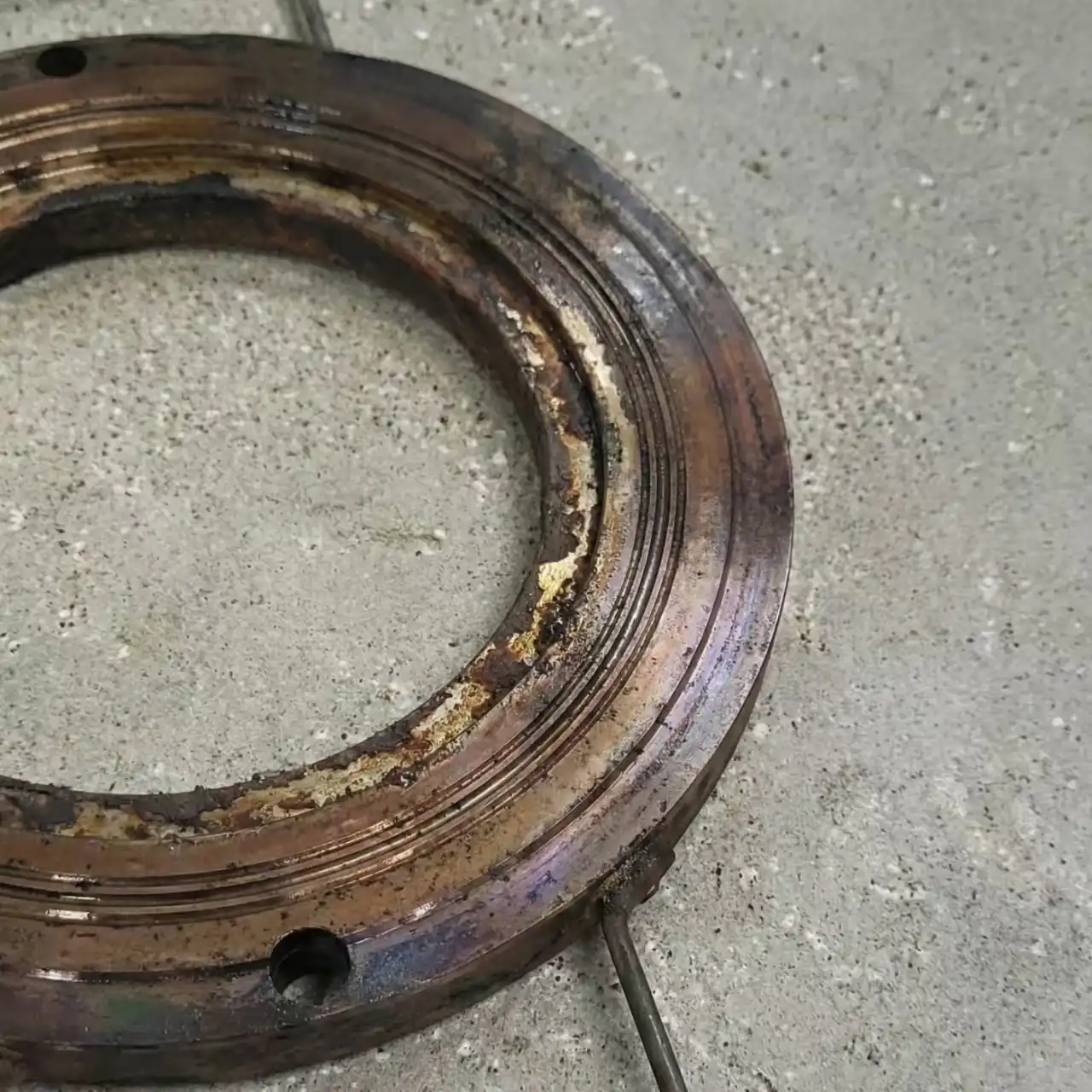
Rust, oxide and residue affect part quality
Manual grinding, chemical cleaning and abrasive blasting can create consumable costs, waste and inconsistent surface finish.
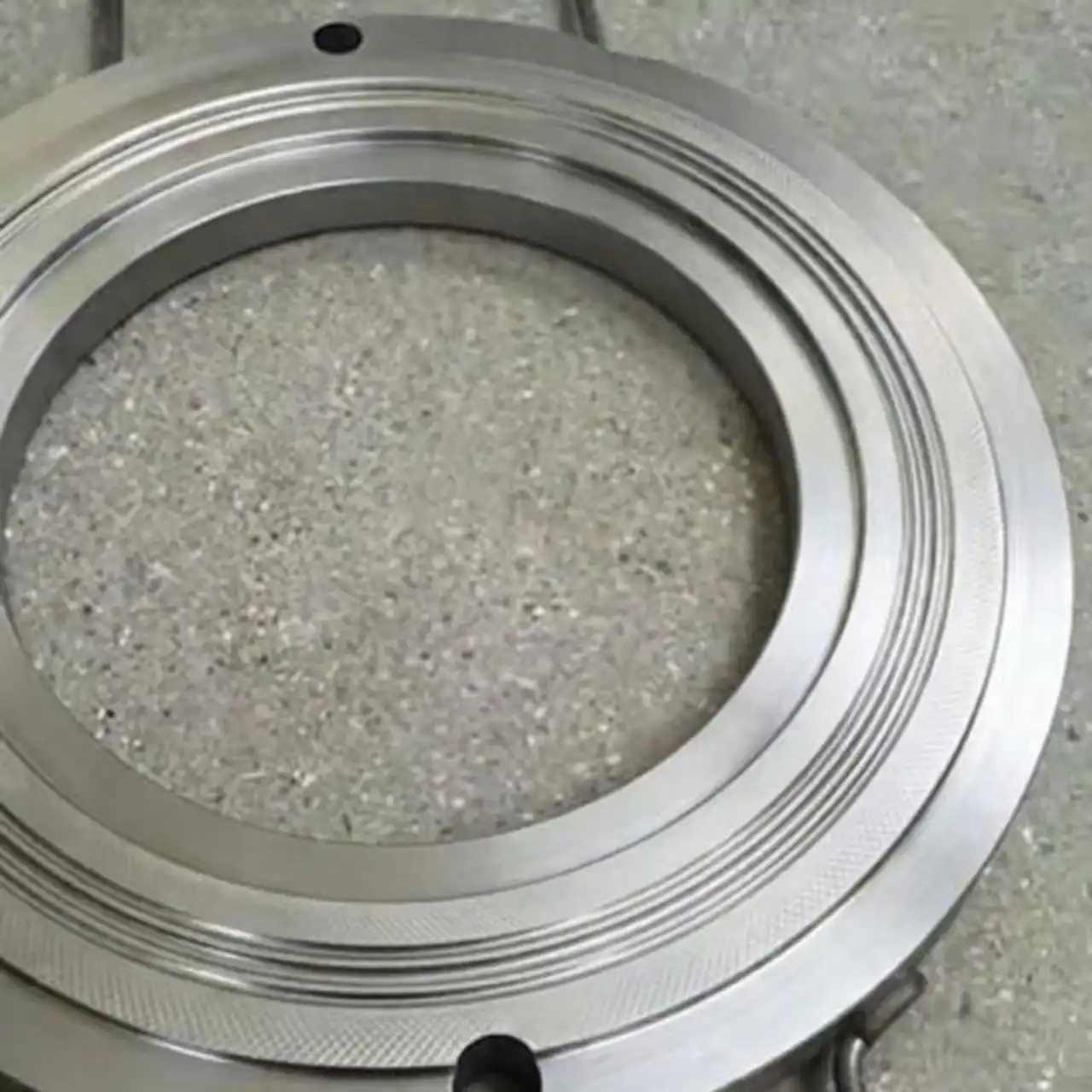
Cleaner surface with matched pulsed power
The right power choice helps balance cleaning speed, surface finish and base-material protection for your specific parts.
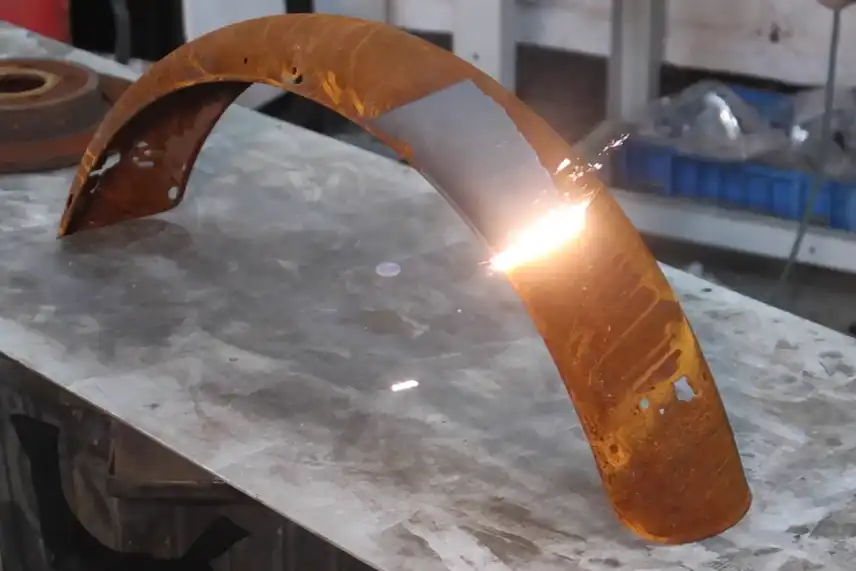
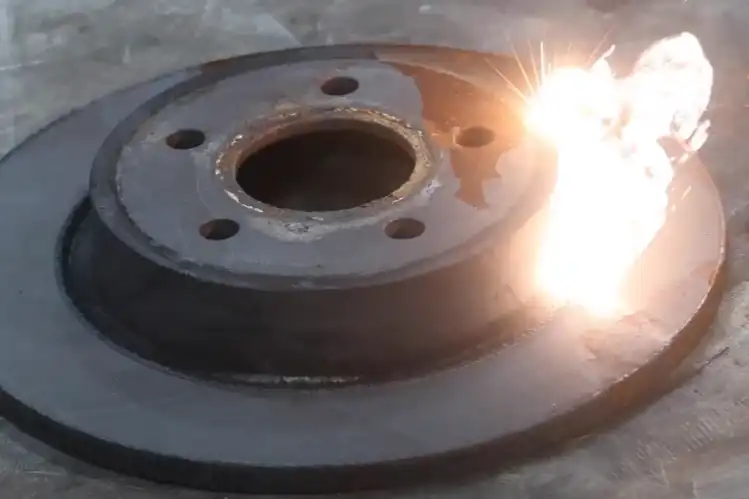
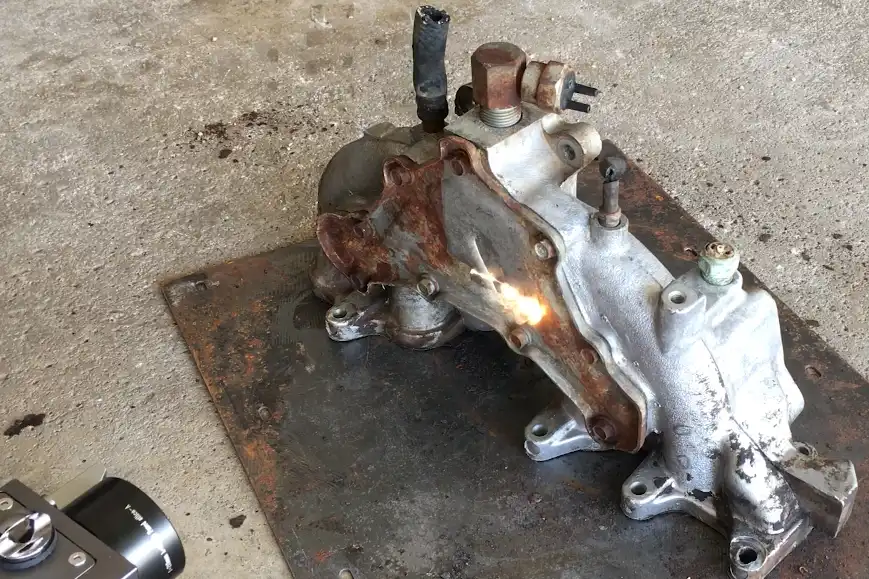
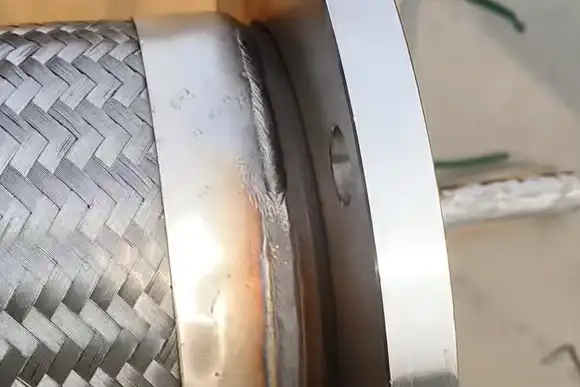
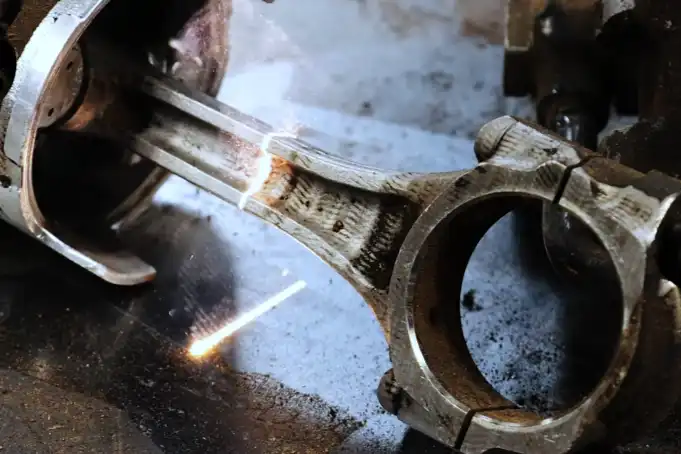
See pulsed laser cleaning results across different power levels
Review common results for rust, oxide, mold residue, weld seams and selective coating removal. Replace the images with your real sample test photos for stronger buyer trust.

Watch 200W, 300W and 500W pulsed cleaning on real industrial surfaces
Use videos to show cleaning speed, spot control and final surface quality. Buyers can compare the power levels before sending samples or requesting a quote.
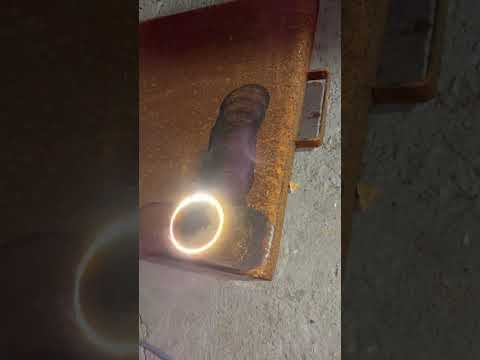
200W Pulsed Cleaning Demo
See controlled cleaning for light rust, oxide layers, detailed parts and precision surfaces.
300W Pulsed Cleaning Demo
Review a balanced cleaning setup for general rust, oxide, weld and maintenance cleaning.
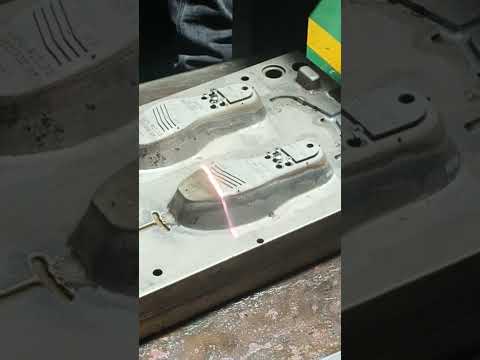
500W Pulsed Cleaning Demo
Check faster cleaning for larger parts, heavier rust and higher daily cleaning workload.
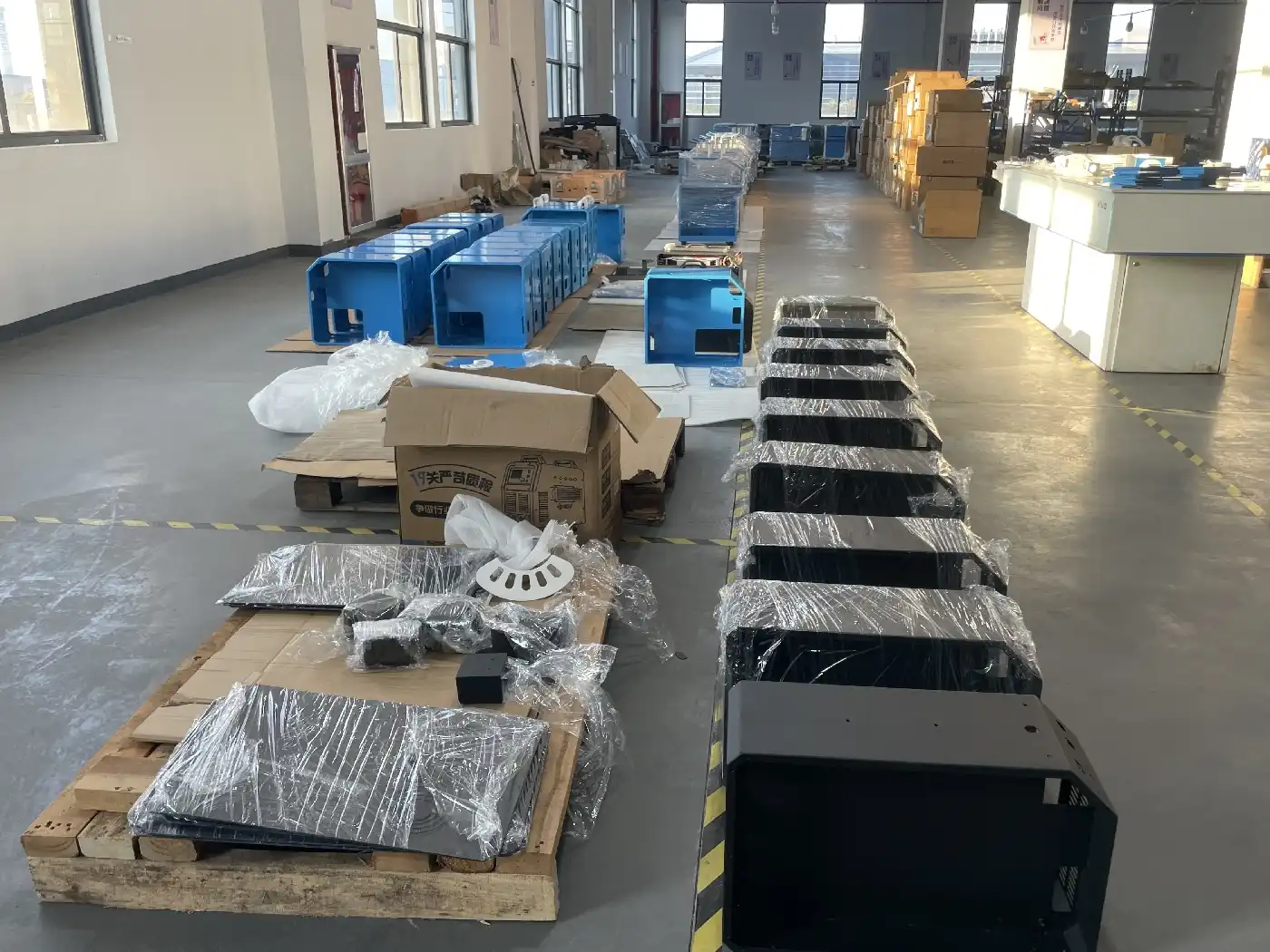
Key specifications for 200W / 300W / 500W pulsed cleaners
Review the core configuration options before requesting a quote. Oceanplayer can match machine power, cleaning head, cooling method and scan width to your material and cleaning target.
Machine Configuration
Application Details
Which pulsed cleaner should you choose: 200W, 300W or 500W?
This section should be the decision center of the page. It helps buyers quickly match power to cleaning area, contamination level and speed target.
Choose 200W Pulsed
Best for light rust, oxide layers, mold cleaning, weld discoloration and detailed work where surface control matters more than speed.
- You clean small or detailed areas
- Your contamination layer is light to medium
- You need lower heat impact and fine control
Choose 300W Pulsed
Recommended for most daily rust removal, oxide cleaning, weld seam cleaning and maintenance jobs with balanced speed and precision.
- You need flexible daily cleaning
- You clean rust, oxide, welds and residue
- You want practical cost-performance
Choose 500W Pulsed
Better for larger workpieces, heavier rust, thicker contamination and production teams that need faster cleaning while keeping pulsed control.
- You clean larger metal surfaces
- Your rust or coating layer is heavier
- You need higher cleaning speed
When this 200W-500W pulsed range is better than a high-power CW cleaner
High-Power CW Cleaning
- Better for very large areas, heavy rust and thick coating removal
- Usually selected when maximum cleaning speed is the priority
- Higher continuous heat input requires more care on sensitive parts
- May be more than necessary for molds, welds and precision surfaces
200W-500W Pulsed Cleaning
- Better for controlled energy input and detailed surface cleaning
- Good fit for molds, weld seams, oxide layers and localized rust
- Offers a practical balance of cleaning speed and base-material protection
- Easy to validate through sample testing before choosing the final power
Send your parts. We test 200W, 300W or 500W before you buy.
If you are unsure which pulsed laser cleaner is right for your rust, paint, oxide, mold or weld cleaning work, send photos, material details or samples. Oceanplayer engineers can test the process and recommend a practical power configuration.
Send Requirements
Share material, contamination type, cleaning area and expected finish.
Compare Power
Our engineers test cleaning speed, scan width and surface result by power level.
Confirm Setup
We recommend 200W, 300W or 500W with lens, cable and operation settings.

Factory direct support from power selection to delivery
Oceanplayer supports your pulsed laser cleaner project from material evaluation and power selection to production, packaging, shipping and remote operation guidance.
Explore more Oceanplayer laser cleaning resources
Compare related products and application pages so you can choose the setup that fits your material, cleaning area and target finish.