
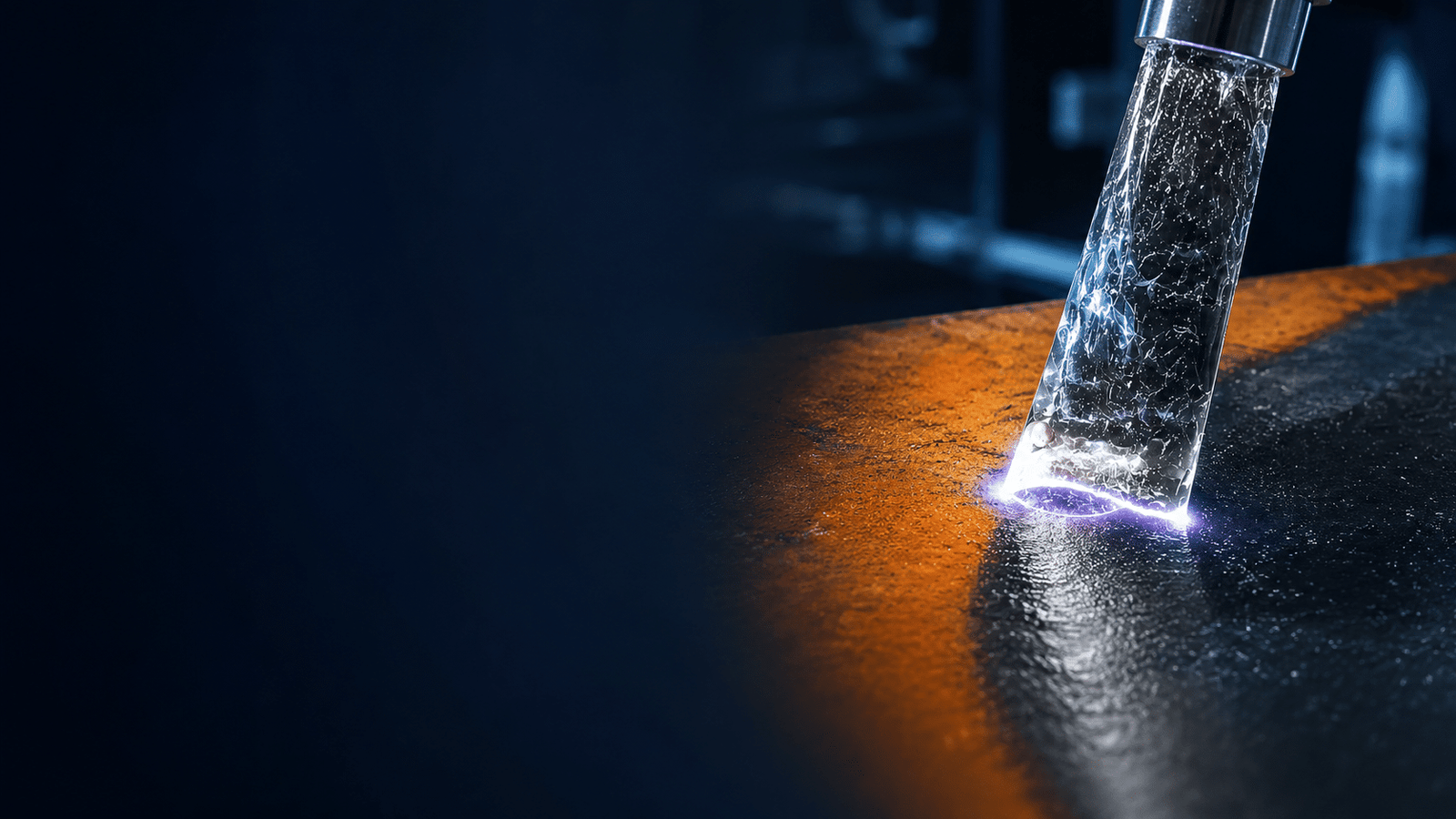
Can laser cleaning work for your material and contamination?
Check the likely process fit before comparing machines. Describe the base material, unwanted layer, surface requirement and part geometry to receive a practical suitability rating, laser direction and validation plan.
- No registration required
- Suitability and risk guidance
- Pulsed or CW direction
- Next planning tool recommended
Describe the job and receive a laser cleaning feasibility direction
Use the most demanding part or contamination condition you expect to process. The result is a planning assessment, not a substitute for a controlled material test.
A useful feasibility check looks beyond laser wattage
Successful laser cleaning begins with the relationship between the substrate, the unwanted layer and the acceptable final surface.
Substrate response
Material type, thickness, reflectivity, heat sensitivity and surface value determine how wide the safe cleaning window may be.
Layer removability
Rust, paint, oil, mold residue and weld oxide absorb energy differently. Thickness and adhesion affect passes and cleaning speed.
Acceptance target
A robust maintenance surface allows a different process than a cosmetic mold, bonding surface or qualified aerospace component.
Compare common materials, contaminants and validation priorities
Use these categories as an initial orientation. The actual process window depends on the exact alloy, layer, geometry and finish requirement.
| Application | Typical Starting Fit | Likely Direction | What Must Be Confirmed |
|---|---|---|---|
| Rust on carbon steel | Strong Candidate | Pulsed for control; CW for large, robust areas | Rust depth, pitting, final appearance and production rate |
| Weld discoloration on stainless steel | Strong Candidate | Controlled pulsed cleaning | Color, oxide removal, roughness and passivation requirements |
| Oil before welding or bonding | Strong Candidate | Pulsed cleaning with extraction | Residue level, surface energy and downstream process acceptance |
| Residue on precision molds | Test Required | Low-heat pulsed cleaning | Mold texture, edges, coatings, dimensional tolerance and cycle time |
| Paint on aluminum | Test Required | Pulsed cleaning, staged passes | Coating system, substrate finish, heat and discoloration |
| Heavy scale on large steel structures | Process Comparison | High-output CW or staged cleaning | Scale adhesion, area, access, extraction and required endpoint |
| Oxide on copper or brass | Test Required | Controlled pulsed evaluation | Reflectivity, alloy, surface color and acceptable energy window |
| Unknown coating on a non-metal | Conditional | Material identification before selection | Composition, absorption, fumes, thermal damage and safer alternatives |
Conditions that need evidence before machine selection
A lower checker score does not automatically mean laser cleaning is impossible. It means the project needs better material information, access planning or controlled testing.
Unknown substrate or coating
Identify the base material, surface treatment and unwanted layer before selecting wavelength, pulse behavior or power.
Deep recesses and hidden surfaces
Laser cleaning is line-of-sight. Internal passages, deep cavities and shadowed areas may require custom optics or another method.
Qualified or cosmetic surfaces
Define acceptable roughness, color, oxide state, dimensions and inspection method before a cleaning trial begins.
Unknown or hazardous contamination
Paints, oils and process residues can generate hazardous fumes. Composition, extraction and filtration must be reviewed.
Move from feasibility to the right equipment path
Once the application looks promising, compare process control, required output, working area and operating format.
Pulsed laser cleaning
Prioritize surface control, lower average heat input and selective cleaning.
- Molds and precision parts
- Aluminum, copper and thin materials
- Weld oxide, oil and controlled coating removal
CW laser cleaning
Prioritize removal speed on robust metal surfaces and larger working areas.
- Heavy rust and scale on steel
- Large-area paint removal
- Ship, structure and maintenance work
Engineering review
Use a controlled trial when the material, contamination or acceptance target creates uncertainty.
- Unknown or hazardous coatings
- Critical surfaces and special alloys
- Limited access or automated paths
Turn a promising result into a repeatable cleaning process
The checker narrows the direction. A representative test establishes the evidence needed for purchasing and production planning.
Define acceptance
Agree on the required endpoint, allowable color, roughness, residue and inspection method.
Test a real sample
Use the actual material, contamination thickness and geometry whenever possible.
Record the process
Document machine type, power class, passes, scan strategy, extraction and working time.
Size production
Translate the accepted result into daily output, handling, fixture and operating-cost requirements.

Send the information that determines real process feasibility
Clear project evidence helps Oceanplayer compare pulsed and CW systems, avoid unsuitable configurations and plan a useful sample test.
Use the next tool for machine, output and cost decisions
Start with feasibility, then refine the machine type, power, production estimate and investment case.
Unsure whether your surface is a good laser cleaning candidate?
Send the material, contamination, photos and required finish. Oceanplayer can recommend the next test or machine-planning step for your application.
Laser cleaning application feasibility questions
Answers for buyers deciding whether laser cleaning can remove a specific contaminant without creating unacceptable surface change.