oceanplayer

Oceanplayer Laser Equipment | Cleaning, Welding, Marking, Automation Sample Testing | Global Shipping | OEM/ODM Support
Handheld Laser Welding Machine

Handheld Laser Welding Machine for Cleaner Seams, Faster Welding and Easier Metal Fabrication.

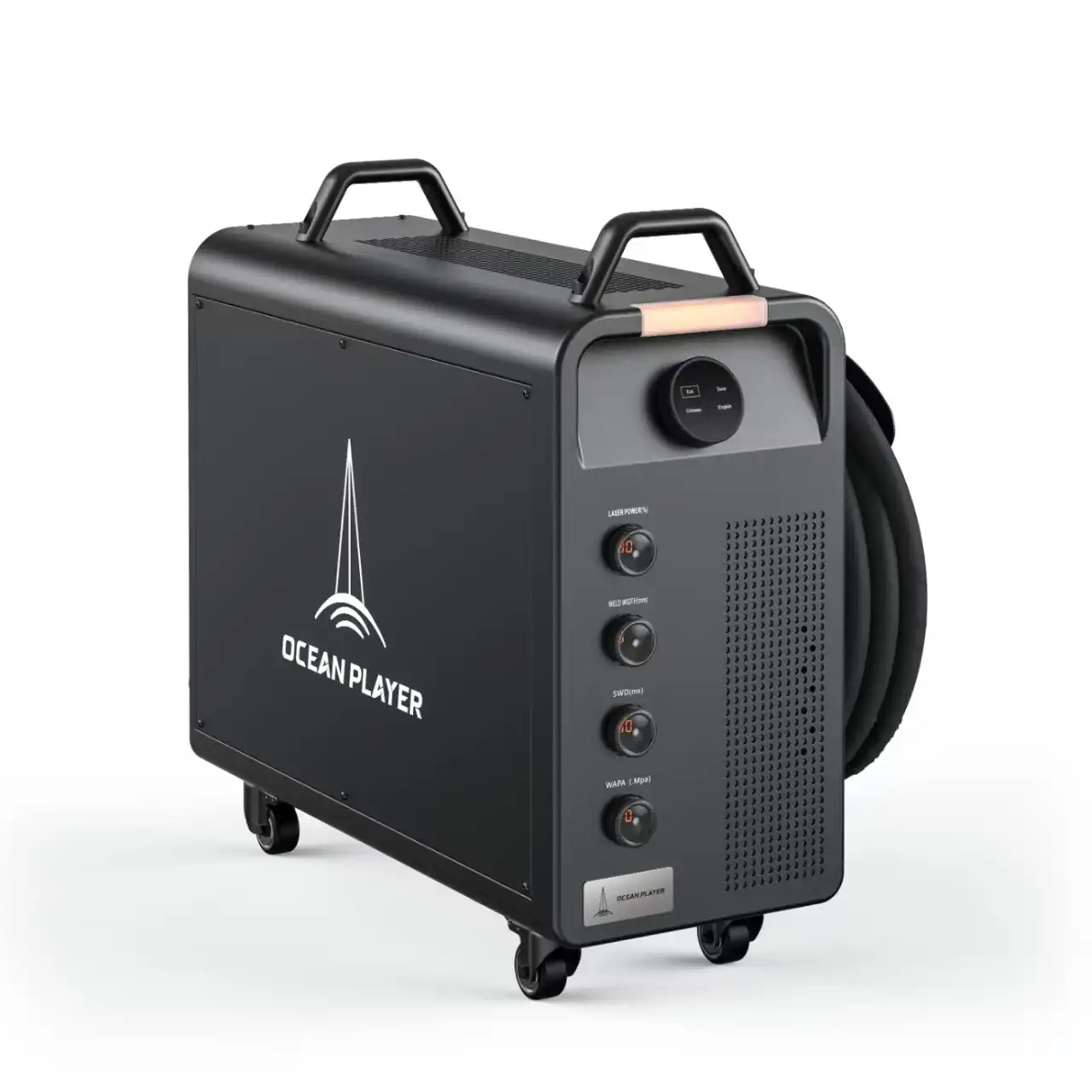
Oceanplayer handheld laser welding machines help workshops weld stainless steel, carbon steel, galvanized sheet and aluminum with less heat input, less deformation and cleaner seam appearance. They are suitable for sheet metal fabrication, cabinets, frames, doors, windows, kitchen equipment and repair welding.
  • Fast handheld welding
  • Optional wire feeder
  • Sample welding test available
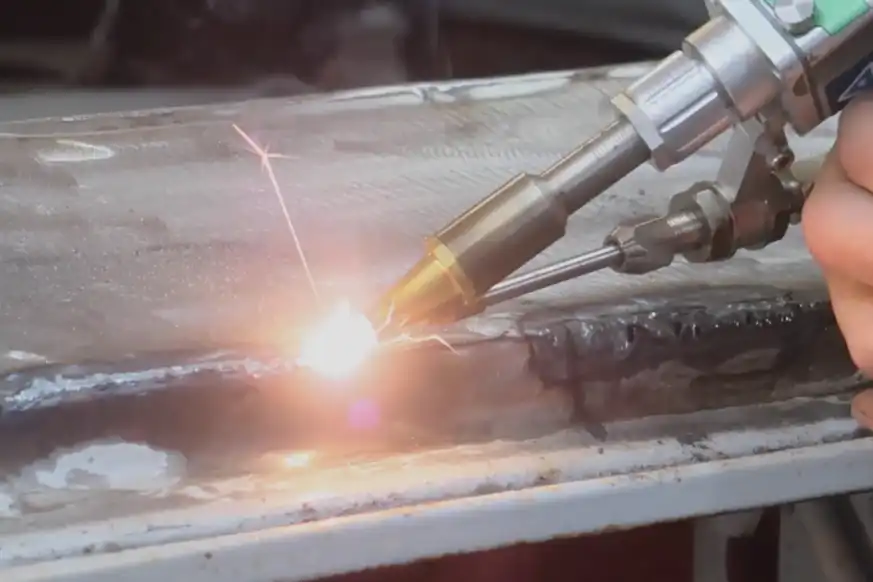
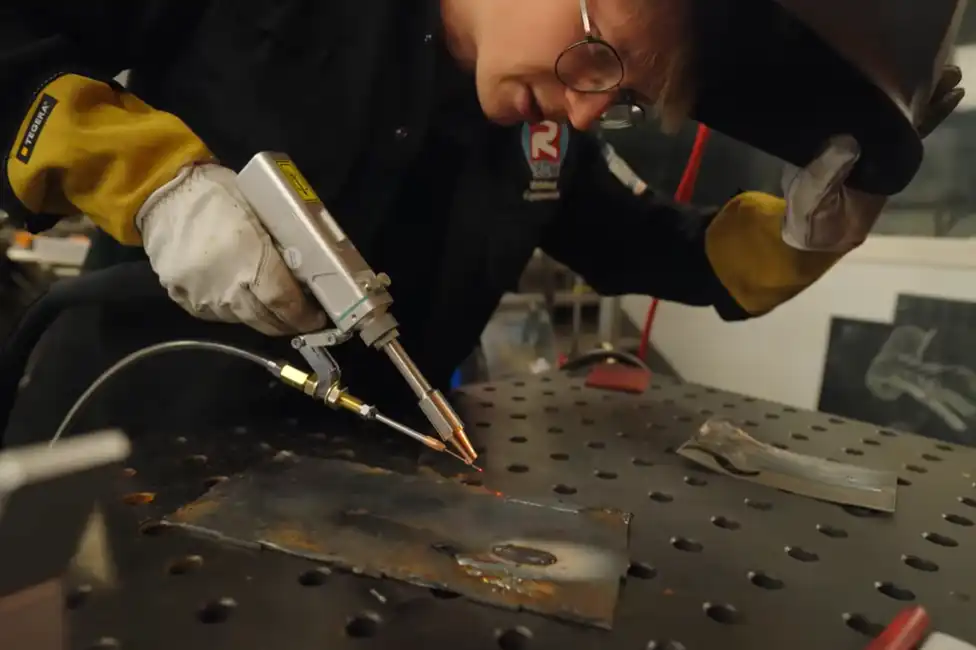
Oceanplayer handheld laser welding machine with welding gun and wire feeder
Cleaner weldsLess grinding and polishing after welding
Flexible useMove between workstations and part sizes
1000WThin sheet welding
1500WCommon workshop use
2000WHigher speed and thickness
Cleaner Seam FinishReduce distortion, discoloration and post-weld finishing work
Easier OperationSuitable for workshops upgrading from TIG or MIG welding
Wire Feeding OptionImprove gap filling and bead shape on less perfect fit-up
Cooling ChoicesChoose air-cooled or water-cooled based on workload
Why Handheld Laser Welding

Improve welding speed and surface quality without building a large automation line

Handheld laser welding is useful when a factory needs flexible manual operation, cleaner seams and faster work on metal parts that change in size or shape.

Faster Welding Speed

Laser welding can improve travel speed on many sheet metal parts, helping reduce labor time for repeated seams.

Lower Heat Input

A narrower heat-affected zone helps reduce deformation, burn-through and surface discoloration on thin metal parts.

Less Finishing Work

Cleaner seam appearance can reduce grinding, polishing and rework, especially on stainless steel visible surfaces.

Application Range

Made for flexible welding on sheet metal, frames and fabricated products

The machine is a practical choice for factories that handle different part sizes and need welds that look cleaner than traditional processes.

  • Stainless steel cabinets, kitchen equipment, shelves and display products.
  • Doors, windows, railings, frames, brackets and sheet metal structures.
  • Carbon steel, galvanized sheet and aluminum fabrication with proper parameters.
  • Repair welding, small-batch production and customized metal products.
  • Thin plate welding where deformation and surface appearance matter.
01

Confirm Material

Material type, thickness, coating and surface condition determine laser power and parameters.

02

Check Joint Fit-Up

Tight seams can be welded autogenously, while wider gaps may need wire feeding.

03

Choose Cooling Type

Air-cooled machines are compact, while water-cooled systems suit heavier duty work.

04

Test Real Samples

Sample welding confirms seam appearance, penetration, speed and heat impact before purchase.

Customer Concerns

What to check before buying a handheld laser welding machine

Before choosing a machine, it is important to confirm welding effect, material range, safety, learning time and whether wire feeding is necessary.

Can it replace TIG or MIG?

For many sheet metal and stainless steel jobs, handheld laser welding can improve speed and surface quality. The best choice still depends on joint type, thickness and strength needs.

Do I need a wire feeder?

Wire feeding helps when parts have small gaps, thicker joints or require more filler material. Good fit-up may not require wire.

Is it hard to learn?

Operators still need training, but many workshops find handheld laser welding easier to control for clean seams once parameters are set properly.

How should I choose power?

1000W is suitable for thinner work, 1500W is common for general fabrication, and 2000W or higher supports more speed and thickness.

Air-cooled or water-cooled?

Air-cooled models save space and are easier to move. Water-cooled models are better for longer daily welding time and heavier workloads.

What safety is required?

Laser safety glasses, protective area control, smoke extraction, training and correct operating procedures are important for safe use.

Configuration Guide

Choose the handheld welder configuration around your material and workload

The right system depends on thickness, daily welding time, seam gap, desired finish and workshop mobility needs.

ConfigurationBest ForMain AdvantageTypical Buyer Need
1000W Handheld WelderThin stainless steel, light sheet metal and repair workCompact and easier for thinner materialsCleaner seams with lower heat input
1500W Handheld WelderGeneral sheet metal fabrication and workshop weldingBalanced speed, power and usabilityA practical upgrade from TIG or MIG
2000W Handheld WelderHigher speed, thicker parts and stronger production needsMore power reserve and faster travel speedBetter productivity for repeated jobs
Welder with Wire FeederGapped joints, thicker seams and less perfect fit-upImproves bead formation and gap fillingMore forgiving welding on real parts
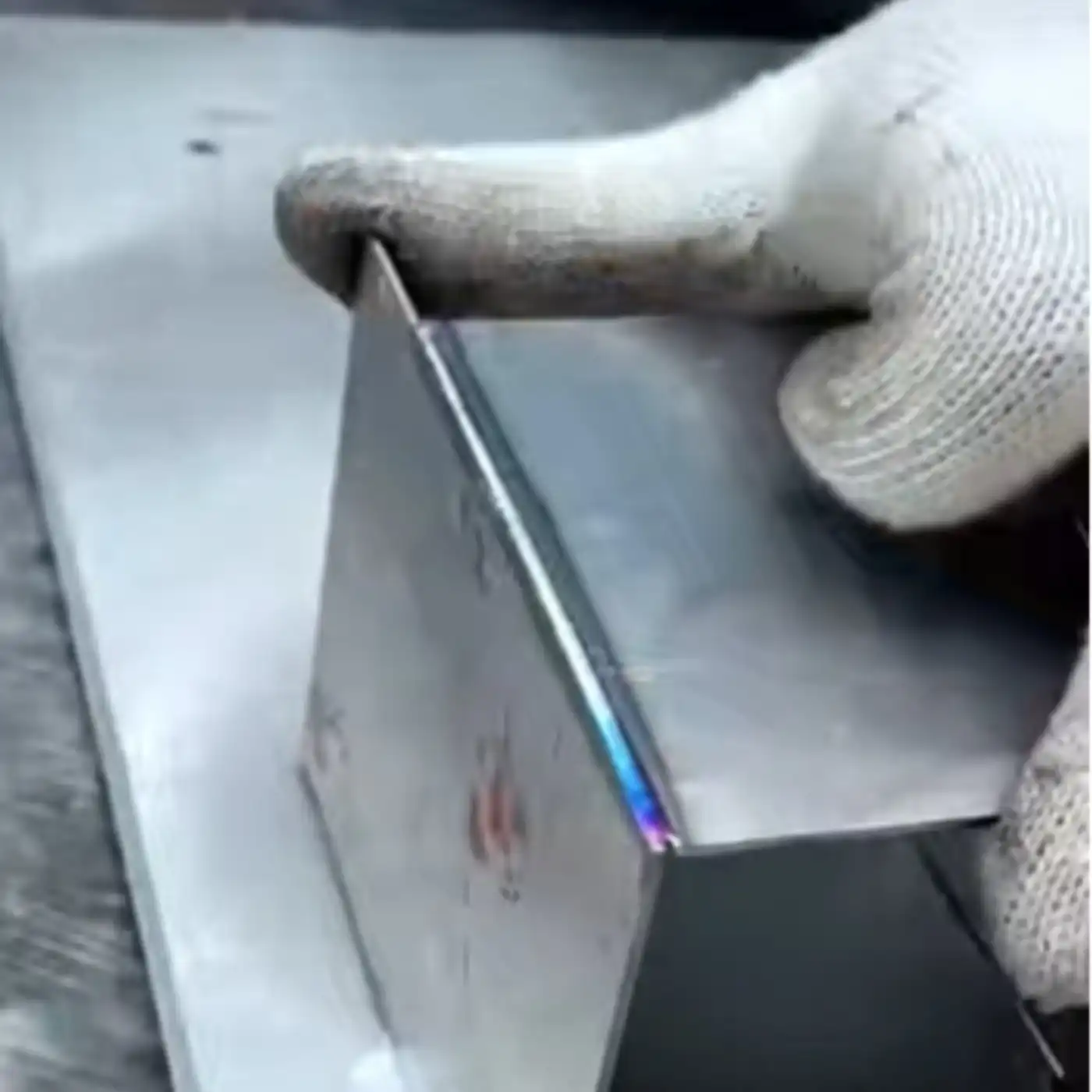
Welding Result Gallery

Review weld appearance, penetration and heat impact before choosing your machine

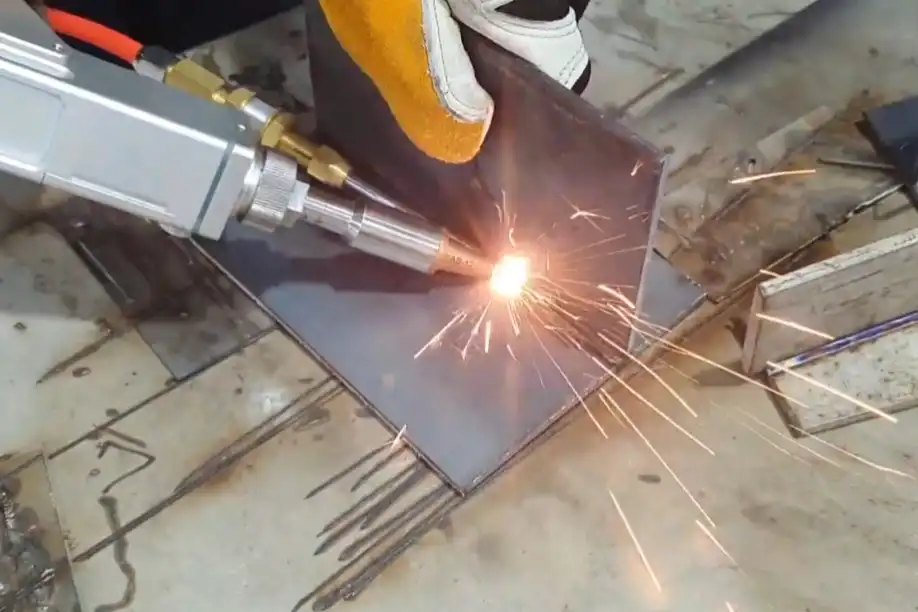
Sample results help confirm whether handheld laser welding can meet your surface quality, weld strength and production speed requirements.
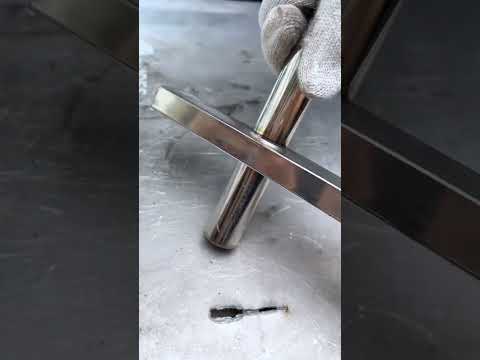
Video Demonstration

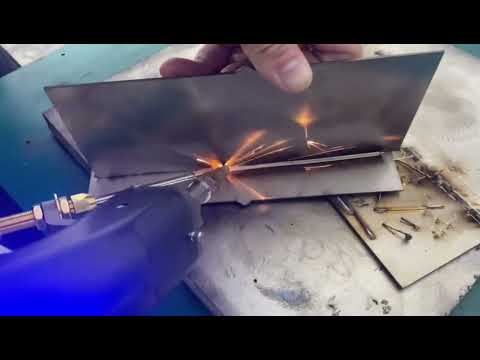
See handheld laser welding speed, seam quality and operation before buying

Videos help you evaluate welding posture, parameter control, wire feeding, seam appearance and real production workflow.
Sample Welding

Test your material before choosing the final handheld welder.

Send part photos, material, thickness, joint type and desired finish. Oceanplayer can help recommend power, cooling type, wire feeder option and sample welding direction.

01

Share Material

Send material, thickness, joint photos and production needs.

02

Test Welding

Check seam appearance, penetration, deformation and speed.

03

Choose Setup

Confirm power, cooling, wire feeding and safety accessories.

FAQ

Handheld Laser Welding Machine questions

These answers help you decide whether handheld laser welding is suitable for your workshop and products.

What materials can a handheld laser welding machine weld?
It can weld many stainless steel, carbon steel, galvanized sheet and aluminum parts when the correct power, parameters, shielding gas and technique are used.
Do I need a wire feeder for handheld laser welding?
A wire feeder is helpful when parts have gaps, thicker joints or need additional filler material. For tight-fitting thin sheet metal, welding without wire may be enough.
Is handheld laser welding easier than TIG or MIG?
Many operators find laser welding easier for clean straight seams after parameter setup and training, but safe operation and correct technique are still required.
Should I choose air-cooled or water-cooled?
Air-cooled machines are compact and easier to move. Water-cooled machines are better for longer continuous welding and heavier daily production.
Can Oceanplayer test my welding samples?
Sample welding is recommended because it confirms seam quality, penetration, speed, heat impact and whether wire feeding is needed before the final model is selected.