

7 Key Facts About CobaltFrom Batteries to Blue Pigments
Cobalt is simultaneously a battery material, a high-temperature alloying element, a centuries-old source of blue color, a component of vitamin B12 and a concentrated supply-chain risk. This guide separates the chemistry from the headlines.

Metallic cobalt, cobalt-bearing cathodes, cobalt superalloys and cobalt pigments do not share one universal behavior, hazard profile or processing recipe.
The seven facts at a glance.
Cobalt matters because its magnetic, thermal and chemical properties solve difficult engineering problems. It also deserves careful sourcing, exposure control and end-of-life planning because production and refining are highly concentrated.
Cobalt is not “just an EV metal.”
Search results often reduce cobalt to a single story: electric-vehicle batteries. That story is important, but incomplete. Cobalt has been coloring glass and ceramics blue for centuries, strengthening turbine materials for modern aviation, binding tungsten carbide in cutting tools and enabling permanent magnets, catalysts and medical radioisotopes. It is also the metal atom at the center of vitamin B12.
The word cobalt can describe the element, refined metal, an alloying addition, a chemical salt, an oxide, a cathode precursor or a radioactive isotope. Those forms have different physical properties, uses and safety considerations. A buyer choosing a superalloy, a battery recycler evaluating black mass and an artist using cobalt-blue pigment are not working with interchangeable materials.
That distinction is the thread connecting the seven facts below. It prevents three common errors: applying a fact about one cobalt compound to all cobalt materials, assuming every lithium-ion battery contains the same quantity of cobalt, and treating a country-of-origin statement as a complete responsible-sourcing program.
Cobalt stays magnetic at high temperature and melts at 1,495°C.
Its useful engineering behavior becomes most valuable when cobalt is alloyed, compounded or deposited for a specific purpose.
Element data: Royal Society of Chemistry, Cobalt. Approximate high-temperature magnetic transition: NASA technical literature. Cobalt sample image: Benjah-bmm27, public domain, via Wikimedia Commons.
Why the Curie temperature matters
Iron, nickel and cobalt are the best-known ferromagnetic elements at ordinary temperature. Cobalt retains ferromagnetic order to a higher temperature than either iron or nickel. That does not mean every cobalt alloy remains a useful magnet to the same temperature: alloy composition, microstructure, oxidation, mechanical loading and the magnet system all matter. It does explain why cobalt-bearing magnetic materials can be attractive in demanding thermal environments.
Why the melting point is only part of the superalloy story
A high melting point alone does not make a turbine material successful. Components must resist creep, oxidation, thermal fatigue and corrosive gases while maintaining strength. Cobalt-based superalloys can provide hot-corrosion resistance, wear performance and microstructural stability. Nickel-based superalloys dominate many turbine applications, but cobalt retains important niches where its balance of temperature, corrosion and wear behavior is valuable.
Pure cobalt is rarely the final answer. Engineers specify chemistry, heat treatment, coating, grain structure and manufacturing route because those factors govern service performance. This is why a laser welding or laser marking process should begin with the exact alloy designation, not the phrase “cobalt metal.”
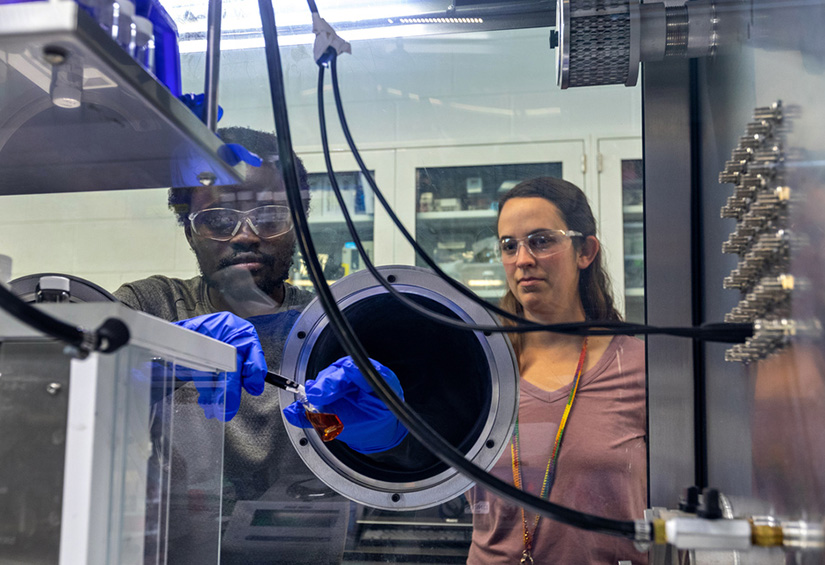
Researchers are reducing critical-material intensity in new chemistries while improving recovery from batteries already in service.
Batteries dominate cobalt demand, but not every lithium-ion battery uses cobalt.
The Cobalt Institute estimated that battery applications represented 76% of total cobalt demand in 2024. That broad battery category includes electric vehicles, consumer electronics and other rechargeable products. The International Energy Agency uses a different taxonomy: its 2024 cobalt dataset separates 71 kilotonnes of “cleantech demand” from 150 kilotonnes of other uses. The figures are not contradictory; they classify applications differently.
Cobalt helps certain layered-oxide cathodes achieve energy density, stability and cycle performance. It is not the only route. Lithium iron phosphate—LFP—uses no cobalt in its cathode, and the IEA reported that LFP captured nearly half of the global EV battery market by 2024, up from less than 10% in 2020.
Battery-demand context: Cobalt Institute Market Report 2024 and IEA Cobalt Outlook. LFP market share: IEA Global Critical Minerals Outlook 2025. Photo: Werner Slocum, NREL, via NREL battery research.
Why “How much cobalt is in an EV?” has no universal answer
Cobalt per vehicle depends on cathode chemistry, pack capacity, cell design and the manufacturer’s formulation. A high-nickel NMC pack, an older NMC formulation and an LFP pack can have very different cobalt requirements even when they deliver similar vehicle range. That is why a single “kilograms per EV” statistic becomes outdated quickly and should never replace a bill-of-materials calculation.
The same caution applies to statements that batteries are becoming “cobalt-free.” Some product lines are moving to LFP or other cobalt-free chemistries, while other applications still value cobalt-bearing cathodes for high energy density, compact size or an established manufacturing base. The market can simultaneously reduce cobalt intensity per kilowatt-hour and increase total cobalt demand if overall battery production grows fast enough.
Share of world mined cobalt produced in the Democratic Republic of the Congo, according to the USGS 2026 summary.
Cobalt supply risk is about geography, policy and processing—not geological scarcity alone.
The USGS estimated that the Democratic Republic of the Congo supplied 73% of world mined cobalt in 2025, while Indonesia supplied 14%. Most cobalt is produced as a by-product of copper or nickel mining, so cobalt supply can respond to copper and nickel project economics rather than cobalt price alone.
Refining is even more concentrated. China is the leading producer and consumer of refined cobalt, and the IEA estimated that the top three refining countries accounted for 89% of refined supply in 2024. This creates exposure to trade policy, transport, refinery qualification and geopolitical disruption at several points between a mine and a battery cell.
The DRC temporarily banned cobalt exports in February 2025 and later replaced the ban with export quotas, demonstrating how quickly availability can change.
A cobalt project may not expand simply because cobalt demand rises; the economics of the associated copper or nickel operation can dominate.
Battery and aerospace supply chains cannot always switch material source instantly. Purity, precursor chemistry, audit status and customer approval matter.
Resources, reserves, mine capacity, refined output and available inventory are different measures. Large geological resources do not guarantee near-term supply.
Production and policy figures: USGS Mineral Commodity Summaries 2026, Cobalt. Refining concentration: IEA Cobalt Outlook.
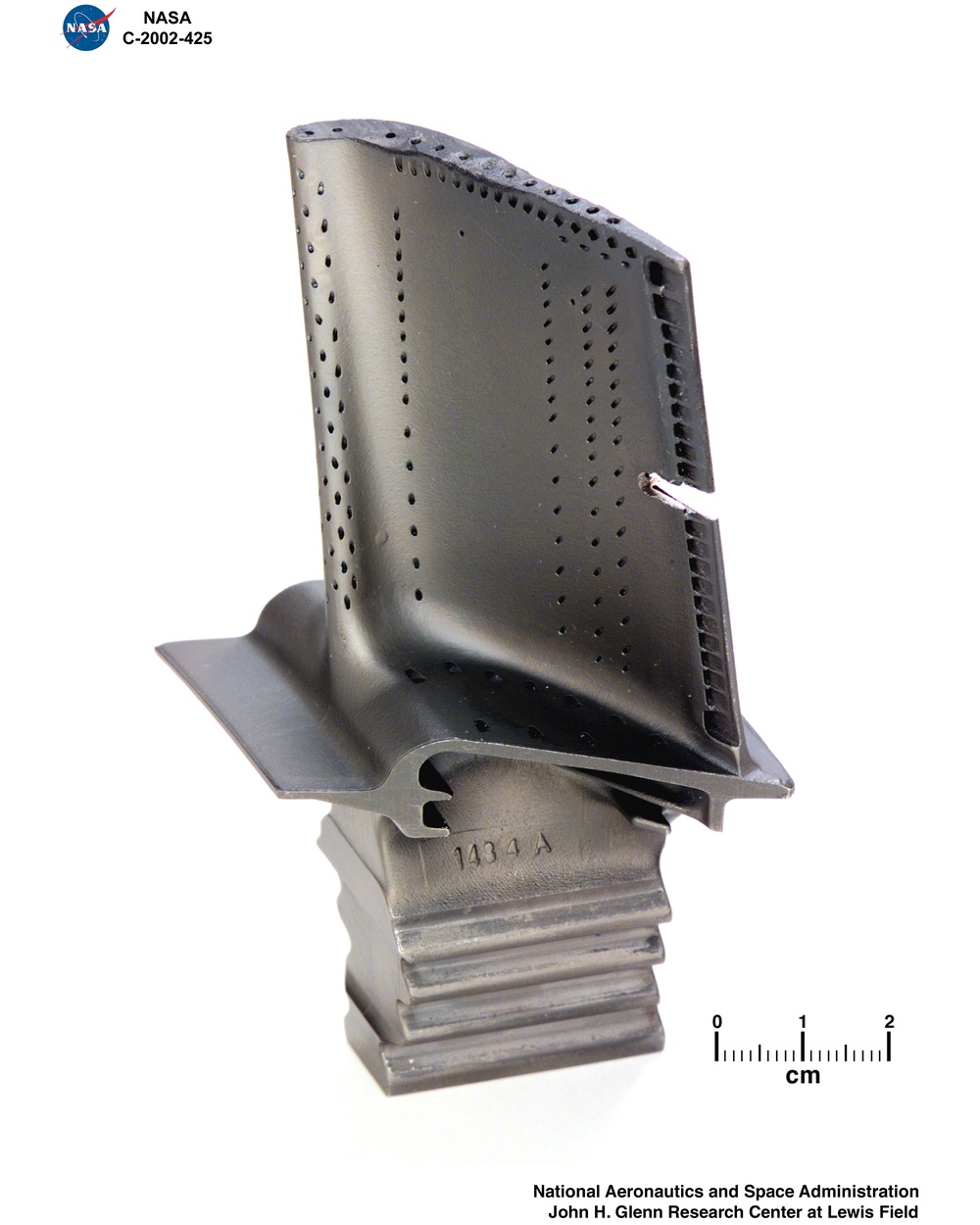
Cobalt-bearing superalloys and coatings can provide combinations of hot corrosion, wear and thermal stability that remain valuable in turbines and other severe service.
Cobalt still earns its place in turbines, cutting tools, magnets and catalysts.
Batteries receive the headlines, but non-battery uses explain why cobalt remains strategically important even if some EV platforms reduce it. The Cobalt Institute estimated superalloys at about 8% of total cobalt demand in 2024. Other uses are spread across hard metals, catalysts, magnets, surface technologies, ceramics, pigments and specialized chemicals.
The value of cobalt in these applications is rarely about one property. It is the combination of temperature capability, wear resistance, corrosion behavior, magnetic performance or catalytic activity in a defined material system.
Used where components face heat, oxidation, corrosion, impact or sliding wear. Exact cobalt content and heat treatment depend on the alloy family.
Cobalt commonly acts as a tough metallic binder around hard carbide or diamond phases in cutting, drilling and forming tools.
Samarium-cobalt magnets are valued for temperature stability and corrosion resistance in demanding motors, sensors and aerospace systems.
Cobalt compounds support petroleum refining and selected chemical reactions. Catalyst composition and oxidation state determine behavior.
Cobalt-containing deposits and coatings can modify hardness, wear, corrosion or magnetic response, sometimes as part of nickel-cobalt systems.
Use overview: Royal Society of Chemistry and Cobalt Institute Market Report 2024. Turbine-blade photo: NASA, public domain, via DVIDS.
Cobalt can color porcelain, support human biology or become a gamma-ray source.
The chemical compound and isotope—not merely the word cobalt—determine function and risk.

This early Kangxi-period porcelain uses underglaze cobalt blue. The Met lists the image as public domain.
Cobalt blue is a compound, not the color of pure cobalt metal.
Cobalt aluminate blue spinel—commonly identified as Pigment Blue 28—produces a stable, intense blue used in ceramics, glass, coatings and artists’ colors. Firing chemistry, particle size and host material affect the final shade.
Vitamin B12 contains cobalt at its molecular center.
Vitamin B12 is a family of cobalt-containing compounds called cobalamins. The vitamin supports healthy red blood cell formation, neurological function and DNA synthesis. This essential biological role does not make unrestricted exposure to cobalt metal or industrial cobalt dust beneficial.
Cobalt-60 is a radioactive isotope used as a controlled radiation source.
Cobalt-60 emits penetrating gamma radiation. Properly engineered sources support sterilization, industrial radiography and selected medical applications. Radioisotope use requires specialized regulatory, shielding and handling systems entirely unlike ordinary cobalt alloys or pigments.
Artwork: Beaker with landscape, The Metropolitan Museum of Art, public domain. Pigment identification: PubChem, C.I. Pigment Blue 28. Vitamin B12: NIH Office of Dietary Supplements.
“Conflict-free” is not the finish line. Due diligence must keep working.
Responsible cobalt sourcing means mapping supply, identifying risks, responding to findings and reporting progress—not assuming that one mine type or certificate removes every concern.
Map products
Identify cobalt-bearing parts, chemicals, cathodes and alloys, including indirect components and contract manufacturing.
Map suppliers
Request mine, trader, processor, refiner and country information appropriate to the material and risk.
Evaluate risk
Review human rights, labor, corruption, security, environmental and chain-of-custody risks—not child labor alone.
Manage findings
Use corrective action, supplier engagement, independent assessment and escalation proportionate to the risk.
Keep evidence
Document methodology, limitations, changes, grievances and improvement. Due diligence is continuous.
Artisanal and small-scale mining supports livelihoods and can enter formal supply chains. Blanket disengagement may shift harm rather than solve it. The OECD emphasizes risk-based due diligence and the interconnected nature of industrial and artisanal cobalt supply.
RMI conformance indicates that a refiner has addressed critical findings and has no zero-tolerance findings under the relevant standard. Buyers should still define scope, review current status and manage product-specific risks.
The Responsible Minerals Initiative’s Extended Minerals Reporting Template provides a common way to gather cobalt and mica due-diligence information. A completed template is a starting point for review, not proof by itself.
Frameworks and interpretation: OECD, Interconnected Supply Chains; RMI/RCI Cobalt Refiner Standard; RMI Extended Minerals Reporting Template.
Lower-cobalt chemistries and cobalt recycling will grow at the same time.
Substitution changes demand intensity. Recycling changes where supply comes from. Neither is an instant replacement for primary mining because battery fleets take years to reach end of life, collection is incomplete and different chemistries contain different recoverable values.
The IEA reported 26 kilotonnes of secondary cobalt supply and reuse in 2024 against 221 kilotonnes of total demand. That secondary share can rise as larger generations of batteries retire, recovery systems mature and regulations create recycled-content requirements.
The EU Battery Regulation sets a 90% material-recovery target for cobalt by the end of 2027.
From August 2031, covered batteries must include 16% recycled cobalt; the cobalt-recovery target rises to 95% by the end of 2031.
The minimum share of recycled cobalt in covered active material rises to 26% from August 2036.
Supply figures: IEA Cobalt Outlook. Regulatory targets: EU Battery Regulation 2023/1542, consolidated text.
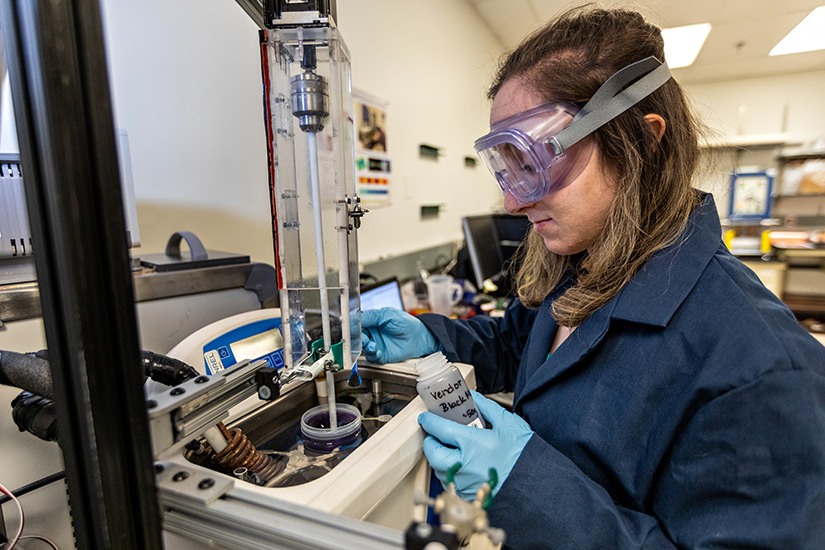
Recovered cobalt must meet the chemistry, purity and consistency required by the next product—not simply be separated from waste.
Why substitution will not erase cobalt overnight
LFP has expanded rapidly, especially where cost, safety and cycle life outweigh maximum energy density. High-nickel cathodes have also reduced cobalt intensity. Yet consumer electronics, high-performance vehicles and emerging battery designs can retain cobalt-bearing chemistries. Outside batteries, aerospace qualification, tooling, magnets and catalysts move on their own technical timelines.
Forecasts should therefore separate three variables: cobalt intensity per product, the number of products made and secondary recovery. A falling grams-per-kilowatt-hour figure can coexist with rising total demand; higher collection can coexist with continued primary mining; and high recycled-content targets can tighten demand for qualified recycled material before enough end-of-life feedstock is available.
Design for recovery starts before the battery reaches a recycler
Clear chemistry labeling, durable traceability, pack documentation, accessible joining methods and safe disassembly all affect recovery. Recycling plants need feedstock characterization because LFP, NMC and mixed consumer batteries produce very different economic and metallurgical outcomes. Product passports and permanent codes can make that identification more reliable over a long service life.
Cobalt is essential in vitamin B12, but industrial cobalt exposure can be harmful.
Biological necessity does not make metal dust, fumes or soluble cobalt compounds safe to breathe or touch.
Form, route, dose and duration determine risk.
NIOSH states that cobalt exposure can harm the eyes, skin, heart and lungs and that occupational risk depends on how much cobalt workers encounter, for how long and through which task. Cutting, grinding, thermal spraying, welding, recycling and powder handling may create different exposure pathways.
Obtain the safety data sheet and alloy or chemical specification. Metal, oxide, salt, carbide binder and battery black mass require different controls.
Use task-specific local exhaust or enclosure where dust, fume or aerosol may be generated. General room ventilation alone may be insufficient.
Use suitable housekeeping, change areas, handwashing and waste procedures. Avoid dry sweeping or compressed-air cleaning of hazardous dust.
Industrial hygiene assessment, exposure monitoring and applicable local requirements should define respirators, PPE and medical surveillance where needed.
Workplace health overview: CDC/NIOSH Cobalt Topic Page. This section provides general planning context, not a substitute for a site-specific industrial hygiene assessment.
The alloy and surface condition must drive the laser process.
Laser equipment can support marking, joining and surface preparation in cobalt-related value chains, but “contains cobalt” is not enough information to choose wavelength, power or acceptance criteria.
Laser marking
Permanent serial, data-matrix and lot codes can support tooling, aerospace components, battery hardware and recycling identification. Contrast, corrosion and readability must be qualified on the exact alloy or coating.
Explore laser marking machines →Laser welding
Cobalt-bearing superalloys can be crack-sensitive and reflect different thermal histories. Joint design, shielding, filler, heat input and metallurgy require procedure development rather than a generic metal preset.
Explore laser welding machines →Laser cleaning
Oxide, coating and contamination removal can be selective, but substrate damage, hazardous fume and downstream surface requirements must be validated. Extraction should match the actual cobalt-bearing residue.
Explore laser cleaning machines →Practical answers about cobalt.
Use these answers as orientation, then verify the exact alloy, compound, cathode chemistry, supplier route and regulatory context for your application.
What is cobalt?
Cobalt is chemical element 27, symbol Co. It is a hard, lustrous, ferromagnetic transition metal. In commercial products it is more often found as an alloying element, chemical compound, cathode material, coating constituent or isotope than as a piece of pure metal.
What is cobalt mainly used for?
Rechargeable batteries are now the largest use by demand. Other important uses include superalloys, cemented carbides, magnets, catalysts, surface coatings, pigments, ceramics and radioisotopes.
Why is cobalt used in lithium-ion batteries?
Cobalt in certain layered-oxide cathodes can contribute to energy density, structural stability and cycle performance. The role and quantity depend on the cathode chemistry; LFP cathodes contain no cobalt.
Do all electric-vehicle batteries contain cobalt?
No. NMC and NCA batteries contain cobalt in varying amounts, while LFP cathodes contain none. Vehicle pack capacity and supplier formulation also change cobalt per vehicle.
Why is cobalt considered a critical mineral?
Cobalt supports batteries and strategic industrial applications, while mining and refining are concentrated in a small number of countries. Policy changes, by-product economics and long qualification cycles can therefore disrupt supply.
Where does most cobalt come from?
According to the USGS, the Democratic Republic of the Congo produced an estimated 73% of mined cobalt in 2025 and Indonesia about 14%. China is the leading refined-cobalt producer and consumer.
Is cobalt blue the color of cobalt metal?
No. Pure cobalt metal is silvery with a bluish cast. The intense color called cobalt blue generally comes from cobalt-containing compounds such as cobalt aluminate blue spinel.
Does vitamin B12 contain cobalt?
Yes. Vitamin B12 compounds are called cobalamins because they contain cobalt. This essential nutritional role does not imply that industrial cobalt dust or soluble cobalt exposure is beneficial.
Is cobalt toxic?
Cobalt hazard depends on form, route, dose and duration. Workplace dust, fumes and some compounds can harm the skin, eyes, lungs and other organs. Use material-specific safety data and a qualified exposure-control plan.
Can cobalt be recycled from batteries?
Yes. Pyrometallurgical, hydrometallurgical and emerging direct-recycling routes can recover cobalt. Collection, sorting, chemistry identification, impurity control and qualification determine whether recovered material returns to high-value use.
Will LFP batteries eliminate cobalt demand?
LFP reduces cobalt demand in applications that adopt it, but cobalt-bearing battery chemistries and non-battery applications remain important. Total demand depends on market growth, chemistry mix, material intensity and recycled supply.
Can cobalt-bearing alloys be laser welded or marked?
Often yes, but the exact grade, coating, heat treatment, geometry and acceptance criteria determine the process. Sample testing is important because some cobalt-bearing superalloys are crack-sensitive and some surfaces require specialized fume control.
Sources used to verify the seven facts.
Market figures use the publication year and taxonomy stated by each source; they should be refreshed when this article is materially updated.
- Royal Society of Chemistry — Cobalt element profile
- USGS — Mineral Commodity Summaries 2026: Cobalt
- International Energy Agency — Cobalt outlook
- IEA — Global Critical Minerals Outlook 2025
- Cobalt Institute — Cobalt Market Report 2024
- European Union — Battery Regulation 2023/1542
- OECD — Interconnected cobalt supply chains
- RMI/RCI — Cobalt Refiner Due Diligence Standard
- NIH Office of Dietary Supplements — Vitamin B12
- CDC/NIOSH — Occupational cobalt exposure
- PubChem — C.I. Pigment Blue 28
- The Met — Beaker with landscape, cobalt-blue porcelain
Test the real part—not the material name.
Share the cobalt-bearing alloy, coating, geometry, target result and production requirement. Oceanplayer can help define a sample test for laser cleaning, welding or marking and document the parameters that matter.