
oceanplayer

Oceanplayer Laser Equipment | Cleaning, Welding, Marking, Automation Sample Testing | Global Shipping | OEM/ODM Support
Machinery Maintenance Laser Solutions

Machinery Maintenance Laser Solutions for Rust Removal, Oil Cleaning, Repair Prep and Equipment Refurbishment.

Oceanplayer helps maintenance teams, repair shops, factories and equipment service providers clean rust, oil, grease, paint, oxide and weld areas on machinery parts without relying only on abrasive blasting or chemical cleaning. Choose portable, handheld or higher-power laser systems based on the part size and repair workflow.
  • On-site rust, oil and oxide cleaning for machinery parts
  • Surface preparation before welding, coating or inspection
  • Mobile and handheld options for repair teams
Machinery maintenance laser cleaning solution for rust oil grease and repair preparation
Repair-ready surfaces Clean parts before welding, inspection, coating and assembly
Rust Removal
Oil Cleaning
Repair Prep
Less Manual Grinding Reduce scraping, brushing and abrasive cleanup on selected parts
Portable Maintenance Bring laser cleaning to equipment, parts and repair stations
Cleaner Repair Prep Prepare metal surfaces before welding, coating or inspection
Sample-Based Choice Test real parts before selecting power and accessories
Maintenance Needs

Maintenance teams need cleaning methods that support faster repair and cleaner inspection

Machinery parts often carry rust, grease, paint, oxide, carbon deposits and old coating layers. A practical laser solution should clean the target area while fitting the repair schedule, worksite access and next process.

Rusty Machine Parts

Clean rust from frames, covers, brackets, shafts, gears, fixtures and spare parts before repair or coating.

Oil and Grease Buildup

Remove surface oil, grease and maintenance residue from metal parts before inspection, welding or marking.

Paint and Coating Removal

Strip selected areas on equipment panels, steel structures and repair zones before repainting or refurbishment.

Weld Repair Preparation

Prepare worn or cracked areas by cleaning rust, oxide, paint and contamination around the weld zone.

Inspection Surface Cleaning

Clean metal surfaces before visual inspection, crack checking, measurement or quality review.

Equipment Refurbishment

Restore older machinery surfaces, spare parts and maintenance components with a cleaner, more controlled process.

Maintenance Workflow

Place laser cleaning where it improves repair speed and surface readiness

Laser cleaning can be used before inspection, welding, coating, assembly or storage. The workflow depends on surface condition and whether the part can be moved.

Step 01

Identify Contamination

Check rust, oil, grease, oxide, paint, carbon deposits and coating thickness.

Step 02

Check Work Access

Confirm whether the part is fixed, removable, curved, heavy, narrow or difficult to reach.

Step 03

Select Laser Setup

Choose pulsed, CW, handheld or mobile equipment based on speed and surface control.

Step 04

Verify Next Process

Confirm the cleaned surface is ready for welding, coating, inspection or assembly.

Maintenance Applications

Use laser cleaning across repair shops, factories and field service tasks

Machinery maintenance covers many parts and materials. Laser cleaning is useful when the team needs localized cleaning, cleaner repair preparation or less abrasive media around equipment.

  • Machine frame rust removal and repainting preparation.
  • Gear, shaft, flange, bearing seat and fixture cleaning.
  • Oil, grease and carbon deposit cleaning on metal parts.
  • Weld repair preparation for worn or cracked components.
  • Old paint and coating removal on equipment panels and covers.
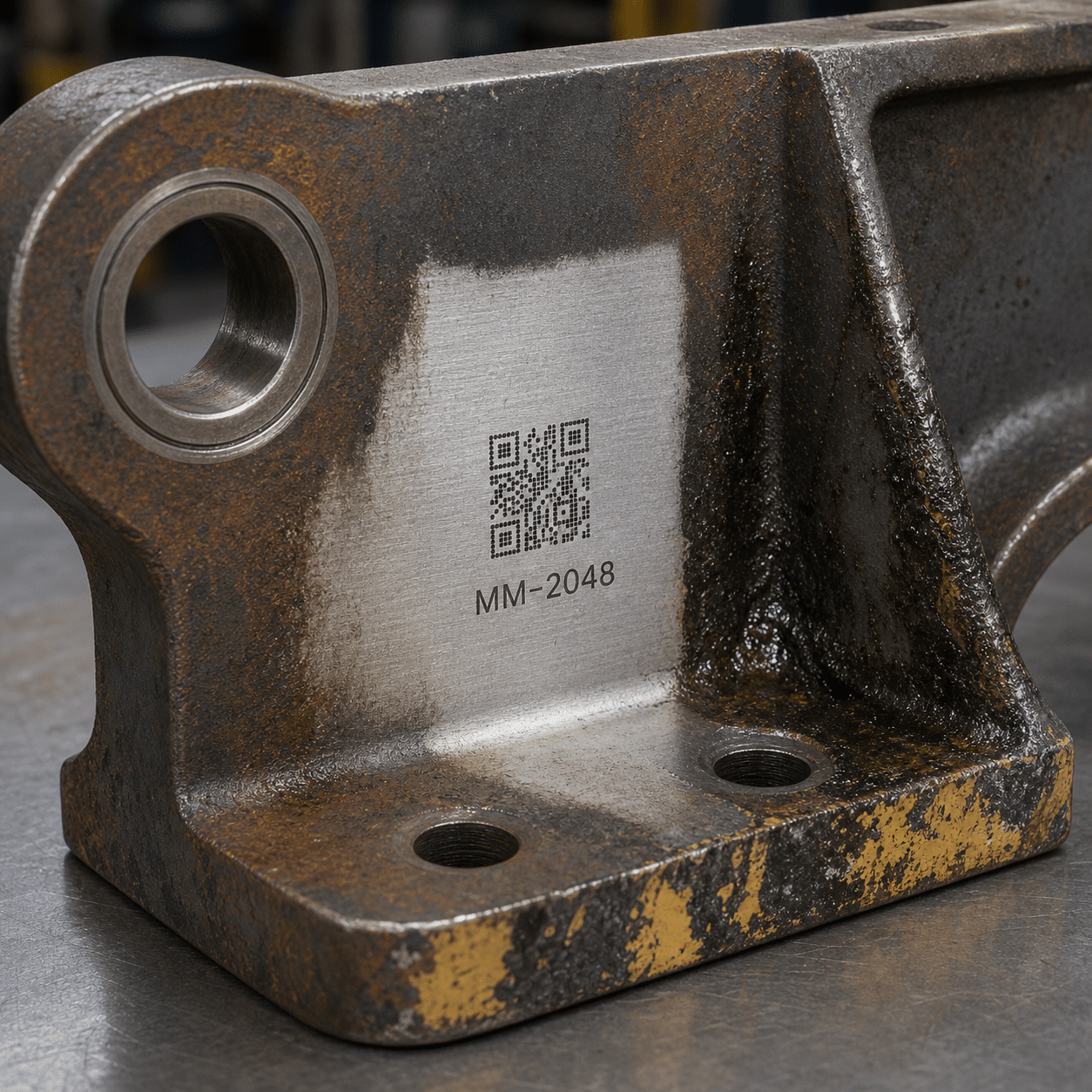
  • Part marking for maintenance IDs, serial numbers and service records.
Laser cleaning application for machinery maintenance parts and repair surfaces
Solution Matrix

Select equipment by repair task, surface condition and mobility need

The best system depends on whether the work needs speed, low heat input, portable operation, deep rust removal or controlled cleaning before precision repair.

Maintenance Requirement Recommended Laser Option Best Use What To Check
Controlled part cleaning 200W/300W/500W pulsed cleaner Precision parts, shafts, gears, fixtures and repair zones Heat input, surface finish, part value and cleaning width
Heavy rust and paint removal 1000W-3000W CW laser cleaner Large steel parts, frames, covers and refurbishment areas Cleaning speed, power supply, cooling and safety area
On-site service work Handheld or mobile laser cleaner Fixed equipment, field repair and shop-floor maintenance Cable reach, access angle, operator position and fume extraction
Weld repair preparation Laser cleaning before welding Cracks, worn surfaces, weld seams and replacement part repairs Clean width, weld process, contamination layer and base material
Maintenance part ID Fiber laser marking system Serial numbers, service IDs, QR codes and spare part tracking Mark depth, readability, part location and data workflow
Maintenance Priorities

Focus the laser process on downtime, access and repair quality

Maintenance work is different from new production. The right laser solution should fit the actual repair environment and help the team get equipment back into service.

01

Reduce Downtime

Clean only the required repair area and reduce lengthy disassembly or chemical soaking steps when possible.

02

Protect Base Metal

Use controlled settings when cleaning precision seats, machined surfaces and valuable maintenance parts.

03

Improve Inspection

Remove rust, oil and coating so cracks, wear marks and surface defects are easier to evaluate.

04

Support Welding Repair

Prepare cleaner surfaces around damaged or worn areas before repair welding and resurfacing.

05

Move Between Jobs

Choose mobile or handheld systems when parts are large, fixed or spread across different work areas.

06

Track Service History

Mark parts with IDs, QR codes or serial numbers to support maintenance records and spare part management.

Results Gallery

Review laser cleaning results for machinery parts and repair surfaces

Result images help your team compare rust removal, oil cleaning, coating removal, weld preparation and final surface readiness.

Video Demonstration

Watch laser cleaning performance on maintenance parts and repair areas

Videos help you compare cleaning speed, operator movement, access angle and final surface condition before selecting a machine.

System Options

Choose the right laser setup for maintenance access and cleaning speed

Maintenance teams often need a balance between portability, cleaning speed and surface control. The part condition decides the best configuration.

Precision Parts

Pulsed Laser Cleaning Machine

Better for controlled cleaning on shafts, gears, tooling, machined surfaces and valuable components.

Heavy Cleaning

CW Laser Cleaning Machine

Suitable for faster rust, paint and coating removal on larger steel structures and refurbishment projects.

Project Planning

Share these details to get a machinery maintenance laser recommendation

A clear picture of the part and repair workflow helps us recommend machine power, cooling, cable length, lens, safety setup and accessories.

Part and Surface Details

Part type Frame, shaft, gear, flange, bearing seat, fixture, cover, mold or spare part.
Material Carbon steel, stainless steel, cast iron, aluminum, alloy steel or coated metal.
Contamination Rust, paint, oil, grease, oxide, carbon deposit, coating or mixed buildup.
Target result Inspection, welding, coating, repainting, assembly, storage or part marking.

Worksite and Operation Details

Access condition Fixed equipment, removable part, narrow space, curved surface or large structure.
Cleaning area Small repair spot, repeated parts, large panel or heavy refurbishment area.
Operation mode Handheld, mobile trolley, fixed workstation or automated cleaning path.
Site setup Power supply, fume extraction, safety area, operator training and maintenance schedule.
Sample Test

Test your real machinery parts before choosing the system.

Send your rusty part, greasy component, painted cover, repair weld area or maintenance ID requirement. We can compare cleaning effect, speed, surface impact and recommended configuration.

01

Share Part Details

Provide material, surface condition, part size, access condition and target result.

02

Run Laser Test

Compare speed, cleaning width, heat effect and final surface appearance.

03

Confirm Configuration

Choose power, cooling, cable length, lens, safety setup and accessories.

FAQ

Machinery maintenance laser solution questions

These answers help maintenance teams compare laser cleaning options for repair, refurbishment and inspection workflows.

Can laser cleaning remove rust from machinery parts?
Yes. Laser cleaning can remove rust from frames, covers, shafts, brackets, fixtures and other metal components. The best power depends on rust thickness, part size and required surface finish.
Can laser cleaning remove oil and grease before repair?
Yes. Laser cleaning can remove surface oil, grease and maintenance residue from many metal parts before inspection, welding, marking or assembly.
Which laser cleaner is best for machinery maintenance?
Handheld or mobile laser cleaners are often preferred for maintenance flexibility. Pulsed lasers are better for controlled cleaning on valuable parts, while high-power CW lasers are useful for faster rust and paint removal on larger steel areas.
Can laser cleaning prepare equipment before welding repair?
Yes. Laser cleaning can remove rust, oxide, oil and paint around the repair area before welding. A sample test helps confirm the cleaning width and suitable settings.
Can the machine be used on fixed equipment?
Many handheld and mobile configurations can be used near fixed equipment if the work area, power supply, cable reach, safety zone and fume extraction are suitable.
What should we send for a maintenance sample test?
Please share material, part size, photos, contamination type, cleaning area, access condition and the next process after cleaning. Physical samples or short videos help us recommend the right setup.