
Pulsed vs CW Laser Cleaner Comparison Tool
Compare pulsed and continuous-wave laser cleaning for your material, contamination, surface requirement and production target. Receive a practical machine direction before requesting a sample test or quotation.
- Side-by-side Pulsed and CW fit scores
- Recommended power family
- Surface-control and output tradeoffs
- Buyer-focused next steps
Match the laser mode to your actual cleaning priority
Describe the most demanding part you plan to clean. The tool compares substrate protection, removal capacity, working area and production needs.
Understand the practical difference between pulsed and CW cleaning
The better machine is the one that reaches the accepted surface condition at a commercially useful speed, not simply the one with the larger wattage number.
| Buying Factor | Pulsed Laser Cleaner | CW Laser Cleaner |
|---|---|---|
| Energy delivery | Short, high-peak-power pulses with controlled energy between pulses | Continuous energy delivery with high average power |
| Typical power family | 200W, 300W and 500W pulsed systems | 1000W, 1500W, 2000W and 3000W CW systems |
| Primary purchase goal | Selective cleaning and substrate protection | Fast bulk removal and large-area productivity |
| Common applications | Molds, precision parts, weld oxide, oil, thin coatings and sensitive surfaces | Heavy rust, scale, thick paint and large robust steel structures |
| Heat management | Lower average heat input and a wider control range for sensitive work | More heat can accumulate, especially at low travel speed or on thin parts |
| Finish control | Usually stronger when texture, dimensions and appearance must be protected | Suitable when an industrial finish is acceptable and output leads the decision |
| Relative investment | Higher cost per watt, justified by control and selective processing | Lower cost per watt and strong value for high-volume removal |
| Best proof before purchase | Surface quality, no unacceptable substrate change and repeatable recipe | Accepted finish, measured m²/h and realistic duty cycle |
Choose by the result you need, not wattage alone
Both modes can remove contamination. The real distinction is how much process control, heat management and area output your job demands.
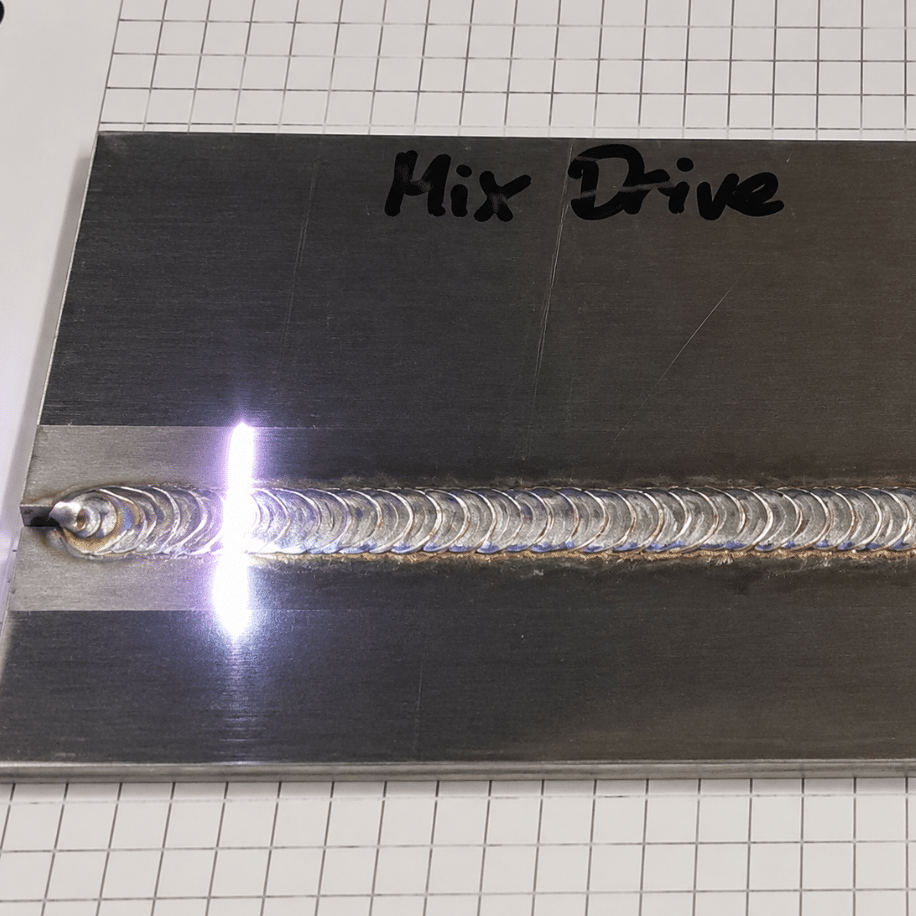
When surface control creates the value
Pulsed cleaning is usually the stronger direction when the unwanted layer must be removed while preserving texture, geometry or a sensitive substrate.
- Mold cleaning without abrasive media
- Weld preparation and oxide removal
- Aluminum, stainless steel and precision parts
- Oil, grease, carbon and selective coating removal
- Local cleaning zones and repeatable recipes
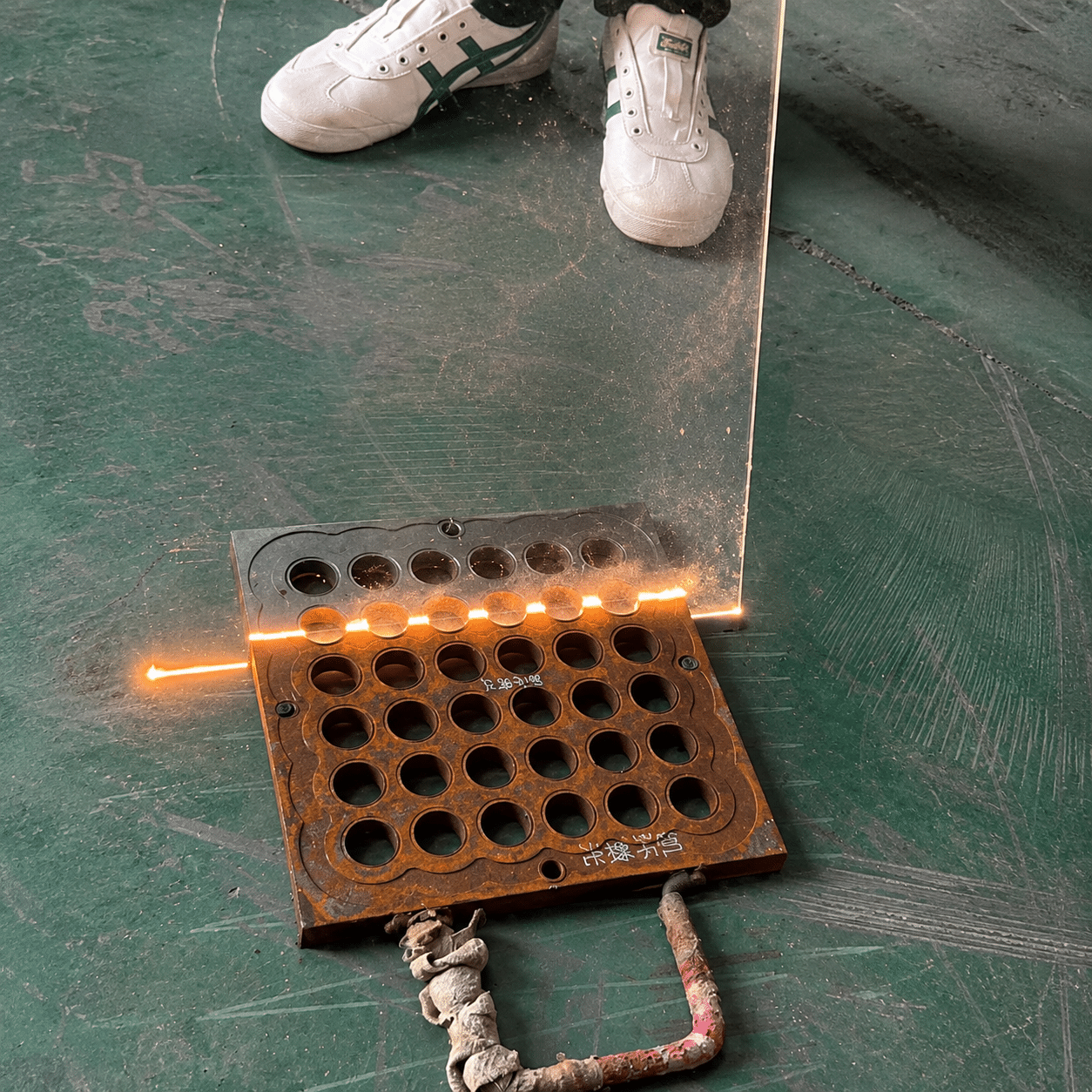
When removal output creates the value
CW cleaning is usually the stronger direction when heavy contamination, large robust surfaces and square meters per shift determine the return on investment.
- Heavy rust and mill scale on carbon steel
- Thick coatings and repeated bulk removal
- Shipbuilding, pipeline and steel structures
- Large equipment and maintenance projects
- Mobile, fixed or robotic high-output cleaning
See how real purchase priorities change the recommendation
The same contaminant can point to a different laser mode when the substrate, area, finish or daily output changes.
Residue on textured tool steel
Protecting edges, texture and mold dimensions matters more than cleaning the largest area per hour.
Heavy rust over a large area
The substrate is robust and the buyer needs practical square meters per shift.
Coating removal with finish limits
Reflectivity, coating adhesion and acceptable surface change require a controlled test.
Oxide and oil before joining
Selective removal, repeatability and low heat input support a controlled pulsed process.
Coating and corrosion maintenance
Large surfaces and heavy contamination usually place working output at the center of the decision.
Changing parts and finish targets
When jobs vary widely, compare a high-power pulsed system with an entry CW system before committing.
Move from laser mode to the right power class
Power should be selected only after the machine family is clear. A 500W pulsed cleaner and a 1000W CW cleaner are not interchangeable.
Precision and controlled maintenance
For lighter contamination, precision surfaces, small parts, molds and selective cleaning zones.
- High surface-control priority
- Fine parameter adjustment
- Local and repeated cleaning
High-output pulsed cleaning
For buyers who need more working speed without giving up the control advantages of pulsed energy.
- Medium and demanding contamination
- Large molds and industrial parts
- Strong balance of finish and output
Bulk industrial removal
For heavy layers and large robust surfaces where measured removal capacity drives payback.
- Heavy rust and thick coatings
- Large steel structures
- High area output per shift
Turn the comparison into a confident buying decision
A short, controlled test can prevent choosing the wrong laser family or paying for power that does not improve the accepted result.
Send representative parts
Include the hardest material, thickest layer and most important finish condition.
Define acceptance
Agree on cleanliness, texture, color, dimensions and any remaining residue.
Test the right modes
Compare pulsed and CW only when both fit the buyer's actual priorities.
Measure production value
Record passes, working speed, handling time, extraction and final quality.
Check the details that can change the final machine choice
Two parts that look similar in a photo can require different laser modes because the coating, substrate, access and accepted finish are different.
Layer composition and adhesion
Rust, oxide, paint, oil and mold residue absorb laser energy differently. Thickness and bonding determine passes and removal speed.
Substrate sensitivity
Thin parts, reflective metals, precision textures and critical dimensions narrow the safe process window and often favor pulsed control.
Accepted surface condition
Define whether the goal is visual cleaning, weld preparation, coating adhesion, mold protection or a measured cleanliness standard.
Area and production target
Large areas and strict shift output can justify CW power, while smaller precision zones may reward a controlled pulsed recipe.
Geometry and access
Edges, recesses, focal distance and line-of-sight access affect real cleaning time regardless of the laser's rated power.
Extraction and handling
Fume extraction, repositioning, inspection and operator movement often determine daily output more than nominal scan speed.
Use the next tool for power, output and cost decisions
After comparing Pulsed and CW, narrow the power class, estimate production capacity and validate the investment case.
Still deciding between Pulsed and CW?
Send Oceanplayer a representative material, contamination photo, cleaning area and finish requirement. We can recommend a test route and compare the machine families that fit your project.
Pulsed vs CW laser cleaner buyer questions
Clear answers for buyers comparing cleaning quality, production speed, heat input, power and machine cost.