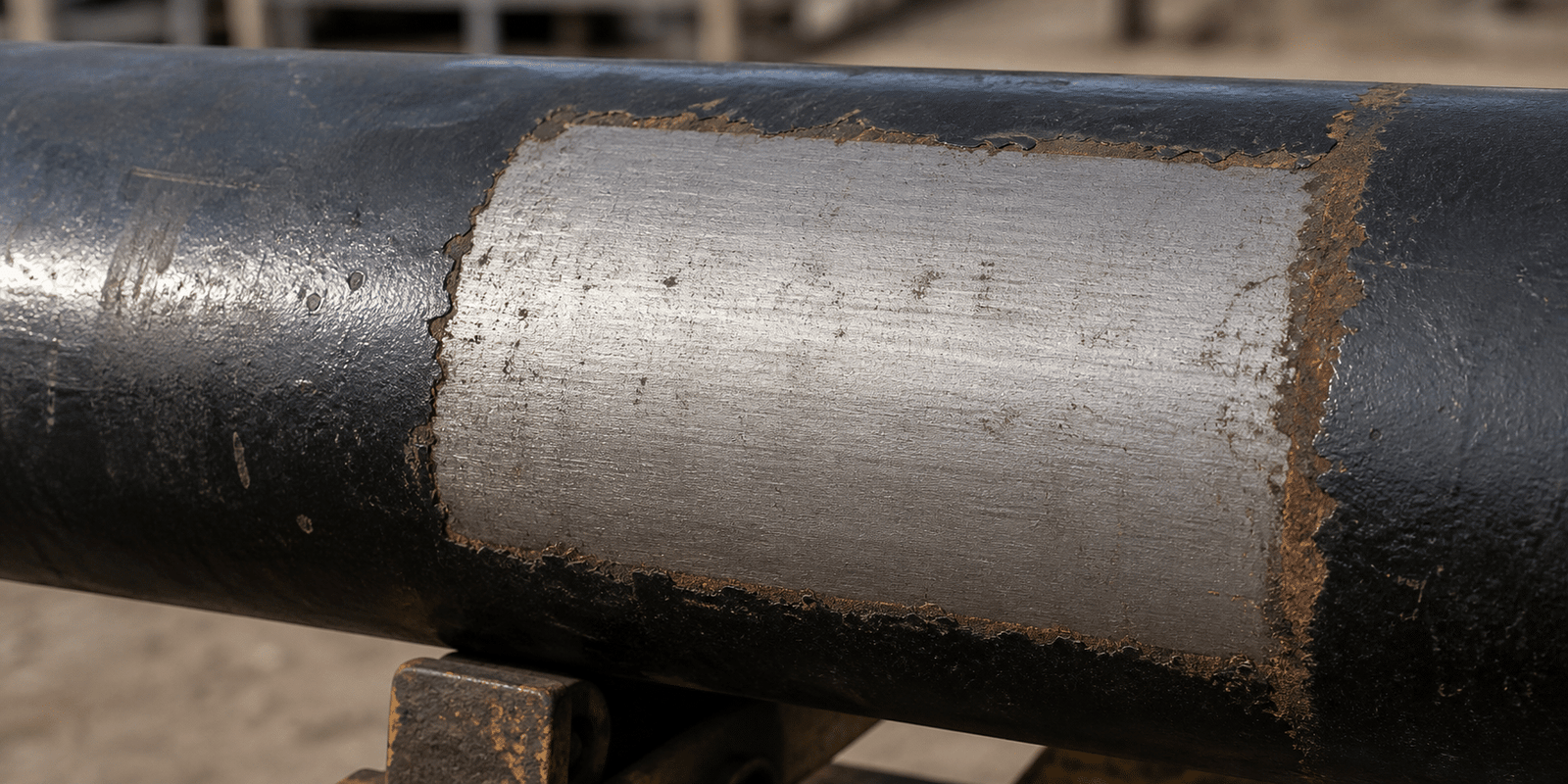
Oil & Gas / Pipeline Laser Solutions for Cleaning, Surface Preparation, Welding Support and Traceability.
Oceanplayer helps pipeline contractors, oil and gas maintenance teams, fabrication shops and equipment service companies remove corrosion, prepare weld zones, clean coated surfaces and mark components with durable identification. Build a laser process around pipe diameter, surface condition, coating type, field access, safety layout and inspection requirements.
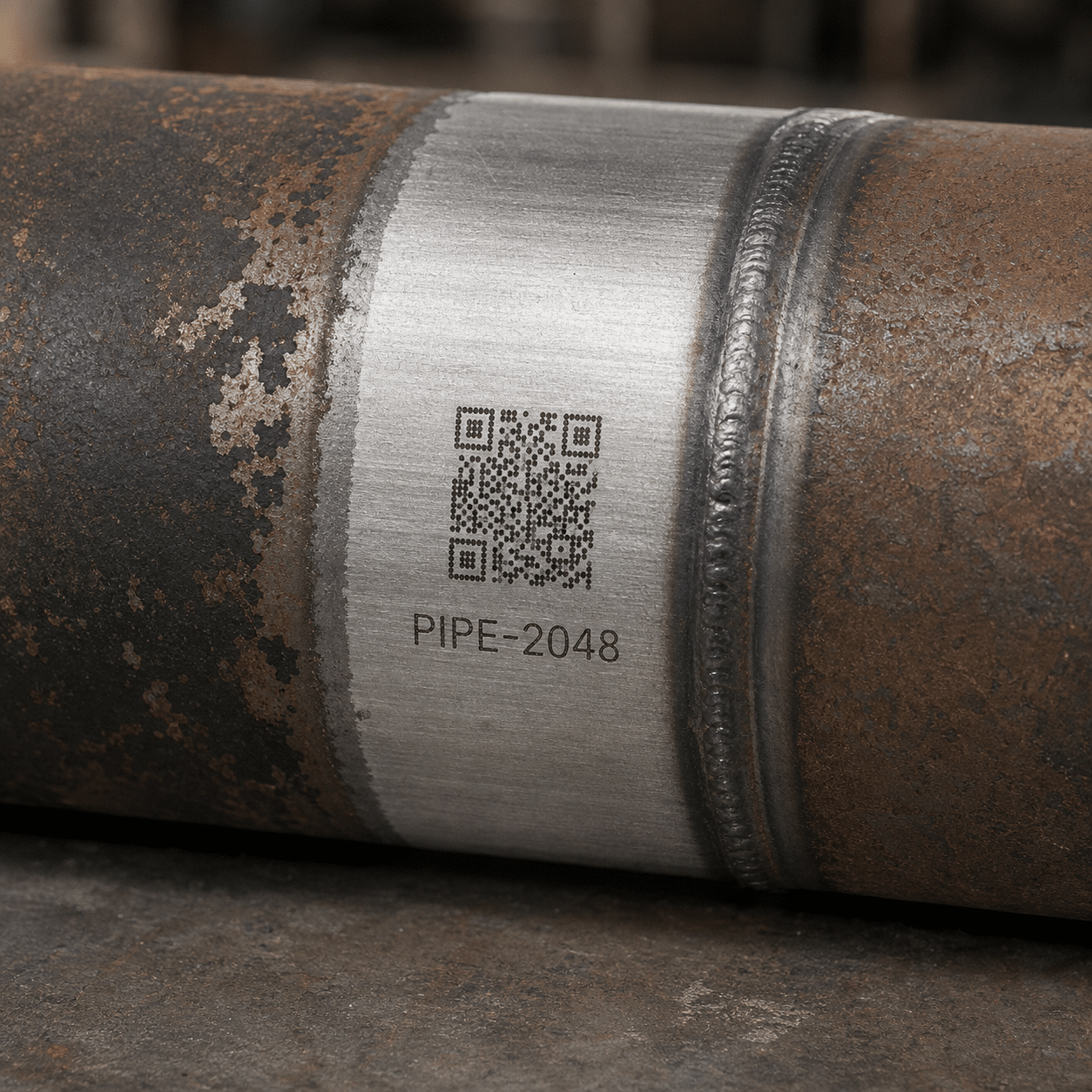
- Pipeline rust, oxide and coating removal
- Pre-weld cleaning and surface preparation
- Portable, handheld and robotic laser options
Pipeline work needs clean metal, controlled preparation and reliable inspection results
Corrosion, old coating, oil residue and field working conditions can affect welding, bonding, coating repair and inspection. Laser systems help target the area that needs treatment without preparing a large surface unnecessarily.
Corrosion and coating slow repair work
Laser cleaning can remove rust, oxide, paint and selected coating layers from pipe surfaces, flanges, valves and steel structures.
Weld zones need stable preparation
Clean metal around joints helps reduce contamination risk before welding, cladding, sealing, coating repair or inspection.
Field projects need practical equipment
Portable and handheld laser cleaners support maintenance teams that work around pipe racks, tanks, outdoor sites and repair areas.
Use laser systems across inspection, repair and fabrication steps
Oil and gas projects often need surface cleaning at different points: before welding, before coating repair, before NDT, during maintenance and before permanent identification.
Expose the real surface
Remove loose rust, old coating or contamination around the area that needs checking.
Clean weld and repair zones
Prepare local pipe areas, flanges, seams and edges before welding or coating repair.
Support welding and coating work
Improve surface consistency before selected joining, sealing, bonding or repainting tasks.
Mark parts and maintenance data
Add permanent codes, serial numbers or component IDs on tags and selected metal parts.
Pipeline and oilfield surfaces that can benefit from laser cleaning and marking
Laser systems are useful when the work area requires controlled cleaning, reduced media handling, local treatment and repeatable preparation before the next process.
- Pipeline rust removal, oxide cleaning and local surface preparation before repair.
- Weld seam cleaning before welding, after welding or before inspection.
- Paint and coating removal around repair windows, joints, flanges and steel structures.
- Cleaning valves, tanks, fittings, brackets, offshore equipment and maintenance parts.
- Serial number, QR code, barcode and logo marking on tags, plates and selected components.
Match pipeline surface problems with the right laser solution
The best configuration depends on pipe material, coating thickness, corrosion level, work location, access angle, cleaning width and required surface finish.
| Pipeline Need | Laser Solution | Common Work Area | What To Confirm |
|---|---|---|---|
| Heavy rust removal | CW laser cleaning machine | Pipes, steel structures, tanks, flanges and repair areas | Rust thickness, speed target, power level and fume extraction |
| Controlled weld-zone cleaning | Pulsed laser cleaning machine | Weld seams, heat-sensitive areas and inspection zones | Base material, heat limit, spot size and final surface requirement |
| Field maintenance | Handheld or mobile laser cleaner | Outdoor pipeline repair, pipe racks, valves and maintenance shops | Site access, cable length, cooling method and operator movement |
| Repeated pipe cleaning path | Robotic laser cleaning system | Pipe sections, production fixtures and automated preparation stations | Pipe diameter, rotation fixture, robot path and safety enclosure |
| Component identification | Fiber or MOPA laser marking | Tags, plates, fittings, valves and metal components | Material, code size, readability and data format |
Clean the exact pipeline area that needs repair, welding, inspection or coating.
Pipeline teams often work under time pressure and difficult site conditions. A laser cleaning process can focus on local corrosion, coating edges, weld zones and maintenance surfaces, helping teams reduce manual grinding, blasting media handling and inconsistent preparation.
Review laser results for pipeline cleaning, preparation and maintenance
Review common results for pipe rust removal, coating removal, weld seam cleaning, flange cleaning, valve maintenance and identification marking.
Watch pipeline laser cleaning and preparation on real metal surfaces
Review cleaning speed, edge control, heat effect, residue removal and final surface appearance before selecting a system.
Pipeline Rust Removal
See corrosion removed from steel pipe surfaces and maintenance parts.
Coating Removal and Repair Prep
Review local paint or coating removal for repair windows and inspection areas.
Weld Zone Preparation
Check how laser cleaning prepares weld seams, edges and heat-affected areas.
Choose an oil and gas laser system format for site access and production rhythm
Pipeline projects may need a compact field unit, a high-power workshop cleaner, a pulsed precision cleaner, a robotic cleaning cell or a marking station for traceability.
Handheld Laser Cleaner
For flexible rust removal, weld prep, flange cleaning and maintenance work in shops or field service.
Mobile Laser Cleaner
For moving between pipe sections, tanks, repair stations and large maintenance areas.
CW Laser Cleaning Machine
For faster removal of heavy rust, paint and coating layers on larger metal surfaces.
Pulsed Laser Cleaner
For controlled surface treatment where heat input, base material protection and precision matter.
Robotic Laser Cleaning
For repeat pipe sections, rotating fixtures, production cleaning paths and automated preparation cells.
Laser Marking Station
For serial numbers, QR codes, equipment tags, rating plates and traceability marks.
Confirm these details before selecting a pipeline laser cleaning solution
Pipeline laser projects depend on material, coating, corrosion level, working area, safety requirements and the process after cleaning. Clear details help select a practical configuration.
Pipe material and diameter
Share carbon steel, stainless steel, alloy steel, coated pipe, flange size and pipe diameter range.
Surface layer to remove
Confirm rust, oxide, paint, oil, grease, primer, coating thickness or mixed contamination.
Work location
Indoor shop, outdoor site, pipe rack, offshore equipment, tank area and access space affect system design.
Next process
Welding, coating repair, NDT inspection, bonding, sealing or repainting each needs a different surface target.
Cleaning speed target
Define daily area, cleaning width, depth requirement, operator movement and production schedule.
Safety and extraction
Plan laser safety, site control, fume extraction, protective eyewear, fixtures and operator training.
Send pipe samples and confirm the laser cleaning result before choosing the system.
Share pipe material, coating type, corrosion level, target surface finish, cleaning speed requirement and site conditions. Oceanplayer can help compare pulsed, CW, handheld, mobile and robotic laser cleaning options.
Share Pipe Details
Send material, diameter, coating, corrosion level, photos and target process.
Test Cleaning Process
Review cleaning speed, surface appearance, heat effect and residue removal.
Choose Configuration
Select handheld, mobile, high-power CW, pulsed or automated cleaning options.
Explore more Oceanplayer pipeline and metal surface resources
Compare related equipment and application pages to choose the right laser system for pipeline cleaning, weld preparation, field maintenance and traceability.