oceanplayer

Oceanplayer Laser Equipment | Cleaning, Welding, Marking, Automation Sample Testing | Global Shipping | OEM/ODM Support
Sheet Metal Laser Welding

Sheet Metal Laser Welding for Cleaner Seams, Less Distortion and Faster Fabrication.

Oceanplayer sheet metal laser welding solutions help weld cabinets, enclosures, covers, panels, boxes, frames and custom sheet metal parts with narrow seams, lower heat input and less finishing work. Choose handheld, wire-feeder, water-cooled or robotic laser welding based on material, thickness, joint design, fixture method and production volume.
  • Stainless, carbon steel and aluminum sheet
  • Lower polishing and rework cost
  • Sample welding test available
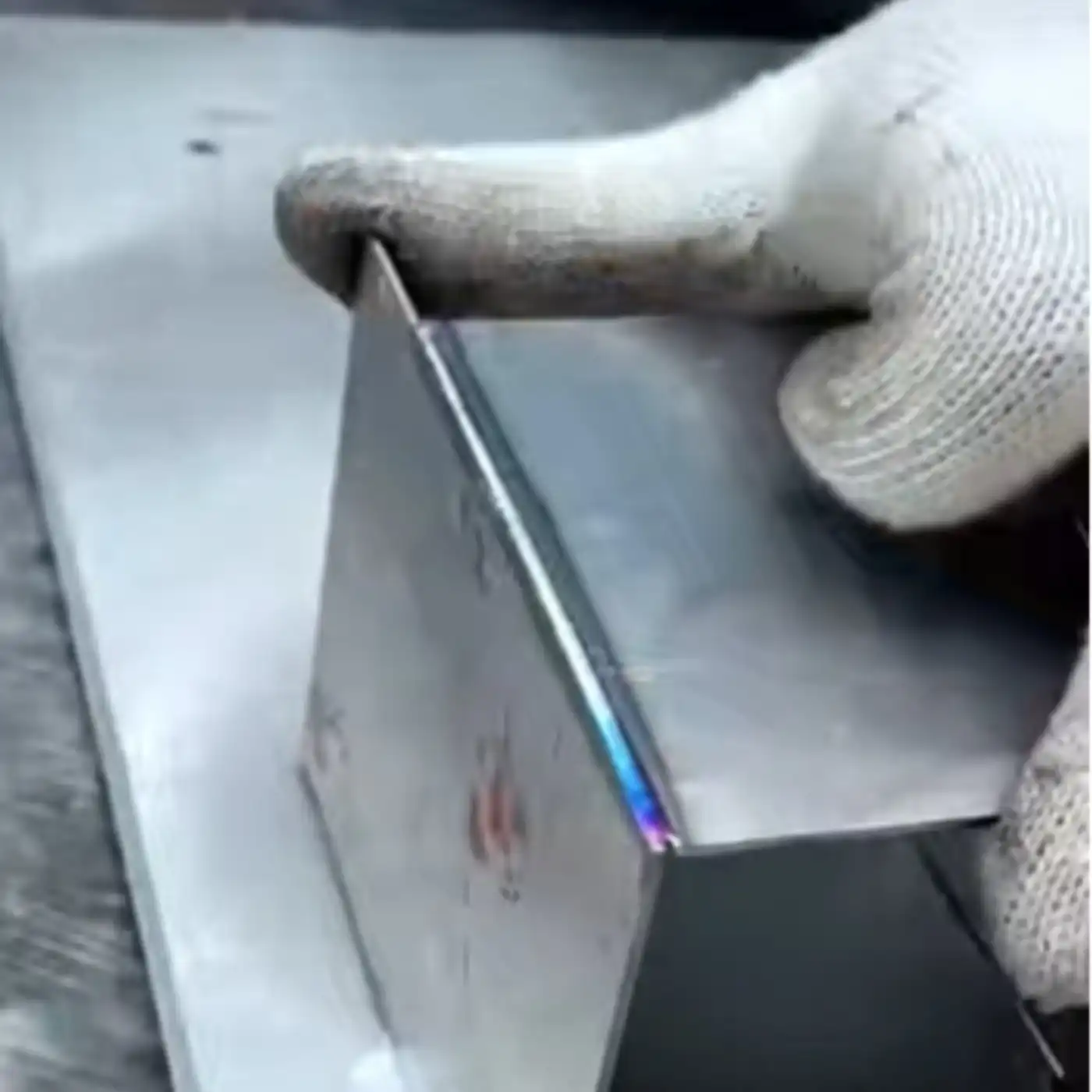
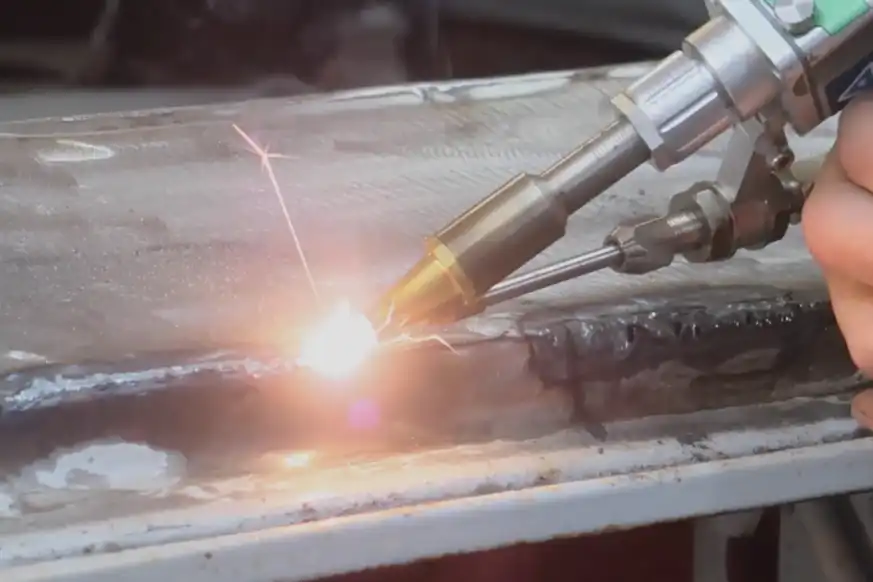
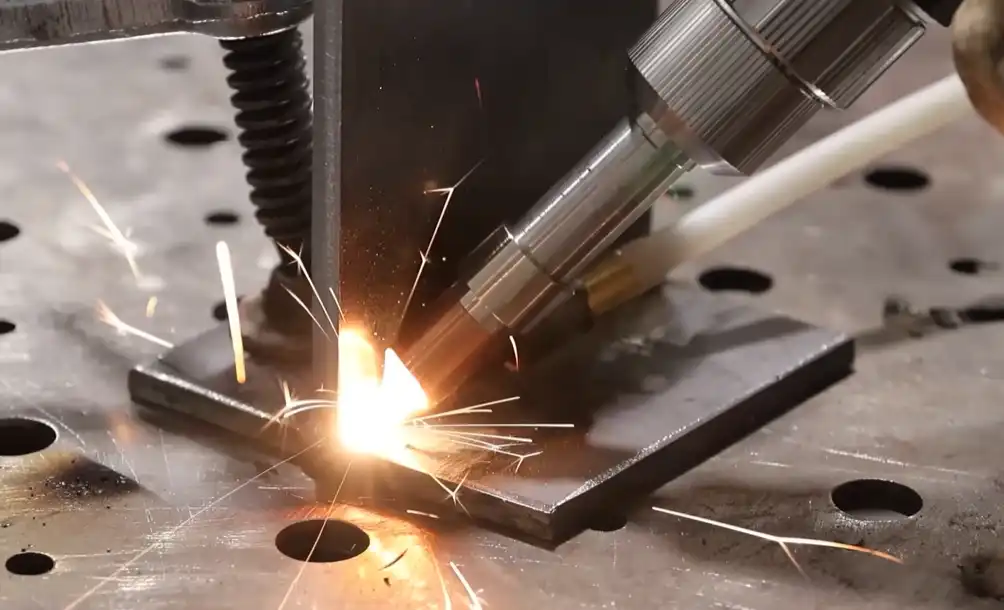
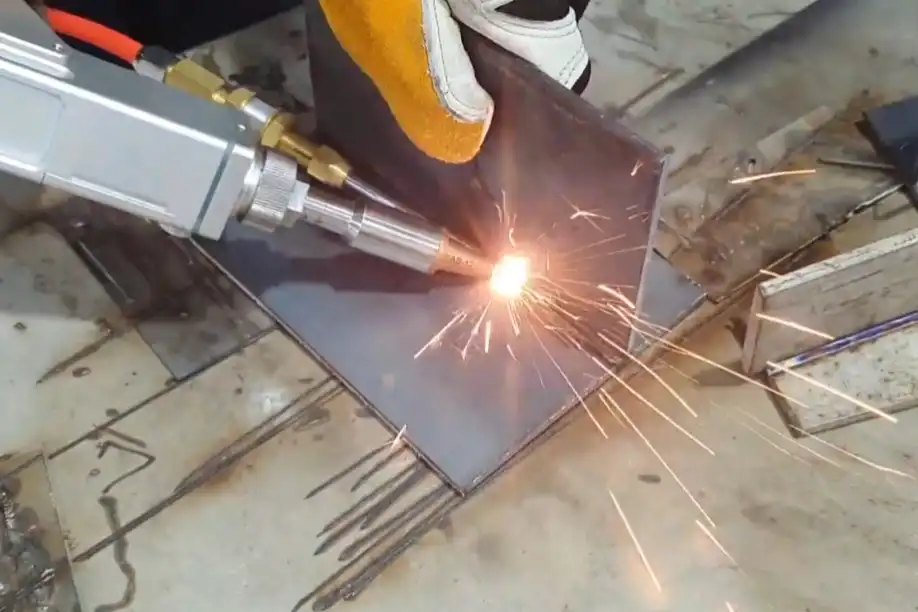
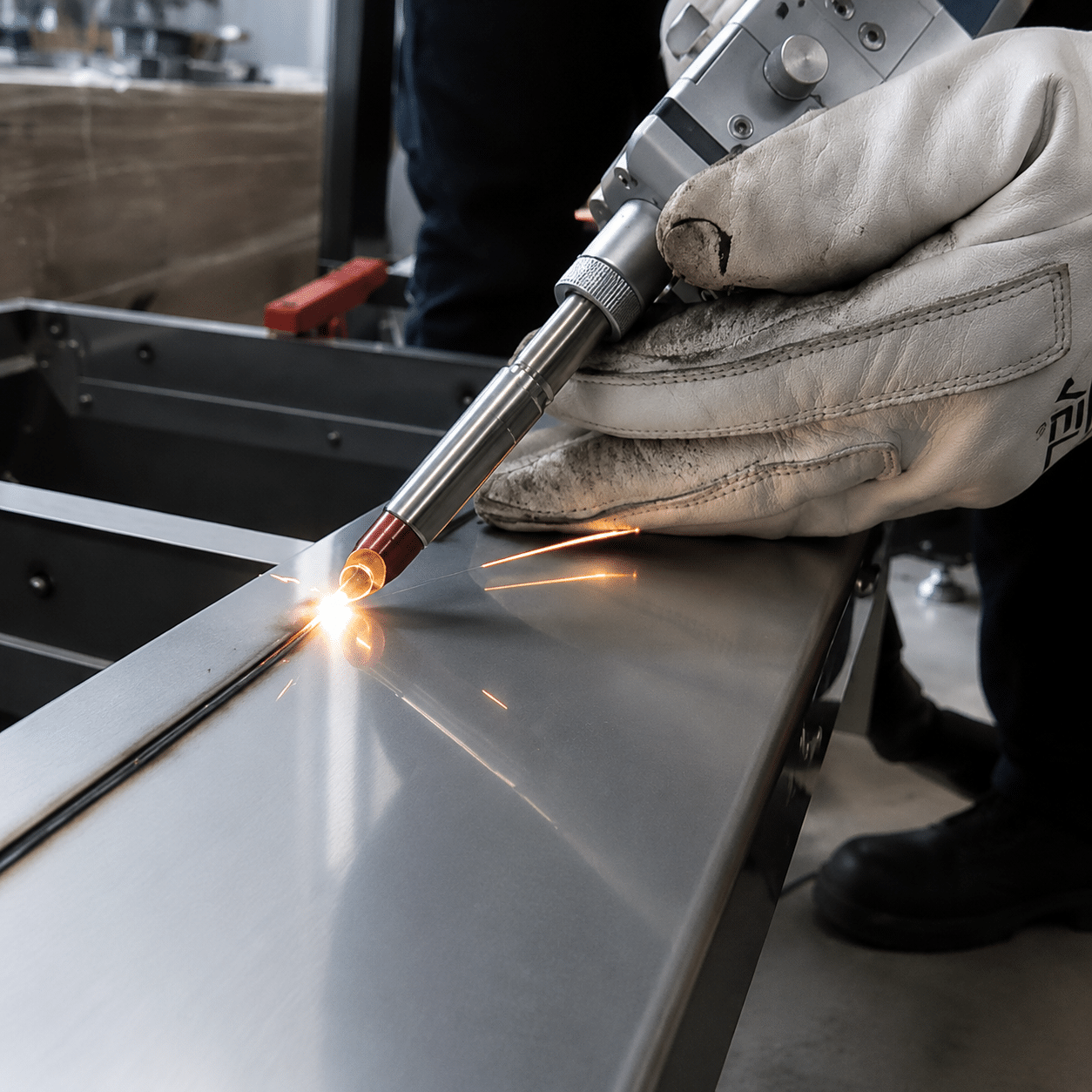
Sheet metal laser welding machine welding cabinet and enclosure parts
Cleaner sheet metal seamsDesigned for cabinets, covers, panels and production parts
ThinSheet control
LessDistortion
FastProduction
Neater Visible SeamsImprove appearance on cabinets, covers and panels
Lower Heat InputReduce warping on thin sheet metal parts
Less Finishing WorkReduce grinding, polishing and rework after welding
Flexible ProductionUse handheld, fixture-assisted or robotic welding setups
Customer Concerns

Sheet metal welding problems that laser welding can help solve

For sheet metal products, the weld must be strong enough, clean enough and repeatable enough without creating excessive distortion or post-weld labor.

Warping on thin sheet

Lower heat input helps reduce panel deformation, edge lifting and assembly problems after welding.

Heavy grinding after welding

Narrow laser seams can reduce polishing time on visible cabinets, covers, doors and decorative panels.

Inconsistent manual output

Laser welding can improve repeatability for batch sheet metal parts when fixtures and parameters are controlled.

Application Range

Where sheet metal laser welding is a strong fit

Laser welding is useful when sheet metal products need clean seams, controlled heat, fast welding and less post-processing.

  • Electrical cabinets, control boxes, enclosures, chassis and machine covers.
  • Stainless steel, carbon steel, galvanized steel and aluminum sheet metal parts.
  • Doors, frames, brackets, panels, shelves, appliance parts and display fixtures.
  • Corner seams, butt joints, lap joints, edge seams and small box assemblies.
  • Prototype, repair, small batch and repeated production welding workflows.
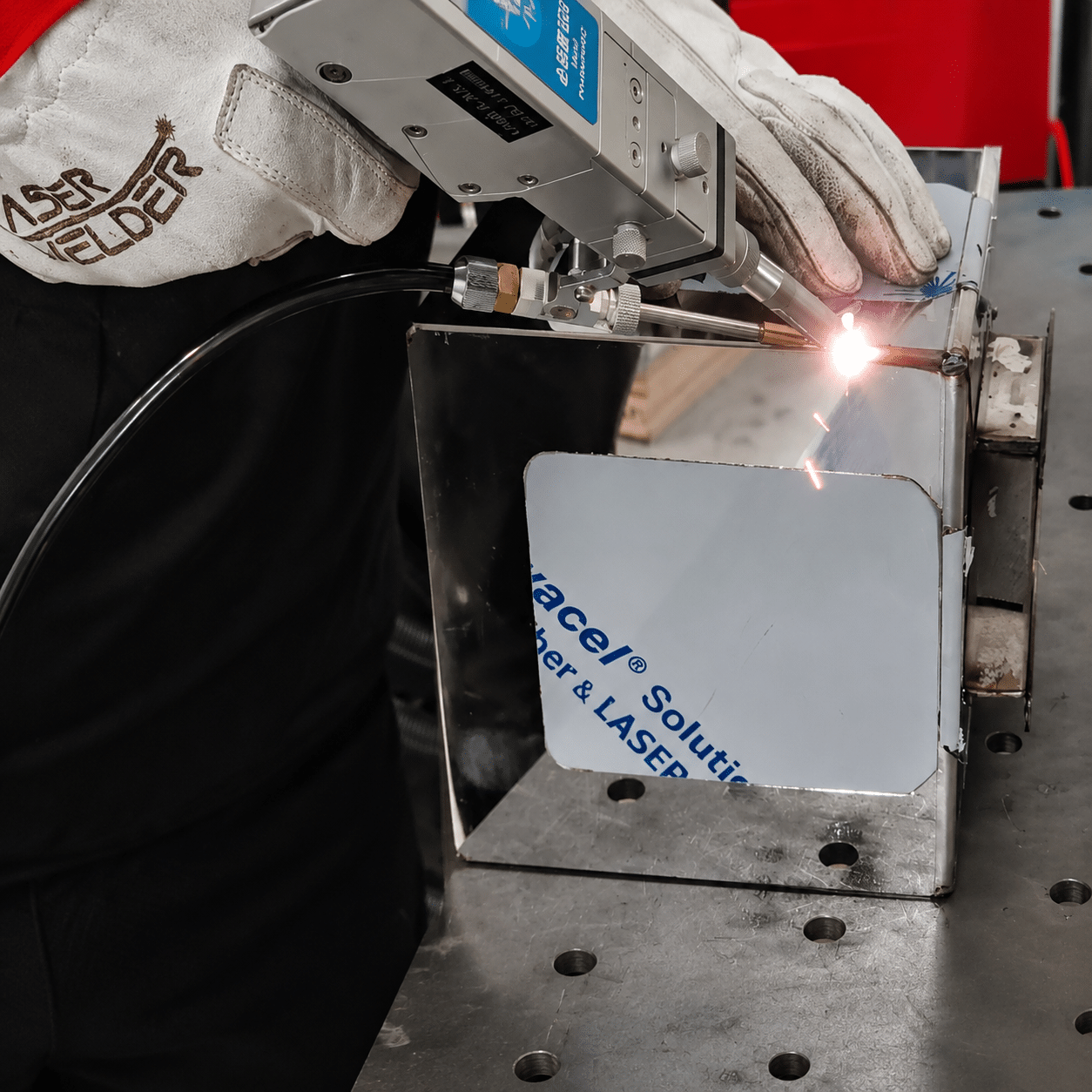
Sheet metal laser welding applications for cabinets enclosures covers and panels
Sheet Metal Process Factors

What decides sheet metal laser welding quality?

Clean sheet metal welds depend on material type, thickness, joint fit-up, fixture support, shielding gas, wire feeding and the final appearance requirement.

Heat

Protect thin panels from distortion

Correct power, speed and welding path help reduce warping on covers, doors, panels and thin enclosures.

  • Control heat input
  • Use suitable stitch or continuous strategy
  • Check flatness after welding
Finish

Match seam quality to product use

Visible products need smoother seams, fewer marks and less grinding. Structural parts may focus more on penetration and strength.

  • Define visible or hidden seam
  • Confirm strength requirement
  • Plan polishing or coating after welding
Thickness Guide

Select laser power by sheet metal thickness and material

The right configuration depends on sheet thickness, material, seam type, gap condition, welding speed and whether filler wire is needed.

Sheet Metal WorkpieceCommon SetupBest UseWhat To Check
0.5-1.2mm thin sheet1000W-1500W with controlled parametersCovers, panels, light enclosures and visible partsBurn-through, flatness and fixture stability
1.2-3.0mm sheet1500W-2000W handheld laser welderCabinets, boxes, frames and general fabricationPenetration, seam look and welding speed
3.0-5.0mm sheet2000W-3000W with suitable joint designHeavier brackets, frames and structural sheet metalJoint prep, penetration and heat control
Small gaps or corner seamsLaser welder with wire feederBoxes, cabinet corners and parts with edge variationWire diameter, feed speed and seam profile
Repeated batch partsFixture-assisted or robotic laser weldingProduction cabinets, enclosures and standard assembliesPath repeatability, loading method and safety layout
Welding Results Gallery

Review sheet metal laser welding results across common product types

Compare welding samples for cabinets, enclosures, corner seams, panels, brackets and wire-fed sheet metal joints.
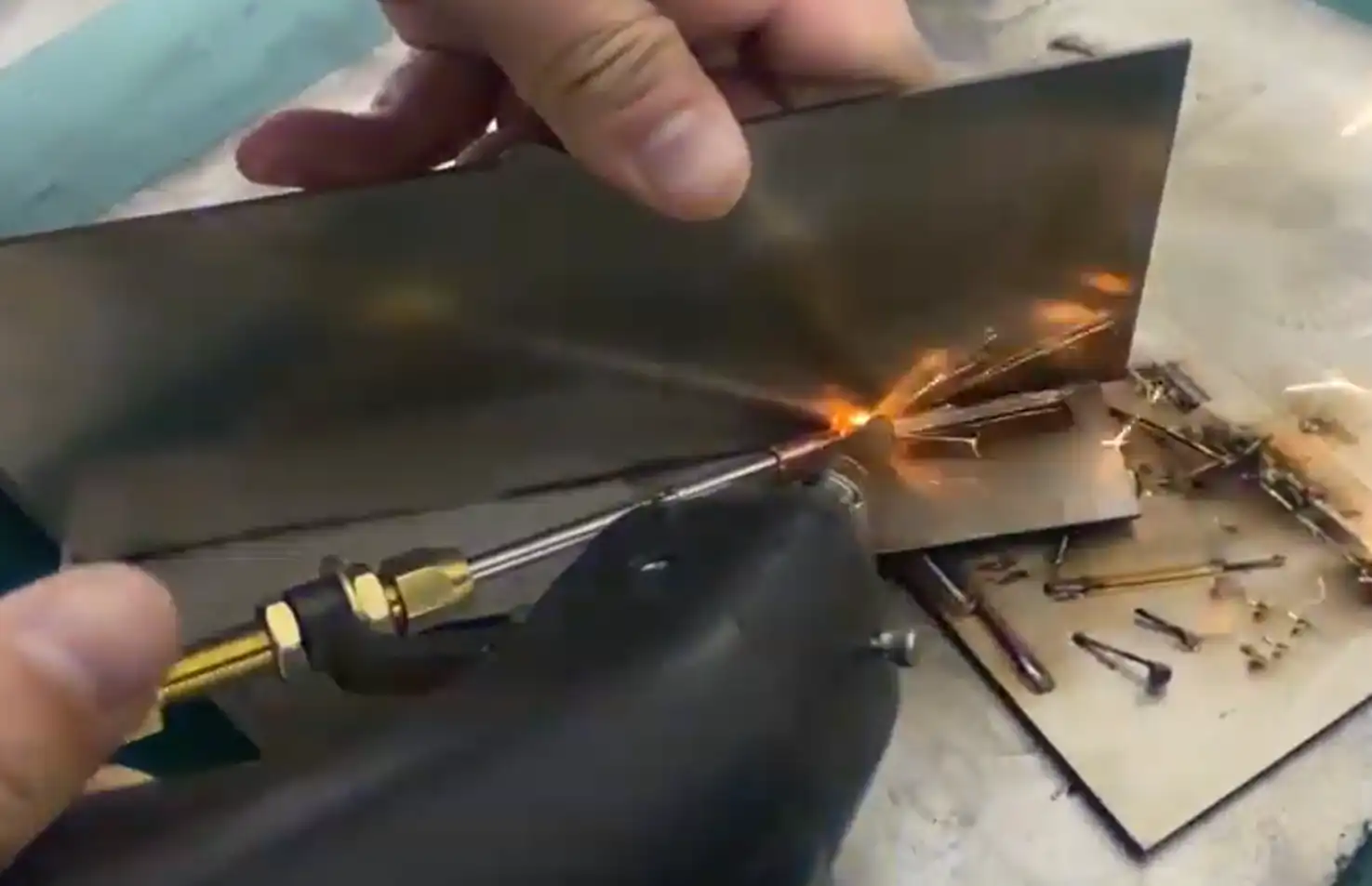
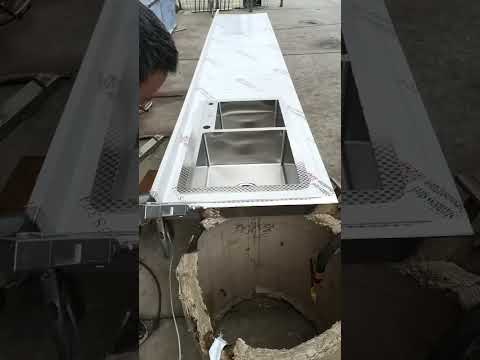
Video Demonstration

Watch sheet metal laser welding on real workpieces

See welding speed, seam appearance, fixture positioning and final surface quality before choosing your machine configuration.
Machine Configuration

Match the laser welding setup to your sheet metal workflow

Sheet metal factories may need a flexible handheld setup, a stable water-cooled system, a wire feeder for gap filling or robotic welding for repeated production seams.

Handheld Laser Welder

Flexible choice for cabinets, covers, repair work, mixed materials and varied sheet metal parts.

Air-Cooled Laser Welder

Compact option for lighter sheet metal welding where mobility and simple setup are important.

Water-Cooled Laser Welder

Better for longer duty cycles, thicker sheet metal and factories welding many hours per day.

Wire Feeder Option

Helpful for corner seams, small gaps, edge variation and cosmetic seam filling.

Fixture-Assisted Welding

Fixtures improve alignment, reduce operator variation and support repeated batch production.

Robotic Laser Welding

Useful when sheet metal parts have stable geometry, repeated paths and higher volume requirements.

Laser vs Traditional Welding

Why sheet metal shops compare laser welding with TIG, MIG and spot welding

Laser welding is often selected when sheet metal products need cleaner seams, faster welding and less distortion than traditional methods.

MethodBest ForMain ConcernWhen Laser Helps
Laser WeldingThin sheet, cabinets, enclosures and visible seamsNeeds safety setup and correct parametersFaster speed, narrow seams and lower heat input
TIG WeldingSmall precise work and skilled manual weldingSlower speed and higher operator skill demandLaser can improve output for repeated sheet metal parts
MIG WeldingThicker fabrication and high depositionMore spatter, wider welds and more finishing workLaser can reduce polishing on visible sheet metal products
Spot WeldingOverlapping sheet assembliesLimited seam sealing and visible spot marksLaser can create continuous seams for sealed products
Before You Choose

Confirm these details before selecting a sheet metal laser welder

Clear workpiece information helps recommend power, cooling method, wire feeder, fixtures, safety setup and sample welding parameters.

Material and thickness range

Share stainless steel, carbon steel, galvanized steel or aluminum sheet grades and common thicknesses.

Joint type and seam position

Corner seams, butt joints, lap joints, edge seams and box assemblies need different process settings.

Appearance requirement

Visible parts may need smoother seams, less discoloration and less polishing after welding.

Gap and fit-up condition

If cutting, bending or assembly creates gaps, a wire feeder or better fixture may be needed.

Production volume

Daily workload helps decide handheld, water-cooled, fixture-assisted or robotic laser welding.

Post-weld process

Confirm whether parts will be brushed, polished, painted, powder coated or assembled immediately.

Sample Welding Test

Send your sheet metal sample and get a practical welding recommendation.

Share material, thickness, joint type, gap size, seam photos, production speed target and appearance requirement. Oceanplayer can recommend laser power, cooling type, wire feeder options, fixture suggestions and sample welding parameters.

01

Share Workpiece Details

Send material, thickness, joint type, photos and target seam result.

02

Test Welding Parameters

Check power, speed, shielding gas, wire feeding and final seam finish.

03

Choose Configuration

Select handheld, air-cooled, water-cooled, wire-feeder or robotic welding setup.

FAQ

Sheet Metal Laser Welding FAQ

Can laser welding be used for sheet metal?
Yes. Laser welding is widely used for sheet metal cabinets, covers, enclosures, panels, frames and boxes. It is especially useful when cleaner seams and lower heat input are important.
What sheet metal thickness can a laser welder weld?
Common applications include thin sheet from around 0.5mm and thicker sheet metal depending on material, laser power, joint design and required penetration. Sample testing is recommended for your exact part.
Does sheet metal laser welding reduce distortion?
Laser welding usually has lower heat input than many traditional welding methods, which can help reduce warping when parameters, fixtures and welding sequence are correct.
Do I need a wire feeder for sheet metal welding?
A wire feeder is useful when sheet metal parts have small gaps, corner seams or cosmetic seam filling requirements. Tight joints may often be welded without filler wire.
Is laser welding better than TIG or MIG for sheet metal?
It depends on the product. Laser welding is often better for faster production, narrow visible seams and less finishing work, while TIG and MIG may still fit some repair or thicker fabrication jobs.