oceanplayer

Oceanplayer Laser Equipment | Cleaning, Welding, Marking, Automation Sample Testing | Global Shipping | OEM/ODM Support
Laser Mold Cleaning

Laser Mold Cleaning for Precise, Dry and Low-Damage Mold Maintenance.

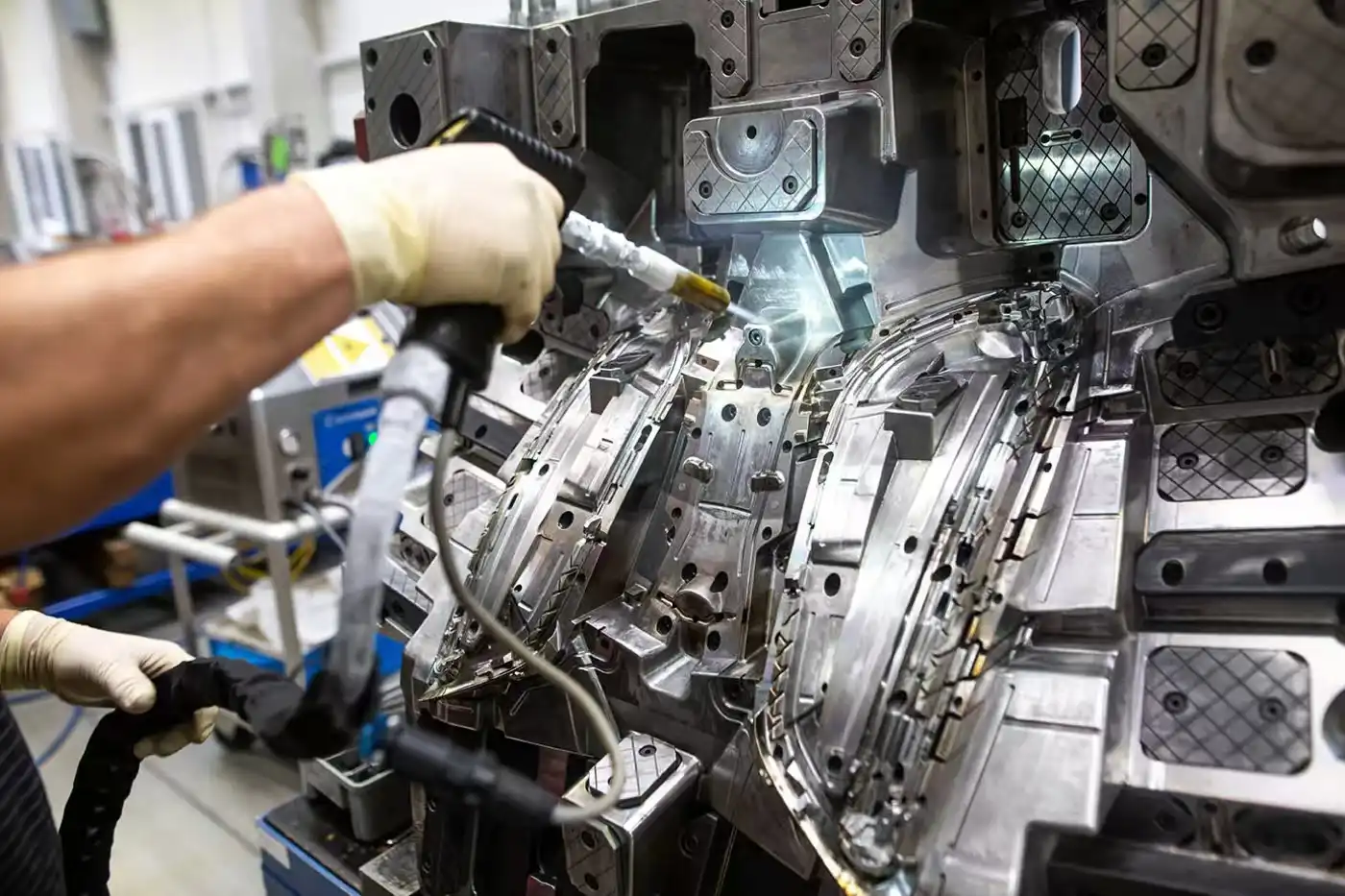
Oceanplayer laser mold cleaning solutions help remove rubber residue, release agent buildup, oil film, light rust, oxide and carbon deposits from mold surfaces. Clean tire molds, injection molds, die-casting molds, stamping dies and precision tooling while reducing abrasive wear, chemical residue and long downtime.
  • Tire and rubber mold cleaning
  • Injection and die-casting mold maintenance
  • Sample cleaning test available
Laser mold cleaning machine removing residue from precision mold surface
Protect mold textureClean residue while reducing abrasive surface wear
PulsePrecision mold care
PortableOn-site maintenance
RobotRepeatable mold paths
Dry CleaningReduce chemical washing, drying time and residue handling
Texture ProtectionControl laser parameters for fine mold surfaces
Less DowntimeClean selected areas without long disassembly cycles
Sample Cleaning TestConfirm residue removal and surface finish before ordering
Customer Questions

Key questions before using laser mold cleaning

Before choosing laser mold cleaning, confirm the residue type, mold material, surface texture, cleaning frequency, downtime target and whether the mold can be cleaned in place.

Can it clean mold residue?

Laser cleaning can remove many release agents, rubber residues, oil films, carbon deposits, light rust and oxide layers from mold surfaces.

Will it damage the mold texture?

Pulsed laser cleaning is preferred for precision molds because it can reduce heat input and control cleaning strength on textured or polished surfaces.

Can it reduce downtime?

Handheld and portable laser cleaners can clean selected mold areas quickly, reducing labor and long chemical cleaning cycles.

Application Fit

Where laser mold cleaning works best

Laser mold cleaning is useful when mold surfaces need repeatable cleaning without abrasive blasting, harsh chemicals or excessive manual polishing.

  • Tire molds and rubber molds with release agent and rubber residue.
  • Injection molds with oil film, plastic residue and light carbon deposits.
  • Die-casting molds with oxide, scale and release agent buildup.
  • Stamping dies, forming tools and precision tooling maintenance.
  • Localized cleaning on vents, grooves, cavities, edges and textured areas.
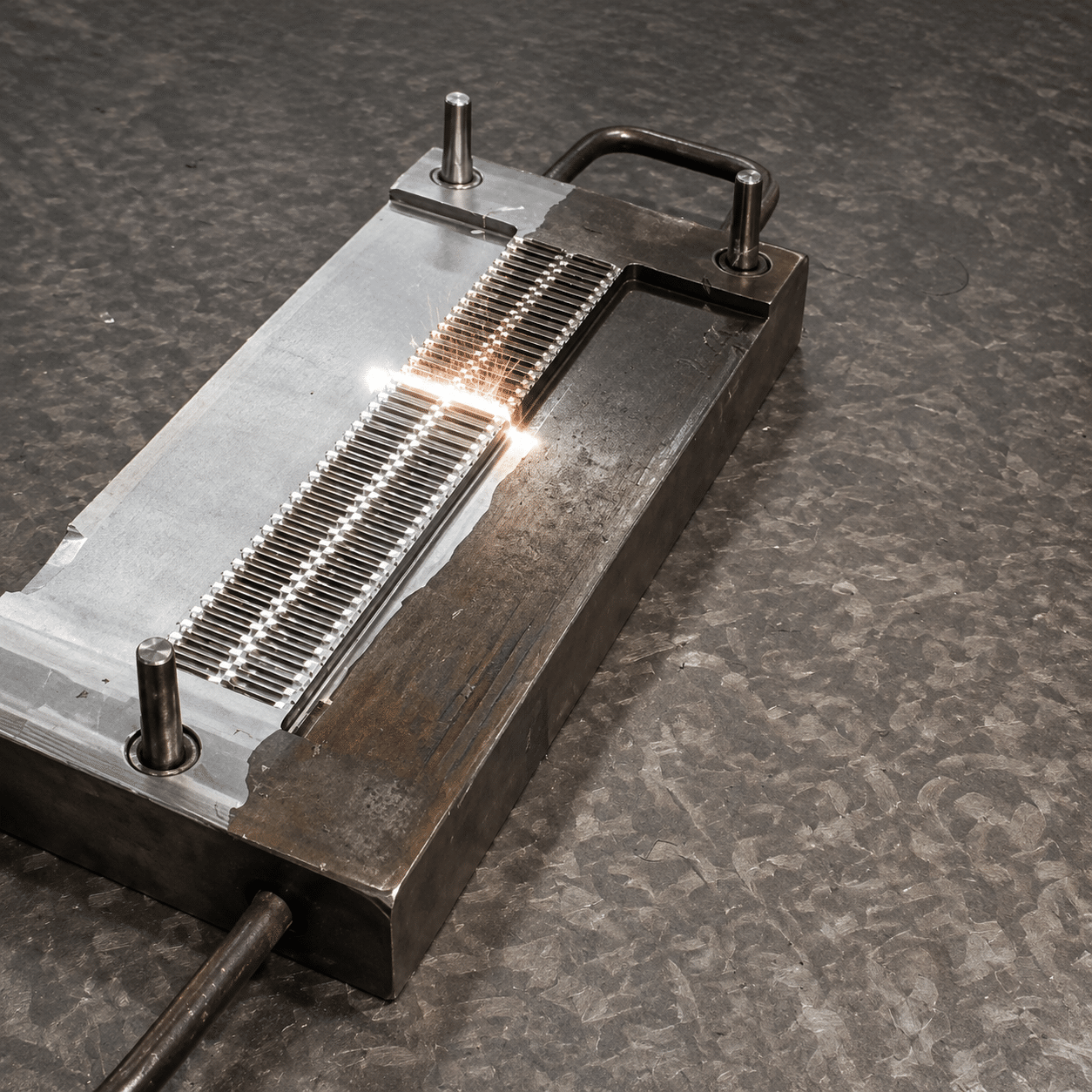
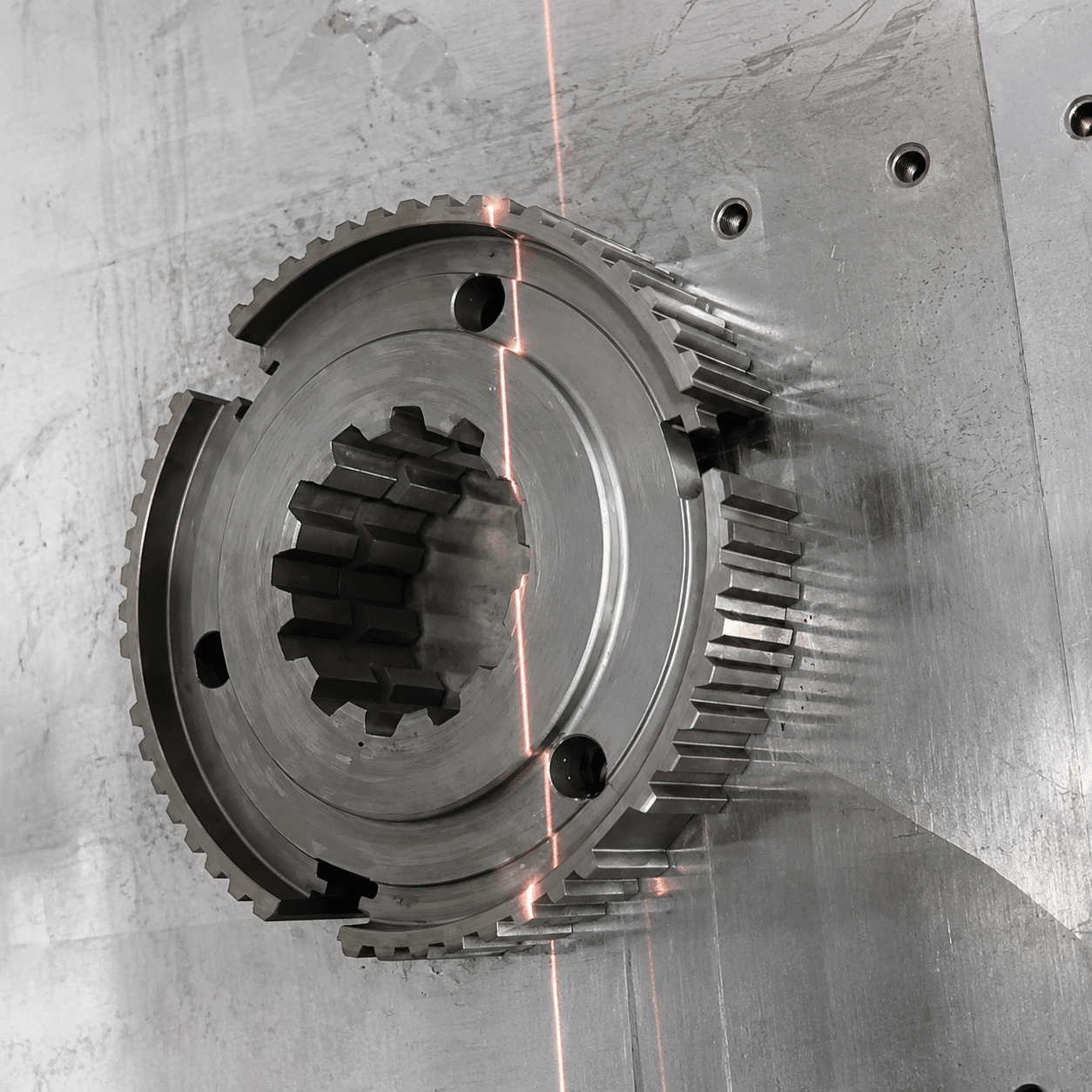
Laser mold cleaning application on tire mold injection mold or die casting mold
Method Comparison

Laser mold cleaning compared with dry ice, chemicals and abrasive cleaning

Mold cleaning methods differ in surface wear, residue handling, cleaning consistency and how much production downtime they create.

MethodBest ForMain ConcernWhy Choose Laser
Laser Mold CleaningPrecision mold residue, local cleaning, repeated maintenanceNeeds correct parameters and extractionDry, selective and controlled for mold surfaces
Dry Ice CleaningGeneral mold cleaning and production maintenanceDry ice supply, noise and access limitationsLaser avoids consumable media and can target fine areas
Chemical CleaningSoaking removable mold partsChemical residue, drying time and disposalLaser reduces liquid handling and localized cleanup work
Abrasive CleaningRough tools or heavy buildupSurface wear, texture change and media cleanupLaser better protects fine mold texture after testing
Choose The Right Laser

Which laser cleaner fits your mold maintenance work?

The best setup depends on mold size, surface texture, residue type, cleaning frequency and whether the process is manual, mobile or automated.

Maintenance

Handheld or Portable Cleaner

Useful for mold shops and maintenance teams that need flexible cleaning around large tools or installed molds.

  • Flexible operator movement
  • Local cavity and edge cleaning
  • Less handling of heavy molds
Automation

Robotic Mold Cleaning

Useful when the same mold areas need repeated cleaning paths with stable speed and distance control.

  • Repeatable cleaning route
  • Better process consistency
  • Good for production maintenance
Mold Cleaning Results

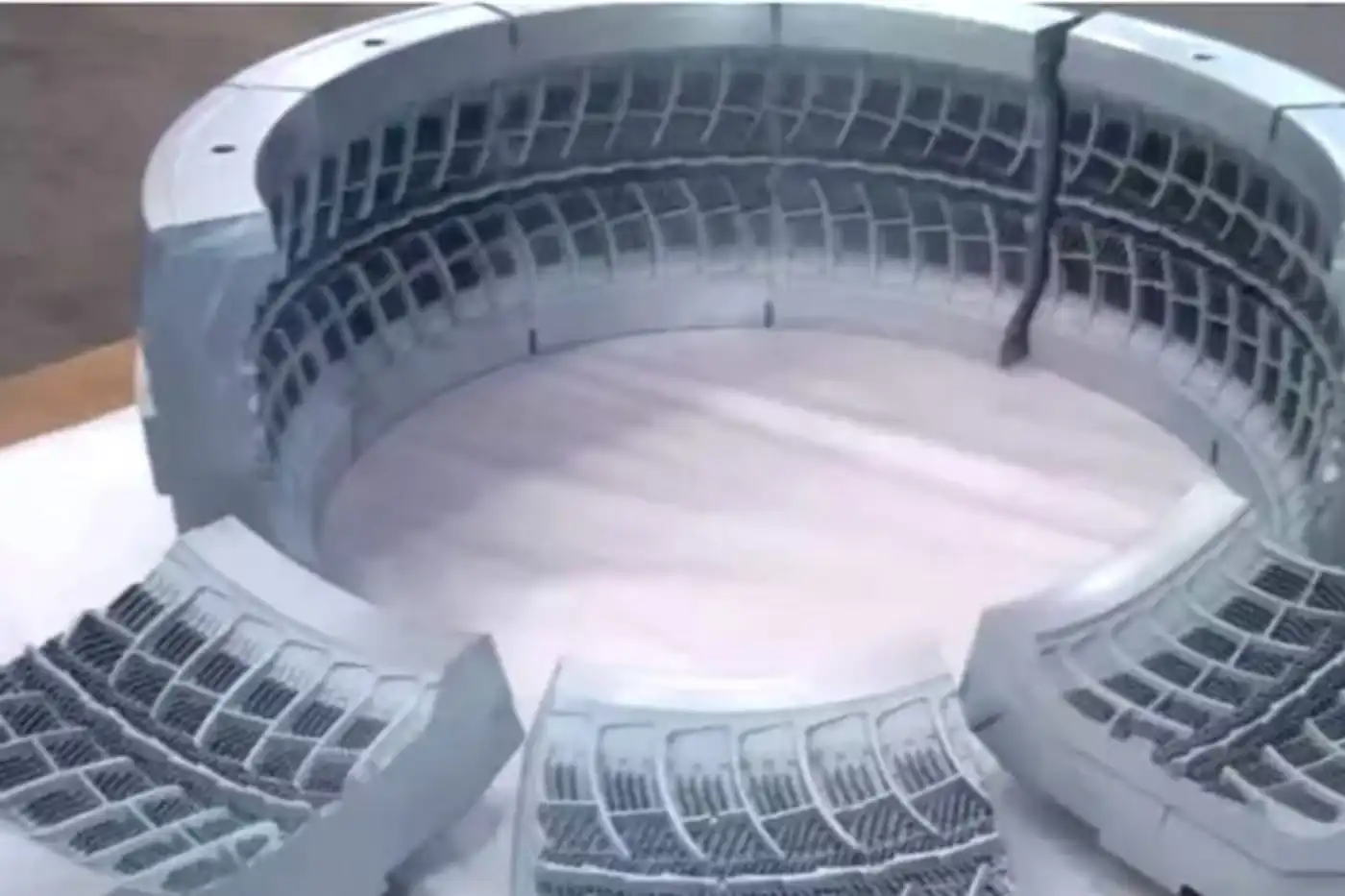
See laser mold cleaning results across different mold surfaces

Review common cleaning results for tire molds, rubber molds, injection molds, die-casting molds, stamping dies and textured mold surfaces.
Cleaning Workflow

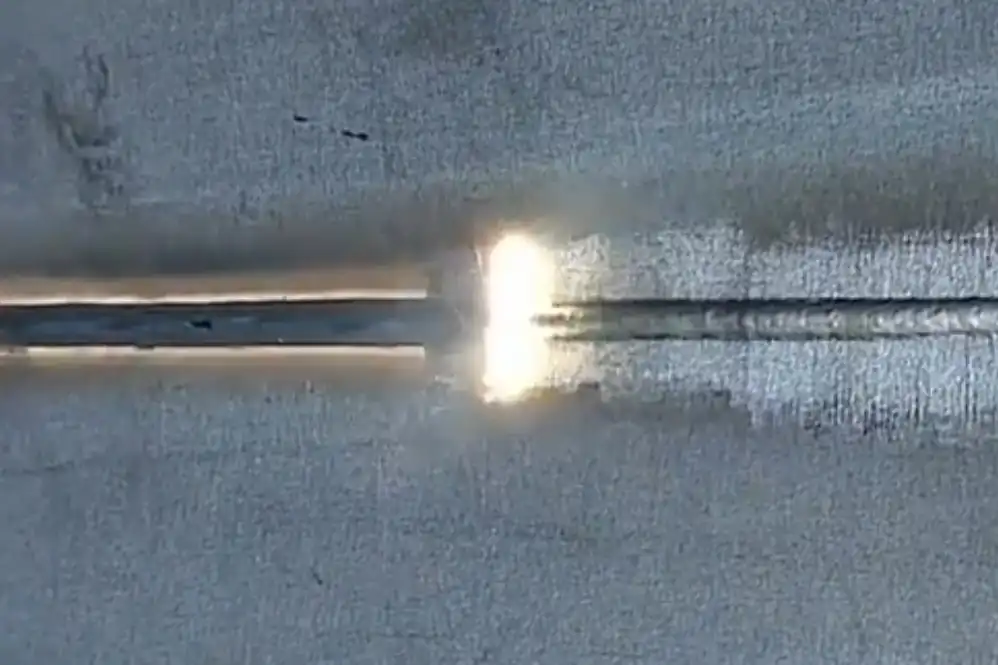
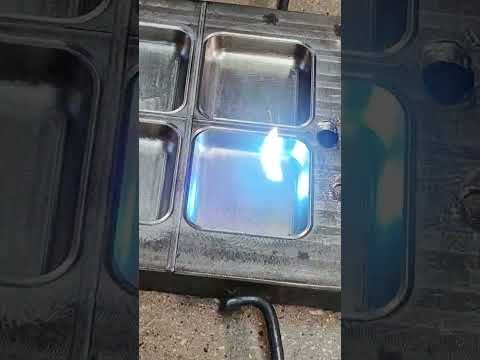
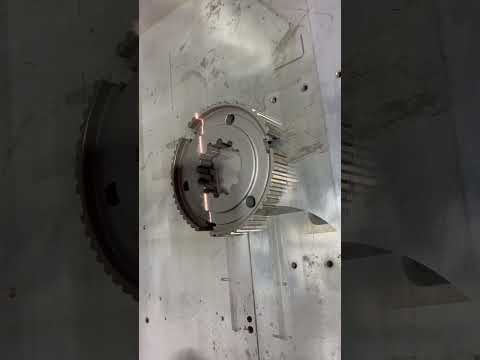
Watch laser mold cleaning on real mold surfaces

See how laser mold cleaning works on residue buildup, grooves, cavity surfaces and textured areas, including speed, smoke extraction and final surface condition.

Before You Choose

Check the details that decide whether laser mold cleaning is right for your mold

To get the right cleaning result, confirm mold material, residue type, surface texture, cleaning frequency, access space and extraction requirements.

What residue needs removal?

Release agent, rubber residue, plastic deposits, oil film, carbon buildup and light rust may require different parameters.

How sensitive is the mold surface?

Polished, textured or engraved mold surfaces should be tested before choosing power, speed and cleaning passes.

Can the mold be cleaned in place?

Portable and handheld systems can help clean selected areas without moving heavy molds to another station.

How will smoke be controlled?

Mold residue cleaning should use proper extraction, filtration and protective operating procedures.

How often is cleaning needed?

Cleaning frequency and production downtime help decide whether handheld or robotic cleaning is the better investment.

Can my mold sample be tested first?

Sample testing helps confirm residue removal, surface impact, cleaning speed and the right machine configuration before ordering.

Sample Cleaning Test

Get a laser mold cleaning plan for your residue and mold surface.

Share mold material, residue type, surface texture, cleaning area and target result. Oceanplayer can recommend pulsed, handheld, portable or robotic laser mold cleaning options.

01

Share Mold Details

Send photos, mold type, residue, texture and cleaning area.

02

Test Parameters

Confirm power, speed, pass count and surface impact.

03

Choose System

Match machine type, extraction, safety setup and maintenance workflow.

FAQ

Laser Mold Cleaning FAQ

What is laser mold cleaning?
Laser mold cleaning uses focused laser energy to remove residue, release agent, oil film, light rust, oxide and carbon deposits from mold surfaces. It is a dry process that can reduce abrasive wear and chemical residue.
Can laser cleaning be used on tire molds?
Yes. Laser cleaning is commonly used for tire molds and rubber molds to remove rubber residue, release agent buildup and contamination from grooves and textured surfaces.
Will laser mold cleaning damage the mold?
When parameters are selected correctly, pulsed laser cleaning can clean the residue layer while controlling impact on the mold surface. Sample testing is recommended for polished, textured or high-value molds.
Is laser mold cleaning better than dry ice cleaning?
It depends on the residue and workflow. Laser cleaning avoids dry ice media supply and can target fine areas, while dry ice may still be useful for some general cleaning tasks.
Which laser cleaner should I choose for mold cleaning?
Choose pulsed laser cleaning for precision mold surfaces, handheld or portable systems for flexible maintenance, and robotic systems for repeated mold cleaning paths.