oceanplayer

Oceanplayer Laser Equipment | Cleaning, Welding, Marking, Automation Sample Testing | Global Shipping | OEM/ODM Support
Laser Cleaner Power Guide

How to choose laser cleaner power for rust, paint and surface preparation

Compare pulsed and CW laser cleaning power by material, contamination thickness, cleaning speed, heat sensitivity and working area.

  • 100W to 500W pulsed cleaners
  • 1000W to 3000W CW cleaners
  • Rust, paint, oxide and weld preparation
laser cleaner power selection guide for metal surface cleaning
Power selection Match laser power to surface condition and speed
100WPrecision pulsed
500WHigher pulsed output
3000WHeavy-duty CW
MaterialSteel, stainless steel, aluminum, molds and coated parts.
ContaminationRust, oxide, paint, oil, grease and weld discoloration.
SpeedBalance cleaning quality with daily production targets.
TestingConfirm surface effect before final configuration.
Power Range Map

Common laser cleaner power ranges and where they fit

These ranges provide a practical starting point. Final selection should be confirmed by material condition and sample cleaning results.

100W

Fine pulsed cleaning

Small parts, delicate surfaces, mold maintenance and low heat input tasks.

200W

General precision cleaning

Rust spots, oxide, weld cleaning, tools and controlled surface preparation.

300W

Faster pulsed cleaning

Balanced choice for many industrial parts, molds, maintenance and pre-weld cleaning.

500W

High-output pulsed cleaning

Thicker contamination, larger parts and higher speed while keeping pulsed control.

1000W-3000W

Heavy-duty CW cleaning

Heavy rust, paint stripping, ship repair, steel structures and large surfaces.

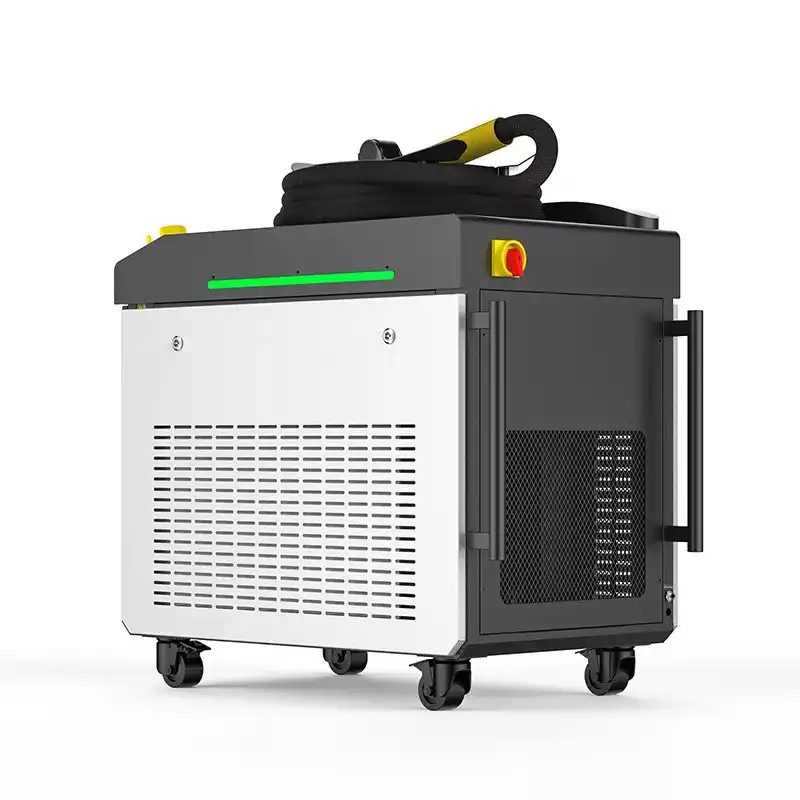
Power is not only a number. The laser type changes the cleaning behavior.

Pulsed and CW systems use energy differently, so a lower pulsed power may be better for precision surfaces while a higher CW power may be better for large heavy-duty cleaning.
PulsedBetter for controlled cleaning, low heat input and precision surfaces.
CWBetter for faster cleaning of heavy rust, paint and large metal surfaces.
SurfaceMolds, thin parts and finished parts often need controlled energy.
ThroughputLarge steel structures may need higher power and wider cleaning paths.
pulsed and CW laser cleaner power comparison
Laser Type Choice

Choose pulsed or CW power by cleaning goal

The same rust removal request can require different machines depending on surface protection, speed and work area.

Pulsed Laser Cleaner

Best when surface control matters

Choose pulsed cleaning for molds, precision parts, weld seams, lower heat input, controlled cleaning and applications where base material protection matters.

  • 100W for fine cleaning and delicate surfaces
  • 200W/300W for general industrial precision cleaning
  • 500W for faster pulsed cleaning and thicker contamination
CW Laser Cleaner

Best when heavy cleaning speed matters

Choose CW cleaning for heavy rust, paint stripping, large steel surfaces, ship repair, pipeline work and maintenance projects where throughput is important.

  • 1000W for general heavy rust and paint removal
  • 1500W/2000W for faster industrial surface cleaning
  • 3000W for large surfaces and high-throughput cleaning
Selection Factors

Five factors decide the suitable laser cleaner power

Higher power can increase speed, but the best choice depends on the complete cleaning requirement.

Material

Base material and heat sensitivity

Thin parts, finished surfaces and molds often need more controlled energy than heavy steel structures.

Layer

Rust, paint or coating thickness

Light oxide and thin rust need less power than heavy corrosion, thick paint or stubborn coating residue.

Area

Cleaning width and surface size

Small local cleaning can use lower power, while large surfaces may need higher power and wider scan width.

Speed

Daily production target

Repair work, batch production and field maintenance may require very different cleaning speeds.

Finish

Required surface condition

Some jobs only need rust removal, while others need controlled texture, coating preparation or a cleaner visual finish.

Workflow

Handheld, mobile or robotic use

Operation method affects power choice, cable length, cooling, safety, extraction and repeatability.

Power Selection Table

Match cleaning applications to recommended power ranges

This table gives a practical starting point for comparing power options before sample testing.

Application Common Power Range Laser Type Why It Fits What To Confirm
Light rust on precision parts100W-200WPulsedControlled cleaning with lower heat inputSurface finish, material reaction and cleaning time
Mold cleaning and maintenance100W-300WPulsedFine control for deposits and surface protectionMold texture, residue type and acceptable finish
Weld seam cleaning200W-500WPulsedGood fit for oxide, discoloration and local cleaningSeam size, speed and base material effect
General metal parts cleaning300W-500WPulsedBalanced speed and control for many industrial partsRust thickness, part volume and operator workflow
Heavy rust on steel structures1000W-2000WCWHigher throughput for larger surfacesCleaning width, heat input and work environment
Paint stripping and ship repair1500W-3000WCWFaster removal for thick layers and large areasPaint type, fumes, extraction and surface target
Speed & Cleaning Width

Laser cleaner power affects speed, but scan width and layer thickness matter too

When comparing machines, look at the total cleaning task instead of power alone.

Higher power can help when the surface is large or heavily contaminated

  • Large steel structures and ship repair surfaces
  • Thick rust or paint layers
  • Higher daily production targets
  • Wider scan path and continuous cleaning workflow

Lower or controlled pulsed power may be better for sensitive surfaces

  • Molds, precision parts and finished components
  • Thin materials or parts with tight tolerances
  • Local cleaning zones near edges or joints
  • Applications where surface texture must be protected
Risk Checks

Before choosing higher power, check surface risk and workflow needs

The wrong power choice can lead to unnecessary cost, slower handling or unwanted surface change.

1

Is the base material heat-sensitive?

Thin metal, precision surfaces, molds and finished parts may need pulsed control instead of maximum output.

2

Does the surface need a specific finish?

Coating preparation, visual surface cleaning and weld preparation may require different cleaning effects.

3

Will the operator clean for long periods?

Higher power may require stronger cooling, better extraction, suitable ergonomics and safe working conditions.

4

Can the process be automated?

Repeatable parts may benefit from robotic cleaning, fixtures and enclosed cells instead of only increasing power.

Cleaning Results

Compare results across different power levels

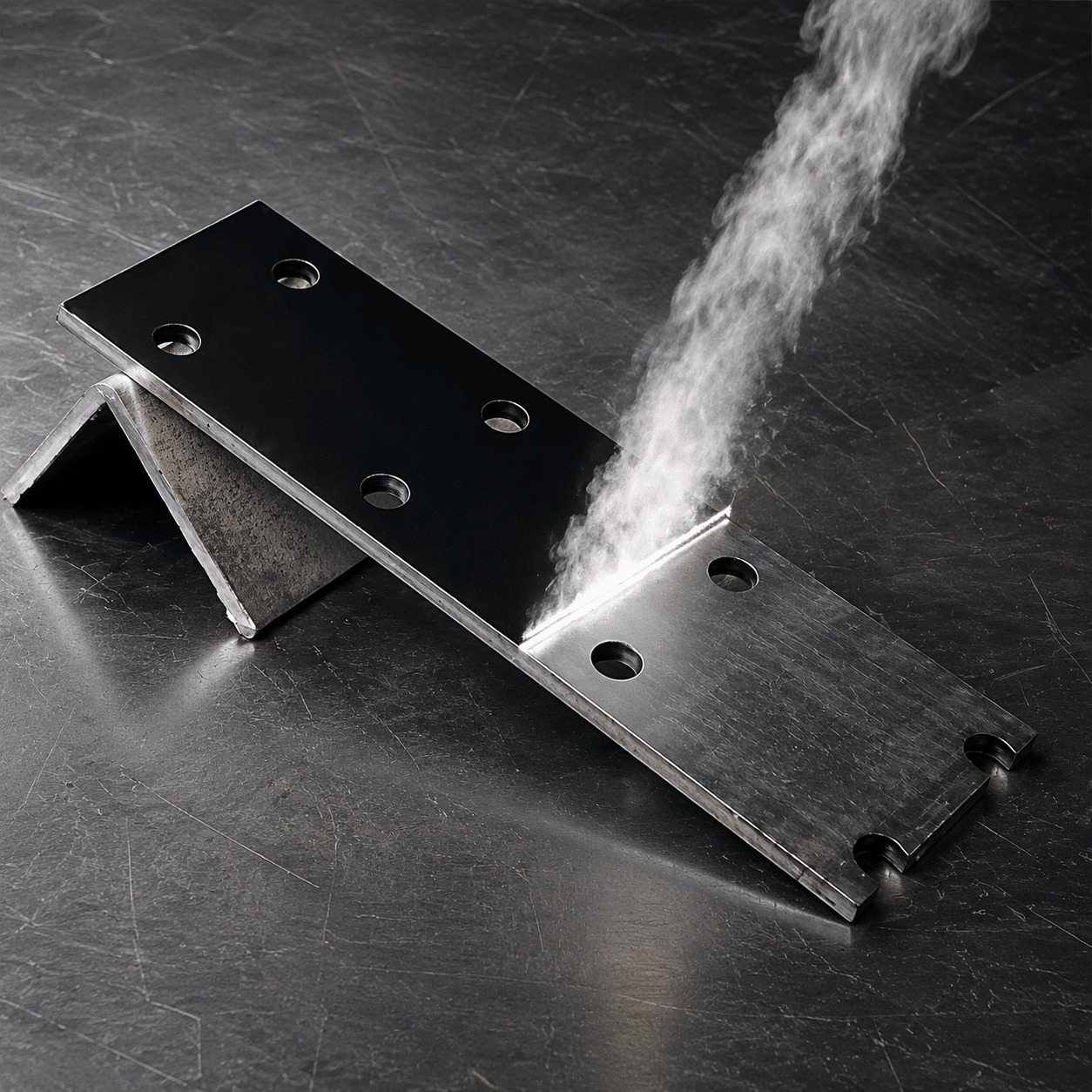
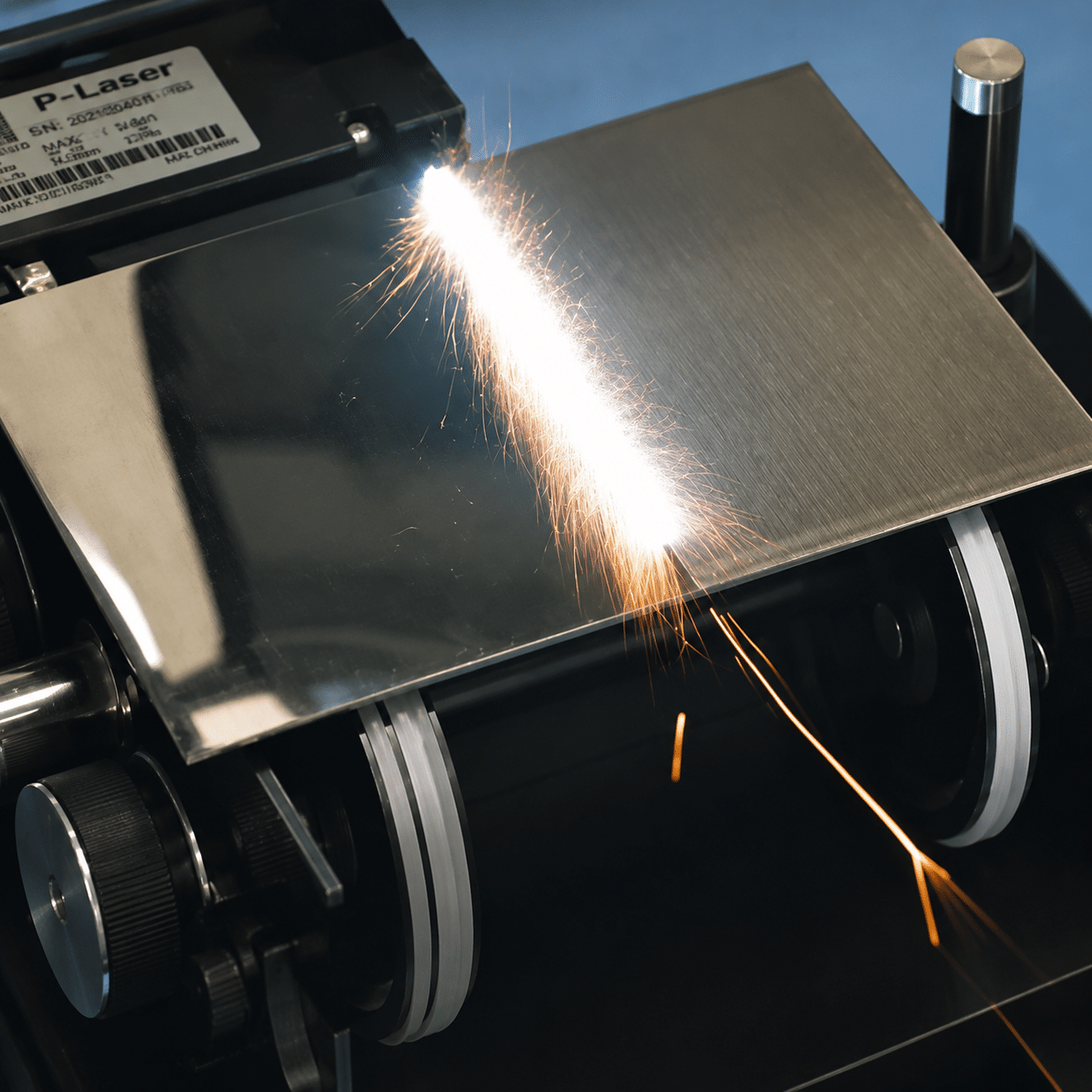
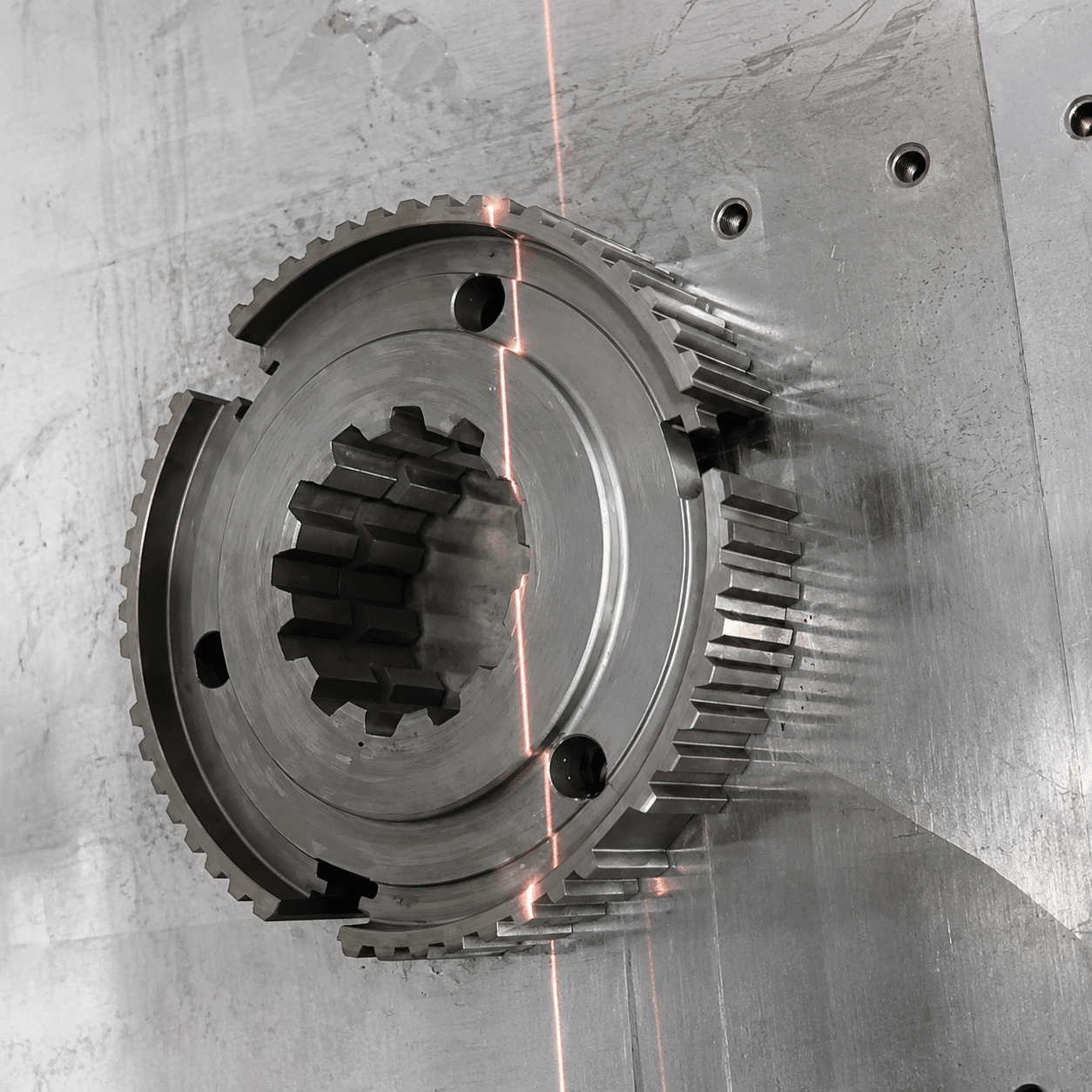
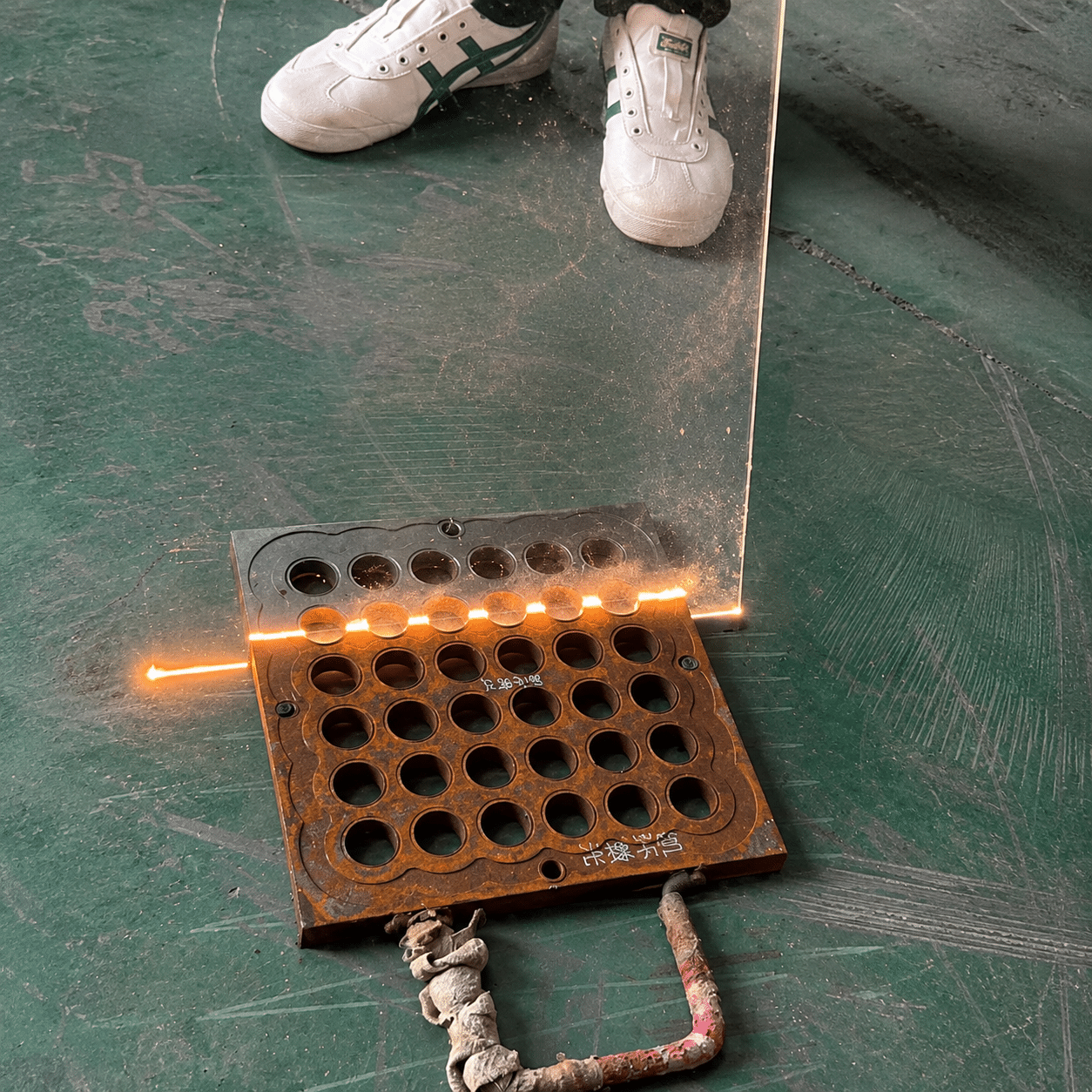
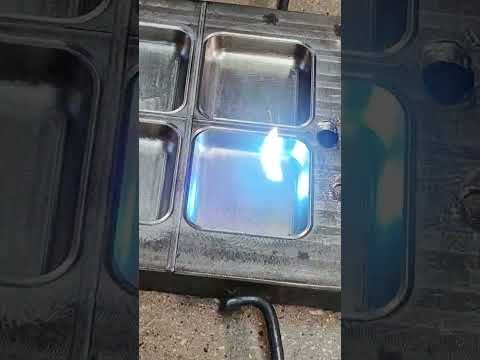
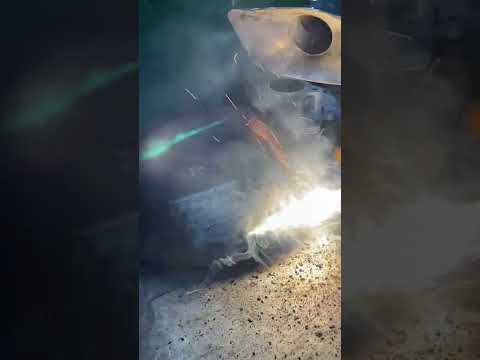
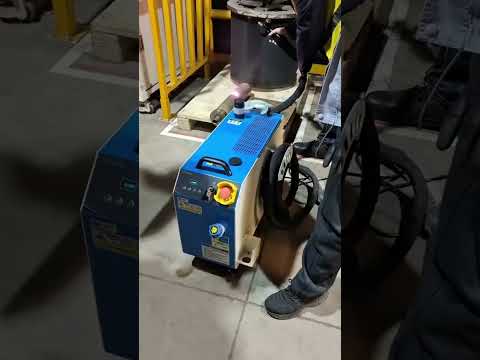
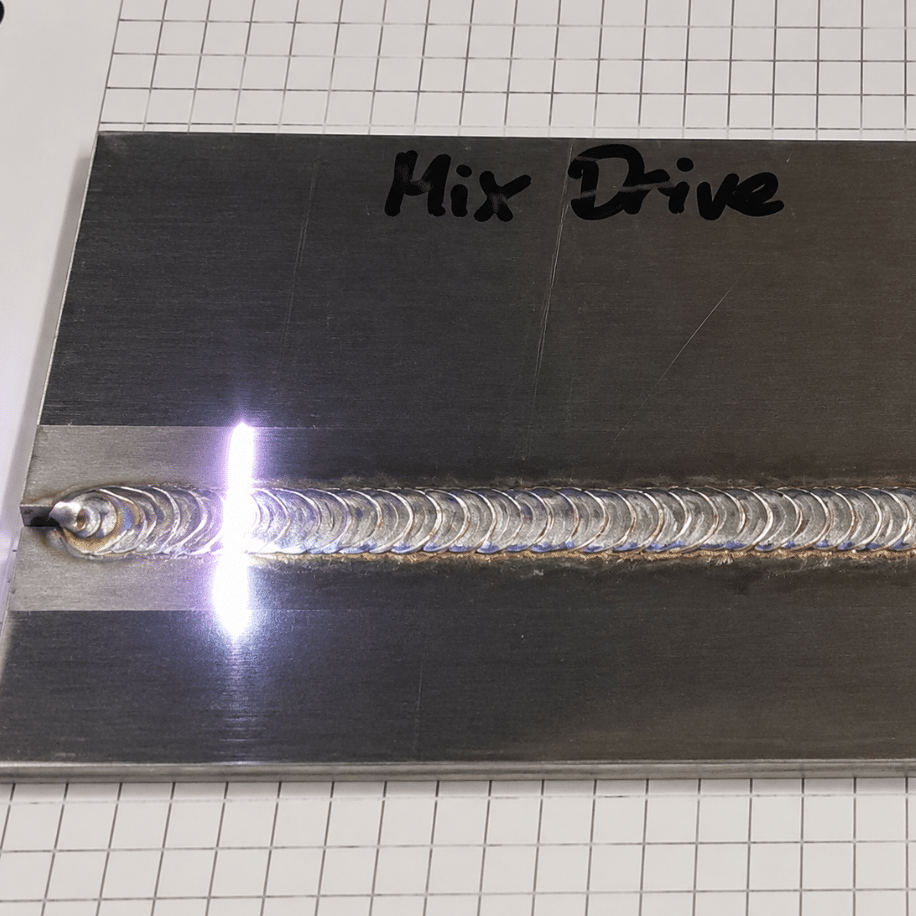
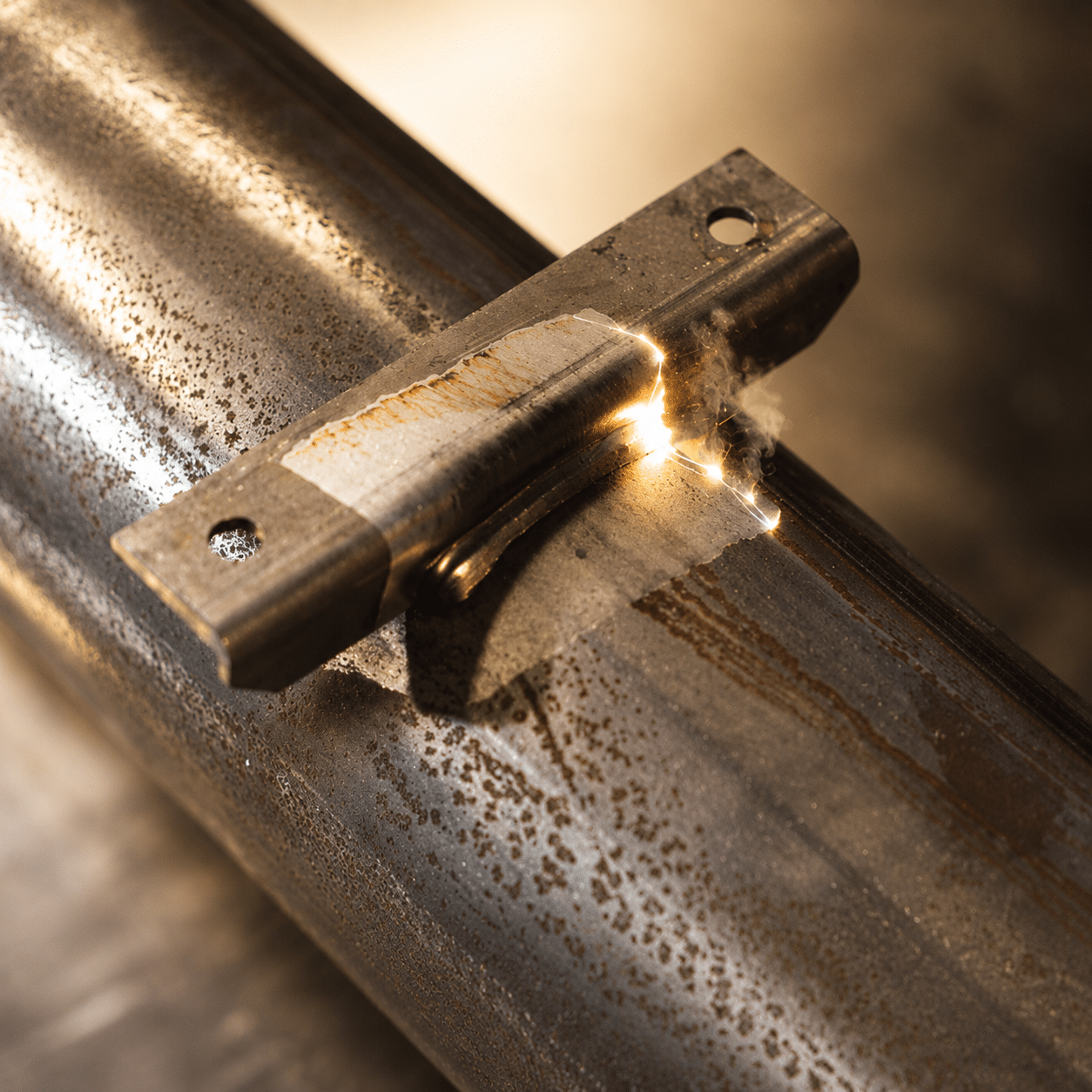
Review application images to compare light rust, heavy rust, paint removal, weld cleaning and large surface cleaning.
Power Recommendation

Not sure whether you need 200W, 500W or 2000W?

Send your material, surface condition, contamination thickness, target cleaning speed and photos. Oceanplayer can help compare suitable laser cleaner power options.

01

Share the surface

Material, rust, paint, oxide, oil, coating and target finish.

02

Compare power options

Review pulsed and CW choices based on speed, heat input and work area.

03

Confirm the configuration

Select power, cooling, cleaning head, scan width and workflow setup.

Power Selection FAQ

Common questions about laser cleaner power

These answers help compare power ranges before choosing a pulsed or CW laser cleaner.

What power laser cleaner do I need for rust removal?
Light rust and precision cleaning often fit 100W to 300W pulsed laser cleaners. Thicker rust, paint removal and larger steel surfaces often require 500W pulsed or 1000W to 3000W CW laser cleaners, depending on speed and surface condition.
Is higher laser cleaning power always better?
Higher power can increase cleaning speed, but it is not always better. Heat-sensitive parts, molds, thin materials and precision surfaces may require controlled pulsed power rather than the highest output.
Should I choose pulsed or CW laser cleaning power?
Pulsed laser cleaners are usually selected for controlled cleaning, lower heat input and precision surfaces. CW laser cleaners are usually selected for high-speed cleaning on heavy rust, paint, large steel structures and maintenance surfaces.
What affects laser cleaning speed?
Cleaning speed depends on laser power, rust or coating thickness, material, scan width, operator path, desired surface quality and whether the machine is handheld, mobile or robotic.
Why is sample testing important for choosing laser cleaner power?
Sample testing confirms the cleaning effect, surface change, speed and heat input on the actual material. It helps compare pulsed and CW options before final power selection.