
Laser Cleaner vs Sandblasting: which surface cleaning method fits your job?
Compare laser cleaning and sandblasting by cleaning result, surface effect, dust, consumables, operating cost, safety and suitable applications.
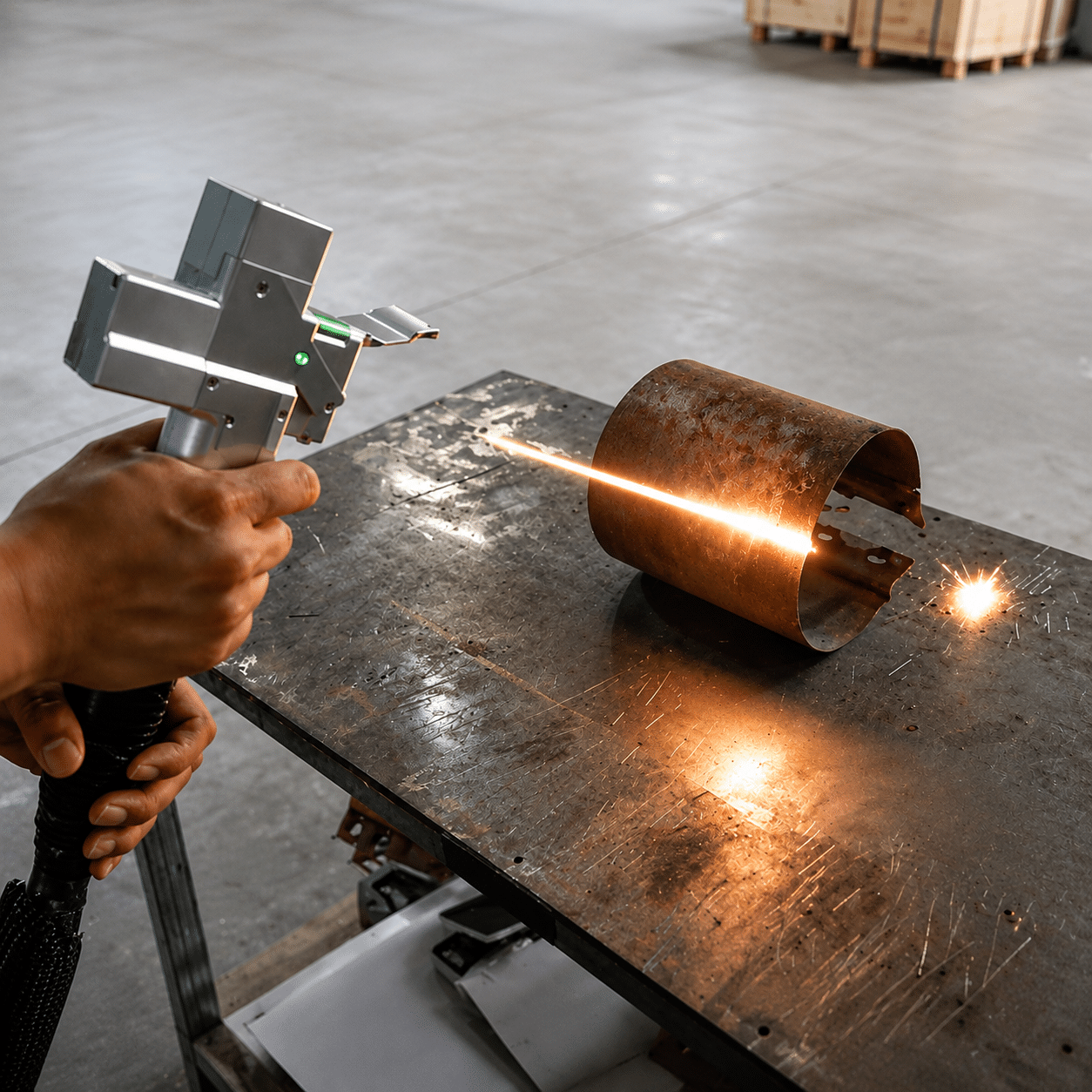
- Rust removal comparison
- Paint and oxide cleaning
- Power and process selection
Review the key differences before choosing a cleaning method
This page explains where laser cleaning performs well, where sandblasting still makes sense and how to decide with sample testing.
Laser cleaning is usually stronger when selective cleaning, low waste and surface control matter.
Sandblasting can still be useful when a rough anchor profile is required or the project already depends on abrasive blasting infrastructure.
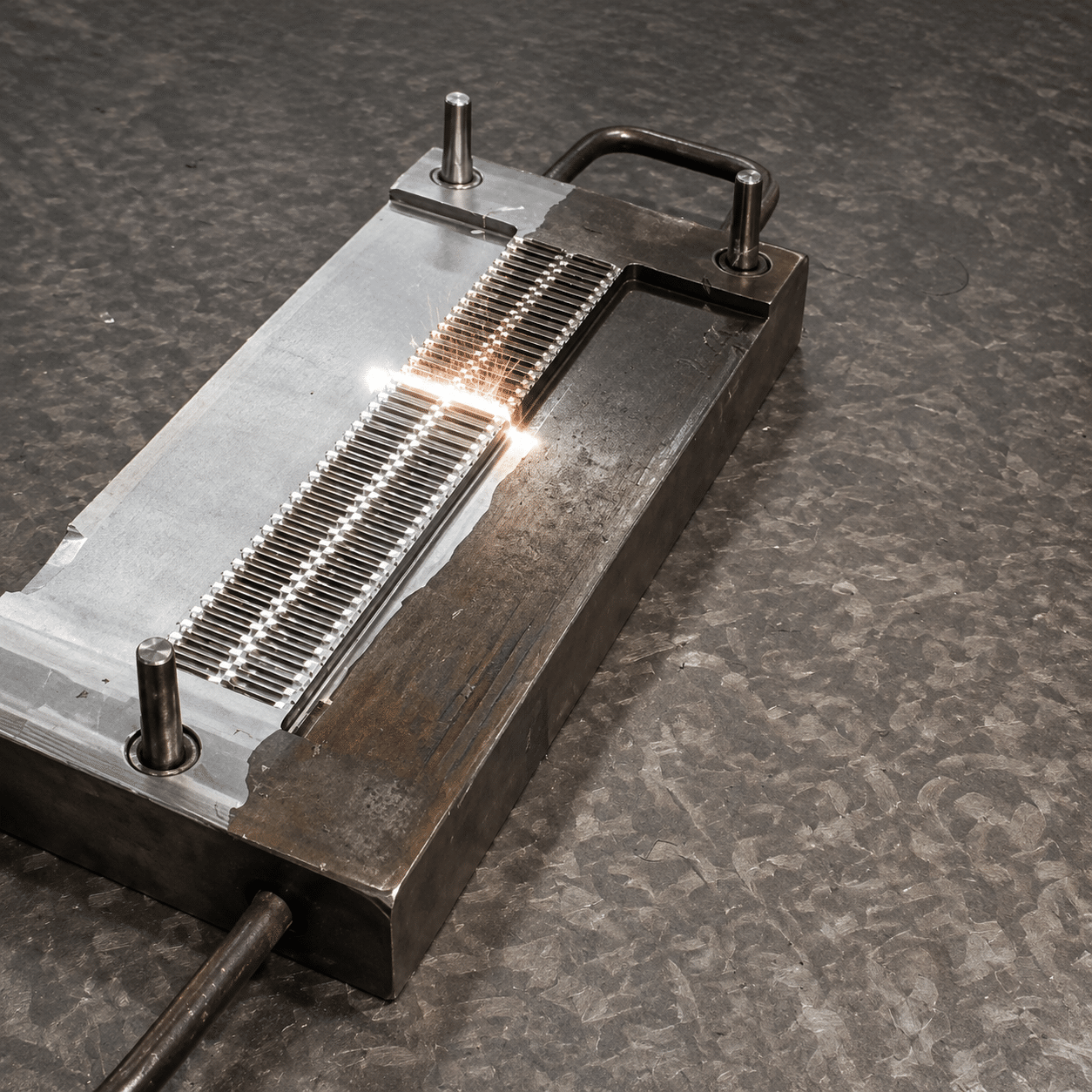
Laser cleaning and sandblasting remove surface layers in different ways
The cleaning mechanism affects dust, surface texture, consumables, cleanup, heat input and the final part condition.
Uses focused laser energy to remove unwanted surface layers
Laser cleaning targets rust, paint, oxide or contamination with controlled energy. It does not require abrasive media and can be adjusted for different surface conditions.
- No sand, grit or blasting media
- Selective cleaning with adjustable parameters
- Suitable for many metal parts and maintenance tasks
Uses high-speed abrasive media to impact the surface
Sandblasting removes coatings and corrosion by mechanical force. It can roughen surfaces and is widely used for coating preparation and large steel structures.
- Requires abrasive media and compressed air
- Creates dust, spent media and cleanup work
- Can change surface profile through mechanical impact
Laser cleaner vs sandblasting side-by-side
This comparison helps you decide which process is more suitable for your surface, work area and production requirement.
| Factor | Laser Cleaning | Sandblasting | What To Consider |
|---|---|---|---|
| Cleaning Method | Focused laser energy removes rust, oxide, paint or contamination | Abrasive media mechanically impacts the surface | Choose based on surface finish and contamination type |
| Consumables | No blasting media; optics and extraction maintenance may be needed | Requires abrasive media, nozzles, compressed air and cleanup | Include ongoing media and disposal costs |
| Dust and Waste | Lower secondary waste, but fume extraction may be needed | Creates dust, spent media and removed coating waste | Review workplace safety and cleanup requirements |
| Surface Effect | Can be controlled for selective cleaning and lower mechanical damage | Can roughen or profile the surface | Coating adhesion may require a specific profile |
| Precision | Suitable for local cleaning, edges, weld zones and selected areas | Less selective on small areas unless masking is used | Part geometry and access matter |
| Large Area Speed | Depends on laser power, rust thickness and cleaning width | Can be fast for broad surfaces with proper setup | Compare total job time, setup and cleanup |
| Automation | Can be integrated with robots, fixtures and enclosed cells | Can be automated in blasting rooms or cabinets | Match process to production volume and repeatability |
Compare total operating cost, not only machine price
The better method depends on media cost, labor, cleanup, waste handling, maintenance, job frequency and the value of surface control.
Consumables
Laser cleaning reduces abrasive media use, while sandblasting depends on media, nozzles and compressed air.
Cleanup
Spent media, dust and removed coating may add cleanup and disposal time for blasting projects.
Labor
Compare not only cleaning speed, but also setup, masking, transport, containment and post-cleaning work.
Part Value
For precision parts, avoiding surface damage or extra rework can be more important than cleaning speed alone.
Where laser cleaning is strong and where sandblasting may still fit
The best process depends on the expected surface condition after cleaning.
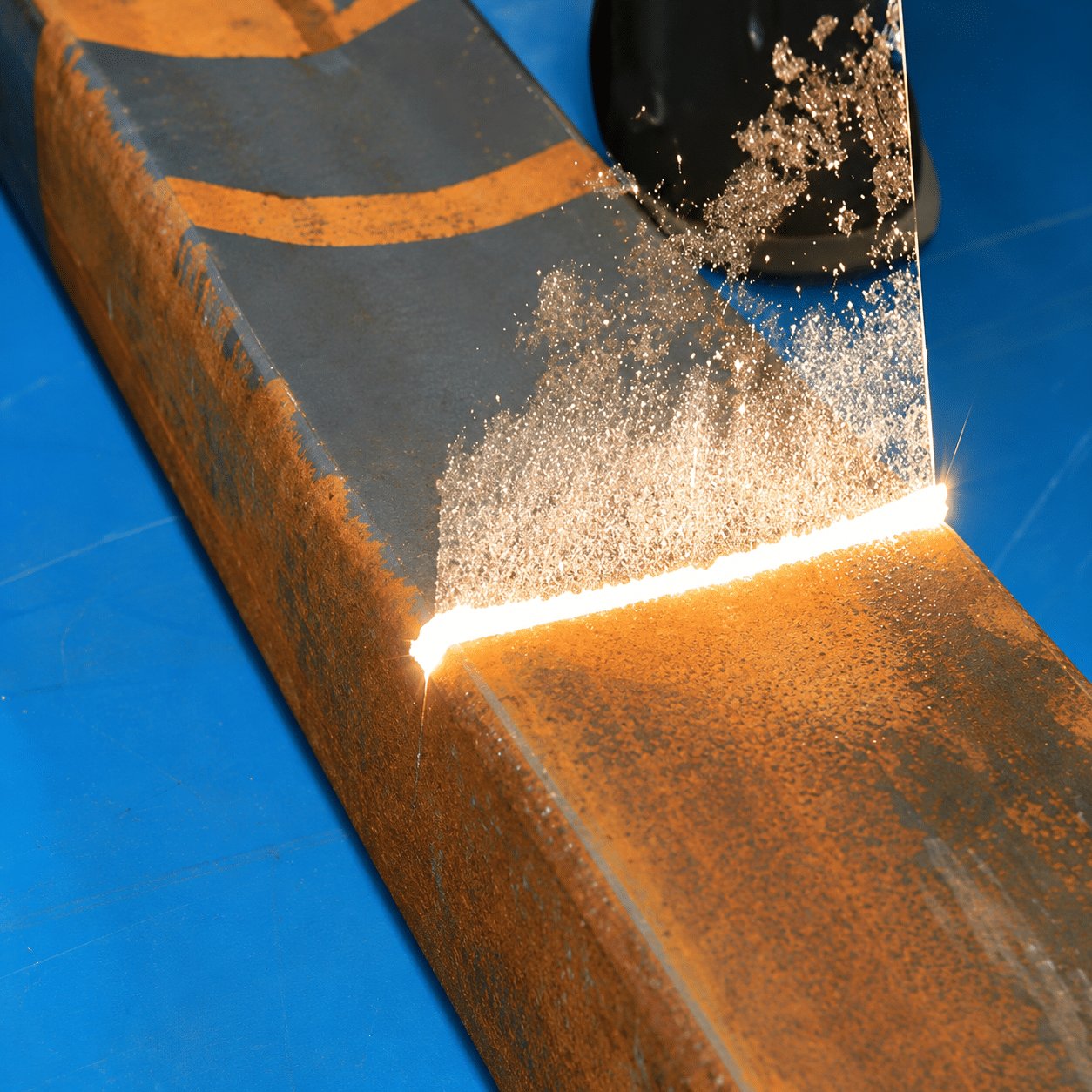
Rust removal on metal parts
Useful for machinery parts, tools, weld zones, molds, repair surfaces and areas where abrasive residue is not welcome.
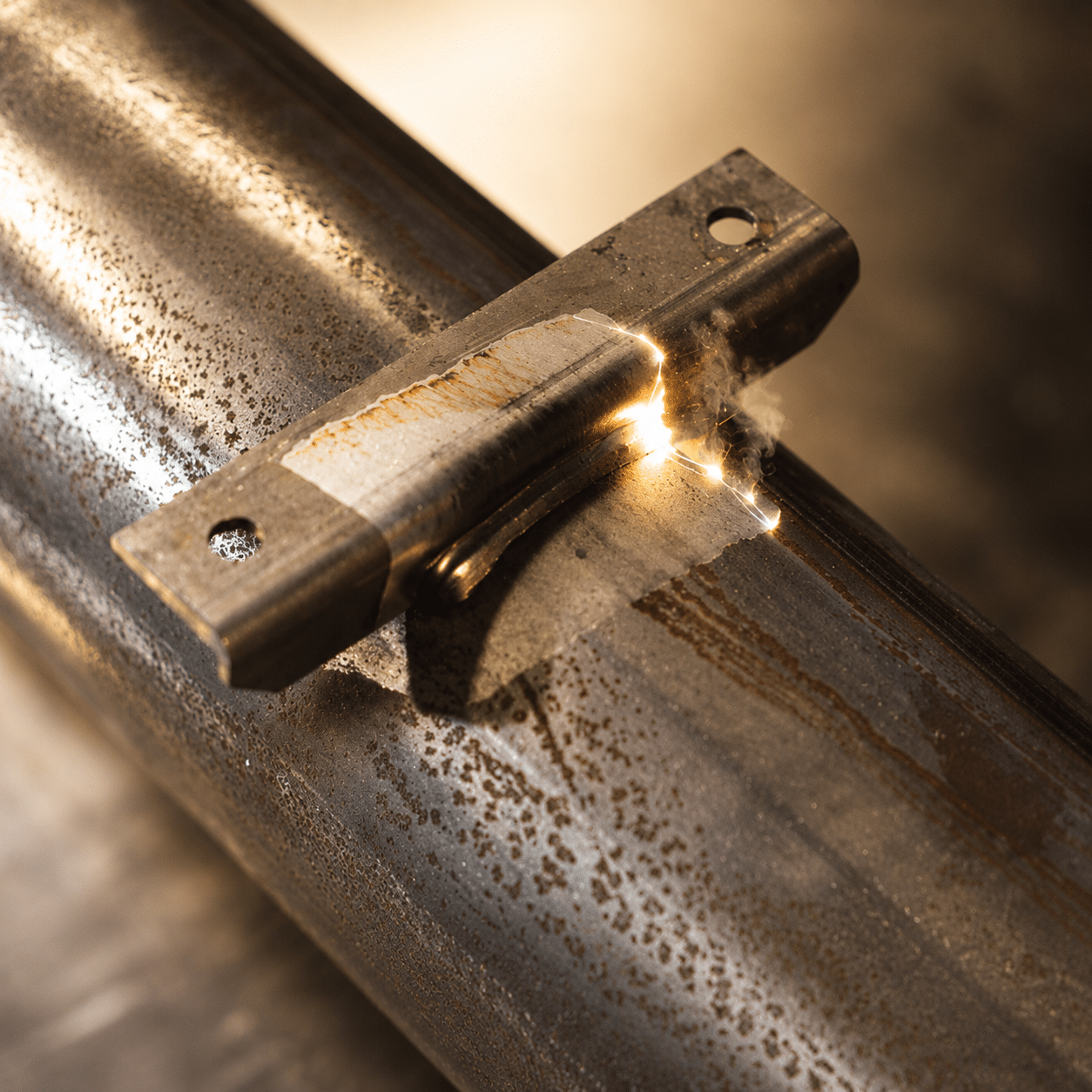
Pre-weld and post-weld cleaning
Can remove oxide, oil, discoloration and local contamination before or after welding with controlled processing.
Coating profile requirements
When a rough anchor profile is required before coating, abrasive blasting may still be part of the specification.
Very large surface preparation
For large open structures, blasting can be suitable if dust containment, media handling and cleanup are already planned.
If you choose laser cleaning, select the machine by surface and speed
Pulsed and CW laser cleaners are not the same. The right choice depends on heat sensitivity, cleaning area, rust thickness and required throughput.
| Cleaning Requirement | Recommended Laser Cleaner | Why It Fits | What To Test |
|---|---|---|---|
| Precision parts or molds | Pulsed laser cleaner | Better control for lower heat input and surface protection | Surface finish, base material effect and cleaning speed |
| Heavy rust on steel | CW laser cleaner | Higher throughput for large or heavily corroded surfaces | Rust thickness, cleaning width and power level |
| Repair shop or maintenance work | Handheld laser cleaner | Flexible operation across different parts and work areas | Part access, operator comfort and cable length |
| Field work or large equipment | Mobile laser cleaner | Easier movement between job locations and large workpieces | Power supply, site condition and work distance |
| Repeatable factory cleaning | Robotic laser cleaning system | Stable path, enclosure, fixture and cycle control | Robot reach, fixture design and safety requirements |
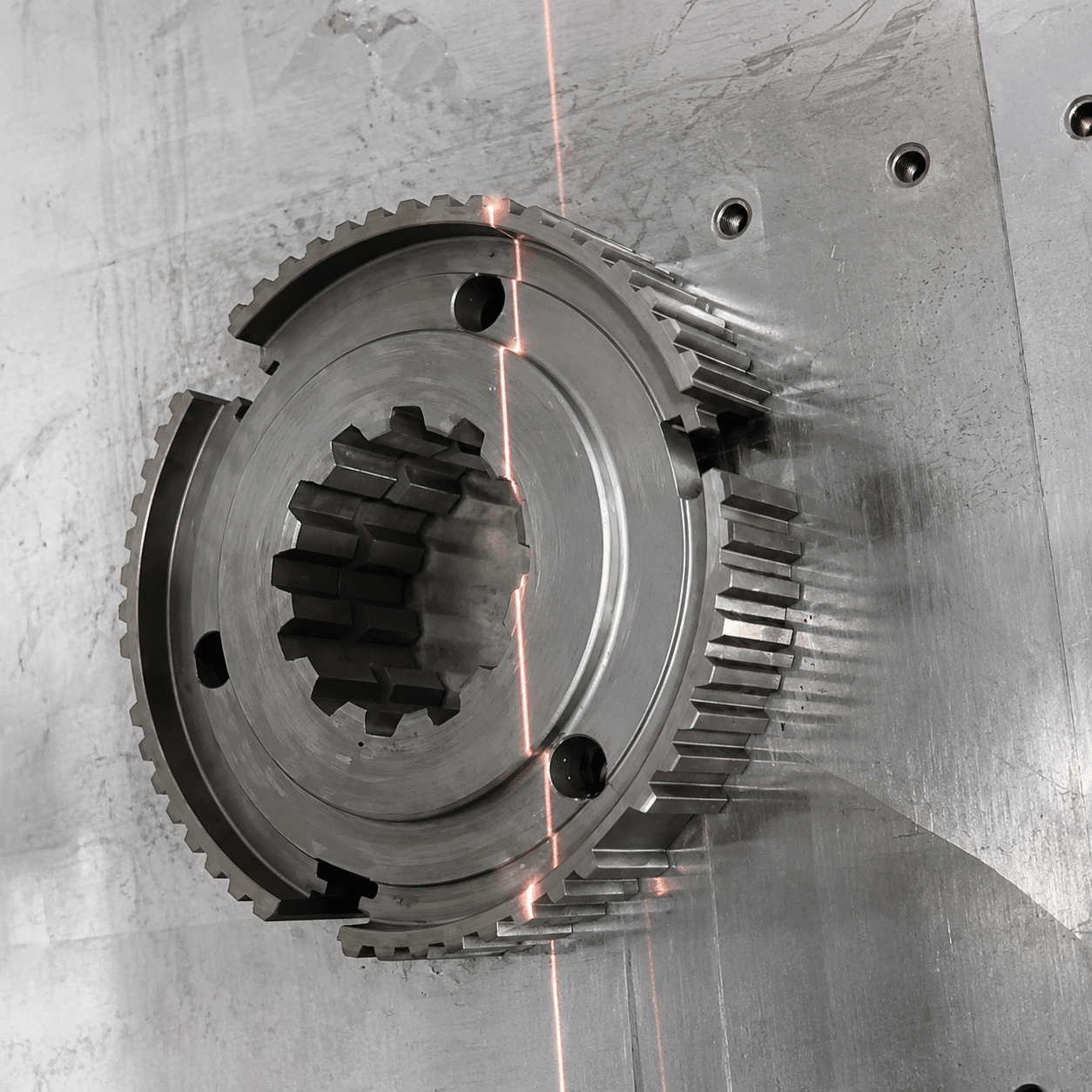
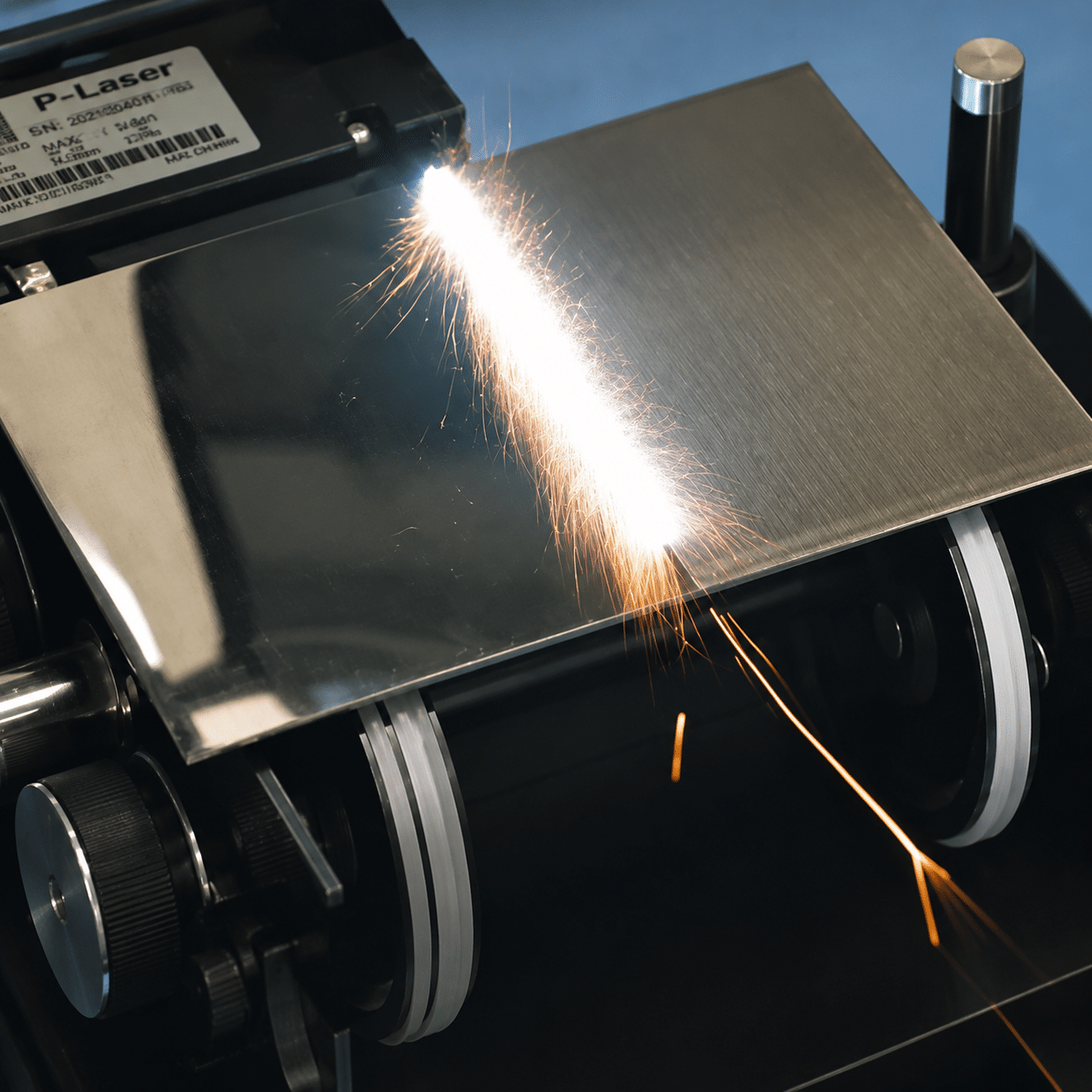
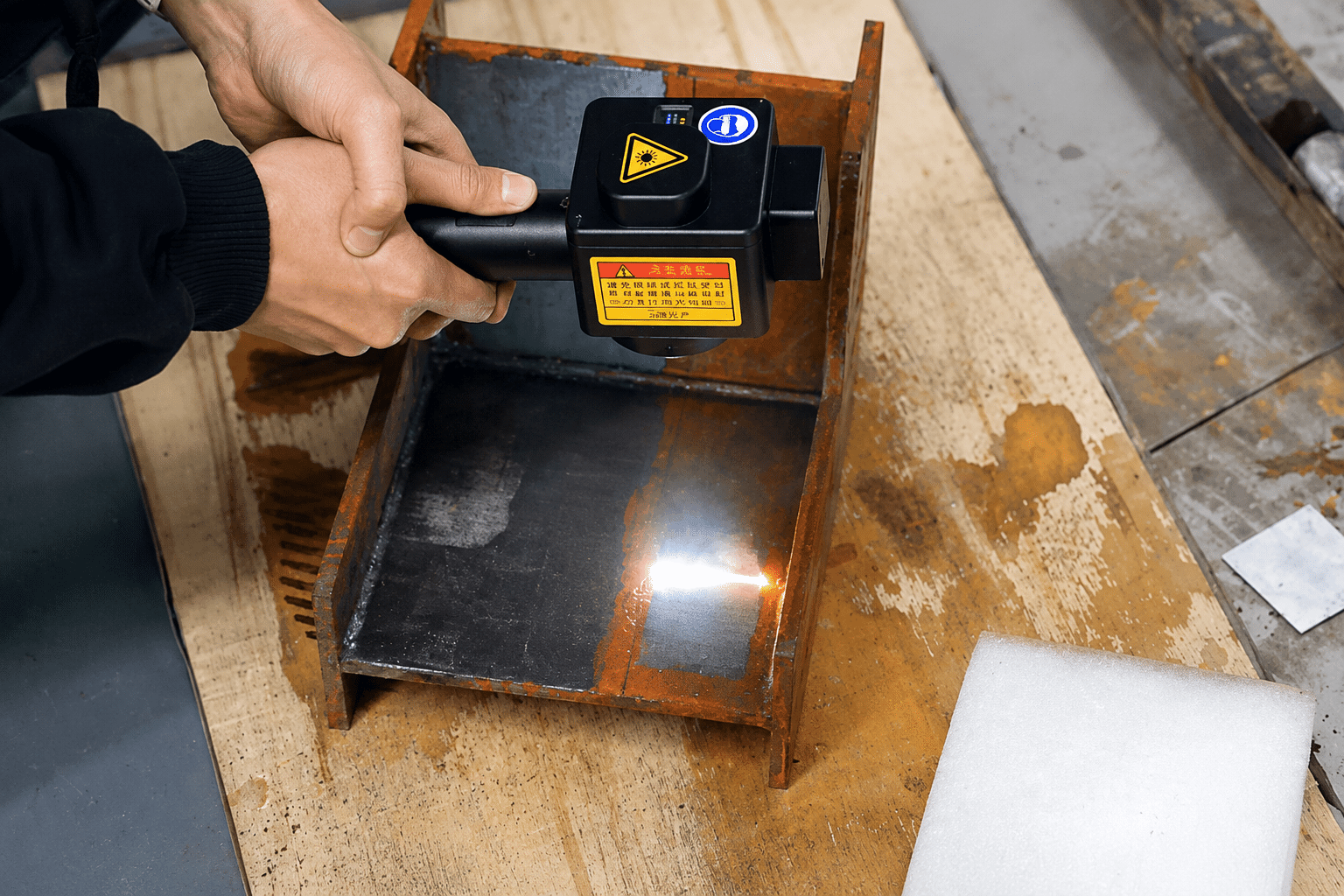
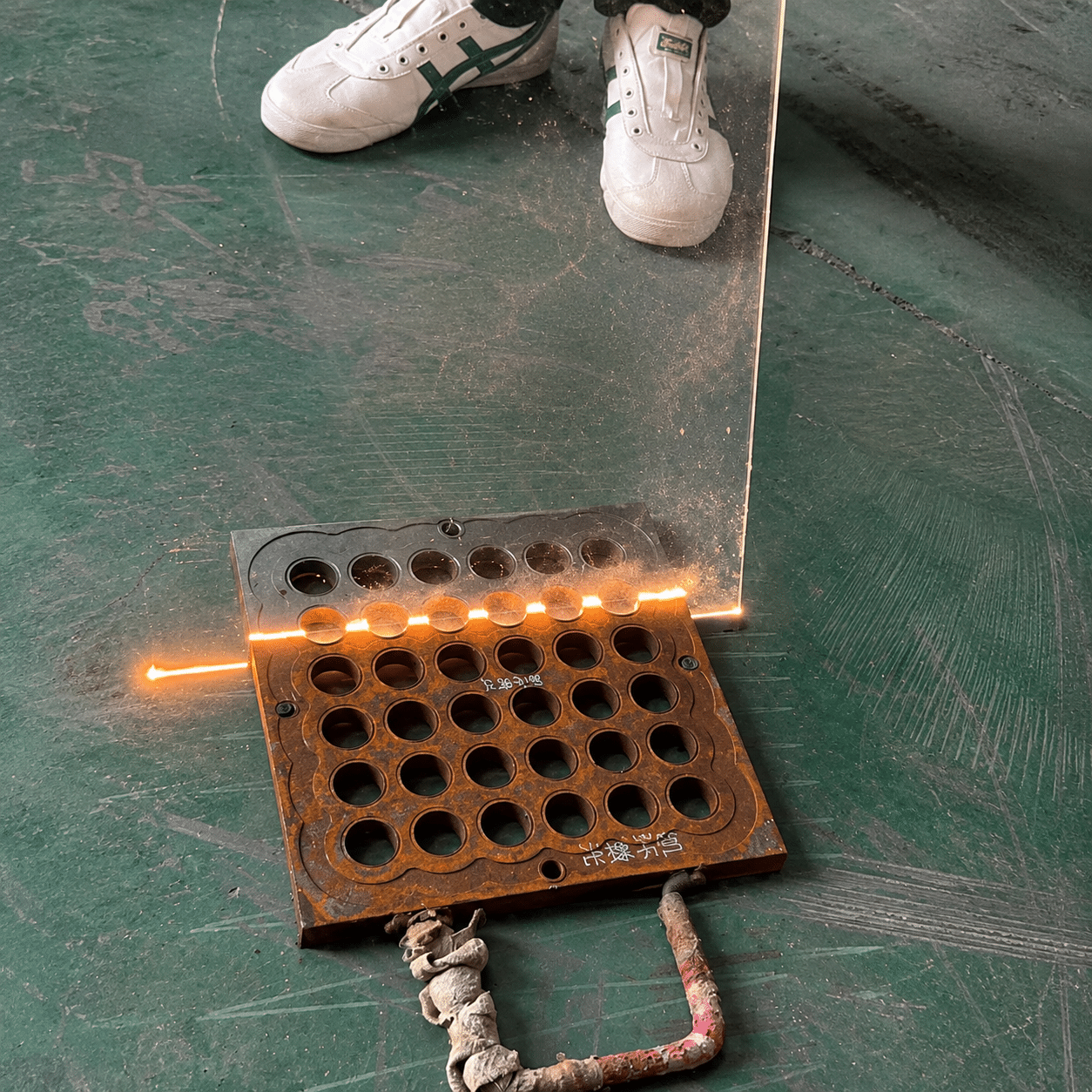
Review cleaning results before choosing laser cleaning or blasting
Review result images to compare rust removal, coating removal, weld preparation and final surface condition.
Watch laser cleaning demonstrations for rust, paint and surface preparation
Video review helps compare cleaning speed, operation method, surface effect and whether laser cleaning fits the work area.
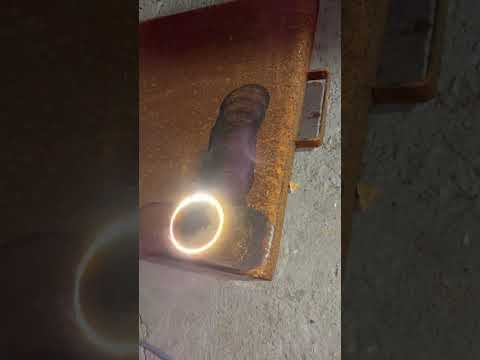
Rust Removal Demonstration
Review how laser cleaning removes rust from metal surfaces without abrasive media.
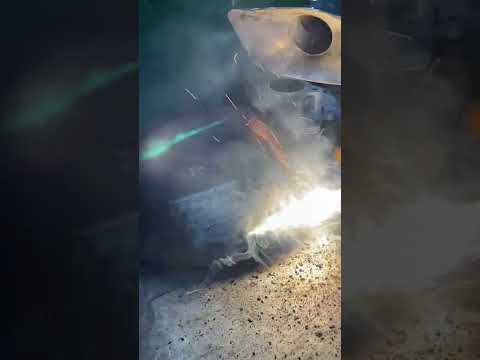
Paint Removal Demonstration
Review coating removal speed, surface change and extraction considerations.
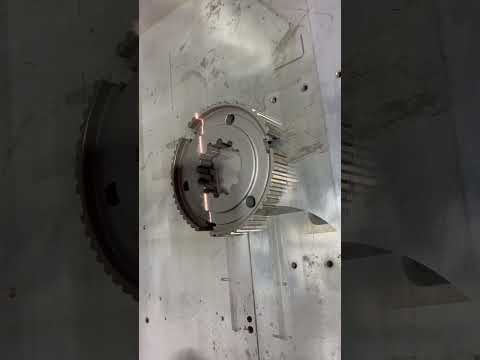
Surface Preparation Demonstration
Review laser cleaning for weld zones, parts maintenance and controlled local cleaning.
Choose the cleaning method by result requirement
These practical scenarios can help narrow the process before running a sample test.
Choose laser cleaning for local or selective cleaning
Laser cleaning is useful when only a defined area needs treatment, such as weld zones, part edges, molds or repair surfaces.
Choose laser cleaning when abrasive waste is a problem
It can reduce media handling and cleanup work, especially in factories, repair shops and sensitive work areas.
Consider sandblasting for required surface profiling
If the coating specification requires a strong abrasive profile, blasting may still be part of the process.
Not sure if laser cleaning can replace sandblasting for your part?
Send your material, rust thickness, coating type, surface requirement and photos. Oceanplayer can help test the cleaning result and recommend a suitable laser cleaner configuration.
Share surface details
Material, rust, paint, oxide, oil, coating thickness and target surface condition.
Compare laser options
Review whether pulsed, CW, handheld, mobile or robotic cleaning is more suitable.
Confirm the result
Use sample results to compare cleaning quality, speed, heat effect and workflow fit.
Explore more Oceanplayer laser cleaning resources
Continue comparing laser cleaner types, power selection and surface preparation applications.
Common questions about laser cleaner vs sandblasting
These answers help compare cleaning methods before choosing equipment or requesting a sample test.