

200W Pulsed Laser Cleaning Machine
A controlled, non-contact cleaner for molds, metal parts, weld seams and localized rust, oxide or coating removal—when the surface left behind matters as much as removal speed.
- 200W pulsed fiber laser
- Fine energy and scan control
- Sample-tested configuration
Final settings, optics, cooling and electrical configuration are confirmed for your material and destination.
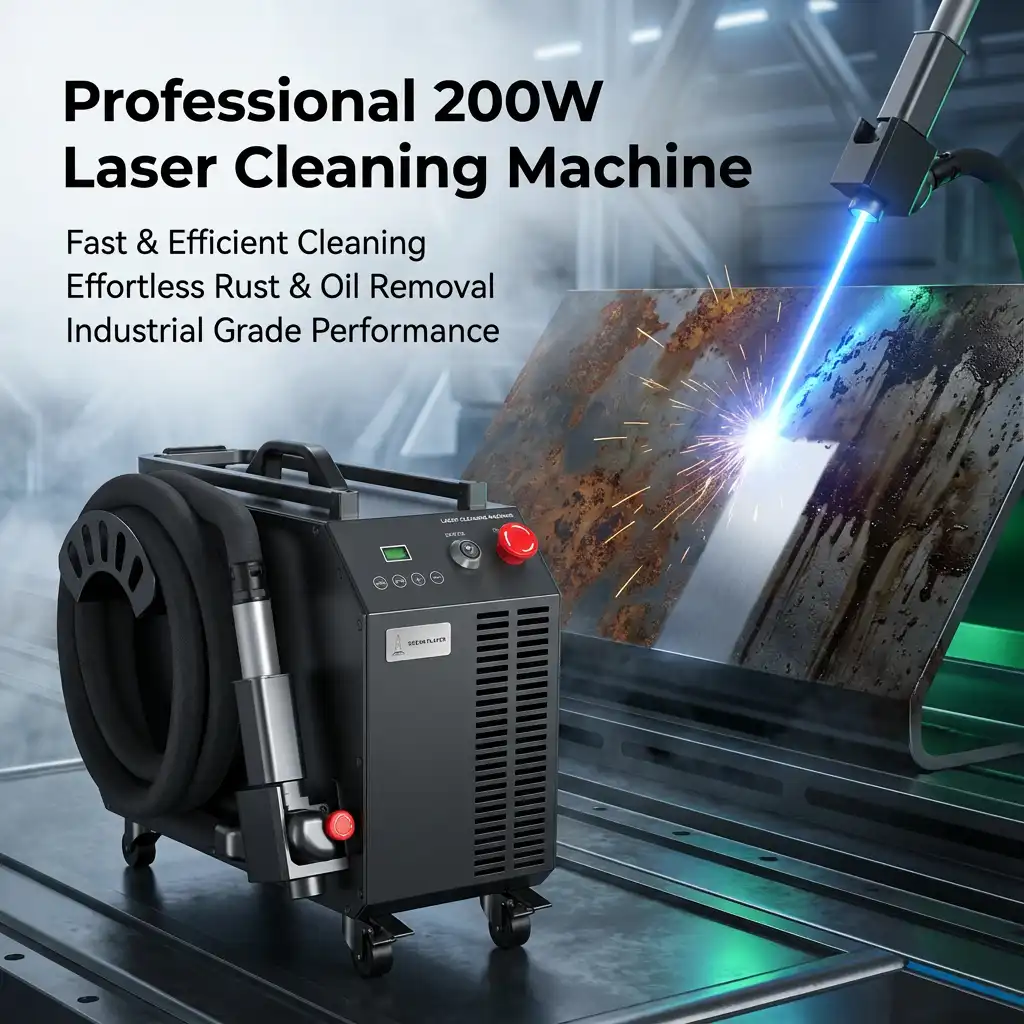
Choose 200W when surface control is the priority.
A 200W pulsed laser cleaner is a strong starting point for detailed or higher-value parts with light-to-medium contamination. It is not the automatic choice for every rust-removal job.
- Molds, tooling and detailed metal parts
- Localized rust, oxide and coating removal
- Weld discoloration and preparation zones
- Work that benefits from lower heat buildup
Your daily removal volume is growing
Larger areas, heavier layers or tight production targets may justify more pulsed power after a like-for-like sample test.
The job is broad, heavy and speed-led
Large steel structures and thick widespread corrosion can favor a higher-power continuous-wave system when fine surface control is less important.
More control for the jobs where surface value is high
The buying reason is not simply “200 watts.” It is the combination of pulsed energy, adjustable scanning and a process window proven on your part.
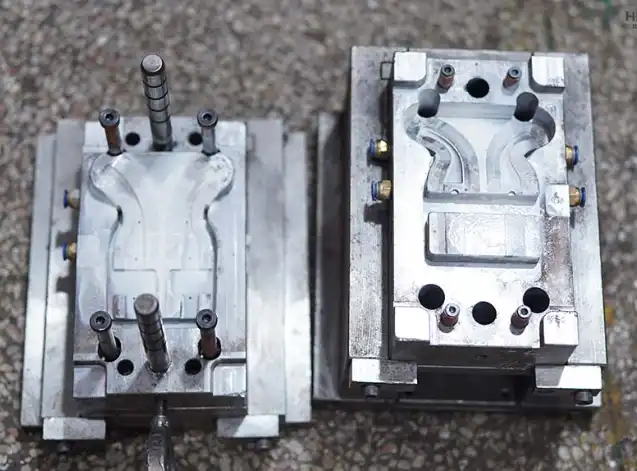
Protect the useful surface, not only remove the unwanted layer
Short laser pulses and controlled scanning can limit continuous heat buildup on suitable parts. A sample test confirms whether detail, texture, color and dimensions remain acceptable.
Targeted cleaning
Clean a weld zone, mold cavity, edge or repair area without treating the whole component.
No blasting media
Reduce abrasive handling, spent media and grit trapped around detailed parts.
Repeatable settings
Save qualified parameter groups for recurring part families and contamination types.
Flexible deployment
Match fiber reach, head, cabinet and accessories to the actual work area and operator route.
What can a 200W pulsed laser cleaner do well?
These are practical starting applications. Contamination thickness, base material, surface geometry and the required finish still determine the final process.
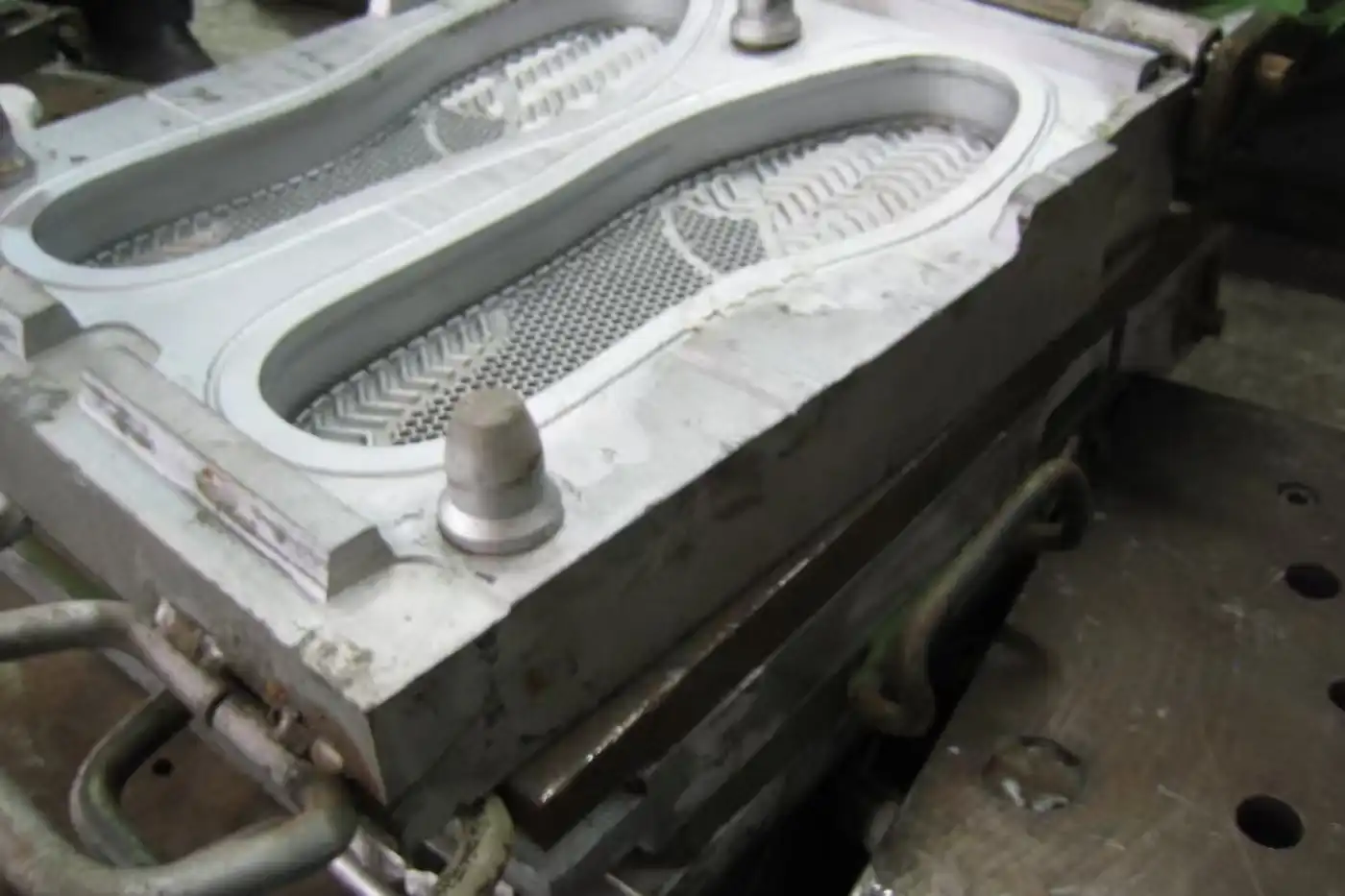
Mold Cleaning
Remove selected rubber, release-agent, carbon and process residue while checking texture and detail after cleaning.
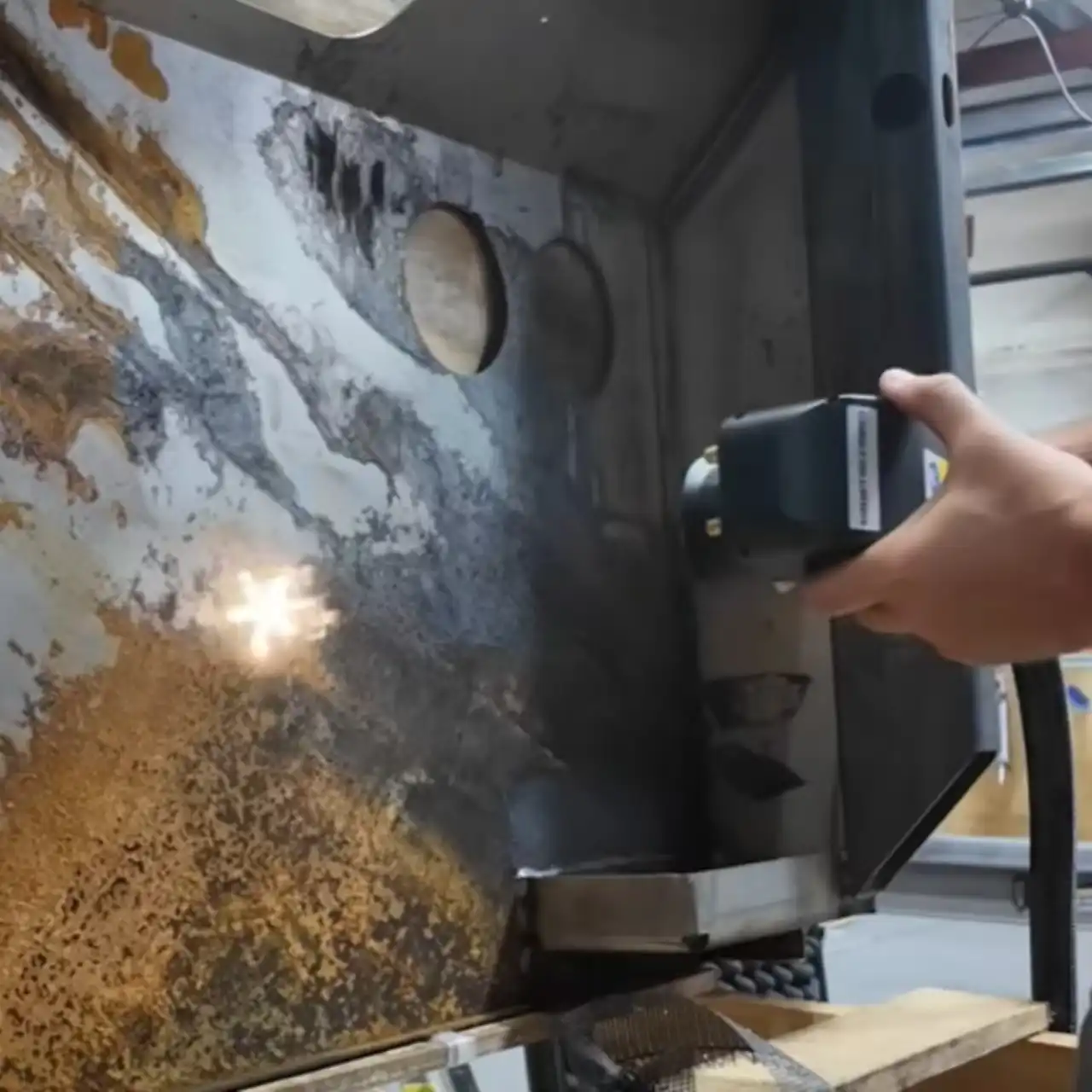
Rust and Oxide Removal
Clean light-to-medium corrosion on tools, components and localized repair zones before inspection or finishing.
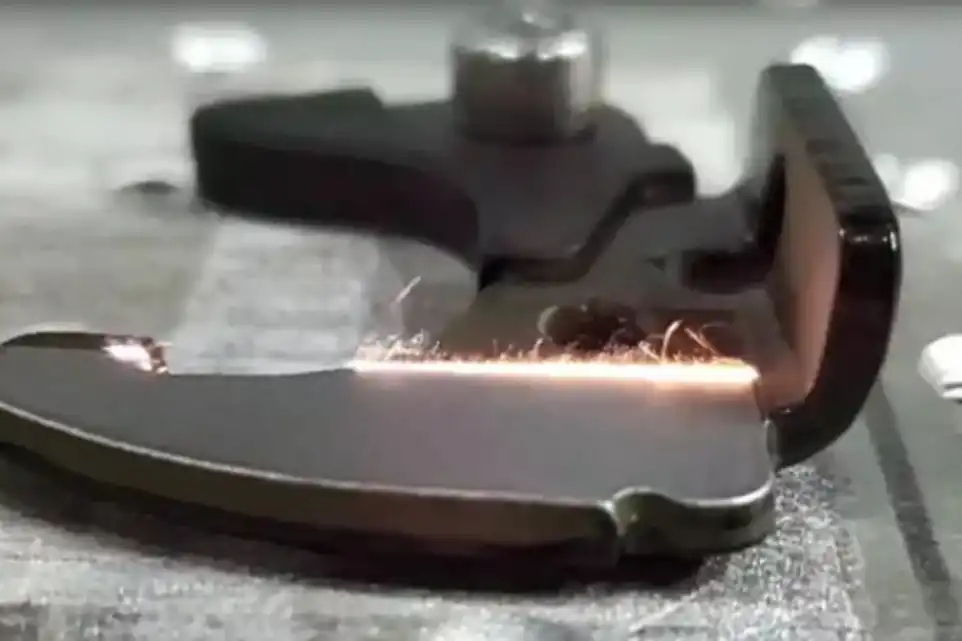
Paint and Coating Removal
Remove suitable layers in a defined area where blasting, masking or chemical handling is undesirable.
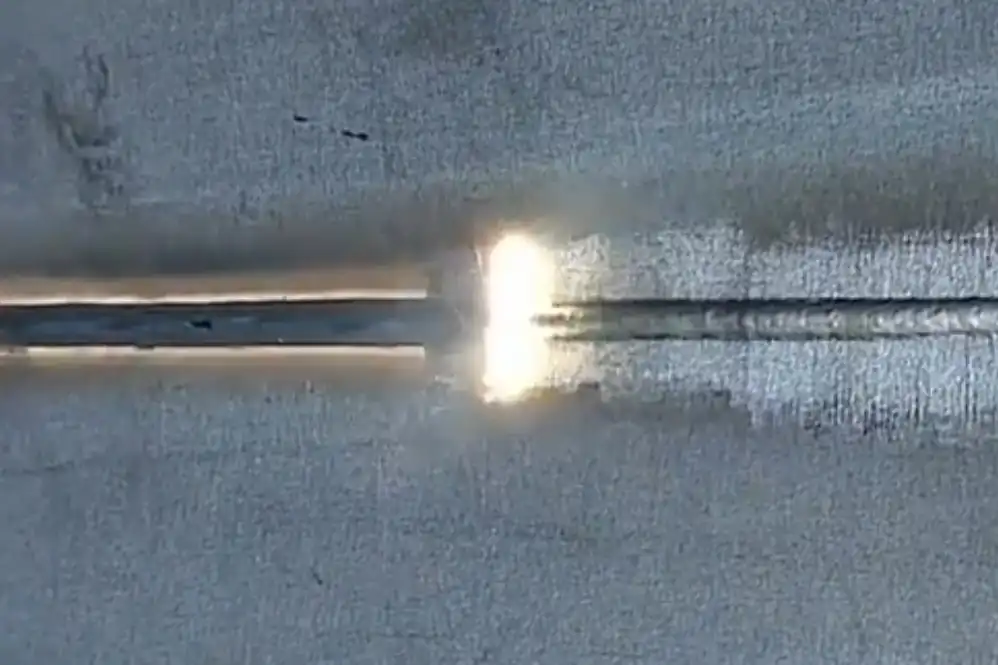
Weld Seam Cleaning
Remove selected discoloration, oxide or residue before inspection, repair, coating or another joining step.
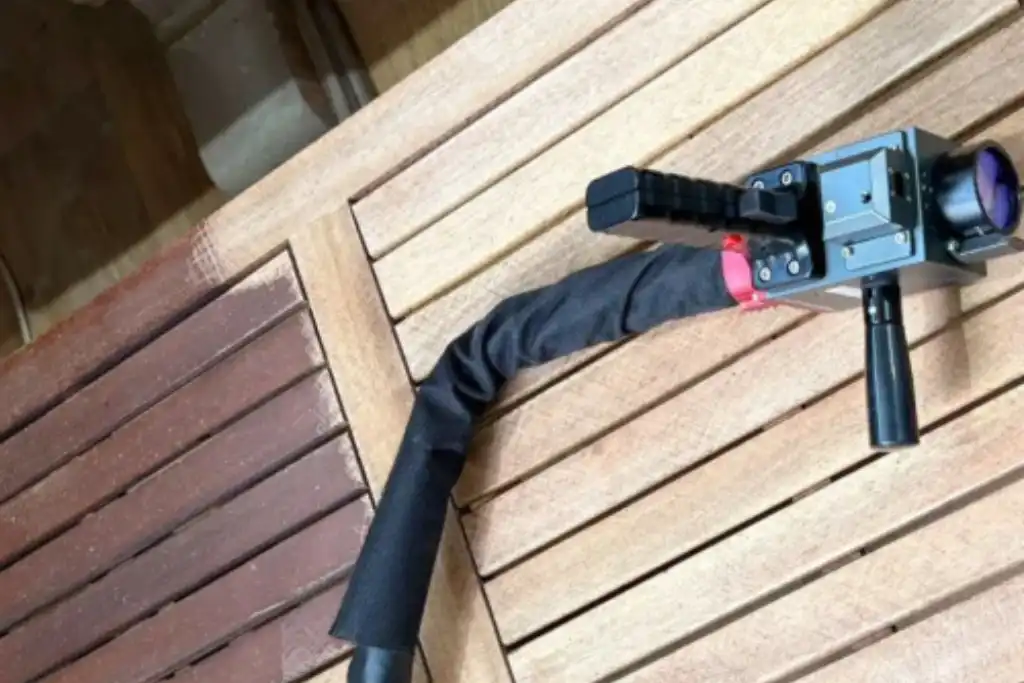
Metal Part Refurbishment
Restore higher-value components while reducing grinding marks and contact damage on suitable surfaces.
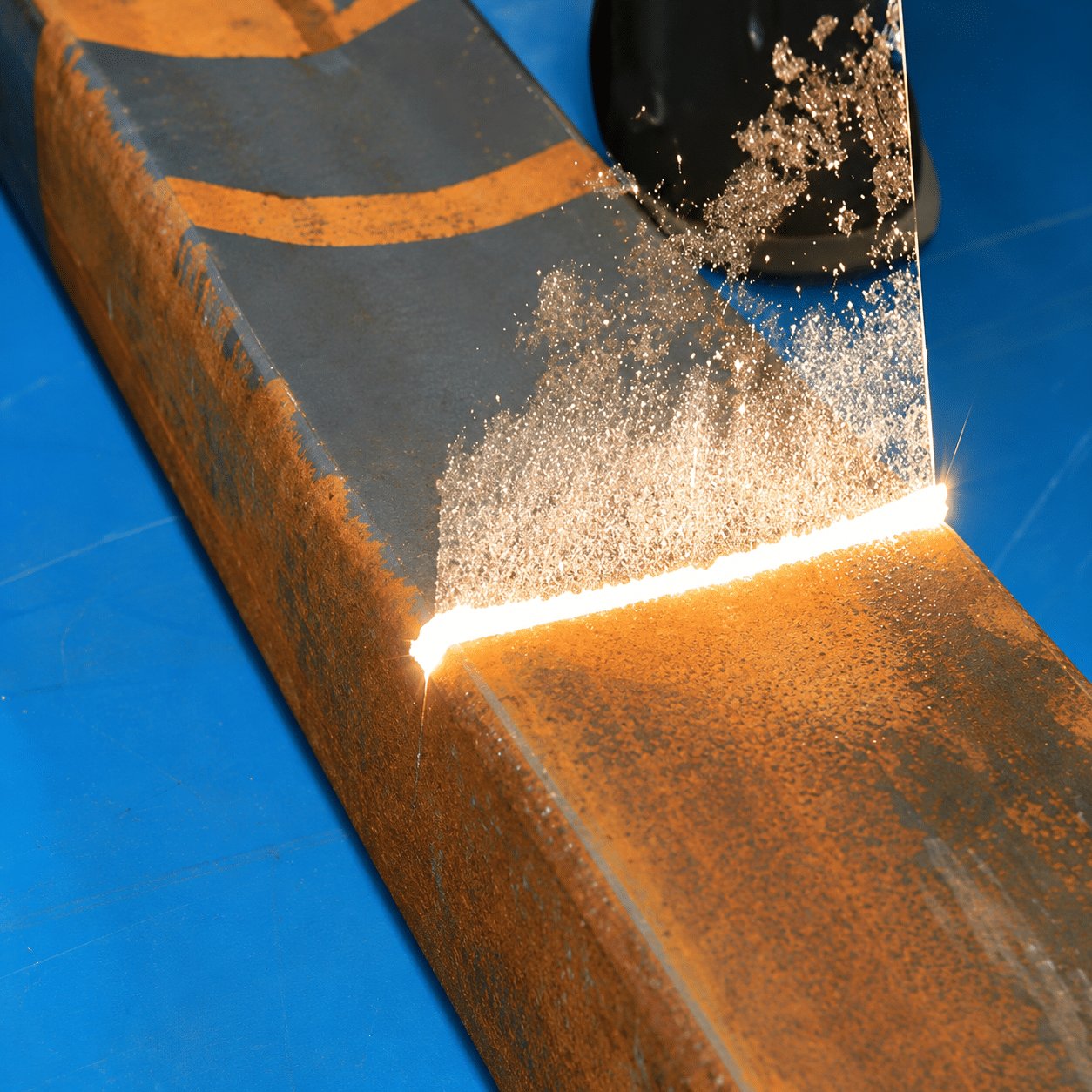
Surface Preparation
Prepare defined areas before welding, bonding, coating or inspection, then verify cleanliness and texture requirements.
Judge the machine by the surface it leaves behind
Before-and-after photos help, but they are only the start. Confirm finish, removal rate, base-material condition and repeatability on a representative sample.

Residue hides the working surface
Record contamination type, thickness, location and the current maintenance route before the trial.

The accepted finish decides the setup
Inspect texture, detail, discoloration, dimensions and remaining residue—not only visual brightness.
Send photos or samples with the substrate, contaminant and required final condition. OceanPlayer Laser can compare passes and settings before the machine is configured.
 Play
Play
Watch the cleaning behavior, not only the final photo
A useful demonstration shows scan coverage, repeated passes, part geometry and the final surface under realistic working conditions.
- Contamination and substrate identified
- Cleaning passes and coverage visible
- Final finish shown at useful distance
- Extraction and safe operation considered
Configure the 200W cleaner around your part and worksite
Use this table as a quotation starting point. The approved proposal should state the actual laser source, pulse range, optics, cooling, electrical requirements, dimensions and included accessories.
| Specification | 200W Starting Point | Buyer Note |
|---|---|---|
| Laser process | Pulsed fiber laser cleaning | Designed for controlled non-contact removal rather than maximum bulk stripping speed. |
| Rated output power | 200W | Confirm the exact source model and approved operating range in the quotation. |
| Nominal wavelength | Near 1064 nm | Final wavelength and safety controls follow the selected fiber-laser source. |
| Cleaning head | Handheld scanning head | Head model, optics and supported scan patterns are configuration-specific. |
| Scan width | Adjustable by selected optics and head | A wider scan is not automatically faster; energy density and overlap still matter. |
| Pulse width / frequency | Selected laser-source range | These settings strongly affect cleaning behavior and must be recorded during testing. |
| Cooling | Matched to source and cabinet | Confirm air- or water-cooled configuration, ambient limit and maintenance needs. |
| Fiber / working reach | Selected for the application | Check operator movement, large-part access and safe cable routing. |
| Electrical supply | Destination-specific | Confirm voltage, phase, frequency, plug, breaker and grounding before production. |
| Supported work | Rust, oxide, mold residue, weld cleaning and selected coating removal | Suitability depends on the surface, contaminant and required acceptance result. |
Specifications shown here are planning information, not a universal process guarantee. Final capability follows the signed technical proposal and sample validation.
Build the system around how the operator works
The correct machine is more than the laser source. Reach, optics, worksite access and operating support shape daily usability.
Fiber and cable reach
Match the reach to molds, fixed equipment, large components and the operator’s safe movement path.
Head and optics
Select useful scan control for details, edges, seams and broader localized areas.
Cabinet and mobility
Choose the machine format around doorways, floor conditions, transport and service access.
Safety and spare items
Plan protective optics, extraction, laser controls, PPE and routine service parts before startup.
Is 200W the right power—or should you move up?
Compare by the most demanding regular job, not by wattage alone. The final choice should be made from accepted surface results and useful daily output.
Precision and balanced capability
A strong fit for molds, detailed parts, light-to-medium rust, oxide, weld discoloration and controlled localized coating removal.
- Small and medium cleaning areas
- Surface finish matters more than maximum speed
- Frequent mixed precision work
Balanced production use
Consider 300W when regular rust and oxide work needs more capacity while controlled pulsed cleaning remains important.
- More frequent daily cleaning
- Medium parts and broader passes
- Balanced speed and control
Larger areas and stronger layers
Consider 500W for higher workloads, larger components or more demanding contamination after the finish is proven.
- Larger workpieces
- Heavier or more extensive contamination
- Higher accepted-parts-per-shift target
Test the actual combination—not a generic metal name
Steel, stainless steel, aluminum, copper alloys, tooling and coatings absorb laser energy differently. Finish, geometry and the unwanted layer can change the result.
Rust, oxide and mold residue
Often a practical starting material class, but hardness, coating and finish still need verification.
Check: texture, discoloration and removal rateWeld tint and local contamination
Useful for controlled seam cleaning and preparation where visible color and finish are important.
Check: color change and polished surfacesOxide and selected preparation
Reflectivity, alloy, temper and surface condition can change absorption and process stability.
Check: finish, roughness and heat responsePaint and layer-by-layer removal
Coating chemistry, color, thickness and adhesion control passes and achievable speed.
Check: coating fumes and remaining base layerDetailed surface maintenance
Use controlled settings and inspection when edges, cavities, textures or dimensions must be protected.
Check: detail retention and dimensional acceptanceIdentify before cleaning
Do not start with aggressive settings on unknown alloys, finishes, coatings or contamination.
Action: identify, test and approve a small areaConfirm the 200W process before the machine ships
The most useful buying evidence is a repeatable result on your own material, with the main settings and acceptance checks recorded.
Share the job
Send material, contaminant, area, current method, required finish and photos.
Choose samples
Use representative parts, including the hardest normal condition—not only the easiest coupon.
Run trials
Compare suitable power, speed, scan width, overlap and number of passes.
Accept the result
Review finish, remaining contamination, base surface and practical cleaning rate.
Lock the setup
Confirm machine configuration, accessories, training and recorded starting parameters.
Plan Class 4 laser controls before delivery
A high-power cleaning laser can create serious direct and reflected beam hazards, fire risk and airborne contaminants. Machine selection must include a site-specific risk assessment and controlled operating plan.
Review OSHA laser-hazard overviewControlled workspace
Define access, barriers or enclosure, warning signs, beam paths and reflection control.
Qualified safety owner
Set responsibilities, authorization, training, operating procedures and emergency response.
Wavelength-specific protection
Select eyewear and other PPE from the documented hazard assessment—not from appearance alone.
Source-capture extraction
Control fumes and particles for the actual base metal, coating and removed contaminant.
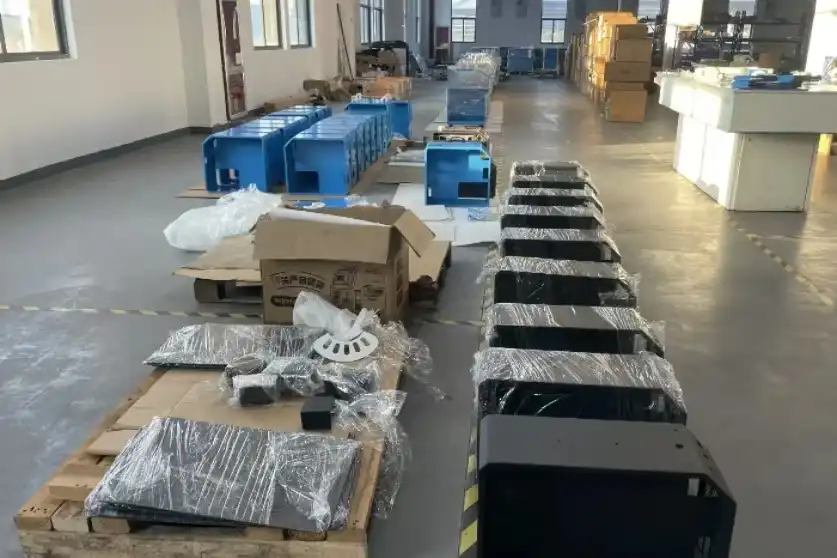
One project path from test to delivery
OceanPlayer Laser supports model selection, sample testing, technical confirmation, export preparation, operating guidance and after-sales communication for international buyers.
Compare the process before requesting the final quote
Use these pages to confirm cleaning mode, power, application fit and the surface result you need.
Pulsed Laser Cleaning Machine
Understand pulsed cleaning principles, power range and common configurations.
Explore product family → Power comparison200W / 300W / 500W Cleaners
Compare precision, output and workload fit across the main pulsed power classes.
Compare power → ApplicationLaser Rust Removal
Review rust types, surface concerns and where laser cleaning fits.
Explore rust removal → ApplicationLaser Mold Cleaning
Plan controlled maintenance for tire, rubber and industrial molds.
Explore mold cleaning → ApplicationLaser Paint Removal
Understand selective coating removal, speed factors and test requirements.
Explore paint removal → Buying guideLaser Cleaning Guide
Compare pulsed, CW, handheld and automated cleaning systems.
Read the guide → Buyer comparison100W vs 200W vs 500W
See how control, workload and cleaning rate change across power levels.
Read buyer guide → Project supportContact OceanPlayer Laser
Send the material, contamination, cleaning area and required result.
Start your project →Common questions before choosing a 200W pulsed cleaner
What can a 200W pulsed laser cleaning machine remove?
Is 200W enough for industrial mold cleaning?
Should I choose 200W, 300W or 500W pulsed cleaning?
What is the difference between a 200W pulsed cleaner and a CW cleaner?
Will 200W pulsed laser cleaning damage the base material?
How fast does a 200W pulsed laser cleaner work?
Does the machine need consumables?
What information should I send for a quotation?
Send the surface. Confirm the result. Then configure the machine.
Tell OceanPlayer Laser what you need to remove, what must remain unchanged and how much work you need to complete each day.