oceanplayer

Oceanplayer Laser Equipment | Cleaning, Welding, Marking, Automation Sample Testing | Global Shipping | OEM/ODM Support
Technical Comparison

Fiber vs UV Laser Marking: which laser fits your material?

Compare fiber and UV laser marking by material, marking contrast, heat effect, QR code readability, engraving depth, speed and production workflow.
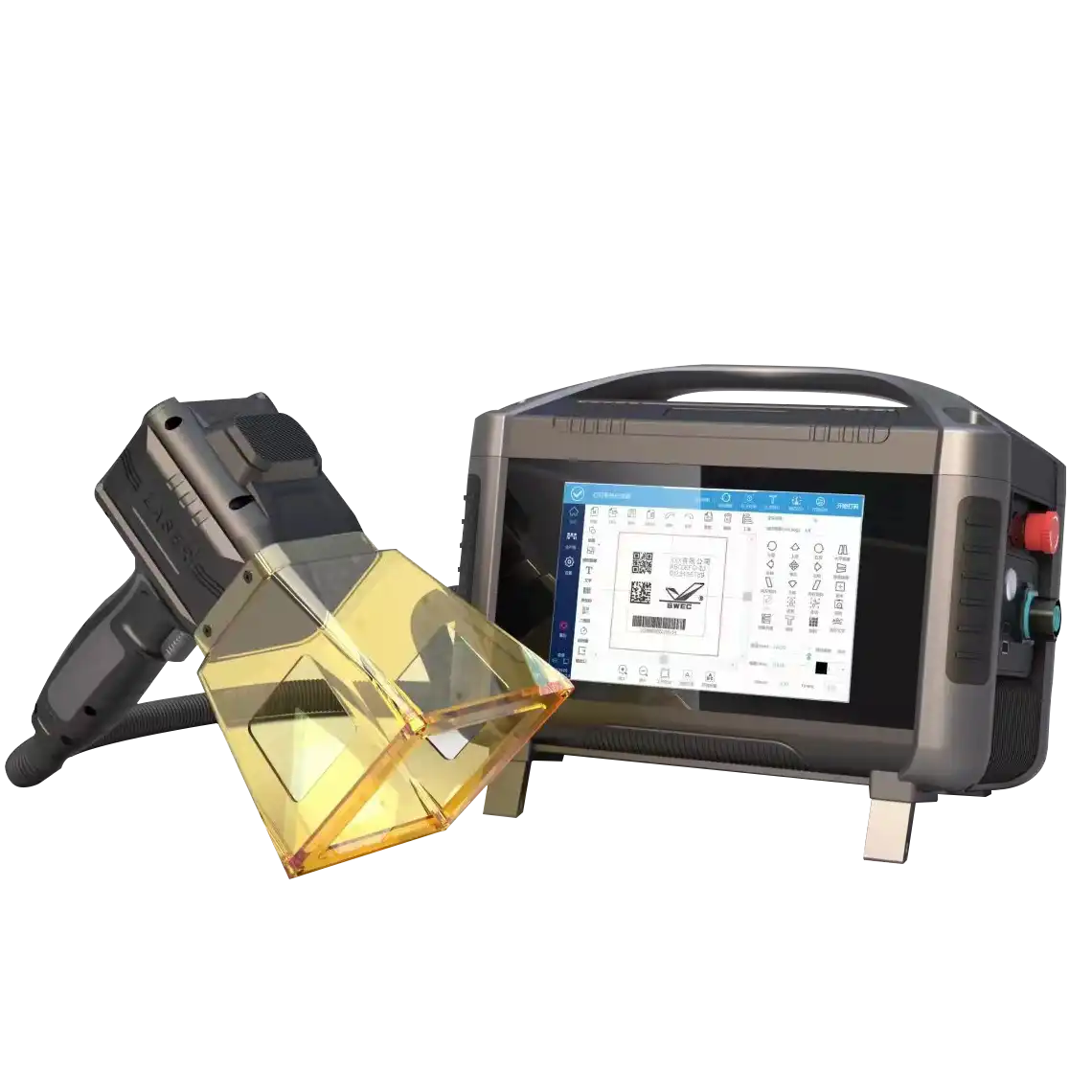
  • Metal vs plastic marking
  • Heat-sensitive materials
  • QR codes, logos and serial numbers
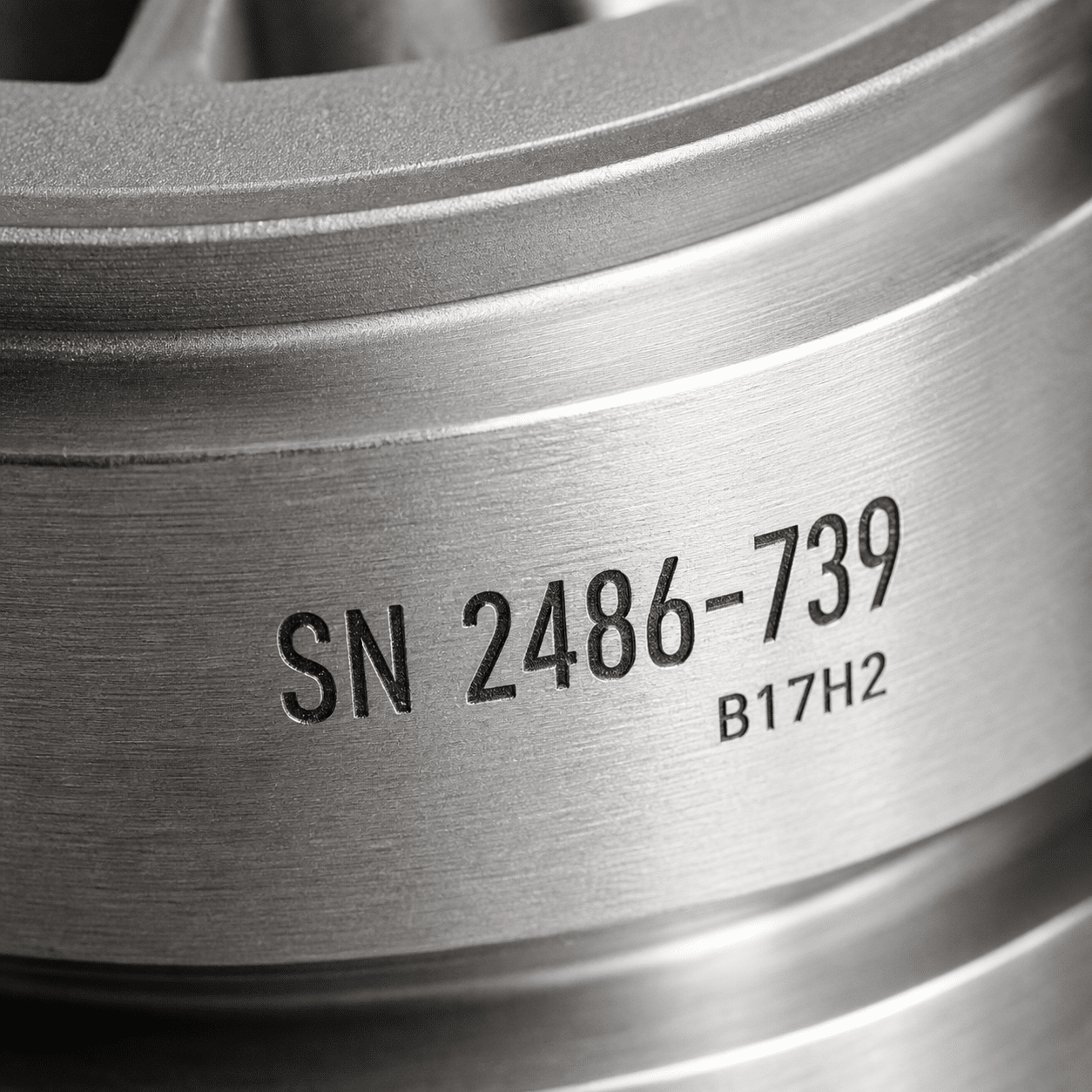
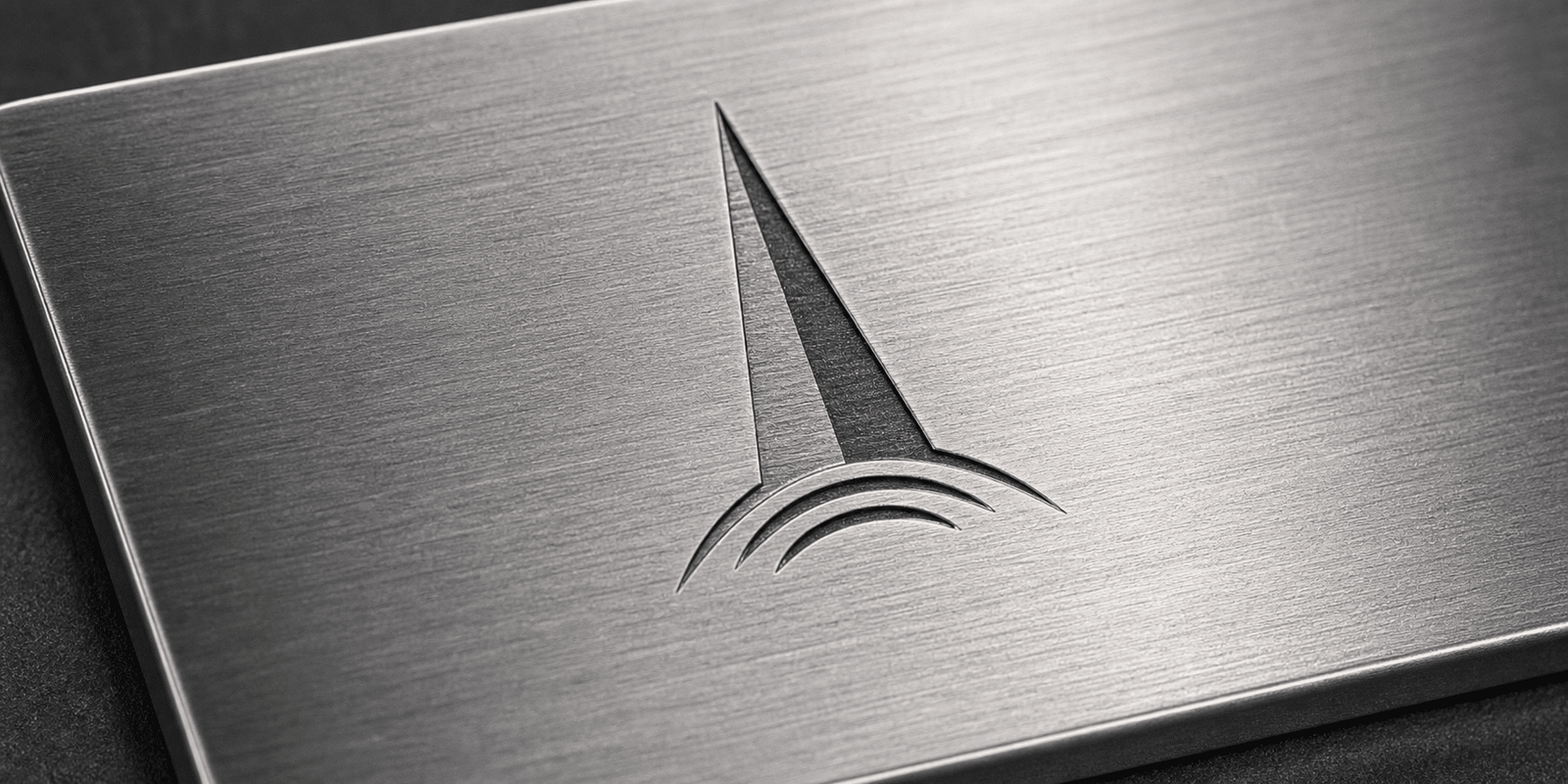
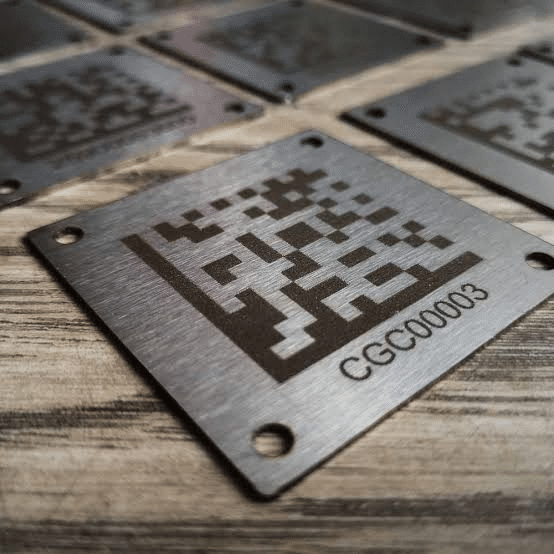
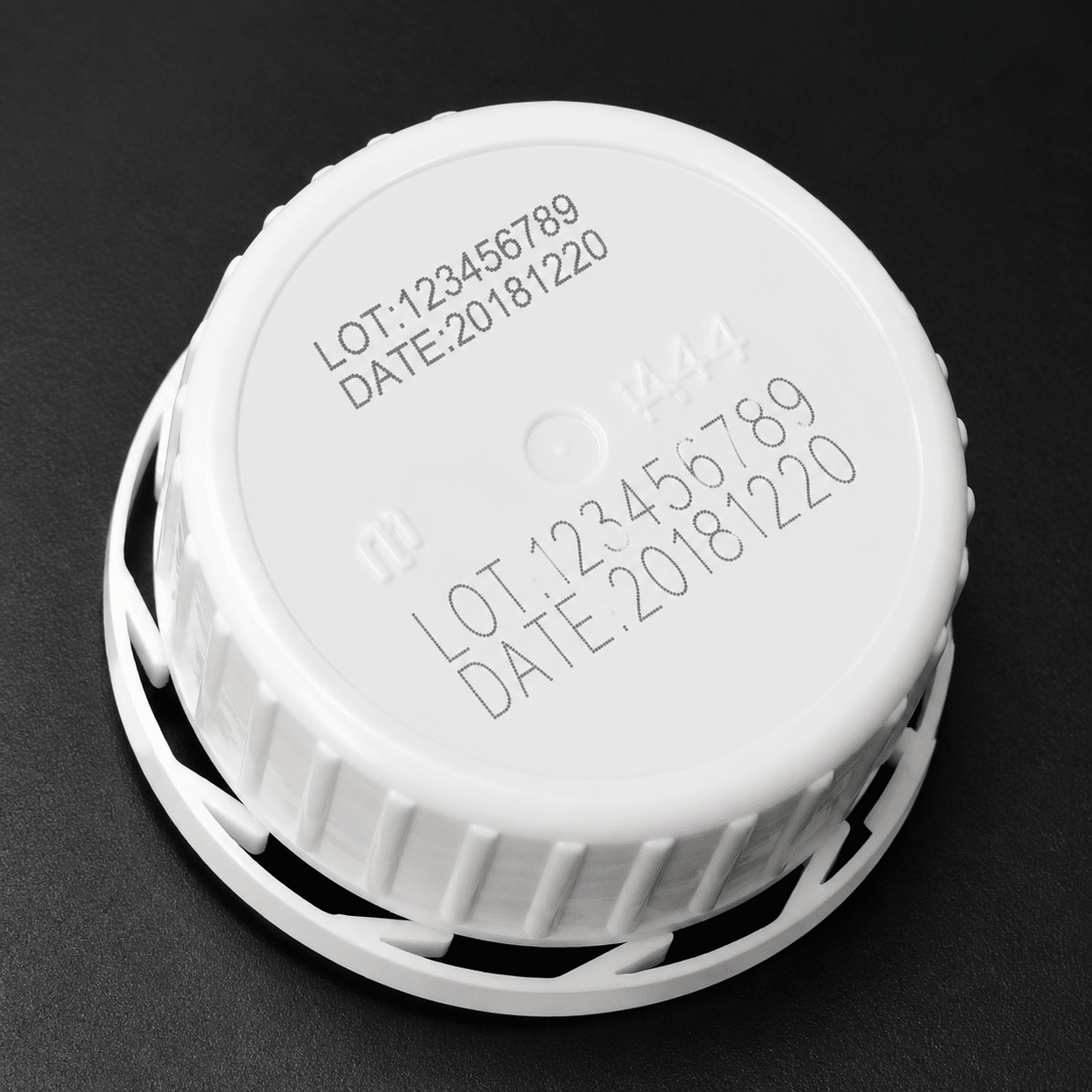
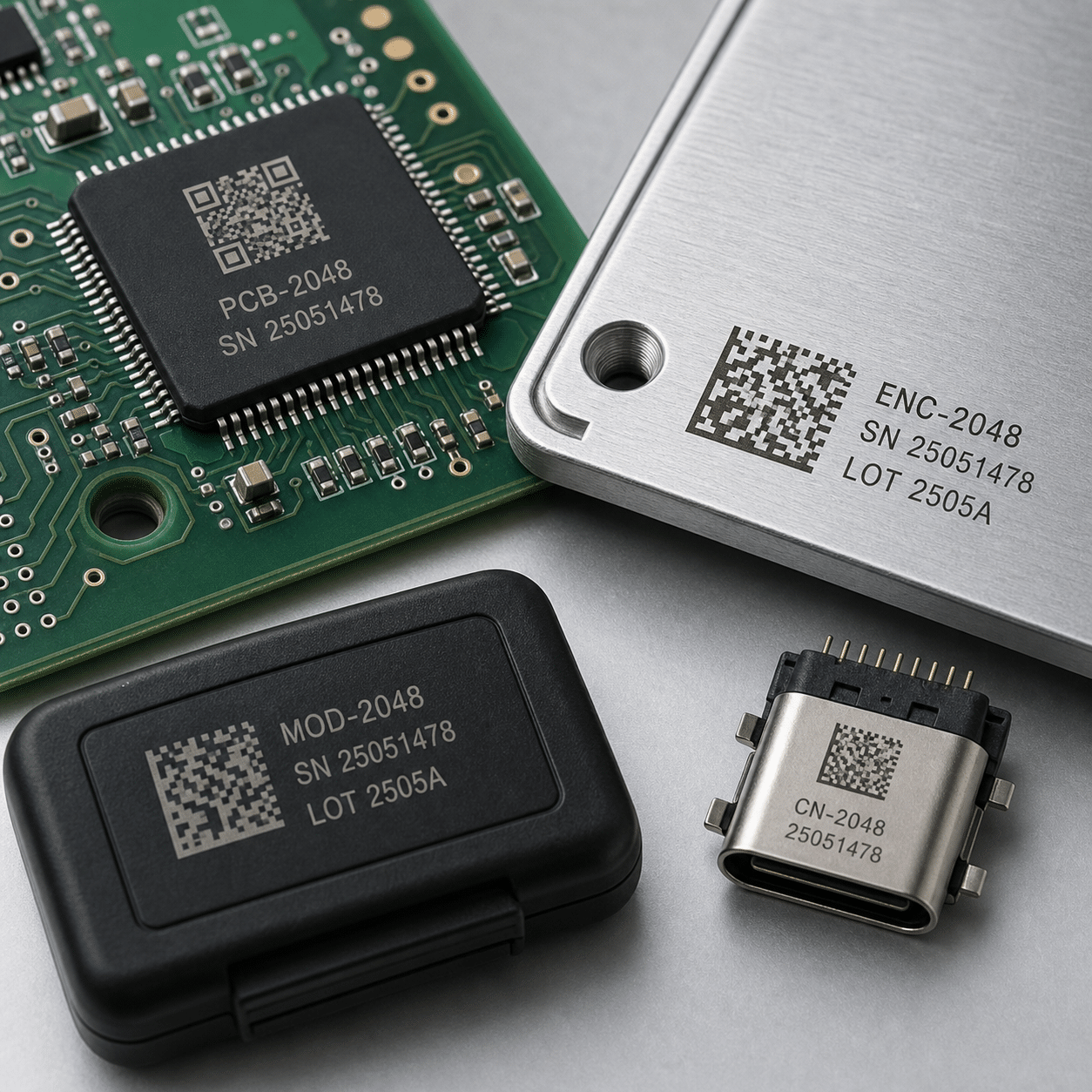
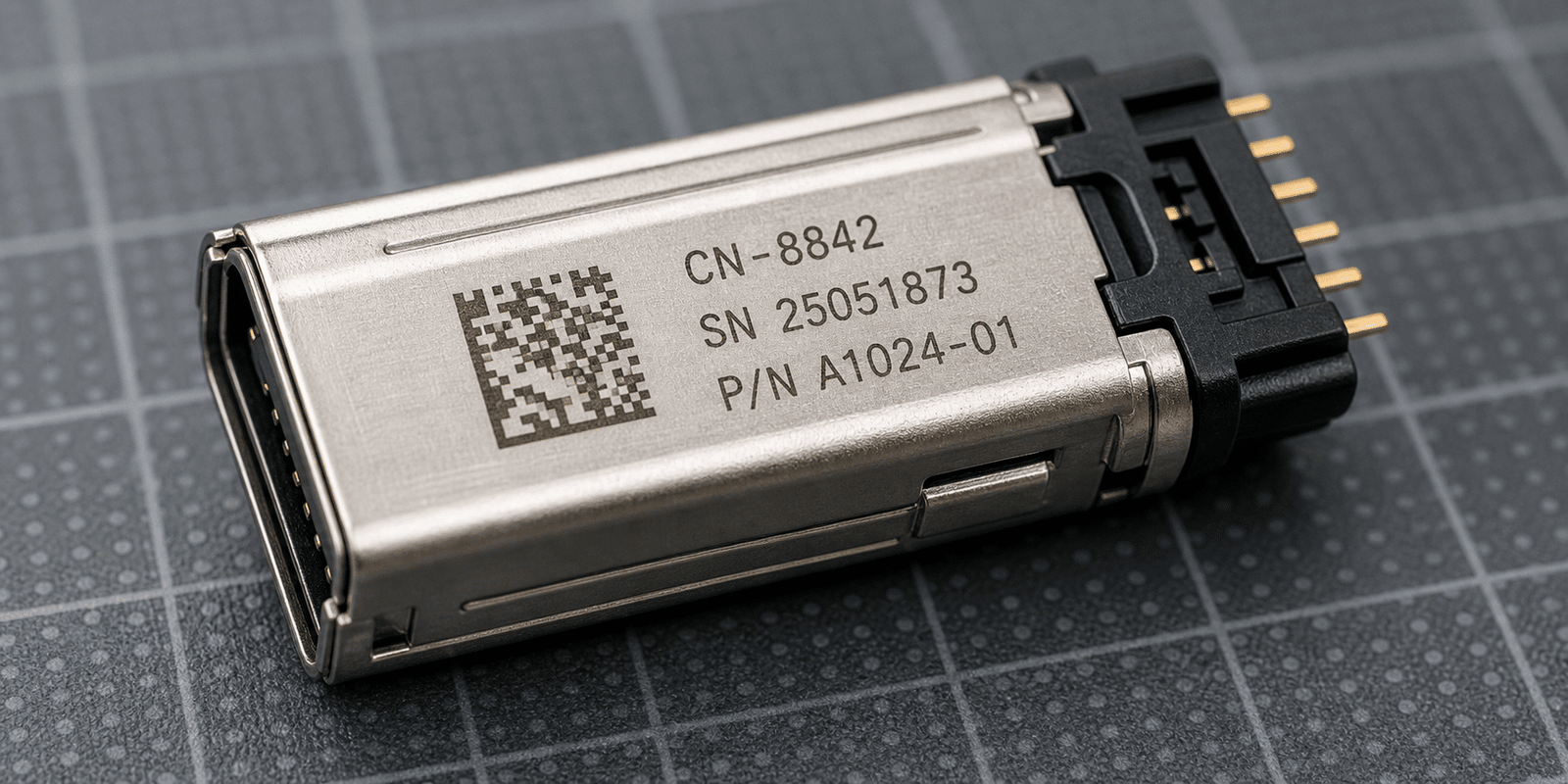
fiber vs UV laser marking comparison on metal and plastic parts
Material decides Choose by contrast, heat effect and durability
FiberMetal marking
UVFine low-heat marks
TestConfirm readability
Material FitMetal, plastic, glass, electronics and packaging.
Mark QualityCompare contrast, edge quality, depth and readability.
Heat EffectProtect sensitive surfaces and fine components.
Sample TestVerify the result on your actual part.

Fiber is usually the first choice for metal. UV is often better for fine marks on selected plastics and sensitive materials.

The best laser depends on material grade, surface finish, mark size, contrast requirement, heat sensitivity and whether the mark must remain readable through production and use.

Choose FiberMetal parts, tools, stainless steel, aluminum, nameplates and industrial IDs.
Choose UVSelected plastics, electronics, glass, packaging and fine low-heat marks.
Check CodesQR codes and serial numbers need stable contrast and clean edges.
Best ProofSample marking confirms the result on the actual part.
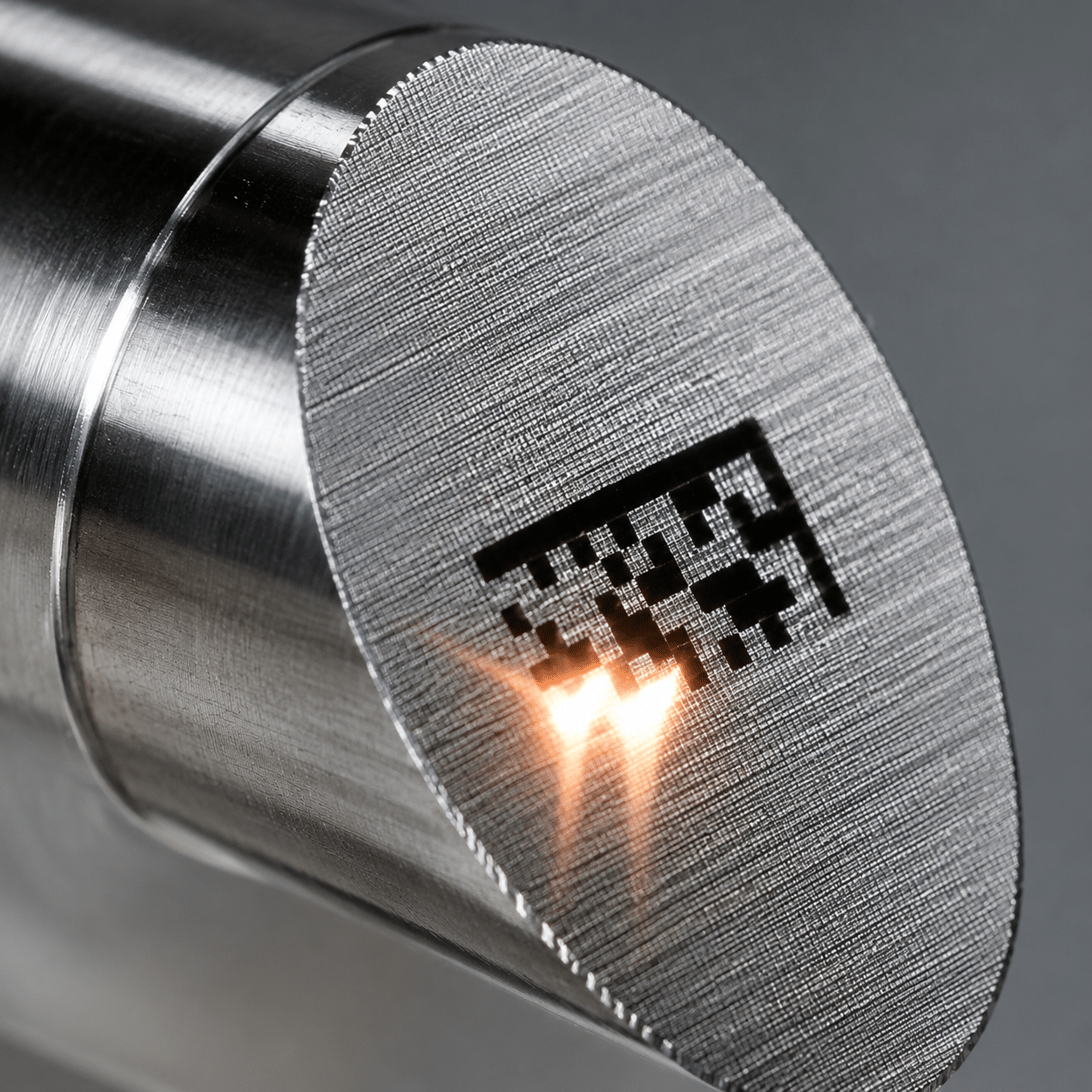
fiber and UV laser marking result comparison on metal plastic and electronics
How They Work

Fiber and UV lasers interact with materials in different ways

The laser wavelength and pulse behavior affect mark contrast, depth, surface heat, edge quality and material compatibility.

Fiber Laser Marking

Strong fit for metal marking and engraving

Fiber laser markers are widely used for industrial metal identification, logos, QR codes, serial numbers, deep engraving and durable marks.

  • Common for stainless steel, aluminum, tools and hardware
  • Fast marking speed on many metal surfaces
  • Suitable for deep engraving and durable IDs
UV Laser Marking

Fine marking with lower heat effect on sensitive materials

UV laser markers are often selected for fine marks on selected plastics, electronics, glass, packaging and surfaces where heat effect must be reduced.

  • Useful for selected plastics and electronic components
  • Fine edge quality for small text and codes
  • Lower heat effect than many common marking methods
Detailed Comparison

Fiber vs UV laser marking side-by-side

This comparison helps narrow the laser type before sample testing and final machine configuration.

Factor Fiber Laser Marking UV Laser Marking What To Check
Best Material FitMetals, tools, stainless steel, aluminum, nameplates and hardwareSelected plastics, electronics, glass, packaging and sensitive surfacesActual material grade and surface finish
Heat EffectHigher thermal interaction on many materialsOften lower heat effect for fine marking applicationsPart deformation, discoloration or surface damage risk
Marking DepthGood for engraving and deeper metal marksUsually selected for fine surface marks rather than deep engravingDepth, durability and cycle time
QR Code ReadabilityStrong on many metal parts when contrast is goodStrong on selected plastics and electronics when material reacts wellCode size, scanner requirement and contrast
SpeedFast on many metal marking jobsCan be slower depending on material and quality targetCycle time and production quantity
Cost DirectionOften cost-effective for standard metal markingOften higher investment for specialized fine marking needsMaterial range and long-term production value
Material Fit

Choose by material reaction, not only machine name

Two parts that look similar can mark differently because of alloy, additives, coating, surface finish and color.

Fiber Fits Well

Industrial metal parts

Fiber is commonly selected for stainless steel, aluminum, tools, tags, nameplates and hardware.

Fiber Fits Well

Deep engraving and durable IDs

Useful when the mark needs depth, wear resistance or long-term identification on metal.

UV Fits Well

Selected plastics

UV can create fine marks on many selected plastics where heat and edge quality matter.

UV Fits Well

Electronics and small components

Useful for small text, QR codes, fine edges and lower heat effect on sensitive components.

Test Needed

Coated or colored materials

Coatings and pigments change laser absorption, so sample marking is the safest way to confirm results.

Test Needed

Mixed production materials

If one machine must mark metal, plastic and packaging, test each material before choosing fiber or UV.

Code Quality

For QR codes and serial numbers, readability is more important than laser type

A good marking system should create codes that remain readable through handling, assembly, shipment and service life.

1

Check contrast first

The scanner must read the code reliably under the lighting and inspection conditions used in production.

2

Control edge quality

Small QR codes and Data Matrix codes need clean module edges, especially on plastics and electronic components.

3

Match mark depth to use

Metal parts may need deeper or more durable marks, while plastics may need surface contrast with low heat effect.

4

Confirm cycle time

The best mark also needs to fit production speed, fixture handling and data input requirements.

Cost & Production

Compare machine cost by production value

The better marking machine is the one that provides stable marks on your materials with suitable speed, fixture setup and long-term support.

01

Material range

A machine that marks all required materials reliably can reduce production complexity.

02

Code reliability

Readable codes reduce rejected parts and traceability problems.

03

Cycle time

Marking speed affects daily output, fixture design and production planning.

04

Automation path

Future conveyor, rotary, fixture or data integration needs can affect the best choice.

Machine Selection

Select fiber or UV by marking requirement

These recommendations provide a practical starting point before sample marking.

Marking Requirement Recommended Laser Best Fit What To Test
Standard metal serial numbersFiber laser markerTools, hardware, nameplates and industrial partsContrast, depth and marking speed
Deep engraving on metalFiber laser markerWear-resistant IDs, molds, tags and metal componentsDepth, roughness and cycle time
Fine mark on selected plasticUV laser markerPlastic housings, electronic parts and medical packagingColor change, edge quality and heat effect
Small QR code on electronicsUV laser markerPCB-related parts, chips, connectors and small componentsCode readability, module edge and scanner result
Mixed metal and plastic productsSample test requiredProduction lines with multiple material typesEach material, mark size and production speed
Sample Marking

Not sure whether fiber or UV is better for your part?

Send your material, product photos, mark size, code content and contrast requirement. Oceanplayer can help compare fiber and UV marking results before final machine selection.

01

Share material details

Material, surface finish, color, coating and product photos.

02

Define mark requirement

Logo, serial number, QR code, barcode, depth, contrast and code size.

03

Compare results

Review contrast, readability, edge quality and suitable laser type.

Comparison FAQ

Common questions about fiber vs UV laser marking

These answers help compare marking machine types before sample testing and final configuration.

What is the difference between fiber and UV laser marking?
Fiber laser marking is commonly selected for metals, industrial parts, tools, stainless steel, aluminum and deep engraving. UV laser marking is often selected for selected plastics, electronics, glass, packaging and heat-sensitive materials where lower heat effect and fine marks are important.
Is fiber or UV laser marking better for plastic?
UV laser marking is often better for selected plastics because it can create fine marks with lower heat effect. Some plastics can also react to fiber lasers, but testing is recommended because plastic additives and colors change the result.
Is fiber or UV laser marking better for metal?
Fiber laser marking is usually the first choice for metal marking, including stainless steel, aluminum, tools, nameplates, hardware and industrial components. UV may be considered for special surface or heat-sensitive requirements.
Which laser is better for QR code marking?
Both fiber and UV lasers can create QR codes when the material reacts well. Fiber is often used for metal QR codes, while UV is often used for selected plastics, electronics and sensitive surfaces. Sample marking confirms contrast and readability.
Why should I test my material before choosing fiber or UV marking?
Material grade, additives, surface finish, coating, color and code size can change the marking result. Sample testing confirms contrast, edge quality, depth, readability and whether fiber or UV is the better choice.