oceanplayer

Oceanplayer Laser Equipment | Cleaning, Welding, Marking, Automation Sample Testing | Global Shipping | OEM/ODM Support
Water-Cooled Laser Welder

Water-Cooled Laser Welder for Stable High-Power and Long-Hour Welding.

Oceanplayer water-cooled laser welders are built for factories that need stable welding performance, higher power output and longer continuous operation on stainless steel, carbon steel, aluminum, galvanized sheet and thicker metal parts.
  • Stable cooling for long shifts
  • Higher power welding options
  • Sample welding test available
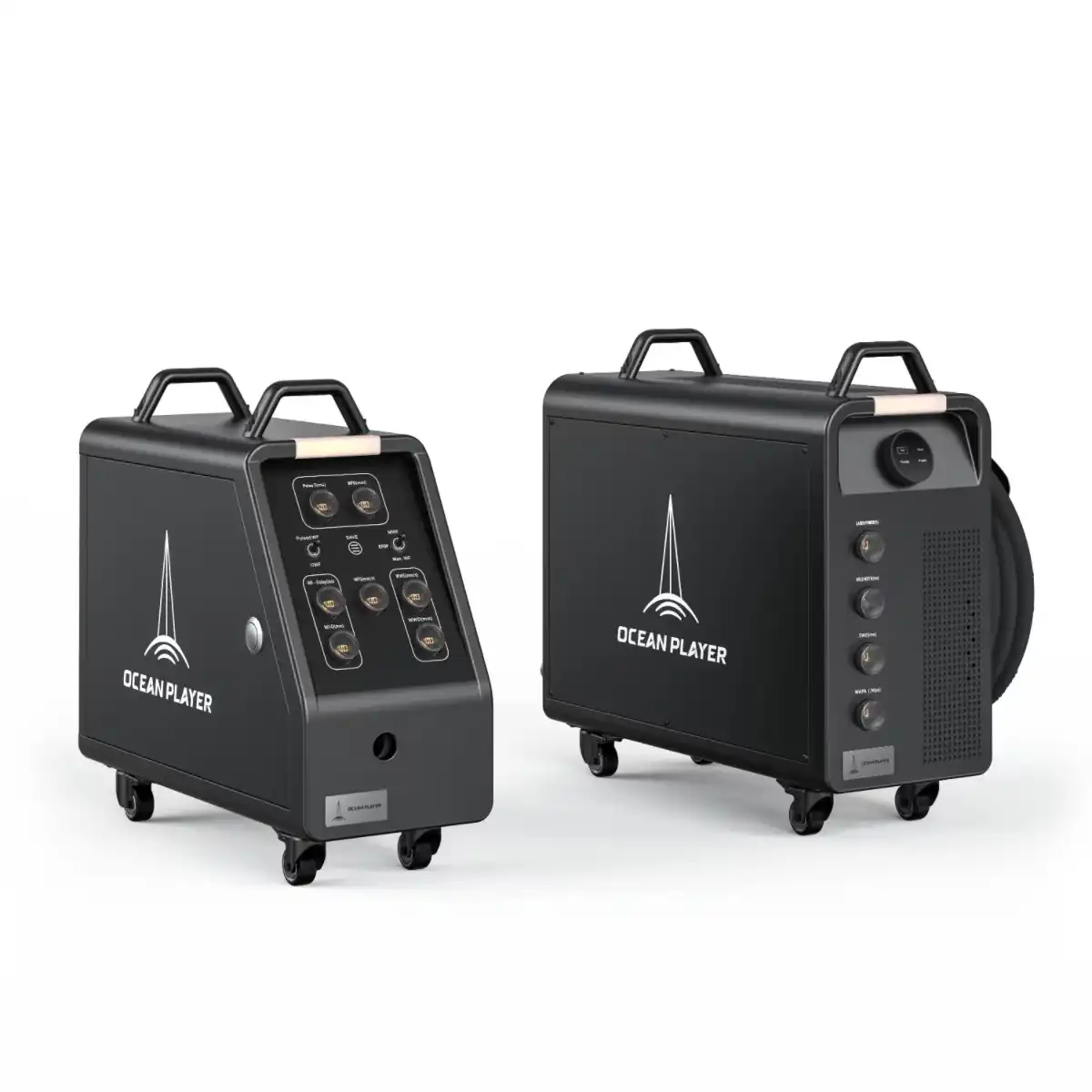
Oceanplayer water-cooled laser welder for stable high power handheld welding
Stable high-power weldingBuilt for thicker parts, long shifts and production workloads
WaterStable cooling system
1500-3000WCommon power range
Wire FeedOptional gap filling
Heavy WorkloadDesigned for long production shifts and higher duty cycles
Power MatchingChoose power by material thickness and weld strength
Sample WeldingCheck weld appearance, penetration and deformation first
Factory SupportConfiguration, export packing and remote guidance
Why Water-Cooled Laser Welding

Choose water cooling when your welding work needs more stability, power and runtime

When your factory welds thicker parts, runs long shifts or needs higher power output, water cooling helps keep the laser source and welding system more stable during continuous operation.

Stable Thermal Control

A dedicated water cooling system helps manage heat during longer welding sessions and supports more consistent welding performance.

Higher Power Options

Water-cooled laser welders are a better fit when you need stronger penetration, faster welding speed or thicker material capability.

Production Line Fit

For repeated parts, long seams and daily factory workloads, water cooling gives more confidence than compact air-cooled systems.

Best Fit

Where a water-cooled laser welder makes the most sense

If your welding work is heavy, continuous or thickness-sensitive, a water-cooled laser welder gives you stronger cooling support and more room for higher-power configurations.

  • Factories running long daily welding shifts or repeated batch production
  • Stainless steel, carbon steel, galvanized sheet and aluminum welding
  • Thicker sheet metal, frames, tanks, cabinets, doors and machinery parts
  • Welding jobs that need stronger penetration or filler wire support
  • Production teams that value stability more than compact machine size
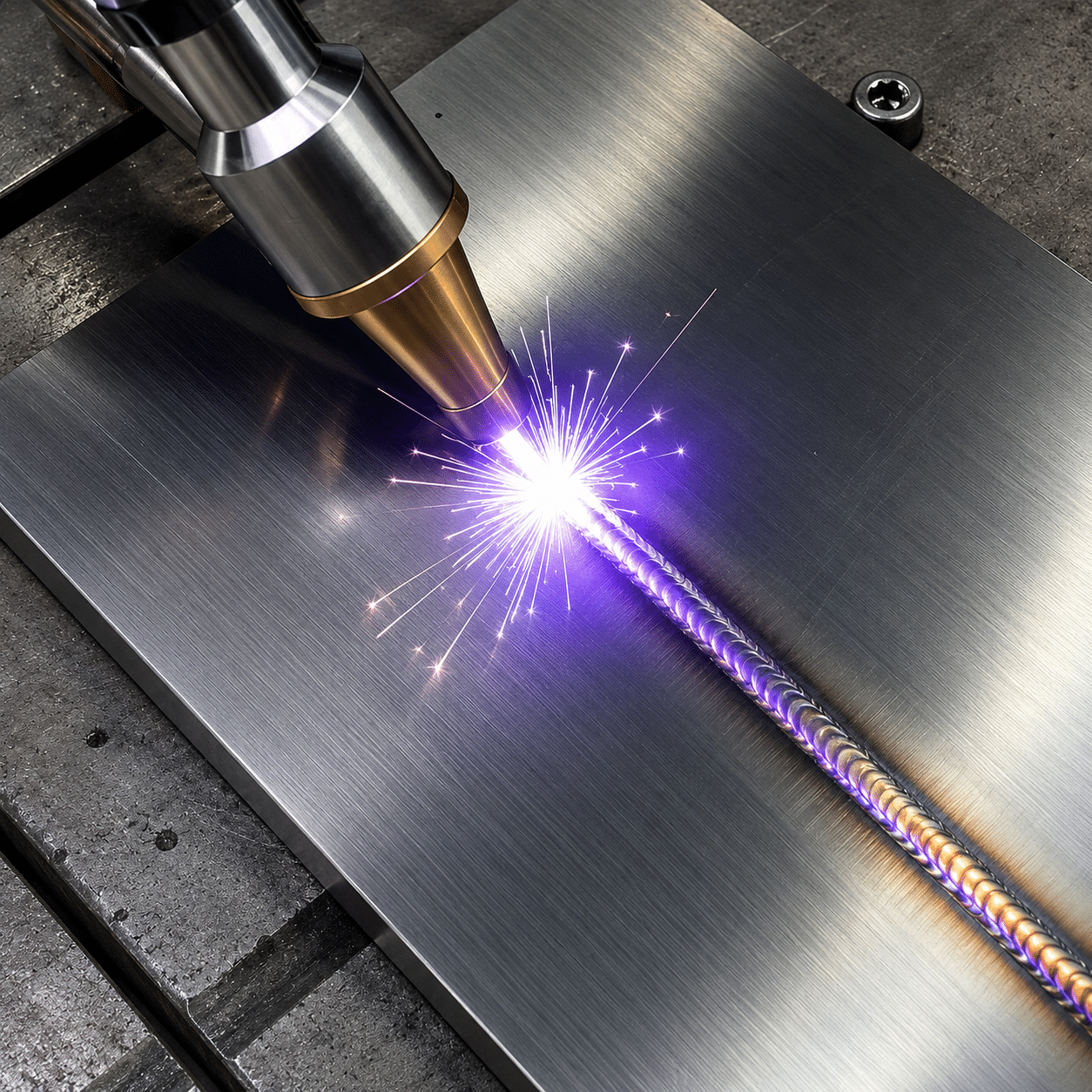
Water-cooled laser welder for production welding on metal parts and frames
Buyer Decision Guide

Is water-cooled laser welding right for your production workload?

Compare your welding hours, material thickness, power requirement and workshop space before choosing between air-cooled and water-cooled laser welding.

Choose Air-Cooled

Best for Compact, Flexible Work

Choose air cooling when your parts are thin to medium thickness, your workload is moderate and you want a smaller machine without external chiller maintenance.

  • You have limited floor space
  • You move the machine often
  • Your welding workload is moderate
Test First

Verify Your Parts Before Ordering

Send photos, drawings, thickness and joint type. Oceanplayer can test the weld and recommend the right cooling type and power level.

  • You are unsure about penetration
  • Your parts vary in material or thickness
  • You want to see the weld result first
Problem Solver

Check the key questions before choosing a water-cooled laser welder

Before you choose a machine, confirm welding thickness, daily duty cycle, cooling maintenance, weld strength and the space available for the welder and chiller.

Is the Chiller Worth It?

If you weld for long hours or use higher power, the extra cooling system can be worth the floor space and maintenance because it supports stable operation.

What Thickness Can It Weld?

Water-cooled welders are suitable for wider thickness ranges, especially when paired with the right laser power, wire feeder and welding parameters.

Will It Reduce Rework?

Stable power, proper shielding gas and correct wire feeding can improve weld consistency and reduce grinding, rework and rejected parts.

Material & Thickness Guide

Recommended uses for water-cooled laser welding

Match your material, thickness, welding speed, duty cycle, joint fit-up and filler wire needs to the right water-cooled machine configuration.

ApplicationTypical MaterialRecommended SetupCustomer Benefit
Long Shift WeldingStainless steel, carbon steel, galvanized sheet1500W-2000W water-cooled welderStable welding during repeated production
Thicker Sheet / FramesSteel frames, cabinets, tanks, machinery parts2000W-3000W with wire feederBetter penetration and gap filling
Aluminum WeldingAluminum sheet, profiles and fabricated partsWater-cooled welder with suitable parametersMore stable output for heat-sensitive welding
Production Line WeldingRepeated parts, long seams and batch weldingWater-cooled industrial configurationHigher duty cycle and process consistency
Light Mobile WeldingThin parts and moderate daily workloadConsider air-cooled laser welderSmaller footprint and simpler setup
Welding Results

Check weld quality and penetration before choosing power and cooling

Sample welding helps confirm seam appearance, penetration, deformation, wire feeding needs and whether a water-cooled laser welder fits your production workload.
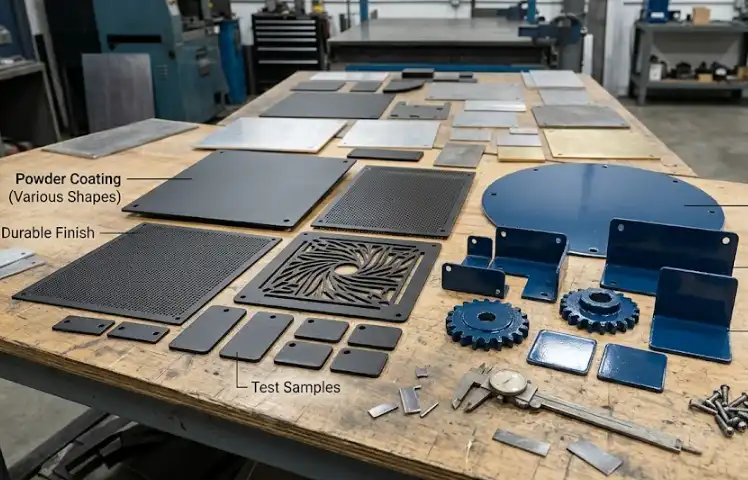
Before water-cooled laser welding metal parts prepared for welding
Before Welding

Confirm strength and appearance before changing process

Before replacing TIG, MIG or older laser equipment, check weld penetration, seam consistency, deformation and polishing workload on your own parts.
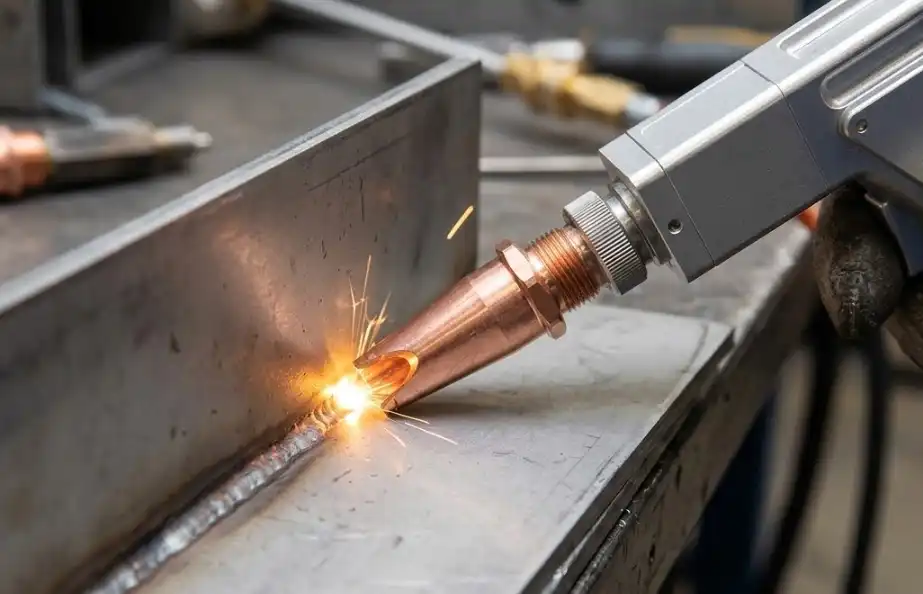
After water-cooled laser welding strong clean weld seam
After Laser Welding

Stable weld result for production work

With the right cooling, power, wire and gas settings, water-cooled laser welding supports stronger consistency in daily production.

Weld Gallery

Review weld examples for thicker parts, long seams and production joints

Clear welding samples help you compare penetration, seam appearance, heat effect, polishing needs and whether filler wire is required for your parts.
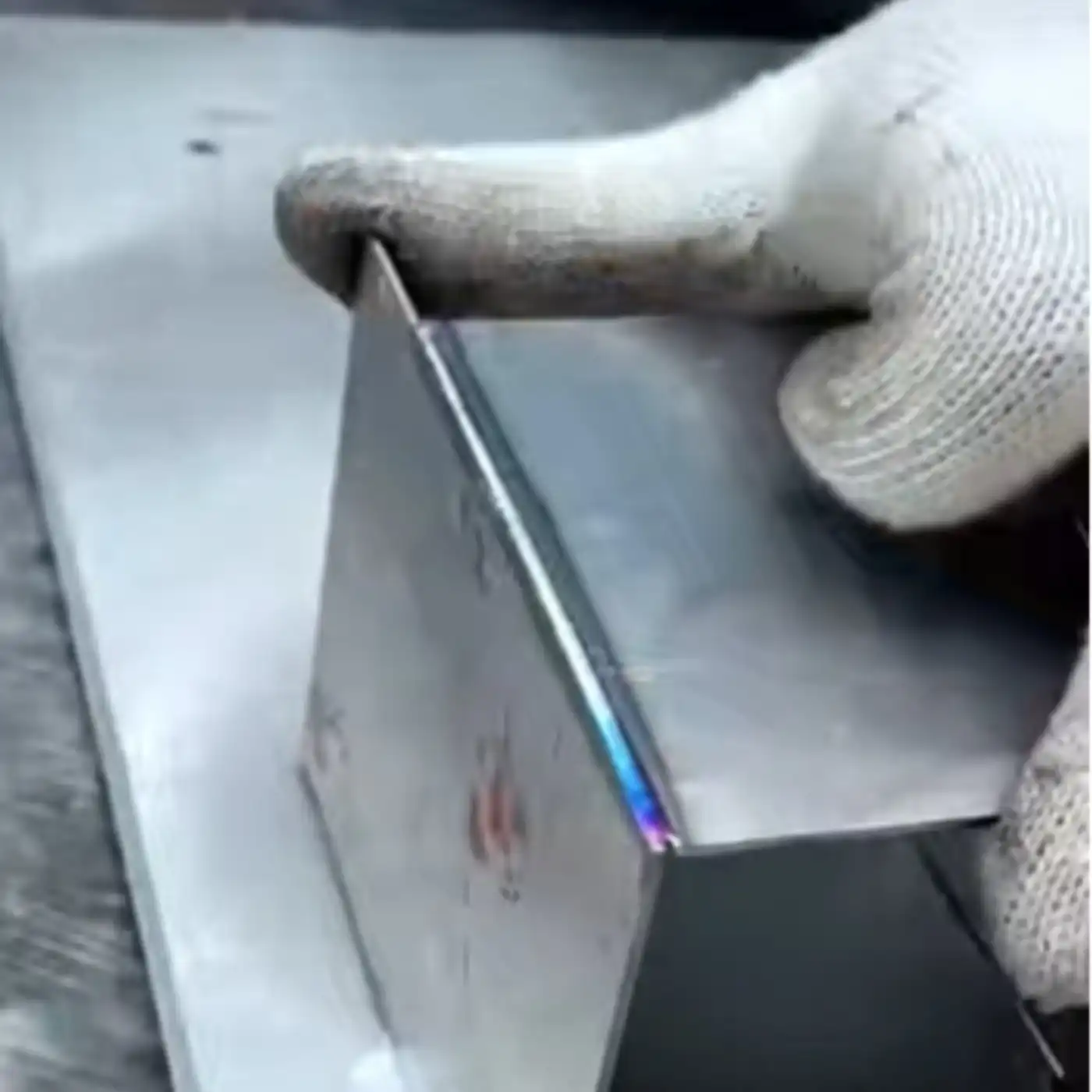
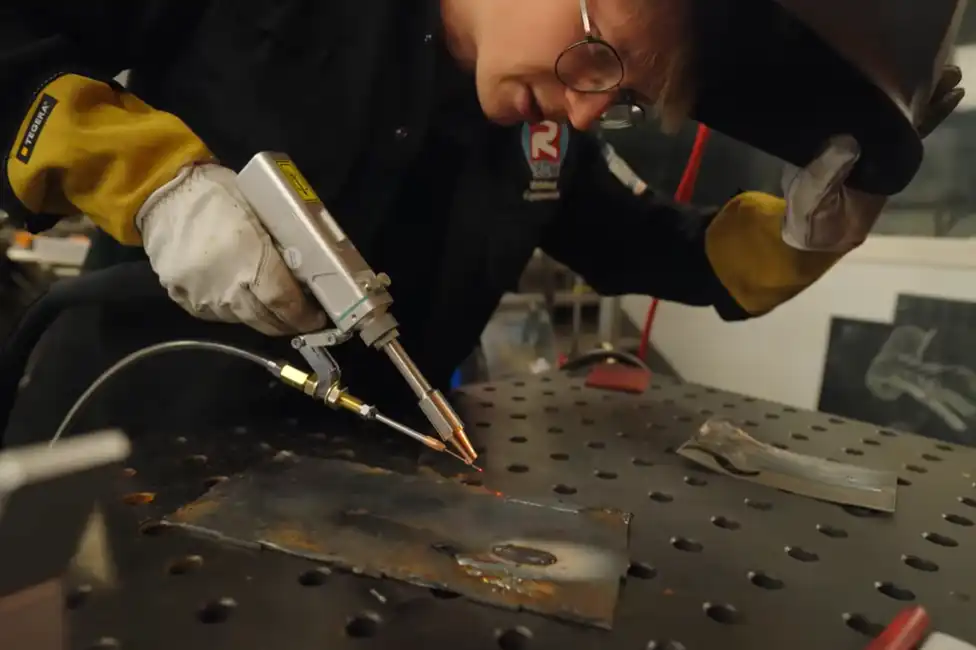
Video Demonstration

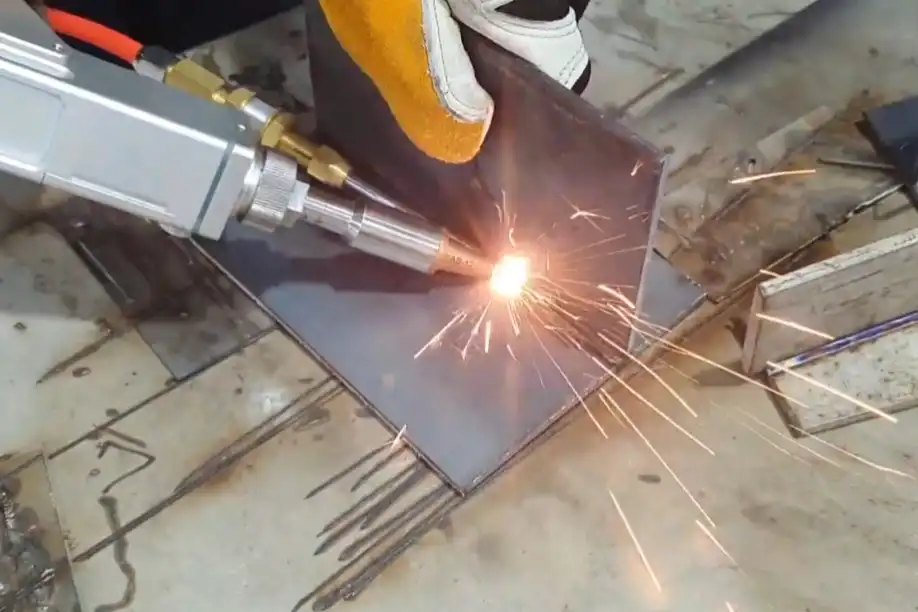
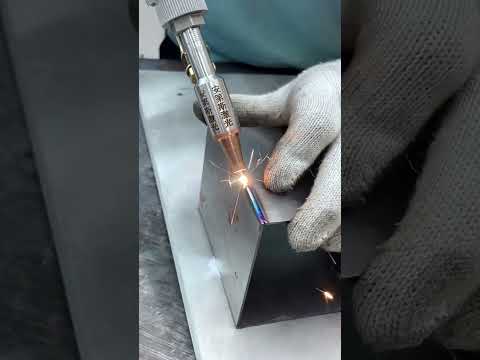
Watch how a water-cooled welder handles longer seams and thicker parts

See welding speed, chiller operation, wire feeding, seam quality and finished part results before deciding which power level fits your production.
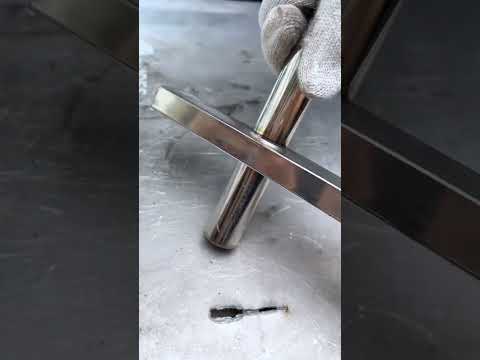
Machine Configuration

Recommended configuration for a water-cooled laser welder

Oceanplayer can match laser power, chiller capacity, welding head, wire feeder, safety accessories and training materials to your production workload.

Machine Setup

Cooling TypeWater-cooled laser welding system with chiller
Laser Power1500W, 2000W, 3000W options depending on model
Welding HeadHandheld laser welding head with adjustable parameters
Wire FeederOptional automatic wire feeder for gaps and thicker joints
Main AdvantageStable high-power output for long production workloads

Process Support

Supported MaterialsStainless steel, carbon steel, galvanized sheet, aluminum and selected metals
Typical UsersSheet metal factories, machinery plants, hardware factories and production teams
Best ApplicationsThicker sheet, long seams, frames, tanks, cabinets, structural parts
Training SupportParameter guidance, operation videos and remote technical help
CustomizationOEM logo, plug standard, wire feeder and accessory options available
Water-Cooled vs Air-Cooled

Choose between heavy-duty stability and compact convenience

Water-Cooled Laser Welder

  • Better for higher power and long continuous welding
  • More stable cooling for demanding duty cycles
  • Better fit for thicker parts and production line workloads
  • Recommended when performance matters more than machine size
VS

Air-Cooled Laser Welder

  • No external water chiller and smaller footprint
  • Easier to move between workstations
  • Simpler daily cooling maintenance
  • Better for thin to medium parts and moderate workloads
Sample Welding Test

Send your parts. We verify the right water-cooled welding setup.

If you are unsure which power level, wire feeder or cooling configuration fits your material, thickness, seam length or workload, send photos, drawings or samples. Oceanplayer engineers can test the weld and recommend a practical setup.

01

Send Work Details

Share material, thickness, seam length, joint type and expected daily workload.

02

Test Welding

We test power, speed, wire feeding, seam quality and heat performance.

03

Confirm Setup

We recommend power, chiller setup, wire feeder and operation parameters.

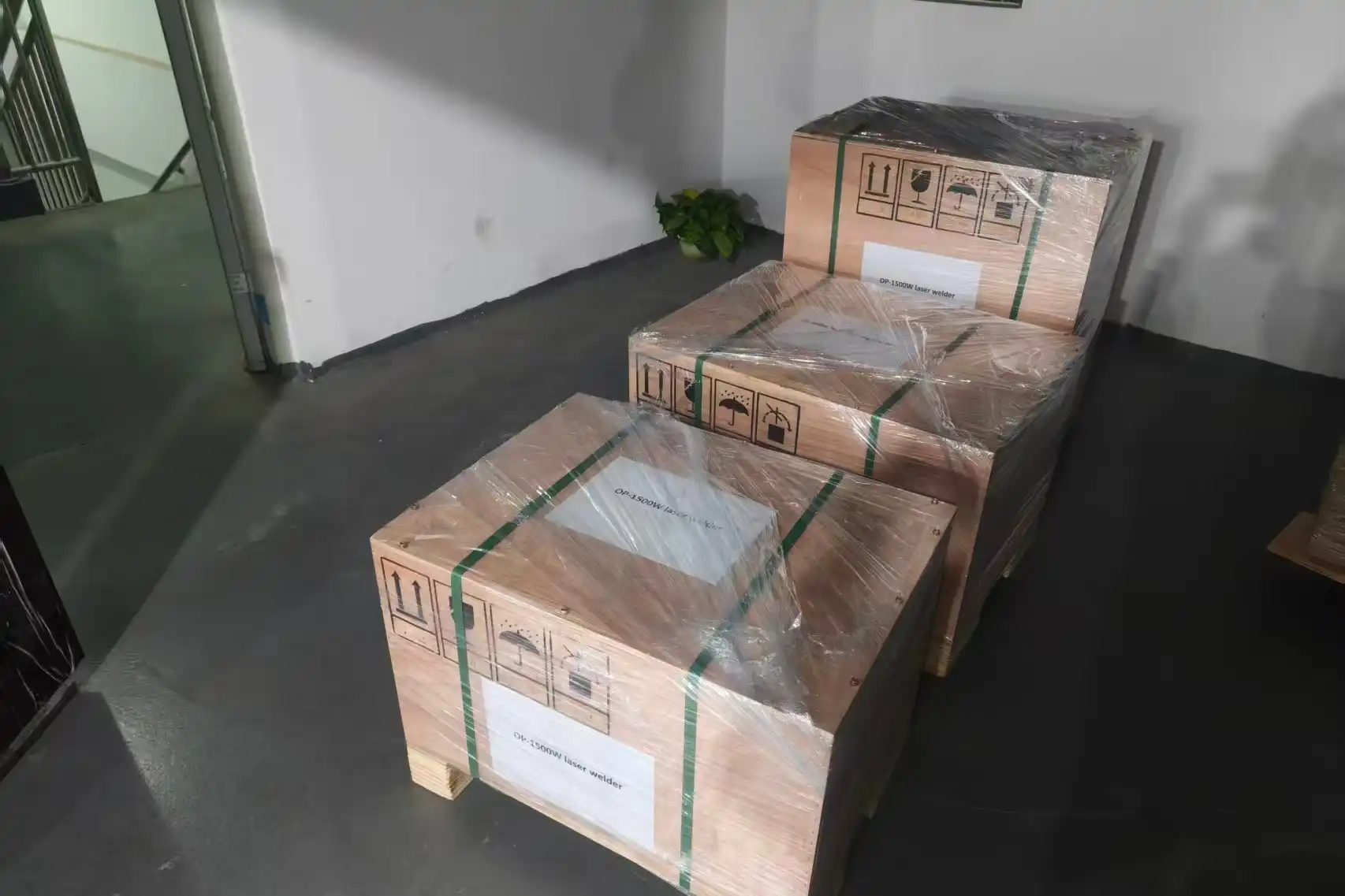
Oceanplayer water-cooled laser welder factory and export support
Factory Support

Factory direct support from power choice to delivery

Oceanplayer supports your water-cooled laser welder project from sample welding and machine configuration to production, export packaging, shipping and remote operation guidance.

WaterStable cooling setup
WireOptional wire feeder
VideoWelding test support
RemoteParameter guidance
FAQ

Water-Cooled Laser Welder FAQ

What is a water-cooled laser welder?
A water-cooled laser welder uses a chiller-based cooling system to manage heat during laser welding. It is commonly chosen for higher power, thicker materials and longer continuous production workloads.
Is water-cooled laser welding better than air-cooled?
Water-cooled welding is better for high power, long shifts and heavy-duty production. Air-cooled welding is better when you need compact size, easier movement and moderate welding workload.
What materials can a water-cooled laser welder weld?
It is commonly used for stainless steel, carbon steel, galvanized sheet, aluminum and selected metals. Final results depend on power, thickness, joint type, shielding gas and wire feeding.
Does a water-cooled laser welder need more maintenance?
It requires coolant and chiller checks, but the cooling system supports stable high-power welding. For heavy-duty production, this maintenance is often worth the added stability.
Does a water-cooled laser welder need a wire feeder?
Not always. A wire feeder is useful for gaps, corners, thicker joints and stronger filled welds. Thin tight-fit parts may not need filler wire.
Can I test my own parts before buying?
Yes. You can send drawings, photos, material details or samples to Oceanplayer. Our engineers can test welding performance and recommend the right water-cooled machine setup.