oceanplayer

Oceanplayer Laser Equipment | Cleaning, Welding, Marking, Automation Sample Testing | Global Shipping | OEM/ODM Support
Galvanized Steel Laser Welding

Galvanized Steel Laser Welding for Cleaner Joints, Faster Production and Better Process Control.

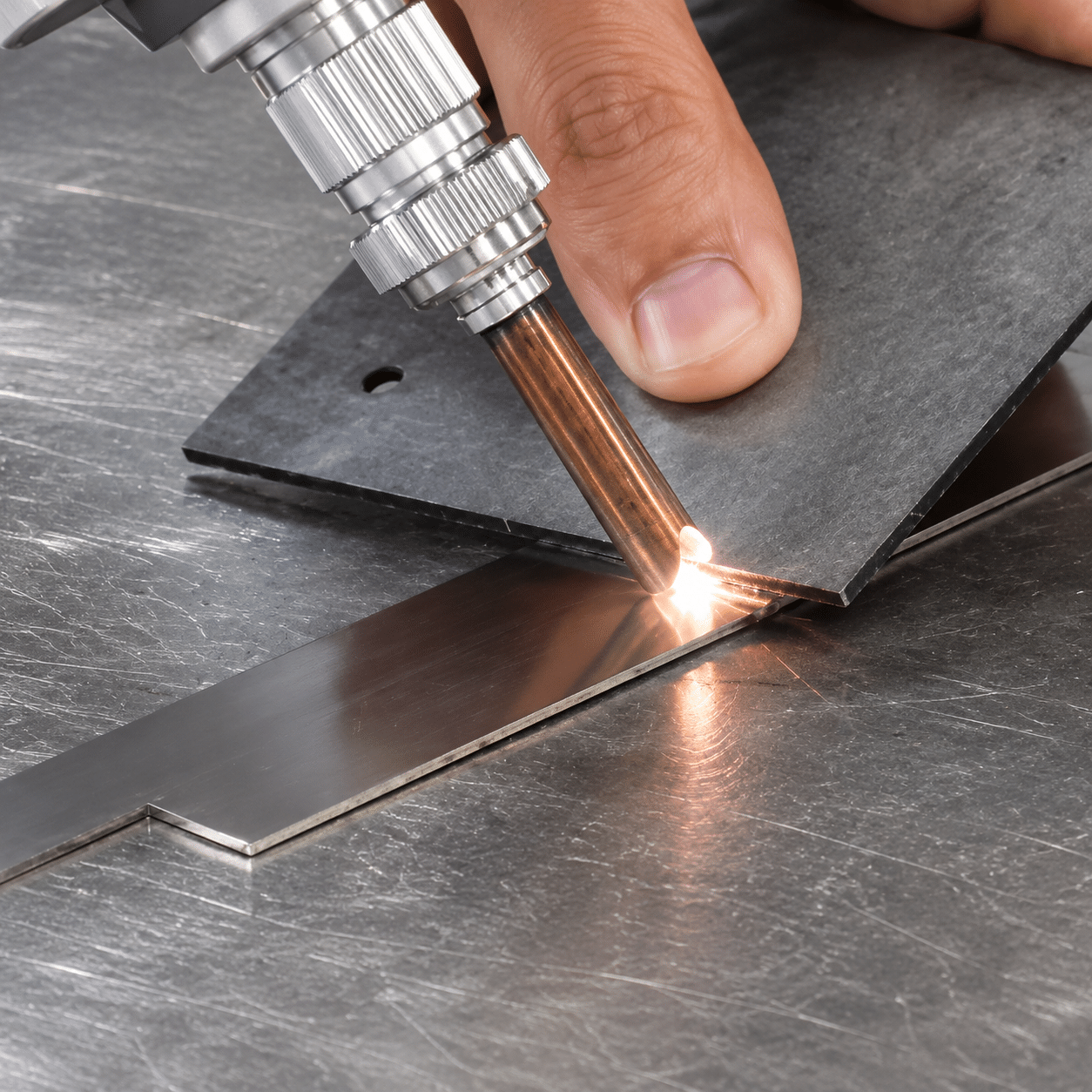
Oceanplayer galvanized steel laser welding solutions help weld coated steel sheets, cabinets, frames, HVAC parts, appliance panels and metal enclosures while managing zinc vapor, spatter, porosity and coating damage. Choose handheld, wire-feeder, water-cooled or automated laser welding based on sheet thickness, zinc coating, joint design, gap control and daily production volume.
  • Galvanized sheet and frame welding
  • Process guidance for zinc vapor control
  • Sample welding test available
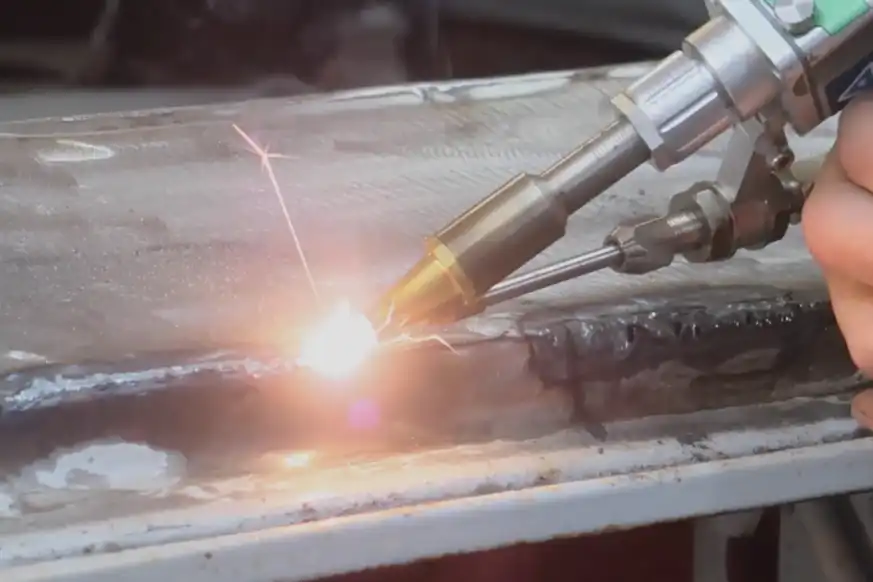
Galvanized steel laser welding machine welding coated steel sheet
Control zinc-related defectsDesigned for coated steel seams and production welding
ZnCoated steel
GapVapor escape
TestSample proof
Defect ControlReduce porosity, blowholes and unstable seams
Cleaner ProductionLess grinding and faster repeated welding work
Coating AwarenessPlan welding around zinc layer behavior
Safety PlanningUse extraction and proper operator protection
Customer Concerns

Galvanized steel welding problems that need a controlled laser process

The zinc coating can vaporize during welding. Without the right joint design, parameters and extraction, galvanized steel welding may show pores, spatter, blowholes, weak seams or excessive coating damage.

Zinc vapor and porosity

Galvanized layers can release vapor inside the weld. Correct gap, speed and beam setting help vapor escape more smoothly.

Spatter and surface defects

Unstable vapor pressure can create spatter and rough seams. Process testing helps reduce visible defects and rework.

Coating and corrosion protection

Laser welding affects the zinc layer near the seam. Plan seam location, coating repair and corrosion requirements before production.

Application Range

Where galvanized steel laser welding is a strong fit

Laser welding is useful when galvanized steel products need faster welding, clean seams, stable repeatability and less finishing work than conventional welding.

  • HVAC ducts, ventilation parts, appliance panels and sheet metal covers.
  • Electrical cabinets, metal boxes, doors, frames and coated steel enclosures.
  • Automotive repair panels, brackets, light structures and coated steel assemblies.
  • Furniture frames, display racks, shelves and fabricated galvanized steel products.
  • Batch production seams where fixtures and stable parameters can improve consistency.
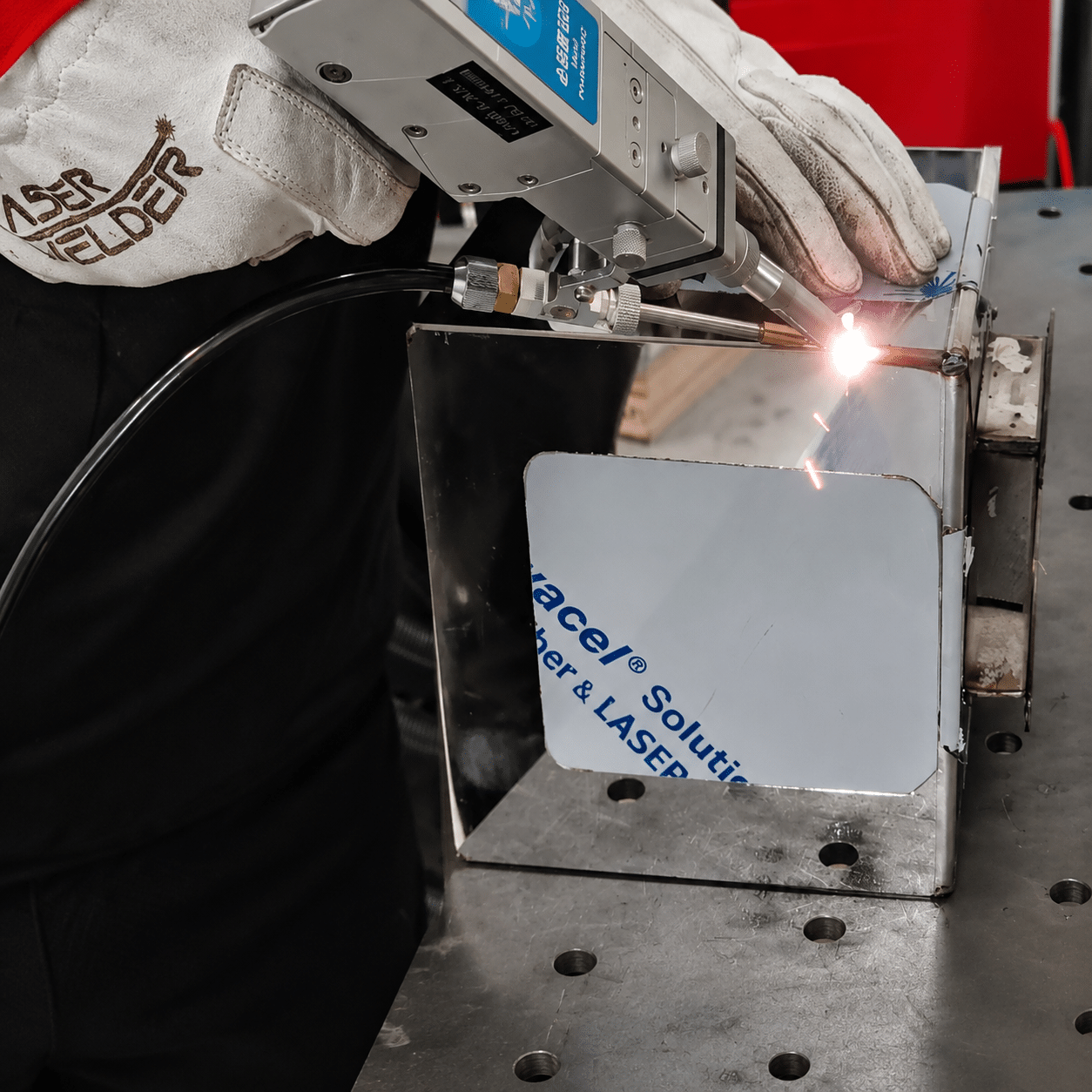
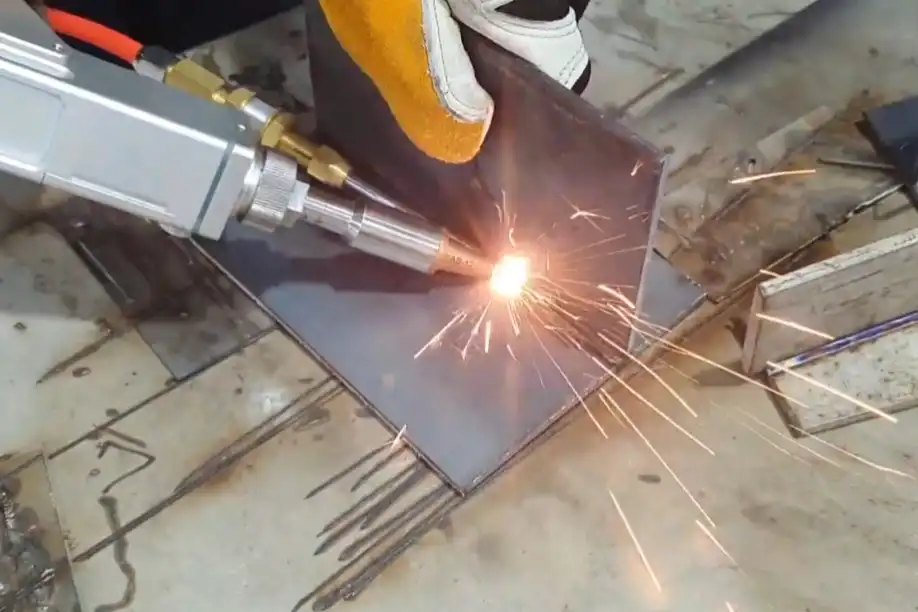
Galvanized steel laser welding applications for cabinets HVAC panels and frames
Process Factors

What decides galvanized steel laser welding quality?

Good galvanized steel welds depend on zinc coating thickness, joint fit-up, vapor escape path, shielding, welding speed, extraction and post-weld corrosion requirements.

Joint Gap

Give zinc vapor a path to escape

Lap joints and tight seams often need controlled clearance or process changes to reduce blowholes and porosity.

  • Check lap joint clearance
  • Use fixtures for repeatable gaps
  • Test speed and focus settings
Extraction

Control fumes at the welding area

Galvanized welding produces zinc-containing fumes. Proper extraction and operator protection are important for production use.

  • Use local fume extraction
  • Plan safe work area
  • Train operators before production
Thickness Guide

Select laser welding setup by galvanized steel thickness and joint type

The right configuration depends on sheet thickness, coating type, lap or butt joint design, seam appearance, strength target and daily workload.

Galvanized Steel WorkpieceCommon SetupBest UseWhat To Check
0.6-1.2mm sheet1000W-1500W with controlled parametersAppliance panels, covers, HVAC partsBurn-through, distortion and coating damage
1.2-2.5mm sheet1500W-2000W handheld laser welderCabinets, frames, boxes and general fabricationPorosity, lap clearance and weld strength
2.5-4.0mm coated steel2000W-3000W with suitable joint designHeavier brackets, structures and repeated seamsPenetration, vapor control and extraction
Lap jointsFixture-assisted welding with gap controlOverlapping galvanized steel sheet assembliesZinc vapor escape and blowhole control
Visible seams with gapsLaser welder with wire feederProducts needing better seam filling and appearanceWire type, feed speed and seam profile
Welding Results Gallery

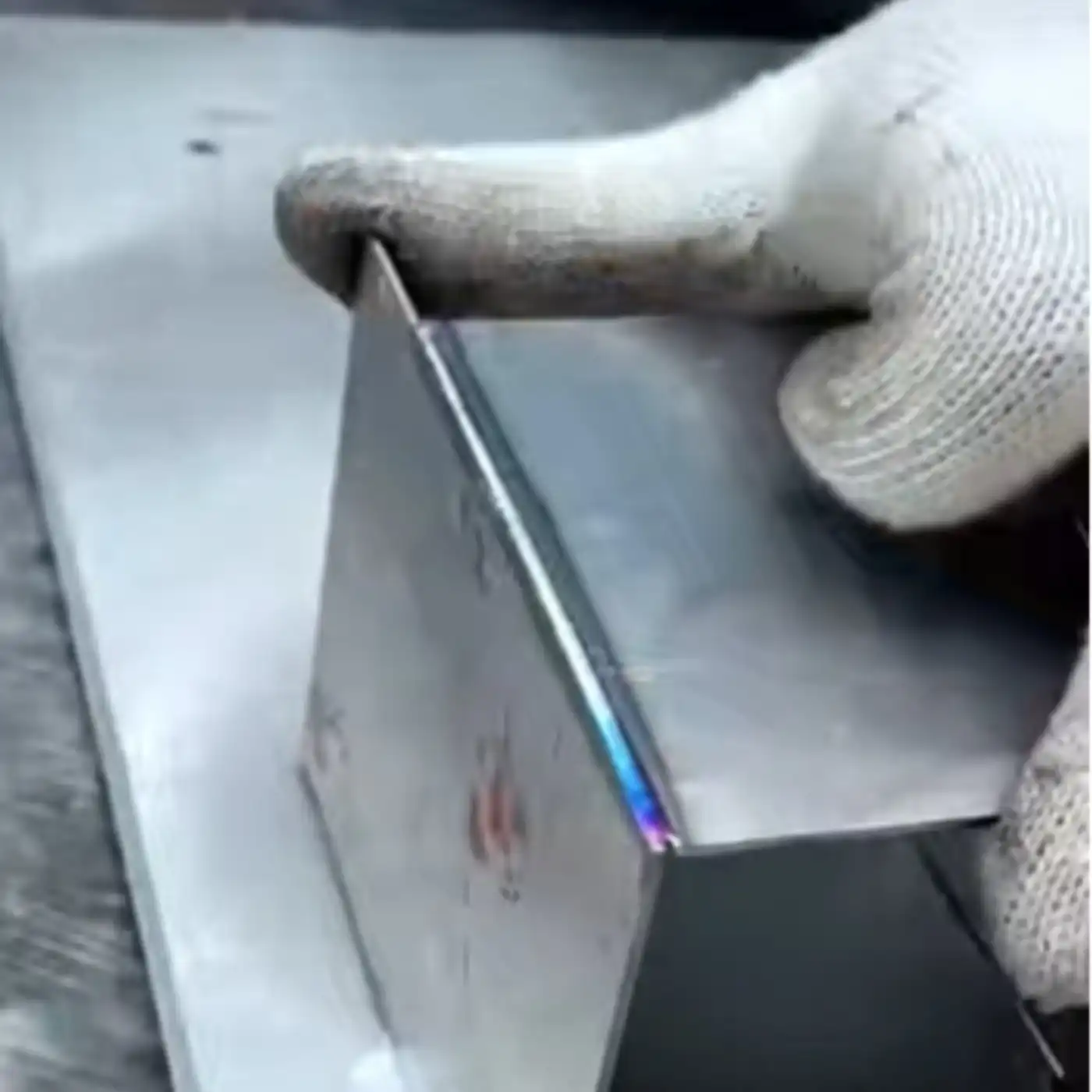
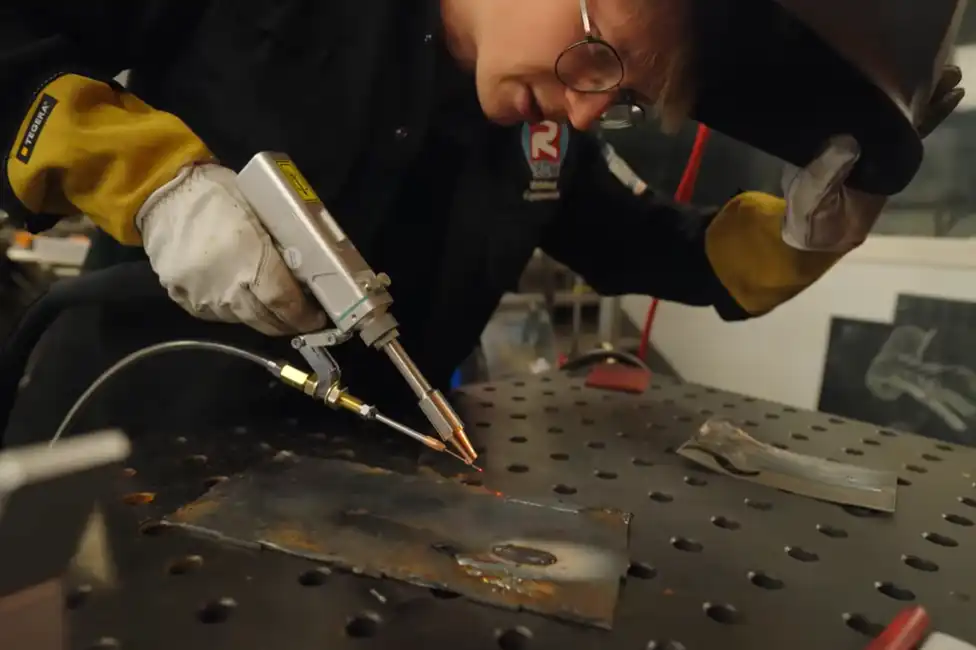
Review galvanized steel laser welding results across common product types

Compare welding results for coated sheet, lap joints, cabinets, HVAC parts, frames and wire-fed seams.
Video Demonstration

Watch galvanized steel laser welding on real coated steel parts

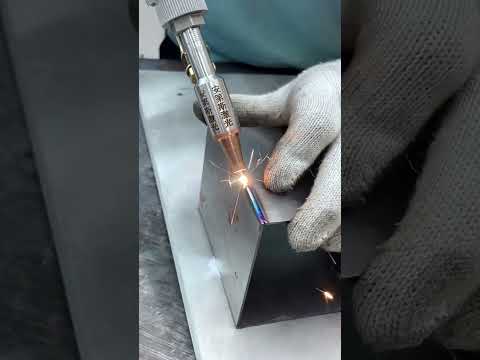
See welding speed, seam formation, fume control, lap joint behavior and final surface quality before choosing your configuration.
Machine Configuration

Match the laser welding setup to your galvanized steel workflow

Galvanized welding benefits from stable power, controlled joint clearance, suitable extraction, shielding and optional wire feeding for visible or imperfect seams.

Handheld Laser Welder

Flexible choice for coated sheet metal, cabinets, frames, repairs and varied galvanized steel parts.

Water-Cooled Laser Welder

Recommended for longer duty cycles, higher power and production lines that weld coated steel for many hours.

Wire Feeder Option

Helpful when seam gaps, edge variation or cosmetic filling requirements are common in the product.

Fixture Support

Fixtures help control lap clearance, edge alignment and repeated seam position during production welding.

Fume Extraction

Use local extraction and filtration to manage zinc-containing fumes during galvanized steel welding.

Post-Weld Protection

Check whether the welded area needs cleaning, coating repair or corrosion protection after welding.

Laser vs Traditional Welding

Why manufacturers compare laser welding with TIG, MIG and spot welding

Laser welding is often considered when galvanized steel products need faster travel speed, cleaner seams and more consistent repeated welding.

MethodBest ForMain ConcernWhen Laser Helps
Laser WeldingCoated sheet, cabinets, frames and repeated seamsNeeds zinc vapor control and extractionFaster speed, narrow heat input and cleaner seams
MIG WeldingHeavier coated steel fabricationMore heat, spatter and coating damageLaser can reduce finishing work on thinner parts
TIG WeldingSmall manual jobs and precise repair workSlower speed and higher skill demandLaser can improve efficiency for repeated seams
Spot WeldingOverlapping sheet assembliesLimited seam sealing and visible spot marksLaser can create continuous seams where sealing matters
Before You Choose

Confirm these details before selecting a galvanized steel laser welder

Clear workpiece information helps recommend laser power, joint clearance, wire feeder options, extraction setup and sample welding parameters.

Coating type and thickness

Share whether the steel is hot-dip galvanized, electro-galvanized or coated after forming.

Sheet thickness and joint type

Butt joints, lap joints, corner seams and frames need different gap control and welding paths.

Strength and appearance target

Visible products may need cleaner seams, lower spatter and less grinding after welding.

Gap control ability

Consistent joint clearance helps reduce porosity and blowholes caused by zinc vapor.

Production environment

Plan fume extraction, shielding, fixture space and operator protection before production use.

Corrosion protection after welding

Confirm whether the welded area needs coating repair, passivation, painting or other protection.

Sample Welding Test

Send your galvanized steel sample and get a practical welding recommendation.

Share sheet thickness, coating type, joint design, gap size, strength target, appearance requirement and daily workload. Oceanplayer can recommend laser power, wire feeder options, extraction considerations and sample welding parameters.

01

Share Workpiece Details

Send coating type, sheet thickness, joint photos and target seam result.

02

Test Welding Parameters

Check power, speed, gap, focus, shielding, wire feeding and fume control.

03

Choose Configuration

Select handheld, water-cooled, wire-feeder or automated galvanized steel welding setup.

FAQ

Galvanized Steel Laser Welding FAQ

Can galvanized steel be welded with a laser welder?
Yes. Galvanized steel can be laser welded, but the zinc coating must be considered because vaporized zinc can cause pores, spatter and blowholes if the process is not controlled.
Why is galvanized steel welding more difficult?
The zinc layer vaporizes at welding temperature. If vapor cannot escape from the joint, it can disturb the weld pool and create porosity or surface defects.
How can porosity be reduced when welding galvanized steel?
Porosity can be reduced by controlling joint clearance, welding speed, focus, shielding, surface condition and fume extraction. Sample testing is important for the exact coating and joint type.
Does laser welding damage the galvanized coating?
The zinc layer near the weld will be affected by heat. The amount depends on settings, seam design and heat input. Some products may need post-weld coating repair or corrosion protection.
Is fume extraction needed for galvanized steel laser welding?
Yes. Galvanized steel welding produces zinc-containing fumes, so local extraction, filtration and proper operator protection should be planned before production.