Collaborative Robot Laser System for Flexible Welding, Cleaning and Marking Automation.
Oceanplayer collaborative robot laser systems help factories automate repeated laser work without committing to a large fixed production line. Build a compact cobot cell for laser welding, laser cleaning or laser marking, then adjust programs and fixtures as your products change.
- Compact cobot workstation
- Fast product changeover
- Sample testing available
Built for factories that need automation without losing flexibility
A collaborative robot laser system is a practical choice when your production has repeated tasks, changing products and limited space, but still needs stable quality and lower operator dependence.
Compact Automation Cell
Fit laser processing into a smaller workshop area with cobot arm, fixture, laser source, safety enclosure and extraction arranged as one workstation.
Easier Path Teaching
For repeated welding seams, cleaning paths or marking locations, the cobot helps maintain steadier distance, angle and movement speed.
Multiple Laser Processes
Choose welding, cleaning or marking according to the job, then match power, tool head, fixture and safety design to the real part.
Where a collaborative robot laser system fits best
This system is designed for production teams that handle repeatable laser tasks but do not want a fully fixed automation line for every product model.
- Laser welding of cabinets, frames, sheet metal parts, brackets and stainless steel components
- Laser cleaning of weld discoloration, rust, oxide, coating and maintenance surfaces
- Laser marking of serial numbers, QR codes, logos and traceability information
- Small-batch manufacturing where product shapes change throughout the month
- Repair, rework and flexible production cells that need repeatable tool movement

Answer the key questions before choosing a cobot laser workstation
Before ordering, confirm part size, process type, safety protection, cycle time, fixture design and operator workflow.
Can it process my parts?
Send photos, drawings or samples. Oceanplayer can review cobot reach, tool angle, fixture space and whether a rotary axis is needed.
Will it improve consistency?
The cobot helps repeat motion path, speed and distance, reducing variation from manual operation on repeated parts.
What safety is needed?
Laser work normally requires enclosure, interlock, protective window, extraction, warning lights and trained operation procedures.
How fast is the changeover?
Changeover depends on fixture design and program complexity. A well-planned cobot cell can switch between repeat products faster than fixed tooling.
Can it connect with production?
The workstation can be planned with PLC signals, barcode readers, vision positioning, part sensors and production data requirements.
What should be tested first?
Test surface finish, weld seam, cleaning effect, marking contrast, cycle time and fixture method before final configuration.
Configure the system around your actual production task
The right configuration depends on whether you need welding, cleaning, marking or a flexible multi-process laser cell.
| Configuration | Best For | Key Modules | Customer Value |
|---|---|---|---|
| Cobot Laser Welding | Repeated seams, sheet metal, frames and cabinets | Fiber laser, welding head, fixture, optional wire feeder, enclosure | Cleaner seams, stable motion and less operator variation |
| Cobot Laser Cleaning | Rust, oxide, weld discoloration and local surface preparation | Pulsed or CW laser, cleaning head, extraction and safety protection | Repeatable cleaning path with less fatigue and less abrasive media |
| Cobot Laser Marking | Serial numbers, QR codes, logos and product traceability | Fiber, MOPA, UV or CO2 marker, fixture, vision or data connection | More consistent marking position and better traceability workflow |
| Flexible Laser Cell | Factories with multiple product families and changing jobs | Cobot, exchangeable tooling, rotary axis, sensors and custom fixtures | One investment supports more than one product or process type |
Check sample results before investing in laser automation
Real samples help confirm whether the cobot laser system can meet your expectations for seam appearance, cleaning finish, marking readability and production speed.

Operator variation can affect repeatable jobs
Manual welding, cleaning or marking can change with operator skill, speed, fatigue and tool distance, especially across repeated batches.
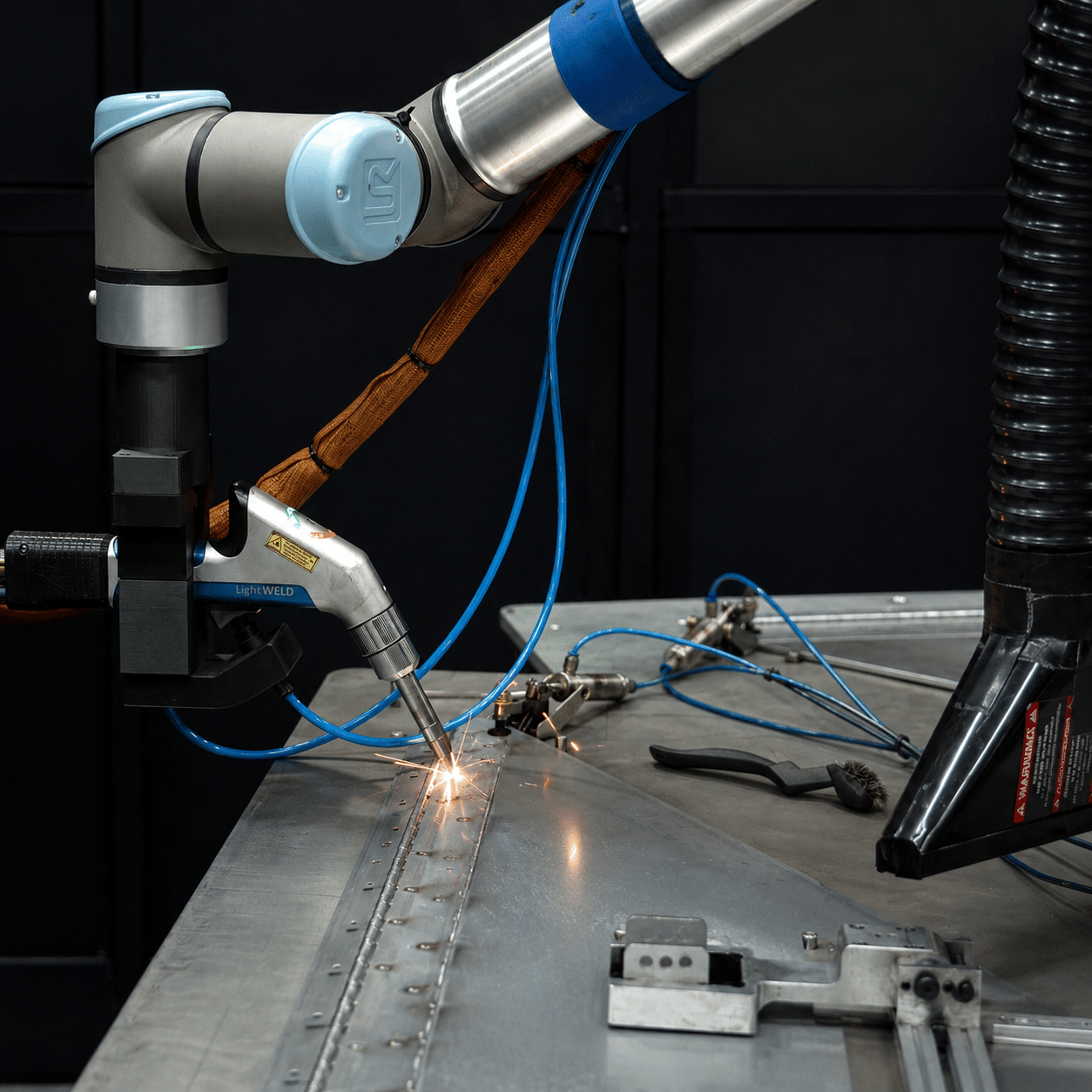
Repeatable motion supports more stable results
With the right fixture, parameters and tool path, a cobot laser cell helps repeat processing quality across similar parts.

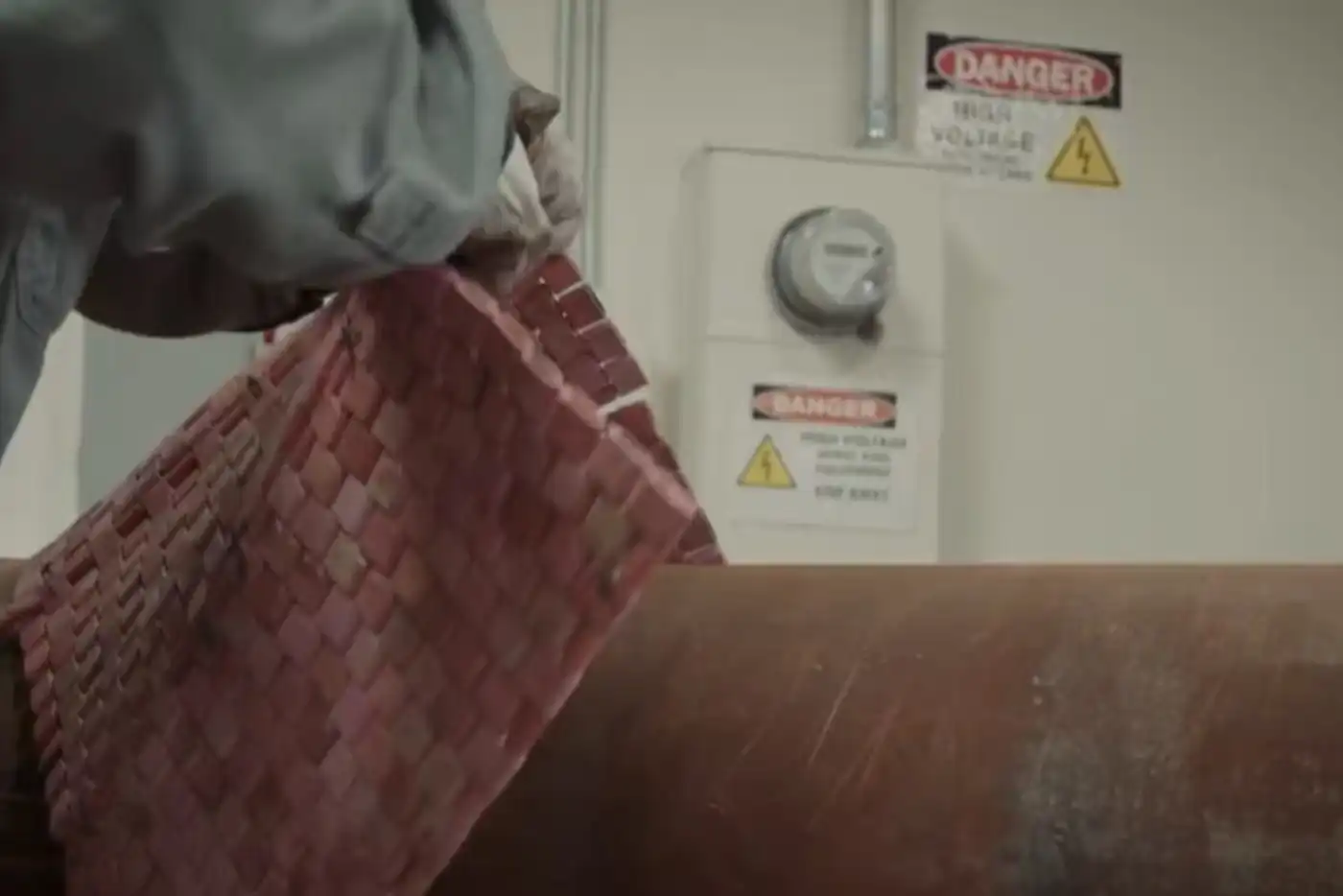

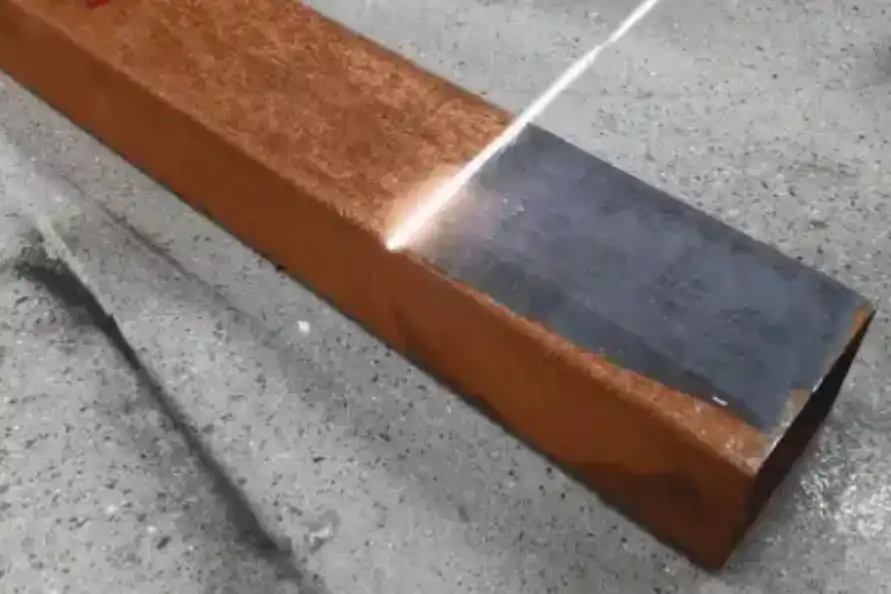

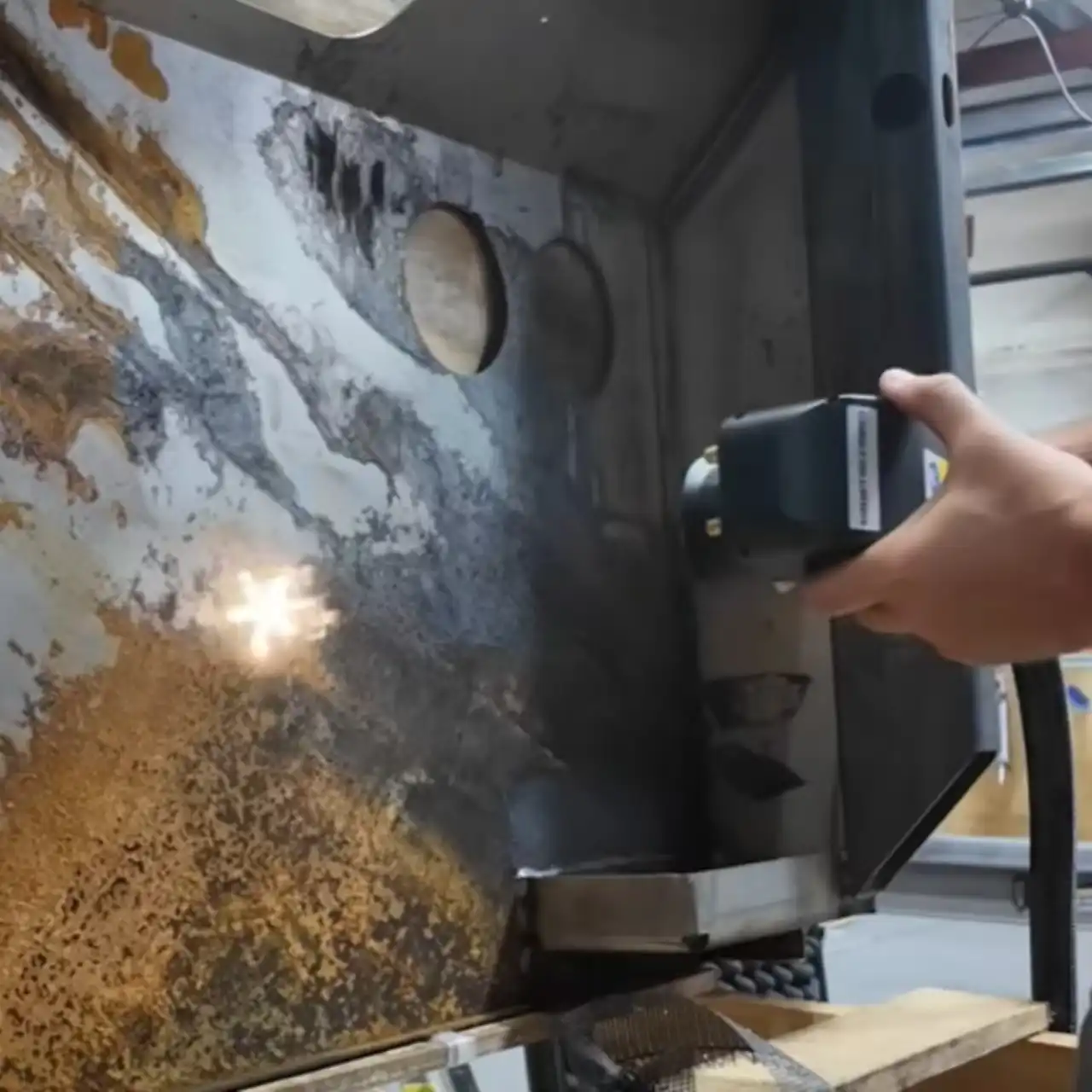
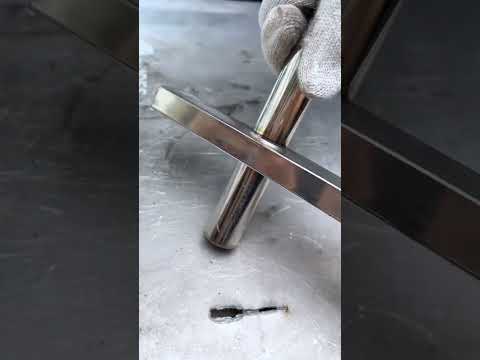
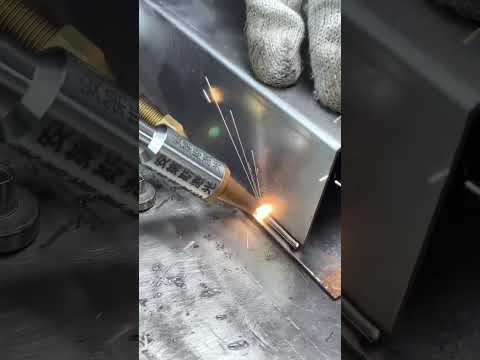
Watch how a cobot laser system supports real production tasks
Use the videos to understand motion path, operator loading, fixture setup, processing speed and final surface result before discussing your project.
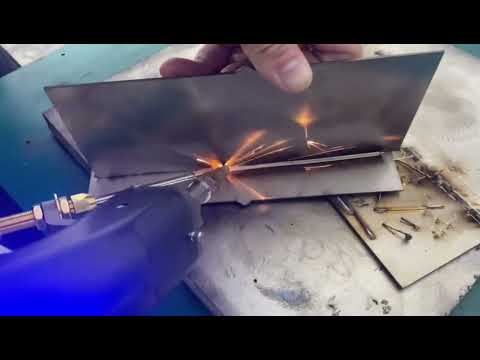
Should you choose cobot, manual laser or full robotic automation?
A clear automation level helps avoid buying a system that is either too limited or too rigid for your production flow.
Choose Handheld Laser
Best when parts vary a lot and an operator still needs to move freely around the workpiece.
- Low automation requirement
- Flexible repair and fabrication
- Lower initial investment
Choose Collaborative Robot Laser
Best when jobs repeat often, but your parts and fixtures still change from project to project.
- Compact automation cell
- Faster changeover than fixed lines
- Good for small to medium batches
Choose Robotic Laser System
Best for large production runs, stable product design and fully enclosed automated lines.
- Higher throughput target
- Repeated product geometry
- More complete line integration
Manual Laser Workstation
- More operator skill variation
- Harder to repeat exact path on batches
- Operator fatigue affects long repetitive jobs
- Lower automation data and fixture integration
Collaborative Robot Laser Cell
- Repeatable path, speed and working distance
- Compact footprint for flexible workshops
- Adjustable programs for product changes
- Better foundation for sensors, fixtures and data
Send your parts. We check the cobot laser plan before you buy.
Not sure whether a collaborative robot can process your product? Send drawings, photos, material details, production rhythm and target result. Oceanplayer engineers can review reach, process, fixture and safety needs.
Share Parts
Send material, size, photos, drawings and expected result.
Test Process
Review laser welding, cleaning or marking feasibility.
Confirm Cell
Match cobot, laser, fixture, safety and workflow setup.

Factory direct support for global cobot laser projects
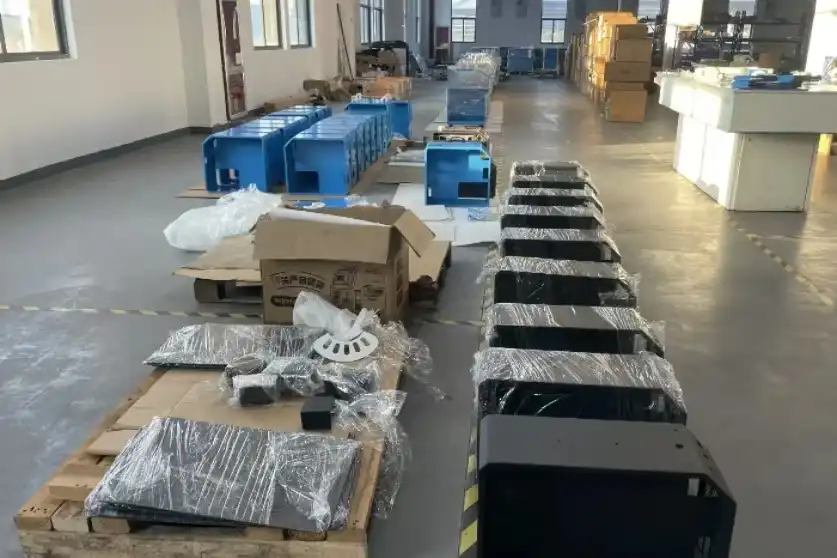
Oceanplayer supports your project from sample testing and process selection to machine configuration, export packing, installation guidance and remote training.
Explore more Oceanplayer laser automation resources
Use these related pages to compare automation level, process type and machine configuration before choosing your final system.