
oceanplayer

Oceanplayer Laser Equipment | Cleaning, Welding, Marking, Automation Sample Testing | Global Shipping | OEM/ODM Support
Plastic Laser Marking

Plastic Laser Marking for Clean Codes, Logos, Symbols and Product Traceability.

Oceanplayer laser marking solutions help create permanent marks on plastic housings, electronic components, packaging, medical parts, automotive components, cables and consumer products. Choose UV, CO2, fiber or MOPA laser marking based on plastic type, color, additive content, mark contrast and heat sensitivity.
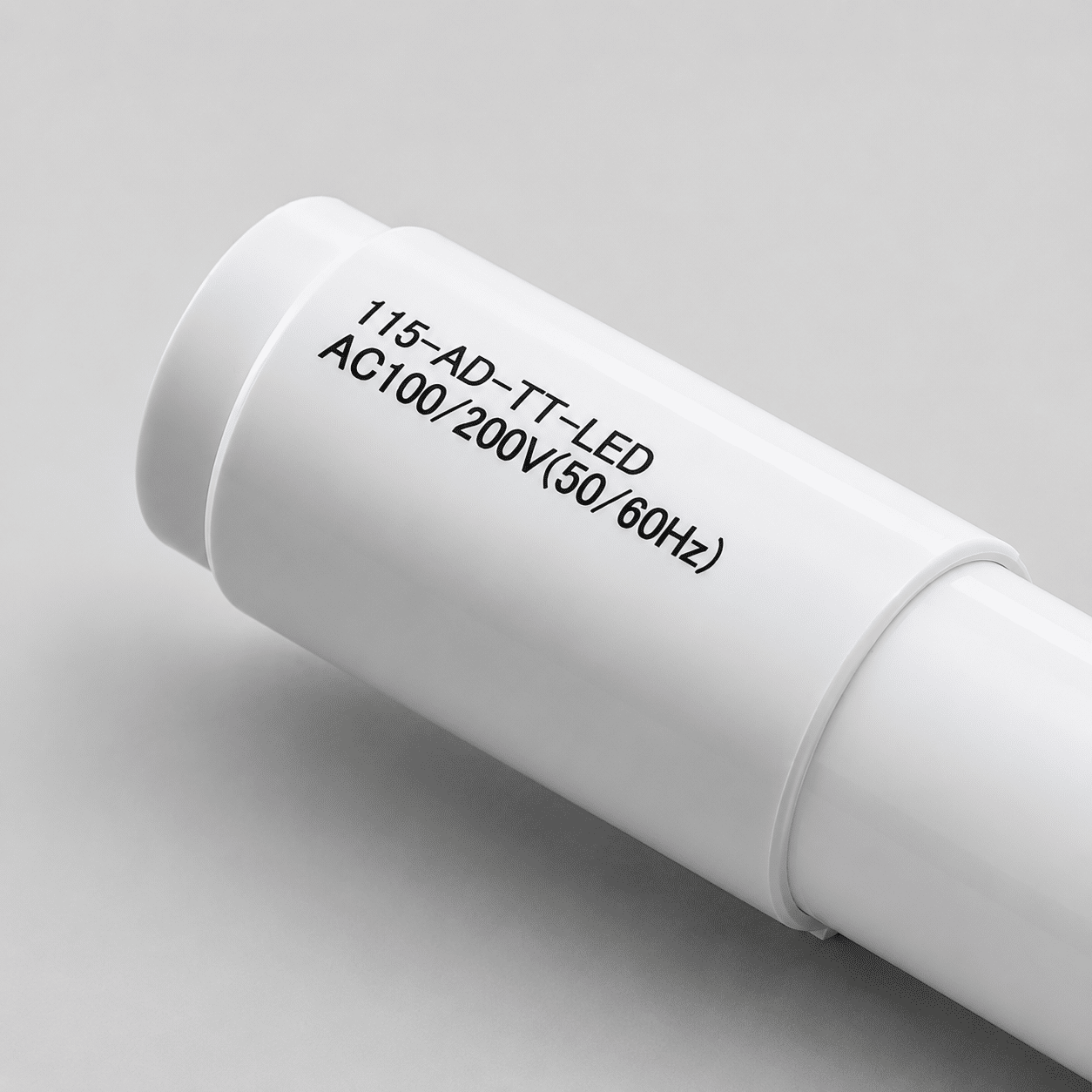
  • ABS, PP, PE, PVC, PC and PET marking
  • QR codes, logos and serial numbers
  • Sample marking test available
Plastic laser marking machine marking QR code logo and serial number on plastic products
Clear marks on plastic For housings, packaging, electronics and traceable parts
UV Fine marking
CO2 Packaging
QR Traceability
Material-Specific Marks Match the laser source to plastic type and color
No Ink Consumables Reduce labels, ink printing and solvent handling
Fine Code Readability Support QR codes, barcodes and small serial numbers
Sample Proof Confirm contrast, surface change and cycle time first
Customer Concerns

Plastic marking needs the right balance of contrast, speed and heat control

Plastic materials react differently to laser energy. A good setup should create readable marks without melting, burning, warping or making the product surface look rough.

Codes must stay readable

Laser marking can create QR codes, barcodes, serial numbers and batch codes that remain readable through handling, cleaning and normal product use.

Plastic can burn or melt

UV laser marking is often preferred for heat-sensitive plastic because it can produce fine marks with lower thermal stress on the surface.

Contrast depends on material

ABS, PP, PE, PC, PET, PVC, nylon and laser-additive plastics can produce different white, dark, foamed or engraved marks.

Application Range

Where plastic laser marking is commonly used

Plastic laser marking is suitable for products that need permanent identification, clean branding, traceable codes or compact product information without ink printing or labels.

  • Electronic housings, chargers, connectors, switches, sensors and plastic components.
  • Medical plastic parts, laboratory consumables, device shells and sterile packaging.
  • Automotive plastic parts, interior components, buttons, clips and cable tags.
  • Cosmetic packaging, food packaging, bottle caps, labels, films and containers.
  • QR codes, barcodes, serial numbers, icons, safety marks, model numbers and logos.
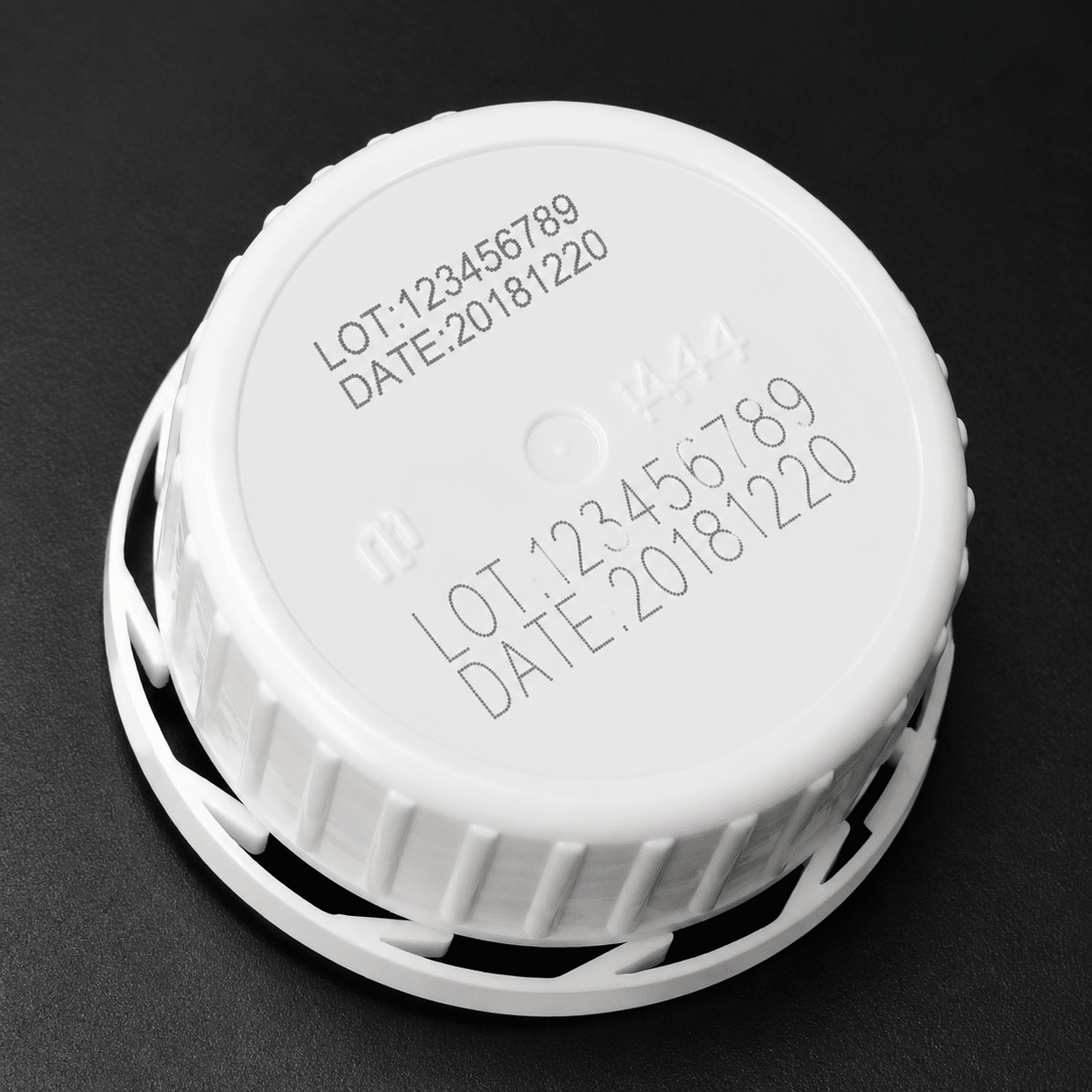
Plastic laser marking applications for electronic housings packaging medical parts and QR codes
Marking Effects

Choose a plastic marking effect that fits your product surface

Plastic laser marking can create color change, foaming, carbonization, engraving or coating removal depending on the material and laser source.

Foaming

Light raised marks on dark plastic

Suitable for selected dark plastics where a light, visible mark is needed without ink or label printing.

  • Common on selected ABS and engineered plastics
  • Can improve readability on black parts
  • Requires careful heat control
Engraving

Indented marks or coating removal

Useful for packaging, coated plastics, buttons, films and products that need visible surface removal or tactile marks.

  • CO2 may fit packaging and organic materials
  • UV may fit finer edges and small codes
  • Check surface roughness and dust
Material Guide

Select UV, CO2, Fiber or MOPA by plastic type and marking result

The right machine depends on plastic resin, color, additives, surface finish, mark size, heat sensitivity and whether the product needs traceable codes or decorative branding.

Plastic Marking Need Common Laser Choice Best Use What To Check
Fine marks on sensitive plastic UV laser marker Medical parts, electronics, caps, small QR codes and thin plastic Heat effect, contrast, edge quality and material formula
Packaging and organic plastics CO2 laser marker Films, labels, bottles, cartons, packaging and selected polymers Mark speed, smoke, edge quality and packaging thickness
Dark or light marks on engineered plastics Fiber or MOPA laser marker ABS, PC, nylon, automotive and industrial plastic parts Additives, color, burning risk and contrast stability
High-volume traceability Automated laser marking system Serial numbers, QR codes, batch codes and production lines Data input, fixture, loading method and cycle time
Curved plastic parts Laser marker with rotary or fixture Caps, tubes, bottles, connectors and round housings Diameter, alignment, focal range and mark distortion
Marking Results Gallery

Review plastic laser marking results across common products

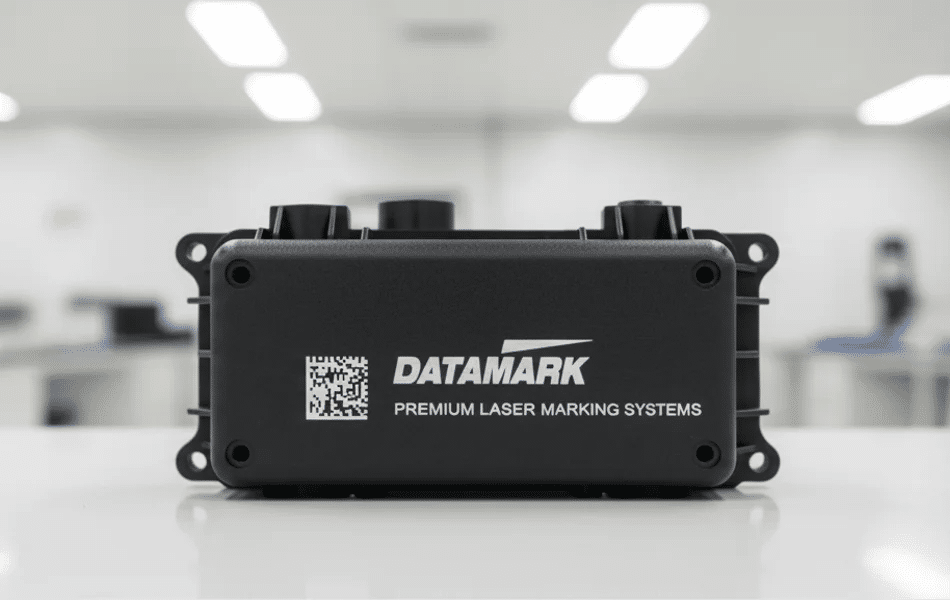
Compare results for plastic housings, packaging, caps, medical parts, cable tags and QR code traceability.
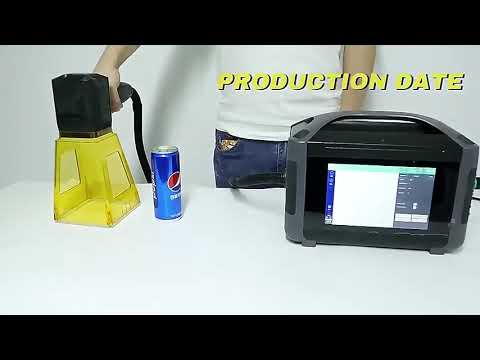
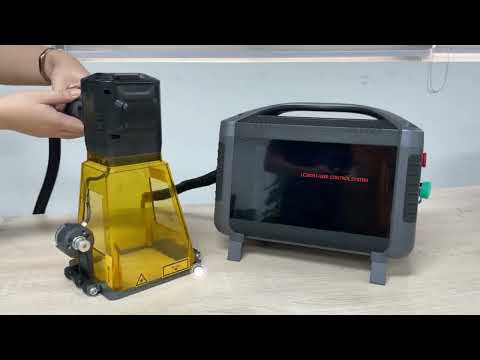
Video Demonstration

Watch plastic laser marking on real products and materials

Review marking contrast, edge quality, cycle time and surface response before choosing the machine configuration.
Machine Configuration

Build the plastic marking setup around your material and production line

The right setup may be a desktop UV marker, CO2 coding system, fiber/MOPA marker, enclosed station or automated line depending on product and output.

UV Laser Marker

Recommended for fine plastic marking, heat-sensitive products, small QR codes and clean edge quality.

CO2 Laser Marker

Suitable for selected packaging, films, labels, organic materials and some plastic coding applications.

Fiber or MOPA Marker

Useful for selected engineered plastics and additives when stronger contrast or faster industrial marking is needed.

Enclosed Workstation

Helps improve operator protection, fume control and marking repeatability for plastic parts and finished products.

Rotary and Custom Fixtures

Supports caps, bottles, tubes, curved housings and parts that need stable positioning during marking.

Automated Marking Line

Supports conveyors, vision positioning, serial numbers, QR code data and high-volume plastic product marking.

Before You Choose

Confirm these details before selecting a plastic laser marker

Plastic marking is highly material-dependent. Clear sample information helps avoid poor contrast, burning, melting and unstable batch results.

Plastic type and additives

Share ABS, PP, PE, PC, PET, PVC, nylon or other material details, including any laser additive if available.

Color and surface finish

Black, white, transparent, colored, glossy, matte, coated and textured plastics can produce very different results.

Required mark effect

Confirm dark mark, light mark, foaming, engraving, coating removal, QR code, serial number or decorative logo.

Heat sensitivity

Thin plastic, transparent plastic and finished products may need lower heat input and careful parameter testing.

Part shape and marking area

Flat, curved, round and irregular parts may require different lenses, fixtures, rotary devices or vision positioning.

Production workflow

Daily output, loading method, traceability data and line speed help decide manual, enclosed or automated marking.

Sample Marking Test

Send your plastic sample and confirm the mark before choosing a machine.

Share the plastic type, color, surface finish, marking content, target contrast, part size and daily output. Oceanplayer can test UV, CO2, fiber or MOPA options to recommend a practical setup.

01

Share Material Details

Send plastic type, color, finish, mark size and sample photos.

02

Test Marking Effect

Check contrast, edge quality, heat effect, speed and readability.

03

Choose Configuration

Select UV, CO2, fiber, MOPA, fixture, enclosure or automation.

FAQ

Plastic Laser Marking FAQ

Can plastic be laser marked?
Yes. Many plastics can be laser marked with logos, serial numbers, QR codes, barcodes and product information. The result depends on plastic type, color, additives and laser source.
Which laser is best for plastic marking?
UV laser markers are often used for fine and heat-sensitive plastic marking. CO2 lasers are often used for packaging and selected organic materials. Fiber or MOPA lasers may work on selected engineered plastics and additives.
Will laser marking melt or burn plastic?
Plastic can melt, burn or discolor if the laser source and parameters are not suitable. Sample testing helps confirm contrast, surface quality and heat effect before production.
Can laser marking create QR codes on plastic?
Yes. Laser marking can create QR codes and barcodes on plastic products. Code size, contrast, surface finish and scanning distance should be tested before batch marking.
Can plastic laser marking be used in production lines?
Yes. Plastic laser marking can be integrated with fixtures, conveyors, vision positioning, serial number rules, QR code data and automated loading systems.