oceanplayer

Oceanplayer Laser Equipment | Cleaning, Welding, Marking, Automation Sample Testing | Global Shipping | OEM/ODM Support
Automotive Laser Welding

Automotive Laser Welding Solutions for Stronger Joints, Cleaner Seams and Repeatable Production.

Oceanplayer helps automotive manufacturers, parts suppliers, repair shops and automation teams use handheld, air-cooled, water-cooled and robotic laser welding systems for sheet metal, stainless steel, aluminum, galvanized steel, brackets, housings, exhaust parts and selected EV components.
  • Low heat input for thin automotive parts
  • Handheld and robotic welding configurations
  • Sample testing for real parts before selection
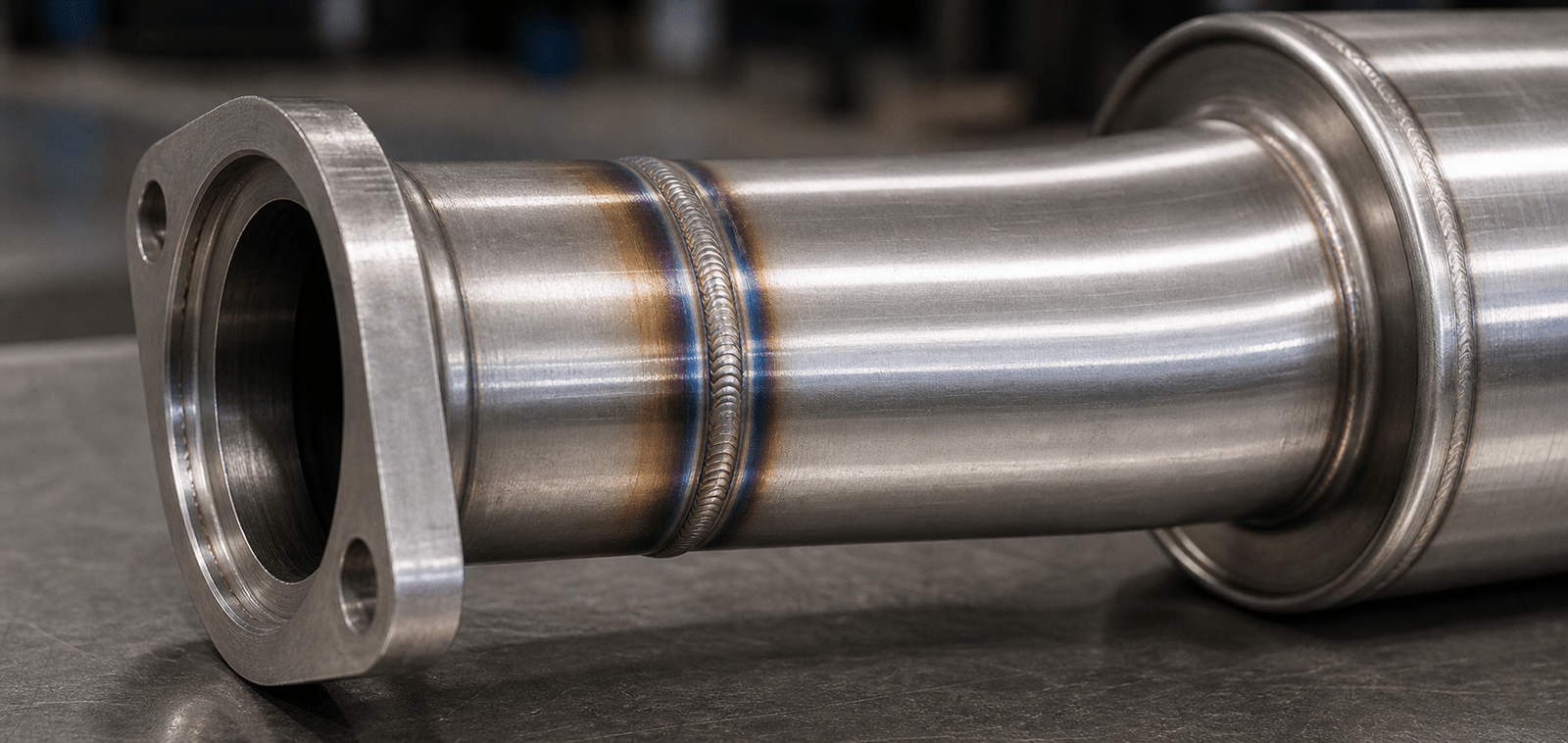
Automotive laser welding machine for sheet metal brackets housings and production parts
Automotive joining support Sheet metal, stainless steel, aluminum and EV components
Thin Sheet metal
Clean Weld seams
Fast Production
Joint Quality Cleaner seams and controlled heat input
Material Fit Steel, stainless steel, aluminum and galvanized parts
Production Options Handheld, workstation and robotic welding systems
Sample Proof Confirm welding result with your real parts
Customer Needs

Automotive welding needs stable seams, controlled distortion and practical production speed

Automotive parts often combine thin metal, coated surfaces, fixtures, tight appearance requirements and repeat production schedules. Laser welding helps reduce heat affected area and improve seam consistency when the part design is suitable.

Thin parts can deform easily

Laser welding provides concentrated heat input, making it suitable for selected automotive sheet metal, housings, brackets and assemblies.

Fit-up and gap control matter

Good fixtures, correct wire feeding, joint design and pre-weld cleaning help improve weld appearance and repeatability.

Production needs consistent results

Handheld systems support flexible jobs, while robotic laser welding supports repeated paths, fixtures and higher process control.

Welding Workflow

Build an automotive laser welding process around part preparation and inspection

A stable welding result is not only about laser power. Part fit-up, surface condition, shielding gas, wire selection, operator skill and quality checks all affect the final joint.

01 Prepare

Clean and position parts

Remove oil, oxide or coating residue where needed and confirm the joint gap.

02 Fixture

Hold geometry stable

Use clamps, positioning blocks or robot fixtures to control seam alignment.

03 Weld

Set power and speed

Match laser power, travel speed, wire feed and shielding gas to the material.

04 Verify

Inspect the weld result

Check seam appearance, penetration, distortion, strength target and rework needs.

Application Areas

Automotive parts that can benefit from laser welding

Laser welding can be configured for flexible repair, low-volume fabrication, component production and automated cells when the material, part access and joint design are suitable.

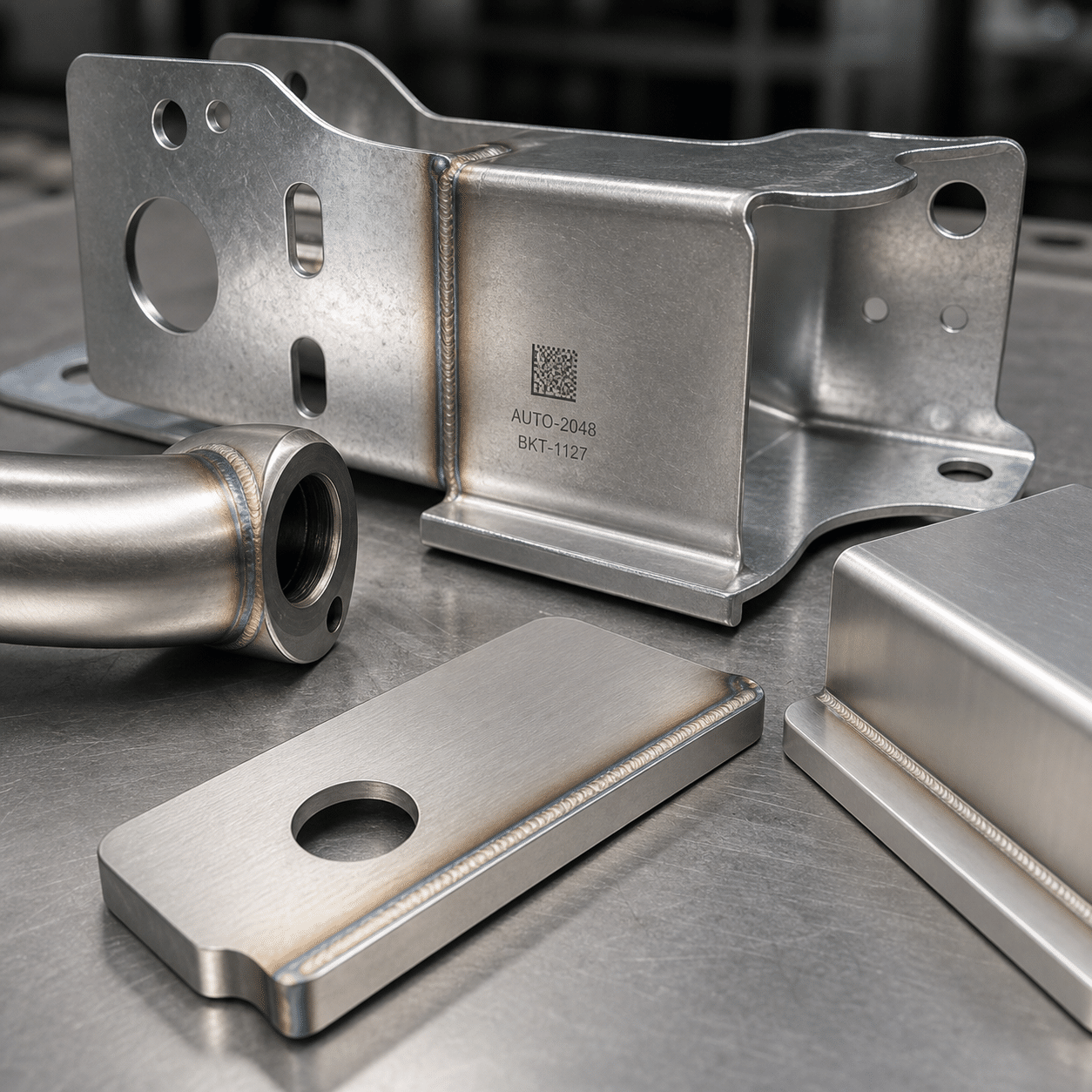
  • Automotive sheet metal, brackets, housings, frames, covers and structural components.
  • Stainless steel exhaust parts, mufflers, thin tubes, fittings and metal assemblies.
  • Aluminum automotive parts, covers, enclosures and selected EV component joints.
  • Galvanized steel parts where parameter control and fume handling are important.
  • Repair shops, parts suppliers, robotic welding cells and custom production lines.
Automotive laser welding applications for sheet metal brackets exhaust parts and EV components
Solution Matrix

Select automotive laser welding equipment by material, joint and production method

The best configuration depends on thickness, material, joint type, part access, fixture design, wire requirement, cooling method and output target.

Welding Need Recommended System Common Parts What To Confirm
Flexible repair and mixed parts Handheld laser welding machine Brackets, covers, frames, sheet metal and repair areas Thickness, seam access, operator skill and safety layout
Light to medium production Air-cooled or water-cooled laser welder Stainless parts, enclosures, thin sheet metal and assemblies Duty cycle, material range, cooling preference and shop space
Gap filling or fillet welds Laser welder with wire feeder Lap joints, corners, frames, brackets and variable fit-up parts Gap size, wire type, feed speed and weld appearance target
Repeated weld paths Robotic laser welding system Automotive assemblies, fixtures, brackets and production cells Cycle time, robot reach, fixture repeatability and safety enclosure
Aluminum or galvanized steel Configured laser welding process Selected covers, housings, sheet metal and EV-related parts Material grade, coating, porosity risk, fume extraction and test result

Good automotive laser welding starts before the first weld.

Customers often focus on power first, but the real result depends on joint design, cleaning, fit-up, wire feeding, shielding gas and inspection. Oceanplayer helps compare these factors before recommending handheld, workstation or robotic welding equipment.

Fit Control joint gap and seam position with fixtures or positioning tools.
Clean Remove oil, oxide and coating residue from weld zones when needed.
Feed Use wire feeding for selected gaps, corners and appearance requirements.
Check Confirm appearance, penetration, strength and distortion with sample tests.
Welding Results Gallery

Review automotive laser welding results across materials and part types

Review common weld results for stainless steel, aluminum, galvanized sheet, brackets, housings and robotic automotive welding cells.

System Options

Choose the right automotive laser welding format for your parts and workflow

Different automotive jobs need different levels of portability, cooling capacity, wire feeding, fixture design and automation.

Handheld Laser Welding Machine

For repair shops, flexible fabrication, mixed part sizes and small to medium production tasks.

Air-Cooled Laser Welder

For compact layouts, lighter welding tasks and customers who want simpler cooling management.

Water-Cooled Laser Welder

For longer duty cycles, higher power requirements and heavier production schedules.

Laser Welder with Wire Feeder

For gap filling, fillet welds, corners and selected automotive joints that need added material.

Robotic Laser Welding System

For repeated weld paths, fixtures, automated loading and higher process consistency.

Pre-Weld Laser Cleaning

For removing oxide, oil, coating residue and contamination before welding selected parts.

Project Planning

Confirm these details before selecting an automotive laser welding system

Automotive welding success depends on material, thickness, joint shape, access angle, fit-up, quality standard, output target and safety layout.

Material and thickness

Share carbon steel, stainless steel, aluminum, galvanized steel, coated parts and thickness range.

Joint type and gap

Confirm butt joint, lap joint, corner joint, fillet weld, overlap width and gap tolerance.

Weld appearance target

Define seam width, color, spatter limit, penetration, distortion limit and visible surface needs.

Fixture and access

Part clamping, tool access, weld path length and operator movement affect the system format.

Production volume

Daily output, cycle time, batch size and repeatability decide handheld, workstation or robotic setup.

Safety and extraction

Plan laser safety, eyewear, enclosure, fume extraction, shielding gas and operator training.

Sample Test

Send automotive parts and confirm the weld result before choosing the system.

Share material, thickness, joint type, gap size, weld length, appearance target, strength requirement and production volume. Oceanplayer can help compare handheld, wire feeder, air-cooled, water-cooled and robotic laser welding options.

01

Share Part Details

Send material, thickness, joint type, gap size, drawings and photos.

02

Test Weld Parameters

Review appearance, penetration, distortion, speed and wire feeding needs.

03

Choose Configuration

Select handheld, workstation, air-cooled, water-cooled or robotic welding system.

FAQ

Automotive Laser Welding FAQ

Can laser welding be used for automotive sheet metal?
Yes. Laser welding can be used for selected automotive sheet metal parts, brackets, housings and assemblies when the material, thickness, joint design and fixture are suitable.
Is handheld or robotic laser welding better for automotive parts?
Handheld laser welding is useful for flexible jobs, repair work and mixed parts. Robotic laser welding is better for repeated weld paths, fixtures and production cells that need consistent motion and cycle time.
Can laser welding handle aluminum automotive parts?
Laser welding can be configured for selected aluminum parts, but material grade, thickness, joint fit-up, shielding gas, porosity risk and sample testing should be confirmed before production.
When is a wire feeder needed for automotive laser welding?
A wire feeder is useful when the joint has a gap, corner, fillet shape or appearance requirement that benefits from added filler material.
What information is needed for an automotive laser welding project?
Useful details include material, thickness, joint type, gap size, weld length, production volume, fixture plan, appearance target, strength requirement and photos or drawings.