
Laser Welding Explained: How It Works, Where It Fits and How to Choose a System.
Learn how laser welding joins stainless steel, carbon steel, aluminum, galvanized steel, sheet metal, pipes and precision parts. This guide explains the welding principle, suitable materials, machine types, weld quality factors, wire feeding, cooling options and sample testing steps in one complete page.
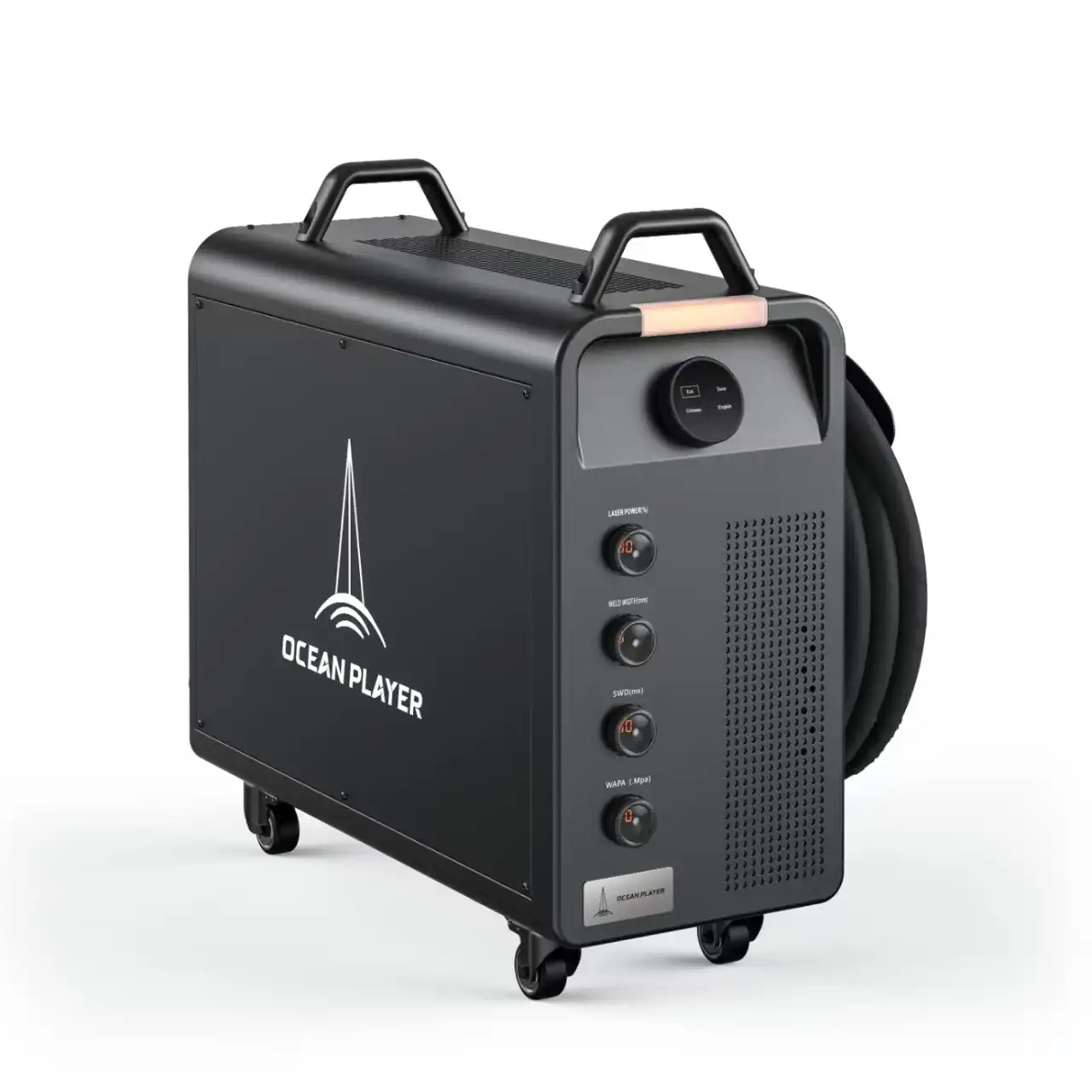
- Laser welding principle and process flow
- Material, thickness, wire feeding and shielding gas basics
- Handheld, air-cooled, water-cooled and robotic welding systems
Explore laser welding from principle to equipment choice
Move through the key topics in a practical order: what laser welding is, how it works, what materials it joins, how to judge weld quality and how to select a suitable system.
What is laser welding?
Laser welding is a metal joining process that uses a concentrated laser beam to melt the joint area and form a weld seam. Because the energy is focused into a small zone, laser welding can create narrow seams, high travel speed and lower heat input than many conventional welding methods.
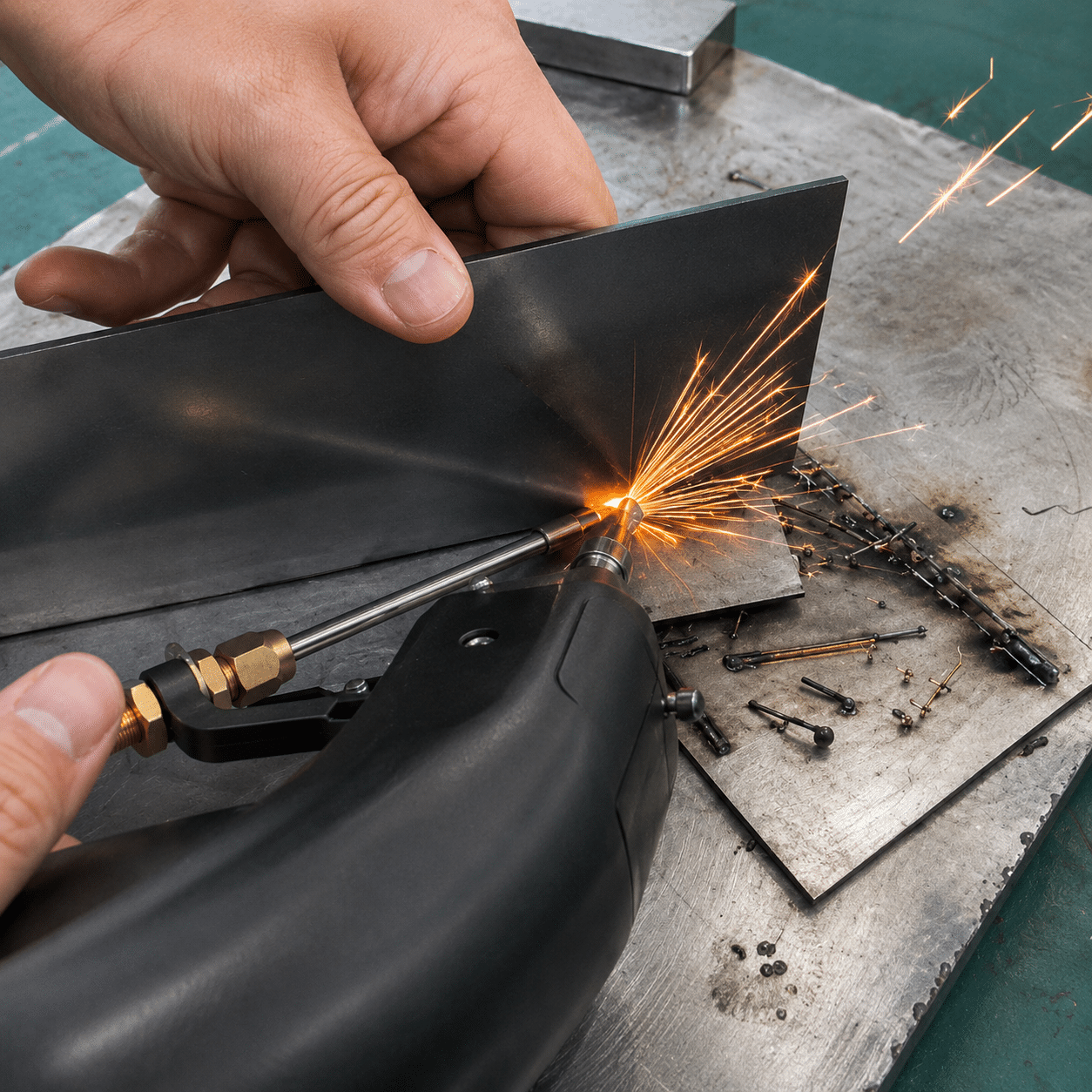
How laser welding forms a controlled metal joint
Laser welding quality depends on how the beam, material, joint fit-up, travel speed, shielding gas and optional wire feeding work together.
Parts are positioned
The joint is aligned with proper gap, fixture support and access angle.
Laser energy melts the joint
The beam creates a molten pool along the welding path.
Shielding gas protects the seam
Gas helps reduce oxidation and supports better seam appearance.
Wire fills gaps when needed
Wire feeding can help bridge gaps, improve bead shape and support thicker joints.
Weld quality is checked
Seam appearance, penetration, distortion and strength are reviewed after welding.
What materials and parts are suitable for laser welding?
Laser welding is widely used for thin to medium metal parts where seam appearance, speed, heat control and repeatability matter.
Stainless steel
Suitable for cabinets, kitchen hardware, medical parts, enclosures and visible weld seams.
Aluminum
Useful for lightweight parts when power, wire feeding and shielding gas are controlled correctly.
Carbon steel
Common for sheet metal, frames, machinery parts, brackets and general fabrication.
Galvanized steel
Requires careful parameter control because zinc coating affects fumes, porosity and seam quality.
Laser welding compared with TIG, MIG and resistance welding
The best process depends on material, thickness, joint design, production volume, appearance requirement and available operator skill.
| Method | Strength | Common Limitation | Good Fit |
|---|---|---|---|
| Laser welding | Fast, narrow seam, lower heat input and good visual appearance | Needs good fit-up, safety protection and correct parameters | Sheet metal, stainless products, aluminum parts, enclosures and production welding |
| TIG welding | High control and familiar process for skilled welders | Usually slower and more dependent on operator skill | Fine manual work, repair welding and lower-volume jobs |
| MIG welding | Strong deposition and useful for thicker structures | More heat input, spatter and post-weld cleanup may be needed | Structural fabrication, thicker parts and high filler demand |
| Resistance welding | Fast spot joining for suitable overlapping parts | Limited to specific joint types and access conditions | Automotive sheets, spot welding and repeated overlap joints |
Understand the main laser welding systems before choosing equipment
Different laser welding systems solve different workflow problems. The right choice depends on duty cycle, portability, weld length, part size, gap condition and production repeatability.
Handheld laser welder
Flexible for workshops, sheet metal, repair welding and many stainless steel or carbon steel jobs.
Air-cooled laser welder
Compact option for lighter to medium welding work where portability and simple setup matter.
Water-cooled laser welder
Better for longer duty cycles, higher power and more demanding production welding tasks.
Good laser welding starts with joint fit-up and process control
Laser welding can produce clean seams, but the result is strongly affected by part preparation, material thickness, joint gap, travel speed, shielding gas, wire feeding and operator handling.
- Joint gaps should be controlled because laser welding works best with stable fit-up.
- Shielding gas helps reduce oxidation and improve weld seam appearance.
- Wire feeding can help fill gaps, improve bead shape and support thicker parts.
- Weld samples should be checked for penetration, porosity, cracks and distortion.
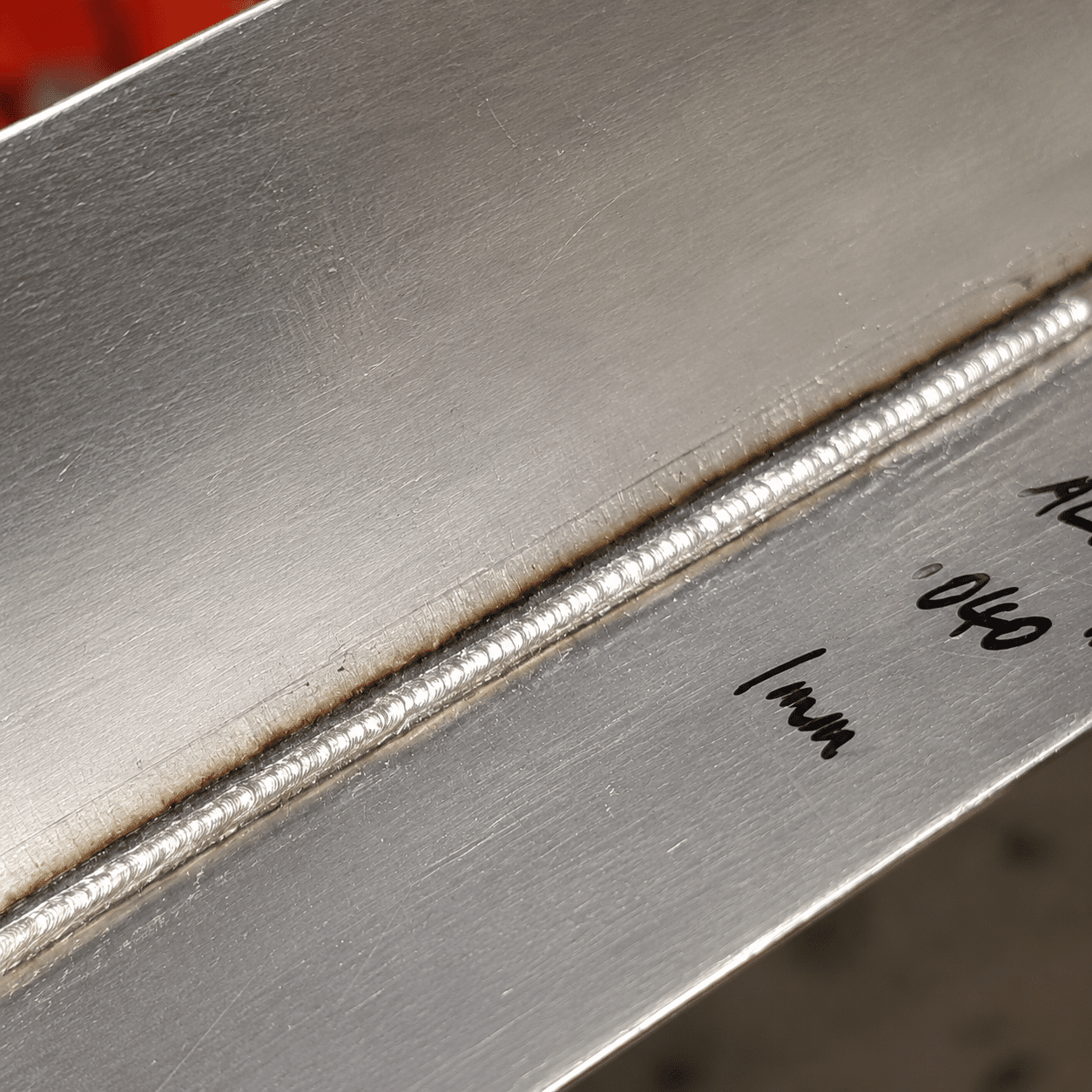
Match power and configuration to material thickness and joint type
Actual capacity depends on material, joint design, fit-up, welding speed, shielding gas and whether wire feeding is used.
| Requirement | Common System Choice | Best Use | What To Check |
|---|---|---|---|
| Thin stainless steel sheet | 1000W or 1500W handheld laser welder | Cabinets, kitchen hardware, doors, enclosures and visible seams | Distortion, discoloration, seam width and post-weld cleanup |
| Medium sheet metal fabrication | 1500W or 2000W water-cooled laser welder | Frames, brackets, machine covers and general metal products | Penetration, gap tolerance, fixture and travel speed |
| Gap-sensitive joints | Laser welder with wire feeder | Parts with less perfect fit-up or wider seam bead needs | Wire material, feeding stability, bead shape and operator control |
| Repeated production welds | Robotic laser welding system | Automotive parts, battery components, fixtures and production cells | Robot path, fixture design, safety enclosure and cycle time |
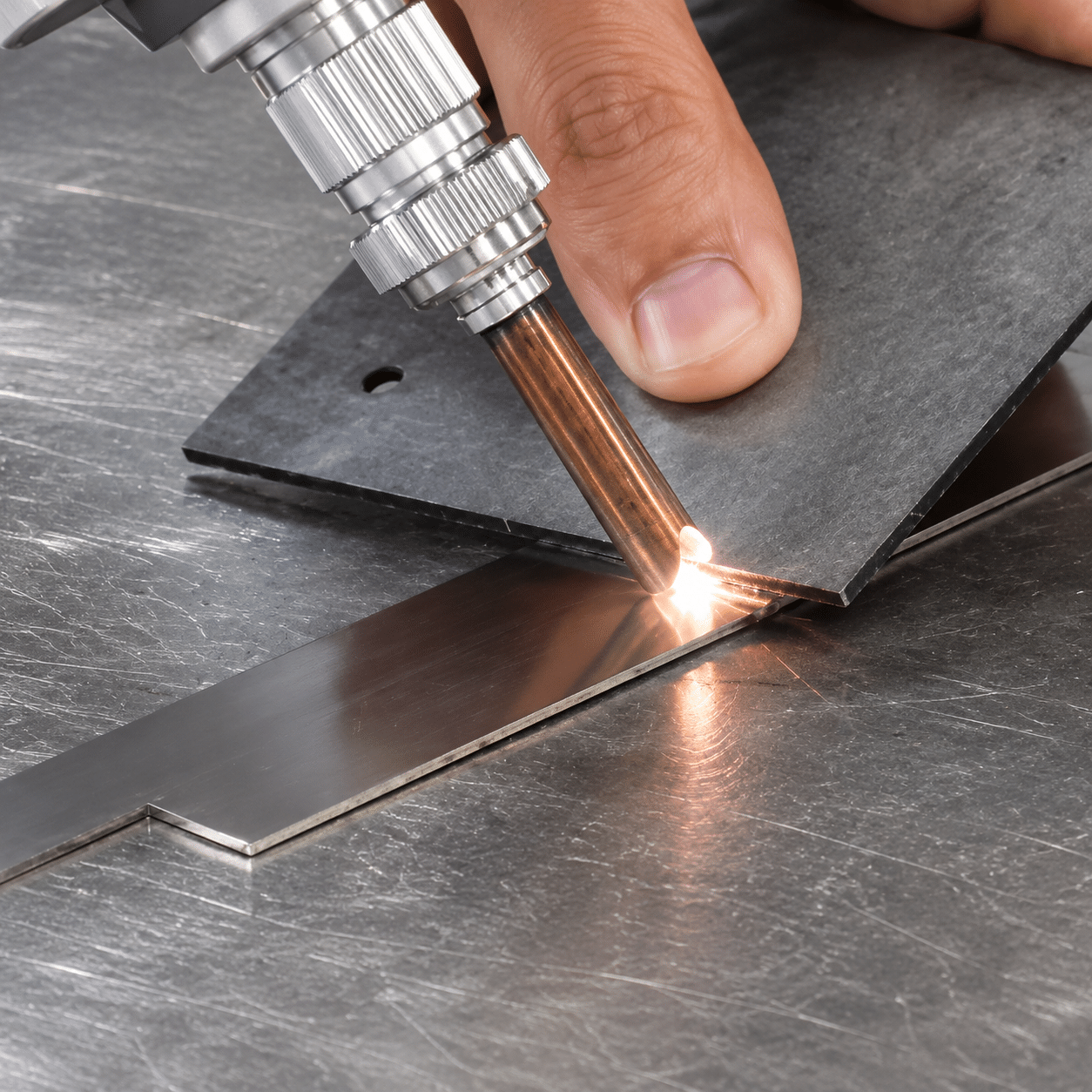
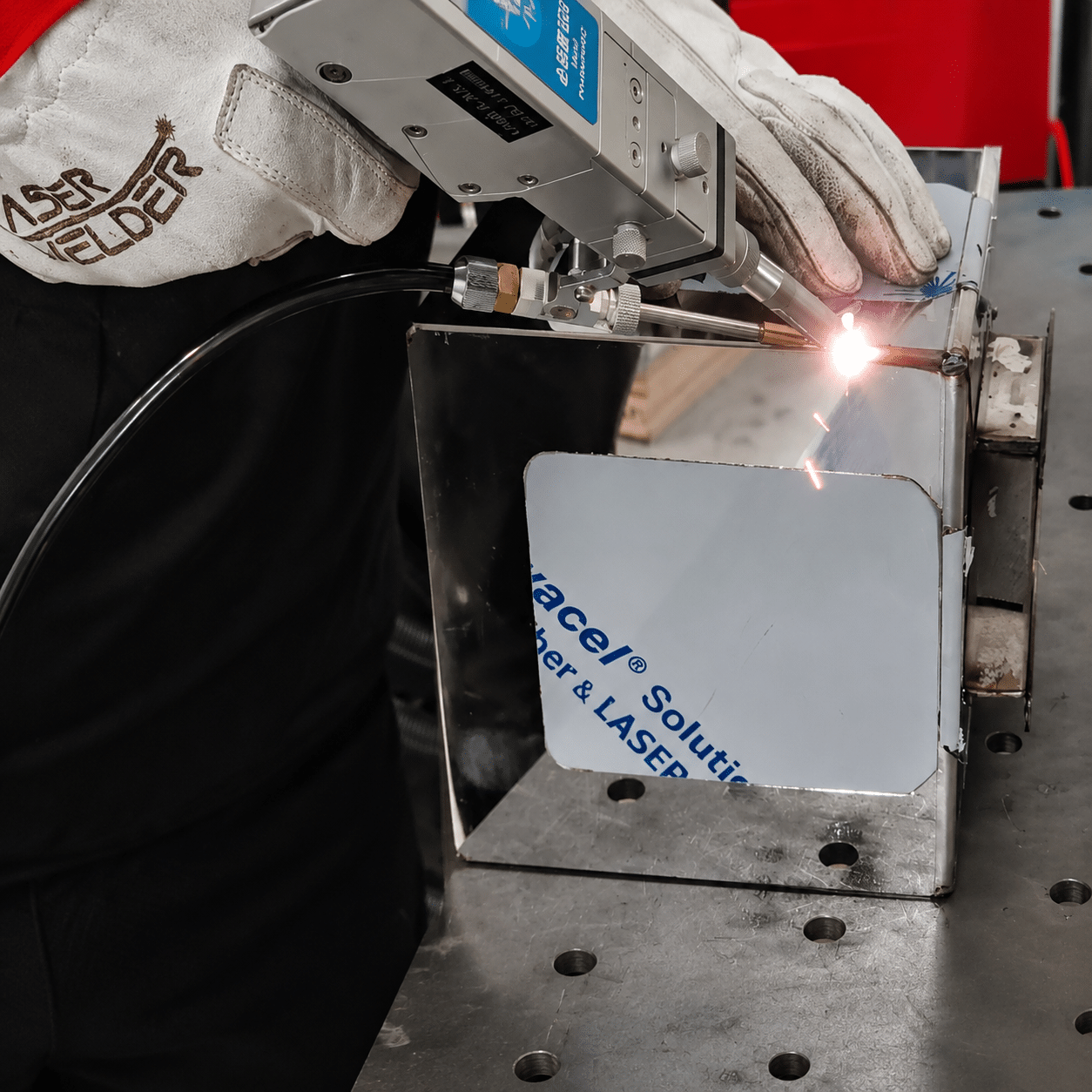
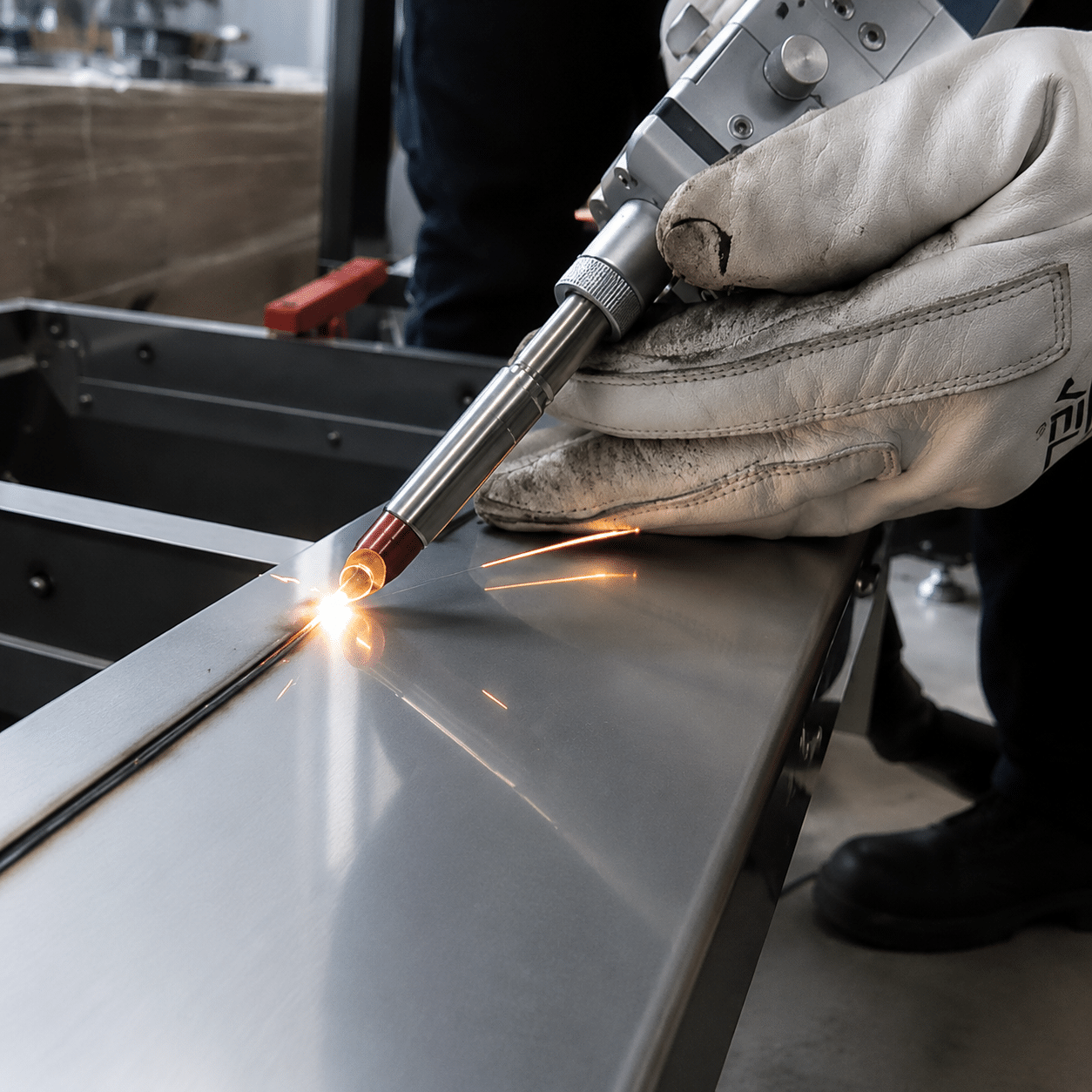
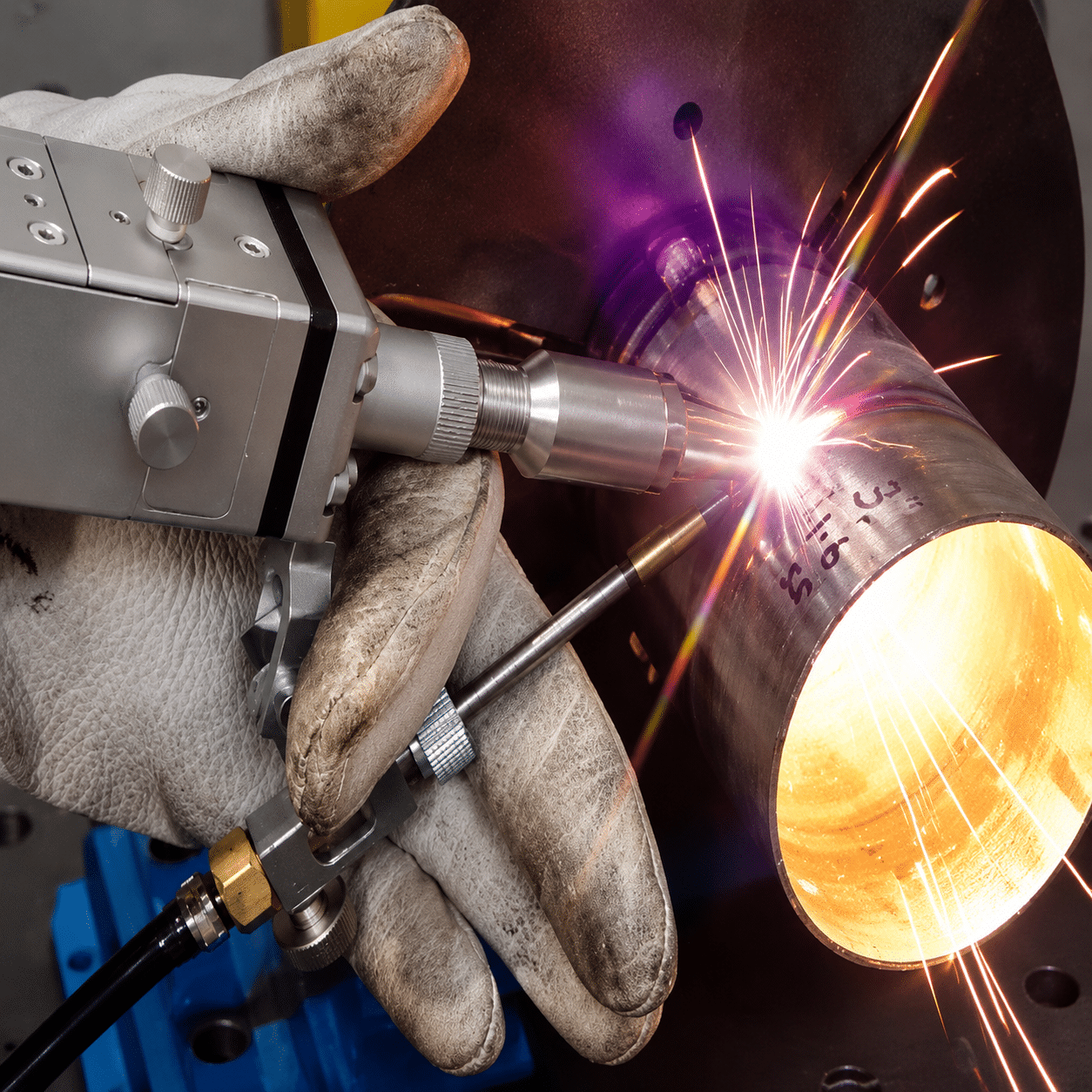
Common laser welding applications across metal products and production parts
Use these examples to understand where laser welding is typically used and what result should be tested on your own parts.
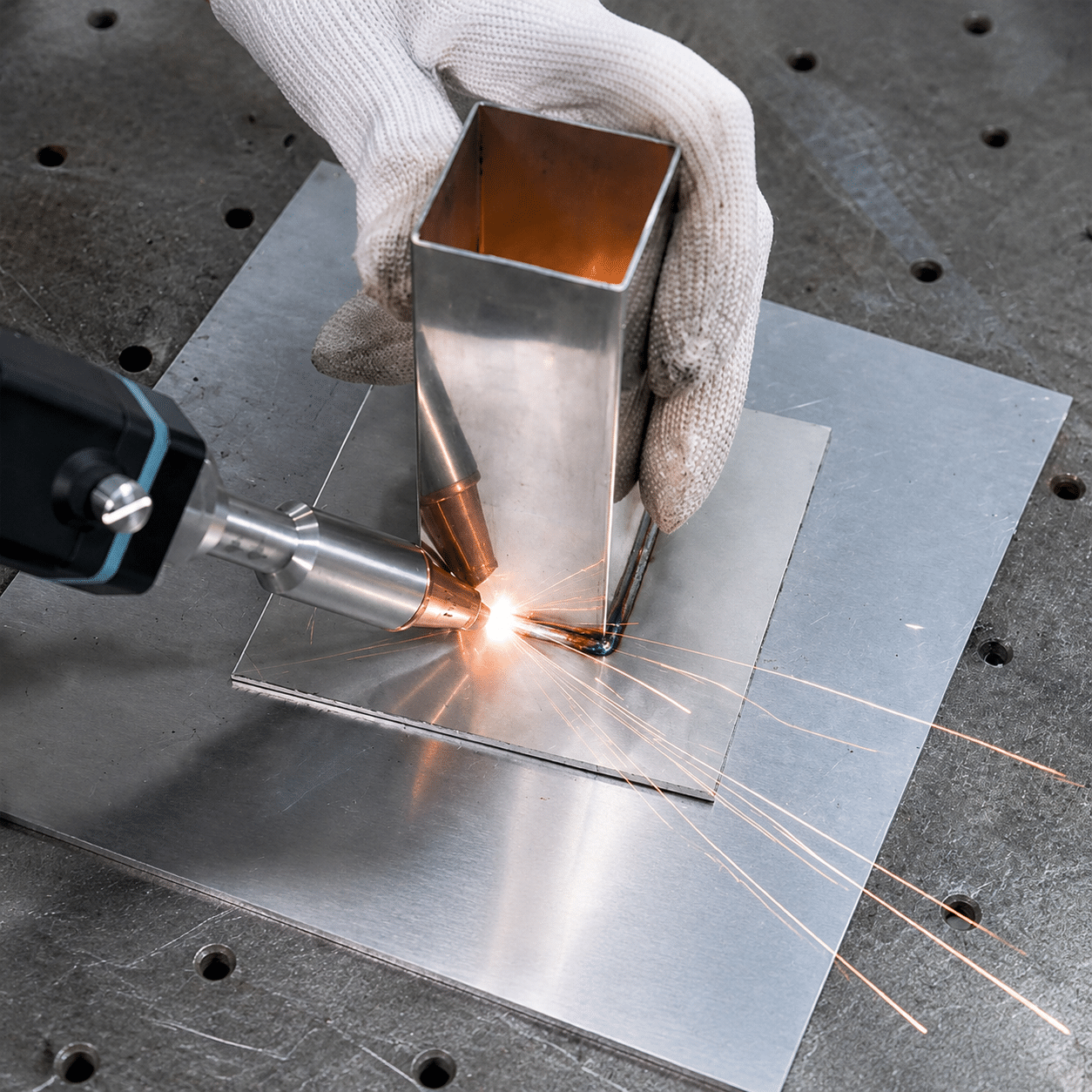
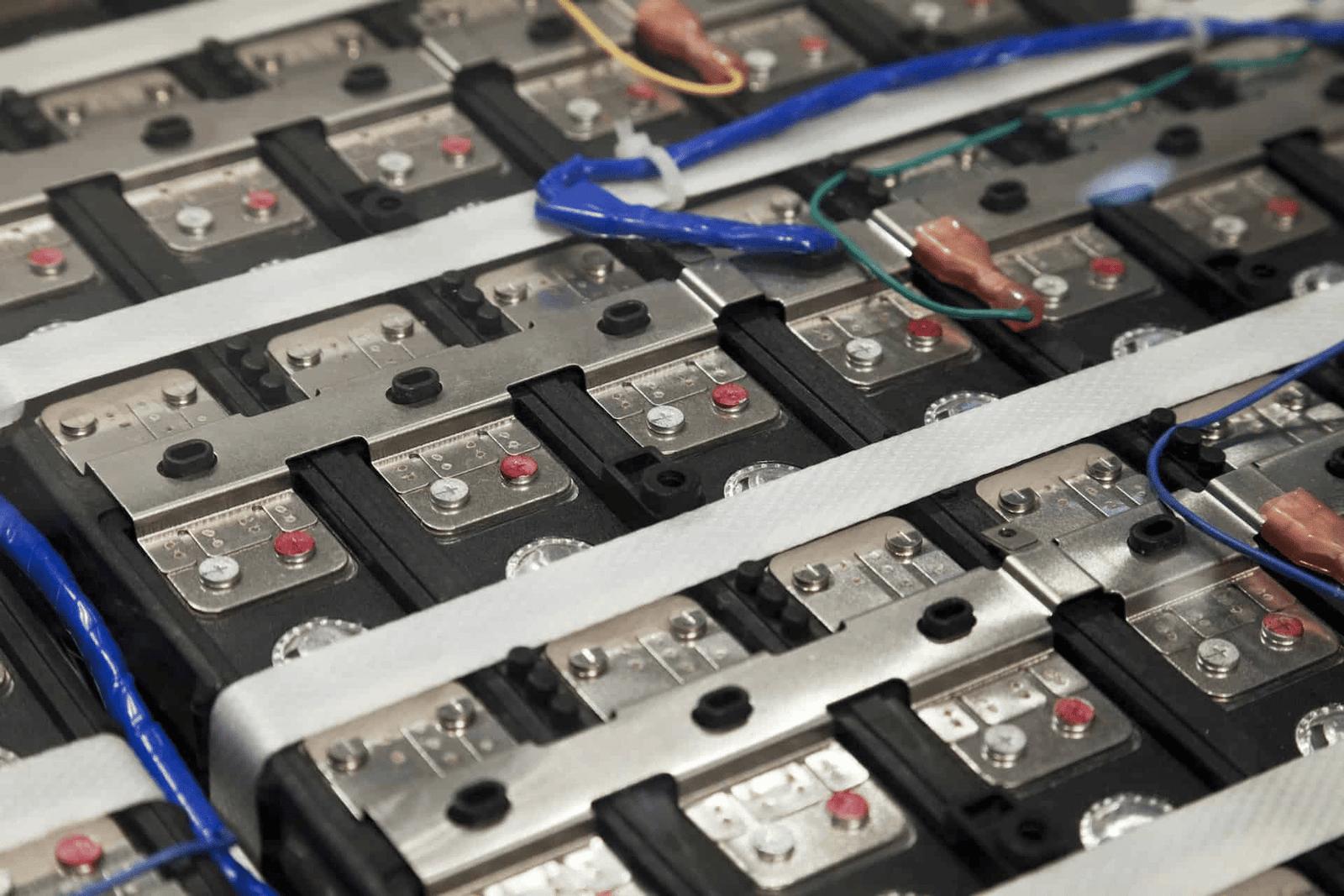
Watch laser welding behavior before planning your own sample test
Videos help show welding speed, seam appearance, wire feeding, operator movement, shielding gas effect and whether the process is suitable for your parts.
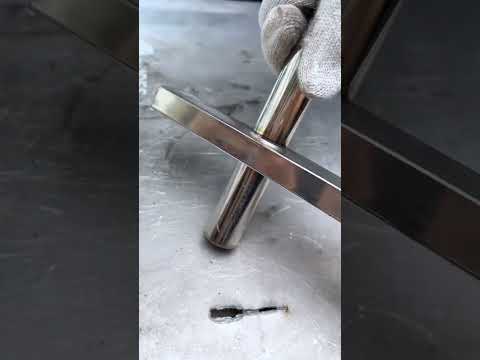
Handheld laser welding demonstration
Review seam appearance, speed and handling for common sheet metal and stainless steel work.
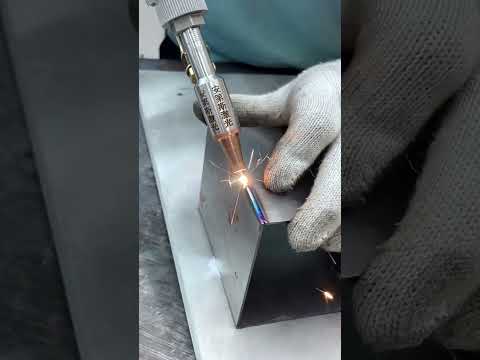
Wire feeder welding demonstration
Check how filler wire supports gap filling, bead shape and thicker metal joints.
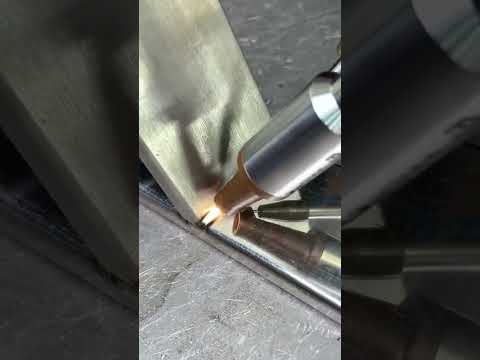
Robotic laser welding demonstration
See repeatable weld paths for production cells, fixtures and automated metal parts.
Laser welding should be tested with the real material, thickness and joint design.
The most reliable way to select a welding system is to test your actual parts, joint gap, material combination, required seam appearance and strength requirement.
Share part details
Send material, thickness, joint type, gap condition, photos and target weld result.
Check weld quality
Review seam appearance, penetration, distortion, porosity and strength requirement.
Choose configuration
Select air-cooled, water-cooled, wire feeder, handheld or robotic system.
Plan production
Confirm fixture, shielding gas, safety protection, extraction and operator workflow.
Continue learning with Oceanplayer laser welding resources
Explore related product and application pages after understanding the basics of laser welding.
Common questions about laser welding technology
These answers explain the process, suitable materials, machine differences and why sample welding matters before final configuration.