oceanplayer

Oceanplayer Laser Equipment | Cleaning, Welding, Marking, Automation Sample Testing | Global Shipping | OEM/ODM Support
Rail Transit Laser Solutions

Rail Transit Laser Solutions for Cleaning, Welding, Marking and Maintenance Workflows.

Oceanplayer supports railway manufacturers, metro suppliers, rolling stock maintenance teams and rail component workshops with laser cleaning, laser welding and laser marking solutions for metal parts that need reliable surface quality, stable production and traceable identification.
  • Rolling stock surface cleaning and refurbishment
  • Aluminum, stainless steel and carbon steel welding support
Rail transit laser cleaning welding and marking solution for rolling stock and rail components
Reliable rail component workflows Cleaning, weld prep, marking and maintenance support
Clean Rust and coating
Weld Body and parts
Mark Traceable ID
Stable Surface Prep Clean rust, oxide, oil and paint before repair or welding
Production Support Fit laser systems into part manufacturing and assembly lines
Maintenance Ready Handheld and mobile options for service workshops
Traceability Durable codes for components, tags and maintenance records
Industry Needs

Rail transit projects need laser processes that support safety, repeatability and long service life

Train and metro components face corrosion, vibration, coating wear, weld quality requirements and strict part identification needs. A suitable laser system should help improve cleaning consistency, reduce rework and support maintenance records.

Rolling Stock Refurbishment

Clean rust, oxide, old coating and surface contamination on car body parts, bogie frames, brackets and maintenance areas.

Weld Preparation

Prepare aluminum, stainless steel and carbon steel surfaces before welding to help improve surface cleanliness and process stability.

Wheel and Axle Maintenance

Support cleaning and inspection preparation for wheelsets, axles, brake parts and high-wear metal components.

Rail and Track Components

Clean selected rail surfaces, fasteners, plates, connectors and track-related hardware before inspection or repair.

Permanent Part Marking

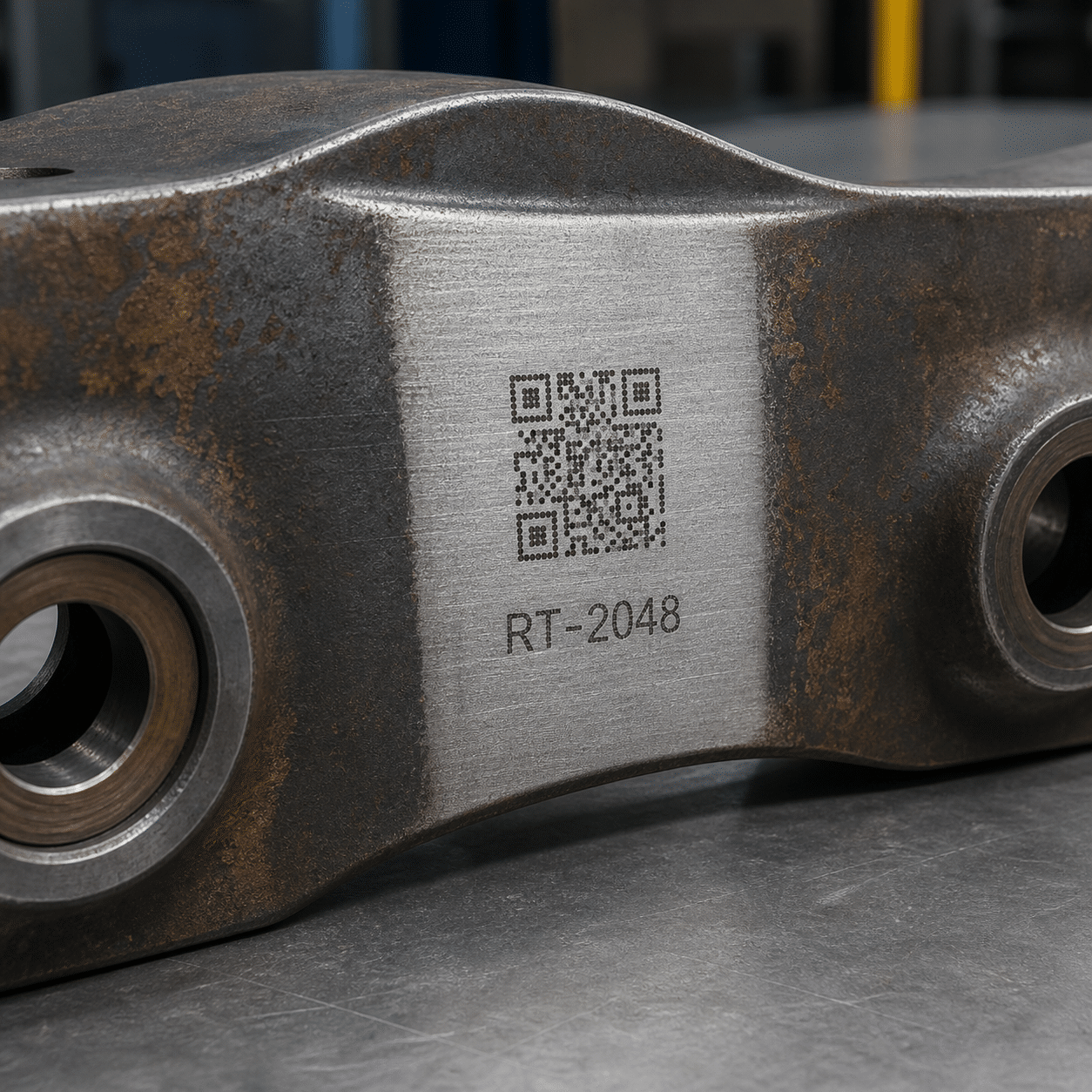
Add serial numbers, QR codes, batch data and component IDs to metal parts used in production, maintenance and spare parts management.

Workshop and Line Integration

Use handheld, mobile, robotic or automated systems depending on part size, production volume and access conditions.

Workflow Map

Match laser equipment to rail manufacturing and maintenance stages

Rail transit applications are not one single job. Cleaning, welding and marking each need a different configuration depending on material, part size, inspection needs and production rhythm.

01 Incoming Parts

Clean oil, oxide or storage rust before inspection and assembly.

02 Weld Preparation

Prepare joints for aluminum, stainless steel and carbon steel welding.

03 Production Marking

Apply durable serial numbers, QR codes and part IDs.

04 Maintenance Cleaning

Remove rust, coating and grime from high-wear components.

05 Repair Verification

Confirm surface quality, mark readability and workflow fit.

Rail Applications

Use laser systems across rolling stock, track parts and component workshops

Laser equipment can support both production and maintenance teams by improving surface preparation, reducing manual cleaning steps and creating durable identification marks on rail-related parts.

  • Bogie frame rust removal and coating preparation.
  • Aluminum train body welding surface cleaning.
  • Stainless steel panels, brackets and interior parts marking.
  • Wheelset, axle, brake disc and coupler component maintenance.
  • Rail fastener, base plate, connector and hardware cleaning.
  • Serial number, QR code and nameplate marking for spare parts tracking.
Laser cleaning and marking application for rail transit metal components
Solution Matrix

Select equipment by rail transit task and material requirement

The best laser configuration depends on whether the goal is fast cleaning, controlled low-heat cleaning, weld preparation, component marking or automated production.

Rail Transit Requirement Recommended Laser Option Best Use What To Check
Heavy rust and coating removal 1000W-3000W CW laser cleaner Bogie frames, steel structures, maintenance areas and large parts Cleaning speed, heat effect, safety area and cooling method
Controlled part cleaning 200W/300W/500W pulsed laser cleaner Precision components, repair zones and lower heat input cleaning Surface finish, base material protection and cleaning width
Weld prep and repair cleaning Laser cleaning before welding Aluminum body panels, stainless parts and carbon steel assemblies Joint type, contamination layer and weld inspection standard
Part ID and traceability Fiber or MOPA laser marking system Serial numbers, QR codes, tags, labels and spare parts Material, contrast, code size and data connection
Batch production Automated laser marking or robotic laser system Inline marking, repeat cleaning paths and fixture-based workflows Cycle time, fixture design, code verification and automation interface

Rail transit customers often need one laser strategy for production and another for maintenance.

Manufacturing teams usually focus on repeatability, fixture design and code tracking. Maintenance teams care about portability, surface condition, safe operation and quick repair workflow. Oceanplayer can help combine these needs into one practical equipment plan.

Clean Remove rust, oxide, oil and coating before inspection or repair.
Weld Prepare cleaner surfaces for rail body and component welding.
Mark Create readable serial numbers, QR codes and part IDs.
Automate Build fixture-based cleaning or marking for repeated parts.
Results Gallery

Show laser results for rail parts, weld zones and maintenance surfaces

Result photos help your team compare cleaning quality, mark contrast, surface finish and readiness for welding, coating or inspection.

Video Demonstration

Review laser performance on rail transit parts and surfaces

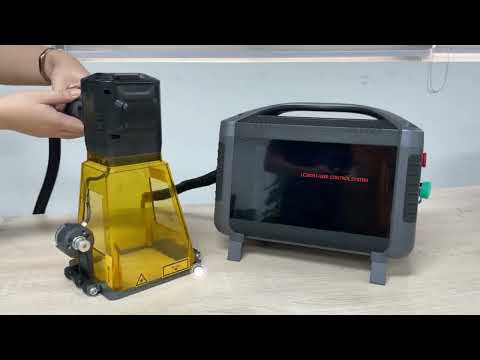
Videos help you compare cleaning speed, operator movement, marking readability, weld prep finish and whether a handheld or automated setup fits your workflow.

System Options

Choose the right laser system for rail production or maintenance

Rail transit work may require portable service equipment, high-speed cleaning power, precise weld prep or automated marking. The system should match part size, access condition and production rhythm.

Heavy Cleaning

1000W-3000W CW Laser Cleaner

Useful for faster rust and coating removal on larger steel components and repeated refurbishment jobs.

Traceability

Fiber or MOPA Laser Marker

Mark serial numbers, QR codes, logos and component IDs on stainless steel, aluminum and coated or plated parts.

Project Planning

Share these details to get a rail transit laser recommendation

Clear part and workflow details help us recommend the right power level, marking configuration, cleaning head, fixture and safety setup.

Part and Surface Details

Part type Bogie frame, wheelset, body panel, bracket, fastener, nameplate or spare part.
Material Aluminum, stainless steel, carbon steel, galvanized steel or coated metal.
Surface condition Rust, oxide, paint, oil, grease, weld discoloration or coating layer.
Target result Cleaning before welding, repainting, inspection, refurbishment or readable marking.

Workflow and Integration Details

Operation mode Handheld, mobile trolley, fixed workstation, robotic path or inline marking.
Batch volume One-off repair, daily maintenance, batch parts or continuous production line.
Quality check Surface finish, weld inspection, mark readability or code verification.
Site condition Power supply, work distance, safety area, fume extraction and operator training.
Sample Test

Test your real rail parts before selecting the system.

Send your rusty component, aluminum panel, stainless part, QR code requirement or weld prep sample. We can help compare cleaning results, marking contrast, process speed and recommended configuration.

01

Share Part Details

Provide material, surface condition, part size, target process and photos or drawings.

02

Run Laser Test

Compare cleaning speed, marking readability, heat effect and final surface quality.

03

Confirm Configuration

Choose power, cooling, lens, fixture, automation and safety setup based on your workflow.

FAQ

Rail transit laser solution questions

These answers help your team compare laser cleaning, welding support and marking options for rail manufacturing and maintenance.

Can laser cleaning be used on rail bogie frames?
Yes. Laser cleaning can remove rust, oxide, paint and surface contamination from bogie frames and related steel components. The best power level depends on cleaning area, rust thickness and target surface finish.
Is laser cleaning useful before welding rail components?
Yes. Laser cleaning can prepare cleaner weld zones by removing oxide, oil, rust or coating near the joint. A sample test helps confirm the cleaning width and settings for aluminum, stainless steel or carbon steel parts.
Which laser cleaner is better for rail maintenance?
Handheld or mobile laser cleaners are often preferred for maintenance flexibility. For larger steel parts and heavy rust removal, a high-power CW laser cleaner may provide faster results.
Can rail parts be marked with QR codes and serial numbers?
Yes. Fiber and MOPA laser markers can create durable serial numbers, QR codes, logos and part IDs on many rail components, including stainless steel, aluminum and coated metal parts.
Can Oceanplayer support automated marking for rail components?
Yes. Automated marking can be configured with fixtures, rotary devices, conveyors, code input, barcode scanners or production data connections depending on the part and workflow.
What information is needed for a rail transit sample test?
Please share material, part size, surface condition, target result, production volume and photos or drawings. For marking projects, include the code type, mark size and readability requirement.