

300W Pulsed Laser Cleaning Machine for Balanced Control and Daily Output
Move beyond light-duty precision cleaning without giving up pulsed surface control. OceanPlayer Laser configures the 300W cleaner for recurring mold maintenance, rust and oxide removal, weld cleaning, selected coating removal and industrial surface preparation.
- More daily capacity than a 200W pulsed system
- Controlled cleaning for valuable metal surfaces
- Sample-tested configuration before ordering
Final cleaning rate, finish and accessories depend on the material, contamination, area, duty and acceptance requirement.
.300W-Pulse-Laser-Cleaner.png)
Choose 300W when balance is the priority.
A 300W pulsed laser cleaner is a strong starting point when the work is too frequent for a fine-duty 200W workflow, but the part still needs more control than a broad, high-power continuous cleaning process.
- Regular rust and oxide removal on small or medium parts
- Mold and tooling maintenance with defined surface limits
- Weld discoloration and preparation zones
- Selected paint or coating removal proven by a test
Recurring precision maintenance
You need useful daily output, repeatable parts, controlled parameters and a documented final surface.
Large areas or heavy layers
If broad steel surfaces and maximum removal rate dominate the job, compare higher pulsed power or a suitable CW system.
More capacity without turning the project into a power-only decision
Power helps only when the optics, scan strategy, cleaning passes and final surface work together. The 300W class is valuable because it gives buyers more usable process headroom while keeping a pulsed workflow.
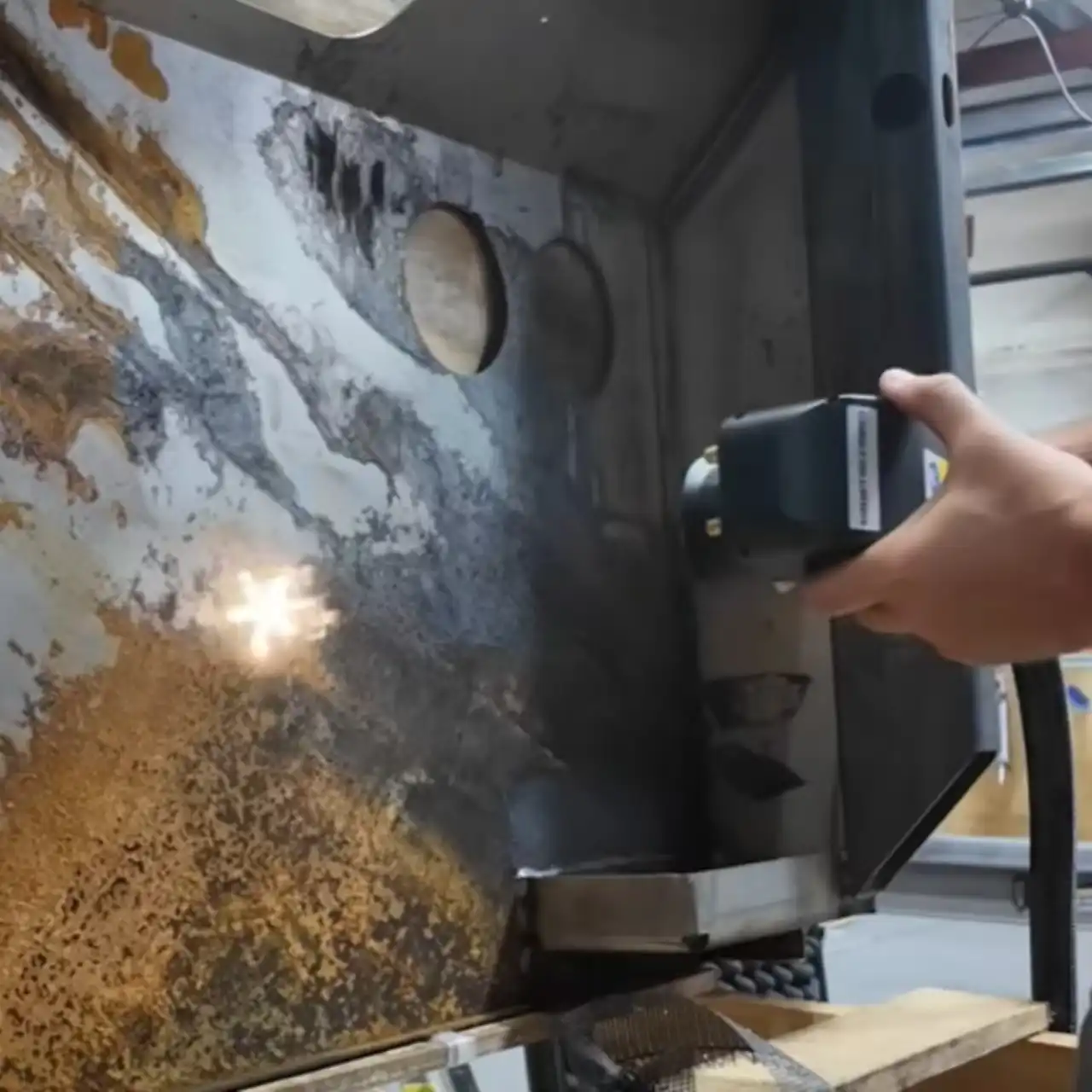
Convert extra power into accepted output
Use the added process window to reduce repeated passes or improve cycle time only after the required texture, color and remaining substrate are approved.
Built for more frequent cleaning
300W is often considered when the same part families return every day and the 200W cycle is no longer productive enough.
Keep finish in the decision
Pulse cleaning can support detailed work, but the alloy, coating, texture, geometry and inspection requirement still set the safe window.
Configure more than wattage
Cleaning head, optics, pulse settings, scan pattern, cable reach, cooling format, extraction and site safety all affect the useful system.
Use a timed sample trial
Compare passes, accepted finish and practical area per minute on the actual part before choosing 300W, 500W or CW.
Where a 300W pulsed cleaner earns its place
Start with the material, unwanted layer, surface result and daily volume. These are practical trial categories—not universal performance promises.
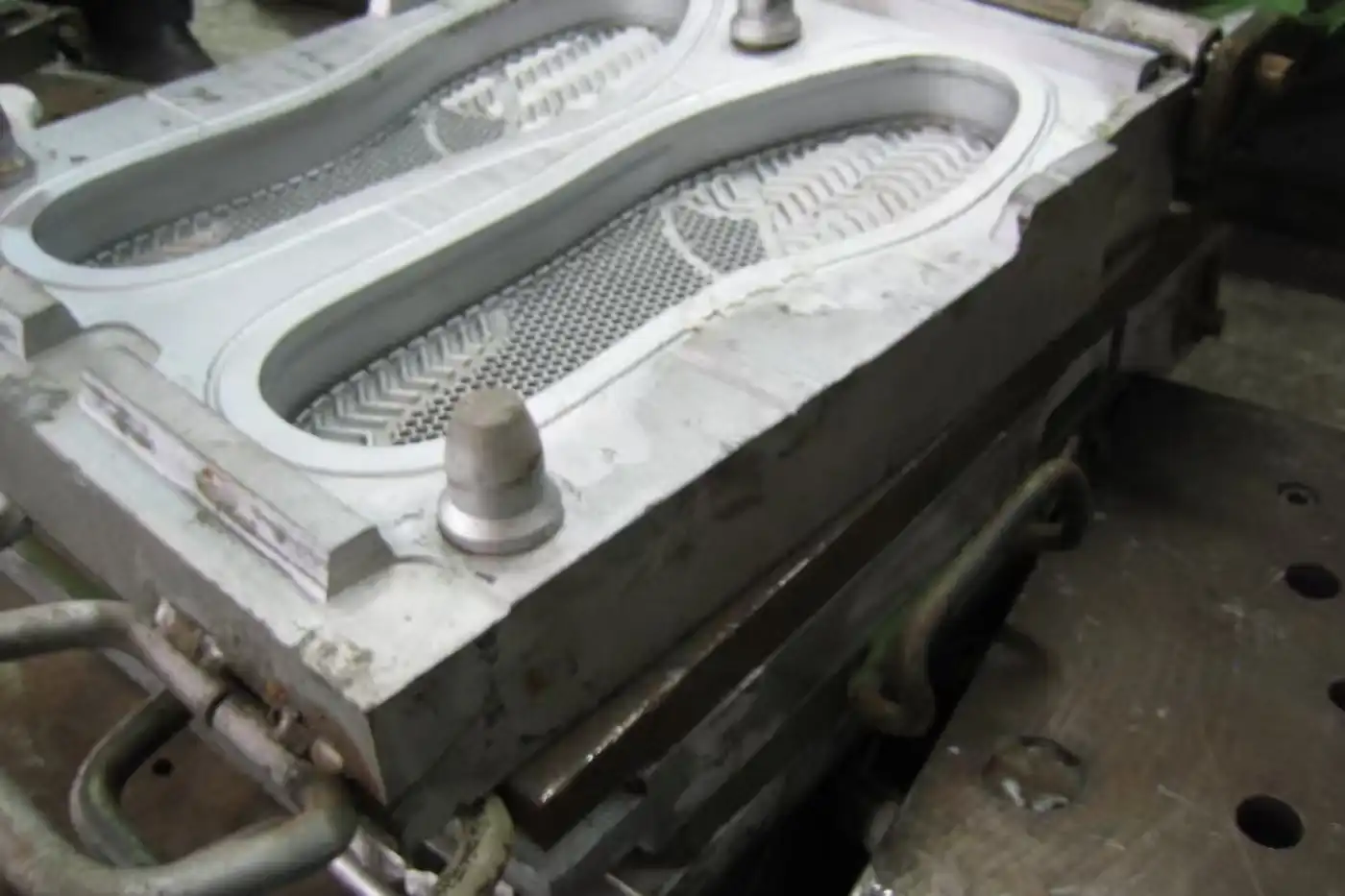
Residue and release-agent removal
Use controlled parameters around cavities, textures, edges and dimensional surfaces.
Verify: detail retention, time and residue removal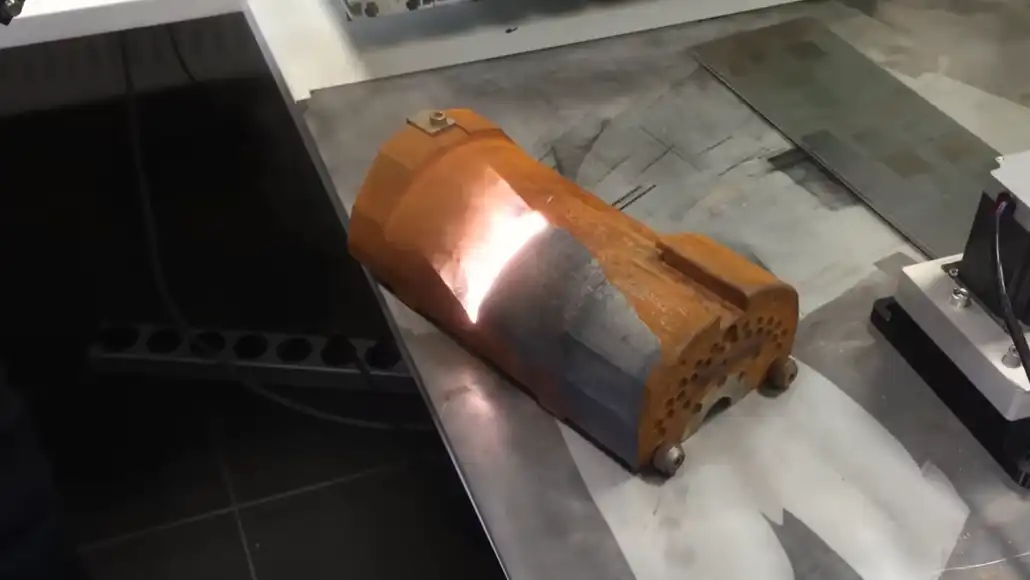
Recurring metal restoration
Suitable for localized or moderate cleaning areas where final texture and base-metal condition matter.
Verify: layer severity, passes and finish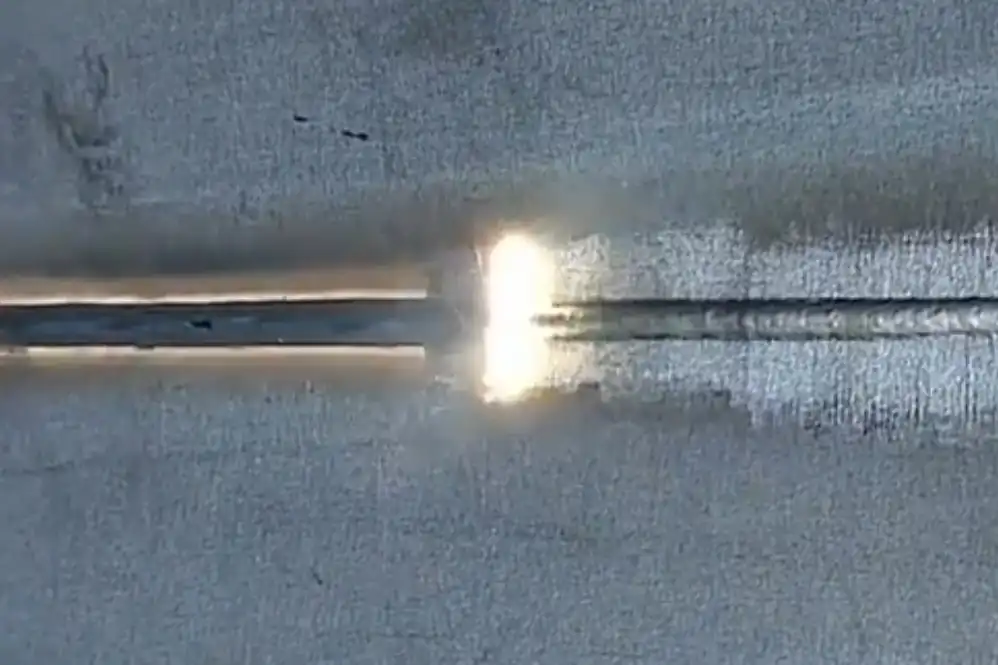
Discoloration and preparation zones
Clean visible seams or defined preparation areas without abrasive media on suitable parts.
Verify: color, roughness and joint access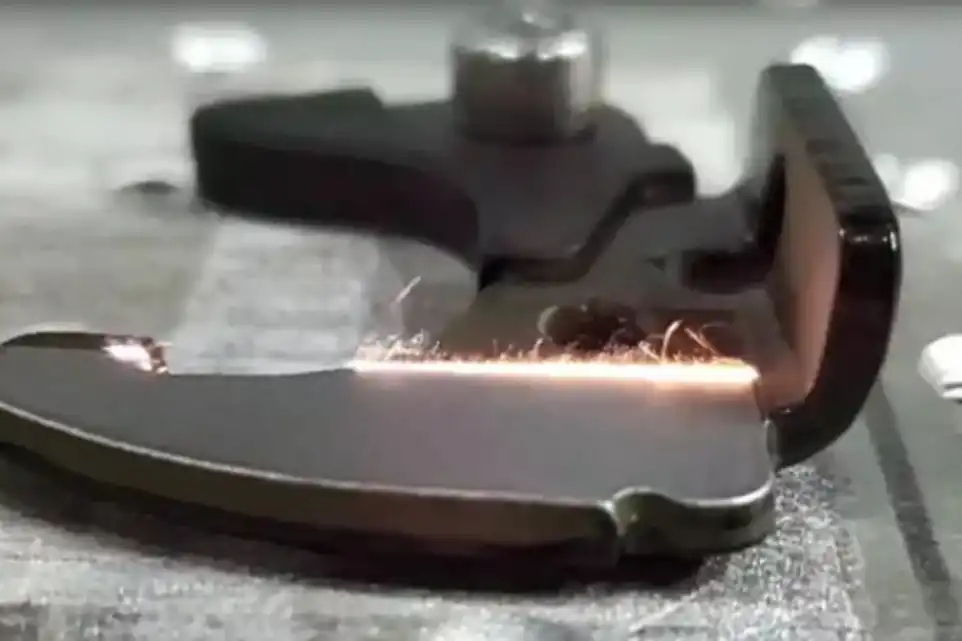
Selective paint and layer removal
Remove a defined layer only after coating chemistry, thickness, adhesion and fumes are understood.
Verify: remaining layer and edge quality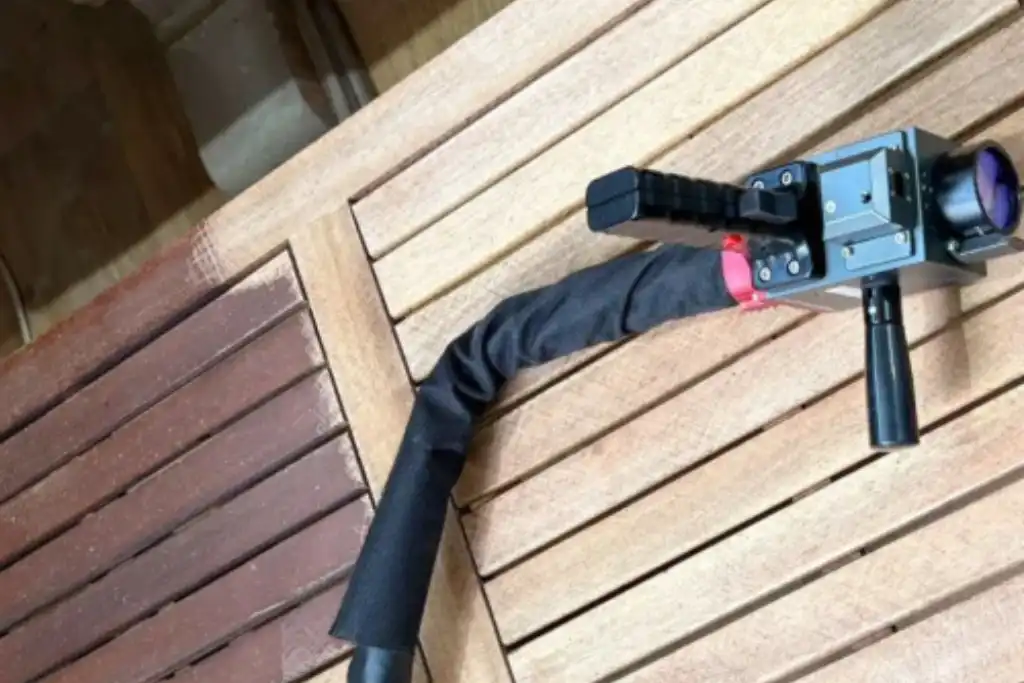
Detailed metal parts
Use for components where grinding marks, media embedment or uncontrolled removal are unacceptable.
Verify: original finish and edge preservation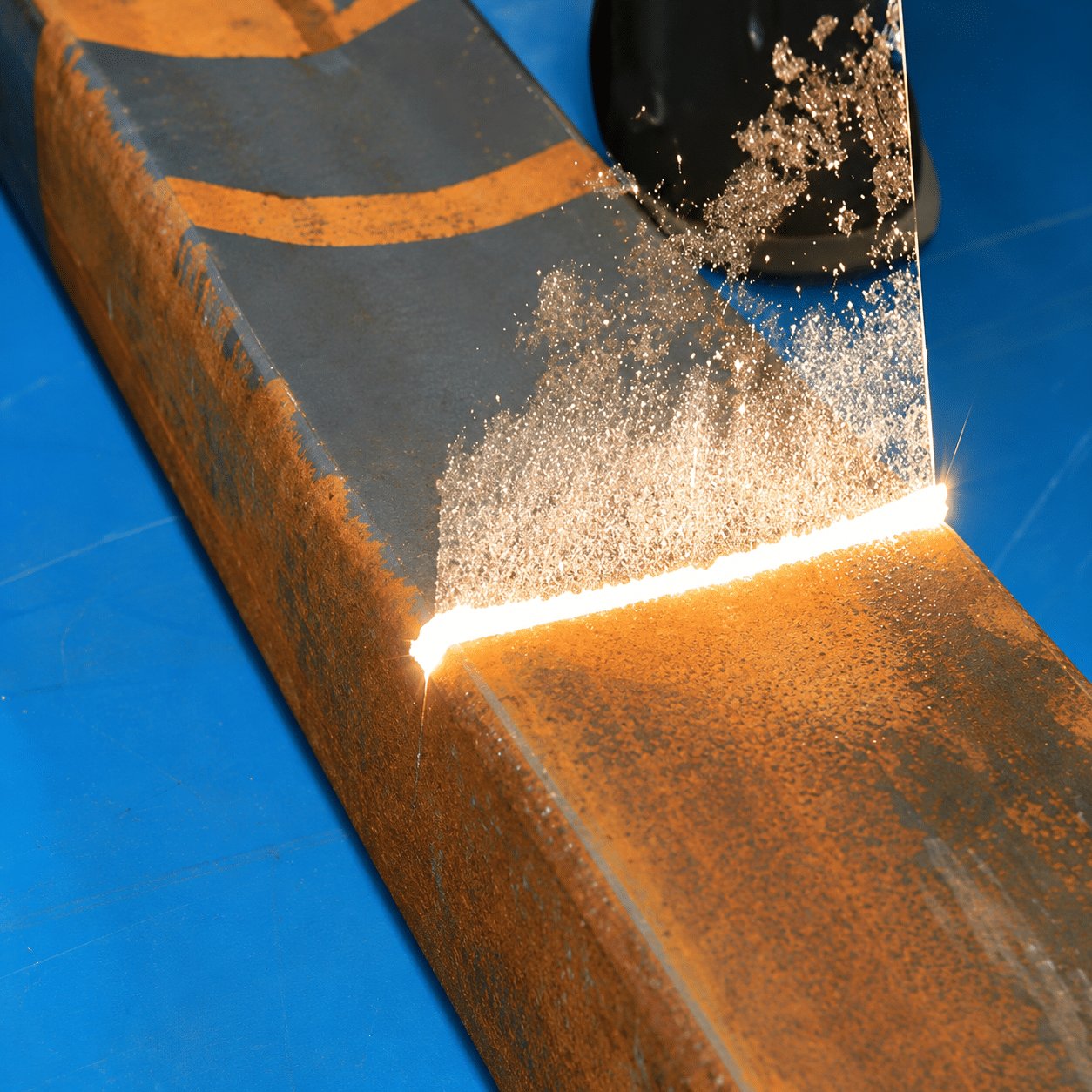
Before coating, bonding or repair
Define the cleanliness and roughness needed by the next process, not only whether the surface looks bright.
Verify: downstream adhesion or process acceptance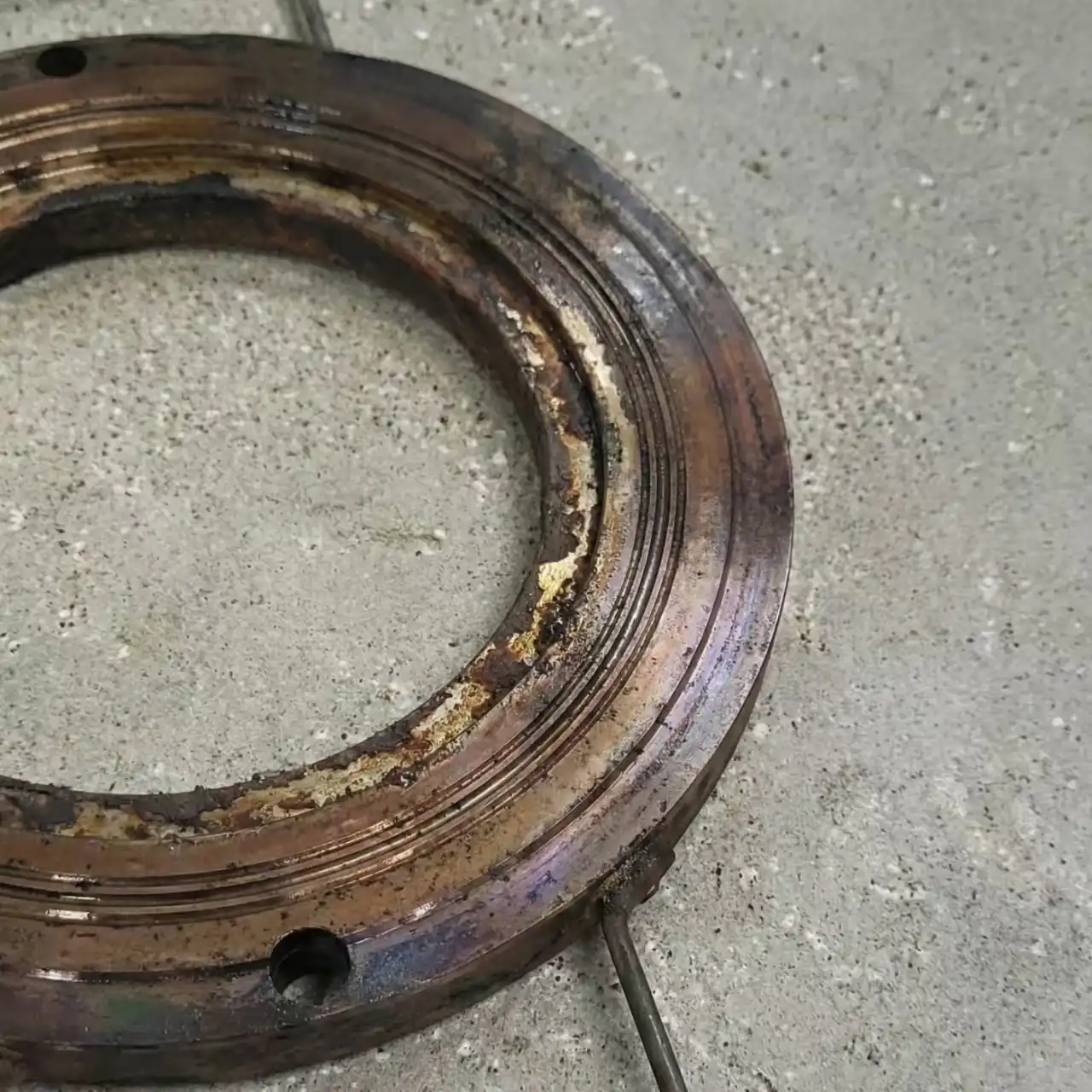
Approve the surface—not only the bright photo
A useful sample proves what was removed, what remained, how many passes were needed and whether the finished part meets the next production step.
 Watch Demo
Watch the cleaning behavior—not only the machine
A useful demonstration shows the actual material, contamination, coverage, repeated passes and final finish under realistic working conditions.
- Contamination and substrate identified
- Cleaning passes and scan coverage visible
- Final surface shown at a useful distance
- Extraction and safe operation considered
Specify the 300W system around the production job
The final quote should name the exact laser source, pulse range, optics, cleaning head, cooling, cable, electrical supply, included accessories and safety controls. The table below is a planning baseline.
| Item | 300W Planning Basis |
|---|---|
| Laser process | Pulsed fiber laser surface cleaning |
| Rated output power | 300W |
| Operating method | Handheld scanning cleaning head; automation options require separate engineering |
| Typical work | Rust, oxide, mold residue, weld discoloration, selected paint or coatings and surface preparation |
| Laser source and pulse range | Confirm brand, model, wavelength, pulse width, frequency, peak power and energy range in the quotation |
| Scan and optics | Confirm scan patterns, adjustable width, lens options, working distance and protective optics |
| Cooling and system format | Configuration-dependent; confirm air- or water-cooled design, chassis size, weight and ambient limits |
| Electrical supply | Confirm voltage, phase, frequency, breaker, plug and grounding for the destination site |
| Cable and working reach | Confirm fiber/cable length, routing, bend limits, cleaning-head weight and part access |
| Safety and extraction | Class 4 risk controls, interlocks, controlled area or enclosure, appropriate PPE and source-capture extraction |
| Included support | Application review, sample test, starting parameters, operating guidance, export packing and service communication |
Build a complete cleaning station—not an incomplete machine quote
Use the application test to choose the components and site requirements that turn laser power into repeatable production.
Laser source
Brand, pulse range, control interface, warranty, service and traceability.
Cleaning head and optics
Head weight, patterns, lens options, protective windows and working distance.
Machine format
Trolley, cabinet, backpack or integration format based on movement and duty.
Working reach
Cable length, access, routing, operator posture and part presentation.
Fume extraction
Capture method and filters matched to the removed coating and base material.
Laser safety
Controlled area or enclosure, barriers, interlocks, warning and rated PPE.
Site utilities
Electrical supply, grounding, cooling needs, air quality and ambient limits.
Support package
Starting recipes, training, manuals, inspection points, spare optics and service.
Choose the lowest power that meets surface and output targets
More power is useful only when it produces more accepted work without compromising the surface. Compare the same representative part whenever the choice is close.
Detailed, moderate-volume work
Start here when the surface is sensitive, the parts are smaller and maximum daily output is not the main constraint.
- Precision molds and high-value parts
- Light-to-medium contamination
- Lower workload or localized areas
Recurring daily precision cleaning
Use 300W when regular industrial cleaning needs more capacity while pulsed surface control remains important.
- Small and medium parts
- Regular rust, oxide, molds and seams
- Balanced cycle time and finish
Larger or more demanding jobs
Consider 500W when the representative test shows the extra output improves accepted parts per shift.
- Larger workpieces and cleaning areas
- More extensive contamination
- Higher daily production target
Test the actual combination—not a generic metal name
Alloy, temper, finish, coating, contamination and geometry change how the surface responds. A 300W label cannot replace material identification and a controlled trial.
Rust, oxide and mold residue
A practical material class, but hardness, coating and finish still affect the window.
Check: texture, discoloration and rateWeld tint and contamination
Useful for controlled seam cleaning where visible color and finish are important.
Check: color change and polished areasOxide and selected preparation
Reflectivity, alloy, temper and finish can change absorption and response.
Check: roughness, color and heat responseLayer-by-layer removal
Chemistry, thickness, color and adhesion control passes, fumes and speed.
Check: remaining layer and emissionsDetailed surface maintenance
Edges, cavities, textures and dimensions need recorded inspection limits.
Check: detail retention and dimensionsIdentify before cleaning
Do not start with aggressive settings on unknown alloys, coatings or contamination.
Action: identify, test and approve a small areaConfirm the 300W process before the machine ships
The best purchase evidence is a repeatable result on the real material, including the difficult normal condition, with the main settings and acceptance checks recorded.
Describe the job
Send material, unwanted layer, area, volume, current method and required finish.
Select samples
Include the easiest, typical and hardest normal parts—not one ideal coupon.
Run trials
Compare power, pulse, scan width, overlap, speed and number of passes.
Accept the surface
Review cleanliness, remaining layer, texture, color, dimensions and cycle time.
Lock configuration
Confirm machine, optics, accessories, safety, training and starting parameters.
Plan Class 4 laser controls before delivery
A high-power cleaning laser can create serious direct and reflected beam hazards, fire risk and airborne contaminants. Machine selection must include a site-specific risk assessment, controlled operating area and extraction plan.
Review OSHA laser-hazard overviewControlled workspace
Define access, barriers or enclosure, signs, beam paths and reflection control.
Qualified safety owner
Set responsibility, authorization, training, procedures and emergency response.
Wavelength-specific protection
Select eyewear and PPE from the documented hazard assessment.
Source-capture extraction
Control fumes and particles for the real base metal, coating and contaminant.
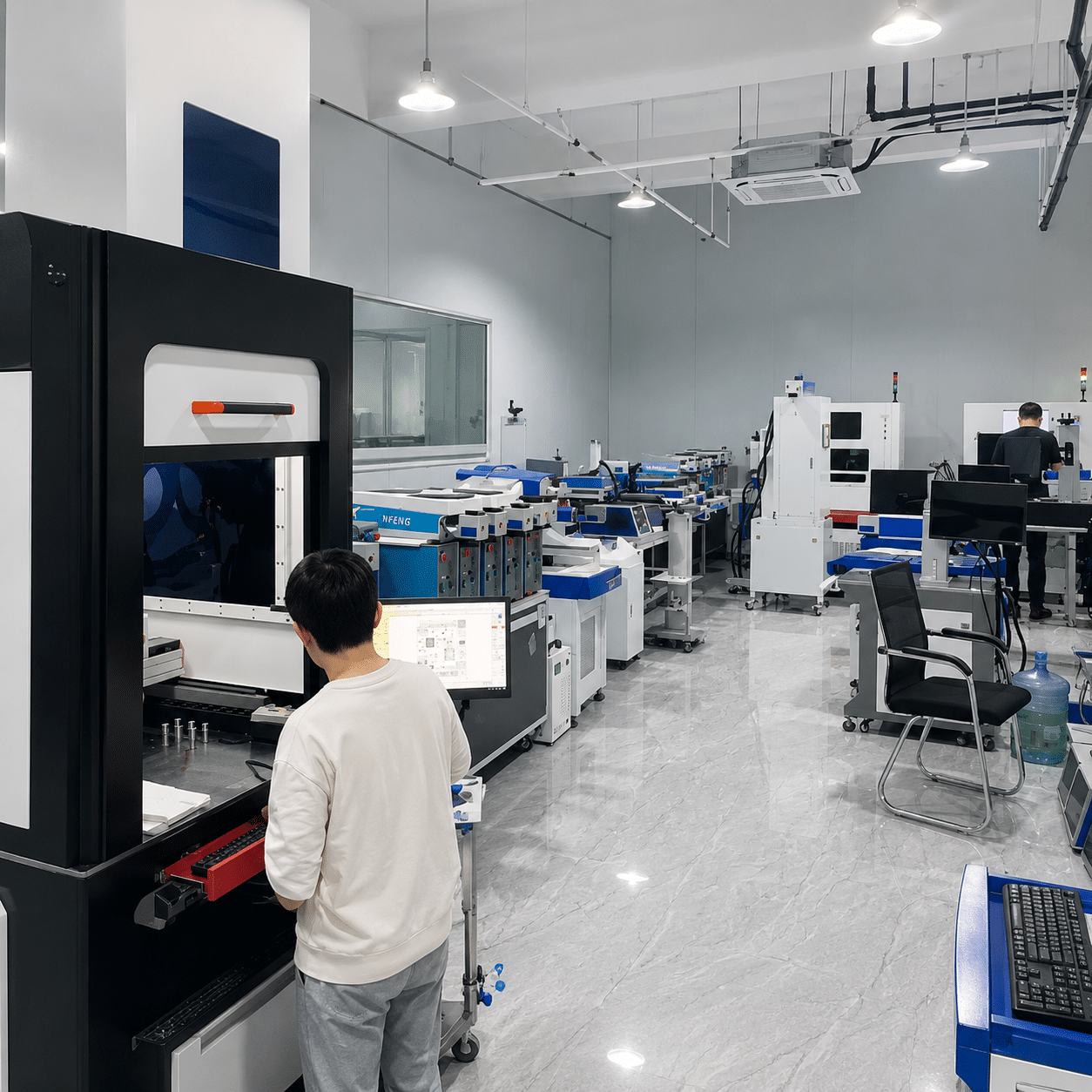
One project path from sample to delivery
OceanPlayer Laser supports model selection, application testing, technical confirmation, export preparation, operating guidance and after-sales communication for international buyers.
Compare the process before requesting the final quote
Use these OceanPlayer Laser pages to confirm mode, power, application fit and the surface result you need.
Pulsed Laser Cleaning Machine
Understand pulsed cleaning principles, power range and configurations.
Explore product family → Power comparison200W / 300W / 500W Cleaners
Compare precision, output and workload across pulsed power classes.
Compare power → ApplicationLaser Rust Removal
Review rust types, surface concerns and process limits.
Explore rust removal → ApplicationLaser Mold Cleaning
Plan controlled maintenance for tire, rubber and industrial molds.
Explore mold cleaning → ApplicationLaser Paint Removal
Understand selective coating removal and sample-test requirements.
Explore paint removal → Buying guideLaser Cleaning Guide
Compare pulsed, CW, handheld and automated systems.
Read the guide → Free toolLaser Cleaner Power Selector
Use material, contamination, area and finish to plan a power range.
Open selector → Project supportContact OceanPlayer Laser
Send the material, contamination, area and required result.
Start your project →Common questions before choosing a 300W pulsed cleaner
What can a 300W pulsed laser cleaner remove?
Why choose 300W instead of 200W?
Should I choose 300W or 500W pulsed cleaning?
Is 300W suitable for mold cleaning?
Will 300W pulsed laser cleaning damage the base material?
How fast does a 300W pulsed laser cleaner work?
Does a 300W cleaner need consumables?
What should I send for a 300W quotation?
Send the surface. Confirm the result. Then configure the machine.
Tell OceanPlayer Laser what you need to remove, what must remain unchanged and how much accepted work you need each day.