Automotive Laser Solutions for Cleaning, Welding, Marking and Automated Production.
Oceanplayer helps automotive manufacturers, parts suppliers, repair shops and automation teams use laser cleaning, laser welding and laser marking to improve surface preparation, joining quality, part traceability and repeatable production. Build a solution around materials, cycle time, part geometry, quality inspection and production workflow.
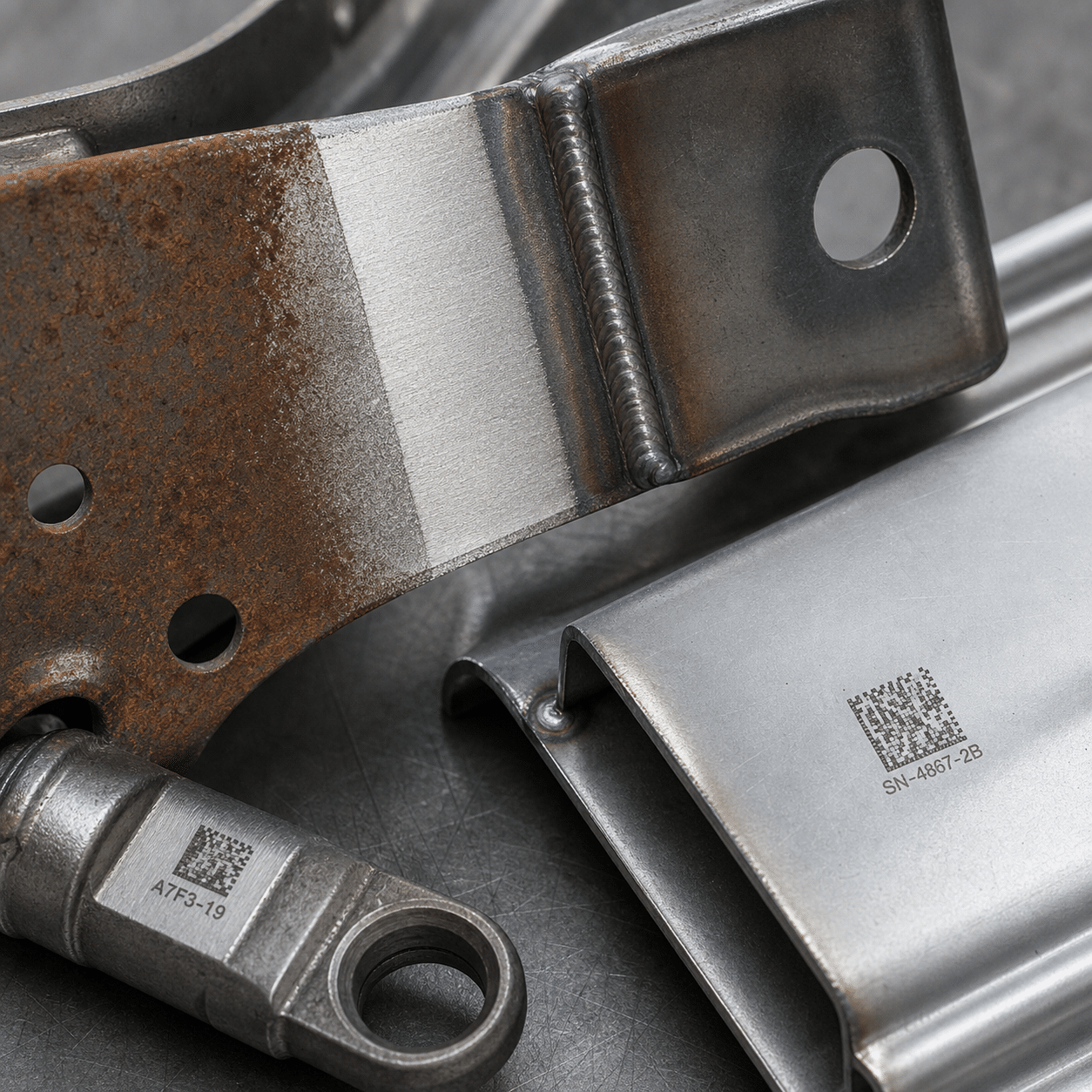
- Automotive rust, oxide and coating removal
- Laser welding for sheet metal, battery and parts
- QR code, barcode and serial number marking
Automotive parts need consistent surfaces, strong joints and traceable data
Automotive workflows often combine many materials, coatings, part shapes and inspection requirements. Laser processes can help reduce manual variation and improve repeatability.
Surface contamination affects the next process
Rust, oxide, oil and coating residue can affect welding, bonding, coating, marking and inspection results.
Welding quality must be repeatable
Laser welding and pre-weld cleaning help support stable joints on sheet metal, stainless steel, aluminum and selected automotive assemblies.
Parts need readable traceability
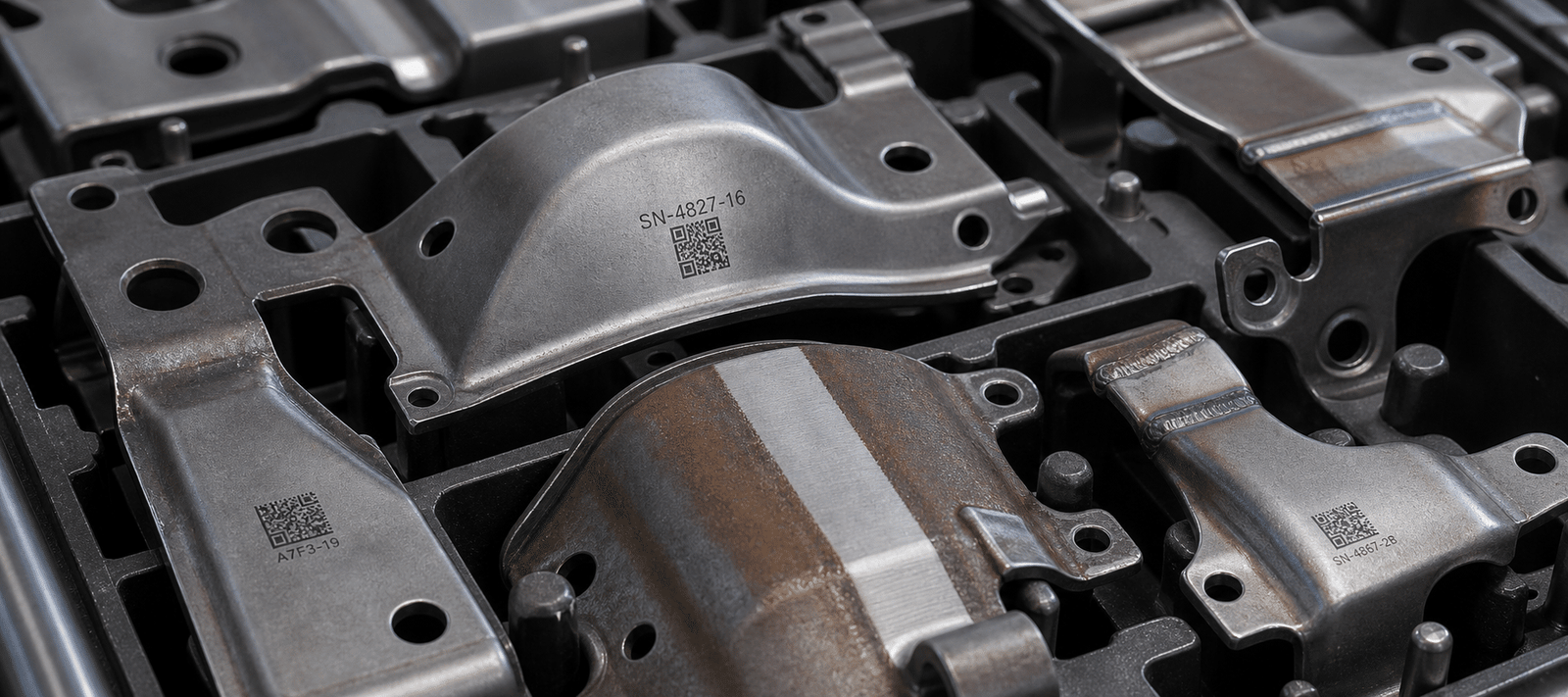
Laser marking can add QR codes, barcodes, serial numbers, logos and batch information directly on metal or plastic automotive parts.
Apply laser processes across key automotive production steps
From incoming part preparation to final identification, laser systems can support multiple points in the automotive manufacturing and repair workflow.
Clean before welding or coating
Remove rust, oxide, oil, paint and coating residue from local areas.
Laser weld selected parts
Support sheet metal, stainless steel, aluminum and selected battery-related joints.
Mark IDs and codes
Add serial numbers, QR codes, Data Matrix codes and batch codes.
Build repeatable cells
Use robots, fixtures, scanners and production data for repeat tasks.
Automotive parts and processes that can benefit from laser systems
Laser equipment can be configured for production, repair, maintenance, marking and automated cells across different automotive materials and part types.
- Body panels, frames, brackets, seat parts, exhaust parts and sheet metal assemblies.
- Battery tabs, busbars, housings, covers and selected EV component welding tasks.
- Rust removal, oxide removal, weld seam preparation and coating removal before repair.
- QR codes, barcodes, serial numbers and logos on metal or plastic automotive parts.
- Robotic cleaning, robotic welding and automated laser marking for repeated production cells.
Match automotive challenges with the right laser process
Different automotive tasks need different laser sources, workstation formats and automation levels. Use the part, material and quality target to select the process.
| Automotive Need | Laser Solution | Common Parts | What To Confirm |
|---|---|---|---|
| Rust or coating removal before repair | Handheld or CW laser cleaning | Frames, panels, brackets, used parts and repair zones | Layer thickness, cleaning speed, fume extraction and surface finish |
| Weld preparation for cleaner joints | Pulsed laser cleaning before welding | Sheet metal, stainless steel, aluminum and weld seam areas | Material, contaminant, seam width and heat sensitivity |
| High-speed joining | Handheld or robotic laser welding | Sheet metal, brackets, housings, exhaust parts and selected assemblies | Thickness, joint type, fixture, gap tolerance and weld quality target |
| Part traceability | Fiber, MOPA or UV laser marking | Metal tags, plastic housings, components, panels and tools | Material, code size, scanner readability and data workflow |
| Repeat production cells | Robotic or automated laser system | Repeated parts, fixtures, production lines and inspection workflows | Cycle time, robot path, loading method and safety layout |
Build one automotive laser workflow from surface preparation to traceability.
For many automotive teams, the best result comes from combining laser cleaning before welding, controlled laser welding and permanent code marking. This helps reduce handwork, protect process consistency and keep each part identifiable through production and service.
Review automotive laser results across cleaning, welding and marking
Use these positions for your own images showing automotive part cleaning, weld preparation, laser welding results, QR code marking and robotic laser projects.
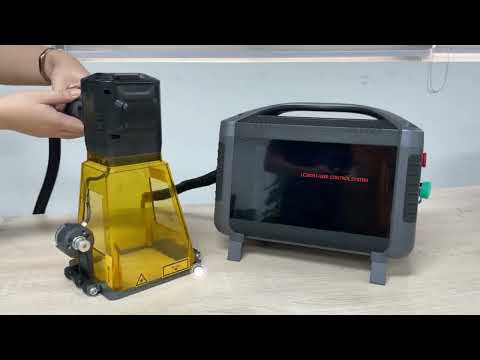
Watch automotive laser processing on real parts and workflows
Review cleaning speed, welding results, marking readability and automation workflow before selecting a configuration.
Choose the right automotive laser system format for your production environment
Automotive projects may need flexible handheld systems, enclosed stations, robotic cells or automated marking equipment depending on part size, output and safety layout.
Handheld Laser Cleaning
For repair, maintenance, mixed parts, rust removal, weld preparation and flexible shop-floor cleaning.
Handheld Laser Welding
For selected sheet metal, stainless steel, aluminum and repair welding tasks that need flexible operation.
Laser Marking Station
For serial numbers, QR codes, barcodes, logos and batch codes on metal or plastic automotive parts.
Robotic Laser Cleaning
For repeated cleaning paths before welding, coating, assembly or inspection in production cells.
Robotic Laser Welding
For repeated weld paths where fixtures, robot motion and process parameters can be controlled.
Automated Marking System
For variable data, scanner verification, fixtures, conveyors and production traceability.
Confirm these details before selecting an automotive laser solution
Automotive laser projects depend on material, process target, cycle time, inspection needs and production layout. Clear details help build a practical configuration.
Part material and finish
Share steel, stainless steel, aluminum, galvanized metal, coated parts, plastic parts or mixed materials.
Target process
Confirm cleaning, welding, marking, weld preparation, repair, traceability or automation.
Part geometry
Flat panels, brackets, pipes, frames, battery parts and complex assemblies need different fixtures and access planning.
Quality requirement
Weld appearance, weld strength, code readability, surface finish and inspection method should be defined early.
Production rhythm
Daily output, cycle time, line speed, loading method and operator movement affect the system format.
Safety and integration
Laser safety, fume extraction, robot guarding, scanner verification and data connection should be considered.
Send automotive parts and confirm the laser result before choosing the system.
Share part material, process target, part drawings or photos, quality requirement, cycle time and production volume. Oceanplayer can help evaluate cleaning, welding, marking or automated laser configuration options.
Share Part Details
Send material, part size, process target, output and quality requirements.
Test Laser Process
Check cleaning result, weld quality, mark readability or automation feasibility.
Choose Configuration
Select handheld, workstation, robotic or automated laser system options.
Explore more Oceanplayer automotive laser resources
Compare related equipment and application pages to choose the right laser system for automotive cleaning, welding, marking and automation.