
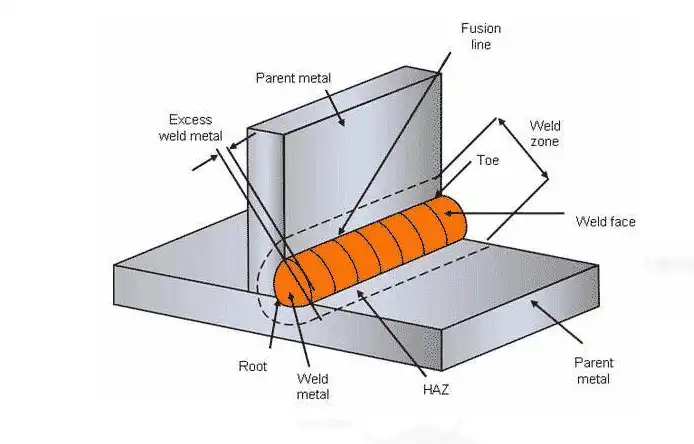
You use the term Base Metal to describe the main material that you weld together. This metal forms the foundation of your project. Picking the right type helps you achieve strong and reliable welds. Each project needs careful thought about the metal you choose. Think about what you want your finished piece to do before you start welding.
Key Takeaways
- Find out what the base metal is before you start welding. This helps make sure your welds are strong and safe.
- Pick the right base metal for your project needs. Think about things like how strong it is, if it resists rust, and how much it costs.
- Make sure the filler metal matches the base metal’s chemistry. This helps stop problems like cracking and makes the weld strong.
- Try welding on scrap pieces before you start your real project. This lets you practice and get better at welding.
- Always clean the base metal before you weld. Take off dirt and oil to help make a strong weld.
What is a Base Metal?
Definition and Role in Welding
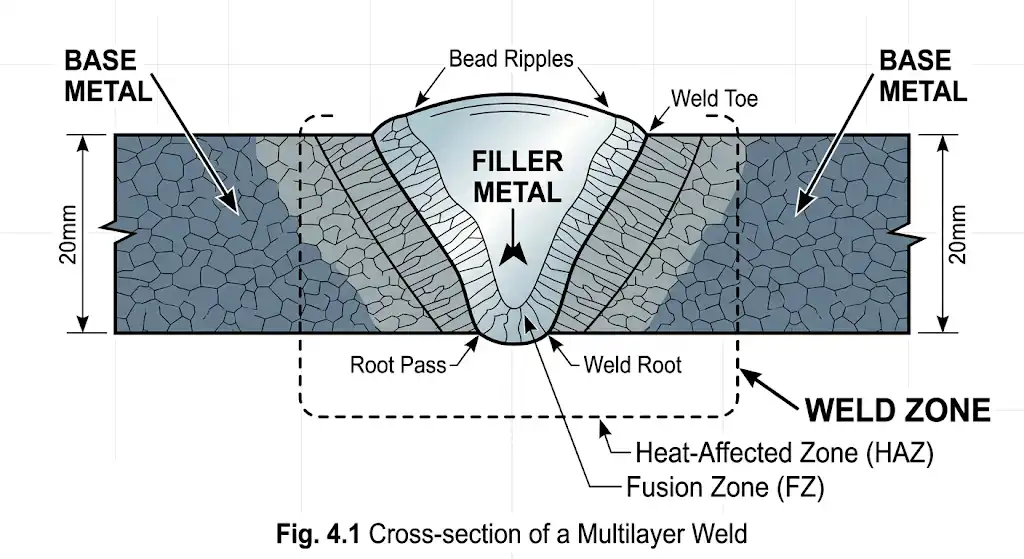
You use the term base metal to describe the main material that you join during welding. This material forms the core of your project. You can think of it as the starting point for every weld. The base metal determines the strength and durability of the finished piece. You select the base metal before you choose any welding technique or filler metal.
Tip: Always identify the base metal before you begin any welding project. This step helps you avoid mistakes and ensures a strong weld.
Safety & standards disclaimer — read before you weld
Always follow a written Welding Procedure Specification (WPS) and recognized standards (AWS, ASME, ISO) and applicable OSHA rules when welding. Wear appropriate PPE: welding helmet with correct shade, safety glasses with side shields, flame‑resistant jacket, insulated welding gloves, steel‑toe boots, and respiratory protection when ventilation is inadequate. Work to a shop WPS and have qualified personnel or a certified welding inspector approve critical joints. (OSHA welding safety)
The role of the base metal goes beyond being the material you weld. It guides your decisions about which welding process to use. You match the welding technique to the type of base metal. For example, you use different settings for steel than for aluminum. The base metal also affects which filler metal you pick. You want the filler metal to match the chemistry of the base metal. This match helps you achieve the right strength and prevents problems like cracking or corrosion.
Why Base Metal Selection Matters
Choosing the correct base metal is one of the most important steps in welding. You want your welds to last and perform well. The base metal you select influences the quality and durability of the weld. If you pick the wrong base metal, you may see defects such as porosity, incomplete fusion, or cracking. These problems often happen when the base metal and filler metal do not work well together.
Here are some key reasons why base metal selection matters:
- You need the base metal to have the right mechanical properties, such as tensile and yield strength, for your project.
- You must match the filler metal to the base metal’s chemistry to keep the weld strong and reliable.
- You want the weld to meet service conditions, so the base metal must handle the environment where you use the finished product.
- You reduce the risk of cracking and corrosion by choosing a compatible base metal and filler metal.
- You consider the welding position and equipment, since these factors affect how well the base metal responds to welding.
- You check if the base metal can handle post-weld heat treatment, which helps the weld last longer.
Note: Job specifications often tell you which class of filler metal to use. Always check these details before you start welding.
You improve your welding results by understanding what a base metal is and why its selection matters. You make better choices and avoid common mistakes.
Common Base Metals
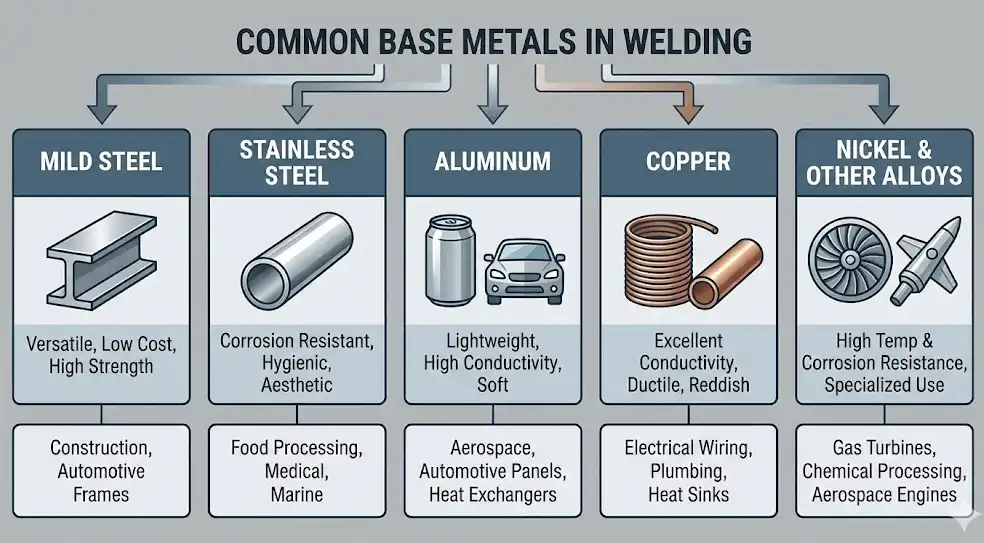
When you start welding, you will see some metals more often. These are the most common base metals in welding projects:
- Mild Steel
- Stainless Steel
- Aluminum
- Copper
- Nickel and Other Alloys
Mild Steel
Mild steel is the most used base metal for welding. It is easy to weld because it has low carbon. This metal is strong and does not cost much. You can bend mild steel without breaking it. This helps when making things. The table below shows why mild steel is a top choice:
| Property | Description |
|---|---|
| Weldability | You can weld mild steel with many ways. |
| Ductility | You can bend mild steel and it will not crack. |
| Strength | Mild steel supports welded structures well. |
| Cost-effectiveness | Mild steel is cheap and easy to get. |
Cracks or holes may happen if you do not weld right. Always clean the metal and use the correct settings.
Stainless Steel
Most austenitic grades used in food and automotive thin‑gauge work (for example, 304 and 316) typically do not require PWHT; however, certain grades, thicker sections, or service conditions (stress‑corrosion cracking, high temperature) may need stress relief or solution annealing—beware sensitization unless using low‑carbon or stabilized alloys.
Tip: Go fast and control heat to stop bending when welding stainless steel.
Aluminum
Aluminum is light and strong. You use it when you need less weight, like in cars or planes. Aluminum melts at a lower temperature than steel. You must watch the heat closely. Always clean the top layer before welding. Use special filler metals like 4043 or 5356 for better welds. Aluminum moves heat quickly, so preheating helps stop cracks.
| Metal | Melting Point (°C) | Melting Point (°F) |
|---|---|---|
| Aluminum | 659 | 1218 |
| Steel | 1350-1540 | 2462-2800 |
| Copper | 1083 | 1981 |
Copper
Copper is good at carrying electricity and heat. You use copper in wires and pipes. Copper does not rust, but it is hard to weld. It heats up fast and can get holes. Clean the metal and preheat it for strong welds. Copper costs more than other metals, so you use it for special jobs.
| Advantages | Disadvantages |
|---|---|
| Good at carrying electricity | Can get holes and bend |
| Does not rust | Needs skilled welding |
| Can be welded many ways | Weak welds if not done right |
Nickel and Other Alloys
Nickel and its alloys are used in tough places. You find them in ships, chemical plants, and airplanes. Nickel alloys do not rust and can handle heat, but they may crack when welded. You need special ways to stop problems. Nickel alloys are used for blades, valves, and medical tools.
Note: Nickel alloys need careful work because they can crack and are complex.
You pick the best base metal by thinking about your project. Each metal has special features that change how you weld and the end result.
Choosing the Right Base Metal
Key Factors (Strength, Corrosion Resistance, Cost)
When you choose a base metal for welding, you need to look at several important factors. Each project has different needs, so you must match the metal to your goals. Here are the main things to consider:
| Factor | Description |
|---|---|
| Compatibility | The filler metal should match the base metal’s chemistry for a strong weld. |
| Mechanical Properties | Look for good strength, ductility, and weldability to make sure your weld holds up. |
| Corrosion Resistance | Pick metals that resist rust if your project faces moisture or chemicals. |
| Cost | Balance your budget with the quality you need for your project. |
You might pick carbon steel for its strength and low price, but it can rust. Stainless steel costs more, but it resists corrosion and lasts longer. Aluminum is light and resists rust, but it is more expensive than steel. Nickel alloys and titanium offer great corrosion resistance, but they cost much more and need special welding skills.
Matching Base Metal to Welding Process
You need to match the base metal to the right welding process. Some metals work better with certain methods. For example, you can use MIG or Stick welding for steel, but TIG welding works best for aluminum and thin metals. Always check if the filler metal matches the base metal’s chemical makeup. The strength of the filler should be close to the base metal for a solid weld. Think about the welding position and the type of joint you need. Some processes work better for pipes, while others suit flat plates. Also, consider if your project needs heat treatment after welding.
Tip: Always check the service environment. If your weld will face harsh weather or chemicals, pick a base metal and filler that can handle it.
Tips for Beginners
If you are new to welding, start with metals that are easy to work with. Steel is strong and versatile, so it is a good choice for your first projects. Aluminum is light and resists rust, but it can be tricky to weld. Copper is great for electrical work, but it needs careful handling. Brass is durable and looks good, so you can use it for decorative items.
- Pick a base metal that matches your project’s needs.
- Make sure your filler metal is compatible.
- Practice on scrap pieces before starting your main project.
Note: Always clean your base metal before welding. Dirt and oil can weaken your weld.
Base Metal vs. Filler Metal
Main Differences
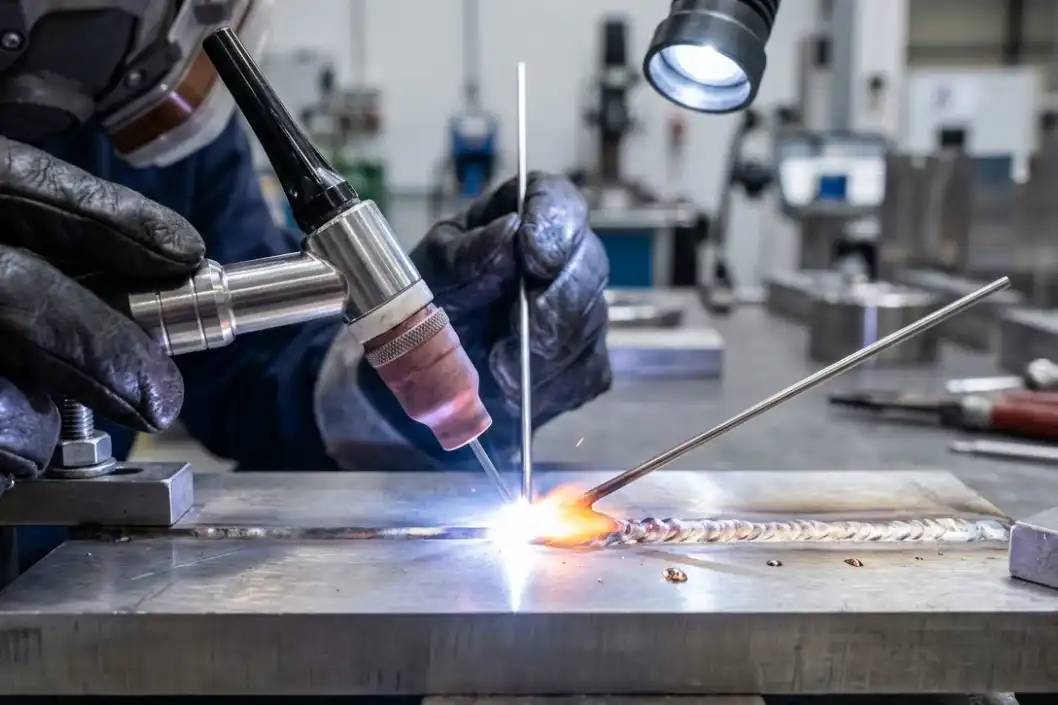
When you weld, you work with two main materials: base metal and filler metal. Each plays a unique role in the welding process. You use the base metal as the main material that forms the structure of your project. The filler metal is the extra material you add to fill gaps and create a strong bond between pieces.
Here are the main differences:
- Base metal gives your weld its shape and strength.
- Filler metal melts during welding and fills the space between base metals.
- You choose the filler metal based on the type of base metal to make sure the weld is strong.
- Filler metal helps improve the joint’s durability and performance.
Tip: Always check the compatibility between your base metal and filler metal before you start welding. This step helps you avoid weak joints and other problems.
If you use an incompatible filler metal, you may see cracks, corrosion, or weak welds. These issues happen because the metals do not bond well. You must match the chemical properties of both materials to get a solid weld.
When to Use Filler Metal
You use filler metal in most welding projects to create a strong joint. Filler metal is essential when you need to fill gaps or join two pieces of metal. It provides extra molten material that bonds the base metals together. You see filler metal used in arc welding methods like shielded metal arc welding (SMAW), gas metal arc welding (GMAW), and submerged arc welding (SAW). You also use it in brazing and soldering.
You must select a filler metal that matches or complements the base metal’s properties. This choice ensures your weld has the right strength and resists corrosion. If you weld two metals with different strengths, pick a filler metal that matches the weaker one. This step keeps your weld from failing. When your project needs heat treatment or stress relief, make sure your filler metal can handle those conditions.
Note: Using the right filler metal helps you avoid problems like brittleness, cracking, and corrosion. Always match your filler metal to your base metal for the best results.
You should know how to pick a good base metal. This choice affects how well your weld works. The right base metal makes your weld strong and saves you money. It helps stop cracks and weak spots. Before you begin, look at this checklist:
| Checklist Item | Description |
|---|---|
| Material Verification | Make sure the grade and size are correct |
| Surface Check | Check that the metal is clean and dry |
| Electrode/Filler Check | Use the right type and make sure it is good |
| Preheat Confirmation | Check the temperature is right |
You can use guides like AWS D1.1 and AWS D1.6. These help you see if your base metal is right for your job. If you are not sure, ask a welding expert for help.
FAQ
What is the difference between base metal and parent metal?
You use both terms to describe the main material you weld. They mean the same thing. The base metal or parent metal forms the structure of your project.
What happens if you use the wrong base metal in welding?
You may see weak welds, cracks, or rust. The finished piece might not last. Always pick a base metal that matches your project needs.
What tools help you identify a base metal?
You can use a magnet, spark test, or chemical test kit. These tools help you know if your metal is steel, aluminum, or another type.
What should you do before welding a base metal?
You should clean the metal. Remove dirt, oil, and rust. This step helps you make a strong weld.
What is the best base metal for beginners?
Mild steel is the best choice. It is easy to weld, strong, and not expensive. You can practice and learn with mild steel.
References
- American Welding Society — AWS D1.1: Structural Welding Code — Steel (AWS) (publisher landing/preview; check latest edition with AWS).
- American Welding Society — AWS D1.6: Structural Welding Code — Stainless Steel (AWS) (standard page / purchase).
- ASME — BPVC Section IX: Welding, Brazing & Fusing Qualifications (ASME, Section IX) (qualification rules).
- ISO — ISO 9606‑1: Qualification testing of welders — Fusion-welding — Part 1: Steels (ISO catalog) (catalog entry; purchase for full text).
- Consumable datasheets — Lincoln Electric E7018 electrode datasheet and ESAB ER70S‑6 welding wire product page (manufacturer technical pages).
These authoritative sources provide the code requirements and consumable specifications referenced in the article; consult the latest edition for compliance and procedure development.