

What Is Lead—and How Dangerous Is It?
Lead is a naturally occurring toxic metal that can damage the brain, nervous system, kidneys, blood-forming system and cardiovascular system. In homes, exposure most often comes from deteriorating old paint and dust, contaminated soil, drinking water that contacts lead plumbing, or lead carried home from work and hobbies.
 Do not disturb suspect paint
If exposure may be happening now
Do not wait for visible symptoms. Many people—especially children—can have harmful exposure without an obvious sign. Use the situation, not appearance, to decide what happens next.
Get urgent help
If someone swallowed a lead object, was involved in a high-dose incident or has severe neurological or gastrointestinal symptoms after a plausible exposure, contact emergency services or a poison center now.
Call a clinician
Ask whether a blood lead test is needed after known or suspected exposure. A blood test—not symptoms or a home environmental kit—is how current exposure is assessed medically.
Stop making dust
Do not dry-sand, grind, torch or demolish suspect coatings. Isolate the area and contact a certified lead professional before work continues.
Reduce contact
Use cold water for drinking and cooking, follow utility-specific flushing advice and use a filter certified for lead reduction while arranging proper testing.
What is lead, and why does it stay dangerous?
Lead, chemical symbol Pb and atomic number 82, is a dense, soft metal that does not break down into a harmless substance in the environment. Its resistance to corrosion, low melting point and easy formability once made it attractive for pipes, solder, pigments, batteries, ammunition and many industrial products. Those same uses distributed lead through buildings, soil and workplaces for generations.
Inside the body, lead interferes with normal biological processes rather than serving any useful function. It can disrupt nervous-system development, heme production and kidney function. After exposure, some lead circulates in blood and soft tissue; some can be stored in bones and later re-enter the bloodstream, including during pregnancy.
That persistence explains why stopping exposure is the first priority. A treatment cannot make an unsafe home, contaminated workplace or lead plumbing safe by itself. The source must be identified and controlled.
Technical context: ATSDR Toxicological Profile for Lead and WHO lead poisoning fact sheet.
“Below the reference value” does not mean “safe.” CDC’s 3.5 µg/dL childhood blood lead reference value identifies children with more lead in their blood than most children; it is a public-health prioritization value, not a safety boundary.
Developmental effects can occur before a family sees a classic sign of poisoning. A clinician uses exposure history and blood testing—not symptom checking alone—to assess risk.
Household exposure is often indirect: contaminated hands, toys, floors, windowsills, food-preparation areas, work clothes or water that contacted lead-containing plumbing.
Cleaning, containment, plumbing replacement, certified renovation practices and workplace controls prevent new lead from entering the body. Medical care does not replace source control.
Where does lead hide in homes, water and daily life?
The age of a building is a clue, not a diagnosis. A home can have several sources at once, and the source contributing most to a child’s blood lead level may not be the one that looks most dramatic.
Pre-1978 coatings
Lead-based paint can remain under newer layers. Intact, well-maintained paint may be managed in place, but peeling surfaces, impact, window friction, sanding and renovation can create contaminated chips and fine dust.
Best evidence: certified inspection or risk assessmentService lines and fixtures
Lead can enter water when lead pipes, solder, faucets or fittings corrode. Longer stagnation, warmer water, plumbing disturbance and water chemistry can change the amount released at a tap.
Best evidence: service-line records plus certified lab testingLegacy contamination
Old exterior paint, former leaded gasoline, industrial emissions, firing ranges and nearby lead work can contaminate soil. Bare soil can move indoors on shoes, pets, tools and windblown dust.
Best evidence: risk assessment and laboratory soil analysisTake-home lead
Construction, painting, metal recycling, battery work, shooting, casting, stained glass and some repair activities can leave lead on skin, hair, clothing, vehicles, tools and phones.
Best control: stop contamination before it leaves the work areaCeramics, spices and remedies
Some imported pottery glazes, cosmetics, traditional remedies, spices, toys, jewelry and cookware have caused exposure. Risk is product- and origin-specific; appearance alone cannot verify safety.
Best response: follow health-department and recall guidanceCoatings, alloys and waste
Lead may be present in structural coatings, cable sheathing, radiation shielding, solder, ballast, batteries and process residues. Cutting, heating, abrasive cleaning or recycling can create inhalable dust and fume.
Best control: material characterization and exposure assessmentLead sealed beneath intact paint or isolated inside an undisturbed product is different from lead dust on a child’s hands or dissolved lead in drinking water. A good investigation asks: Is lead present? Is it accessible? Is it moving? Who is contacting it? What test can prove the pathway?
How dangerous is lead inside the body?
Lead can affect almost every organ system. The risk depends on dose, duration, exposure route, age, pregnancy, nutrition and individual health. Harm can develop without a distinctive symptom pattern, which is why a plausible exposure history should lead to testing rather than reassurance based on how someone feels.
In children, lead can impair brain and nervous-system development, affecting learning, attention, behavior, hearing and academic achievement. Severe exposure can cause seizures, coma and death.
Lead interferes with heme synthesis, the process required to make hemoglobin. Sustained or higher exposures can contribute to anemia and reduced oxygen-carrying capacity.
Adult exposure is associated with kidney damage, increased blood pressure and cardiovascular effects. Occupational exposure may accumulate before symptoms are recognized.
Lead stored in bone can be released during pregnancy and cross to the fetus. Exposure is associated with miscarriage, preterm birth, reduced fetal growth and developmental harm.
Higher exposure may cause abdominal pain, constipation, nausea, weakness, tingling or motor problems. These symptoms overlap with many conditions and do not confirm lead poisoning.
Lead may be stored in bones for years or decades. A current blood result primarily reflects recent or ongoing exposure and must be interpreted with the person’s history by a clinician.
Start with the concern that is closest to yours
This planner routes you toward the right type of evidence and professional. It does not calculate medical risk or declare a home safe.
What prompted the concern?
Choose one route. If several apply, begin with the child/pregnancy route and then investigate every plausible source.
Ask a clinician about a blood lead test
Children may have no obvious symptoms. Tell the clinician about the home age, renovation, water, soil, imported products and any household member who works with lead.
How should you test blood, paint, water, dust and soil?
Different tests answer different questions. A blood test measures exposure in a person; an environmental test finds a potential source. One cannot substitute for the other.
| What you are testing | Question answered | Preferred route | Important limitation |
|---|---|---|---|
| Blood | Has a person had recent or ongoing lead exposure? | Healthcare-provider blood lead test; follow CDC confirmation guidance for elevated capillary results. | Symptoms are unreliable. A result does not identify the source and does not summarize every past exposure stored in bone. |
| Paint | Does a painted component contain lead-based paint? | Certified inspector or risk assessor using approved methods; accredited laboratory for appropriate samples. | A consumer swab may not characterize every layer, component, dust pathway or renovation obligation. |
| House dust | Is accessible dust contaminated after deterioration or work? | Certified risk assessment or clearance sampling with laboratory analysis. | A clean-looking surface is not proof of low lead dust. Vacuuming without the right equipment can spread contamination. |
| Drinking water | How much lead is present at a specific tap under a defined sampling condition? | State- or local-certified drinking-water laboratory using instructions matched to the question. | Lead can vary by tap, stagnation time, plumbing disturbance and sampling method. A single sample may not represent every condition. |
| Soil | Is soil a contact or tracking hazard? | Certified risk assessor or qualified laboratory using representative samples. | One grab sample can miss hotspots. Interpretation depends on land use, bare soil, child access and local standards. |
| Service line | Is the pipe from the water main to the building made of lead, galvanized material requiring replacement or another material? | Utility inventory and records, followed by qualified physical verification when material is unknown. | A visual scratch or magnet check examines only an accessible section and may not identify every segment. |
EPA recommends certified professionals for lead paint inspection and risk assessment, and certified laboratories for drinking-water testing. Local rules, sampling protocols and response levels differ; follow your health department, utility and regulator.
Old paint becomes most dangerous when it moves as dust
In the United States, residential consumer use of lead-based paint was banned in 1978. EPA says roughly three-quarters of pre-1978 homes still contain some lead-based paint. That does not mean every old house requires immediate removal: paint that is intact, inaccessible and properly maintained may be managed in place. Deterioration, friction and renovation change the risk.
Windows and doors deserve special attention because opening, closing and rubbing can generate dust even when the wall paint looks acceptable. Renovation can create a much larger release by sanding, cutting, drilling, replacing windows, demolishing surfaces or heating coatings.
Official guidance: EPA Renovation, Repair and Painting Program.

Lead usually enters water from plumbing—not the source water
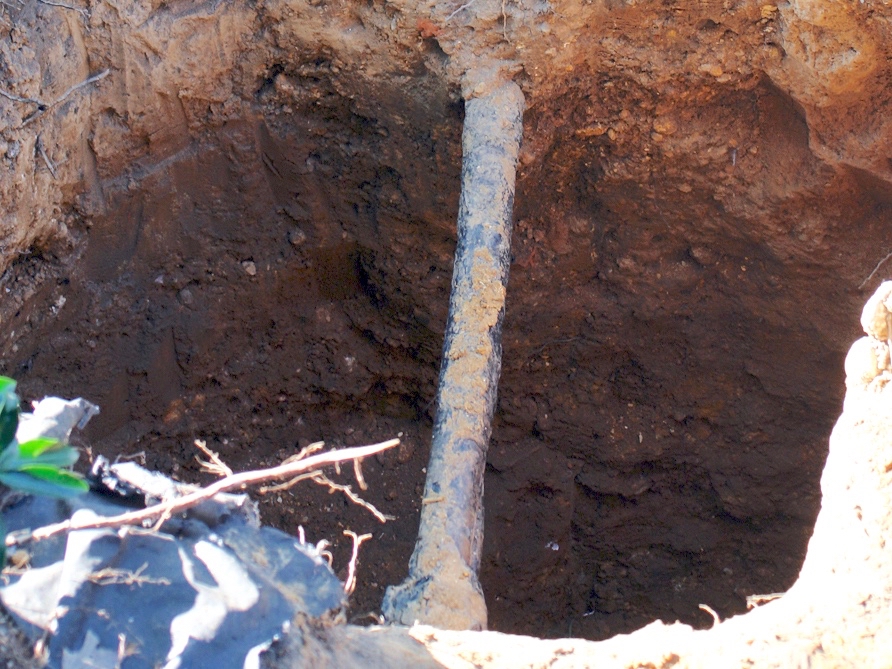
Lead can leach or release as particles when water contacts lead service lines, old solder, brass fixtures or galvanized pipe that accumulated lead. The amount can change with water chemistry, temperature, stagnation, pipe condition and nearby construction. You cannot see, smell or taste dissolved lead.
EPA’s current lead service line page estimates that about four million lead service lines remain in U.S. communities. Utilities developed service-line inventories under federal rules, so checking the inventory and contacting the water system is a practical first step.
Official guidance: EPA Basic Information about Lead in Drinking Water.
Lead can come home on clothing, shoes, hair, tools and vehicles
Take-home exposure turns an occupational problem into a household one. Children can contact invisible residues on car seats, entry floors, laundry, phones and tools even if they never enter the worksite.
Keep lead at work
The most effective strategy is to control dust and fume at the source, then prevent contaminated items from leaving the controlled area.
Sources: NIOSH Leave Lead at Work and OSHA Lead Overview.
Can laser cleaning remove lead-based paint?
Laser ablation can remove some coatings from compatible substrates, but it does not make lead disappear. Energy delivered to a lead-containing coating can create airborne particulate, fume and captured residue that must be characterized, contained, extracted, filtered and managed under applicable hazardous-material and worker-protection rules.
That makes lead coating removal an engineering-control problem, not a handheld-machine demonstration. The project needs material confirmation, representative testing, a controlled laser area, reflection and fire assessment, source-capture extraction, worker exposure evaluation, waste planning and post-work verification.

Six lead claims that create false confidence
Lead decisions often fail because a true fragment is turned into a universal rule. Use these corrections before testing or renovating.
“No symptoms means no exposure.”
False. Children and adults may have elevated blood lead without distinctive symptoms. A plausible exposure requires testing and source investigation.
“Boiling water removes lead.”
False. Boiling removes water, not lead, and may increase the concentration. Use cold water, appropriate flushing and a certified lead-reduction filter.
“Every pre-1978 home is unsafe.”
Incomplete. Older housing is more likely to contain lead paint, but risk depends on condition, accessibility, dust, renovation and who occupies the home.
“A hardware-store swab clears the house.”
False. A spot test cannot replace a certified inspection or risk assessment of paint, dust and soil, especially before high-impact work.
“Lead water is unsafe for showering.”
Usually false for inorganic lead in water. EPA says bathing and showering are generally safe because skin does not absorb lead in water; drinking and cooking are the primary concerns.
“Pencil lead is toxic lead metal.”
False. Pencil cores are graphite and clay. The name is historical; they do not contain the metal lead used in pipes, pigments or batteries.
A conservative 72-hour lead action plan
The objective is not to solve every hazard in three days. It is to stop avoidable exposure, identify the right test and prevent an uninformed renovation or plumbing decision.
Act in the right order
People first, source second, permanent control third. Do not begin demolition or expensive replacement based only on a consumer screening result.
Control the immediate pathway
Keep children away from peeling paint, stop dust-generating work, wet-clean accessible dust, remove work shoes before entering living areas, use cold water for consumption and follow utility advice.
Contact the correct professional
Call a clinician for blood testing questions, the utility for service-line status, a certified lab for water, or a certified lead inspector/risk assessor for paint, dust and soil.
Choose a permanent solution
Use a written scope for full line replacement, paint stabilization or abatement, containment, cleanup, waste, clearance and occupant protection. Verify credentials and local requirements.

Unknown service-line material deserves an answer
A visible basement pipe does not necessarily reveal the material of the full line between the main and the building. Use the utility’s inventory, records and qualified verification. If a line is lead or galvanized requiring replacement, ask who owns each segment, how replacement will be coordinated and how post-work flushing and testing will be handled.
- Confirm both utility- and property-side material.
- Ask how disturbances and partial work will be controlled.
- Get a written replacement and restoration scope.
- Follow utility instructions after the work.
Lead in homes and drinking water FAQ
These answers are intentionally conservative. Local health departments, utilities, clinicians and certified lead professionals may give more specific instructions for your location and exposure.
Is any amount of lead safe?
No known level of lead exposure is considered without harmful effects. CDC’s 3.5 µg/dL childhood blood lead reference value identifies children whose levels are higher than most U.S. children; it is not a safety threshold. Prevention aims to remove or control exposure.
Can I tell whether someone has lead poisoning from symptoms?
No. Symptoms can be absent or resemble many other illnesses. A healthcare-provider blood lead test is needed to assess current exposure. Severe symptoms after a plausible acute incident require urgent medical or poison-center advice.
Does boiling drinking water remove lead?
No. Boiling does not remove lead and may concentrate it as water evaporates. Use cold water, follow utility flushing advice and use a filter independently certified for lead reduction when recommended.
Is it safe to shower in water that contains lead?
EPA says bathing and showering are generally safe because human skin does not absorb inorganic lead from water. The principal concerns are swallowing the water and using it for drinking, cooking or infant formula. Individual circumstances may require local advice.
How do I know whether my tap water contains lead?
You cannot see, smell or taste dissolved lead. Check the utility’s service-line inventory, contact the water system and use a state- or local-certified drinking-water laboratory. Follow the sampling instructions exactly because stagnation time and sample sequence affect results.
Can a home test kit prove paint is lead-free?
Not reliably for a whole home or renovation decision. EPA recommends a certified lead inspector or risk assessor. Accredited laboratories can analyze appropriate paint-chip, dust or soil samples. Consumer swabs have limited scope and may miss layers or hazards.
Is all paint in a pre-1978 home dangerous?
Older housing is more likely to contain lead-based paint, but risk depends on whether lead is present, paint condition, friction, child access, dust and renovation. Intact paint may sometimes be managed, while peeling paint or disturbed surfaces need professional evaluation.
Can I remove lead paint myself?
Disturbing lead paint can create dangerous dust. Rules vary, but EPA recommends certified lead-safe contractors for pre-1978 work. Paid work in covered U.S. housing and child-occupied facilities generally falls under the RRP program. Never dry-sand, grind or burn suspect paint.
Can a water filter remove lead?
A filter can reduce lead only if it is certified for lead reduction, installed and used correctly, and replaced on schedule. Check the specific claim and certification; a basic taste-and-odor filter is not automatically a lead filter.
Can laser cleaning remove lead-based paint?
Laser ablation may remove some lead-containing industrial coatings, but it can generate lead-containing particulate, fume and residue. It requires material testing, containment, source-capture extraction, exposure controls and waste planning. It is not a DIY residential lead-remediation method.
Is the “lead” in pencils the same metal?
No. Pencil cores are made primarily from graphite and clay. They do not contain the toxic metal lead used historically in paint, pipe, solder, batteries and other products.
What should I do if work may be bringing lead home?
Tell the employer or safety representative, use the workplace lead control plan, change clothing and shoes before leaving, shower when available, keep contaminated items out of vehicles and living areas, and ask a clinician whether blood lead testing is appropriate.
Official sources used for this guide
Health, testing, renovation and water guidance can change. Use these primary sources and local authorities for the current requirements that apply to your home, workplace or project.
Need to assess an industrial lead-coating removal application?
Send the substrate, coating history or laboratory result, component geometry, work location, required surface condition, annual volume, ventilation constraints and local compliance requirements. Oceanplayer can discuss whether a controlled sample study is technically appropriate. Residential lead hazards should be directed to certified local remediation and public-health professionals.
This page provides general education, not medical diagnosis, treatment, environmental clearance, legal advice or a guarantee that any removal method is suitable. Regulations, health actions and local programs vary. For personal exposure, contact a healthcare provider or public-health authority; for residential paint, use certified lead professionals; for workplace exposure, follow employer and regulatory requirements.