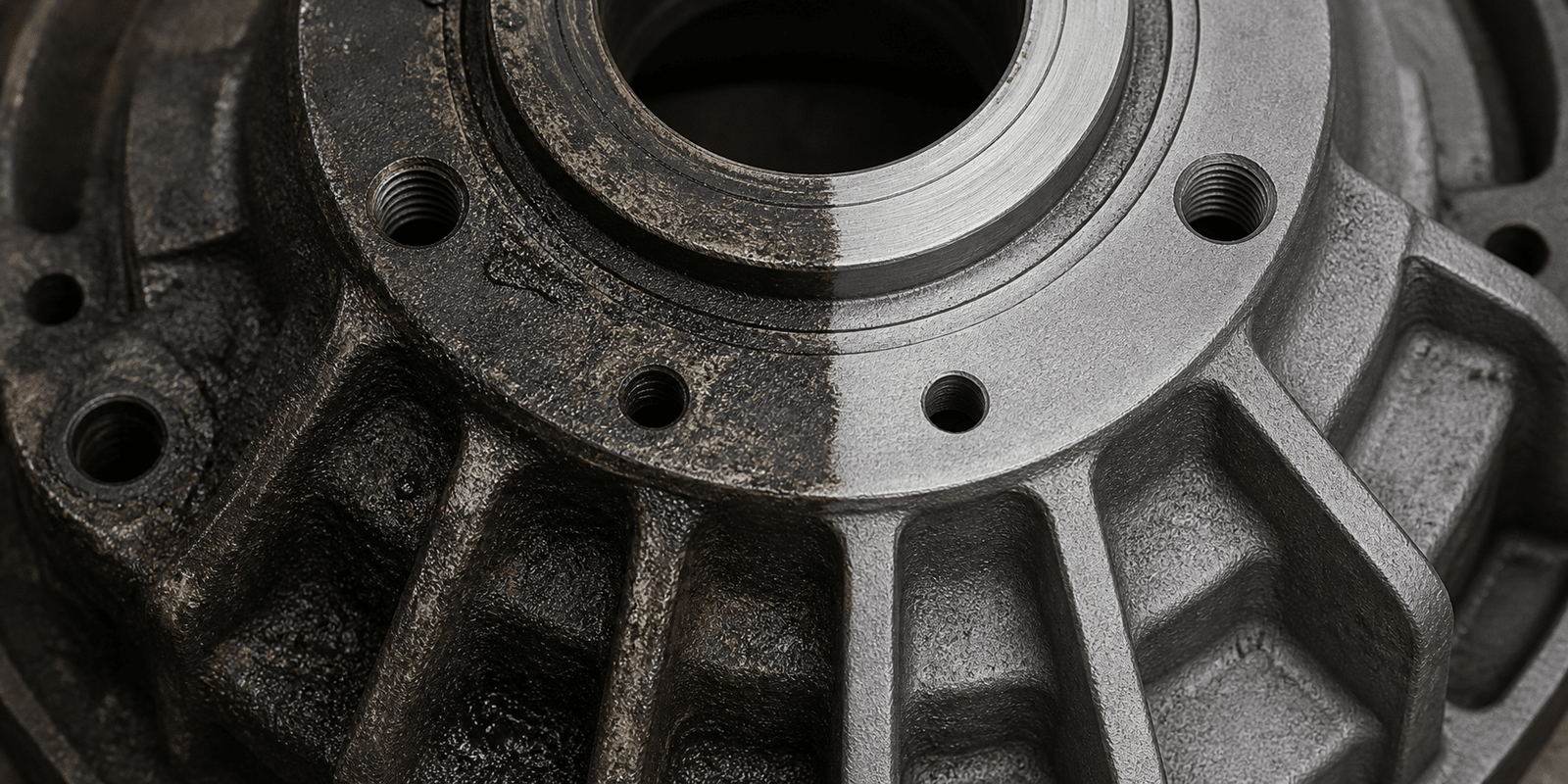
Laser Cleaning for Metal Parts to Remove Rust, Oil, Oxide and Coating Residue.
Oceanplayer laser cleaning solutions help clean stainless steel, carbon steel, aluminum, galvanized parts, molds, tools, machine components and fabricated metal parts. Remove surface contamination before welding, coating, repair, assembly or inspection with a dry and controllable process.
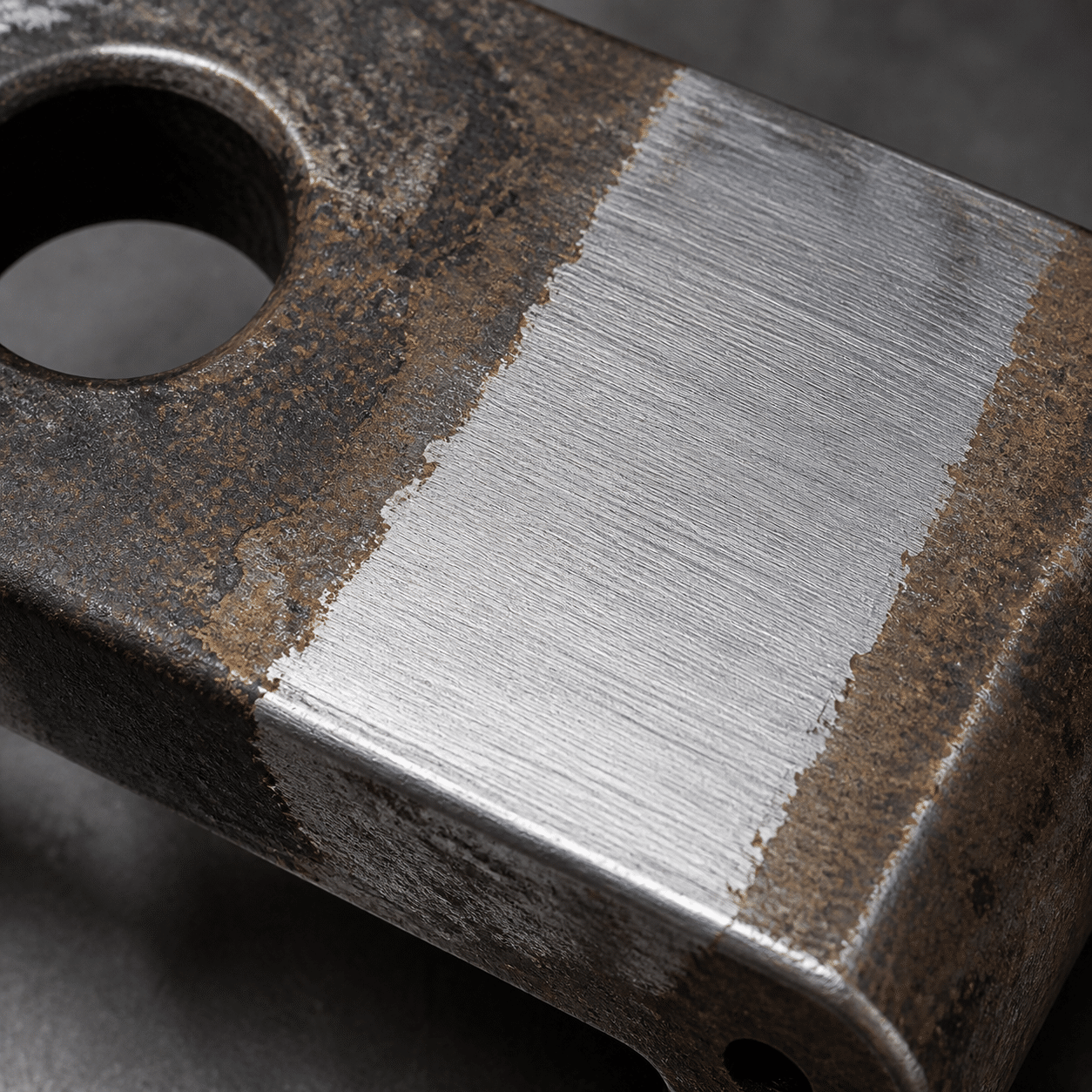
- Rust, oxide, oil and paint removal
- Precision and heavy-duty metal cleaning
- Sample cleaning test available
Metal parts often need cleaning without damaging the base material
Traditional cleaning can be slow, dusty, chemical-heavy or inconsistent on detailed parts. Laser cleaning offers a controlled option for many maintenance and production tasks.
Rust and oxide affect performance
Rust, oxide and surface scale can affect welding, coating adhesion, assembly fit, inspection results and product appearance.
Oil and grease are hard to remove cleanly
Laser cleaning can help remove selected oil, grease and residue before repair, welding, marking or surface preparation.
Parts may need base material protection
Precision parts, molds and thin components often need controlled cleaning to avoid unnecessary abrasion, roughness or dimensional change.
Where laser cleaning helps metal part production and maintenance
Laser cleaning can be used for metal parts that need surface restoration, weld preparation, coating preparation, maintenance cleaning or controlled residue removal.
- Rust removal from steel parts, tools, frames, fixtures and machinery components.
- Oxide removal from stainless steel, aluminum parts and weld preparation areas.
- Oil, grease, release agent and residue removal before welding, coating or assembly.
- Paint, coating and plating residue removal from selected repair and rework zones.
- Mold cleaning, tool cleaning, part refurbishment and production maintenance tasks.
Match the cleaning process to the surface layer you need to remove
Different contaminants need different laser power, pulse control, scan speed and cleaning path. Sample testing helps confirm speed and surface finish.
Clean corrosion and oxide layers
Useful for steel parts, stainless steel surfaces, aluminum oxide, tooling and maintenance components.
- Supports selective cleaning zones
- Good for repair and pre-weld cleaning
- Choose pulsed or CW by thickness and speed
Remove surface residue before processing
Suitable for metal parts that need cleaner surfaces before welding, bonding, marking, coating or inspection.
- Dry process for many workflows
- Useful for local cleaning areas
- Fume extraction may be required
Strip selected coating areas
Laser cleaning can remove coating from defined repair zones, weld zones, contact surfaces and marked areas.
- Good for controlled local stripping
- Check coating thickness and chemistry
- Confirm edge quality before production
Select the laser cleaner by metal part and cleaning workload
The best choice depends on part material, contamination thickness, required surface finish, cleaning speed, part geometry and daily workload.
| Metal Cleaning Need | Common Laser Choice | Best Use | What To Check |
|---|---|---|---|
| Precision cleaning on metal parts | Pulsed laser cleaner | Molds, tools, thin parts, stainless steel and aluminum | Heat input, surface finish, cleaning width and base material protection |
| Heavy rust or paint removal | CW laser cleaner | Steel structures, frames, large parts and repair cleaning | Cleaning speed, layer thickness, fume control and surface roughness |
| Flexible maintenance cleaning | Handheld laser cleaning machine | Repair shops, fabrication, mixed parts and field maintenance | Access, cable reach, operator safety and cleaning path width |
| Repeat production cleaning | Robotic laser cleaning system | Automotive parts, fixtures, welded assemblies and production cells | Robot path, fixture repeatability, cycle time and extraction |
| Small precision parts | Pulsed cleaner or workstation | Tools, molds, electronics metal parts and controlled areas | Part holding, focal distance, surface finish and repeatability |
Review laser cleaning results across common metal parts
Use these positions for your before-and-after images showing rust removal, oxide removal, oil cleaning, paint stripping, mold cleaning and tool restoration.
Watch laser cleaning on real metal parts
Review cleaning speed, surface finish, cleaning width and operator workflow before choosing a handheld, workstation or robotic setup.
Choose a metal cleaning setup that fits your parts and workflow
Laser cleaning can be configured for flexible maintenance, controlled workstation cleaning, batch production or robotic automation.
Handheld Metal Cleaning
Best for repair shops, fabrication, maintenance, large parts and mixed cleaning tasks.
Precision Pulsed Cleaning
Useful for molds, tools, thin materials, stainless steel, aluminum and lower heat input requirements.
High-Speed CW Cleaning
Suitable for heavier rust, paint stripping and faster cleaning on larger steel surfaces.
Enclosed Workstation
Improves safety, part holding and repeatability for small or medium metal components.
Robotic Cleaning
Supports repeat paths, fixtures, production cells and automated cleaning before welding or assembly.
Fume Extraction
Important when removing oil, paint, coating, oxide or mixed surface residue in production areas.
Confirm these details before selecting a metal parts laser cleaner
Good recommendations depend on material, contamination, surface requirement, part geometry, daily output and safety layout.
Metal material
Share stainless steel, carbon steel, aluminum, galvanized steel, copper alloy, tool steel or mixed material details.
Contaminant type
Confirm rust, oxide, oil, grease, paint, coating, carbon deposit, release agent or mixed residue.
Surface requirement
Confirm whether the part needs welding, coating, bonding, marking, assembly, inspection or restoration after cleaning.
Part size and shape
Flat parts, molds, tools, pipes, frames, cavities and curved parts need different access and cleaning paths.
Cleaning volume
Daily quantity, cleaning area and target cycle time help decide handheld, workstation or robotic configuration.
Safety and extraction
Laser safety, fume extraction, part holding and operator movement should be considered before installation.
Send your metal parts and confirm the cleaning result before choosing a machine.
Share material, contaminant, surface requirement, part size, cleaning area and daily workload. Oceanplayer can help recommend pulsed, CW, handheld, workstation or robotic cleaning options.
Share Part Details
Send material, contaminant, part size, cleaning area and sample photos.
Test Cleaning Effect
Check cleaning speed, surface finish, residue removal and base material impact.
Choose Configuration
Select pulsed, CW, handheld, workstation or robotic cleaning setup.
Explore more Oceanplayer laser cleaning resources
Compare related pages to choose the right cleaning system for your metal material, contamination and production workflow.