oceanplayer

Oceanplayer Laser Equipment | Cleaning, Welding, Marking, Automation Sample Testing | Global Shipping | OEM/ODM Support
Laser Oil & Grease Removal

Laser Oil & Grease Removal for Cleaner Welding, Coating and Maintenance Surfaces.

Oceanplayer laser oil and grease removal solutions help clean lubricant residue, machining oil, grease film, carbonized oil and surface contamination from metal parts. Use laser cleaning before welding, coating, bonding, inspection or repair when solvent wiping, alkaline washing or manual cleaning is not consistent enough.
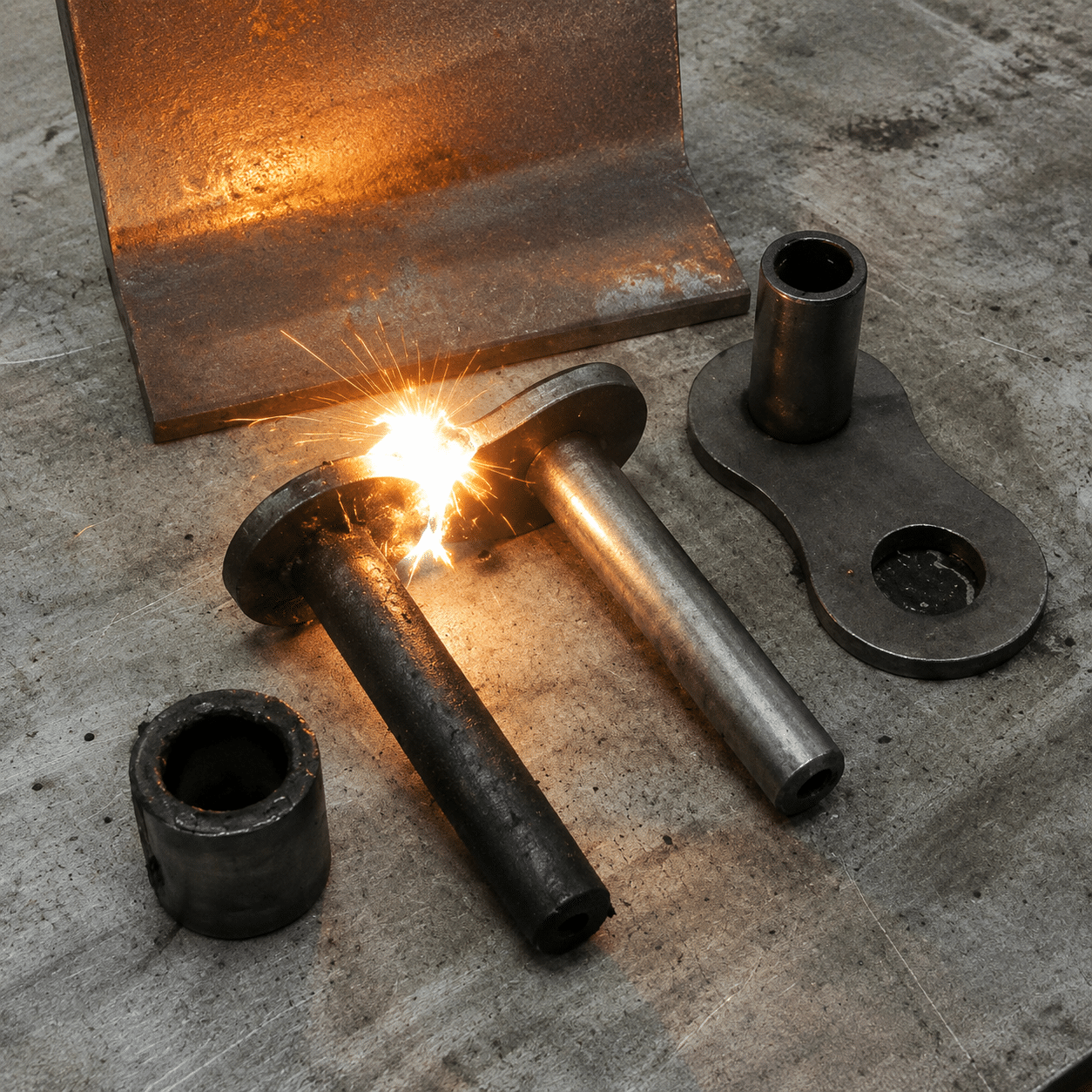
  • Oil film and grease removal
  • Welding and coating preparation
  • Sample cleaning test available
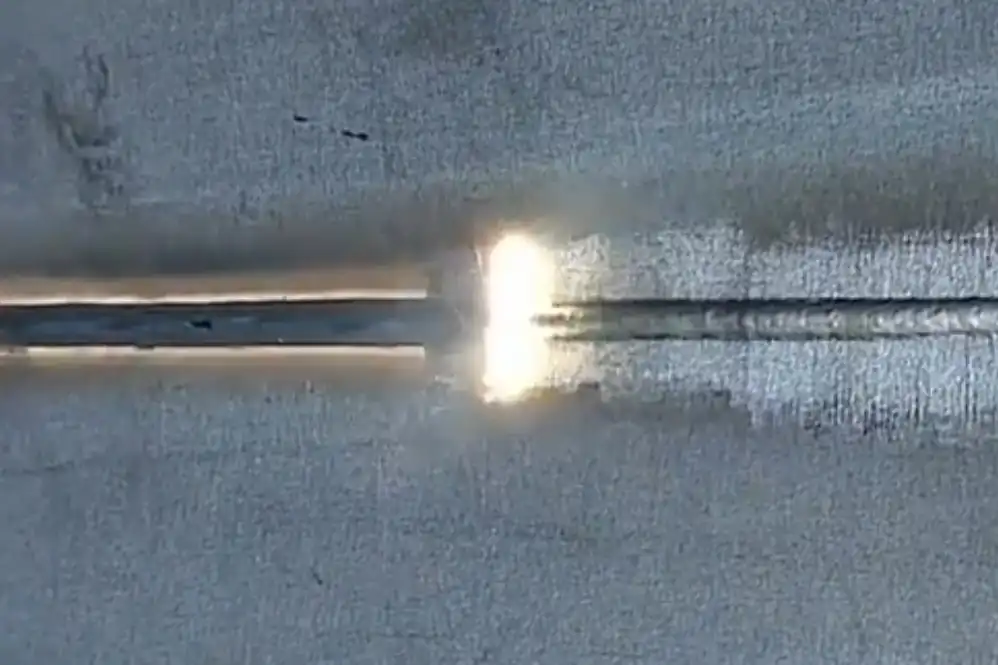
Laser oil and grease removal from metal surface before welding or coating
Dry surface cleaningRemove oil residue without soaking or abrasive media
PulseFine residue control
CWLarger surface cleaning
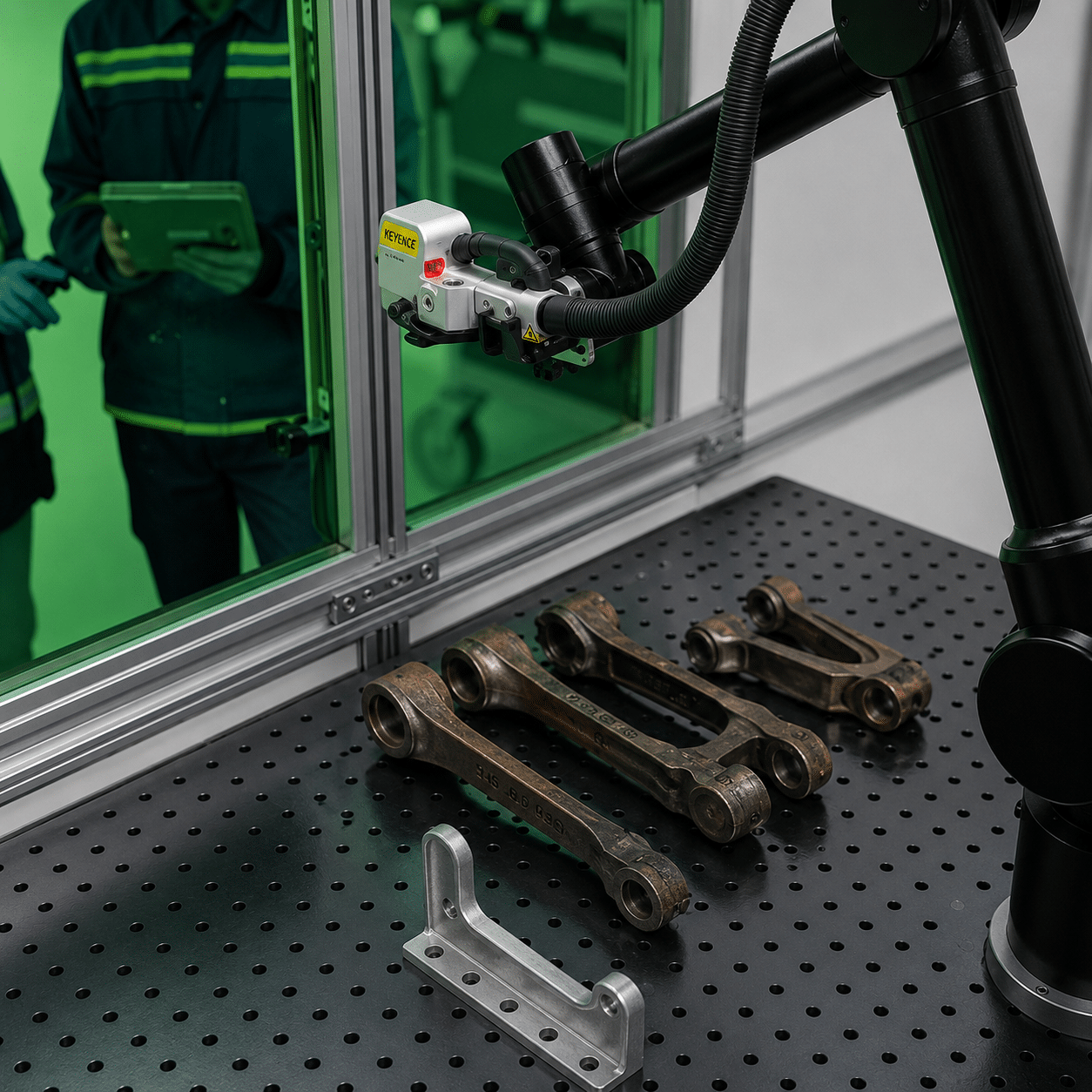
RobotRepeatable part paths
Pre-Weld CleaningReduce oil contamination before welding or brazing
Coating PreparationImprove surface cleanliness before painting or bonding
Dry ProcessReduce solvent use, wiping labor and wastewater handling
Sample Cleaning TestConfirm residue removal speed and final surface condition
Customer Questions

Key questions before using laser oil and grease removal

Before choosing a laser cleaning process, confirm the residue type, film thickness, base material, next process requirement and whether smoke extraction is needed for your work area.

Can it remove oily residue?

Laser cleaning can remove many oil films, grease residues, machining fluids and carbonized contamination from metal surfaces.

Will it affect the base material?

Pulsed laser cleaning is often preferred when the part surface must stay controlled before welding, coating, bonding or inspection.

Is it faster than wiping?

Laser cleaning can improve repeatability on selected parts, especially when manual wiping leaves inconsistent residue or depends heavily on operator skill.

Application Fit

Where laser oil and grease removal works best

Laser oil and grease removal is useful when a clean metal surface is needed before a quality-sensitive process, or when wet cleaning creates drying time, residue or disposal issues.

  • Pre-weld cleaning for stainless steel, aluminum and carbon steel parts.
  • Machining oil removal before coating, bonding or inspection.
  • Grease cleaning on tools, molds, fixtures and maintenance parts.
  • Localized cleaning where only selected areas need treatment.
  • Automated cleaning for repeated production parts and assembly lines.
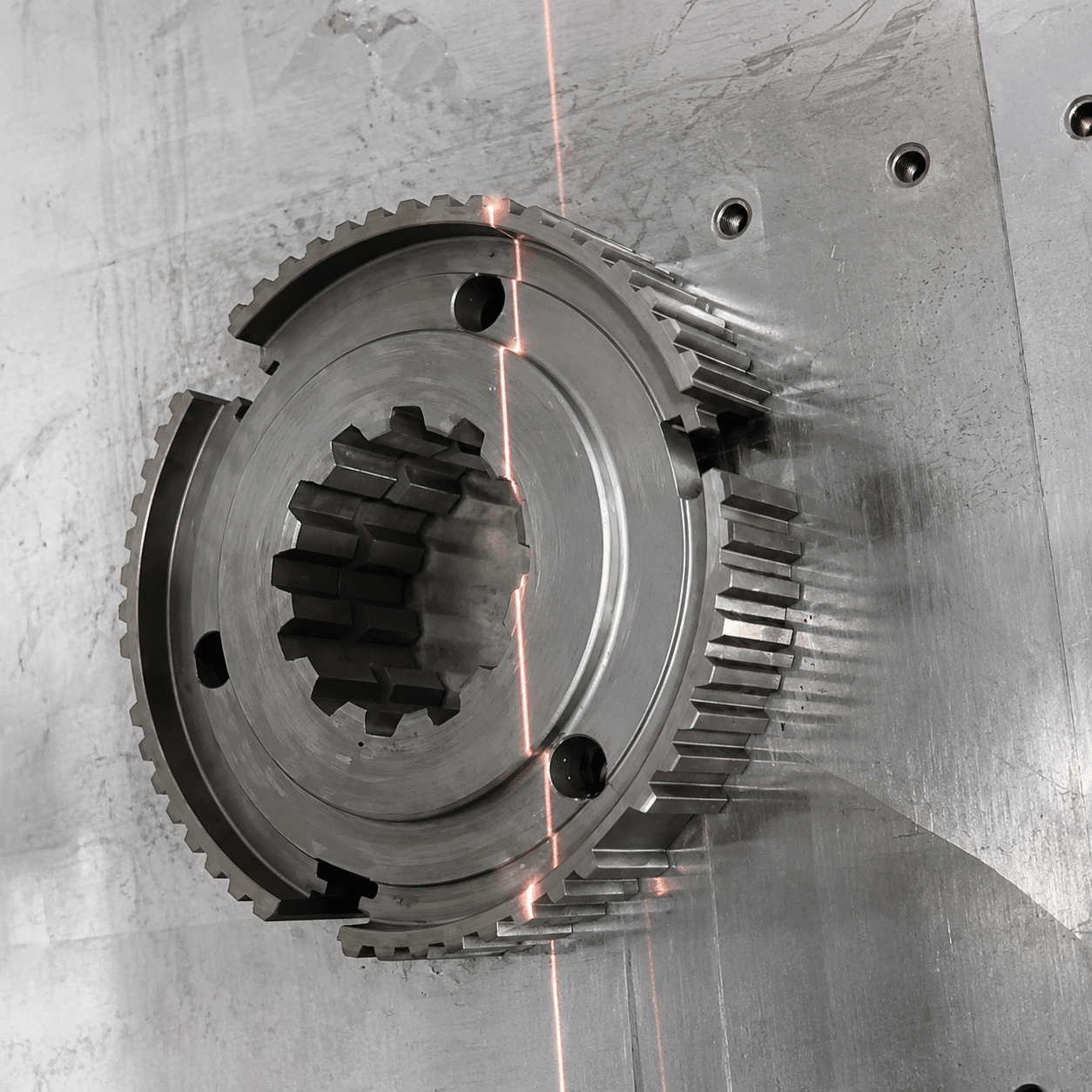
Laser oil and grease removal application on industrial metal part
Method Comparison

Laser oil removal compared with solvent wiping, alkaline washing and steam cleaning

Oil and grease cleaning methods differ in drying time, labor consistency, wastewater handling and ability to clean selected areas.

MethodBest ForMain ConcernWhy Choose Laser
Laser Oil & Grease RemovalLocalized dry cleaning, weld prep, coating prepNeeds proper extraction and parameter testingDry, selective and easier to automate for repeated parts
Solvent WipingSmall parts and quick manual cleaningOperator consistency, solvent handling and residueLaser improves repeatability and reduces solvent dependence
Alkaline WashingBatch cleaning and full-part degreasingWater treatment, drying and process footprintLaser can clean selected areas without washing the whole part
Steam CleaningMaintenance cleaning and heavy grease softeningMoisture, drying time and access limitationsLaser provides dry cleaning for selected metal surfaces
Choose The Right Laser

Pulsed or CW laser cleaner for oil and grease removal?

The right choice depends on residue type, surface sensitivity, cleaning area, daily workload and whether the process is manual, mobile or automated.

Precision

Pulsed Laser Degreasing

Better for thin oil films, precision parts, aluminum, tools and areas where heat input must be controlled.

  • Lower thermal impact
  • Fine residue control
  • Good for pre-weld cleaning
Production

Handheld or Robotic Cleaning

Handheld systems fit repair work and changing parts, while robotic cleaning supports repeatable cleaning zones in production.

  • Flexible manual cleaning
  • Repeatable part paths
  • Better process consistency
Cleaning Results

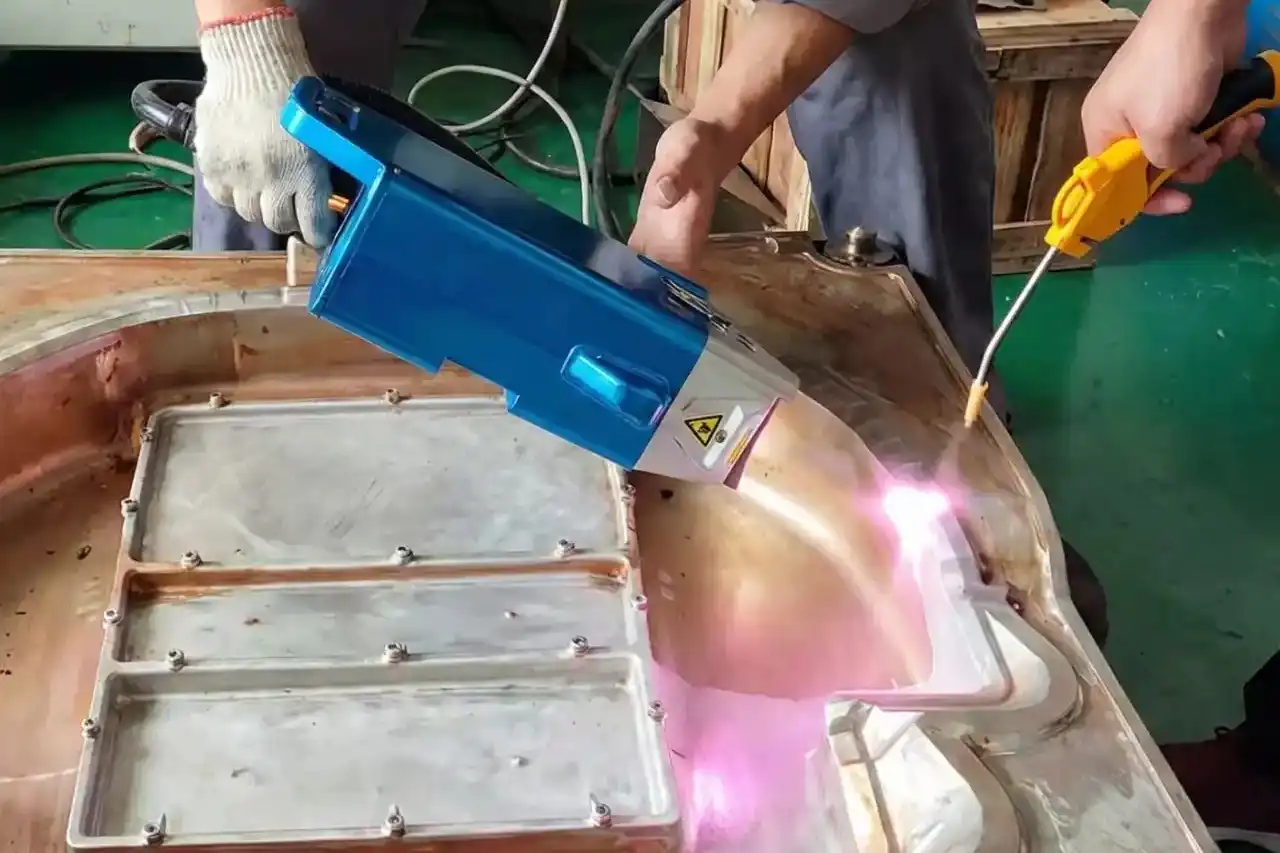
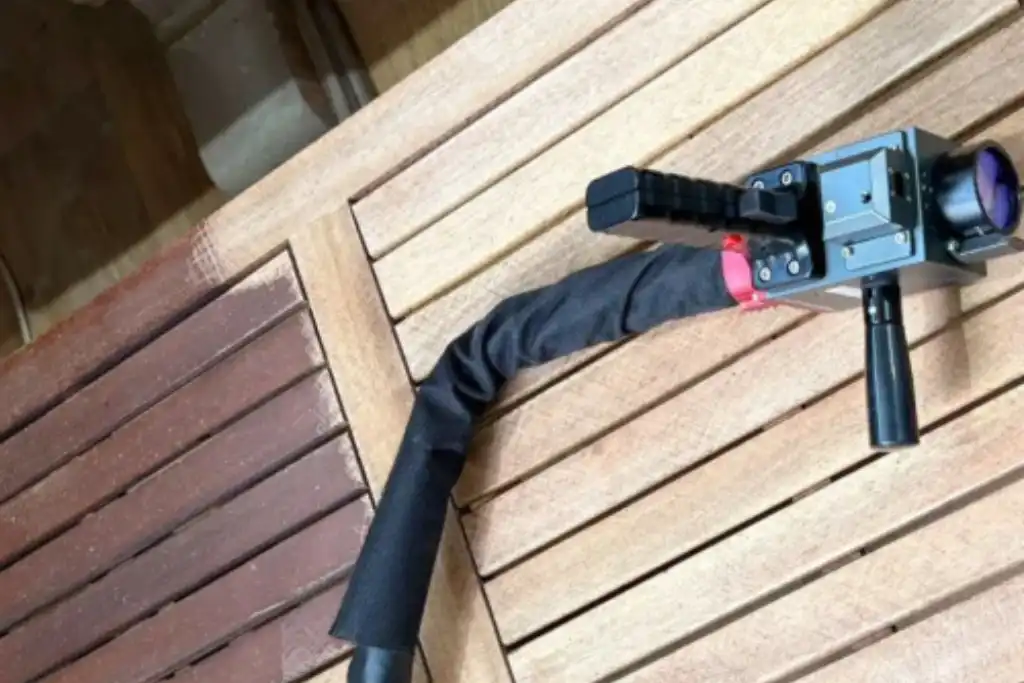
See laser oil and grease removal results on different metal parts

Review common cleaning results for machining oil, grease film, weld preparation, coating preparation and localized maintenance cleaning.
Cleaning Workflow

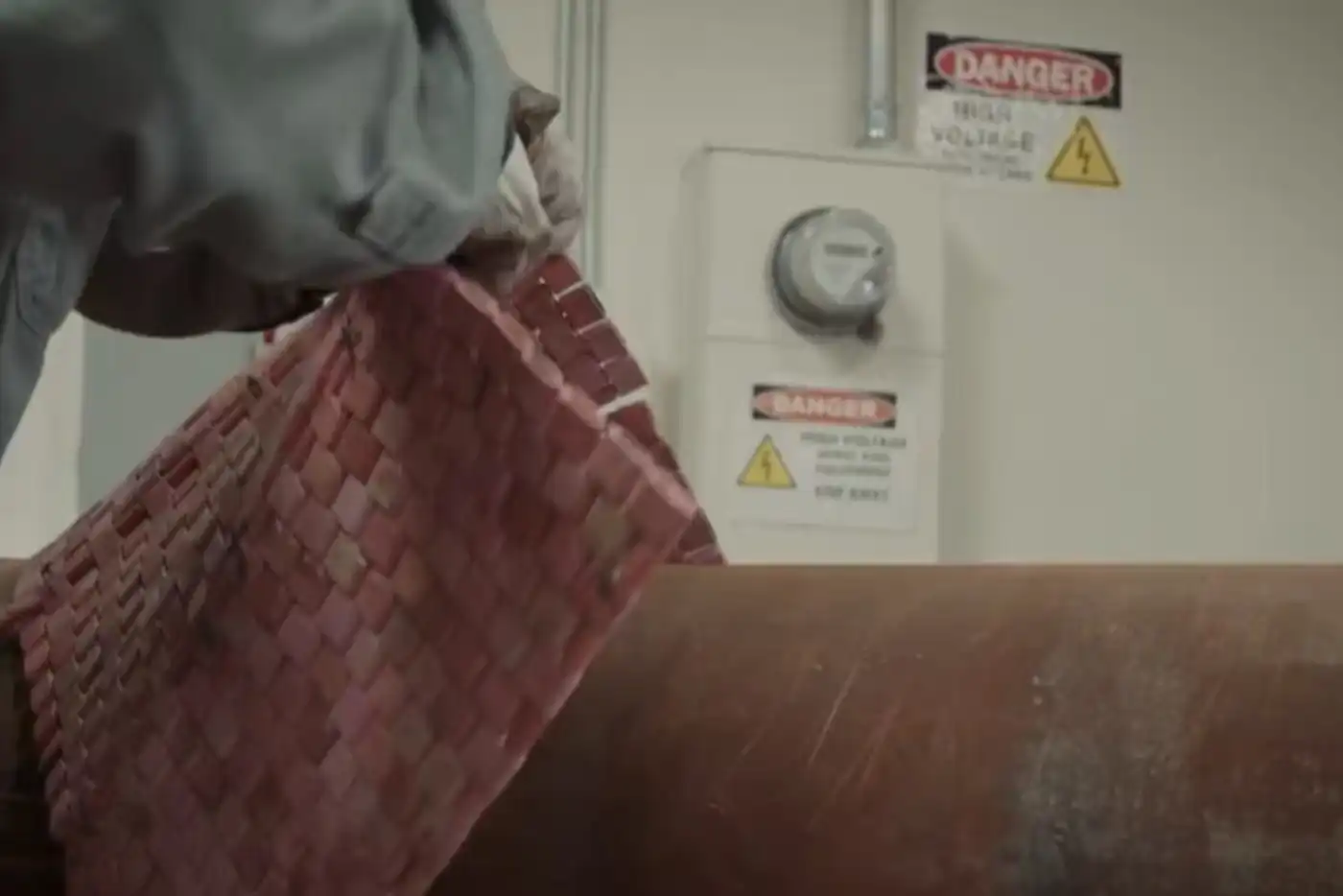
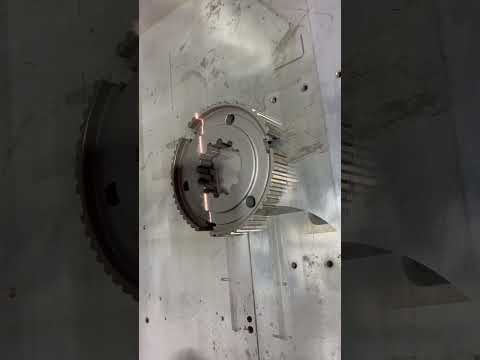
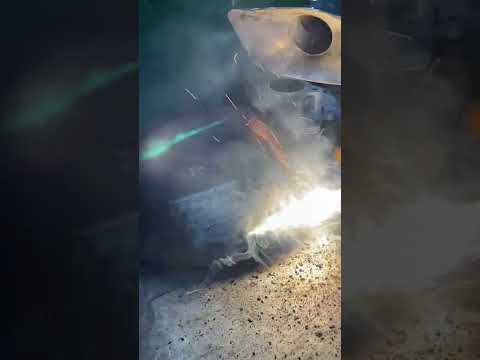
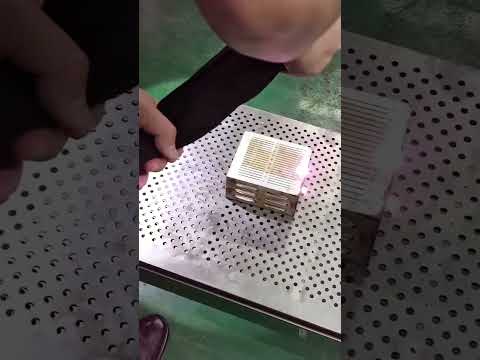
Watch laser oil and grease removal on real metal surfaces

See how laser cleaning works on oily metal parts, including cleaning speed, smoke extraction, operator movement and final surface condition.
Before You Choose

Check the details that decide whether laser oil removal is right for your job

To get the right cleaning result, confirm residue type, metal surface, next process, daily cleaning area and extraction requirements.

What residue needs removal?

Light oil film, cutting fluid, grease and carbonized residue may need different laser power, speed and pass settings.

What happens after cleaning?

Welding, coating, bonding and inspection each require different surface cleanliness and process control.

How will fumes be controlled?

Oil and grease removal should use proper extraction, filtration and protective operation procedures for process smoke.

Is the cleaning local or full surface?

Laser cleaning is strong for selected zones, weld paths and repeated areas where full washing is not needed.

How many parts are cleaned daily?

Part volume and cycle time help determine whether handheld, CW or robotic cleaning is the better investment.

Can my oily parts be tested first?

Sample testing helps confirm residue removal speed, base metal impact, smoke behavior and the best machine configuration before ordering.

Sample Cleaning Test

Get a laser oil and grease removal plan for your material and residue condition.

Share material, oil or grease type, residue thickness, surface size, target result and worksite environment. Oceanplayer can recommend pulsed, CW, handheld, mobile or robotic laser cleaning options.

01

Share Residue Details

Send photos, material, oil type, grease thickness and cleaning area.

02

Test Parameters

Confirm power, speed, pass count and final surface result.

03

Choose System

Match machine type, extraction, safety setup and daily workload.

FAQ

Laser Oil & Grease Removal FAQ

What is laser oil and grease removal?
Laser oil and grease removal uses focused laser energy to remove oil film, grease residue, machining fluid and surface contamination from metal parts. It is a dry process that can reduce solvent wiping and wet washing in selected applications.
Can laser cleaning remove machining oil before welding?
Yes. Laser cleaning can remove many machining oil and lubricant residues before welding or coating. Sample testing helps confirm cleanliness, speed and smoke behavior for the specific residue.
Is laser degreasing suitable for all oils?
Not always. Different oils, greases and carbonized residues respond differently. Testing is recommended to confirm removal quality, pass count and whether extraction requirements are suitable.
Does laser oil removal replace solvent cleaning?
For selected local cleaning, pre-weld preparation and repeated production zones, laser cleaning can reduce solvent wiping. Full-part degreasing may still require washing depending on process requirements.
Which laser cleaner should I choose for oil and grease removal?
Choose pulsed laser cleaning for precision and lower heat input, CW laser cleaning for faster larger-area cleaning, handheld/mobile systems for repair work, and robotic systems for repeated production cleaning.