oceanplayer

Oceanplayer Laser Equipment | Cleaning, Welding, Marking, Automation Sample Testing | Global Shipping | OEM/ODM Support
Robotic Laser Welding System

Robotic Laser Welding System for Repeatable, High-Speed and Clean Metal Welding.

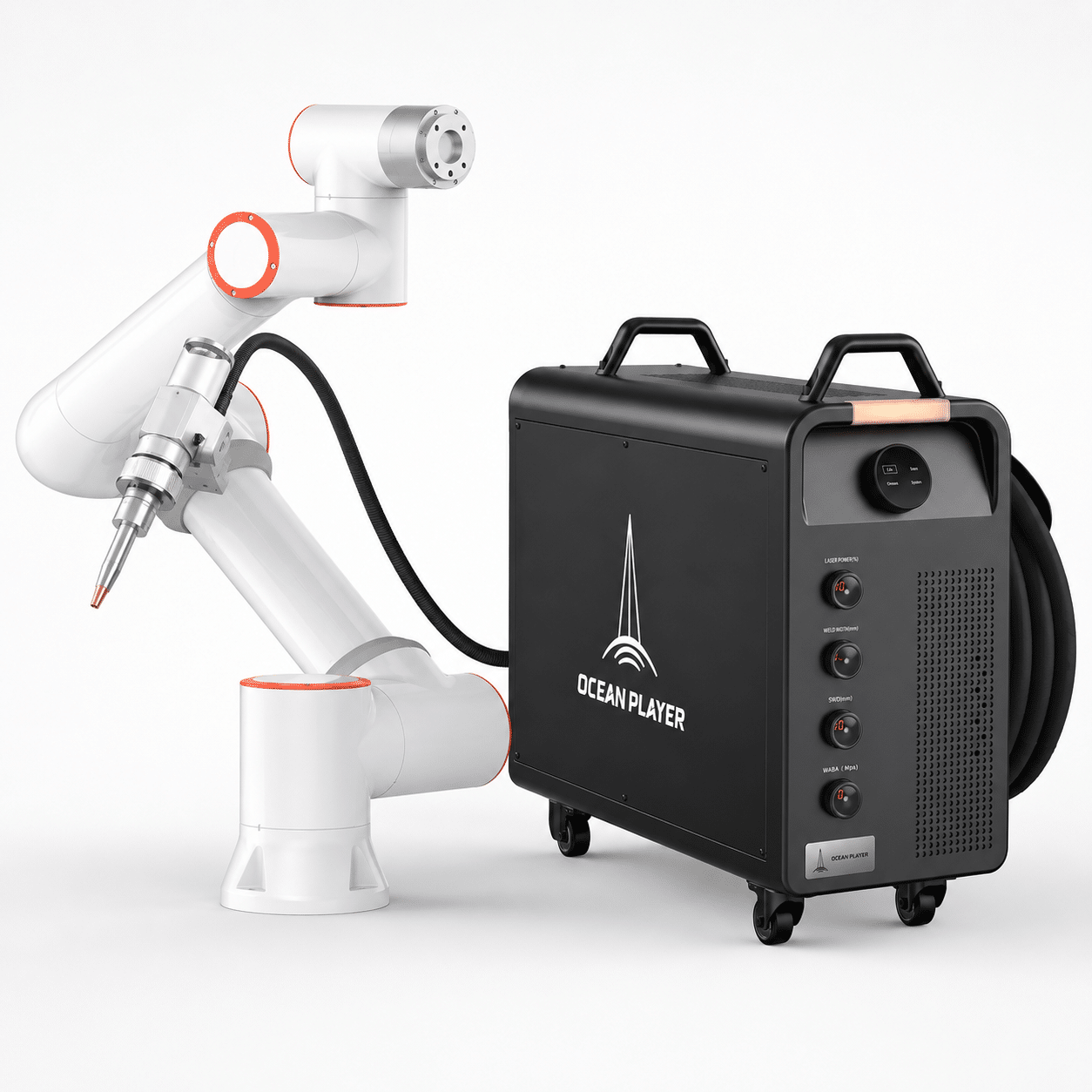
Oceanplayer robotic laser welding systems combine fiber laser welding, robot motion, fixtures, optional wire feeding and safety integration for stable production welding. They are built for factories that need consistent weld quality, controlled cycle time and less operator variation on repeated metal parts.
  • Automated laser welding cell
  • Robot path and fixture matching
  • Sample welding test available
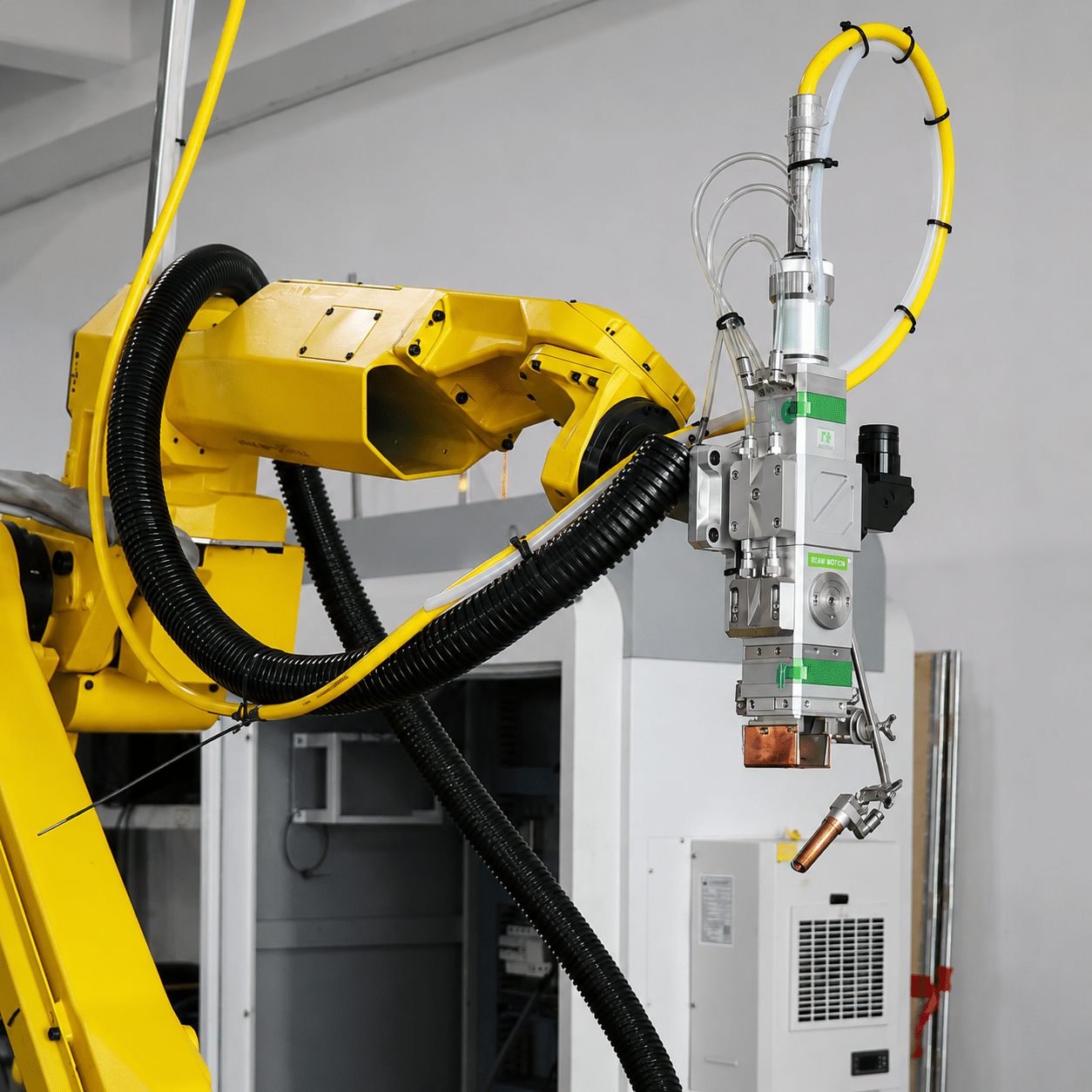
Oceanplayer robotic laser welding system for automated metal welding workstation
Automated weldingRepeatable seams, stable path and production-ready cycle time
Robot6-axis or custom motion
Fiber1000W-3000W options
WireOptional filler feeding
Stable Weld QualityRepeat weld paths and parameters across production batches
Cycle Time ControlPlan robot speed, laser power and weld sequence around takt time
Fixture IntegrationPart positioning, clamping and optional rotary table can be matched
Factory SupportSample welding, layout review and remote technical guidance
Why Robotic Laser Welding

Make welding quality more consistent, faster and easier to scale

Robotic laser welding is useful when parts repeat in batches, weld quality changes by operator, or production needs faster seams with less distortion and less post-weld finishing.

Repeatable Welding Path

Robot motion keeps welding speed, angle, distance and overlap more consistent than manual operation on repeated parts.

High-Speed Laser Welding

Fiber laser welding supports fast travel speed, narrow heat input and cleaner seams on many stainless steel, carbon steel and aluminum parts.

Production Cell Integration

Robot, laser source, welding head, fixtures, safety enclosure, smoke extraction and PLC communication can be planned together.

Application Range

Where robotic laser welding brings the most value

This setup fits repeated metal parts where seam quality, speed and operator consistency affect downstream assembly, sealing, strength or appearance.

  • Automotive parts, brackets, frames, housings and metal assemblies
  • Stainless steel cabinets, tanks, doors, kitchen equipment and enclosures
  • Battery trays, aluminum parts, sheet metal boxes and precision components
  • Carbon steel frames, machinery covers, fixtures and structural parts
  • Round or complex parts using rotary table, positioner or custom fixture
  • Production cells that need stable cycle time and less manual welding variation
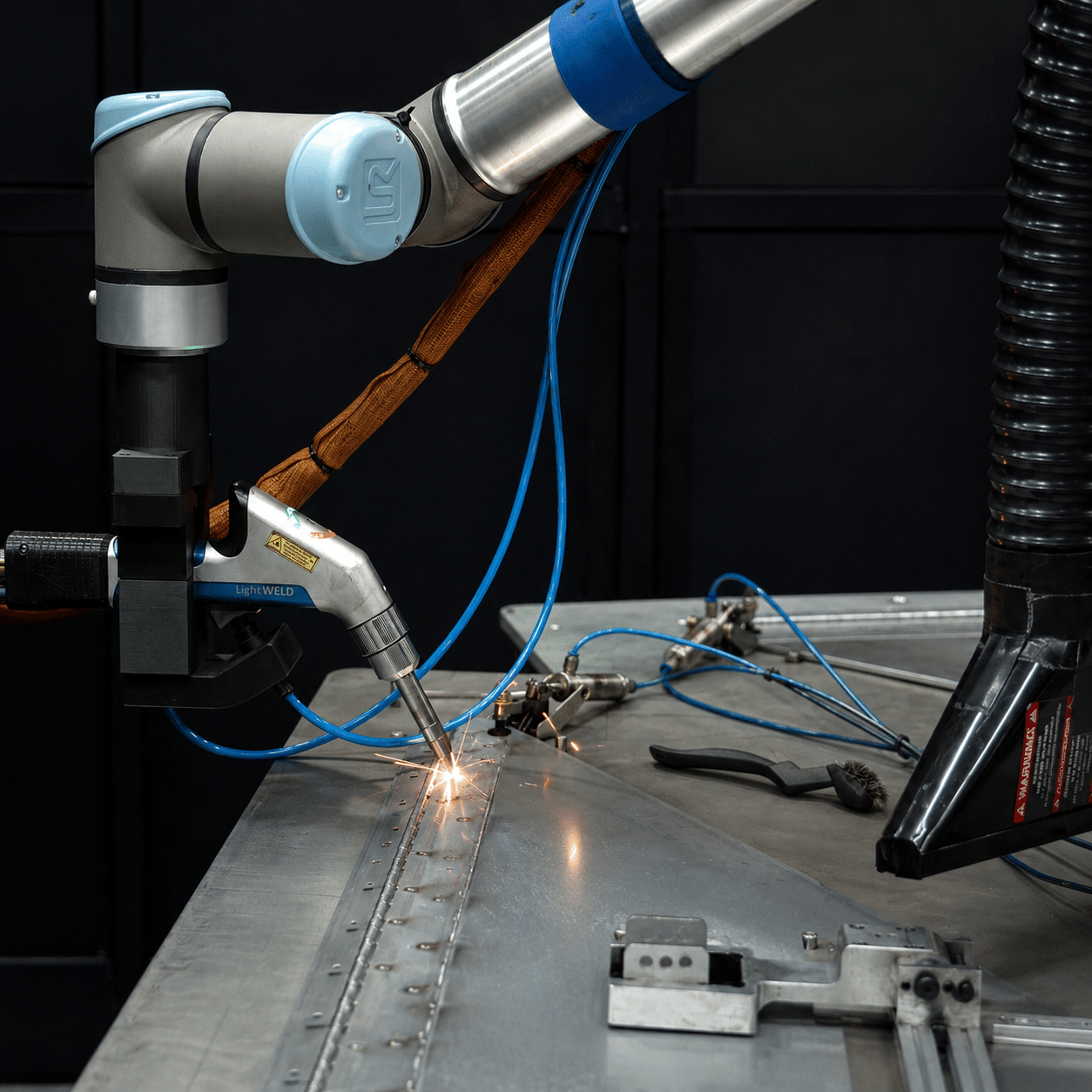
Robotic laser welding application for stainless steel aluminum carbon steel and production parts
Project Planning

Match robot, laser power and fixture to your part and takt time

A robotic welding project should start from part geometry, material thickness, weld seam length, fit-up condition, loading method and daily production target.

Project FactorWhat to CheckRecommended DirectionWhy It Matters
Part GeometryFlat, curved, corner, tube or complex 3D seamRobot reach and welding angle planningKeeps focus distance and weld path stable
Material ThicknessThin sheet, medium plate or mixed thickness1000W, 1500W, 2000W or 3000W laser selectionMatches penetration, speed and heat control
Joint Fit-UpGap size, edge accuracy and clamping repeatabilityFixture design and optional wire feederImproves seam shape and reduces weld defects
Production Takt TimeWeld length, pass count, loading time and output goalRobot path, power and workstation layout calculationPrevents bottlenecks in production
Safety and Fume ControlLaser enclosure, interlock, smoke path and access doorsSafety cell and extraction planSupports safer and cleaner factory operation
Customer Concerns

Check the key questions before building a robotic laser welding cell

The right system depends on more than laser power. Part repeatability, fixture accuracy, robot reach, gap control and safety design all affect final weld quality.

Can the fixture hold parts accurately?

Laser welding needs stable part fit-up. Clamping, locating pins and repeatable loading are critical for consistent seams.

Do you need wire feeding?

Optional wire feeding helps when joints have small gaps, corner seams or when a fuller weld bead is required.

How will weld quality be checked?

Sample welding, cut samples, appearance review and parameter records help confirm the process before production.

Welding Results

Confirm automated weld quality on your actual part

Sample welding helps confirm penetration, seam appearance, distortion, speed, fixture direction and whether wire feeding is needed.

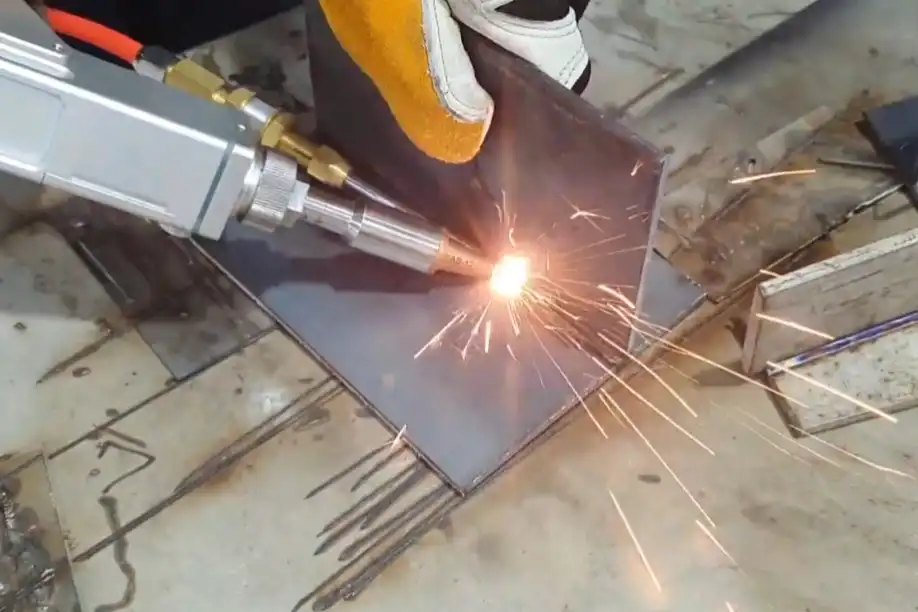
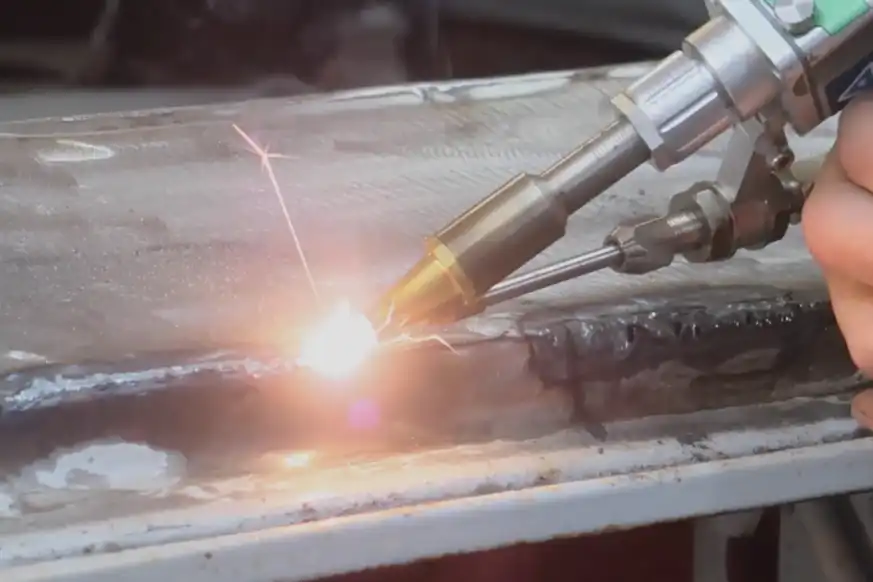
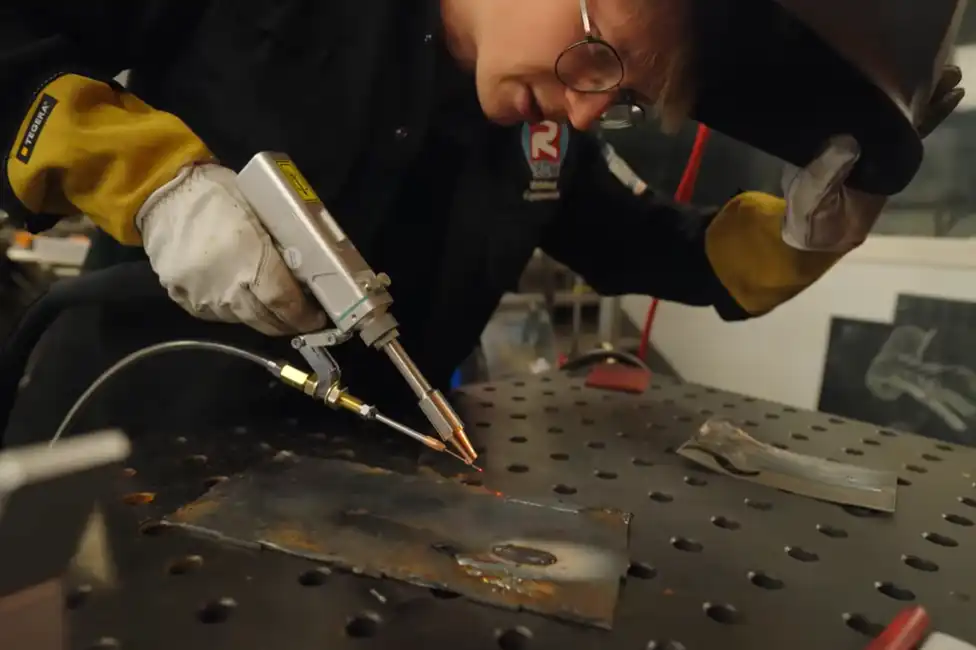
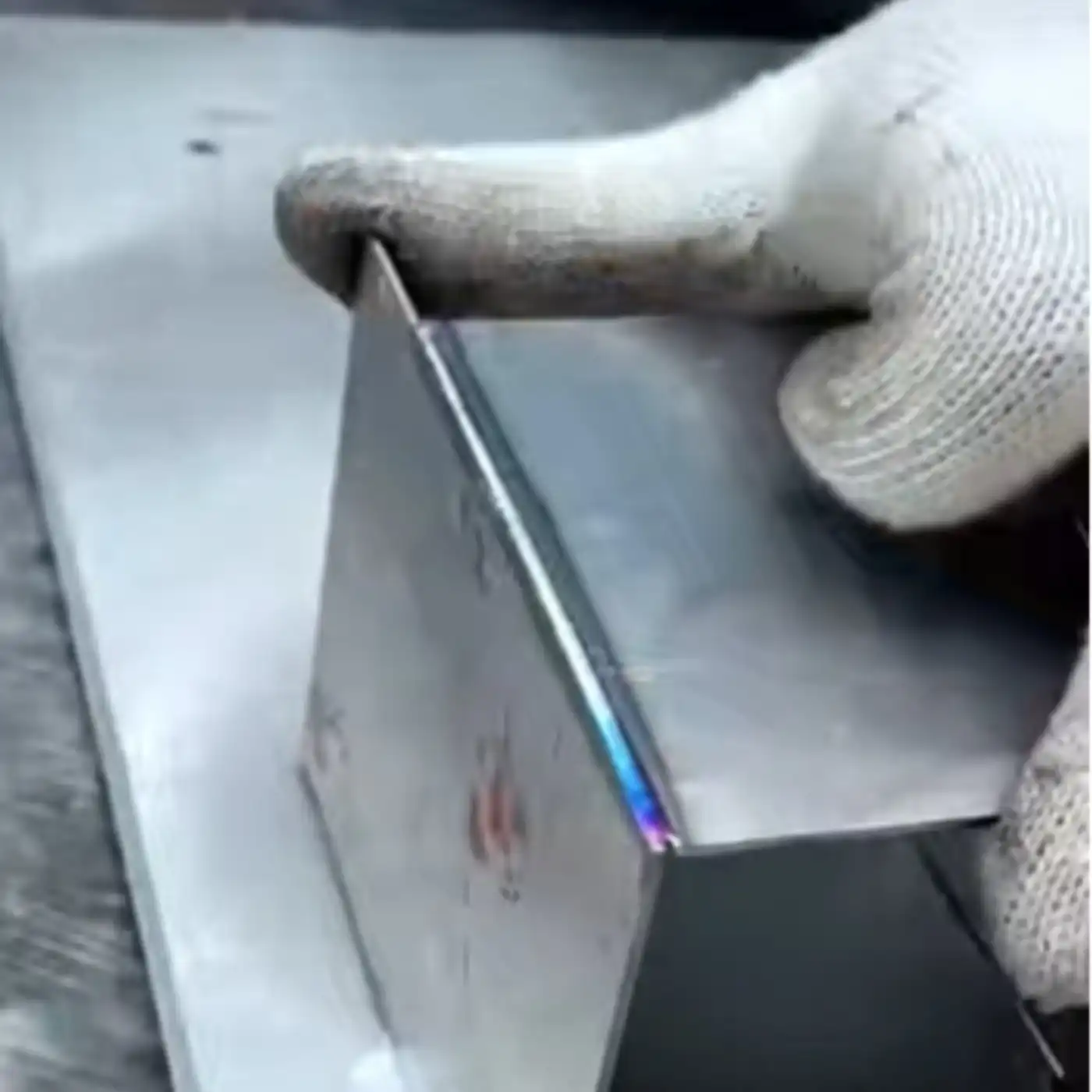
Manual welding result with inconsistent seam before robotic laser welding
Manual Welding

Operator variation can affect seam consistency

Manual welding speed, angle and distance may vary, especially on long seams, repeated parts or higher-volume production.
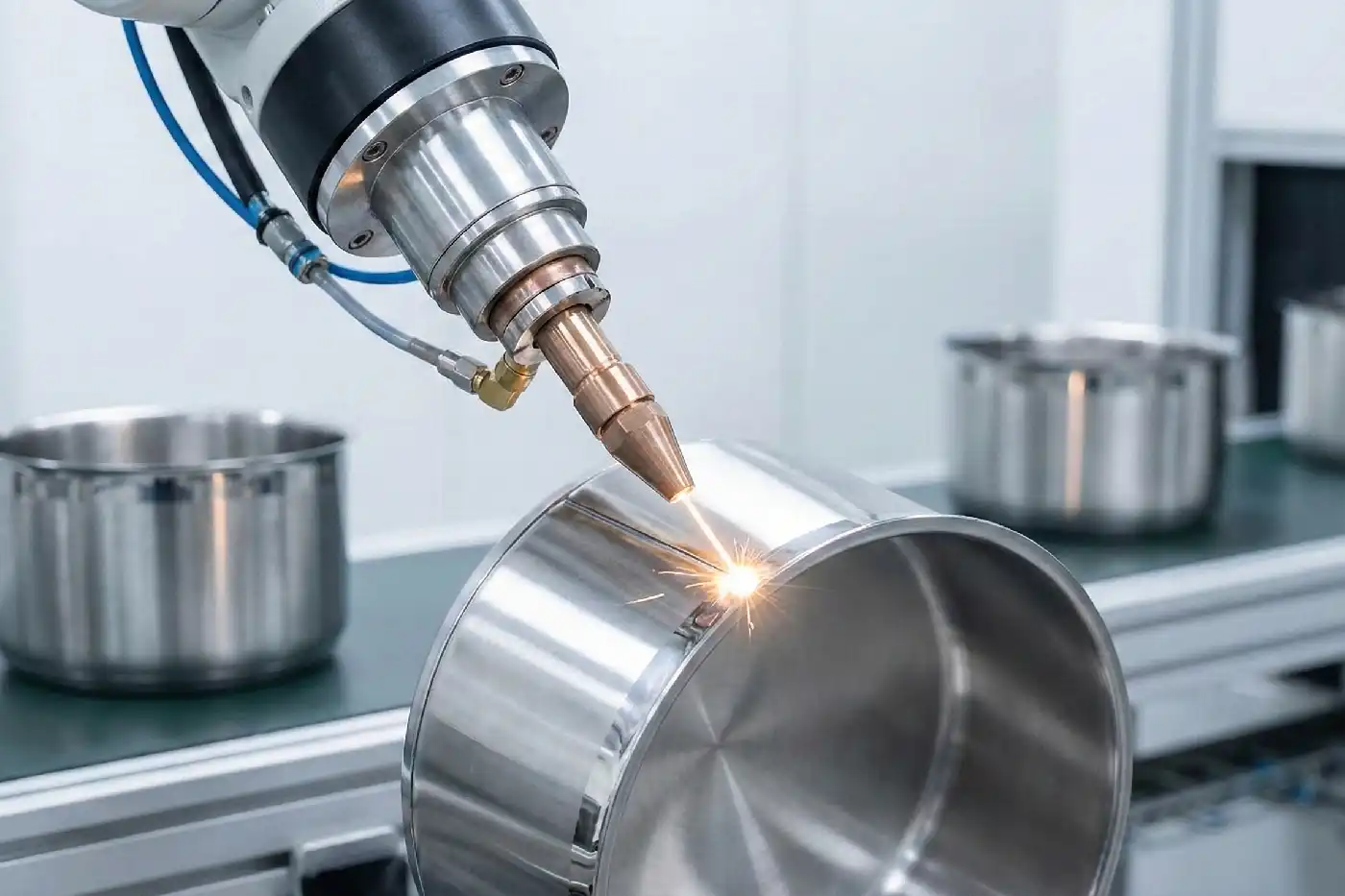
Robotic laser welding result with consistent clean seam on metal part
Robotic Laser Welding

Cleaner, repeatable welds for production parts

Robot motion and controlled laser parameters help improve seam repeatability, appearance and production stability.

Project Gallery

Review robotic welding applications for different parts and fixtures

Project photos help you evaluate weld access, fixture design, robot movement, safety enclosure and final seam result before confirming the system layout.
System Configuration

Build the robotic welding system around your production line

Choose the robot, laser source, welding head, wire feeder, fixture, safety enclosure and loading method based on part size and production target.

Simple Cell

Robot + Laser Welding Head

Suitable for repeated parts with good fit-up, defined weld paths and clear access to the welding area.

  • Your parts repeat in batches
  • Your joint gap is controlled
  • You need stable seam appearance
Custom Cell

Integrated Welding Workstation

Combines robot, laser, wire feeder, fixture, safety enclosure, extraction and loading design for production needs.

  • You need a complete welding cell
  • Your cycle time matters
  • You want safety and workflow integration
Robot vs Manual Welding

When robotic welding is better than manual handheld laser welding

Manual Laser Welding

  • Flexible for repair, small batches and changing workpieces
  • Lower initial complexity for general workshop welding
  • Result can vary with operator speed, angle and distance
  • Less ideal when repeatability and takt time are critical
VS

Robotic Laser Welding

  • Better for repeated parts and stable production quality
  • Robot path improves consistency of speed, angle and focus distance
  • Can be integrated with fixtures, wire feeding and safety enclosure
  • Stronger fit for factories with repeatable batches and quality targets
Technical Configuration

Key components of a robotic laser welding system

Review the main components before requesting a project quote. The final design can be matched to part size, weld length, production rhythm and safety requirements.

Core System

Laser SourceFiber laser welding source, commonly 1000W-3000W by material and speed
Robot Type6-axis robot, gantry motion or custom automation by project
Welding HeadRobot-mounted laser welding head with wobble and protection options
Wire FeederOptional automatic wire feeder for gap filling and fuller seams
CoolingAir or water cooling based on power and duty cycle

Cell Integration

FixtureCustom clamping fixture, rotary table or positioner option
SafetyProtective enclosure, interlock, viewing window and warning system
ExtractionSmoke and fume extraction options for cleaner operation
ControlRobot program, laser parameters and optional PLC communication
SupportLayout review, sample welding, training videos and remote guidance
Project Evaluation

Send your part drawing and weld requirement before choosing the system layout

A project evaluation helps confirm robot reach, laser power, seam access, fixture direction, wire feeding need, safety enclosure and expected weld result before building the final cell.

01

Share Part Details

Send part photos, drawings, material, thickness, joint style and weld length.

02

Test Welding Process

Our engineers test laser power, speed, shielding gas, wire feeding and seam result.

03

Confirm Cell Direction

Receive a recommended laser source, robot concept, fixture and system layout direction.

Oceanplayer robotic laser welding system factory integration support
Factory Support

Oceanplayer supports robotic welding from sample test to system configuration

Get support for sample welding, process parameters, robot concept, fixture planning, enclosure options, export packing and remote technical guidance.

RobotPath and reach planning
LaserPower and process matching
WireOptional filler setup
RemoteParameter and training guidance
FAQ

Robotic Laser Welding System FAQ

When should I choose robotic laser welding instead of handheld welding?
Choose robotic laser welding when parts repeat in batches, weld quality must be consistent, cycle time matters, or the process needs to be integrated into a production line.
Can robotic laser welding use a wire feeder?
Yes. A wire feeder is useful when joints have small gaps, corner seams, thicker parts or when a fuller weld bead is required.
What information is needed for a robotic welding proposal?
Part drawings, material, thickness, joint type, gap condition, weld length, target cycle time, loading method and factory layout help define the robot, laser power, fixture and safety cell.
Can Oceanplayer test my sample part first?
Yes. You can send photos, drawings or sample parts. Oceanplayer can test welding parameters and recommend a practical robotic welding system direction.
Does a robotic laser welding system need an enclosure?
Most robotic laser welding cells should include a safety enclosure, interlocks and fume extraction based on laser power, material and factory safety requirements.