
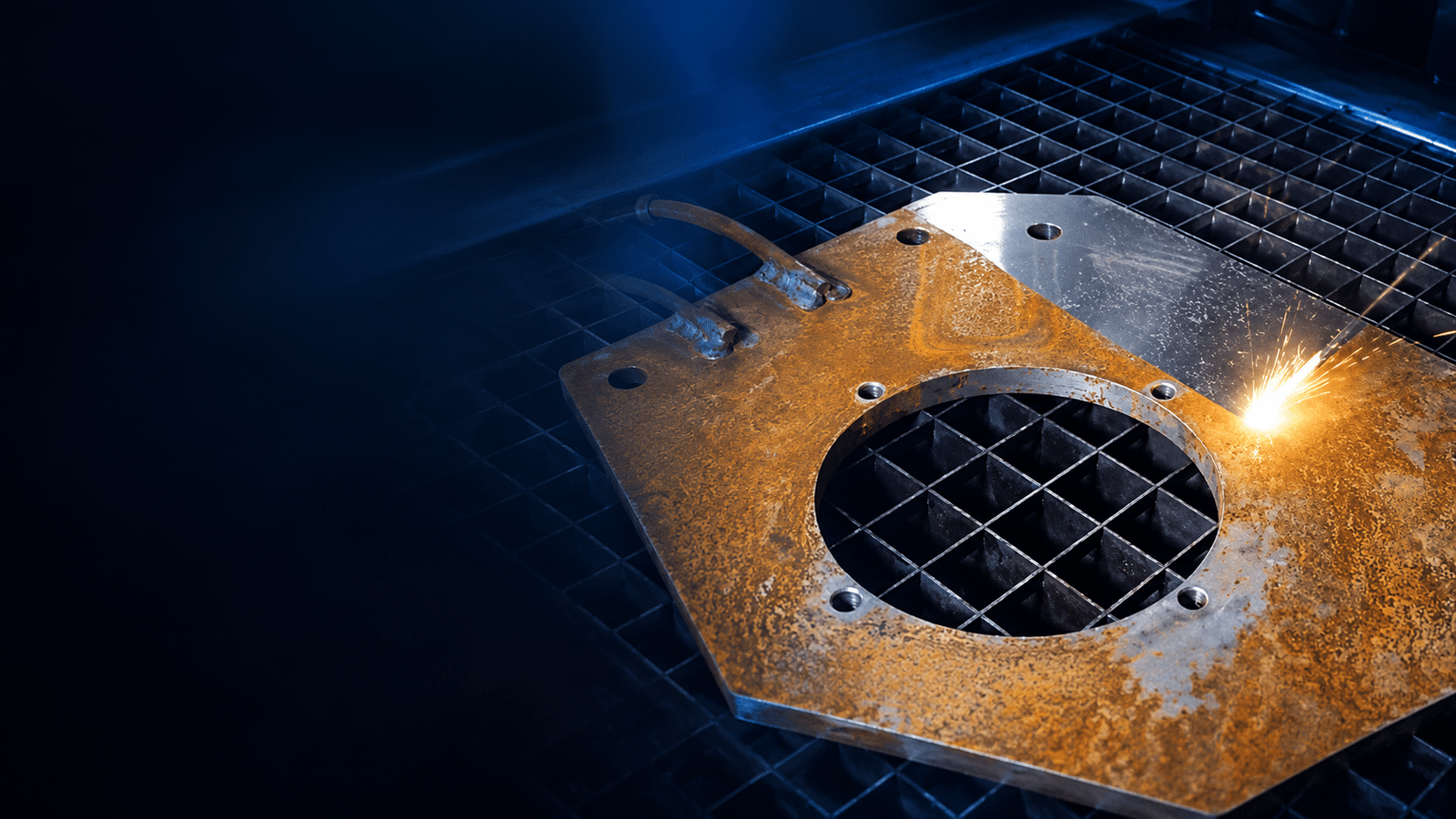
Rust & Paint Removal Time Estimator
Estimate laser cleaning hours, shift output and project duration for rust or paint removal. Compare realistic production time using the selected cleaner, contamination level, part geometry and accepted finish.
- Rust and paint planning models
- Pulsed and CW power ranges
- Equipment hours and shift days
- Realistic productivity adjustments
Convert the cleaning job into a practical time range
Use a measured rate from your sample test whenever available. Until then, this estimator applies conservative planning factors to typical machine classes.
See what changes the estimated removal time
The estimator begins with a machine-class benchmark, then adjusts it for the conditions that reduce productive area coverage.
Why equal areas can require very different cleaning time
Rust and paint are not single, uniform materials. Their thickness, bonding, chemistry and required final surface determine the real number of passes.
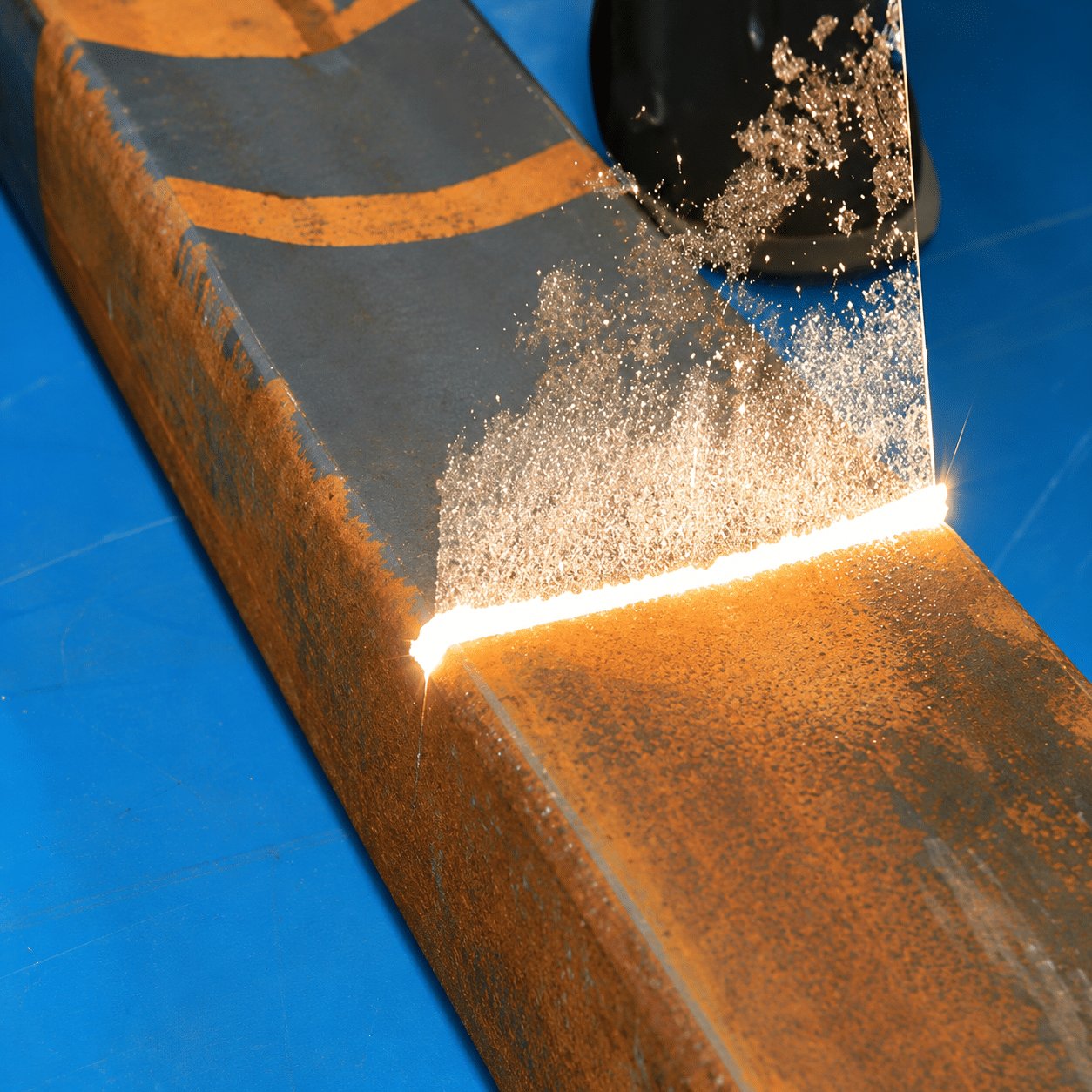
Rust and oxide removal
Loose surface rust can respond quickly, while compact scale, deep corrosion and irregular pitting reduce practical speed. Laser cleaning removes corrosion products but cannot restore metal already lost to pitting.

Paint and coating removal
Primer, topcoat, powder coating and multilayer systems absorb energy differently. Selective removal may favor pulsed cleaning, while thick coatings over large steel areas may favor CW output.
Read the machine benchmark as a starting point, not a promise
These values represent the estimator's light-layer, one-pass starting model before severity, geometry, finish, repeated passes and productive time are applied.
| Machine Class | Rust Starting Rate | Paint Starting Rate | Best Planning Use |
|---|---|---|---|
| 200W Pulsed | 2.0 m²/h | 1.4 m²/h | Light layers, local zones and precision surface control |
| 300W Pulsed | 3.2 m²/h | 2.3 m²/h | Controlled maintenance and medium parts |
| 500W Pulsed | 5.2 m²/h | 3.7 m²/h | Higher pulsed output while retaining process control |
| 1000W CW | 7.5 m²/h | 6.0 m²/h | Entry bulk removal on robust metal surfaces |
| 1500W CW | 10.5 m²/h | 8.0 m²/h | Regular industrial rust and coating removal |
| 2000W CW | 13.5 m²/h | 10.5 m²/h | Large areas and demanding daily output |
| 3000W CW | 18.0 m²/h | 14.0 m²/h | Very large robust steel areas and high-volume projects |
See how the same area can create different project durations
Machine power matters, but contamination, required finish and non-cleaning time can change the result just as much.
Light rust on machined parts
Smaller areas and finish protection often justify controlled parameters even when a higher-output system could remove material faster.
- Measure accepted clean band
- Include part loading and rotation
- Confirm no unacceptable texture change
Paint on structural steel
Large robust surfaces can reward continuous-wave output, but multilayer paint and corners may require slower movement or repeated passes.
- Identify every coating layer
- Plan extraction and residue handling
- Measure square meters after acceptance
Scale on large equipment
High power may reduce beam-on time, while access, movement, deep pitting and inspection still limit daily completion.
- Separate removable scale from pitting
- Use realistic productive-time assumptions
- Check utilities and operator workflow
Reduce removal time without sacrificing the accepted finish
The fastest safe project is created by the complete workflow, not by increasing laser power alone.
Validate the laser mode
Use pulsed cleaning for controlled surfaces and compare CW when heavy bulk removal dominates the job.
Optimize path planning
Consistent overlap, focal distance and movement reduce missed lines and unnecessary repeat passes.
Improve part handling
Fixtures, tables, balanced hoses and clear operator access increase productive beam-on time.
Match extraction capacity
Stable fume and residue control prevents interruptions and keeps the optics and work area cleaner.
Measure a representative area before planning the full project
Oceanplayer can test the actual rust or coating, confirm the accepted surface and record the working rate needed for a stronger time and equipment estimate.
Send the real material
Include the thickest layer and most difficult geometry.
Approve the finish
Confirm cleanliness, texture and acceptable surface change.
Time the process
Measure full passes, handling and realistic working output.
Continue the machine and cost decision
Use the time estimate together with application feasibility, laser mode, power, efficiency and ownership cost.
Laser rust and paint removal time questions
Answers for buyers estimating equipment hours, shift output and project duration before selecting a laser cleaner.