Aluminum Laser Welding for Clean Seams, Lower Distortion and Faster Fabrication.
Oceanplayer aluminum laser welding solutions help weld aluminum sheet, profiles, boxes, frames, cabinets, battery housings and light metal parts with controlled heat input and efficient production speed. Choose handheld, water-cooled, wire-feeder or automated laser welding based on alloy type, thickness, joint gap, penetration target and production volume.
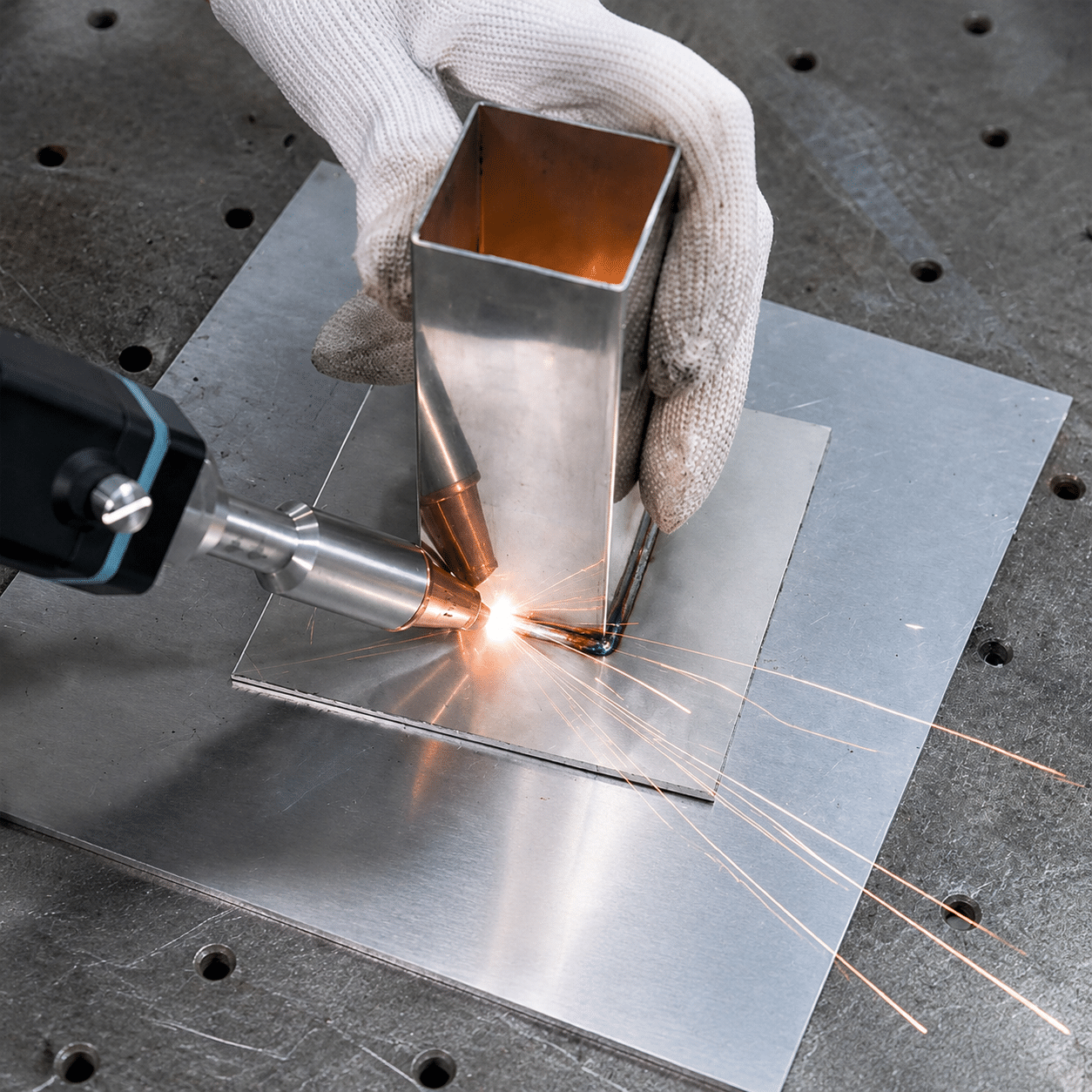
- Aluminum sheet and profile welding
- Wire feeder option for gap filling
- Sample welding test available

Aluminum welding problems that need the right laser process
Aluminum reflects more laser energy, conducts heat quickly and forms oxide on the surface. Good results depend on alloy, surface condition, joint fit-up, shielding gas, wire feeding and welding parameters.
High reflection and fast heat transfer
Aluminum requires stable laser coupling, correct focus and suitable power settings to maintain a consistent weld pool.
Oxide film and surface contamination
Cleaning oil, oxide and coating residue before welding helps reduce porosity, instability and weak welds.
Gaps, pores and seam appearance
Wire feeding, shielding gas and proper fit-up help improve seam filling and reduce rework on aluminum products.
Where aluminum laser welding is a strong fit
Laser welding is useful for aluminum parts that need lower distortion, clean appearance and more efficient production than slow manual welding.
- Aluminum cabinets, enclosures, chassis, covers and sheet metal housings.
- Aluminum doors, windows, frames, profiles, railings and decorative structures.
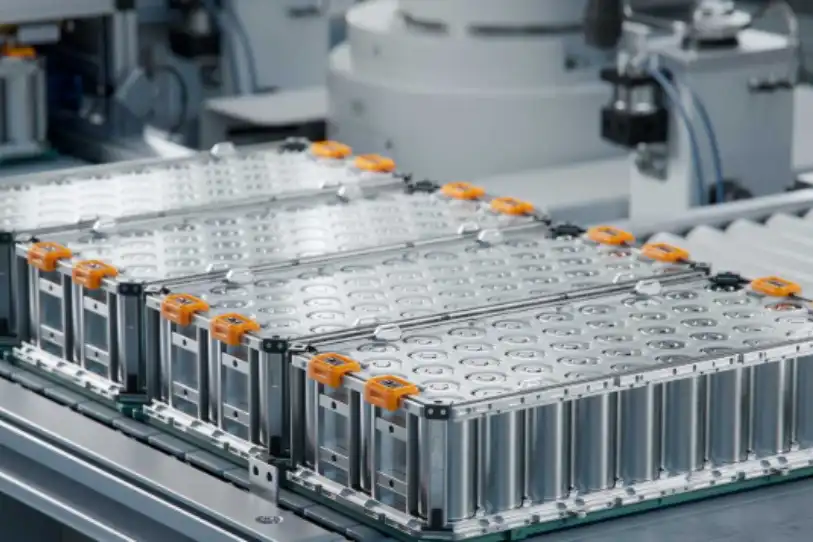
- Battery boxes, light vehicle parts, machinery covers and transport components.
- Aluminum tanks, trays, boxes and pressure-free containers with visible seams.
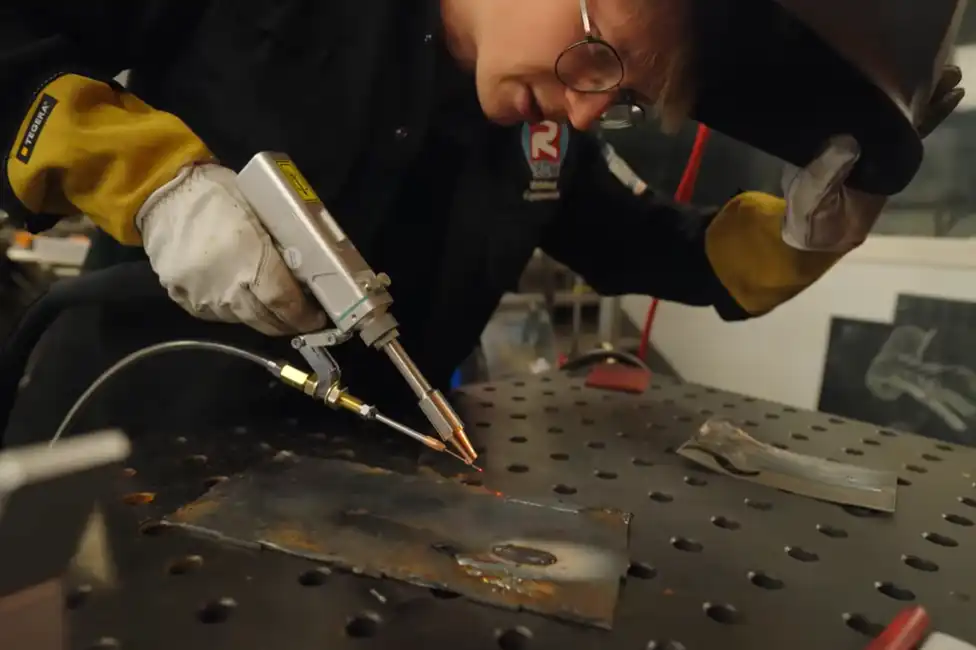
- Repair, prototype and custom fabrication where flexible handheld welding is needed.
What decides aluminum laser welding quality?
Aluminum welding is more sensitive than many steel applications. Confirm these details early to avoid porosity, weak penetration, burn-through and cosmetic rework.
Confirm aluminum grade
Different aluminum alloys respond differently to welding. Material grade affects cracking risk, wire choice and final seam strength.
- Share 1xxx, 3xxx, 5xxx, 6xxx or other grade
- Check crack sensitivity
- Match filler wire when needed
Clean oxide and oil before welding
Aluminum oxide, oil and moisture can cause pores and unstable welds. Surface preparation is important before testing.
- Remove oil and dust
- Control oxide layer
- Keep parts dry before welding
Manage gaps and edge alignment
Accurate fit-up supports a smooth seam. Wire feeding helps when small gaps or edge variation are common.
- Check gap size
- Use fixture support
- Add wire feeder for filling
Select laser power by aluminum thickness and seam requirement
Final settings depend on aluminum grade, thickness, joint type, gap, wire feeding, shielding gas and required penetration.
| Aluminum Thickness | Common Setup | Best Use | What To Check |
|---|---|---|---|
| 0.8-1.5mm | 1000W-1500W with controlled parameters | Thin aluminum covers, boxes and sheet parts | Burn-through, distortion and fixture stability |
| 1.5-3.0mm | 1500W-2000W handheld laser welder | Cabinets, profiles, frames and general fabrication | Penetration, shielding gas and seam appearance |
| 3.0-5.0mm | 2000W-3000W with suitable joint design | Thicker aluminum structures and machinery parts | Joint preparation, speed and heat control |
| Small joint gaps | Laser welder with wire feeder | Profiles, boxes and visible seams with fit-up variation | Wire type, feed speed and seam profile |
| Repeated production seams | Fixture or robotic laser welding | Battery housings, frames and batch parts | Path repeatability, safety and fume extraction |
Review aluminum laser welding results across common product types
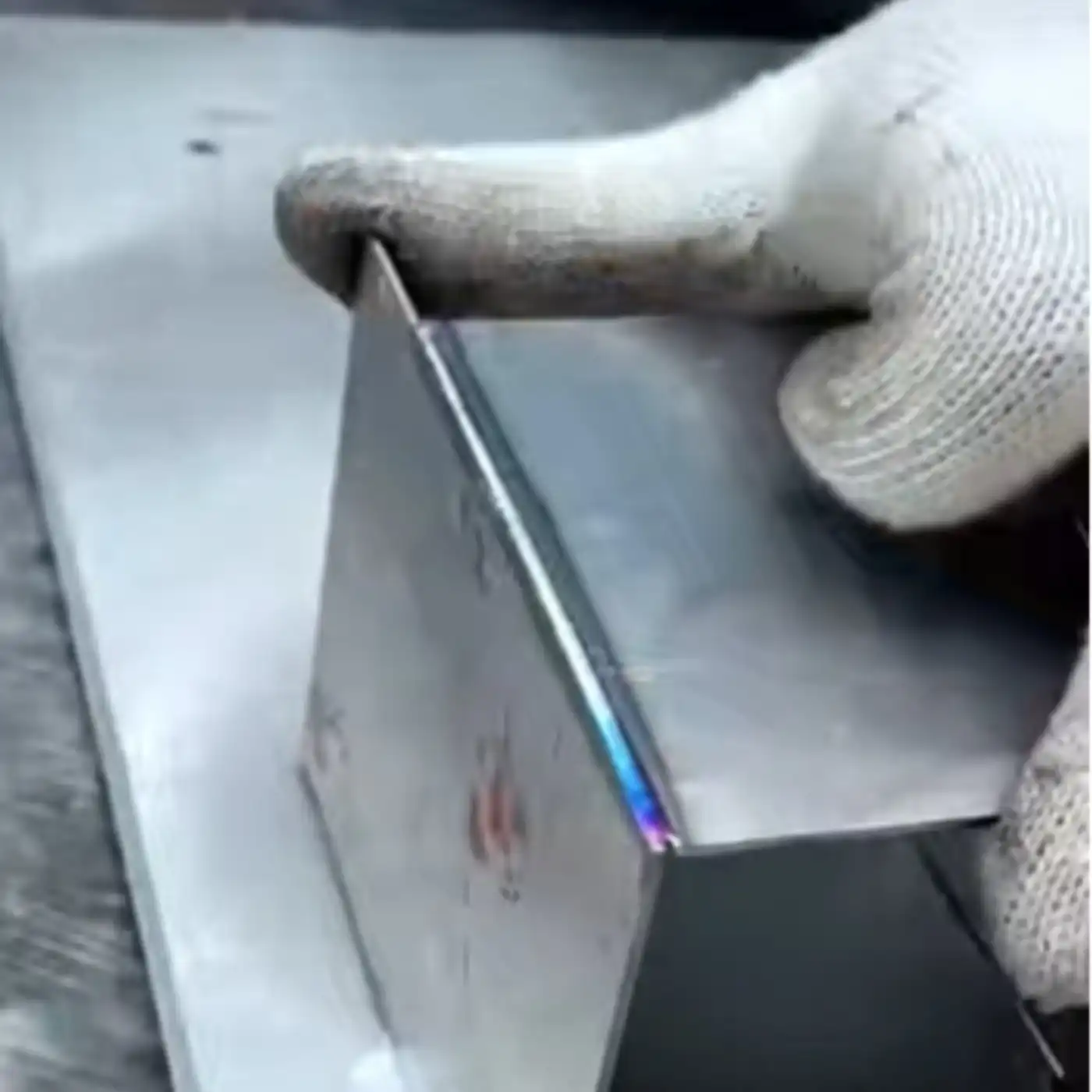
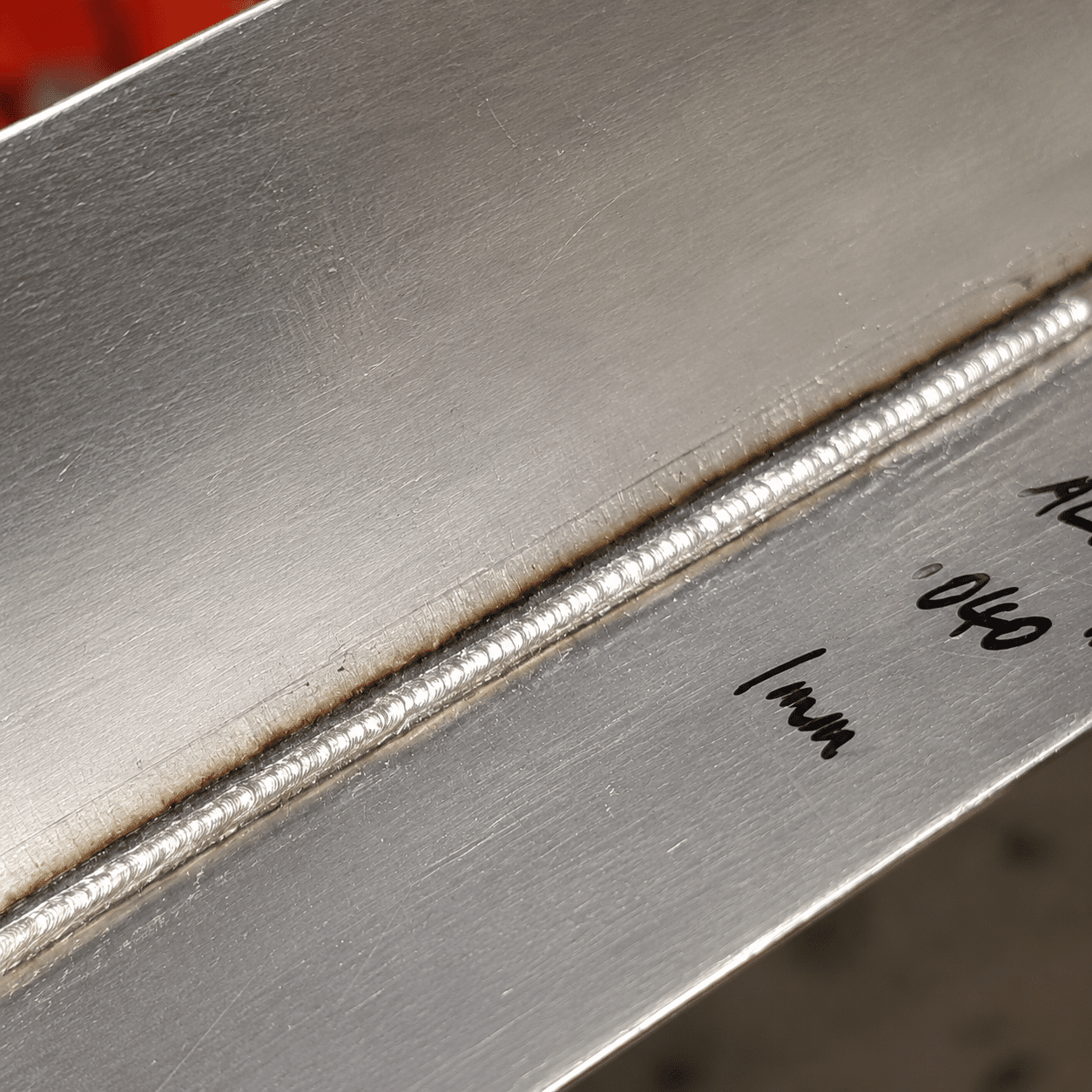
Compare weld samples for aluminum sheet, profiles, corner seams, battery boxes, frames and wire-fed seams.
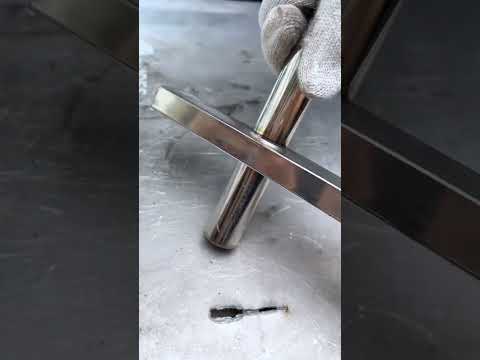
Watch aluminum laser welding on real workpieces
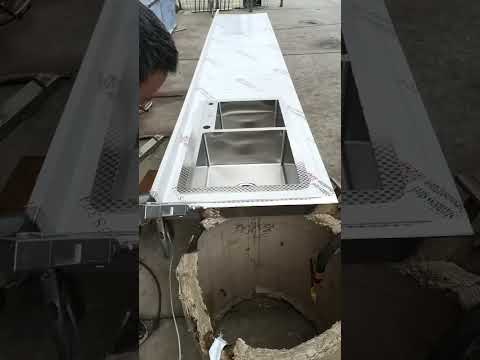
See welding speed, wire feeding, seam formation and final surface quality before choosing the machine configuration.
Match the laser welding setup to your aluminum production needs
Aluminum welding usually benefits from stable power, good shielding, suitable wire feeding and careful parameter control.
Handheld Laser Welder
Flexible choice for aluminum sheet metal, profiles, boxes, frames and custom repair jobs.
Water-Cooled Laser Welder
Recommended for longer duty cycles, higher power and thicker aluminum production welding.
Wire Feeder Option
Often useful for aluminum because filler wire can help fill gaps, improve seam shape and support stronger joints.
Fixture Support
Fixtures help control aluminum movement, gap size and seam repeatability during production welding.
Surface Preparation
Cleaning oil, oxide and coating residue before welding can reduce porosity and improve weld stability.
Safety and Extraction
Laser welding needs protective eyewear, screens, controlled work area and suitable smoke extraction.
Why aluminum fabricators compare laser welding with TIG and MIG
Laser welding is often considered when aluminum products need cleaner seams, faster travel speed and less distortion than traditional manual welding.
| Method | Best For | Main Concern | When Laser Helps |
|---|---|---|---|
| Laser Welding | Aluminum sheet, profiles, visible seams and batch parts | Needs correct alloy, surface prep, gas and parameters | Faster speed, narrower seams and lower distortion |
| TIG Welding | High-skill manual aluminum welding and small batches | Slower speed and higher operator skill demand | Laser can improve efficiency for repeated seams |
| MIG Welding | Thicker aluminum fabrication and filler deposition | More heat, wider seams and more finishing work | Laser with wire feeding can improve seam control |
| Mechanical Fastening | Assemblies that do not require continuous welds | Extra parts, holes and sealing limitations | Laser can create sealed continuous joints when needed |
Confirm these details before selecting an aluminum laser welder
Clear workpiece information helps recommend the right laser power, cooling system, wire feeder, fixture, gas and sample welding parameters.
Aluminum grade and thickness
Share alloy grade, sheet or profile thickness and whether the part is coated or anodized.
Joint design and fit-up
Butt joints, lap joints, corner seams, tubes and profiles need different path control and gap management.
Strength and appearance target
Visible products may need smoother seams, lower discoloration and less post-weld finishing.
Wire feeding requirement
Small gaps, thicker seams and some alloys may need suitable aluminum filler wire.
Production volume
Daily workload decides whether handheld, water-cooled, fixture-assisted or robotic welding is a better fit.
Surface preparation
Oil, oxide, moisture and coating residue should be controlled before sample testing and production welding.
Send your aluminum sample and get a practical welding recommendation.
Share aluminum grade, thickness, joint type, gap size, target penetration, appearance requirement and production speed. Oceanplayer can recommend laser power, cooling type, wire feeder options and sample welding parameters.
Share Workpiece Details
Send alloy grade, thickness, joint type, photos and target seam result.
Test Welding Parameters
Check power, speed, focus, shielding gas, wire feeding and seam quality.
Choose Configuration
Select handheld, water-cooled, wire-feeder or automated aluminum welding setup.
Explore more Oceanplayer laser welding options
Compare related machine and application pages to choose the right configuration for your aluminum welding work.