

Compare laser machines by application, material and workflow
Choose between laser cleaning, laser welding, laser marking and automated laser systems with a clear view of what each machine does best.
- Cleaning vs welding vs marking
- Pulsed vs CW laser cleaning
- Fiber vs MOPA vs UV vs CO2 marking
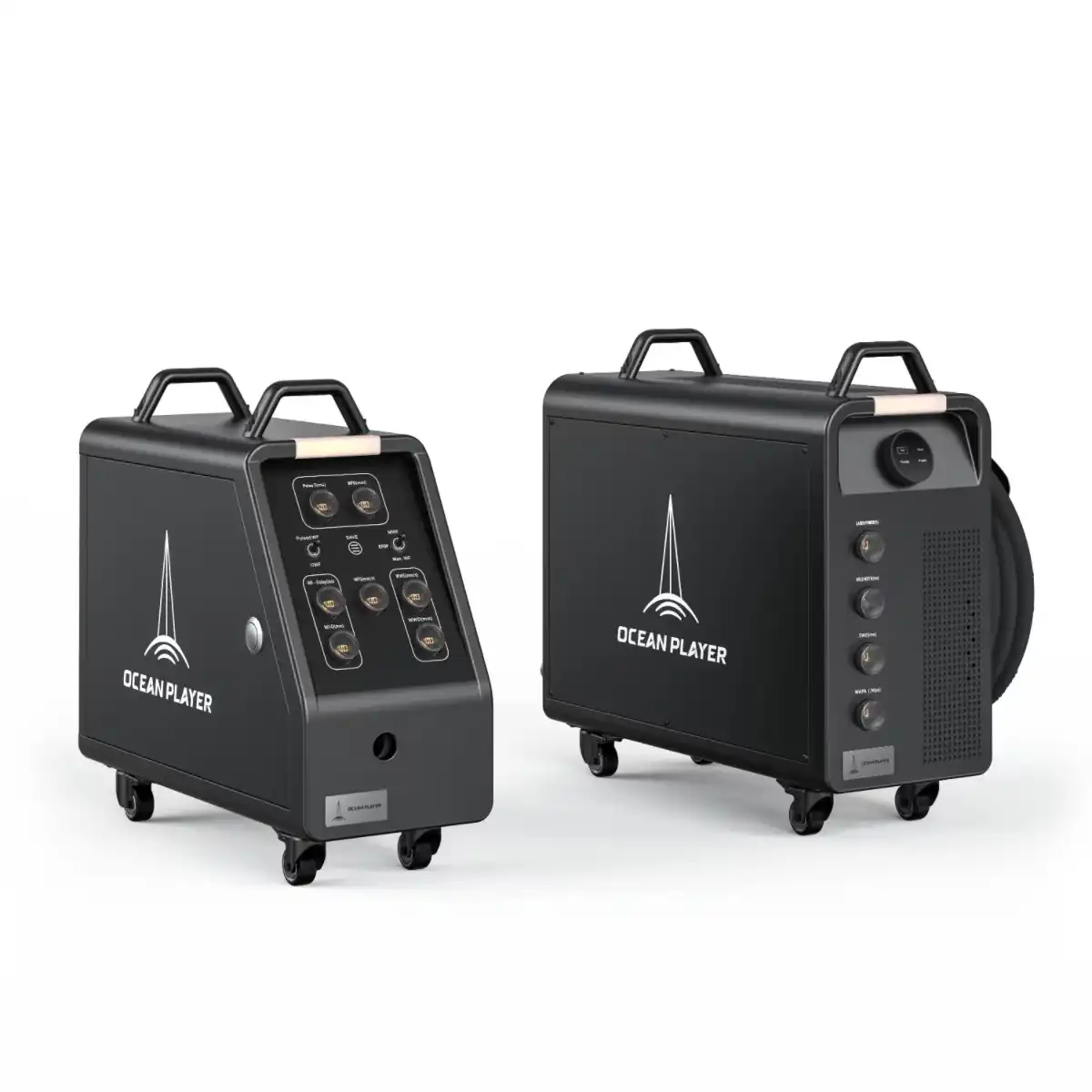
Start with the job you need the laser machine to solve
Select the process first, then compare machine type, power level, cooling method and automation options.
Remove rust, paint, oxide, oil or coating residue
Laser cleaning is suitable when the goal is surface preparation, restoration, maintenance or pre-weld cleaning without abrasive blasting.
- Rust removal and paint stripping
- Mold, weld seam and metal parts cleaning
- Pulsed, CW, handheld, mobile and robotic options
Weld stainless steel, aluminum, galvanized steel or sheet metal
Laser welding helps improve speed, weld appearance and heat control for fabrication, repair, enclosures, tubes and production lines.
- Handheld and robotic laser welding
- Air-cooled and water-cooled systems
- Wire feeder options for gap filling
Mark logos, serial numbers, QR codes and traceability data
Laser marking is suitable for permanent product identification on metal, plastic, packaging, electronic parts and precision components.
- Fiber, MOPA, UV and CO2 laser markers
- QR code, barcode and serial number marking
- Manual stations and automated marking lines
Compare laser cleaning, welding, marking and automation systems
This table helps you match the right laser process to your material, production goal and expected result.
| Machine Category | Main Purpose | Suitable Materials | Best Applications | Selection Focus |
|---|---|---|---|---|
| Laser Cleaning Machine | Remove contamination from surfaces | Steel, stainless steel, aluminum, molds, coated parts | Rust removal, paint stripping, oxide removal, pre-weld cleaning | Power, heat input, portability and cleaning speed |
| Laser Welding Machine | Join metal parts with controlled heat input | Stainless steel, carbon steel, aluminum, galvanized steel, sheet metal | Fabrication, repair, enclosures, tubes, automotive parts | Material thickness, cooling method, wire feeder and duty cycle |
| Laser Marking Machine | Create permanent marks and product identification | Metal, stainless steel, aluminum, selected plastics, packaging materials | Logos, QR codes, barcodes, serial numbers, traceability codes | Laser type, contrast, depth, code size and cycle time |
| Robotic / Automated Laser System | Integrate laser processing into repeatable production | Parts handled by fixtures, conveyors, robots or production cells | Batch cleaning, robotic welding, automated code marking and inline inspection | Workflow, fixture design, cycle time, safety enclosure and data integration |
Choose the right laser cleaner by surface condition and production speed
Pulsed and CW laser cleaners can both remove contamination, but they serve different surface quality and throughput needs.
Pulsed Laser Cleaner
Best for controlled cleaning, lower heat input, molds, fine parts and surface protection.
CW Laser Cleaner
Best for faster cleaning of heavy rust, paint, large steel structures and ship repair surfaces.
Handheld Laser Cleaner
Best for repair shops, factory maintenance and flexible cleaning across different workpieces.
Mobile Laser Cleaner
Best for moving between work areas, outdoor maintenance, machinery service and large parts.
Robotic Laser Cleaning
Best for repeatable cleaning paths, enclosed cells and stable batch production.
| Cleaning Need | Recommended Machine | Why It Fits | What To Confirm |
|---|---|---|---|
| Mold cleaning or precision parts | Pulsed laser cleaner | Lower heat input and better surface control | Material finish, coating type and required surface quality |
| Heavy rust on steel structures | CW laser cleaner | Higher cleaning speed for larger surfaces | Rust thickness, work area and power requirement |
| Repair shop cleaning | Handheld laser cleaner | Flexible operation across different parts | Part size, operator access and working distance |
| Field service or large equipment | Mobile laser cleaner | Easy to move between job locations | Cable length, power supply and site environment |
| Repeatable factory cleaning | Robotic laser cleaning system | Stable path, safety enclosure and repeatability | Fixture, cycle time and robot reach |
Compare laser welders by cooling method, thickness and production duty
The right laser welder depends on material thickness, weld gap, working hours, mobility and whether production needs manual or robotic operation.
| Welder Type | Best Fit | Main Advantage | Common Applications | Decision Point |
|---|---|---|---|---|
| Handheld Laser Welding Machine | Flexible metal fabrication and repair | Fast operation with clean weld appearance | Stainless steel, sheet metal, cabinets, frames and tubes | Material thickness and operator workflow |
| Air-Cooled Laser Welder | Light to medium welding tasks | Compact body and easier movement | Repair, workshop welding and flexible production | Working hours, ambient temperature and thickness range |
| Water-Cooled Laser Welder | Longer production shifts and higher power use | Stable cooling for continuous operation | Factory production, thicker metal and frequent welding | Duty cycle, cooling space and maintenance plan |
| Laser Welder with Wire Feeder | Parts with gaps or filler requirement | Improves weld filling and seam tolerance | Sheet metal, aluminum, stainless steel and repair work | Gap size, wire material and seam appearance |
| Robotic Laser Welding System | Repeatable production welding | Stable path, fixture control and automation | Automotive parts, battery housings and batch components | Fixture, robot reach, safety cell and cycle time |
Select the laser marker by material, contrast and code requirement
Fiber, MOPA, UV and CO2 lasers produce different results depending on material reaction, mark depth and product traceability needs.
| Laser Marker | Best Materials | Common Results | Best Applications | What To Test |
|---|---|---|---|---|
| Fiber Laser Marking Machine | Metal, stainless steel, aluminum, tools and hardware | Logos, serial numbers, engraving and standard contrast marks | Industrial parts, tags, nameplates and metal products | Depth, speed, contrast and surface finish |
| MOPA Laser Marking Machine | Stainless steel, aluminum and selected coated materials | Black marking, fine contrast and pulse-controlled results | Medical tools, consumer metal parts and visible product IDs | Color stability, corrosion requirement and code readability |
| UV Laser Marking Machine | Selected plastics, electronics, glass and sensitive surfaces | Fine marks with lower heat effect | Electronics, medical packaging, plastic parts and precision products | Material reaction, edge quality and mark durability |
| CO2 Laser Marking Machine | Wood, paper, leather, acrylic, glass and many non-metal surfaces | Text, logos, packaging codes and surface engraving | Packaging, crafts, labels, signs and non-metal products | Surface color, mark depth and smoke handling |
| Automated Laser Marking System | Parts handled by fixtures, conveyors or production lines | Repeatable QR codes, serial numbers and traceability IDs | Batch production, inline marking and data-linked code generation | Fixture design, data source, code grading and cycle time |
Match common project needs to the most suitable laser machine
These recommendations help narrow the machine type before power selection, sample testing and final configuration.
Choose pulsed laser cleaning for molds and precision surfaces
It provides controlled energy input for parts where surface quality, base material protection and cleaning consistency matter.
Choose CW laser cleaning for large rusted or painted metal surfaces
It provides higher throughput for steel structures, ship repair, pipelines, machinery frames and large maintenance jobs.
Choose handheld laser welding for workshop and fabrication work
It suits stainless steel, aluminum, sheet metal, frames, tubes and repair jobs where operators handle different parts every day.
Choose water-cooled or robotic welding for longer production runs
These systems support more stable operation when production duty, fixture repeatability and batch consistency are important.
Choose fiber or MOPA marking for metal logos and product IDs
Fiber is suitable for many standard metal marks, while MOPA gives more control for black stainless steel marks and fine contrast.
Choose automated marking when codes must connect to production data
Automated systems help keep QR codes, barcodes and serial numbers readable and consistent across batch production.
Compare machine choices by industry application
Different industries care about different results, such as surface quality, welding strength, traceability, corrosion control or production repeatability.
Review typical results before choosing your laser system
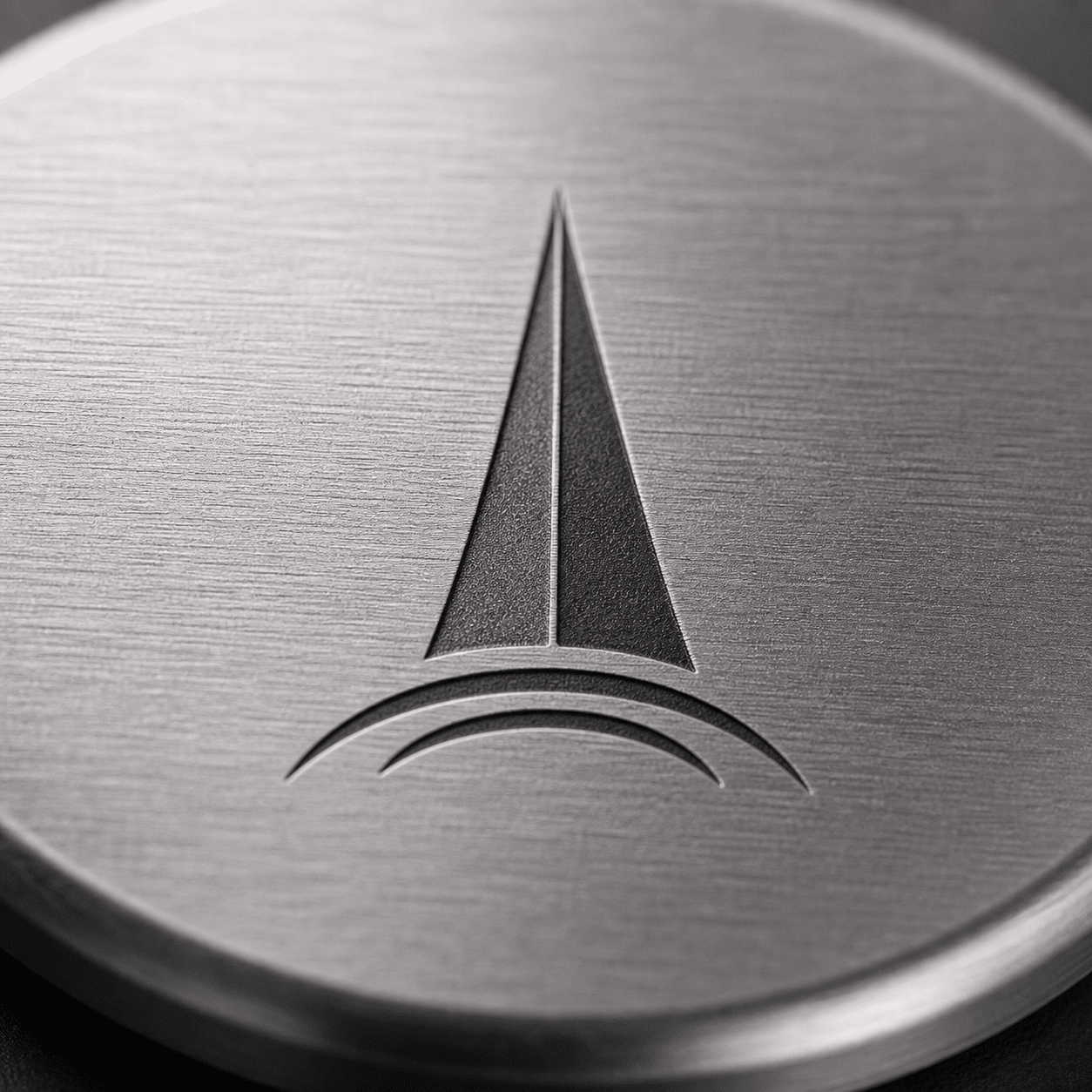
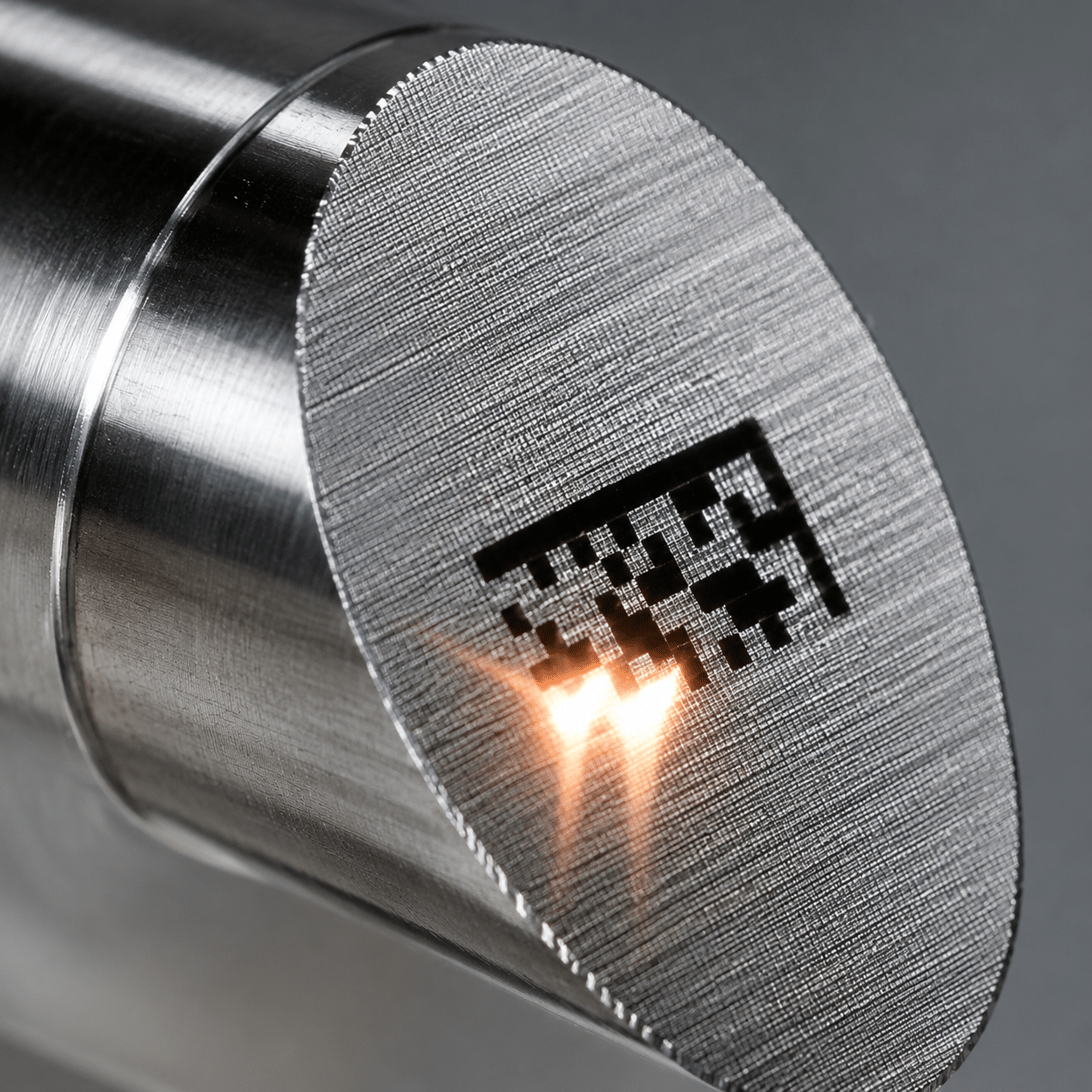
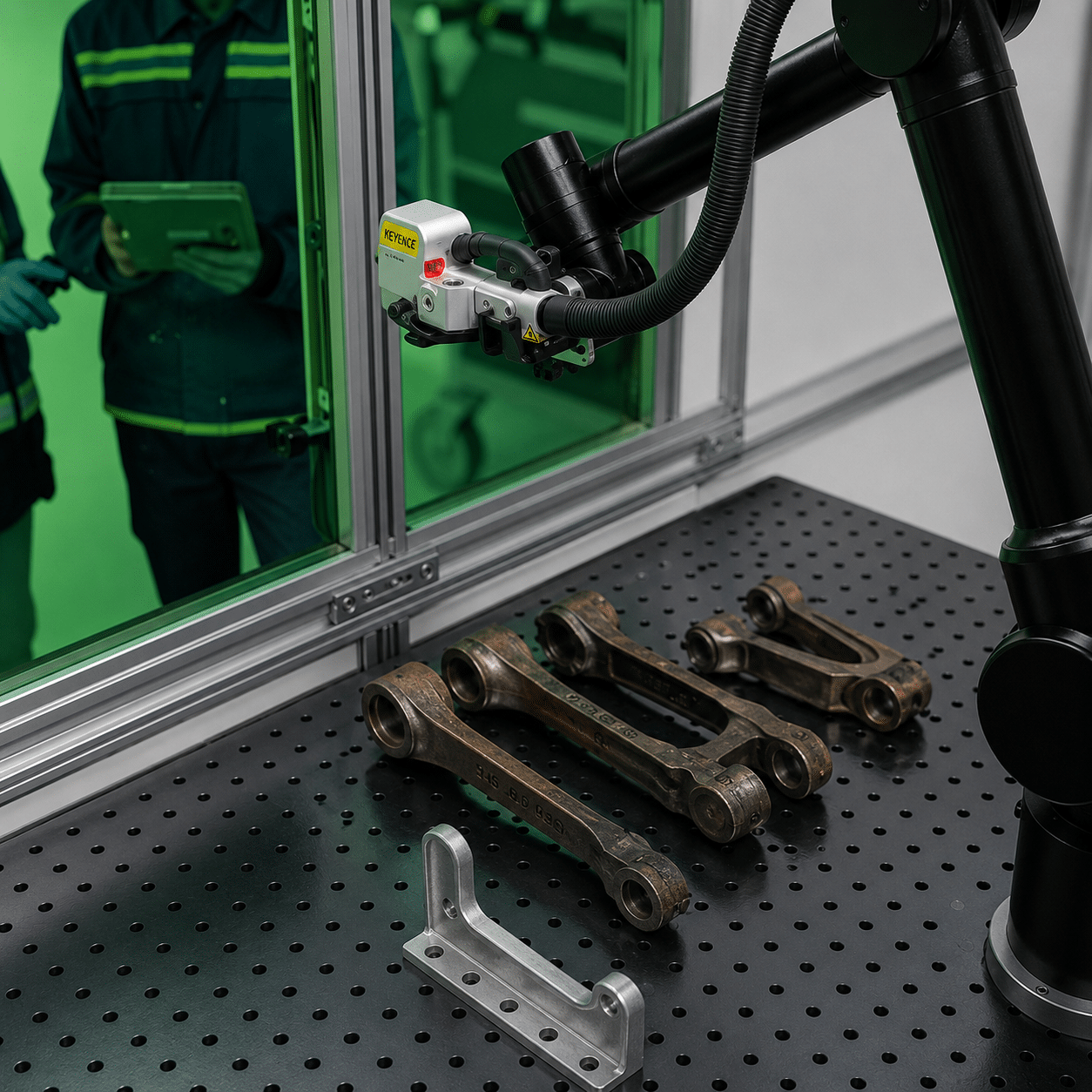
Compare cleaning, welding, marking and automation examples across common industrial applications.
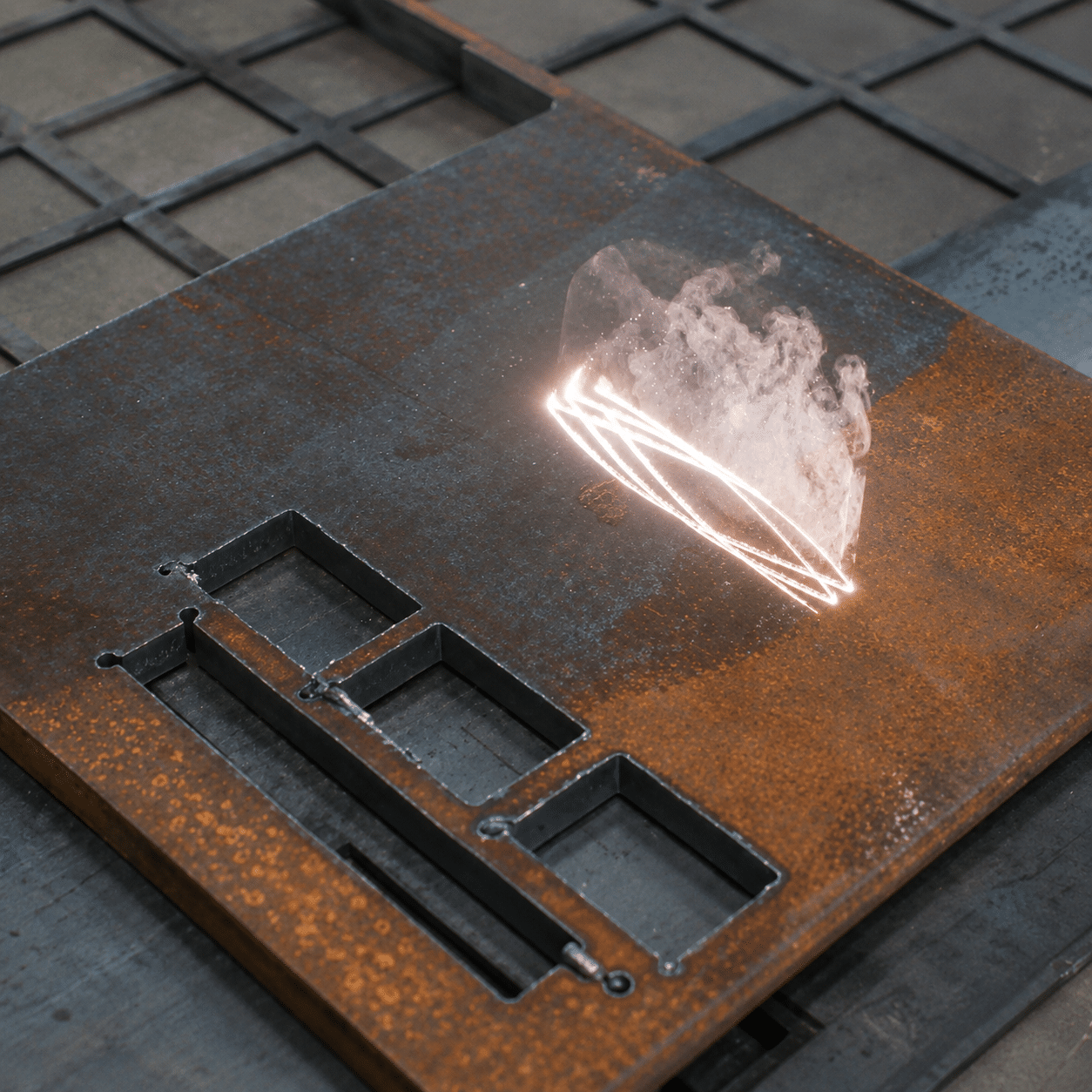
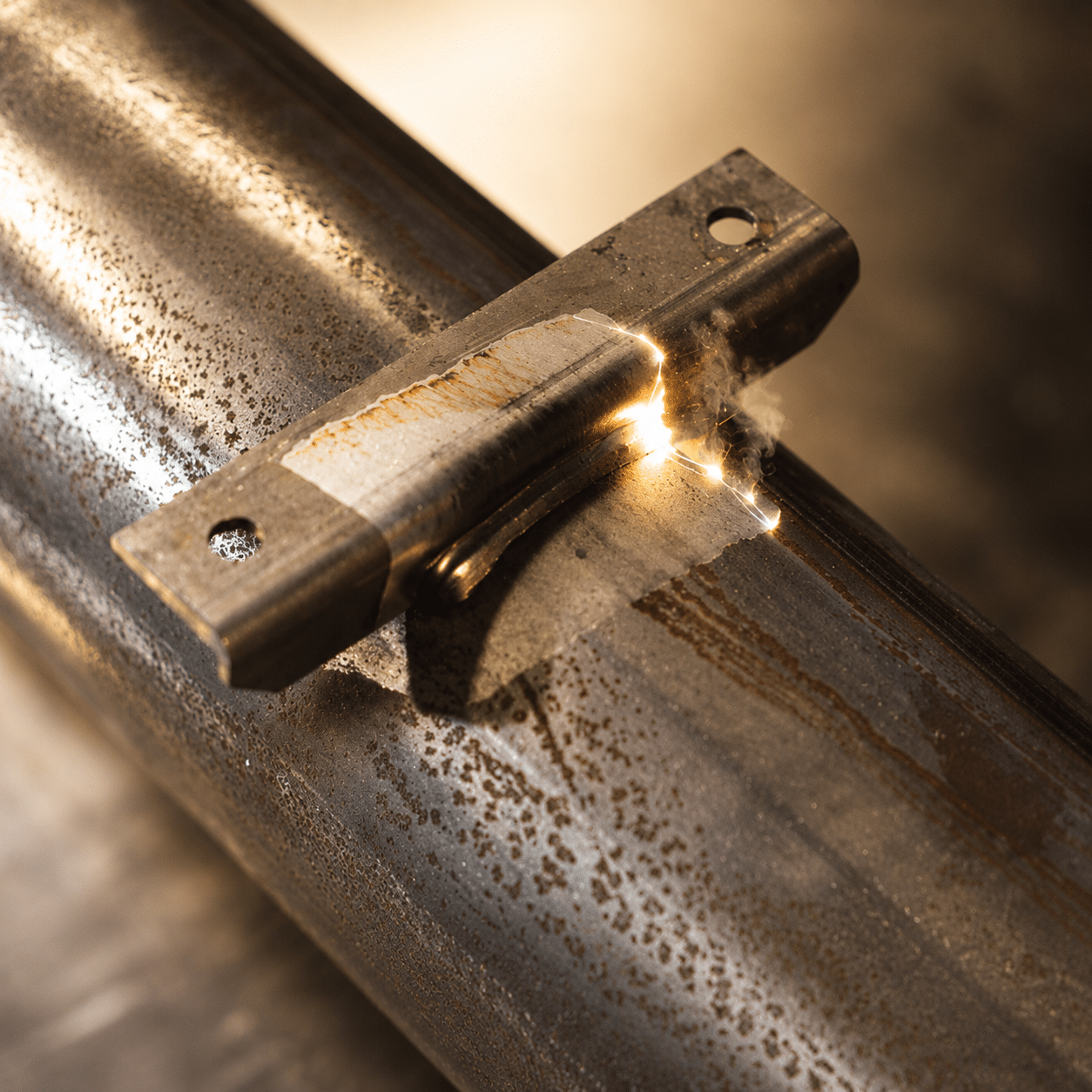
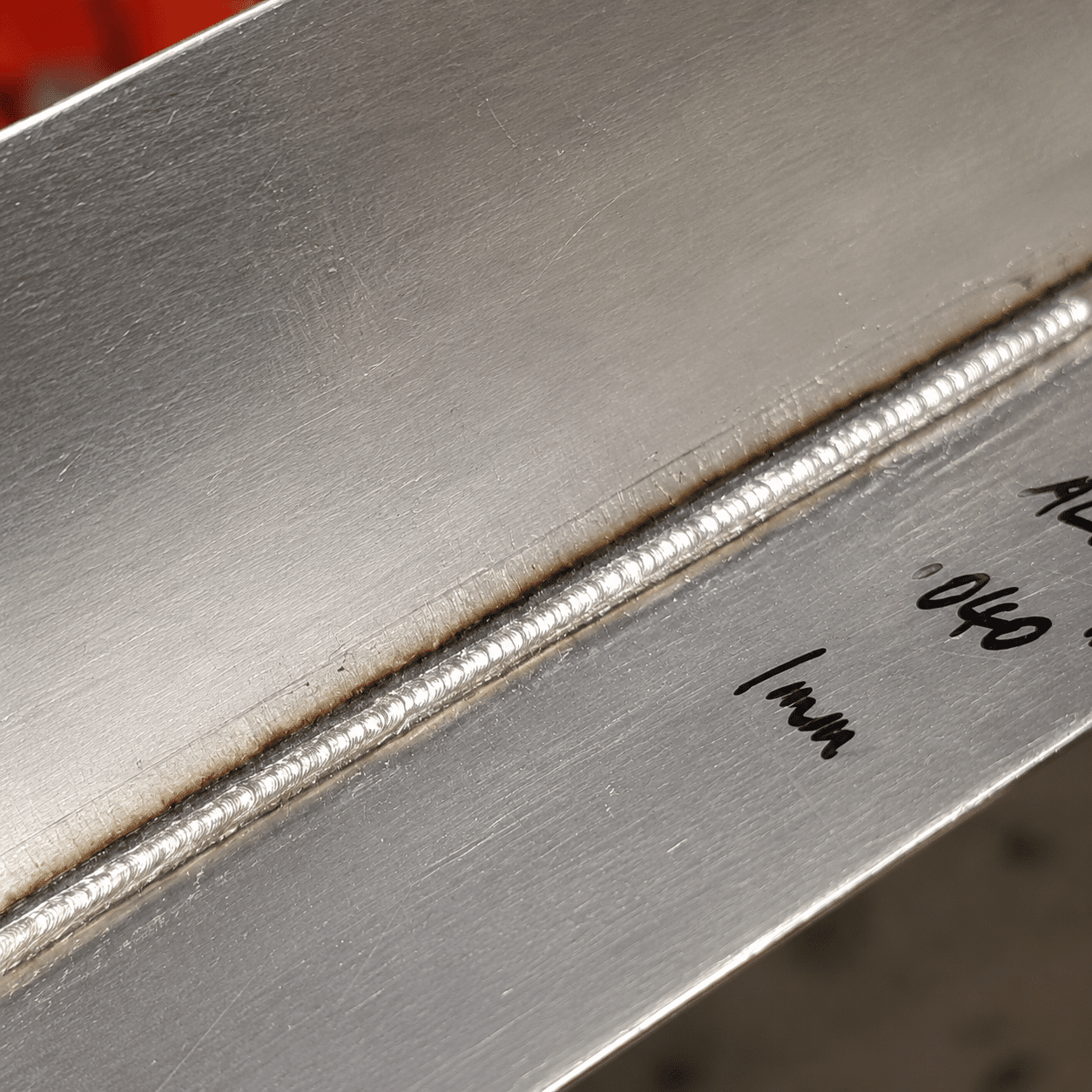
Watch laser machines working in real application scenarios
Video review helps confirm cleaning speed, weld appearance, marking contrast, operation method and automation fit.
Laser Cleaning Comparison
Compare pulsed and CW cleaning results for rust, oxide, paint and surface preparation.
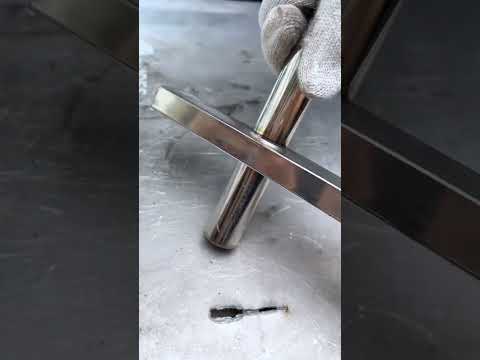
Laser Welding Comparison
Review handheld, wire feeder and robotic welding results on common metal parts.
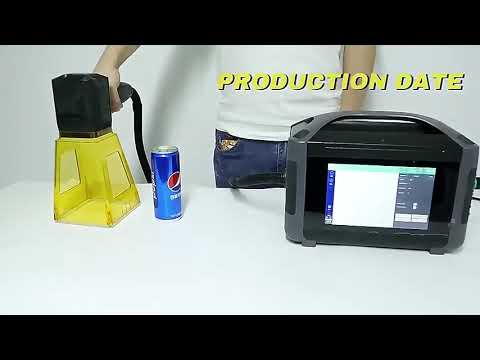
Laser Marking Comparison
Compare fiber, MOPA, UV and CO2 marking results for codes, logos and traceability.
Not sure which laser machine fits your project?
Send your material, photos, surface condition, part size or production goal. Oceanplayer can compare suitable machine types and recommend a practical configuration.
Share the workpiece
Provide material, photos, coating, thickness, mark size or weld joint details.
Compare machine types
Review cleaning, welding, marking or automated solutions based on the result you need.
Confirm the configuration
Choose power, accessories, cooling, fixture, safety and automation options with more confidence.
Explore more Oceanplayer machine selection resources
Continue comparing related equipment and process guides based on your application.
Common questions about choosing a laser machine
These answers help compare laser cleaning, welding, marking and automation systems before sample testing and final configuration.