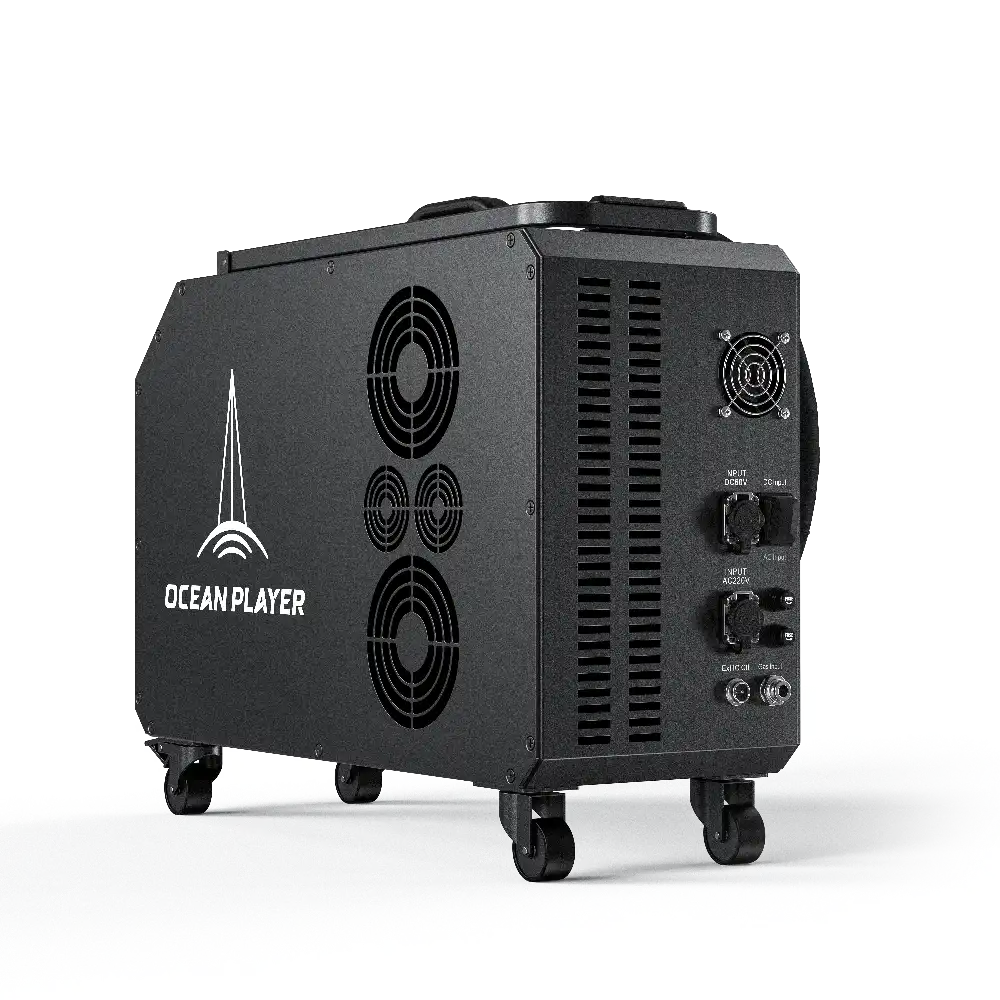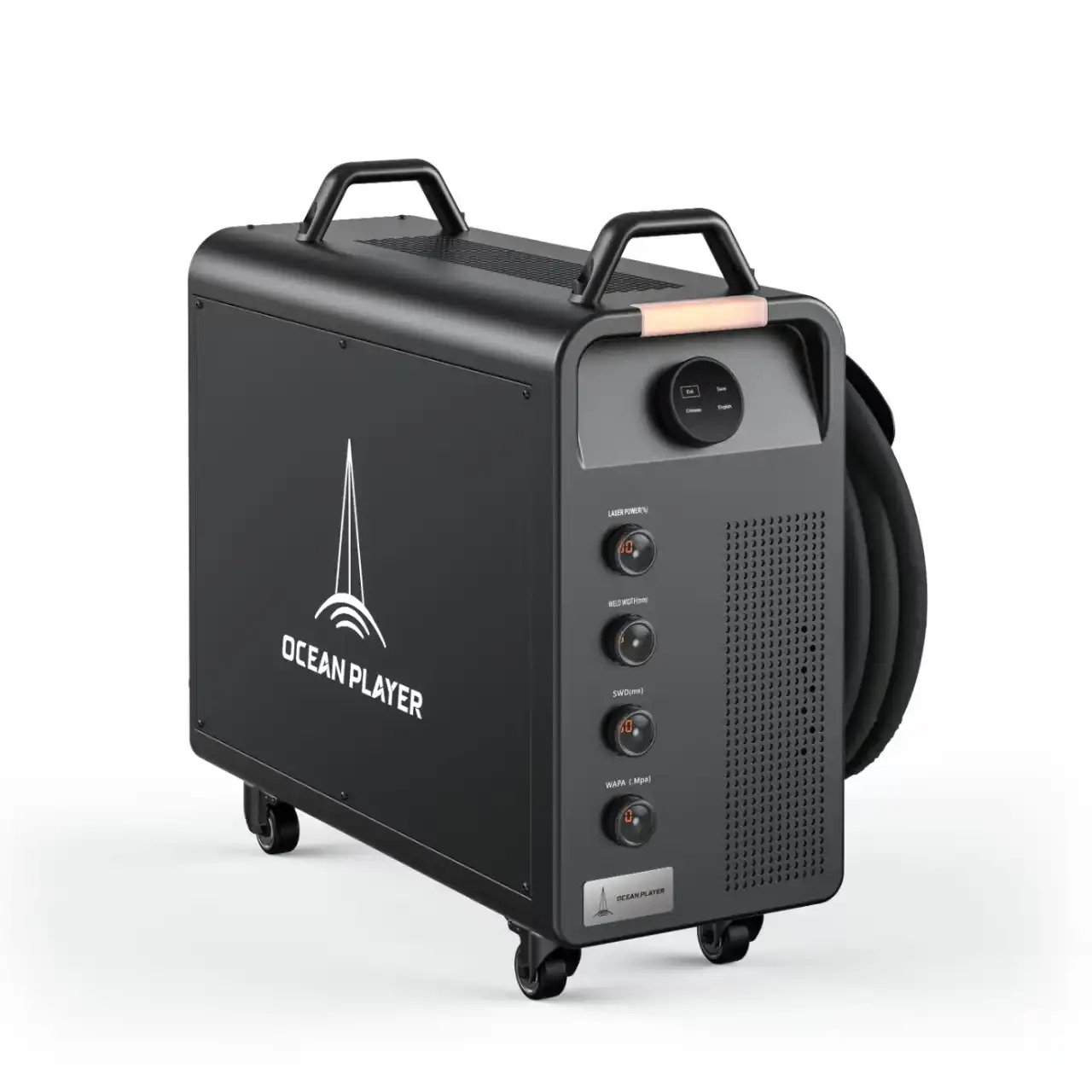
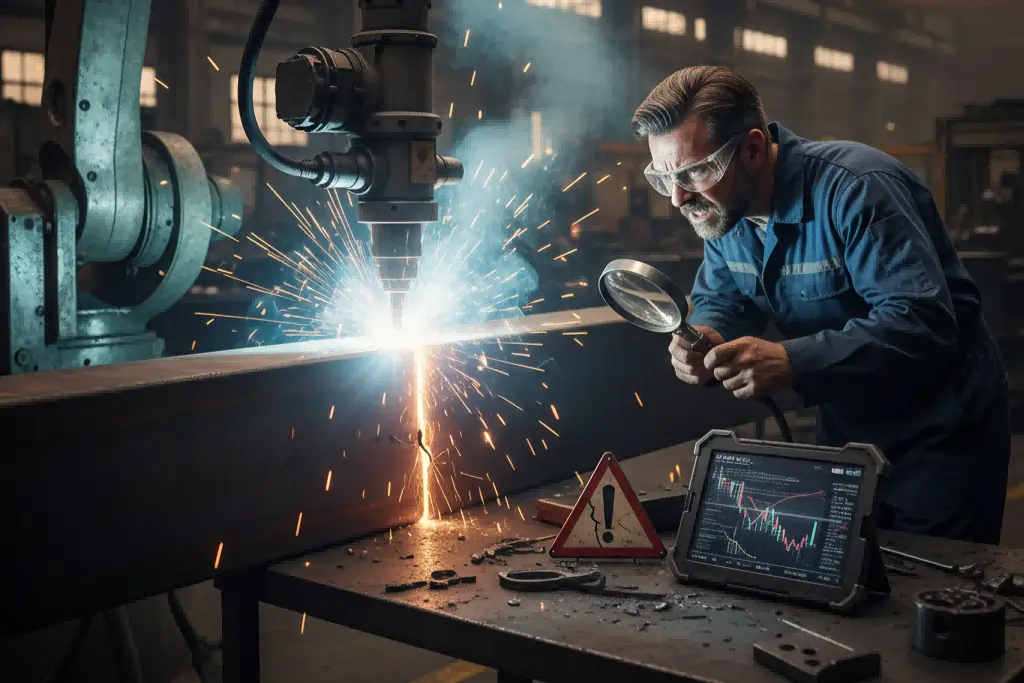
When you look at laser welding, you can see some significant disadvantages of laser welding. The main downsides include high cost, shallow penetration depth, sensitivity to materials, safety worries, hard-to-reach joints, and trouble with joint fit-up. These disadvantages of laser welding can slow down your work, increase costs, and even lead to safety issues in your shop. Check out this table to see how each disadvantage of laser welding can hurt your work and profits:
| Disadvantage | Impact on Manufacturing Efficiency and Profitability |
|---|---|
| High Cost | Raises costs because the equipment and repairs are pricey. |
| Limited Penetration Depth | Has trouble with thick materials, so work is less efficient. |
| Sensitivity to Materials | You can’t use many materials, so it costs more and is less flexible. |
| Safety Concerns | Makes accidents more likely and can stop work. |
| Limited Joint Access | Some jobs take longer because you need extra steps or have to move things. |
| Sensitivity to Joint Fit-up | It’s hard to make strong welds, so work slows down. |
Key Takeaways
- Laser welding costs a lot at first. It is a big investment for companies. You should think about your budget before you buy the equipment.
- Laser welding cannot go deep into thick materials. It does not work well for thick pieces. Check how thick your materials are before you use laser welding.
- Some metals can have problems with laser welding. You should always test your materials first. See how they react before you start welding.
- The way you design joints is very important. Parts must fit together tightly. If there are gaps, the welds can be weak.
- Laser welding can be dangerous. Workers need good training to stay safe. Safety steps are very important to protect everyone.
Disadvantages of Laser Welding: High Initial Cost
Equipment Investment
Laser welding machines cost a lot of money. They are much more expensive than regular welding machines. You might need to spend between $4,000 and $50,000 to buy one. Regular welding machines usually cost from $1,000 to $10,000. Here is a table that shows the price differences:
| Category | Laser Welding Cost | Traditional Welding Cost |
|---|---|---|
| Initial Investment | $4,000 – $50,000 | $1,000 – $10,000 |
| Energy Costs | 20% – 50% less electricity | Higher energy consumption |
| Consumables | $1,000 – $3,000 annually | $5,000 – $15,000 annually |
| Maintenance | $2,500 – $6,000 annually | $3,000 – $8,000 annually |
| Labor Costs | Reduced due to automation | Higher due to manual labor |
The high price at the start is a big problem. You might save money on energy and labor later. But paying so much at first can be hard. This is why many manufacturers see this as a big downside of laser welding.
Financial Barriers
The high price is not the only problem. You also need to train your workers. You must keep the machines working well. You have to follow safety rules too. These things cost more money. Small and medium businesses can find these costs very hard. Here are some common money problems you might have:
- You need a lot of money to buy the equipment
- You need skilled workers and more training
- You pay more to follow safety rules
- It can be hard to add new machines to your shop
If you have a small shop, these problems can make it tough to start using laser welding. Even big companies need to plan to make sure they get their money back. Sometimes, you can earn back the money fast, but only if you use the machines a lot.
So, before you buy, check your budget and what your shop needs. The high starting cost is a real problem. It is one of the biggest downsides of laser welding for many manufacturers.
Limited Penetration and Fusion
Thickness Constraints
Laser welding works best on thin materials. If you try to weld thick pieces, you will run into problems. The laser just cannot go deep enough unless you use a very powerful machine. For example, a 1 kW laser can only weld up to 3mm of stainless steel or carbon steel. If you want to weld thicker pieces, you need a 2 kW or 3 kW laser. Even then, you might have to make several passes to get a strong weld. Here’s a quick look at how much thickness you can handle with different laser powers:
| Material Type | Max Thickness (1 kW) | Max Thickness (2 kW) | Max Thickness (3 kW) |
|---|---|---|---|
| Stainless Steel | 3mm | 6mm | 8mm |
| Carbon Steel | 3mm | 5mm | 8mm |
| Aluminum | 3mm | 5mm | 6mm |
If your shop often works with thick materials, this can be a big headache. You might need to buy a more expensive laser or change your process. This is one of the main disadvantages of laser welding for many manufacturers.
Weld Integrity
You want your welds to be strong and last a long time. But with laser welding, incomplete fusion and shallow penetration can weaken the joint. The fusion boundary, where the two pieces meet, often has low fatigue resistance. This means the weld can crack or break when it faces stress or vibration. Here are some common issues you might see:
- The weld may not go deep enough, so it is not as strong.
- Cracks can form at the fusion boundary.
- The joint can fail if it faces repeated stress.
| Penetration Mode | Impact Toughness (J) | Elongation (%) |
|---|---|---|
| Keyhole Stably Penetrated Fusion | 14.36 | 22.8 |
| Keyhole Critical Penetrated Fusion | 9.23 | N/A |
You need to monitor your welds closely. Many shops use special tools to check the weld depth and look for defects. If you miss a problem, the weld could fail in the field. That is why you must think about these limits before you choose laser welding for thick or critical parts.
Material Sensitivity
Heat Input Effects
Laser welding uses a focused beam that brings a lot of heat to a small spot. Some metals do not like this. You might notice that certain steels, like 22MnB5, react badly to the heat. Here’s what can happen:
- The heat-affected zone (HAZ) gets soft and loses strength.
- The grains in the metal get bigger, which can drop hardness by up to 39%.
- The metal can crack more easily because it is not as tough as before.
If you work with metals that are sensitive to heat, you need to watch out for these problems. You may see welds that look fine at first but fail later because the metal changed inside.
Property Changes
Laser welding can also change the way metals behave. Not every metal reacts the same way. Here are some common metals and what you might see:
- Aluminum: This metal reflects the laser and spreads heat fast. You might see holes (porosity) or weak welds because the laser does not melt it evenly. The weld can lose strength because the heat removes some of the things that make aluminum strong.
- Titanium: You can get strong welds, but only if you keep the air away. If air touches the hot metal, it gets brittle and can break. You need to use special gas to protect it.
- Stainless Steel: If you use too much heat, the weld can rust or corrode. The metal can lose its ability to fight off rust if you are not careful.
Tip: Always check what kind of metal you have before you start. Some metals need more care than others.
To avoid these issues, you should prepare your materials the right way. Here are two steps you can take:
- Clean the surface. Remove dirt, oil, rust, or any coating. This helps the weld stick and keeps out bubbles.
- Make the surface a little rough. Sanding or texturing helps the weld hold better.
If you skip these steps, you might see more defects and weaker welds. Material sensitivity is one of the disadvantages of laser welding that can cost you time and money if you do not plan ahead.
Thermal Stress and Cracking
High Cooling Rates
When you use laser welding, the heat comes in fast and leaves just as quickly. This rapid heating and cooling can cause big problems for your welds. The metal cools down so fast that it does not have enough time to settle smoothly. As a result, the weld can shrink and pull on itself, creating stress inside the metal.
Research shows that these high cooling rates make cracks more likely. When the metal cools, thin liquid films form at the grain boundaries. If the cooling happens too quickly, there is not enough time for the liquid to fill all the spaces between grains. This leaves weak spots. The weld can then crack because the solid parts do not stick together well. You might also see more cracks if you use higher welding speeds. The melt pool does not get enough pressure, so the liquid metal cannot flow into all the tiny spaces. This makes the weld even more likely to crack.
Risk of Cracks
Cracking is one of the major disadvantages of laser welding, especially if you work with certain materials. Some metals are more sensitive to these thermal stresses than others. If you use thin-gauge metals, overheating can cause the metal to warp or crack. Heat-sensitive alloys can become unstable, and materials that form brittle phases are at a much higher risk of cracking.
Here’s a quick table to show you where thermal stress and cracking are most likely to be a problem:
| Scenario Type | Concern Level |
|---|---|
| Thin-gauge metals | High – Overheating can lead to distortion |
| Heat-sensitive alloys | High – Risk of metallurgical instability |
| Materials prone to brittle phases | High – Increased risk of cracking |
If you work with any of these materials, you need to pay extra attention. Cracks can ruin your welds and cost you time and money. Always check your process and materials before you start. This way, you can avoid some of the most costly disadvantages of laser welding.
Joint Design Limitations
Geometric Constraints
You might think laser welding can handle any joint shape, but that’s not true. The design of your joint can make or break your weld. If your parts don’t fit together just right, you can run into big problems. Laser welding needs a tight fit with almost no gaps or burrs. Even a small misalignment can cause weak spots or incomplete fusion. When you have a joint with sharp corners or notch-like shapes, stress can build up there. These spots act like tiny cracks waiting to happen. If you don’t pay attention to the shape of your weld, you might see early cracking or even total joint failure.
Some joint shapes, like T-joints or lap joints, are harder to weld with a laser. The laser beam can’t always reach deep into corners or around curves. You need to plan your weld layout carefully. For example, using two non-overlapping weld segments can help with electrical properties, while longer welds can make the joint stronger. If you space out your welds, you can also improve how the joint holds up over time.
Application Restrictions
Not every assembly works well with laser welding. Some products need joints that are hard to reach or have tricky shapes. In these cases, you might find laser welding too limiting. Here’s a table to show you where you might run into trouble:
| Limitation | Description |
|---|---|
| Precise Joint Preparation | You need to cut and align edges perfectly, with almost no gaps or burrs. |
| Tight Tolerances | Even small mistakes in fit-up can lead to weak welds or poor fusion. |
| Ability to Bridge Gaps | Laser welding can’t handle gaps like traditional welding can. |
You’ll notice that laser welding is very sensitive to how well your parts fit together. If you work with assemblies that have loose tolerances or need to bridge gaps, you might struggle. Products like automotive body panels, electronics, or thin-walled tubes often face these issues. These are some of the disadvantages of laser welding that can slow down your work or force you to redesign your parts.
Tip: Always check your joint design before you choose laser welding. A small change in geometry can make a big difference in weld quality.
Safety Concerns
Laser Hazards
Laser welding can be dangerous in many ways. The laser beam is not the only thing that can hurt you. There are other risks you need to know about. For example, bad wiring or poor grounding can cause electrical shocks. Moving machine parts can pinch your fingers or throw metal pieces. Hot sparks and melted metal can burn your skin. Breathing in fumes like hexavalent chromium or lead is bad for your health. Fires or explosions can happen if there are flammable things nearby. Working in strange positions can make you tired or sore. Some chemicals can also be risky, depending on what you are welding.
You should not ignore these dangers. Even a small mistake can cause a bad injury or damage. Many shops use special safety tools to protect workers. For example, beam enclosures keep the laser inside. Interlock systems turn off the machine if a panel opens. Curtains help keep the laser in a safe area. Remote controls and cameras let you watch from far away. These safety steps really help. One study showed that using beam containment and interlocks can lower accidents by 40%.
Always look around your work area for dangers before you start. Taking a few minutes to check can stop big problems later.
Training Requirements
Laser welding needs special training to use safely. It is not the same as regular welding. Here is a table that shows the difference in training:
| Welding Method | Training Requirement |
|---|---|
| Laser Welding | Requires specialized training |
| Traditional Welding | More familiar and easier to learn |
You and your team must learn how to use the laser and follow safety rules. You also need to wear special safety gear like protective glasses. Shops often use written rules, safety checklists, and practice drills to help everyone remember what to do. Good training lowers the chance of mistakes. Research shows that using safety rules and training can cut errors by 22%. So, do not skip training. It keeps you safe and helps your shop work better.
Laser welding has some problems. It costs a lot to start. It cannot weld thick pieces well. Some metals do not work with it. The heat can cause cracks. The joint shape must be just right. There are also safety risks. These things can make your work slower and more expensive. Think about the good and bad sides before you pick laser welding:
- It is fast, accurate, and can do many jobs
- It costs a lot at first, needs skilled workers, and not all metals work
It helps to check if the benefits are worth the cost. Use this table to see what you should think about:
| Factor | What to Check |
|---|---|
| Investment Cost | How much the machine and setup cost |
| Labor and Training | If you need skilled workers and classes |
| Maintenance | How much repairs and upkeep will cost |
| Facility Upgrades | If you need better safety or air flow |
Ask people who know a lot or do a cost check before you choose.
FAQ
What materials work best with laser welding?
You get the best results with stainless steel, carbon steel, and some aluminum alloys. If you use metals that reflect light or react to heat, you may see more problems.
Can you weld thick parts with a laser?
Laser welding works best on thin or medium-thick parts. If you try to weld thick pieces, you may need a stronger laser or several passes. This can slow you down.
Is laser welding safe for beginners?
Laser welding needs special training. The laser beam can hurt your eyes or skin. You must use safety gear and follow rules. If you skip training, you risk injury.
How do you avoid cracks in laser welds?
Clean your parts well. Pick the right settings for your metal. Watch the cooling speed. If you do these things, you lower the chance of cracks.
Do you need perfect joint fit-up for laser welding?
Yes, you do. Laser welding needs tight joints with no gaps. If your parts do not fit well, you may get weak welds or defects.
Laser welder buying guide how much will you pay
The suitable welding thickness range for laser welding