Laser cleaning is better for the environment. It does not use up materials or make waste. Picking green cleaning methods helps you and the earth. When you look at cleaning choices, think about some main things:
- Waste and byproducts: Laser cleaning does not make sand or water mess. It sucks up dust right away, so the place stays clean. Dry ice cleaning does not hurt with CO2, but it can blow dirt into the air.
- Emissions and air quality: Laser cleaning stops dirty air, so it is used in food and medicine places.
- Energy use, worker safety, and how long tools last are also important.
You can help by thinking about these things when you pick a cleaning method.
Key Takeaways
- Laser cleaning is better for the environment. It makes very little waste and does not use chemicals. This makes it a safer choice for nature.
- Dry ice cleaning is also good for the planet. It uses recycled carbon dioxide. But you need dry ice pellets for every job. This can make it cost more over time.
- Both cleaning methods help keep the air clean. They lower harmful emissions. But laser cleaning is better at stopping air pollution.
- Think about the surface and dirt before picking a cleaning method. Laser cleaning works best on metals and paint. Dry ice cleaning is good for gentle items and food tools.
- Check your cleaning steps often. Look for new ways to protect the environment and work better.
Laser Cleaning Overview
How Laser Cleaning Works
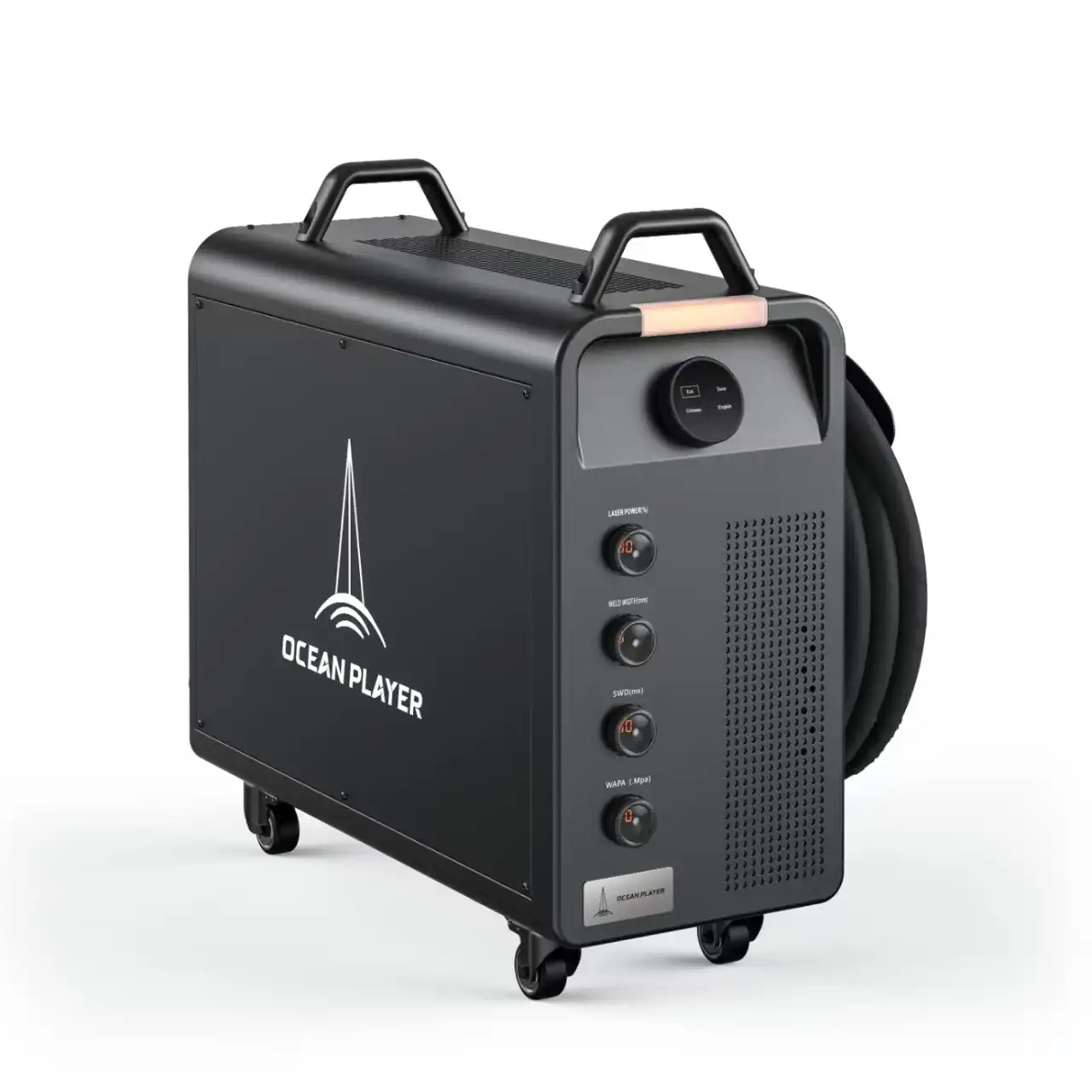
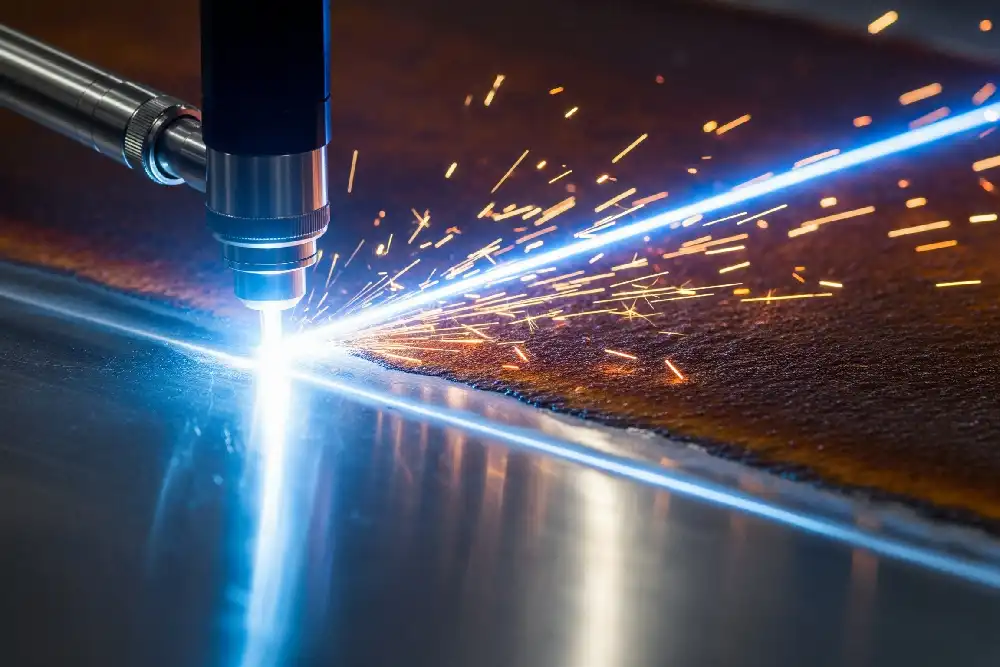
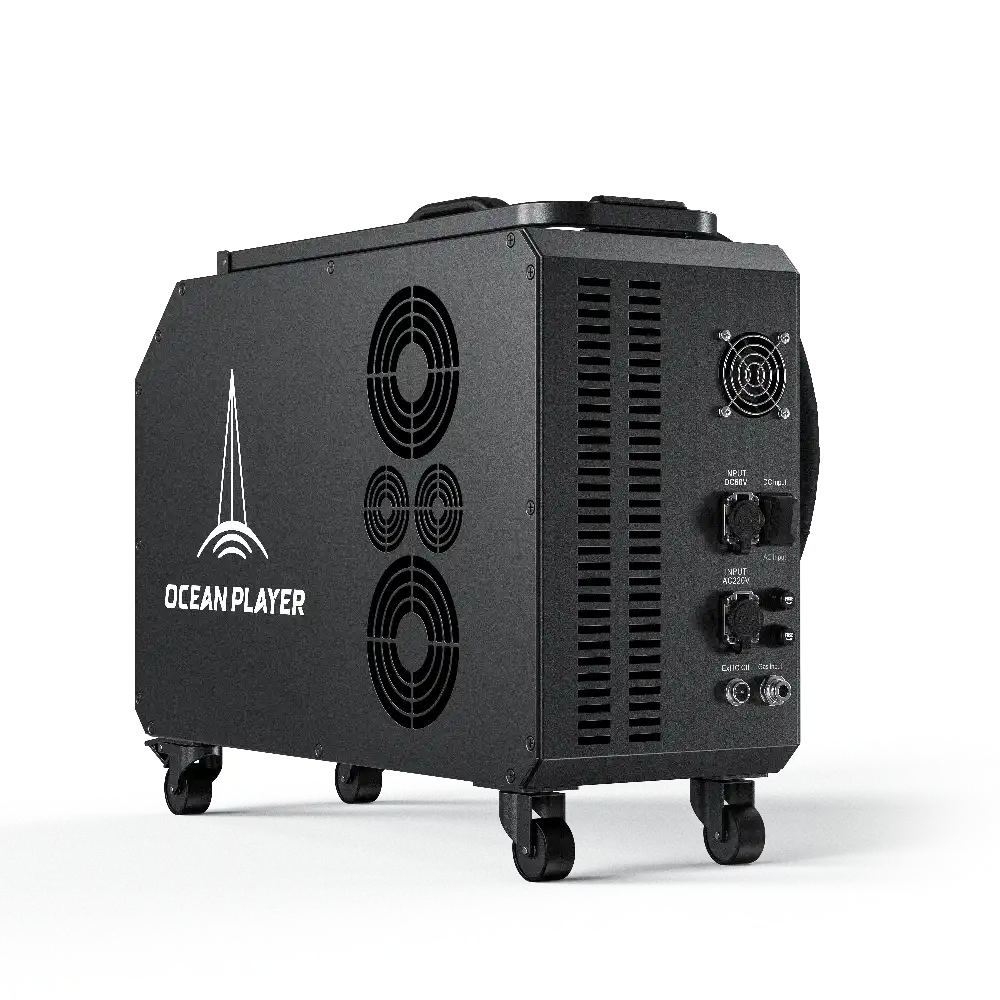
Laser cleaning takes off things you do not want on surfaces. The system uses a strong light beam to clean the area. The light gets hot and makes the dirt break up. The dirt then comes off the surface. You do not need to use chemicals or rough materials. People often use a handheld gun to aim the laser. Scanners help make the light hit the right spot. The machine does not touch the surface, so it does not hurt it. You can clean many kinds of dirt, like:
- Industrial oils and fats
- Rust and metal oxides
- Paint leftovers and coatings
- Metal bits
- Dust and dirt from the air
- Electrolyte leftovers
- Germs in medical places
- Lubricant leftovers
Laser cleaning works on metals, plastics, glass, and ceramics. The process is safe and simple to use.
Environmental Benefits
Laser cleaning is good for the environment. You do not need chemicals or rough stuff, so you do not make bad waste. The process makes very little waste, so it is a green choice for many jobs. You also save money because you do not need to buy extra materials. The machine does not touch what you clean, so your tools last longer.
Tip: You help the earth when you pick laser cleaning for your work.
Here is a table that shows some main environmental benefits:
| Benefit | Description |
|---|---|
| Waste Reduction | Laser cleaning makes less waste than old ways. |
| Chemical-Free | You do not use bad chemicals, so it is safer for the earth. |
| Carbon Footprint | You can cut chemical waste by up to 90%, so you make less pollution. |
Laser cleaning is a smart choice for the planet. It keeps your work area clean and safe. It also helps the earth by being green.
Dry Ice Cleaning Overview
How Dry Ice Cleaning Works
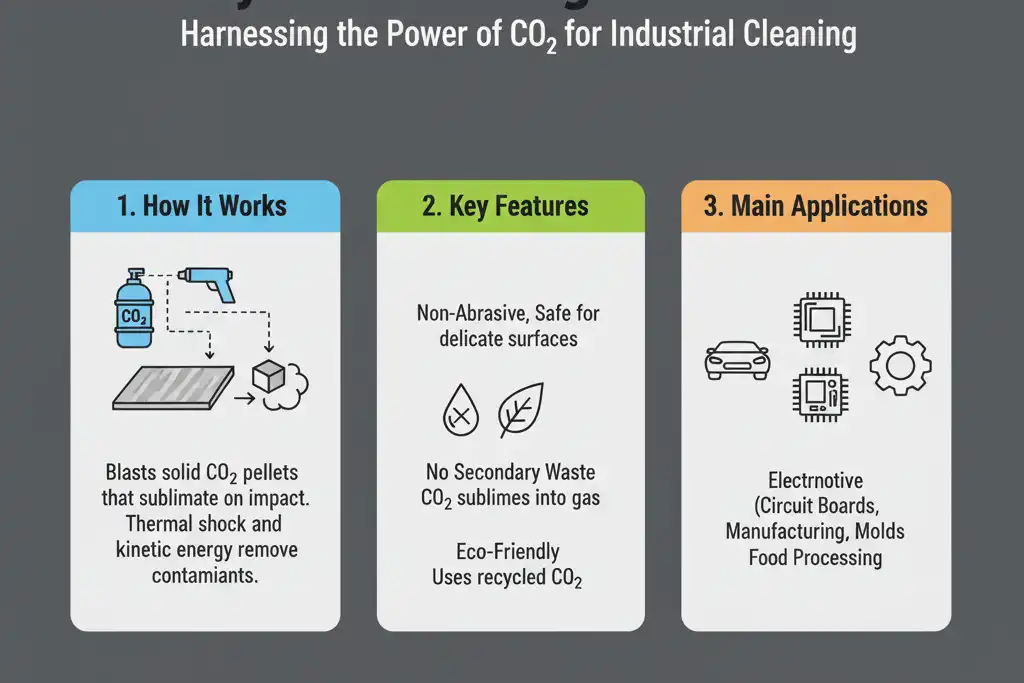
Dry ice cleaning helps take off dirt from many surfaces. It uses small dry ice pellets made from frozen carbon dioxide. You put these pellets into a special blasting machine. The machine pushes the pellets out fast with compressed air. When the pellets hit the surface, they get very cold. Then, they turn from a solid straight into a gas. This is called sublimation. The quick change helps remove dirt, grease, and other stuff you do not want.
Here is a table that shows how the process works and what tools you need:
| Process Flow of Dry Ice Cleaning | Required Equipment |
|---|---|
| Dry ice pellets shoot out fast to clean surfaces using force and cold. | Dry ice blasting machine |
| When dry ice hits, it turns to gas and takes away dirt. | Air compressor |
| Compressed air moves the dry ice pellets. | Feeding system for dry ice |
You can use dry ice cleaning in many places:
- Machine and plant cleaning: Takes off oils, greases, and varnishes without leaving anything behind.
- Electrical and control parts: Cleans safely and does not cause short circuits.
- Food industry: Cleans without chemicals and keeps things safe to eat.
- Automotive industry: Removes paint and release agents fast.
- Printing houses: Cleans ink and grease so machines work well.
Dry ice cleaning works on heat exchangers, blower wheels, ovens, exhaust ducts, oven mats, and electronics. But it does not work well on soft or bendy surfaces. It can also have trouble with thick grease and oils, which sometimes need chemicals.
Environmental Impact
Dry ice cleaning is a green way to clean. You do not make much waste because dry ice turns into gas and goes away. The process does not leave water, chemicals, or grit behind. The carbon dioxide for dry ice comes from recycled sources, so you help cut waste and pollution. The EPA, USDA, and FDA all say dry ice is safe and non-toxic.
“Dry ice blasting is really safe for the environment! Dry ice is approved by the EPA, USDA, and FDA. It is non-toxic, not dangerous, and stops mold and bacteria.”
You do not add greenhouse gases to the air when you clean. The EPA says you do not have to report greenhouse gas emissions for dry ice cleaning. You can even use dry ice pellets again before they turn to gas. This saves resources and cuts down on packaging waste.
Here is a table that shows the main environmental impacts:
| Impact Type | Description |
|---|---|
| Waste Generation | Dry ice cleaning makes very little waste compared to other ways. |
| Emissions | Making and using dry ice causes some emissions, but they are safe and small. |
| Environmental Friendliness | Dry ice is safe, not dangerous, and helps stop mold and bacteria. |
Dry ice cleaning gives you a strong and green way to keep your tools and spaces clean.
Environmental Impact
Waste and Byproducts
You should think about waste when picking a cleaning method. Laser cleaning and dry ice cleaning make less waste than old ways. Laser cleaning does not use sand, water, or chemicals. You only need to change filters that catch dust and fumes. Dry ice cleaning uses frozen carbon dioxide pellets. These pellets turn into gas and vanish after cleaning. You do not need to clean up leftover pellets. But you still have to pick up the dirt that comes off.
Here is a table that shows the waste from each method:
| Cleaning Method | Waste Type | Quantity/Notes |
|---|---|---|
| Laser Cleaning | Airborne particulates and vapors | Filters and dust collectors catch these |
| Changing filters is the main thing you use up | ||
| Dry Ice Cleaning | No leftover pellets (CO2 turns to gas) | You must collect the dirt that gets removed |
When you use lasers, dust and fumes go into a HEPA filter. You do not need to clean up sand, dry ice, or chemicals after.
Dry ice blasting means you do not worry about leftover cleaning stuff. Carbon dioxide is a safe gas that is already in the air, so you do not add new chemicals.
Emissions and Air Quality
Clean air is important for you and the earth. Laser cleaning keeps air clean by trapping dust and fumes in filters. You do not let out bad chemicals or particles. Dry ice cleaning also helps air stay clean. The carbon dioxide pellets turn into gas and mix with the air. You do not add new greenhouse gases because the CO2 is recycled.
Rules help keep emissions safe for people and nature. Here is a table with some important rules:
| Regulation/Guideline | Description |
|---|---|
| Waste Framework Directive (2008/98/EC) | Says you must sort, track, and throw away waste right for laser cleaning in the EU. |
| Industrial Emissions Directive (2010/75/EU) | Controls emissions from factories, including laser cleaning, in the EU. |
| EPA hazardous waste management rules (40 CFR Part 261) | Says you must follow rules for waste from laser cleaning in the U.S. |
| OSHA air quality standards | Sets safe limits for dust in the air in the U.S. |
| ISO 14001 | A system that helps companies care for the environment. |
You should follow these rules to keep your work safe and help the earth.
Water and Soil Effects
Water and soil can get dirty from some cleaning ways. Laser cleaning and dry ice cleaning do not use water, so you do not leave wet messes. You do not risk mold or germs growing. Old cleaning ways, like pressure washing, can leave water behind. This water can cause mold or bacteria to grow. It can also make cleaning harder.
Here are some facts about water and soil getting dirty:
- Old cleaning ways, like pressure washing, can leave water and cause germs.
- Wet spots after cleaning can help mold grow, which can hurt products.
- Hard cleaning does not always get rid of all mess, so germs can stay.
You help keep water and soil clean when you use laser or dry ice cleaning. You make your workspace safer and cleaner for everyone.
Energy Use
Laser Cleaning Energy Needs
Laser cleaning uses electricity to work. Most machines need between 0.5 and 2 kWh each hour. The amount depends on the job size and machine power. Small machines use less energy. Big jobs with tough dirt need more power.
Laser cleaning saves energy compared to older ways. You do not need heavy machines or lots of water. You also skip chemicals that take extra energy to make and throw away. Here are some reasons laser cleaning saves energy:
- Laser cleaning uses less energy than sandblasting or chemical cleaning.
- You do not make extra waste, so cleanup takes less energy.
- You spend less on workers and fixing machines because it is simple.
- You protect surfaces, so you do not fix or replace tools often.
Tip: Laser cleaning helps you save money and energy. It is good for the earth.
Dry Ice Cleaning Energy Needs
Dry ice cleaning needs electricity for the blasting machine and air system. You also need energy to make dry ice pellets. Making dry ice uses electricity to freeze carbon dioxide into pellets. After cleaning, dry ice turns into gas and goes away.
How much energy you use depends on a few things:
- How many dry ice pellets you need.
- The size and power of the blasting machine.
- The energy to make and move dry ice.
Big jobs or tough dirt use more energy. Dry ice cleaning does not use water or chemicals, so you do not need extra energy for disposal. But you should think about the energy to make and deliver dry ice.
Here is a table that shows the main energy needs for both ways:
| Cleaning Method | Main Energy Use | Extra Energy Factors |
|---|---|---|
| Laser cleaning | 0.5–2 kWh per hour (machine) | None (no consumables needed) |
| Dry ice cleaning | Machine + compressed air + dry ice production | Transport and pellet making |
You can pick the way that matches your energy needs and cleaning goals.
Safety and Health
Worker Safety
It is important to think about safety when picking a cleaning method. Both laser cleaning and dry ice cleaning have some risks. You can make these risks smaller by following safety steps.
Laser cleaning uses strong light and heat. You need to protect your eyes and skin. Workers wear special goggles and gloves that resist heat. Machines often have shields to block the light and heat. You should check if it is loud and wear ear protection if needed. Good airflow helps get rid of fumes and dust. You should check wires and fire tools often to stay safe. Training teaches you how to use the machines the right way.
Here is a table that lists common risks and how to stop them:
| Safety Risk | Preventive Measures |
|---|---|
| Laser Radiation Hazards | Wear laser safety goggles and use enclosures to block stray beams. |
| Thermal Hazards | Use heat-resistant gloves and clothing; add heat shields. |
| Noise Hazards | Check noise levels and use hearing protection. |
| Psychological Hazards | Take breaks and join stress management programs. |
| Fumes and Particulate Matter | Install ventilation to clear harmful gases and dust. |
| Electrical Hazards | Inspect and maintain electrical parts often. |
| Fire Hazards | Follow fire safety rules and keep fire extinguishers nearby. |
| Mechanical Hazards | Train workers on safe machine use. |
| Chemical Exposure | Use protective gear and handle chemicals safely. |
| Ergonomic Hazards | Set up workstations to reduce strain and teach good posture. |
Dry ice cleaning has its own risks too. You work with very cold pellets and carbon dioxide gas. You must wear thick gloves so you do not get frostbite. Good airflow keeps CO2 from building up, which can make it hard to breathe. Never put dry ice in a closed box because it can explode. Watch for vapor clouds that make it hard to see and can make you slip. Never eat or swallow dry ice.
- Check CO2 levels in the room.
- Use gas alarms and keep air moving.
- Wear thick gloves to keep hands safe.
- Store dry ice in open boxes.
- Do not breathe in the cold gas.
- Clean up vapor clouds so no one falls.
- Never eat dry ice.
Environmental Health
You help nature when you use safe cleaning ways. Laser cleaning does not use chemicals, so it does not pollute air, water, or soil. Filters catch dust and fumes, so your workspace stays clean. You do not leave waste that can hurt the earth.
Dry ice cleaning uses recycled carbon dioxide. The pellets turn into gas and mix with the air. You do not add new chemicals or water to the ground. Good airflow keeps CO2 safe for people and animals. You do not leave grit or dirty water behind.
Tip: Always follow safety rules and wear the right gear. This keeps you and the earth safe.
Both ways help you work safely and protect nature. You make your workspace safer for everyone.
Sustainability
Resource Use
The cleaning method you pick affects the environment a lot. Laser cleaning only needs electricity and a filter. You do not need chemicals or extra stuff. Dry ice cleaning needs more things. You need a dry ice machine and compressed air. You must have dry ice pellets all the time. Workers need training and special safety gear. Some companies use machines that clean by themselves to save time.
- Dry ice cleaning machine
- Compressed air
- Dry ice supply
- Training for workers
- Safety gear (PPE)
- Machines that clean by themselves (optional)
Laser cleaning is special because you do not buy extra supplies. This helps the earth by making less trash and saving resources. Dry ice cleaning uses recycled carbon dioxide, so it makes less pollution. You still need to think about the energy and stuff used to make and bring dry ice.
Tip: Picking a way that uses less stuff helps the earth and saves money.
Equipment Longevity
You want your cleaning tools to last a long time. Laser cleaning machines can work for 5 to 10 years if you care for them. You do not change parts much because the laser does not touch what you clean. This means less trash and fewer fixes.
Dry ice cleaning tools cost more at first, but you save money later. You do not buy chemicals and do not stop work for big repairs. You do not pay to throw away trash because dry ice turns into gas. This way makes less pollution than using chemicals.
- Laser cleaning machines last 5–10 years with good care.
- Dry ice cleaning tools cost more at first, but save money later.
- Less stopping and fewer chemicals mean you save more.
- No extra trash keeps costs low.
- Less pollution makes both ways better than old cleaning.
Picking tools that last and use less stuff helps the earth and saves you money.
Comparison Table
You want to make the best choice for the environment. A side-by-side table helps you see the main differences between laser cleaning and dry ice cleaning. This table shows you the key environmental factors for both methods. Use it to decide which cleaning method fits your needs.
| Environmental Factor | Laser Cleaning | Dry Ice Cleaning |
|---|---|---|
| Waste Produced | Almost none. Only dust and filters. | Very little. Only removed dirt. |
| Consumables Needed | No chemicals or extra materials. | Needs dry ice pellets. |
| Emissions | No extra gases. Filters trap dust. | CO₂ gas from pellets. No new CO₂ added. |
| Water Use | No water needed. | No water needed. |
| Soil Impact | No soil pollution. | No soil pollution. |
| Energy Use | 0.5–2 kWh per hour. | More energy for pellets and machines. |
| Worker Safety | Needs eye and skin protection. | Needs gloves and good airflow. |
| Equipment Longevity | Machines last 5–10 years. | Machines last long with care. |
| Resource Use | Only electricity and filters. | Dry ice, air, and electricity. |
| Sustainability | Very high. No ongoing supplies. | High. Uses recycled CO₂. |
Tip: You can use this table to compare the two methods quickly. Laser cleaning uses fewer resources and makes less waste. Dry ice cleaning is also green, but you need to get dry ice pellets for every job.
If you want the most eco-friendly choice, laser cleaning stands out. You do not need to buy extra materials, and you make almost no waste. Dry ice cleaning is still a good option if you need a strong, chemical-free clean. Both methods help you protect the earth and keep your workspace safe.
Choosing a Method
Application Suitability
You need to think about what you want to clean before you pick a method. Some jobs work better with one way than the other. If you need to clean metal parts, remove rust, or strip paint, laser cleaning gives you a strong and gentle option. You can use it on many surfaces, like steel, aluminum, or even glass. It works well for small, detailed jobs and big, flat areas.
Dry ice cleaning works best for places where you cannot use water or chemicals. You can use it on machines, food equipment, or electrical parts. It does not damage surfaces, so you can clean delicate items. Dry ice cleaning is good for removing grease, oil, or sticky dirt. You should not use it on soft or flexible surfaces because the cold can cause damage.
Tip: Always check the type of dirt and the surface before you choose a cleaning method.
Here is a quick guide:
| Cleaning Need | Best Method |
|---|---|
| Rust removal | Laser cleaning |
| Food equipment | Dry ice cleaning |
| Paint stripping | Laser cleaning |
| Electrical parts | Dry ice cleaning |
| Delicate surfaces | Dry ice cleaning |
Cost vs. Environmental Benefit
You want to save money and help the earth at the same time. Laser cleaning costs more at first, but you do not need to buy extra supplies. You save money over time because you do not use chemicals or make much waste. The machine lasts a long time, so you do not need to replace it often.
Dry ice cleaning costs less to start, but you need to buy dry ice pellets for every job. You also need to pay for storage and delivery. This can add up if you clean often. Dry ice cleaning is still good for the environment because it uses recycled carbon dioxide and does not leave waste.
Note: If you want the greenest choice and plan to clean often, laser cleaning gives you the best long-term value.
You should think about how often you clean, what you clean, and your budget. This helps you pick the best method for your needs and for the planet.
You help the planet when you choose laser cleaning. This method uses no chemicals and makes almost no waste. You save resources and keep your workspace safe. If you want the greenest option, pick laser cleaning for most jobs. Think about your cleaning needs and how your choice affects the environment. Make smart decisions to support a cleaner future.
Tip: Review your cleaning process often. You can find new ways to protect the earth.
FAQ
What surfaces can you clean with laser cleaning?
You can clean metals, plastics, glass, and ceramics with laser cleaning. This method works well for removing rust, paint, oil, and dirt. You should always test a small area first.
Is dry ice cleaning safe for food equipment?
Yes, you can use dry ice cleaning on food equipment. The process does not use chemicals or water. It leaves no residue. The FDA and USDA approve dry ice for food industry use.
Does laser cleaning damage the surface?
Laser cleaning does not touch the surface. You control the power and focus. This helps you avoid damage. You can clean delicate or hard surfaces safely.
How do you dispose of waste from laser cleaning?
You collect dust and fumes in filters. You change filters when full. You throw them away as regular waste or follow local rules for disposal.
Can you use dry ice cleaning indoors?
- Yes, you can use dry ice cleaning indoors.
- You must keep the area well-ventilated.
- Always check carbon dioxide levels for safety.
See also
Essential Maintenance Tips for Laser Scanning Galvanometers
The Ultimate Guide to Parameter Requirements for Fiber Laser Cleaning
Exploring the Science Behind Ship Rust Removal Using Lasers
What must be checked before starting the laser cleaning machine