Are you wondering if a laser cleaning machine fits your needs? You want to make sure it saves you time, handles fumes well, and works on your materials. Think about cleaning times, energy use, mobility, and after-sale support. Your budget matters, but so does what you hope to achieve. Take a close look at what you need to clean and what features will help you most.
Key Takeaways
- Think about what you need to clean before you buy a laser cleaning machine. Look at the kinds of dirt and the materials you want to clean.
- Pick a machine that matches your job. Laser cleaning is good for factories, car shops, and getting surfaces ready.
- Find important features like a strong cooling system and power you can change. These help the machine last longer and work well.
- Think about all the costs, like the price to buy and to use it. Laser cleaning can help you save money on workers and supplies over time.
- Look up different brands and see if they offer a warranty and help. A good company can give support and make sure your machine works well.
Assess Your Cleaning Needs
Types of Contaminants and Materials
You need to know what you are cleaning. Different things need different ways to clean. Look at this table to see how laser cleaning helps with common problems:
| Contaminant Type | Mechanism of Removal |
|---|---|
| Oil | The laser heats oil fast. It turns into gas. |
| Rust | Laser energy heats rust. Rust breaks apart and goes away. |
| Coatings | Laser energy breaks the bond. The coating falls apart or turns into gas. |
Laser cleaning works well for oil, rust, and coatings on metal. You can use it on steel and aluminum. It also works on other metals. If you want to clean plastic or soft surfaces, check if they can handle laser energy.
Cleaning Goals and Frequency
Think about what you want to do. How often do you need to clean? Are you getting ready to weld or paint? Do you need to remove rust every day or just sometimes? Your goals help you pick the right machine.
Tip: Laser cleaning machines help you stay safe. You do not need strong chemicals or rough tools. You control where you clean. This keeps your tools working well and saves money.
Here is how often you clean matters:
- Continuous laser cleaning machines are good for fast and big jobs.
- Pulsed laser cleaning machines are better for careful and gentle cleaning.
- Your choice depends on how much you clean, what you clean, and what results you want.
Application Fit
Pick a machine that matches your job. Laser cleaning is great for factories, car shops, and airplane work. See this table to learn where it works best:
| Application Type | Description |
|---|---|
| Laser Rust Removal | Takes off rust and corrosion. Good before welding or coating. |
| Laser Oxide Removal | Cleans metal before and after treatments. |
| Laser Paint Removal | Removes paint. The base stays safe. |
| Laser Surface Cleaning for Adhesive Bonding | Gets parts ready for glue by cleaning and roughening. |
| Laser Surface Texturing | Makes surfaces rougher for better sticking later. |
If you need to clean surfaces, take off paint, or remove rust, laser cleaning may be right for you. It gives quick and neat results. It helps your business work better.
Laser Cleaning Machine Features
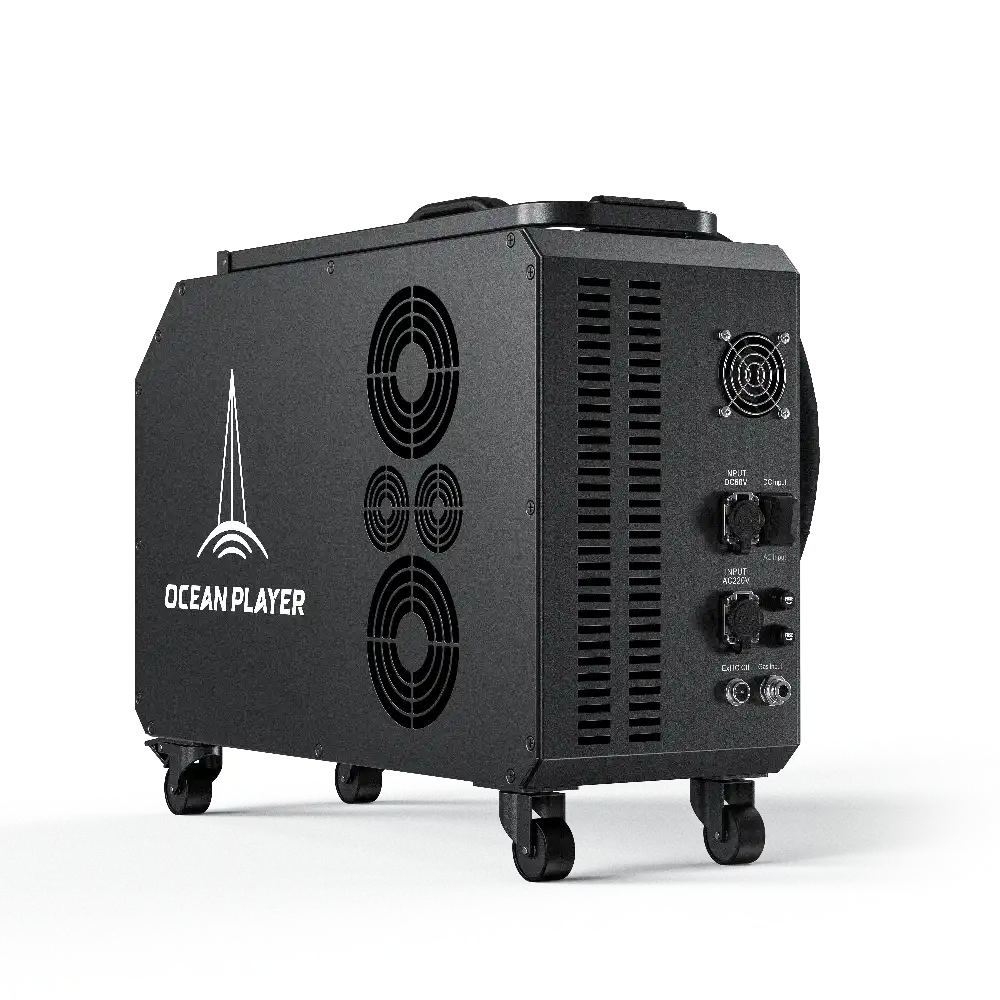
Cooling System and Laser Source
When you look at a laser cleaning machine, you need to check how it stays cool. Cooling keeps the machine running well and helps it last longer. Here are the most common cooling systems you will find:
- Water cooling system: This uses water to take away heat. It works well for big jobs and keeps the machine stable. You will need to do some maintenance, like checking water levels.
- Air cooling system: This uses fans and air. It is simple and does not need much care. It works best for smaller jobs or lighter cleaning.
- Liquid nitrogen cooling system: This is for very high-power machines. It cools fast but costs more and needs special handling.
- Refrigerant cooling system: This keeps the temperature steady, even if the room is hot or cold. It uses more energy and needs regular checks.
The laser source is just as important. You will see two main types:
- Pulsed lasers: These give you precise control. You can clean without hurting the base material. They work best for jobs where you need high quality.
- Continuous wave lasers: These are simple and good for general cleaning. They may not be as gentle on delicate surfaces.
If you want your laser cleaning machine to last, look for one with a good laser diode and a strong cooling system. With the right care, pulsed machines can last 8 to 15 years. The laser diode can work for 10,000 to 30,000 hours.
Tip: If you need high precision, choose a pulsed laser. For everyday cleaning, a continuous wave laser may be enough.
Power, Wavelength, and Pulse Duration
Power matters when you want to clean fast or handle tough jobs. Here is a quick look at what different power levels can do:
| Power Level | Cleaning Application | Cleaning Speed (cm²/s) |
|---|---|---|
| 100W | Light-duty tasks | 20-30 |
| 200W | Medium-duty tasks | Up to 60 |
| 500W | Heavy-duty tasks | Exceeds 100 |
- 100W: Good for light jobs like removing thin rust or paint.
- 200W: Handles thicker rust and coatings. Cleans faster.
- 500W: Best for big, tough jobs. Cleans large areas quickly.
Wavelength and pulse duration also play a big role. The wavelength tells you how deep the laser energy goes. Some lasers use infrared light (like 1064 nm) for metals and oxides. Others use ultraviolet light (like 355 nm) for things like glue or organic dirt.
Pulse duration is how long the laser hits the surface. Short pulses (measured in nanoseconds or less) let you clean with high precision. You can remove dirt without heating up the base. Longer pulses can help when you need to clean deeper or remove more material at once.
Note: If you need to clean many types of surfaces, pick a machine with adjustable power and pulse settings.
Delivery System and Power Levels
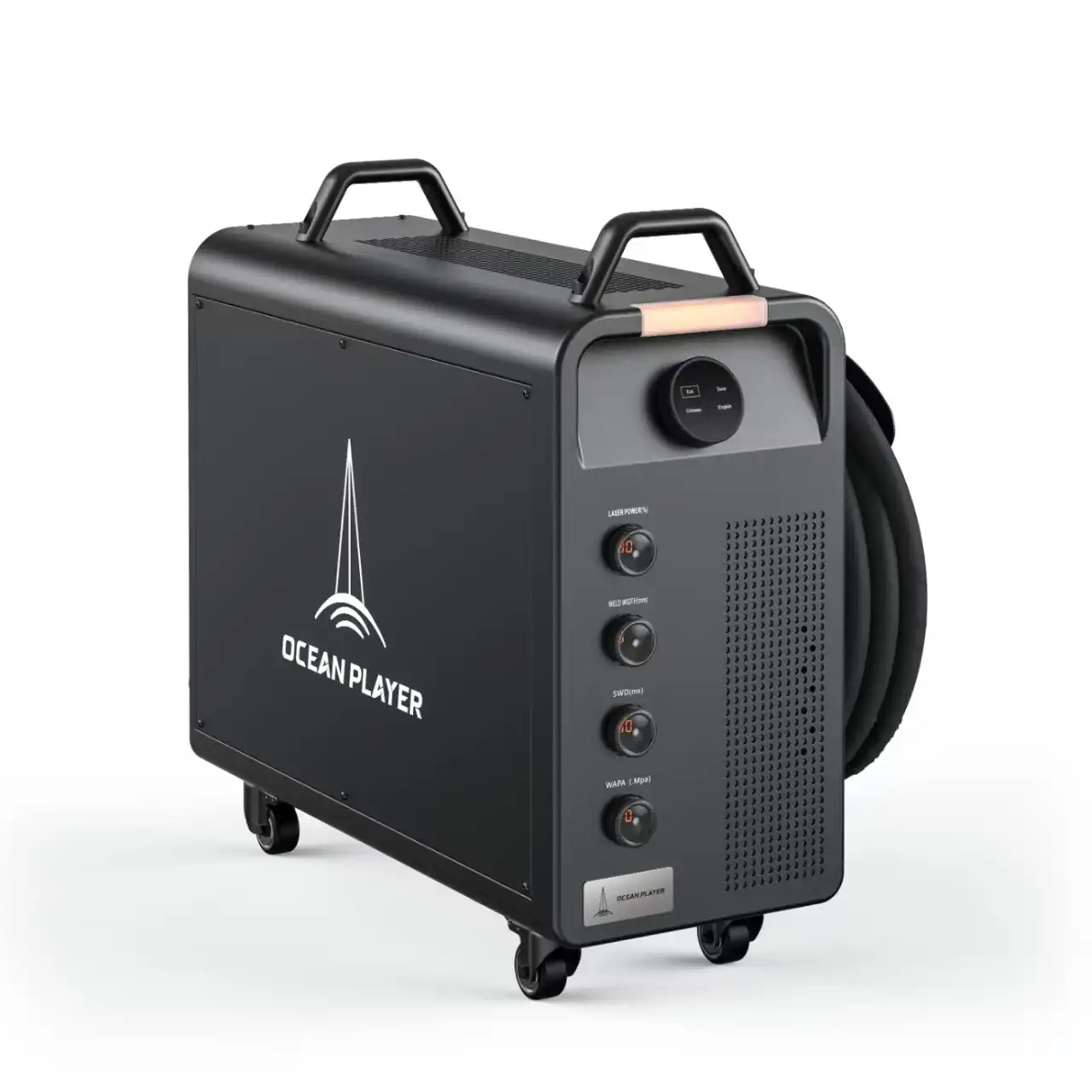
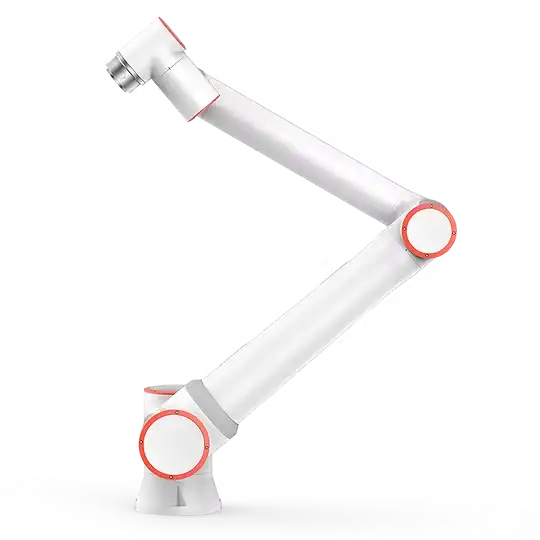
The delivery system is how you aim and move the laser. Some machines have a handheld gun. Others use a robot arm or a fixed head. You want a system that fits your workspace and job size.
Adjustable power levels make your laser cleaning machine more flexible. You can change the laser’s strength for each job. This helps you clean different materials without causing damage. Some machines let you adjust the pulse width, laser frequency, and scanning speed. This gives you more control and better results.
- You can use low power for gentle cleaning.
- You can turn up the power for tough jobs.
- You can change settings for each new task.
Tip: Adjustable settings help you get the best results and protect your surfaces.
Safety and Ease of Use
Safety comes first when you use a laser cleaning machine. Modern machines have many features to keep you safe. Here is a table of common safety features:
| Safety Feature | Description |
|---|---|
| Electrical and Equipment Safety | Good wiring and grounding prevent shocks and failures. |
| Thermal Hazard Management | Cooling systems stop the machine from getting too hot. |
| Fire Prevention Strategies | Clean workspaces and fire-resistant materials lower fire risks. |
| Personal Protective Equipment (PPE) | You need goggles, gloves, and sometimes masks to stay safe. |
| Training and Supervision | Training helps you know what to do in an emergency. |
Ease of use is just as important. You want a machine that is simple to set up and run. Many laser cleaning machines have:
| Feature | Description |
|---|---|
| Simple Interface | Easy to use, even if you are new to lasers. |
| Intuitive Controls | You can learn quickly and get good results. |
| Ergonomic Design | Comfortable to hold and use for a long time. |
| Quick Setup | Plug in and start cleaning right away. |
If you pick a machine with a user-friendly interface and ergonomic design, you will spend less time learning and more time cleaning. You will also feel less tired after long jobs.
Remember: Always follow safety rules and wear the right gear. A good laser cleaning machine makes your work safer and easier.
Cost and Long-Term Value
Upfront and Operating Costs
When you look at buying a laser cleaning machine, you need to think about both the price tag and what it costs to run. The upfront cost can vary a lot depending on the type and size of the machine. Here’s a quick table to help you see the price ranges:
| Type of Machine | Price Range |
|---|---|
| Entry-level Models | $4,500 – $10,000 |
| Mid-range Options | $5,500 – $15,000 |
| High-end Machines | $50,000 – $200,000 |
You pay more for bigger machines with advanced features. You also need to think about operating costs. Laser cleaning machines use electricity, but you don’t need to buy chemicals or blasting grit. Maintenance is simple. You just check the cooling system and clean the optics. You save money because you don’t need to replace parts often.
Tip: If you want to keep costs low, choose a machine that matches your job size. Don’t pay for power or features you won’t use.
Comparing Cleaning Methods
You might wonder how laser cleaning stacks up against sandblasting or chemical cleaning. Let’s break it down so you can see the differences:
| Aspect | Traditional Methods | Laser Cleaning |
|---|---|---|
| Equipment Costs | Sandblasting: $25,000–$500,000; Chemical: $50,000-$100,000 | $35,000–$500,000 depending on model |
| Labor and Safety Costs | Requires multiple personnel; health hazards | Operated by a single technician; no chemicals or dust |
| Maintenance and Downtime | Frequent clogging; regular replacements | Minimal wear; easy maintenance |
| Operating Costs Over Time | Ongoing media/chemical costs; higher utility | Uses only electricity; no consumables |
| Eco-Friendly | Produces waste and dust | No runoff; aligns with OSHA and EPA standards |
Laser cleaning gives you some big advantages:
- You only need one person to run the machine.
- You don’t have to worry about chemical spills or dust clouds.
- You get precise cleaning without hurting the base material.
- You spend less time on repairs and replacements.
When you use sandblasting, you need a steady supply of raw materials. This creates more waste and makes disposal harder. Chemical cleaning can leave behind hazardous waste. Laser cleaning uses only light energy, so you don’t have to deal with chemical runoff or extra trash. Companies that switch to laser cleaning report less hazardous waste and fewer health risks for workers. You just need basic eye and skin protection.
Note: If you want to meet safety and environmental rules, laser cleaning is a smart choice.
Return on Investment
You want to know if your money will come back to you. Here are the main ways a laser cleaning machine helps you save and earn:
- You save on labor. One person can do the job, and you don’t need to scrub by hand.
- You stop buying consumables. No more grit, solvents, or chemicals.
- You clean faster. This means less downtime and more work done.
- You protect your equipment. Non-contact cleaning keeps surfaces in good shape, so you replace parts less often.
- You avoid fines and fees. You don’t have to pay for hazardous waste disposal or worry about breaking safety rules.
If you use your machine often, you see savings add up quickly. You spend less on supplies and repairs. You keep your team safer and your workspace cleaner. Over time, these benefits make the investment worth it.
Callout: Before you buy, think about how much you clean, what you spend now, and how much you could save. A laser cleaning machine can pay for itself if you use it the right way.
Brand and Support
Manufacturer Reputation
When you want a laser cleaning machine, pick a brand you trust. Good brands make machines that last a long time. They also work well and do not break often. Some companies are well-known in this field. Here are a few examples:
- Shengtong Intelligent Laser: This brand makes strong machines. They have many awards and certificates.
- CleanLASER: They sell small and big machines for many jobs.
- Trumpf: This company is famous for its factory laser cleaning tools.
You can also look at Laser Photonics. They care about the environment and let you control the machine as you clean. These brands help car, plane, and electronics companies. If you choose a popular brand, your machine will work better and break less.
Tip: Pick a company with good products and happy customers.
Technical Support and Warranty
Support is important when you buy a machine. You want help if your machine stops working. The best brands give you a warranty and help when you need it. Here is a table that shows what some brands offer:
| Brand | Warranty Coverage | Technical Support Details |
|---|---|---|
| STYLECNC | One-year warranty, 30-day return | Free lifetime help, global support |
| Senfeng | Free installation and training | Remote and on-site support |
| LaserAX | Focus on after-sales service | Help with hardware and applications |
| MaxWave | Lifetime technical support | Free sample testing, custom options |
| Dapeng Laser | Maintenance support | Strong after-sales network |
| Raymond Laser | Free installation and training | Personal help for use and maintenance |
Ask how long the warranty lasts and what it covers. Some brands teach you how to use the machine for free. Others help you for as long as you own it. Good support means your machine works more and breaks less.
User Reviews
User reviews show what people really think. Many people like laser cleaning machines because they are easy to use. They clean fast and do not need chemicals. The machines last a long time. People also say the customer service is helpful. The machines fit well in their work.
Some people say the machines cost a lot. You must wear special safety gear like goggles. Some machines do not clean everything, like thick oil or barnacles.
- 👍 Positive feedback:
- Cleans fast and well
- Easy to use
- Machines work for a long time
- Customer service is helpful
- 👎 Negative feedback:
- Costs a lot
- Safety gear needed
- Does not work for every job
Note: Read reviews before you buy. You can learn what is good and bad from real users.
Making Your Decision
Risks and Limitations
Before you buy a laser cleaning machine, you should know about the risks. Every tool has limits. You want to stay safe and avoid problems at work. Here’s a table that shows the main risks you might face:
| Risk Type | Description |
|---|---|
| Toxic Fumes | Harmful gases can come out when the laser hits some materials. You need good ventilation. |
| Particulate Matter | Fine dust or metal bits can get in the air. Breathing them in is bad for your lungs. |
| Electric Shock | Touching exposed wires or parts can hurt you. Always check for safe wiring. |
| Fire Hazards | Lasers and electricity can start fires, especially near flammable stuff. |
| Mechanical Hazards | Moving parts can pinch or catch your clothes or fingers. |
| Chemical Exposure | Some residues can burn your skin or eyes. |
| Ergonomic Hazards | Using the machine for a long time can make your muscles sore. |
| Thermal Hazards | Hot surfaces can burn you. |
| Noise Hazards | Loud machines can hurt your ears. |
| Psychological Hazards | Fast work can make you tired or stressed. |
You can lower these risks by wearing safety gear, keeping your workspace clean, and taking breaks. Always follow the safety rules from the manufacturer.
Purchase Checklist
Ready to make your choice? Use this checklist to help you decide if a laser cleaning machine fits your needs:
- What materials will you clean most often?
- How thick or stubborn are the contaminants?
- Do you need a portable or stationary machine?
- How much space do you have in your facility or van?
- What’s your ideal power level for efficiency?
- What is your total budget (not just purchase price)?
- Is after-sales support and training available from the supplier?
Tip: Write down your answers. This makes it easier to compare machines and talk to suppliers.
If you follow this checklist, you can pick a machine that works for you. You will feel confident about your decision and get the results you want.
You can make a smart choice by following a few simple steps:
- Figure out what you need to clean and how often.
- Talk with trusted manufacturers and ask questions.
- Try out machines or watch live demos before you buy.
Most suppliers offer help like pre-sales advice, sample testing, and training. Here’s what you might get:
| Service Type | Description |
|---|---|
| Sample Testing | Test the machine on your materials. |
| User Training | Learn how to use the machine safely. |
| Pre-Sales Consultation | Get advice on picking the right model. |
Use your checklist and talk to suppliers. You will feel confident in your decision.
FAQ
What materials can you clean with a laser cleaning machine?
You can clean metals like steel, aluminum, and copper. Some machines work on plastics and stone. Always check with the supplier before you try new materials.
Do you need special training to use a laser cleaning machine?
Most suppliers offer training. You learn how to set up, clean, and stay safe. The controls are simple. You can start cleaning after a short lesson.
How do you keep the machine safe and working well?
You should clean the optics and check the cooling system often. Follow the safety rules. Wear goggles and gloves. Good care helps your machine last longer.
Can you use a laser cleaning machine outside?
Yes, you can use portable models outside. Make sure the area is dry and safe. Use proper power sources and keep the machine away from rain.
What happens if you clean the wrong surface?
If you use the wrong settings, you might damage the surface. Always test on a small spot first. Ask your supplier for advice if you are unsure.
See also
Comparison of efficiency between laser cleaning and manual polishing
Laser cleaning vs. dry ice cleaning: which is more environmentally friendly
Which Cleaning Method Wins Fiber Laser or Ultrasonic
How to Adjust Galvanometer Scanning Speed for Superior Cleaning