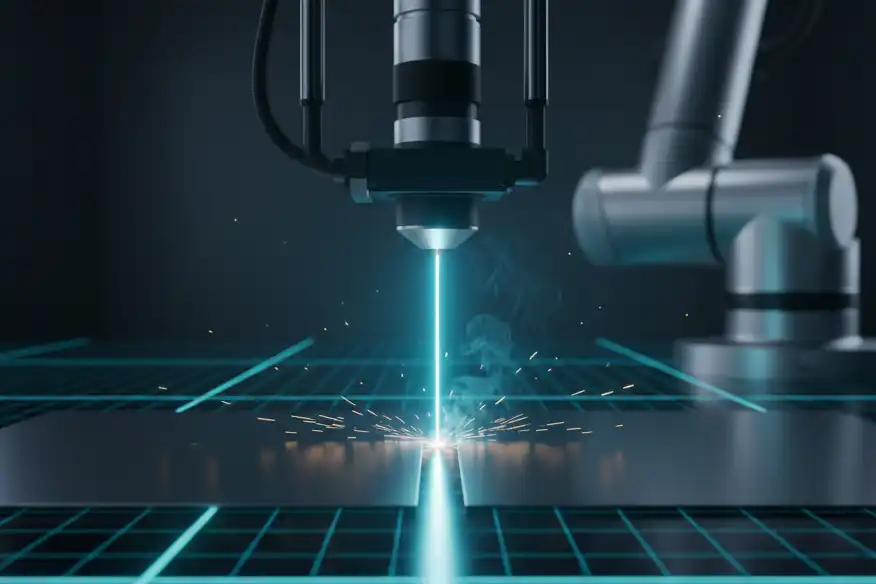
When you work with thin materials, you need a welding method that is easy to control. Laser welding is special because it has many clear benefits:
- You get very accurate welds and even weld depths with low power.
- The process uses little heat, so it stops warping and bending.
- You can join different metals without using extra filler.
- The focused laser beam makes a small heated area, so welds are strong and last long.
- You avoid problems like cracks and holes because the process is steady and the heat is controlled.
Key Takeaways
- Laser welding gives very good control. This makes it great for thin materials. The welds are cleaner and stronger.
- The process makes very little heat. This lowers the chance of bending. It helps keep the material strong.
- Laser welding can join different metals. You do not need extra filler. This makes it useful for many projects.
- The process is fast. You can finish more work quickly. This helps you get more done and work better.
- You do not need much work after welding. This saves time and effort. The welds still look very good.
Laser Welding Precision
Accuracy in Thin Material Welding
Welding thin materials needs careful control. Laser welding gives you this control. The laser beam is very focused and small. You can make deep welds that are also narrow. This does not hurt the rest of the material. The shape and strength of your workpiece stay the same. Many industries use laser welding for jobs that need high accuracy. The welds are cleaner and more exact than other ways. Gas tungsten arc welding makes bigger heat-affected zones. These zones can cause more bending and warping. Laser welding helps you avoid these problems. Your welds stay strong and neat, even on small parts.
Tip: Try laser welding when you join thin metals in electronics, medical tools, or jewelry. You will get better welds and fewer mistakes.
Minimal Heat-Affected Zone
Laser welding is special because it makes a very small heat-affected zone. The laser heats and cools the metal very fast. This means less of the metal changes during welding. You do not get soft spots, and the metal stays strong. A small heat-affected zone means less bending and fewer changes to the metal. Studies show that fast heating and cooling keep the heat-affected zone small. This is important for thin materials. Even small changes can make the part weak.
Here is a table that shows how experts look at the heat-affected zone in laser welding:
| Measurement/Study | Description |
|---|---|
| Softening effect in HAZ | Less heat means fewer changes to the metal’s structure. |
| Heating and Cooling Rates | Faster rates make the heat-affected zone smaller and keep the metal strong. |
| Cooling Rate Impact | Quick cooling keeps the metal hard and stops weak spots. |
| Measurement Techniques | Experts use thermocouples to see how fast the metal heats and cools. |
| Relative Thickness of Soft Zone | They compare the soft zone to the base metal to check for changes. |
Laser welding keeps thin materials safe from damage. You get strong and clean welds with less risk of bending or softening.
Distortion Control
Low Thermal Input
You want your thin materials to stay flat and strong. Using less heat is important for this. Laser welding helps by putting energy in a small spot. Only a tiny area gets hot. This means the rest of the metal stays cool. You do not get big temperature changes. This stops the metal from bending.
Researchers have looked at how to stop thin materials from bending. Here is a table with what they learned:
| Study Title | Key Findings |
|---|---|
| Optimization of Laser Welding Parameters and Fixed Stress Span Design to Minimize Deformation in Ultra-Thin Ferritic Stainless Steels | This study looks at how thin steel bends during pulsed laser welding. It shows that laser power and welding speed change the weld quality. Using clamps helps keep the metal from bending. |
| Suppression of deformation and enhancement of weld properties in thin stainless steel using synchronous heat sink + ultrasonic hybrid laser welding | This research shows a new way to make welds better. It uses a heat sink and ultrasound with laser welding. This method cuts bending by 40% compared to old ways. |
You can see from tests that settings like beam power and speed matter. Watching the temperature during welding helps a lot. Experts say you should try different settings. This helps you find the best way to weld thin materials.
Reduced Warping
Thin materials can bend if they heat and cool unevenly. Laser welding helps stop this from happening. It controls the heat and keeps the hot area small. This means your parts do not bend as much.
Some things that cause bending are:
- Thermal effects: Metal gets bigger when hot and smaller when cool.
- Metallurgical changes: The metal’s inside can change during welding.
- Residual stress: Leftover stress after welding can bend the metal.
Laser welding helps with these problems:
- It puts heat in a small spot, so less metal changes.
- You can control how much energy goes in, which helps with stress.
- You can cool the metal fast, so there is less leftover stress.
Laser welding is also faster than old welding ways. The quick speed means heat does not spread far. This keeps your thin materials flat and strong. You can make more parts in less time with this method.
Welding Speed & Efficiency
Fast Processing Times
It is important to weld quickly and well, especially with thin materials. Laser welding helps you do this. The laser beam is focused and moves fast. It makes a strong weld in just a few seconds. You do not need to wait long for the metal to cool. The weld finishes quickly. This lets you make more parts in less time.
Here is a table that shows how fast different welding techniques work for thin materials:
| Welding Technique | Processing Speed (mm/s) | Notes |
|---|---|---|
| Laser Welding | 10 – 50 | Faster than MIG and TIG, especially for thin materials |
| MIG Welding | N/A | Conventional technique, slower for thin materials |
| TIG Welding | N/A | Conventional technique, slower for thin materials |
Laser welding can go as fast as 50 mm each second. MIG and TIG welding are not as fast for thin materials.
Note: When you weld faster, less heat spreads. This helps keep your parts flat and strong.
Productivity Benefits
Laser welding helps you work faster and better. You can use machines to do the welding. This means you make more parts and make fewer mistakes. Many car factories use laser welding to save time and meet big orders.
| Evidence Type | Description |
|---|---|
| Cycle Time Reduction | Automotive manufacturers prioritize reducing cycle times to enhance productivity. |
| Zero-Defect Quality | The technology supports zero-defect quality, crucial for high standards in production. |
| Integration with Robotics | Laser welding integrates with robotic systems, optimizing production processes. |
- Using machines helps you make more parts.
- You save money because you waste less material.
- New technology makes welding more exact and steady.
Laser welding machines can cost more at first. But you save money later because you use less energy and waste less metal. For thin materials like 1mm steel, you do not need much power. This makes laser welding a good choice for speed and saving money.
Clean Weld Quality
Smooth Seams
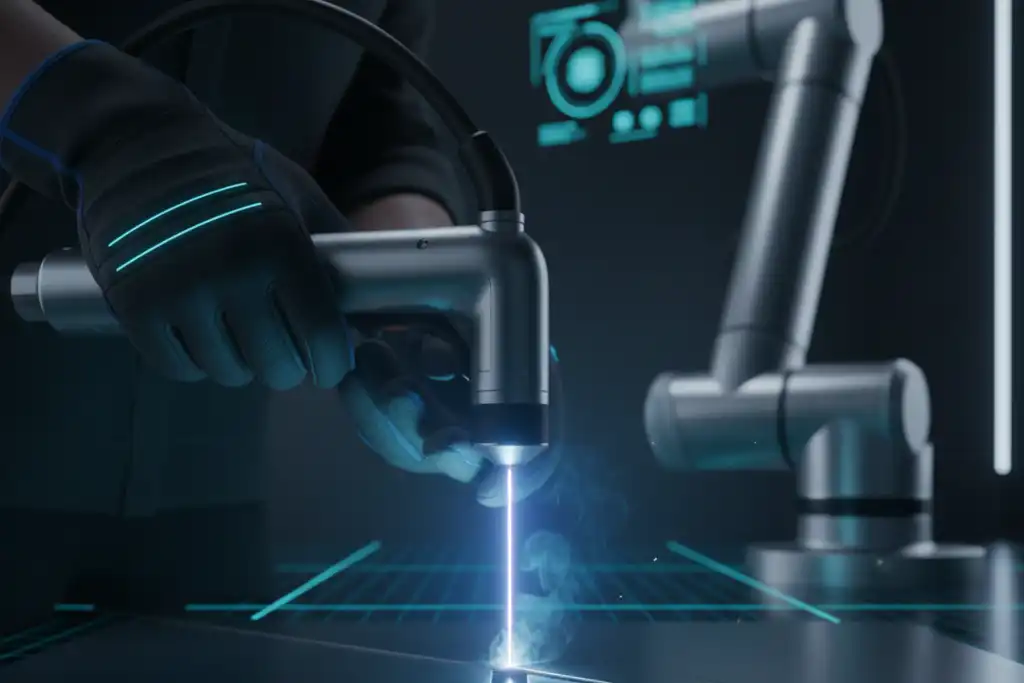
You want your welds to look smooth and professional. Laser welding helps you achieve this goal. The focused laser beam creates neat and precise welds. You see smooth surfaces with very little distortion. This is important when you work on products where appearance matters, like medical tools or aerospace parts. Other welding methods, such as MIG welding, often leave behind rough spots or spatter. These imperfections can make your work look messy and may need extra finishing.
- Laser welding at reduced ambient pressure improves weld quality and efficiency.
- If you do not prepare the joint well, gaps can cause uneven laser absorption. This may lead to defects like lack of fusion or undercuts.
- Gaps in the weld can also change the shape of the seam. This can create high stress in certain spots, which may shorten the life of your product.
When you use laser welding, you get a clean seam that keeps your product strong and attractive.
Minimal Post-Processing
You save time and effort when you do not need to fix your welds after finishing them. Laser welding gives you this advantage. The process uses precise energy, so the material keeps its shape and looks good. You often do not need to grind, sand, or polish the weld.
This precise energy input also contributes to maintaining the material’s integrity and aesthetic appeal, often without the need for post-processing.
- Laser welding creates high-quality joints with excellent physical and electrical properties.
- The heat goes only where you want it, so the rest of the material stays cool and undistorted.
- Because it is a non-contact process, the weld quality stays high over time.
You can trust your welds to look good and perform well right from the start. This means you finish your projects faster and with less extra work.
Versatility in Thin Materials
Range of Material Types
Laser welding works on many thin materials. You can use it on metals like stainless steel and nickel-titanium. It also works on some aluminum alloys. Each metal acts differently with the laser. You must pick the right settings for each one. Aluminum needs more laser power. This is because it reflects light and moves heat fast.
Here is a table that shows how materials and lasers match:
| Material Type | Thickness | Laser Type | Process Focus |
|---|---|---|---|
| Various Materials | Not specified | Diode Laser | 808 nm laser radiation |
| Ni–Ti Foils | 125 µm | Fiber Laser | Butt welding with orbital oscillation |
Laser welding works best for materials up to 10 mm thick. If the material is thicker, you may need more passes. You might also need a stronger laser. This can make welding slower and cost more. Some metals, like aluminum, need extra care. This is because they have special properties.
Note: Always check your material’s thickness and type first. This helps you avoid weak welds or extra work.
Automation Compatibility
Laser welding fits well with automated lines. Many factories use robots or CNC machines for welding. This gives you very exact welds every time. Automation is good for thin metals and tricky shapes. It keeps heat low and welds even.
- Robots guide the laser for perfect welds.
- Automated lines work fast and keep quality the same.
- You save money because machines do most of the work.
To use automation, you need some main parts:
| Component | Description |
|---|---|
| Laser Source and Optics | Fiber lasers give steady power for many jobs. |
| Real-Time Weld Monitoring | Sensors and cameras check welds as you go. |
| Class-1 Enclosure | Keeps workers safe and controls fumes. |
| Vision Systems | Fixes the laser if parts are not lined up. |
| Parts Clamping | Holds pieces tight to stop gaps and weak spots. |
Automation helps you make more parts with fewer mistakes. It also keeps workers safe and makes products strong.
Laser Welding vs. Traditional Methods
Key Differences
When you compare laser welding to traditional welding methods, you see some clear differences. You get more control and better results with laser welding, especially for thin materials. Here are some important points to notice:
- You can control the weld much more precisely. This means your welds look the same every time, no matter who operates the machine.
- You finish your work faster. Laser welding cuts down the time you spend on each part, while traditional arc welding takes longer and needs more effort.
- You get stronger welds with fewer problems. The weld pool is smaller and cools quickly, so you see fewer defects and higher fatigue resistance. This is very important for thin metals.
Tip: If you want to make sure your thin metal parts stay strong and flat, choose a method that gives you the most control and speed.
Unique Advantages
Laser welding stands out when you look at the unique benefits it brings to your projects. You can see these advantages clearly when you compare it to MIG welding:
| Advantage | Laser Welding | MIG Welding |
|---|---|---|
| Processing Speed | Up to 200″ (508 cm) per minute | 20-40″ (51-102 cm) per minute |
| Post-Processing Requirement | Minimal (no grinding needed) | Extensive (grinding required) |
| Heat Input Reduction | Approximately 85% less | Higher heat input |
| Cycle Time for Large Projects | 35 minutes | 10 hours |
| Cycle Time for Aluminum Enclosure | 18 minutes | 4 hours |
You can weld almost ten times faster with laser welding. You also spend less time cleaning up after the weld. The process uses much less heat, so your parts do not warp or bend as much. You finish big projects in a fraction of the time. This means you save both time and energy.
- You do not need to grind or polish the welds, so your parts look better right away.
- You avoid extra heat, which keeps your thin materials strong and in shape.
- You can handle more projects in less time, making your work more efficient.
If you want speed, quality, and less work after welding, laser welding gives you a clear advantage.
When you pick laser welding for thin materials, you get many good things. This method makes deep welds and works fast. It does not cause much heat distortion. Experts say these things are important: You can make welds that are always the same and use just the right amount of heat. The process is good for tricky shapes and thin pieces. You finish your work faster and do not need to clean up much. People who know a lot about welding say laser welding keeps your materials strong. It also helps you save time and money.
FAQ
What materials can you weld with laser welding?
You can weld many thin metals like stainless steel, aluminum, and nickel-titanium. Each metal may need different laser settings. Always check your material before you start.
Does laser welding cause warping in thin materials?
Laser welding uses a focused beam. This keeps the heat small. You see less warping and bending compared to other welding methods.
Do you need to clean laser welds after finishing?
You often do not need extra cleaning. Laser welding makes smooth seams. You save time because you skip grinding or polishing.
Can you automate laser welding for thin materials?
- Yes, you can use robots or CNC machines.
- Automation helps you get exact welds.
- You make more parts with fewer mistakes.
Comparison of Laser Welding, Spot Welding, and TIG Welding Technologies
Laser Welding or Traditional Welding Which Is Better for Your Project
Fiber Laser Welding Versus CO2 Laser Welding—A Detailed Comparison
The working principle and basic process of laser welding