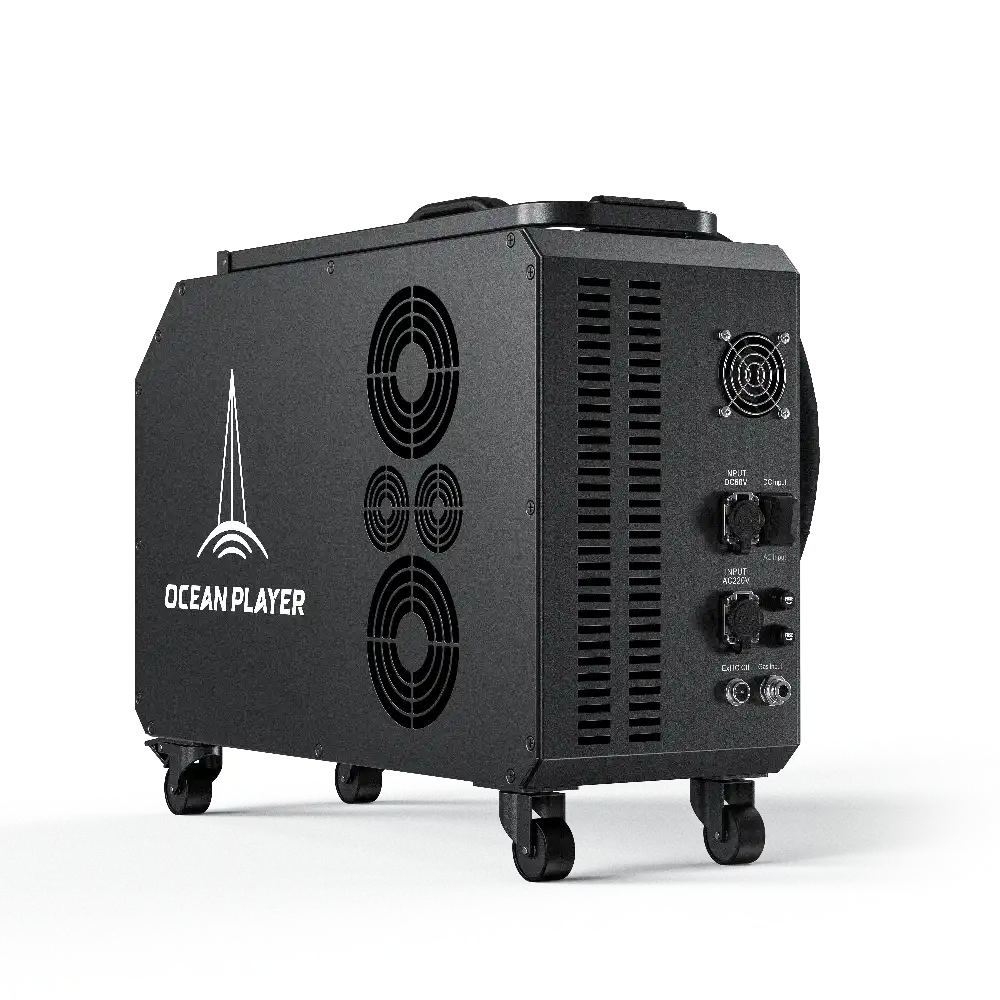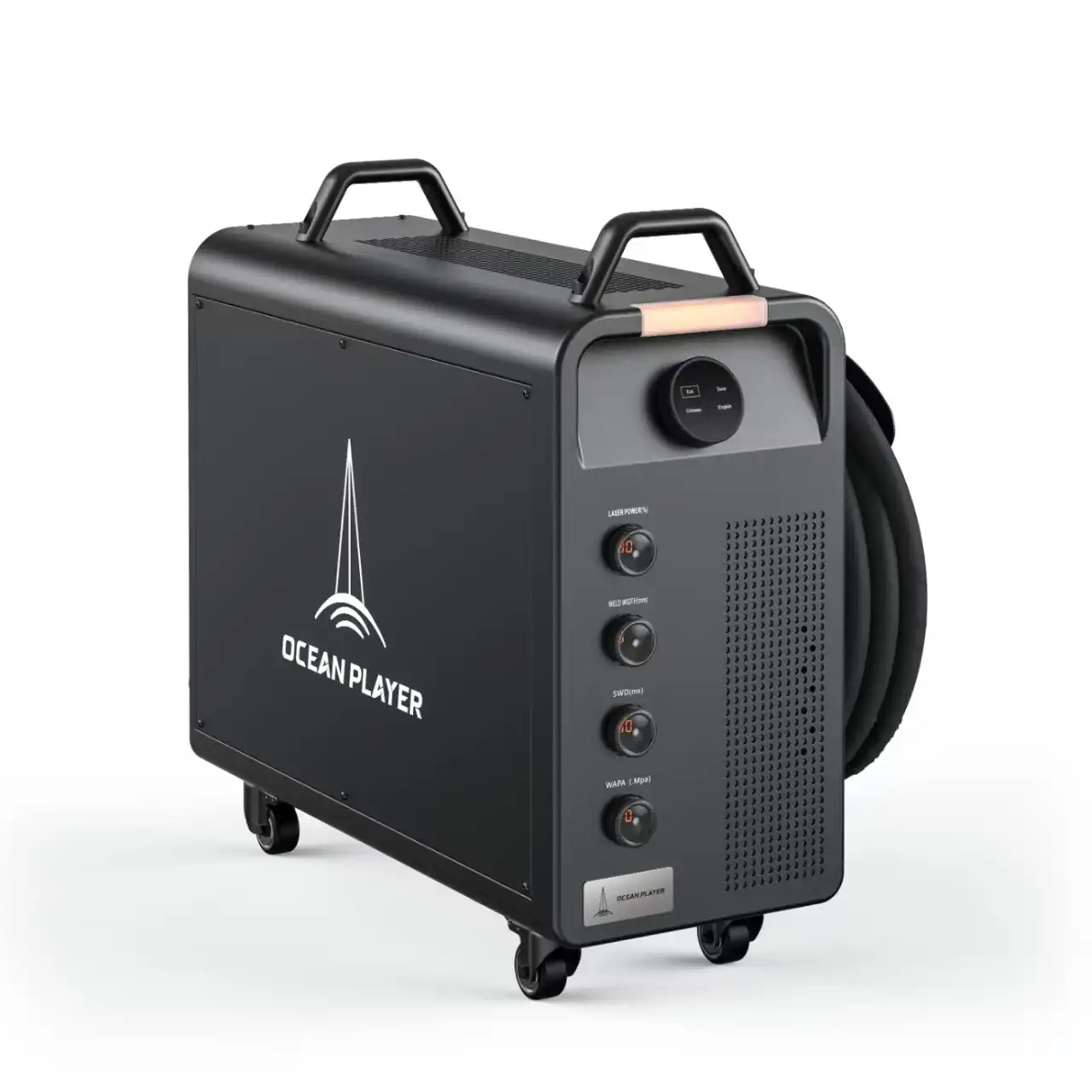
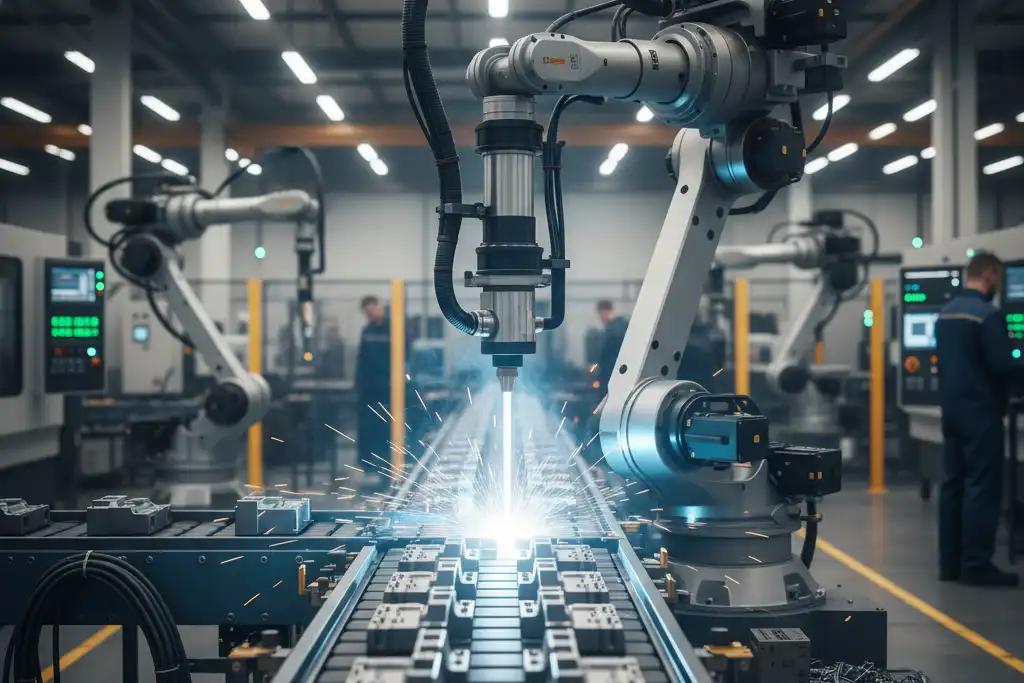
Laser welding can make your manufacturing much faster than old welding ways. You can weld more than 200 inches each minute. This is much faster than the 20-50 inches per minute with MIG welding. This speed, plus automation and accuracy, helps your production line a lot.
- You save money because the work is faster and you waste less material.
- You get fewer mistakes, do less fixing, and need fewer workers.
- You spend less on warranties because the welds are better.
Key Takeaways
- Laser welding is much faster than old ways. It can make things at over 200 inches each minute.
- Laser welding uses less material and makes fewer mistakes. This helps save money and makes work better.
- Watching the process in real time helps make better welds. Controlling the settings closely means less fixing is needed.
- Getting the right training and tools keeps laser welding safe and useful.
- Using laser welding can save a lot of money. It also makes things faster in many types of businesses.
Laser Welding and Production Speed
Faster Output Than Traditional Welding
Laser welding helps you make things faster. It works much quicker than TIG or MIG welding. The table below shows how fast each method is:
| Welding Method | Speed (in/min) | Comparison to Laser Welding |
|---|---|---|
| Laser Welding | 20 – 200 | 4-10 times faster than TIG |
| TIG Welding | < 50 | Slower than Laser |
| MIG Welding | < 50 | Slower than Laser |
Laser welding lets you finish jobs quickly. Many people say it can cut production time by 30%. Welds are cleaner and cooler, so parts cool down faster. This means you can do more work and send out products sooner.
Precision and Reduced Rework
Laser welding gives you more than speed. It is also very precise. The laser heats only a small spot, so you melt just what you need. This helps you avoid overheating other parts.
Laser welding uses a tiny beam to melt a small area. It puts in less heat than MIG welding. This makes parts cool faster and keeps them from bending or changing shape. You fix fewer mistakes and spend less time reworking.
Fewer errors mean less fixing. You save money because you do not redo work. Better welds help you finish jobs faster and easier. You also skip extra steps like grinding or straightening after welding.
Lean Manufacturing with Laser Welding
Lean manufacturing helps you work smarter. It means you cut waste and make things run smoothly. Laser welding helps you do this in many ways:
- You use less material and stop overwelding, so you waste less.
- You make your welding steps the same, so training is easier and quality stays high.
- Your machines weld more and wait less.
- You use the right settings and keep equipment working well, so welds are better.
- You check your process with smart tools, so welds are strong and even.
- You can use robots to weld, which makes jobs faster for most companies.
Laser welding is good for the environment. You do not need extra filler, and you make less waste. There are fewer fumes and bad gases, so your workspace is cleaner and safer.
You save money over time because you use less material and fix less. Your machines last longer. You also use less energy and help the environment.
Key Efficiency Factors
Rapid Setup and Positioning
You can set up laser welding equipment fast. This saves lots of time. Accurate part placement is important. Quick setup helps when you switch jobs often. Tools like Focus Assistant help you set the zero focus level each time. This stops mistakes from happening. Process Viewer helps you find the joint to weld. You do not waste time looking for it. Camera magnification lets you see the weld area up close. This makes your work easy to repeat and efficient.
| Evidence Description | Impact on Production Time |
|---|---|
| Fast setup is important for making things quickly, especially with different batches. | It makes production time much shorter. |
| Focus Assistant helps you set the zero focus level exactly. | It lowers mistakes during welding. |
| Process Viewer helps you find the right joint to weld. | It makes positioning better and cuts down on fixing. |
| Camera magnification helps you work with fewer mistakes. | It makes welding easy to repeat and faster. |
Tip: Using tools for precise positioning means you fix fewer mistakes and make more good welds.
Advanced Parameter Control
You can change many settings in laser welding. This keeps your work fast and strong. You set laser power, focus position, pulse shape, welding speed, and beam diameter. Each setting changes how the weld turns out. Too much power can make holes or bubbles. Too little power makes weak welds. Focus position helps you get the right depth and shape. Pulse shape controls heat and weld features. Welding speed helps you avoid problems and work fast. Beam diameter spreads heat and makes smooth welds.
| Parameter | Effect on Welding Quality |
|---|---|
| Laser Power | Too much power makes holes and bubbles. Not enough power makes weak welds. |
| Focus Position | Changes how deep and wide the weld is. |
| Pulse Shape | Changes heat and weld features. |
| Welding Speed | Helps you work fast and avoid problems. |
| Beam Diameter | Spreads heat and makes welds smooth. |
Note: You should check and change these settings often. This keeps your welds the same and stops problems.
Real-Time Monitoring
You use real-time monitoring to watch laser welding as it happens. These systems measure weld depth very well. They work even when you weld fast or on tricky paths. You check temperature, plasma radiation, and depth to find problems quickly. The Laser Welding Monitor LWM helps you spot bad welds before they get worse. Smart systems look at vapor plumes and spatters to check weld quality. Watching in real time helps you catch mistakes early. This means you fix less and keep working fast.
Pro Tip: Real-time monitoring helps you fix problems right away. This keeps your work fast and your welds good.
Implementing Laser Welding
Equipment and Technology Choices
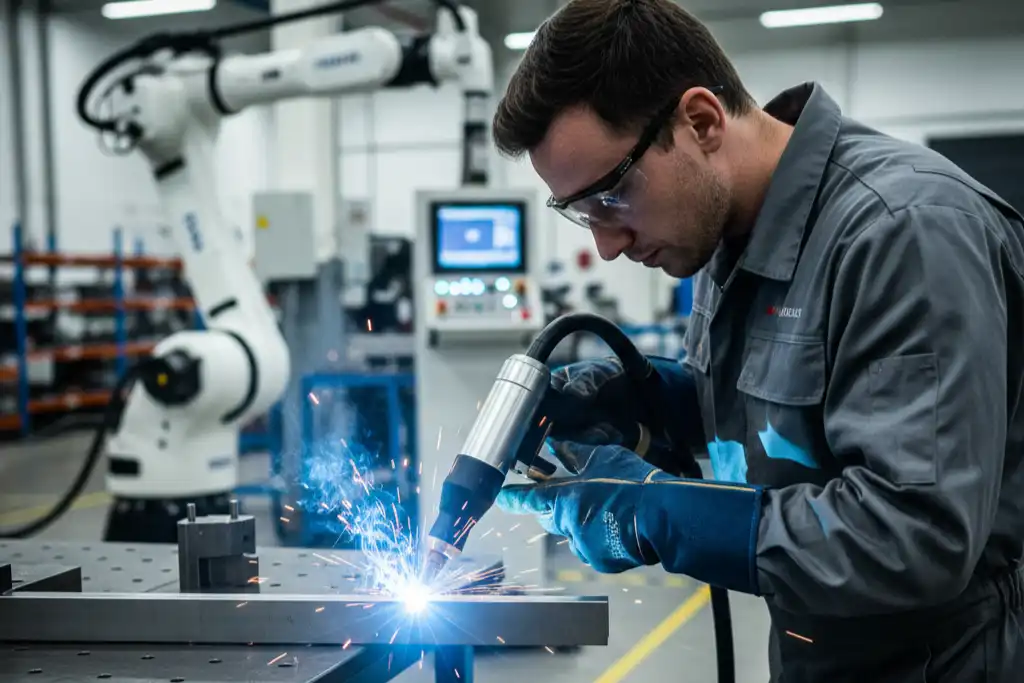
You must pick the best equipment for laser welding. Look for machines that are very accurate and have good automation. These machines can work with many materials. They also work with robots to make things faster. Make sure your equipment has safety features and tools to watch welds in real time. These keep welds strong and help your team stay safe.
Here are steps to set up your process:
- Clean your workpieces to get rid of dirt or oil.
- Use the right fixtures to hold parts still.
- Calibrate your machine often to keep the laser focused.
- Move the welding head at a steady speed for even welds.
- Keep your machine clean and check parts like lenses and nozzles.
Tip: Make sure you do regular maintenance. Clean the lens, check the beam alignment, and look at the coolant system. This helps everything work well.
Training and Integration Tips
Training helps your team use laser welding safely and correctly. You can send workers to workshops or have training at your site. These teach welding speeds, how deep the weld goes, and how to place parts. Training also teaches safety and how to care for the machine.
| Program Title | Description |
|---|---|
| Laser Education and Training Programs | Classes that teach basic laser skills for beginners. |
| Introduction to Laser Welding | A short class to learn important welding skills fast. |
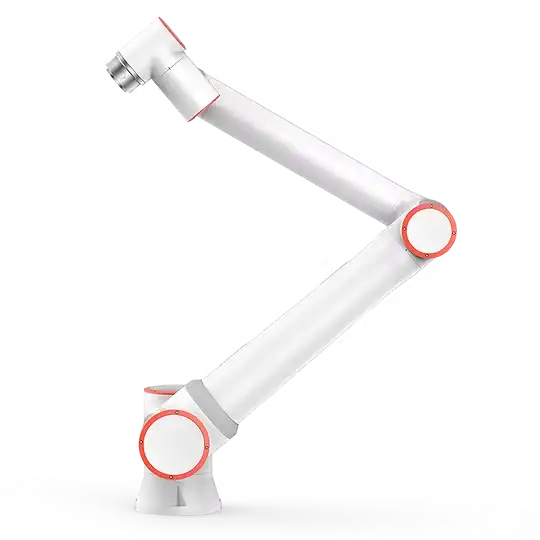
| Laser Welding Cobots: Tips for Integration | Training on using cobots and how to reset tools. |
Note: Good training means fewer mistakes and faster work.
Fiber Laser Advancements
Fiber lasers have made welding better. They work faster and need less care than older lasers. You get more power, better beams, and control in real time. This lets you weld thicker materials and keep welds even. Fiber lasers also work well with robots, so you can do more without hiring extra workers.
| Advancement Type | Impact on Welding Speed and Consistency |
|---|---|
| Higher Power Output | Welds thick materials faster. |
| Intelligent Control Systems | Makes changes in real time for better welds. |
| Enhanced Beam Quality | Gives you clean and exact welds. |
| Improved Automation | Works with robots for steady and repeat welds. |
Fiber lasers help you finish jobs fast and keep your line moving.
Real-World Results
Production Speed Improvements
Laser welding helps you make things much faster. Many companies say they get more products and better quality. The process uses deep penetration and quick energy transfer. You do not need to worry about workers getting tired. The system works by itself. This lets you make more items and grow your business.
Here is a table that shows how laser types change speed:
| Laser Type | Speed (m/s) | Improvement (%) |
|---|---|---|
| Standard Single-Mode Laser | 1.0 | N/A |
| AFX Fiber Laser | 1.3 | 30 |
You can also look at how fast each method welds one meter:
| Method | Time to Weld 1 Meter Seam | Speed Improvement Factor |
|---|---|---|
| Skilled TIG Welder | Several minutes | N/A |
| Automated Laser Welder | Seconds | Up to an order of magnitude faster |
Tip: Automated laser welders finish jobs in seconds, not minutes.
Case Studies from Industry
Many businesses get great results with laser welding. The table below shows how much better things get in different areas:
| Application Area | Efficiency Increase (%) | Cost Savings ($) | Lead Time Reduction (Days) |
|---|---|---|---|
| Automotive Manufacturing | 30 | $500,000 | 5 |
| Electronics Assembly | 25 | $300,000 | 3 |
| Aerospace Components | 28 | $800,000 | 7 |
| Medical Devices | 32 | $400,000 | 4 |
| Construction Machinery | 27 | $600,000 | 6 |
In cars, you can make things 30% faster. This means you pay less for workers and make fewer mistakes. In planes, you get joints that are lighter and stronger. You also waste less and help the planet. These results show laser welding helps you work better and save money in many fields.
You can learn these things:
- Automation helps you work faster and earn more.
- Fiber lasers make your work easy and quick to grow.
- One machine can do many jobs, like drilling, cutting, and welding.
- Laser welding works with many materials and hard designs.
Laser welding helps you make things faster and better. It gives you more speed and makes work more exact. You can also use machines to do the work. Many companies finish jobs 30% quicker. They also work 25% better.
| Benefit | Result |
|---|---|
| Less time to put things together | Up to 30% |
| More products made | 25% |
| Less wasted material | Up to 15% |
To do your best:
- Clean the lens and nozzle every time you use them.
- Teach your team how to use laser welding safely.
- Make sure your work area is tidy and not too hot or cold.
Look at how you work now and see if laser welding helps. Ask people who know a lot about it to help you pick what is best for you.
FAQ
What materials can you weld with a laser welder?
You can weld many metals like steel, aluminum, copper, and titanium. Laser welding works best on clean, flat surfaces. You should always check if your material matches your laser type.
How do you keep laser welds strong?
You must clean parts before welding. Set the right laser power and speed. Use real-time monitoring to check weld quality. Good training helps you avoid weak spots.
Is laser welding safe for your team?
Laser welding is safe if you use the right safety gear. Wear protective glasses and clothing. Set up shields around the work area. Always follow safety rules and signs.
Can you use laser welding for small or complex parts?
Yes, you can. Laser welding gives you high precision. You can weld tiny or detailed parts without damaging them. Use the right settings and tools for best results.
The application advantages of laser welding in thin material welding
Comparison of Laser Welding, Spot Welding, and TIG Welding Technologies
Laser Welding or Traditional Welding Which Is Better for Your Project
Fiber Laser Welding Versus CO2 Laser Welding—A Detailed Comparison